Head to head · Two Alpine countries, two kinds of trip
Switzerland vs Austria: Which Is Better for the Alps?
Short answer: choose Switzerland for the highest and most famous Alpine summits — the Matterhorn, the Jungfrau and the Aletsch Glacier — reached by train, cog railway and cable car, with the Jungfraujoch railway running all year. Choose Austria for a summer road trip around Salzburg: the Eisriesenwelt and Dachstein ice caves, the 380 m Krimml Waterfalls and the Grossglockner High Alpine Road to the Pasterze Glacier.
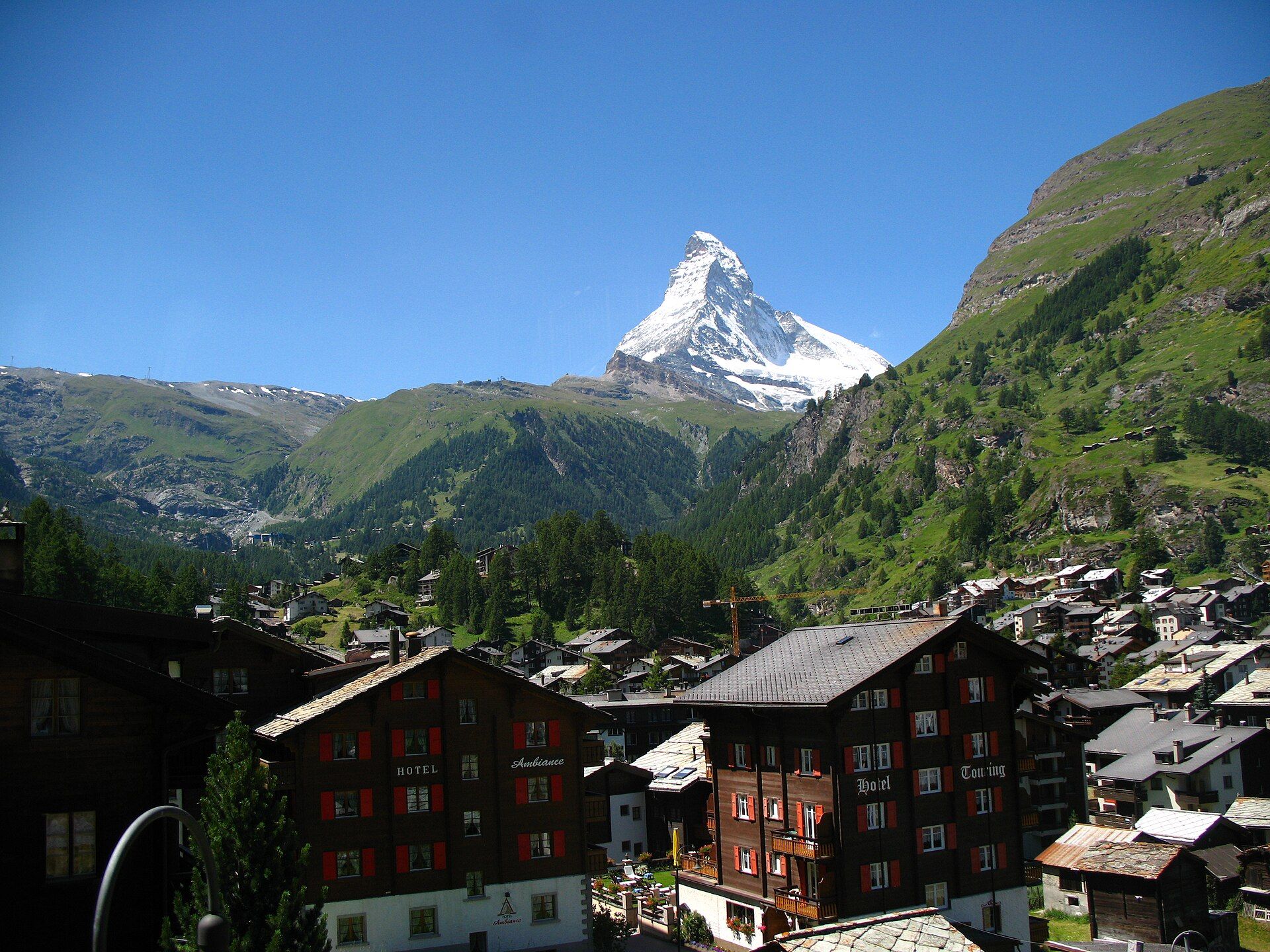
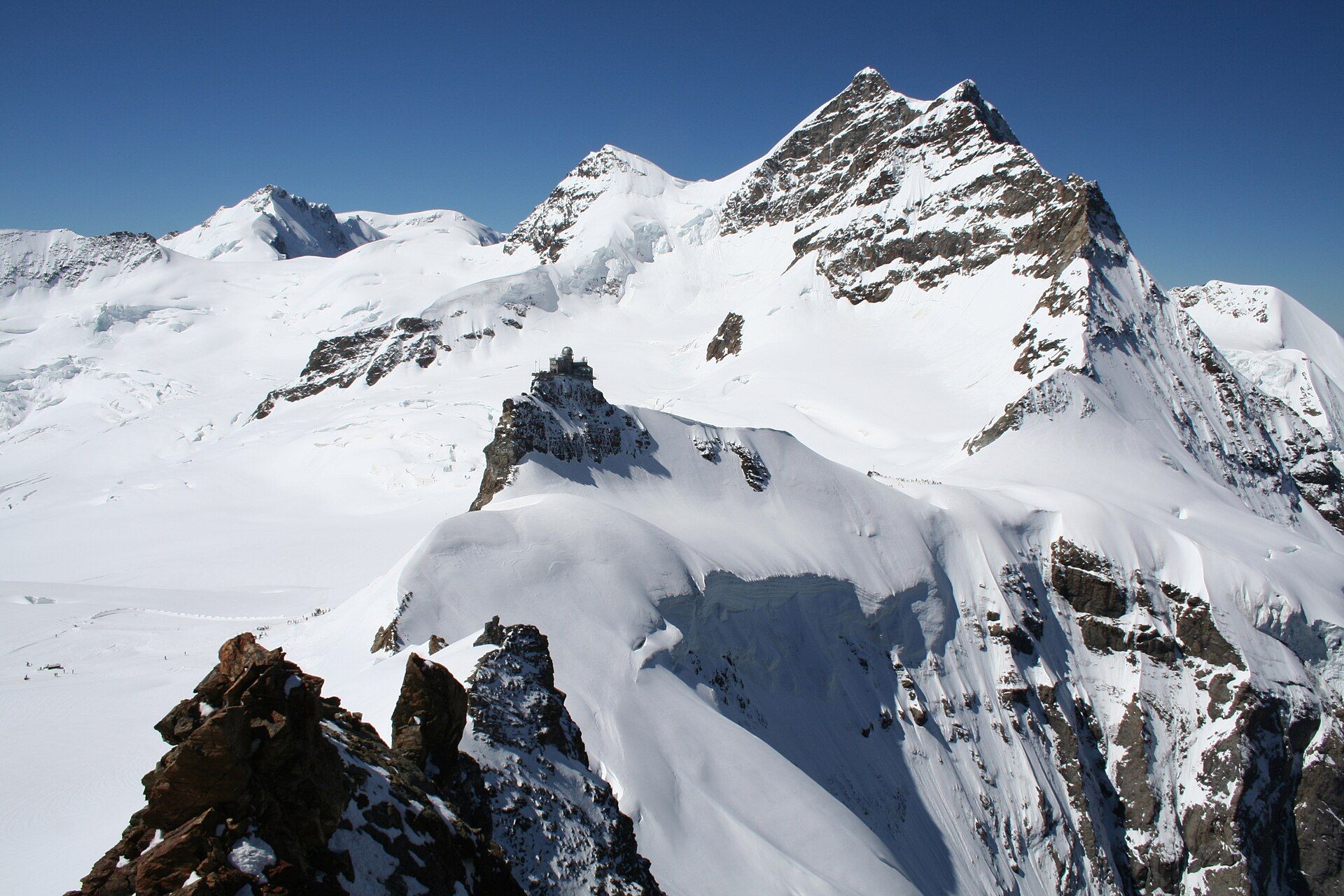
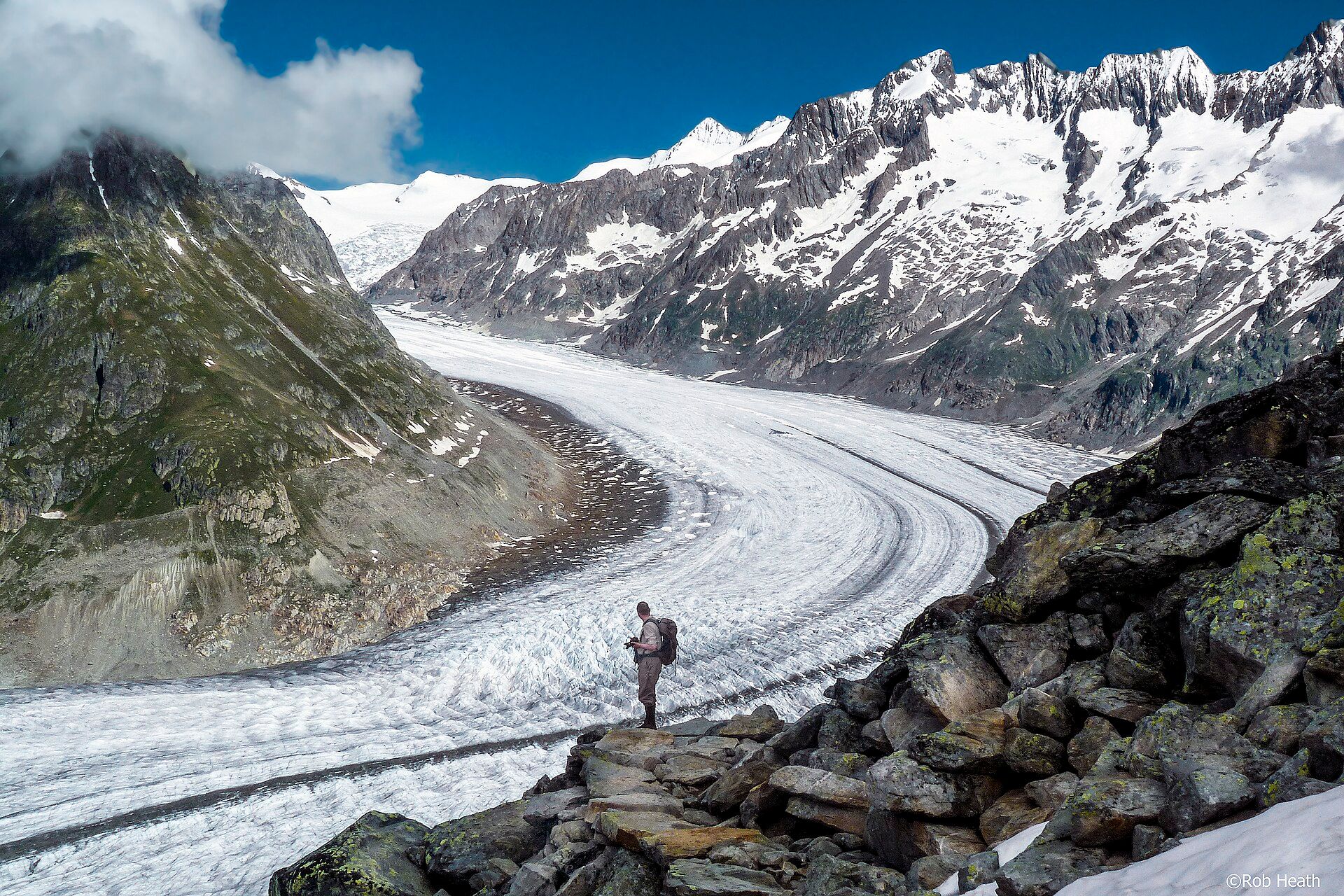
Switzerland's peaks are higher: the Matterhorn is 4,478 m and the Jungfrau 4,158 m, against Austria's 3,798 m Grossglockner. Its glacier is bigger too — the Aletsch, about 20 km long, is the largest in the Alps; the Pasterze, Austria's largest, is about 8 km.
Austria's headline wonders are seasonal. The Eisriesenwelt is open 1 May to 31 October and closed all winter, the Dachstein ice caves run roughly May to October, the Grossglockner road opens early May to early November and the Krimml trail typically closes in winter. Switzerland's lakes and railways work in more seasons, though its high trails are also a June-to-September affair.
Switzerland
The highest peaks, by train and cable car
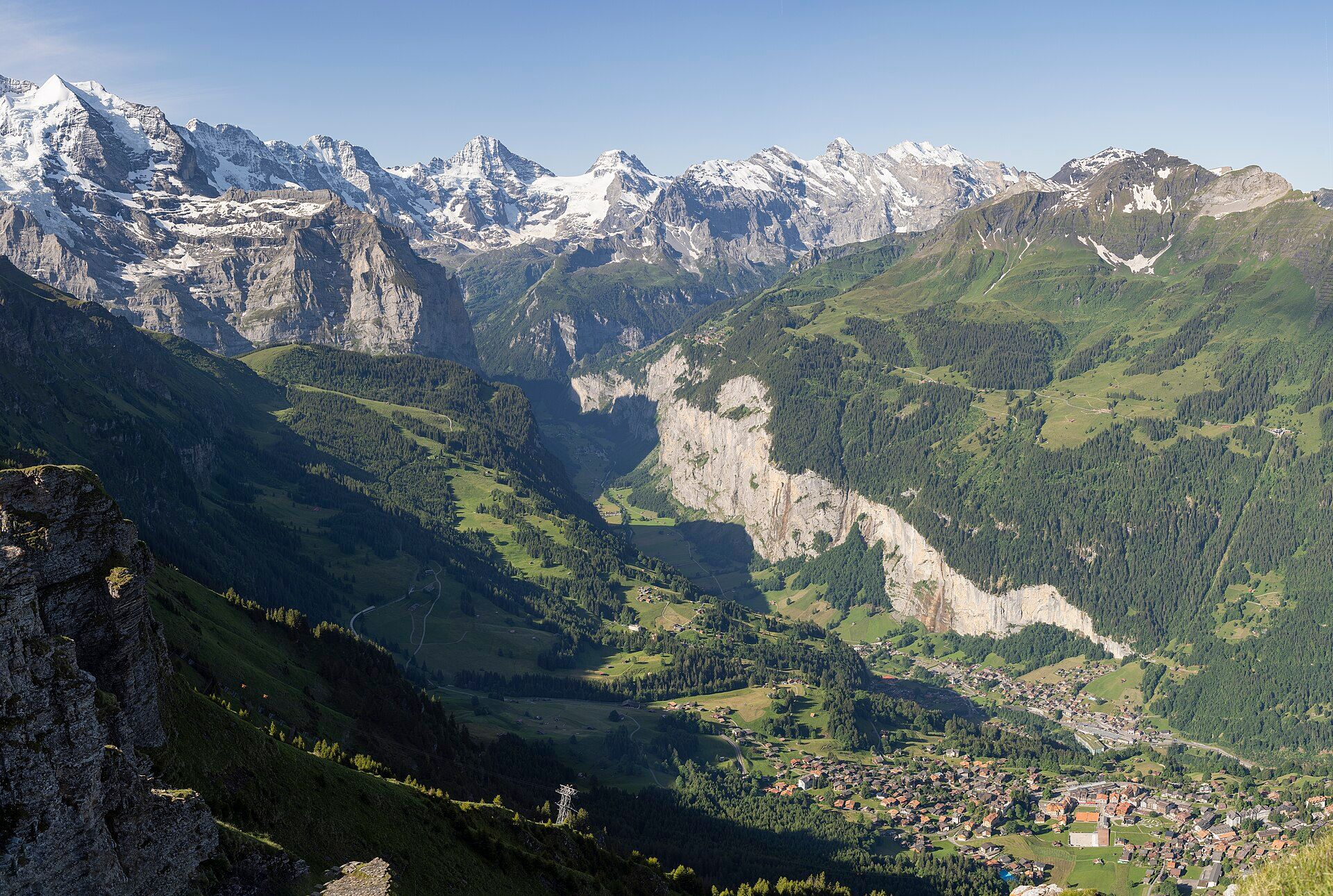
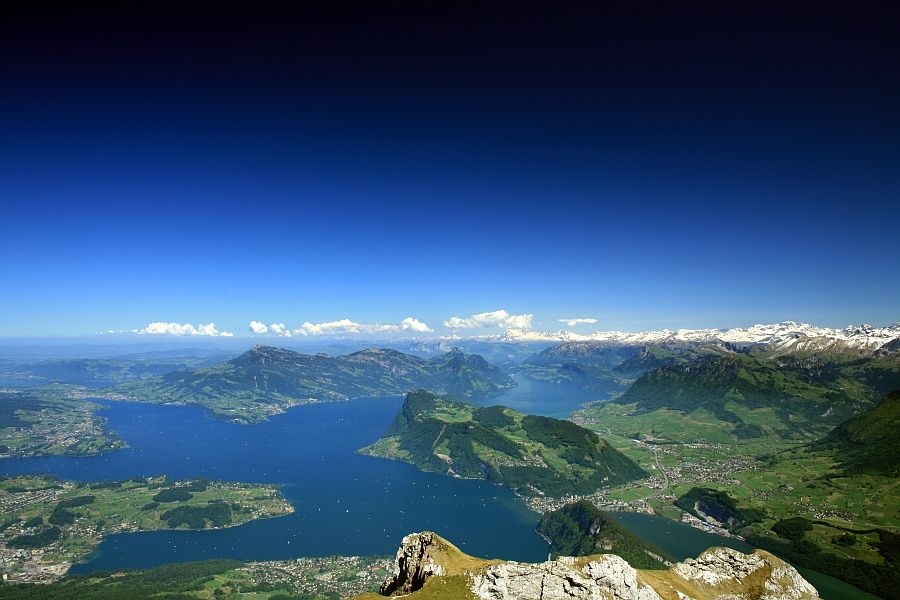
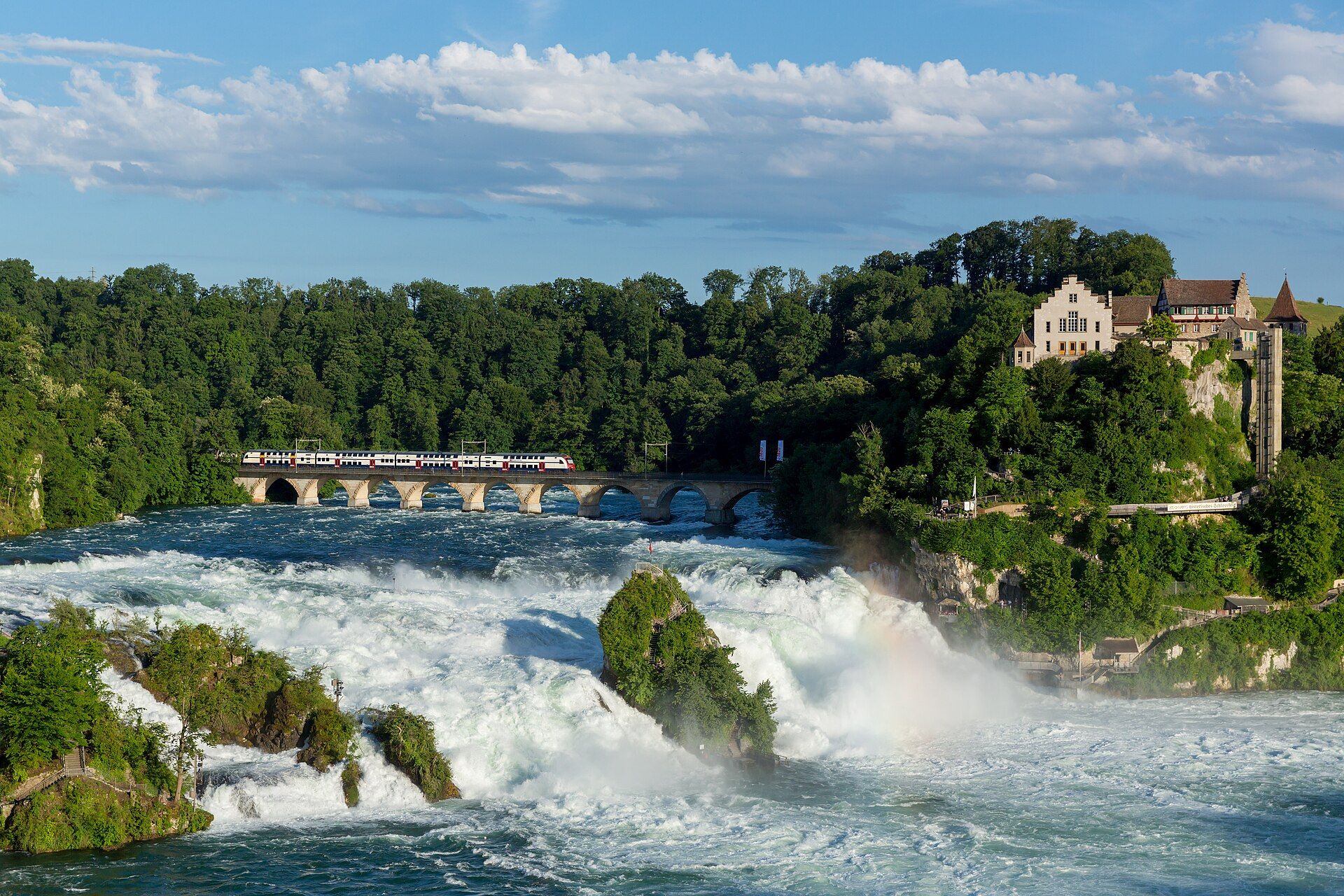
The Alps at their highest and most accessible. The Matterhorn rises above car-free Zermatt, with the Gornergrat and Klein Matterhorn lifts to the classic views; the Jungfrau Railway tunnels up to the Jungfraujoch at 3,454 m, about two to two and a half hours from Interlaken, overlooking the head of the Aletsch Glacier. Below sit Lauterbrunnen's valley of 72 waterfalls, Oeschinen Lake above Kandersteg, Lake Lucerne about an hour from Zürich, and the Rhine Falls, Europe's largest waterfall by volume, under an hour from Zürich.
- The Matterhorn, the Jungfraujoch and the Aletsch, the largest glacier in the Alps
- Everything reachable by train, cog railway, cable car and lake boat
- The Jungfraujoch railway runs year-round
Austria
Ice caves, a giant waterfall and the Grossglockner road
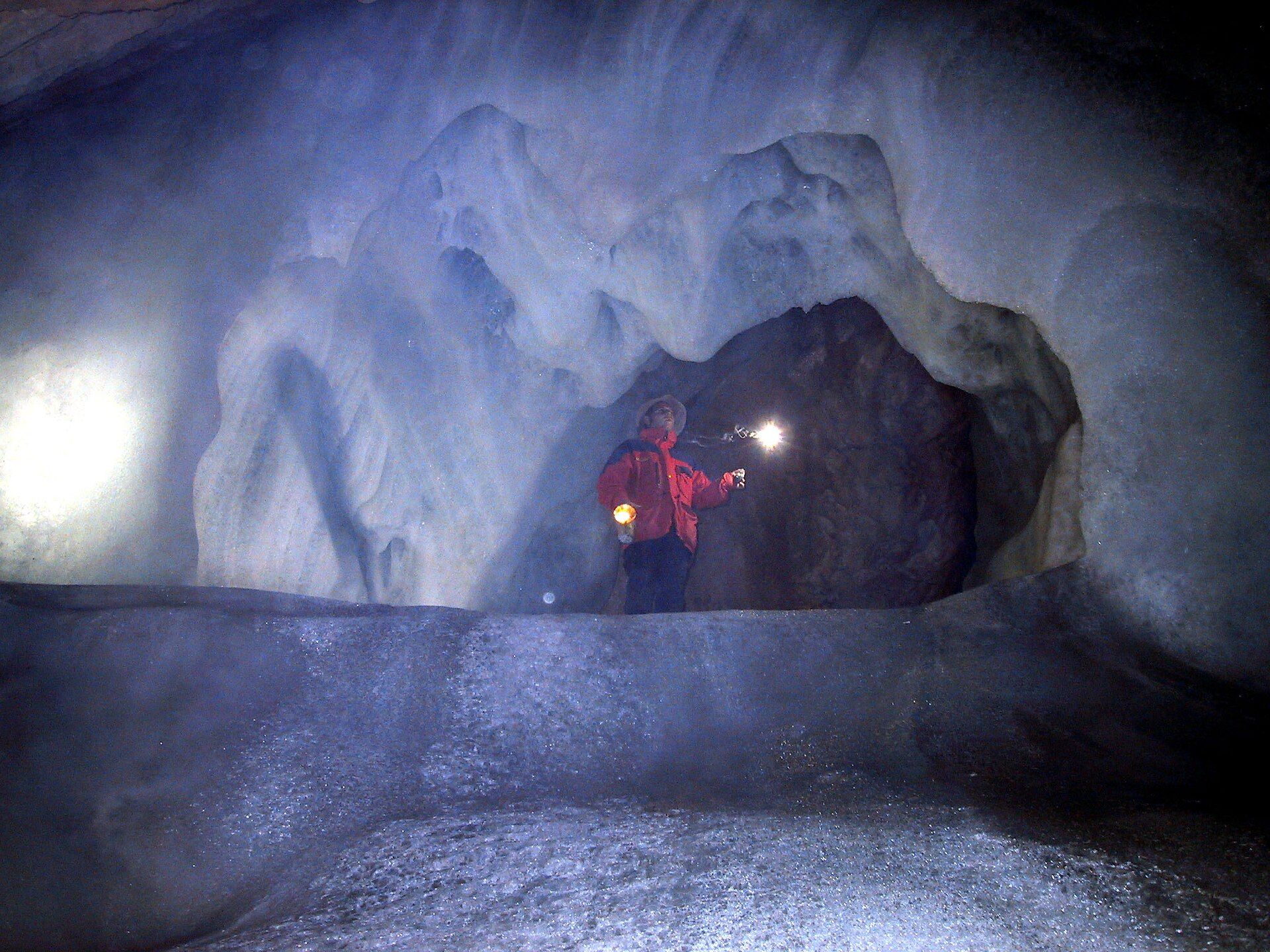
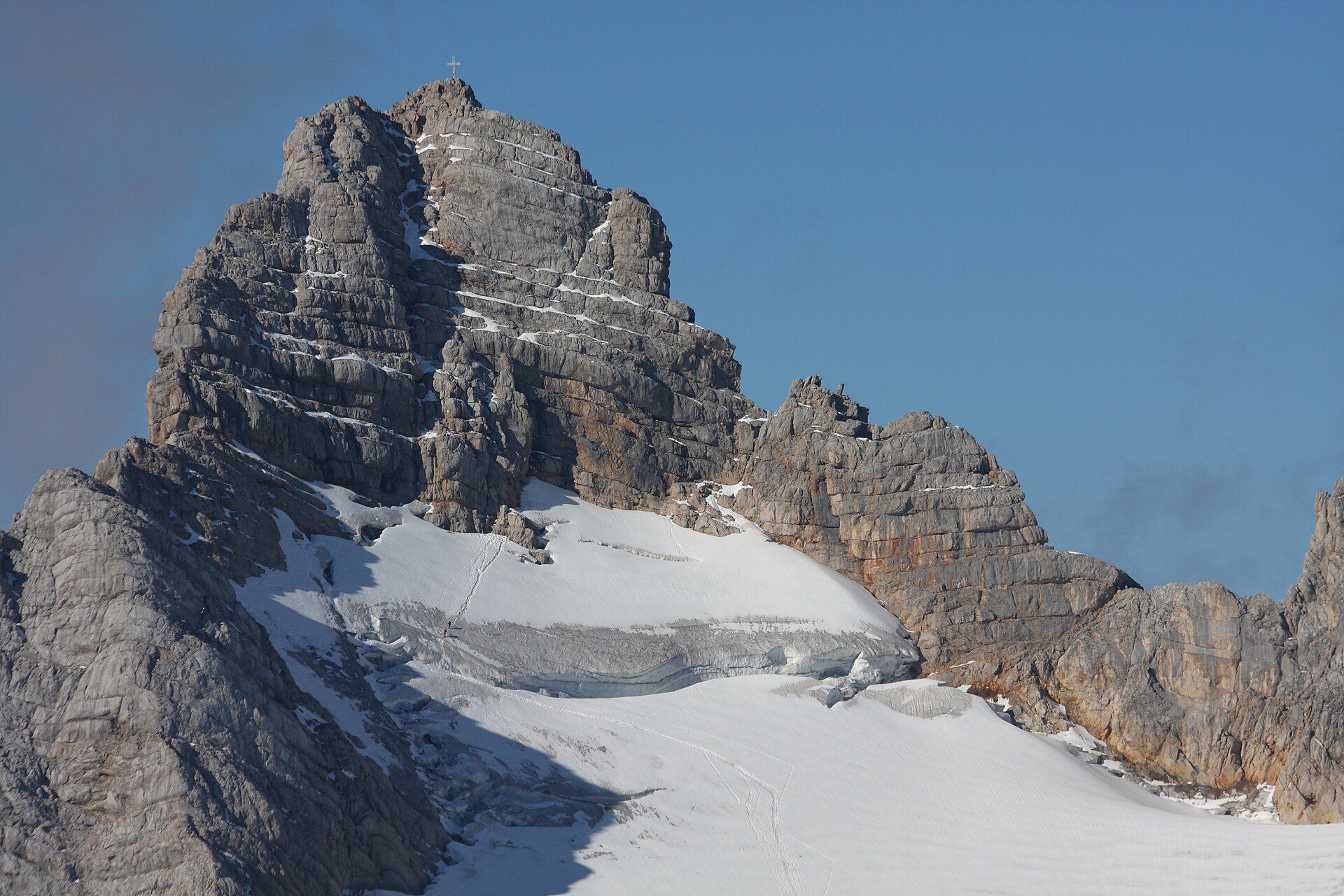
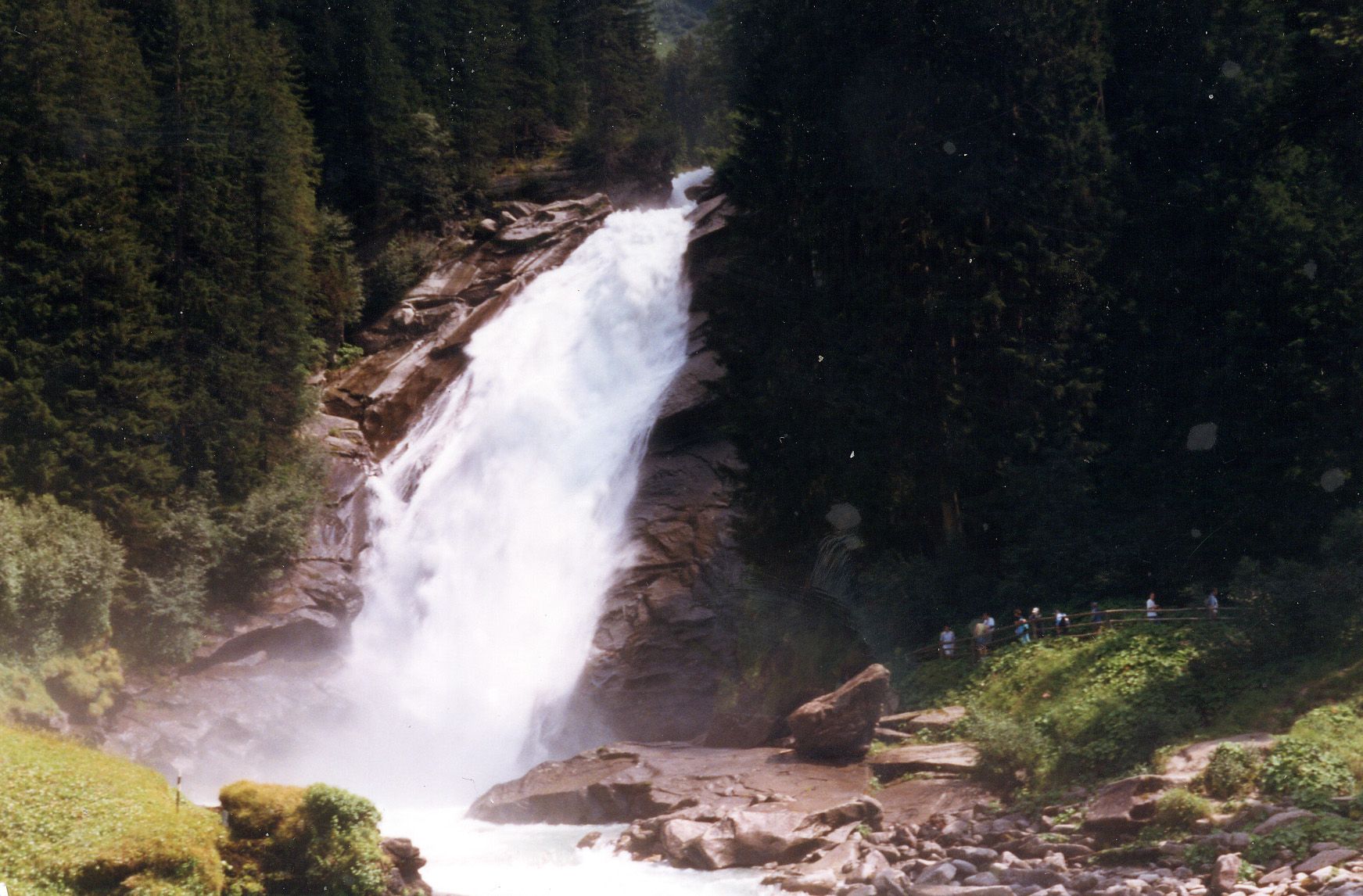
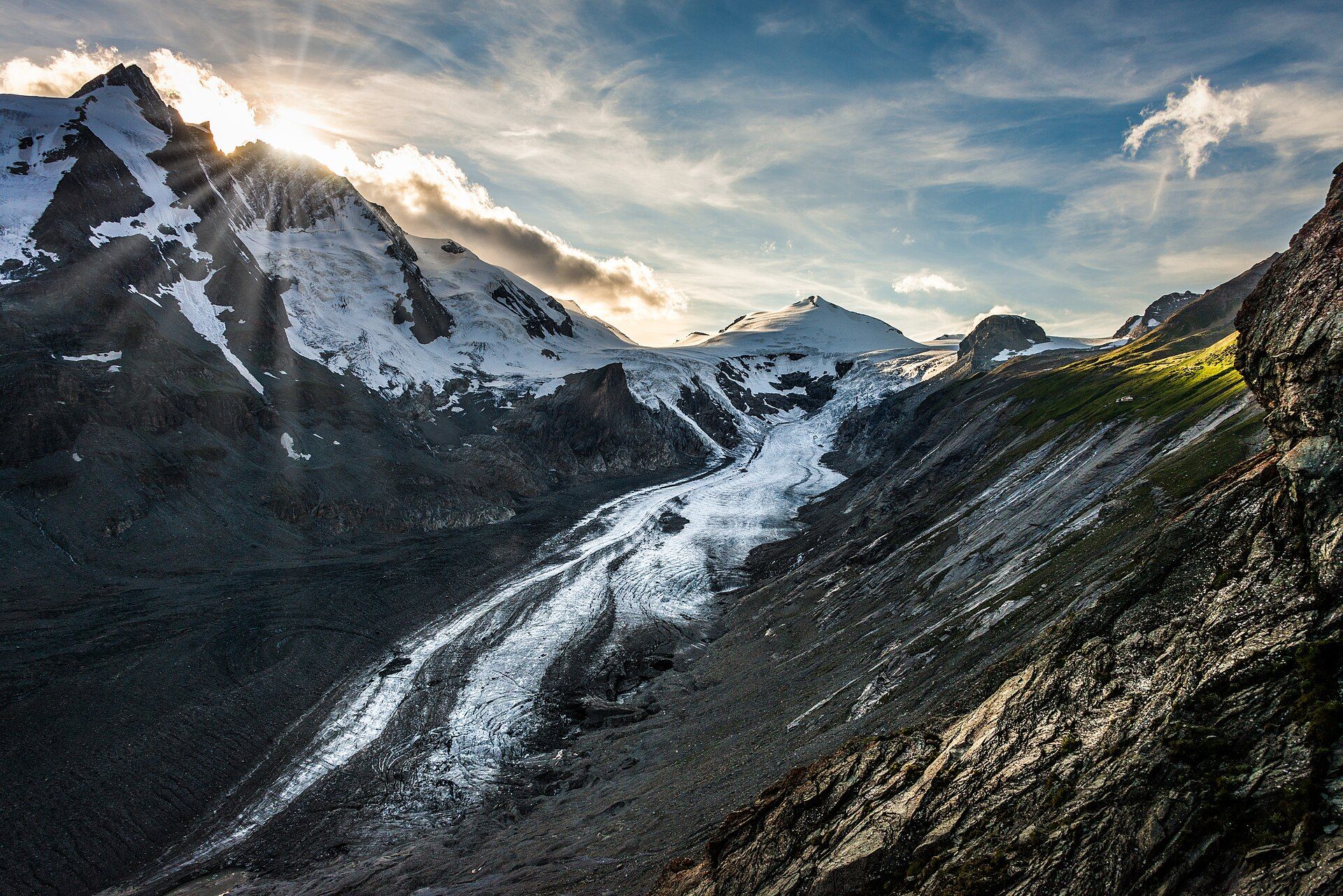
A summer circuit around Salzburg. The Eisriesenwelt above Werfen is the world's largest ice cave, about 40 km of passage, visited on 70-minute lamplit tours — half a day from Salzburg. The Dachstein massif above Hallstatt and Obertraun has more ice caves and glacier views by cable car. The Krimml Waterfalls drop 380 m in three tiers, strongest in June and July. The Grossglockner High Alpine Road climbs to the Kaiser-Franz-Josefs-Höhe above the Pasterze Glacier, beneath the 3,798 m Grossglockner.
- Ice caves you can walk through: the Eisriesenwelt and the Dachstein caves
- The Krimml Waterfalls, 380 m in three tiers
- One of the Alps' great drives, the Grossglockner High Alpine Road
Head to head
| What matters | Switzerland | Austria |
|---|---|---|
| Peaks Edge: Switzerland | The Matterhorn (4,478 m) and the Jungfrau (4,158 m), with railways and cable cars to high viewpoints. | The Grossglockner (3,798 m), seen from the end of the High Alpine Road, and the Hoher Dachstein (2,995 m). |
| Glaciers Edge: Switzerland | The Aletsch, about 20 km long and up to about 900 m thick — the largest in the Alps — seen from ridges above Bettmeralp, Riederalp and Fiescheralp or from the Jungfraujoch. | The Pasterze, about 8 km long and Austria's largest, viewed from the Kaiser-Franz-Josefs-Höhe; its tongue lost a record 203.5 m in 2022/23. |
| Ice caves Edge: Austria | None among Switzerland's headline wonders. | The Eisriesenwelt, the world's largest ice cave, and the Dachstein ice caves above Obertraun. |
| Waterfalls Edge: Toss-up | Lauterbrunnen's 72 falls, including the free-falling Staubbach (about 300 m), and the broad Rhine Falls. | Krimml, 380 m in three tiers — Austria's highest waterfall. |
| Lakes Edge: Switzerland | Lake Lucerne, with paddle steamers and mountain railways from the piers, and turquoise Oeschinen Lake. | The Salzkammergut lakes around Hallstatt below the Dachstein. |
| Getting around Edge: Switzerland | By rail: Zermatt by train, the Jungfrau region from Interlaken, Lucerne about an hour from Zürich Airport. | Best by car, or by Postbus in summer: Werfen, Krimml and the Grossglockner road are spread around Salzburg and Zell am See; the High Alpine Road is a toll road. |
| Season Edge: Switzerland | High trails and glacier viewpoints June to September (Matterhorn trails July to September); lakes May to October; the Jungfraujoch railway all year. | Roughly May to October: the Eisriesenwelt 1 May–31 October, the Grossglockner road early May to early November, Krimml's trail typically closed in winter. |
Which should you choose?
Choose Switzerland if…
…you want the highest, most famous Alpine summits and glaciers, prefer trains to driving, or are travelling outside the summer months.
Choose Austria if…
…you are driving between May and October, want to walk through an ice cave, and like a compact circuit around Salzburg with a great mountain road.
The honest verdict
Switzerland wins on sheer height and ease: the Matterhorn, the Jungfraujoch and the Aletsch Glacier are the Alps' biggest sights, and the railways reach them in almost any season.
Austria has what Switzerland's headline list doesn't: the world's largest ice cave, a 380 m waterfall and the Grossglockner road — a summer trip from Salzburg, best between May and October.
For a peak-to-peak choice inside Switzerland, see our Matterhorn vs Jungfrau comparison; for Austria's two ice caves, Eisriesenwelt vs Dachstein.
Wonders mentioned here
Added