Head to head · The largest rainforest vs the second-largest
Amazon vs Congo Rainforest: How Do the World's Two Largest Rainforests Compare?
Short answer: the Amazon is bigger — roughly 5.5 million km² of forest, mostly in Brazil, against some 1.7 million km² for the Congo Basin, which is the second-largest tropical rainforest on Earth. The Congo's claim is animals found nowhere else (bonobos, okapi, forest elephants); the Amazon's is sheer diversity and far easier lodge-based access.
The Amazon and the Congo Basin are the two largest tropical rainforests on Earth, and the gap between them is large: the Amazon covers roughly 5.5 million km², most of it in Brazil, while the Congo Basin covers some 1.7 million km² across six countries, the greater part in the Democratic Republic of the Congo. The Amazon holds perhaps one in ten known species on Earth; the Congo holds animals found nowhere else — bonobos live only south of the Congo River, and the okapi was unknown to science until the twentieth century.
For a traveller the bigger difference is access. The Amazon has an established lodge industry around Manaus, Iquitos and Puerto Maldonado, and four nights is a reasonable trip. The Congo is expedition travel: a handful of managed reserves such as Odzala-Kokoua and Dzanga-Sangha, reached by charter flight, river boat and 4x4, with 7–10 days the realistic minimum and government travel advice restrictive for several parts of the basin.
Amazon
The largest rainforest on Earth
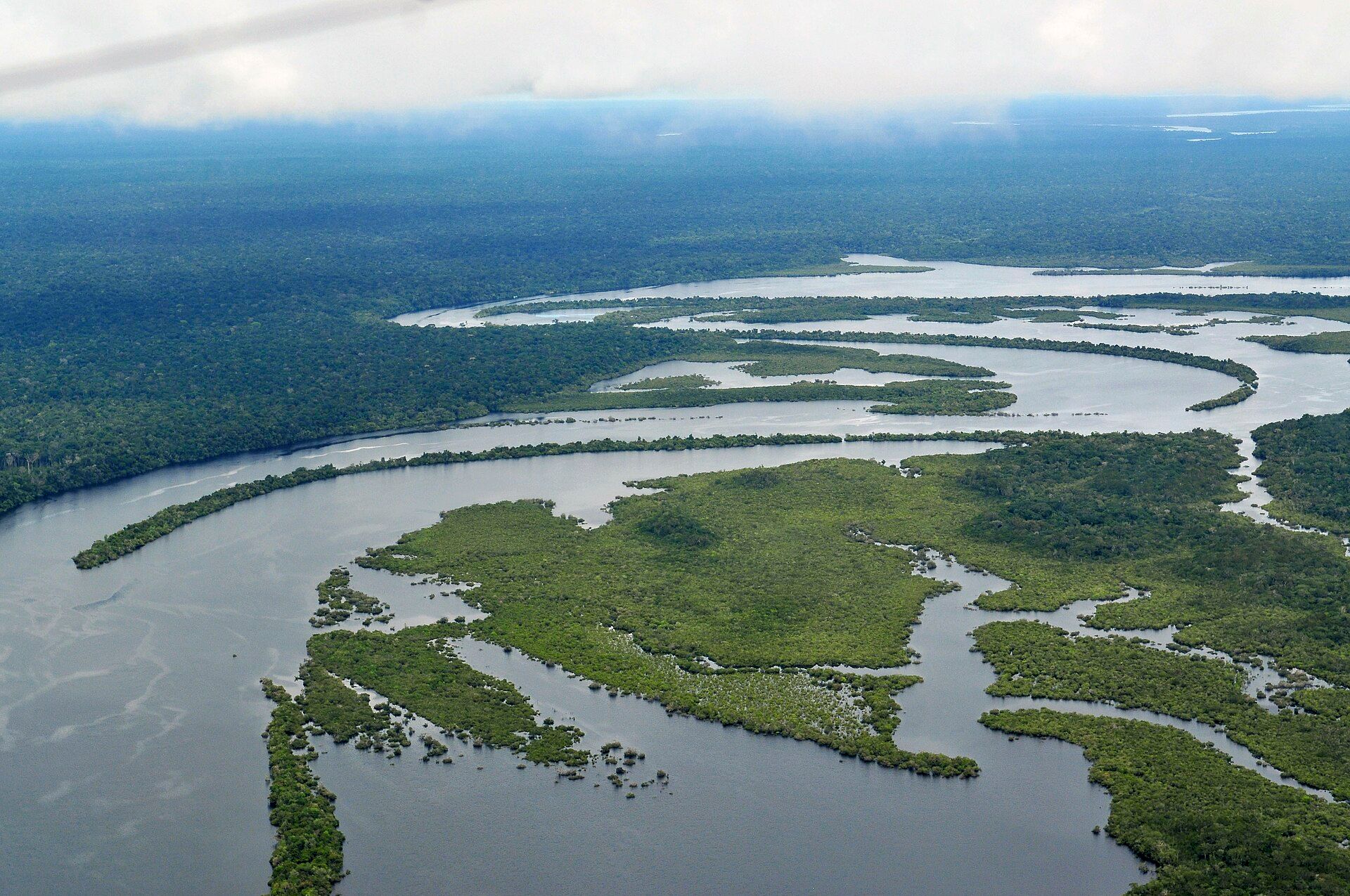
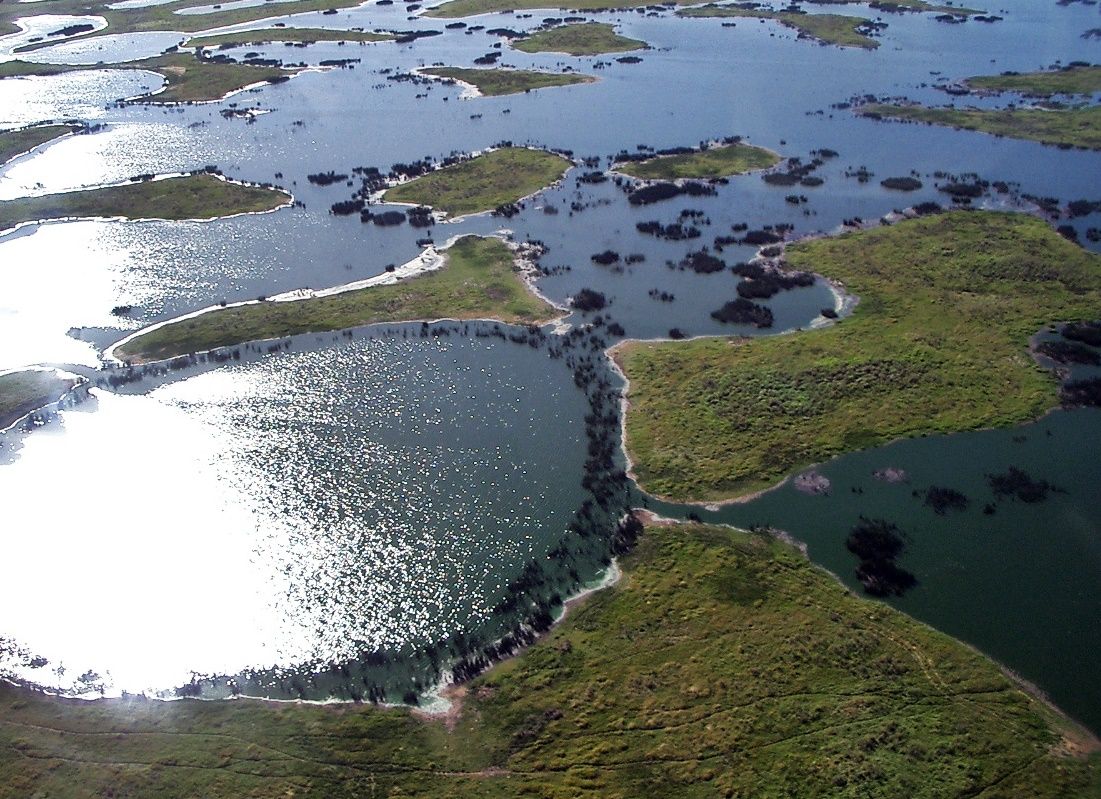
A rainforest of about 5.5 million km² threaded by the Amazon River, which discharges more water than the next several largest rivers combined. Each year the rivers rise several metres and flood the forest, so fish feed among submerged treetops and canoes travel at mid-canopy height.
- Flooded-forest canoe trips in the high-water season
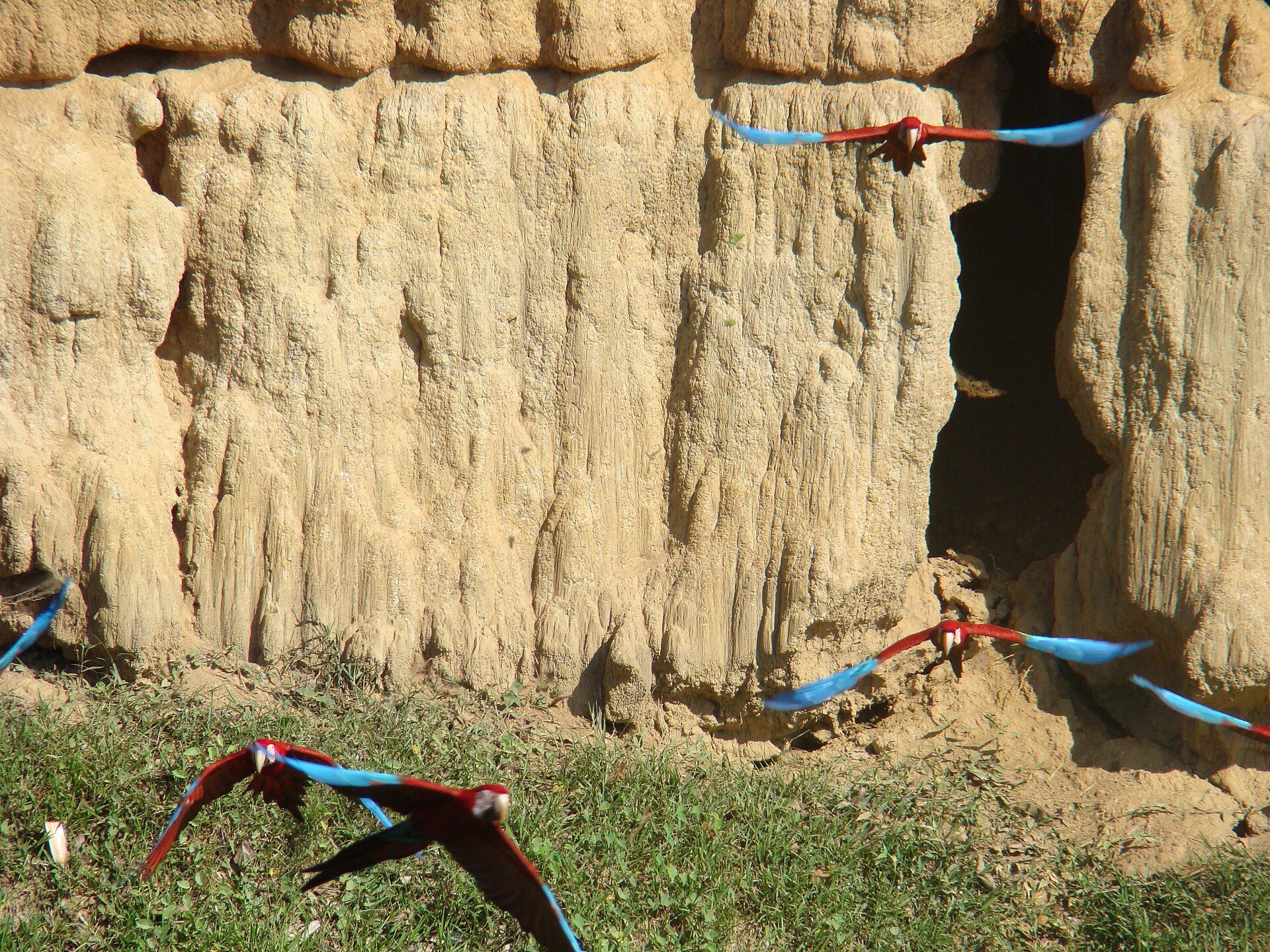
- Pink river dolphins, macaws, monkeys and caimans
- The Meeting of the Waters below Manaus
Congo Basin
Africa's green heart
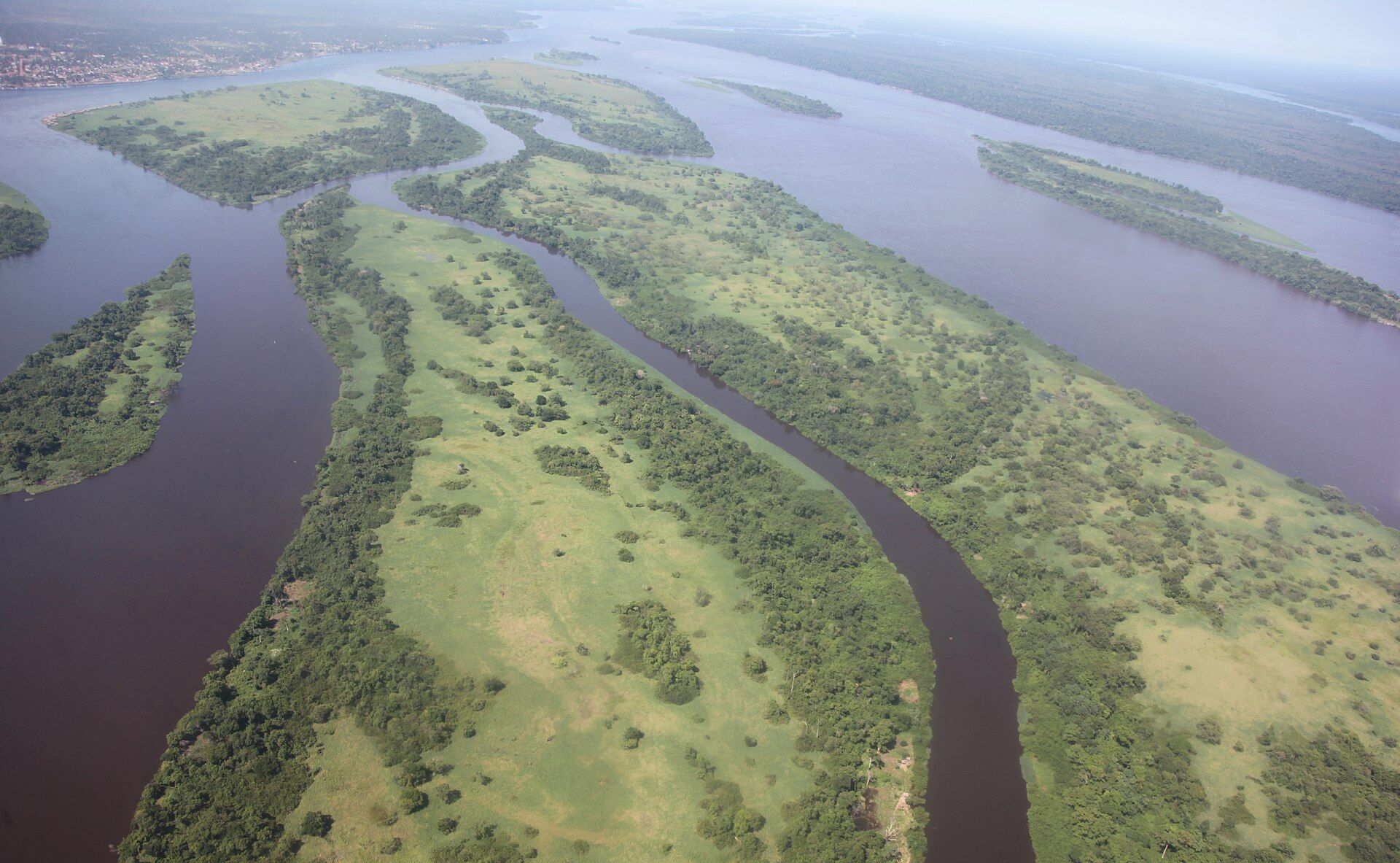
The second-largest tropical rainforest, about 1.7 million km² across six countries. It is generally considered the largest remaining net carbon sink among tropical forests, helped by peatlands that rank among the biggest tropical peat deposits ever found, and it shelters bonobos, okapi, forest elephants and lowland gorillas.
- Lowland gorillas and forest elephants at the bais (forest clearings)
- Species found nowhere else, including bonobos and okapi
- Almost no other visitors
Head to head
| What matters | Amazon | Congo Basin |
|---|---|---|
| Size Edge: Amazon | About 5.5 million km², most of it in Brazil and the rest in neighbouring countries. | About 1.7 million km² across six countries — roughly a third of the Amazon's area. |
| Wildlife you can actually see Edge: Congo Basin | River dolphins, birds, monkeys and caimans from boats; the forest is heard more than seen, and animals are dispersed high in the canopy. | The bais are the dependable spectacle: gorillas and forest elephants come out onto open ground. Inside the forest the canopy is so dense you hear far more than you see. |
| Unique species Edge: Toss-up | Perhaps one in ten known species on Earth, with countless more undescribed. | Bonobos (only south of the Congo River), okapi, forest elephants and lowland gorillas. |
| Seasons Edge: Toss-up | Roughly December–May is high water, best for boat travel among the trees; roughly June–November is low water, with river beaches, forest trails and wildlife concentrated around remaining water. | The drier windows, roughly June–August and December–February, are the most passable; conditions vary widely by country and region. |
| Getting there Edge: Amazon | Fly to Manaus (about 3–4 hours from São Paulo or Brasília), then 2–5 hours by road and river boat to a lodge. Iquitos and Puerto Maldonado are the other common gateways. | International flight to Kinshasa, Brazzaville or Douala, then a light aircraft to a regional strip and days of river and 4x4 transfers — two to three days from Europe to a lodge. |
| Time needed Edge: Amazon | Four nights minimum to get past the tourist fringe. | 7–10 days minimum, because so much of the trip is transit. |
| Health and safety Edge: Amazon | Yellow fever vaccination is often required for the region; get malaria advice from a travel clinic. | Yellow fever certificates are a hard entry requirement, malaria prophylaxis is advised, evacuation insurance is essential, and several areas carry restrictive government travel advice. |
Which should you choose?
Choose Amazon if…
…this is your first rainforest trip, you have about a week, and you want boat travel, birdlife and river dolphins with an established lodge network.
Choose Congo Basin if…
…you are an experienced traveller who wants gorillas and forest elephants in the open, species found nowhere else, and near-total solitude — and you can budget 7–10 days and specialist operators.
The honest verdict
For almost everyone, the Amazon is the rainforest to visit first: it is bigger, far easier to reach, and a four-night lodge stay out of Manaus, Iquitos or Puerto Maldonado gives a real sense of it.
The Congo is the deeper and rarer trip. Its bais offer clearer views of large mammals than anywhere in the Amazon, but access is limited to a few managed reserves and conditions change often.
Before booking the Congo, check your government's travel advice for the specific country and reserve, and confirm permits and gorilla-tracking arrangements with a specialist operator.
Wonders mentioned here
Added Updated