Head to head · Lapland's two aurora bases
Abisko vs Finnish Lapland: Where Is Better for the Northern Lights, Sweden or Finland?
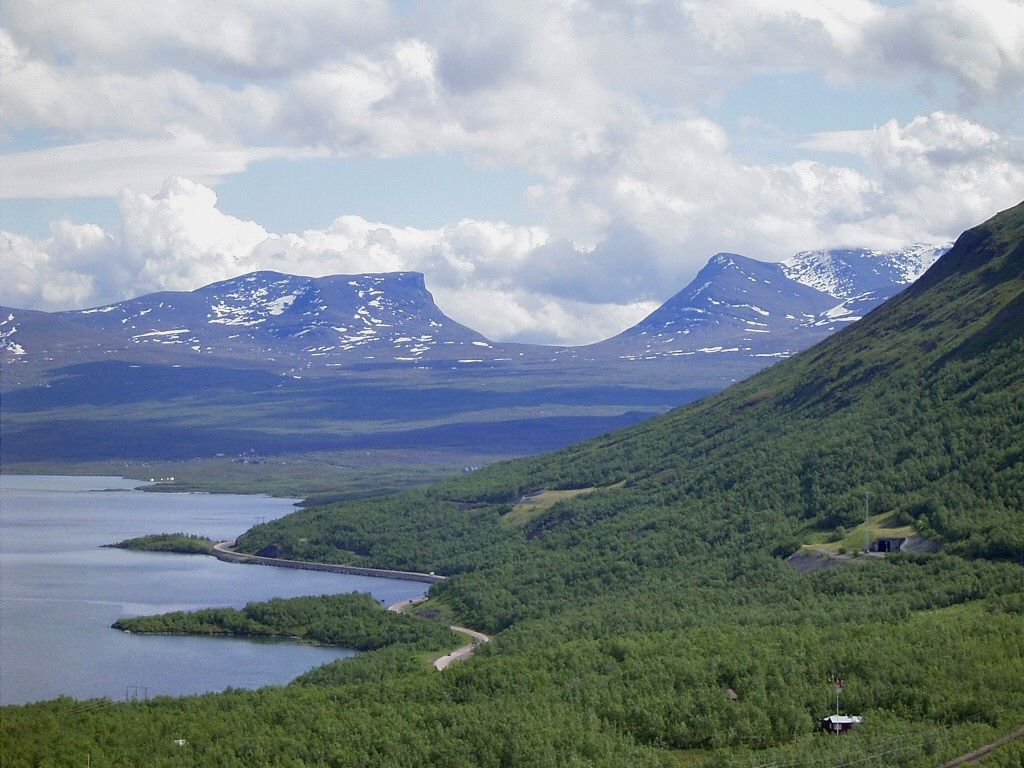
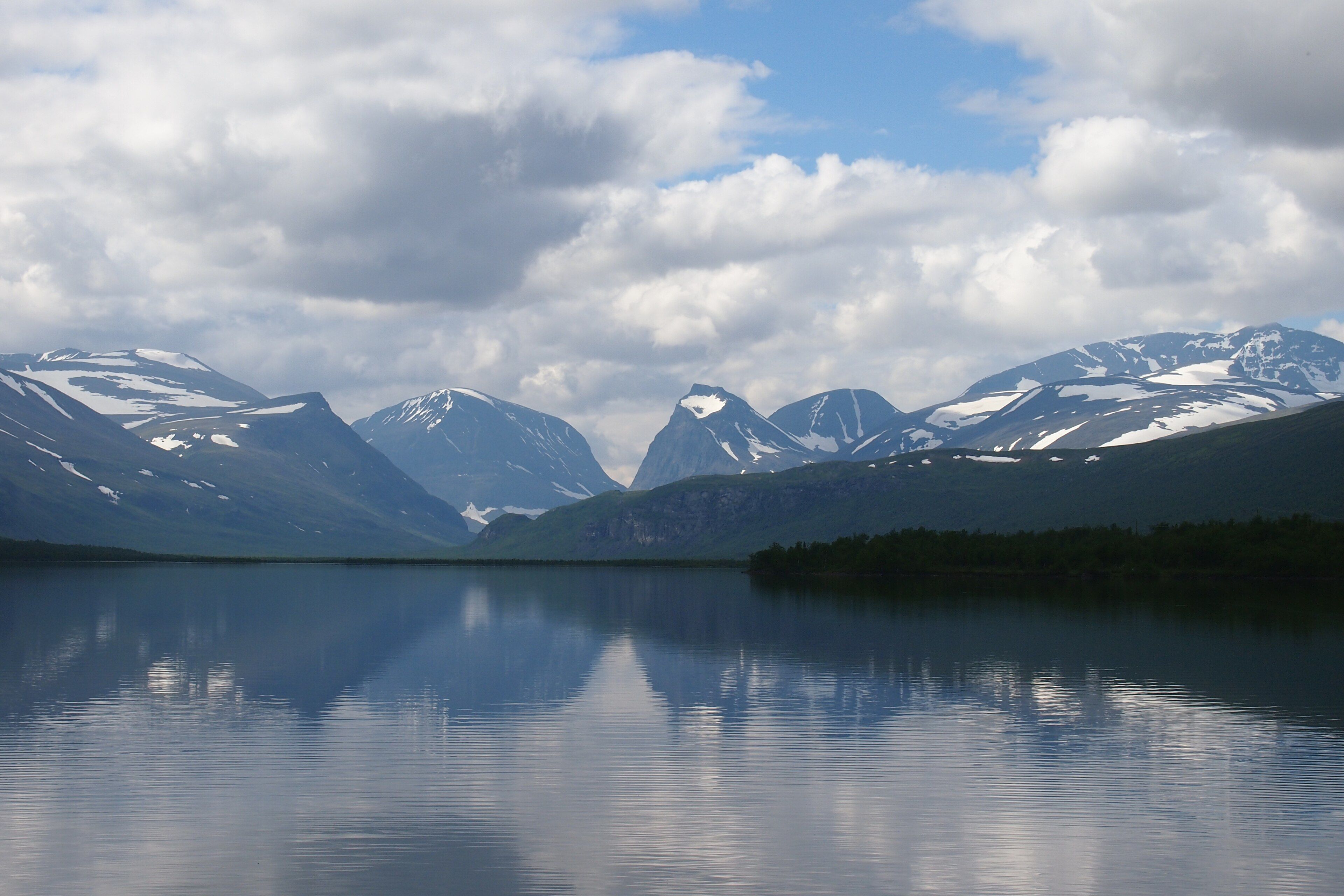
Both sit above the Arctic Circle with an aurora season of roughly September to March, and both reward patience: clear skies and solar activity have to coincide, so give either three to five nights. The difference is what surrounds the sky. Abisko is a small village and national park in Swedish Lapland beside the 70 km lake Torneträsk, in a rain shadow — the 'blue hole of Abisko' — that leaves its skies unusually clear and dry, with a chairlift up to the Aurora Sky Station and the glacier-carved U-valley of Lapporten as the backdrop.
Finnish Lapland is a whole region, reached by short flights from Helsinki to Rovaniemi, Ivalo or Kittilä or by the 12-hour overnight train to Rovaniemi. It trades Abisko's single clear-sky pocket for choice: resorts and glass igloos, husky, reindeer and snowmobile trips, Sámi reindeer-herding country, and quieter bases further north at Inari or Utsjoki when Rovaniemi fills up around Christmas.
Abisko
Sweden's clear-sky aurora village
An Arctic national park beside Lake Torneträsk whose rain shadow gives some of the clearest skies anywhere, the Aurora Sky Station on the mountainside, and in summer the northern trailhead of the Kungsleden under the midnight sun.
- Rain-shadow 'blue hole' of unusually clear sky
- Aurora Sky Station reached by chairlift
- Lapporten's U-valley as a foreground
- Free, open national park beside the village
Finnish Lapland
Resorts, huskies and the aurora zone
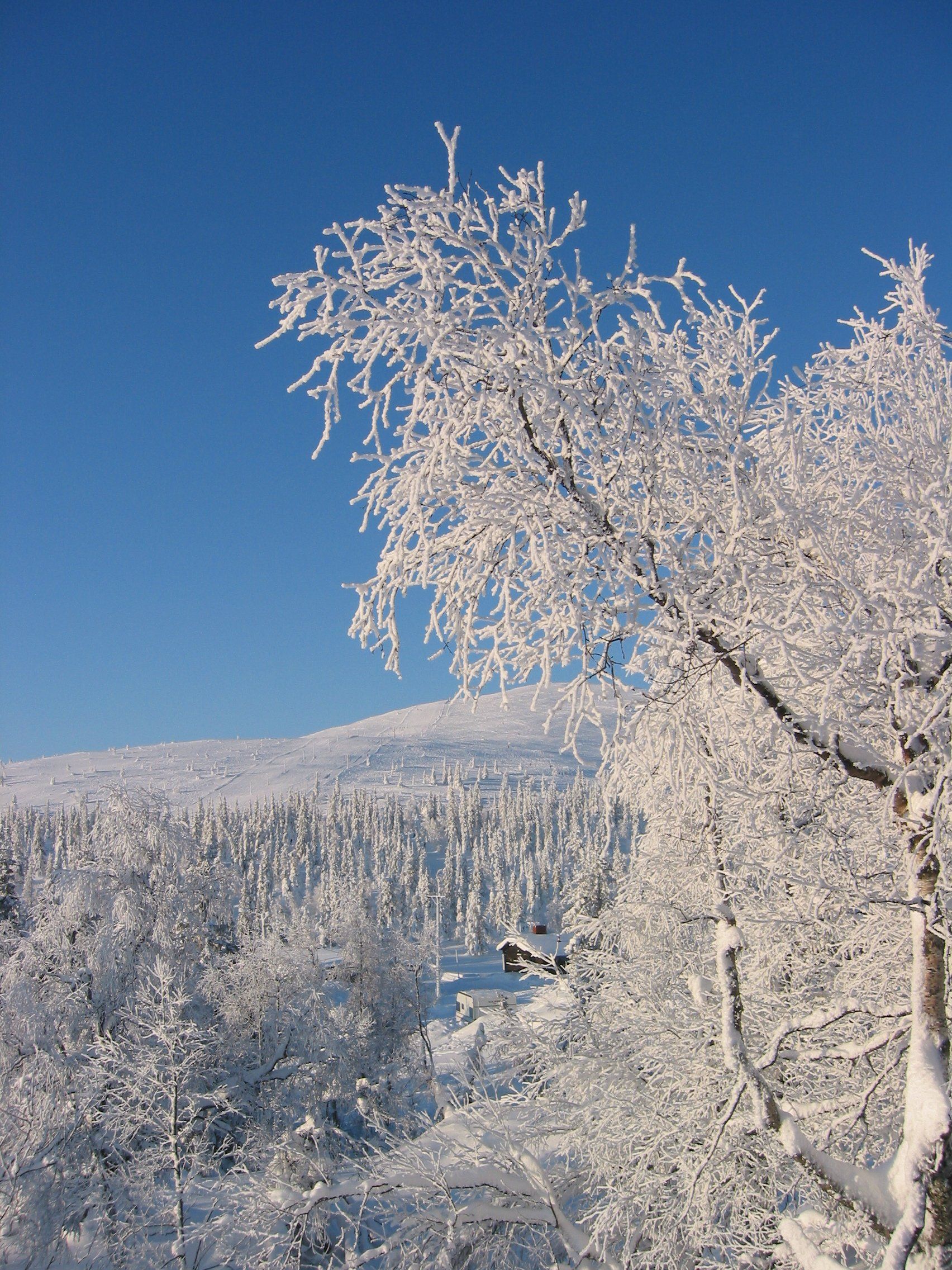
Snow-loaded taiga, fells and frozen lakes within the auroral zone, with full towns at Rovaniemi and Ivalo, resorts and glass igloos, husky and reindeer sleds, Sámi culture, and everyman's right to roam.
- Short flights from Helsinki to three airports
- Glass igloos, saunas and every winter activity
- Quieter bases further north at Inari and Utsjoki
- Easy for families and first-time Arctic visitors
Head to head
| What matters | Abisko | Finnish Lapland |
|---|---|---|
| Sky clarity Edge: Abisko | A rain shadow leaves unusually clear, dry sky — though mountain weather can still close in. | Within the auroral zone; clear skies vary night to night, so get away from town lights. |
| Aurora season Edge: Toss-up | Roughly September to March. | Roughly late August to early April. |
| Getting there Edge: Finnish Lapland | Fly to Kiruna, or take the long train north from Stockholm; Abisko is about 1h30 from Kiruna. A full travel day from Stockholm. | Fly Helsinki → Rovaniemi, Ivalo or Kittilä (about 1h20–1h40), or the overnight train to Rovaniemi (about 12 hours); then 15 minutes to an hour to your lodge. |
| Nights needed Edge: Toss-up | 3–4 nights for a good aurora chance. | 4–5 nights — one night is a coin flip. |
| Facilities Edge: Finnish Lapland | A tourist station, hotels and guiding in a small village. | Excellent: resorts, glass igloos, guided activities and full towns at Rovaniemi and Ivalo. |
| Daytime activities Edge: Finnish Lapland | The national park, the Aurora Sky Station and, in summer, the Kungsleden. | Husky, reindeer and snowmobile trips (book well ahead for December and New Year), Sámi reindeer country. |
| Crowds Edge: Toss-up | Busy in the winter aurora season and midsummer; shoulder weeks are quiet. | Rovaniemi is busy around Christmas; Inari and Utsjoki empty out. |
| Summer Edge: Abisko | Midnight sun, wildflowers, reindeer and hiking on the Kungsleden from June to early September. | Midnight sun in June–July across the forests, fells and lakes. |
Which should you choose?
Choose Abisko if…
…the northern lights are the whole point of the trip, you want the best odds of a clear sky from one small base, and you would rather have a mountain lake and Lapporten in the foreground than a resort.
Choose Finnish Lapland if…
…you want the aurora as part of a full Arctic holiday — glass igloos, husky and reindeer sleds, saunas — with easy flights, good facilities for families, and quieter far-north bases if you want them.
The honest verdict
For aurora odds above everything else, choose Abisko: its rain-shadow 'blue hole' gives unusually clear skies, and the Aurora Sky Station watches from the mountainside. Plan 3–4 nights and a full travel day from Stockholm.
For the aurora plus everything else, choose Finnish Lapland: short flights from Helsinki, resorts and glass igloos, and husky and reindeer trips fill the days. Base north of Rovaniemi — Inari or Utsjoki — for quieter nights away from the Christmas crowds, and allow 4–5 nights.
Either way, go between roughly September and March, dress for −30°C, and remember that no place can guarantee the lights: clear skies and solar activity have to coincide.
Wonders mentioned here
Added