Head to head · Oceania's two big nature trips
Australia vs New Zealand: Which Is Better for Nature and Scenery?
Short answer: choose New Zealand for mountain scenery packed close together — fjords, glaciers, alpine lakes and volcanoes you can link by road. Choose Australia for the reef and the outback — the Great Barrier Reef, Uluru and Kakadu — and accept that they are flights apart.
The difference is scale. New Zealand's headline wonders sit within a few hours of Queenstown, Christchurch or Auckland. Australia's are spread across a continent: Uluru and the Great Barrier Reef are each most of a day's travel from the southern cities.
Their best seasons are almost opposite. Australia's tropical north and red centre are at their best in the cooler dry months, roughly May to October. New Zealand's alpine hikes and lakes are best in summer and early autumn, roughly December to April.
Australia
Reef, red centre and the oldest rainforest
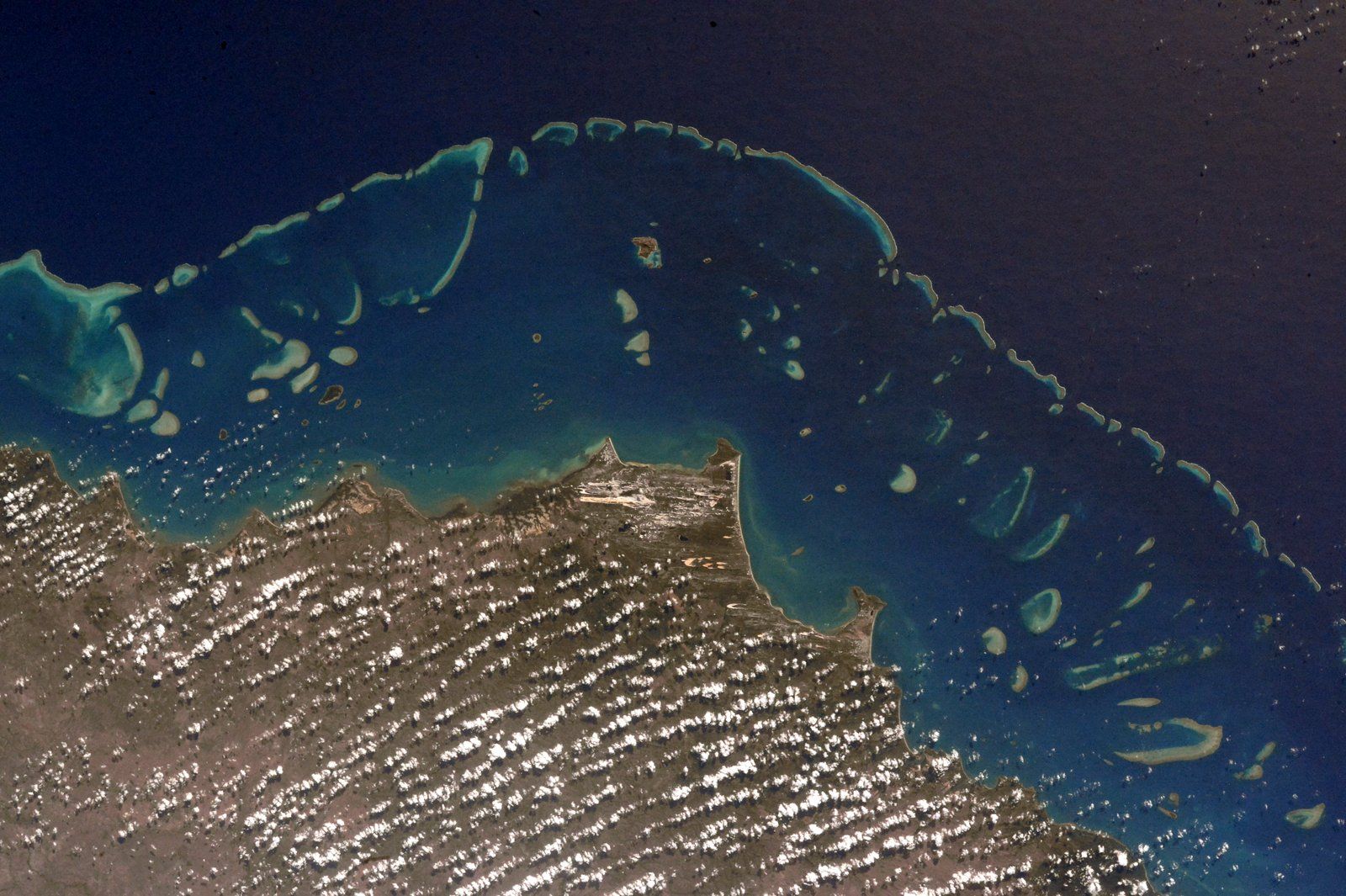
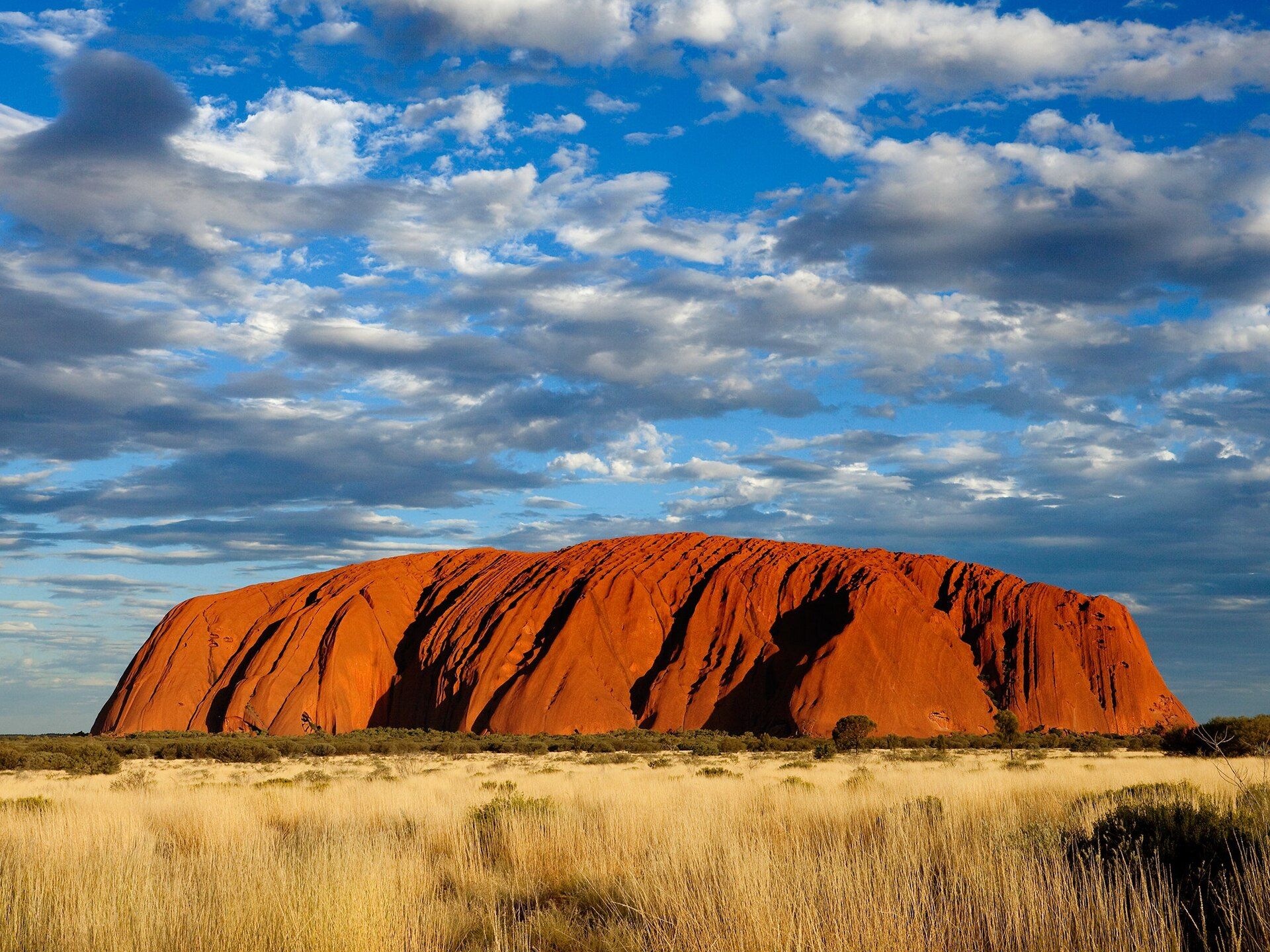
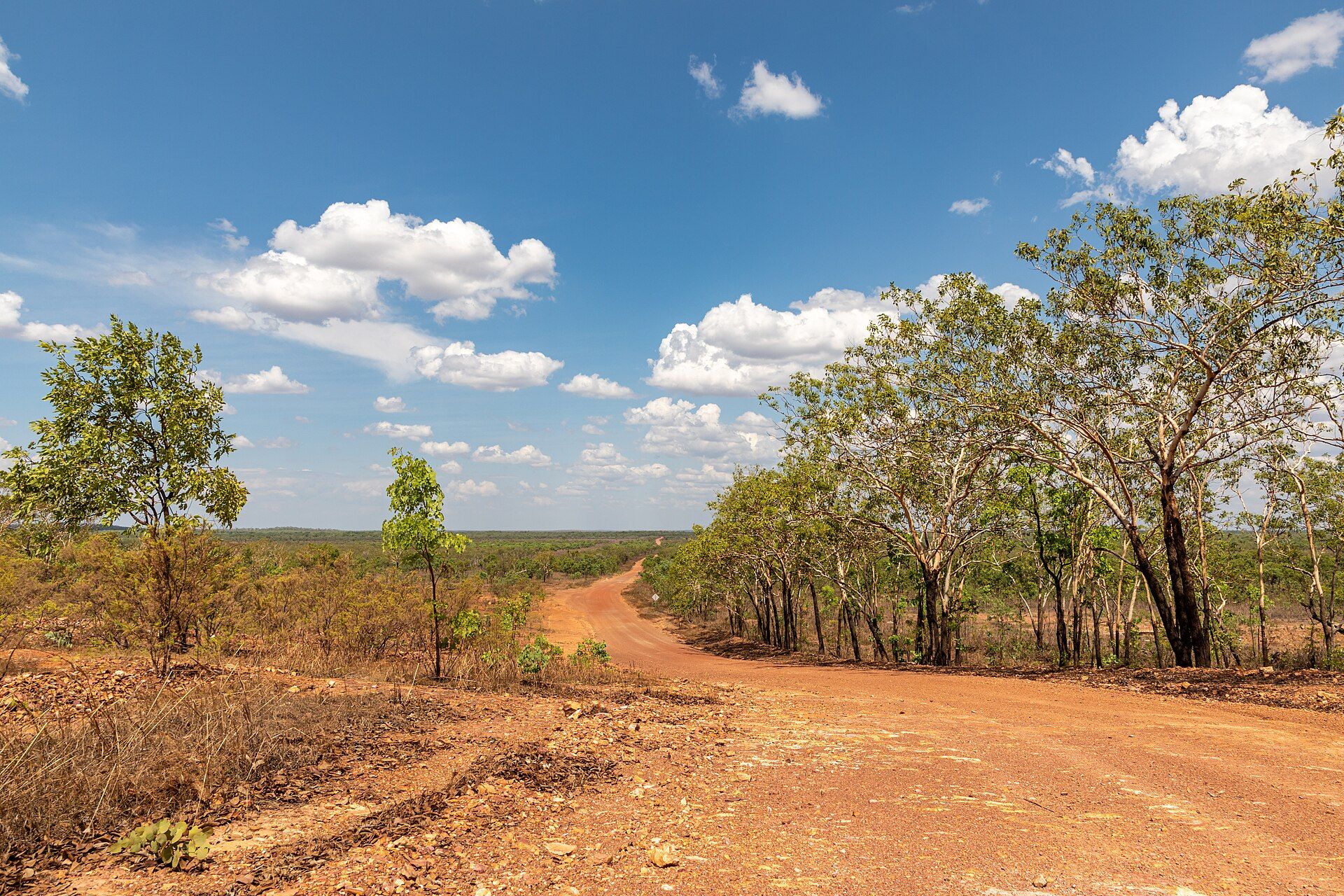
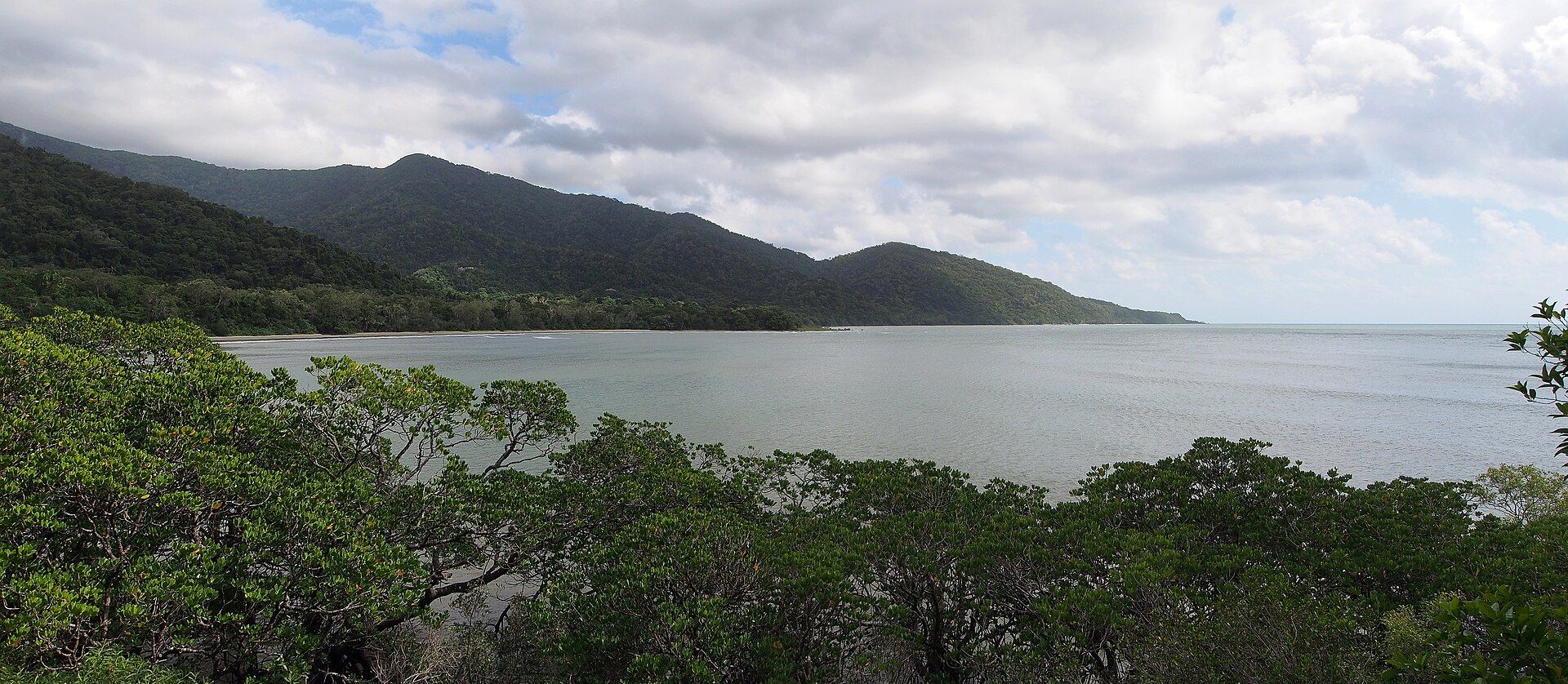
A continent of very different wonders: the Great Barrier Reef, about 2,300 km of reefs and islands off Queensland; Uluru, a ~348 m sandstone monolith in the red centre; Kakadu's floodplains, waterfalls and rock art; the Daintree, where rainforest meets the reef; and Ningaloo, where you can wade off the beach to snorkel with whale sharks.
- The world's largest reef system, plus Ningaloo's beach-side whale sharks
- The outback: Uluru at sunrise and sunset, Kakadu's wetlands and rock art
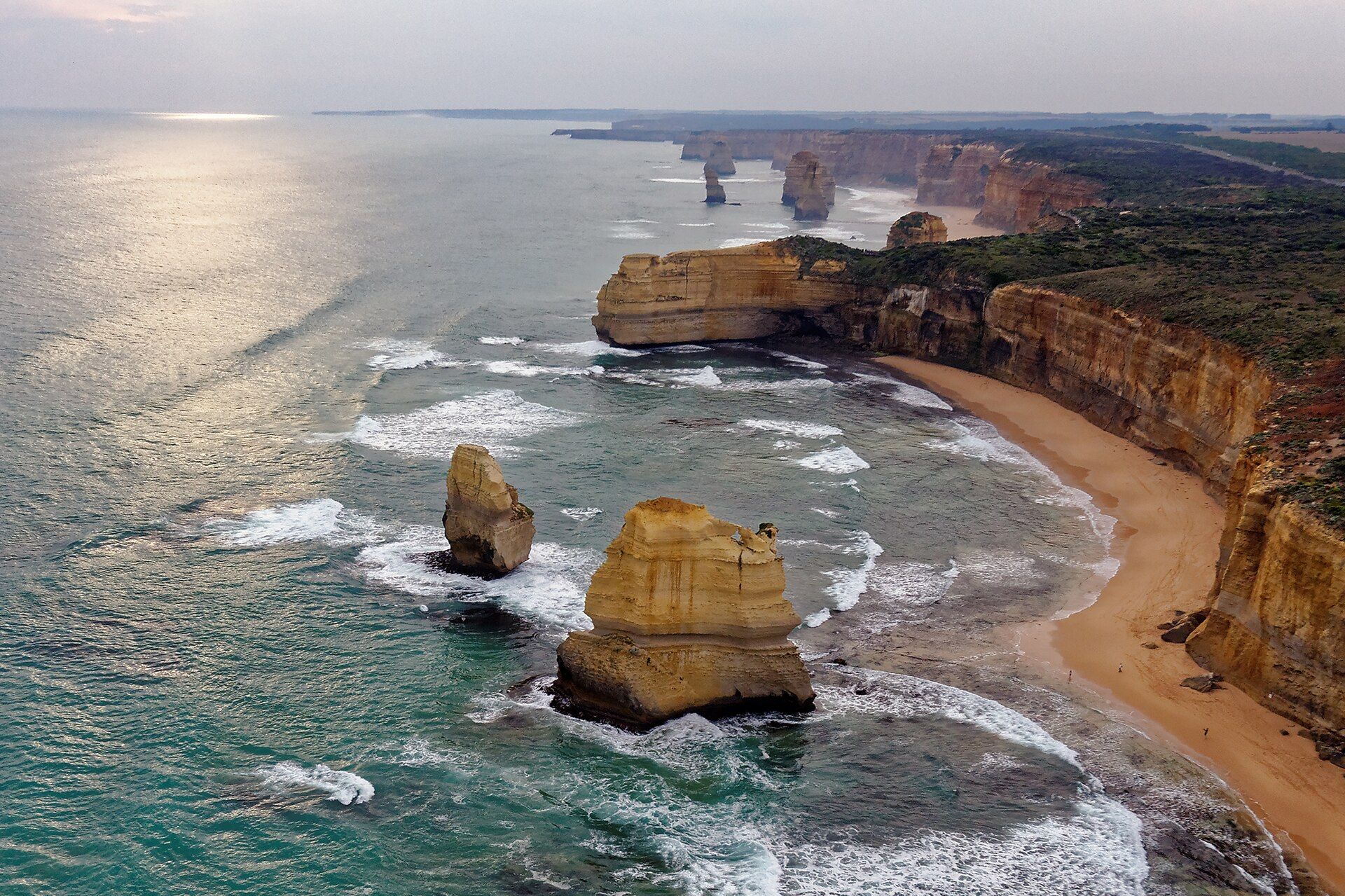
- Easy coastal day trips: the Twelve Apostles and the Blue Mountains from Melbourne and Sydney
New Zealand
Fjords, glaciers and volcanoes a drive apart
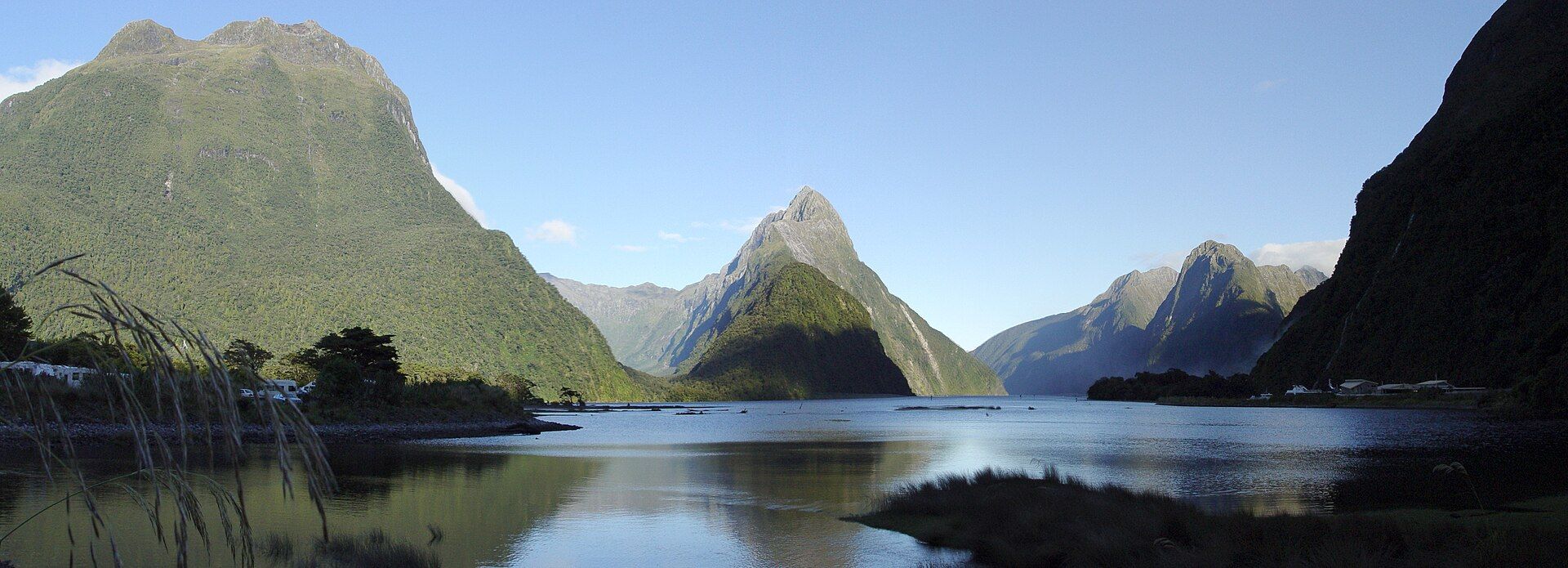
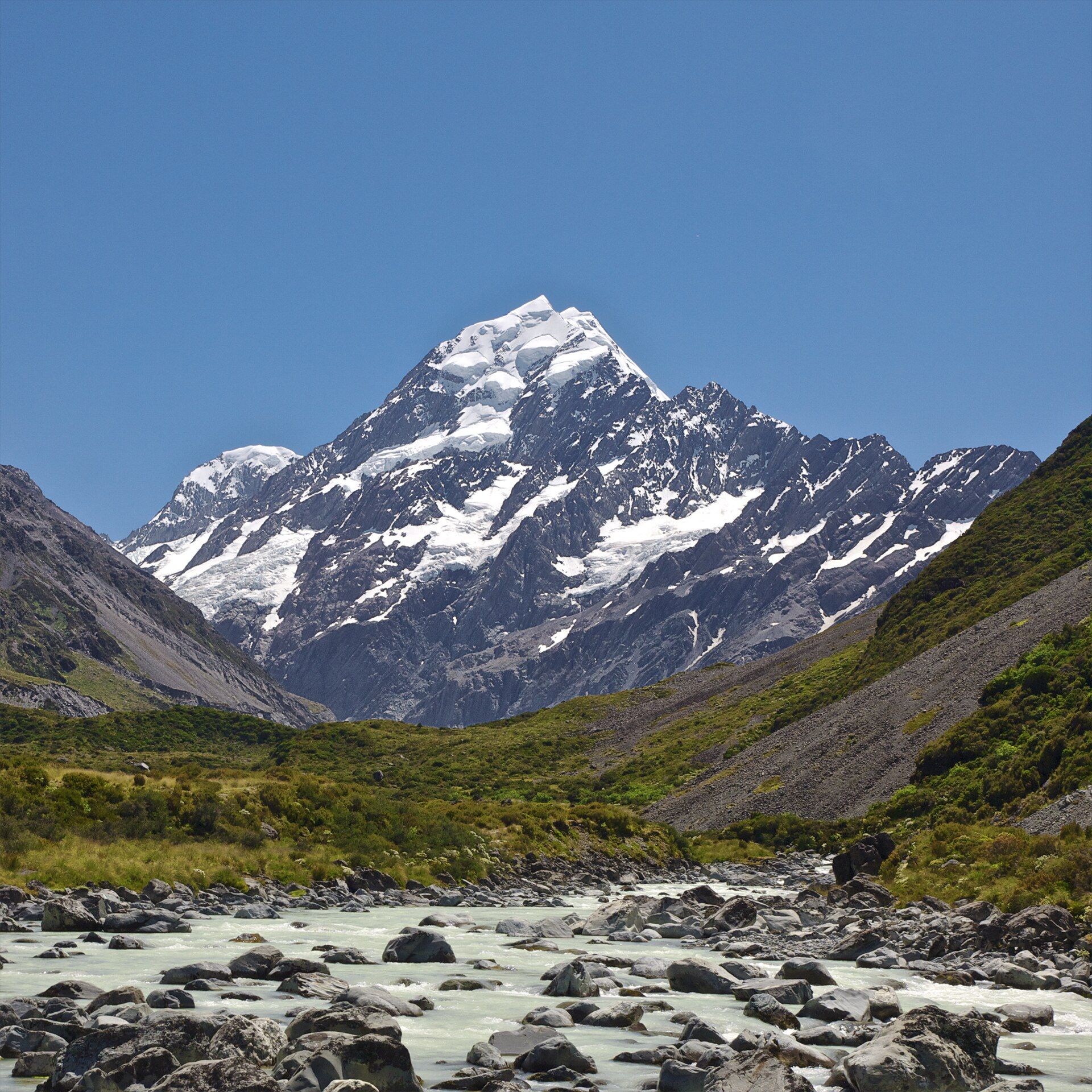
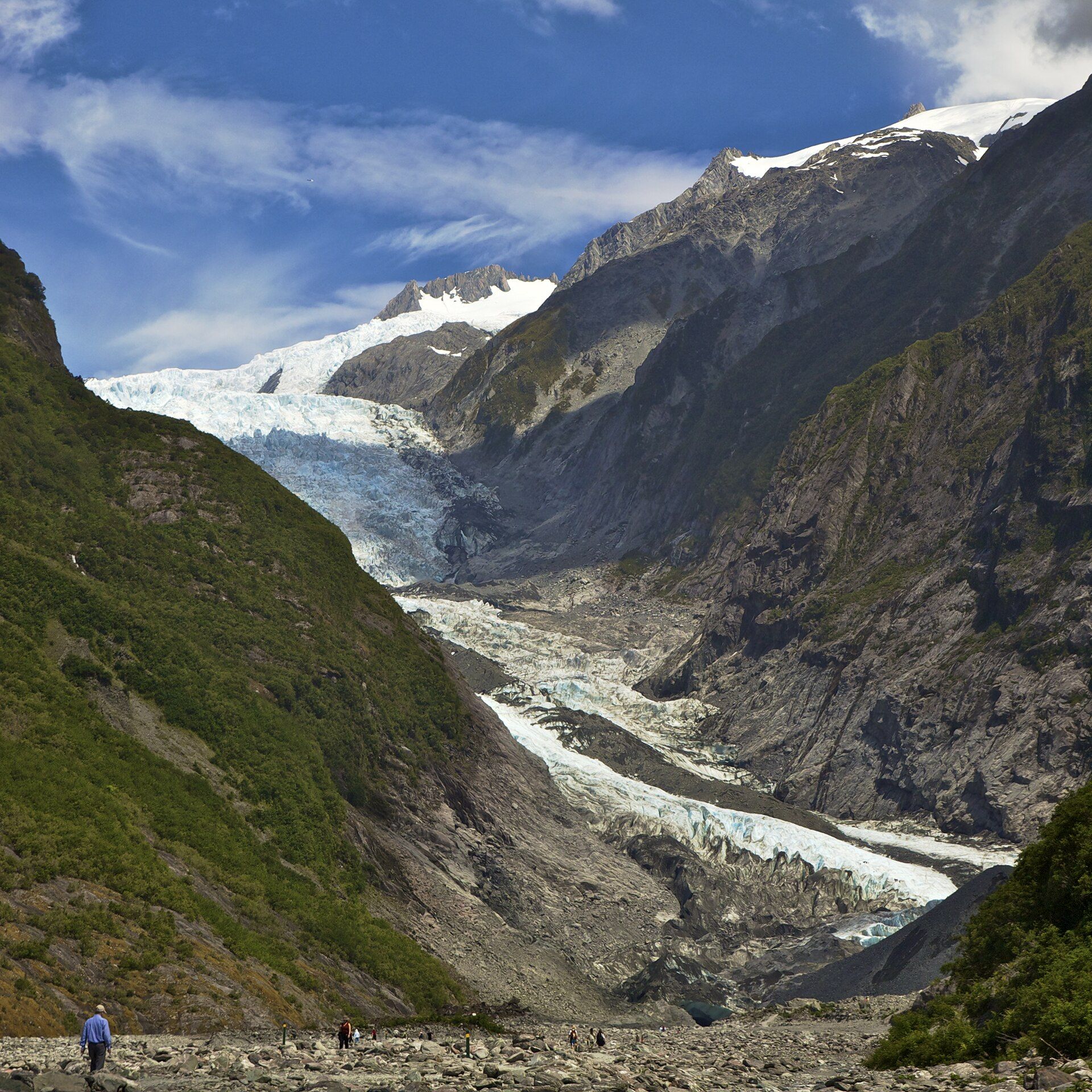
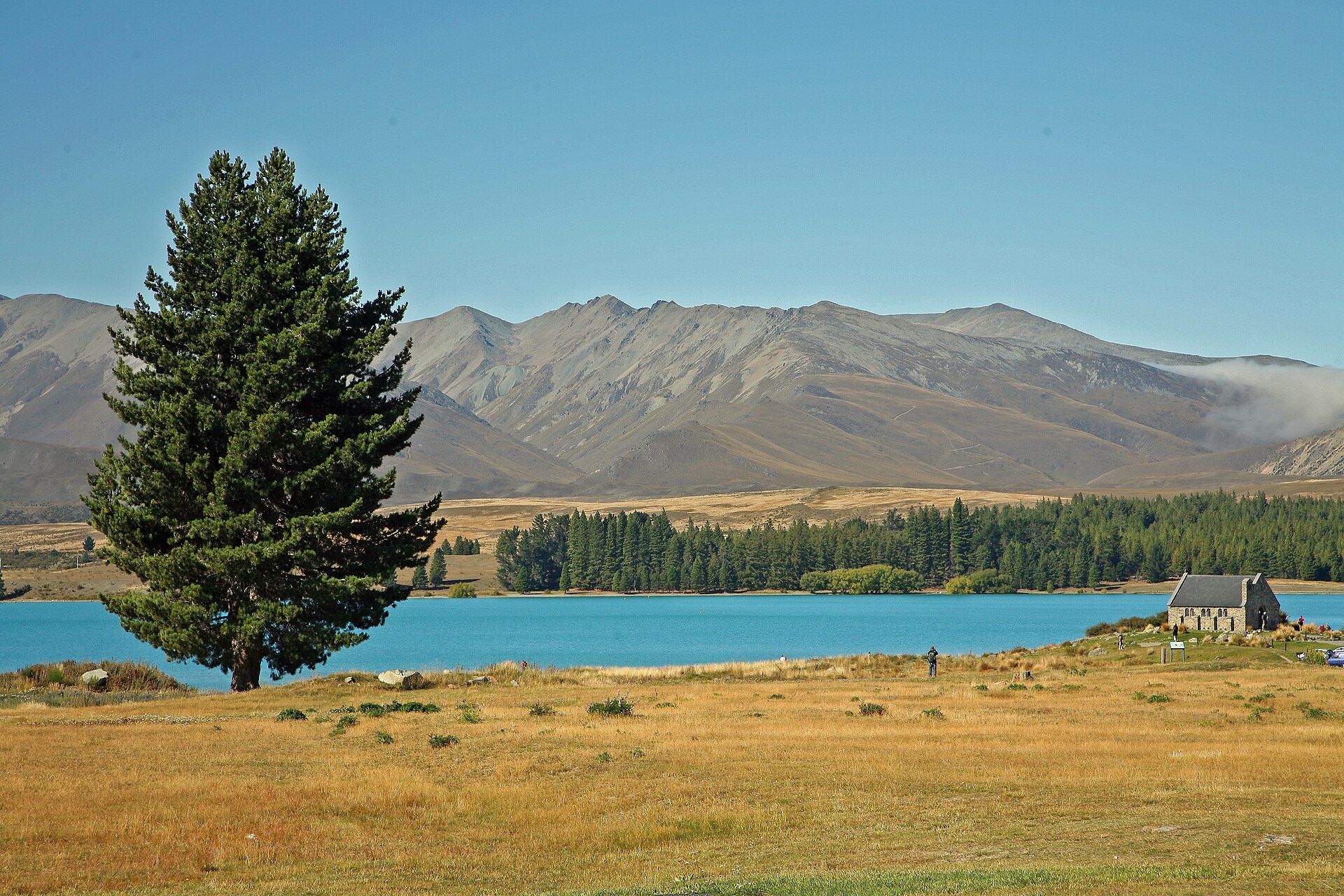
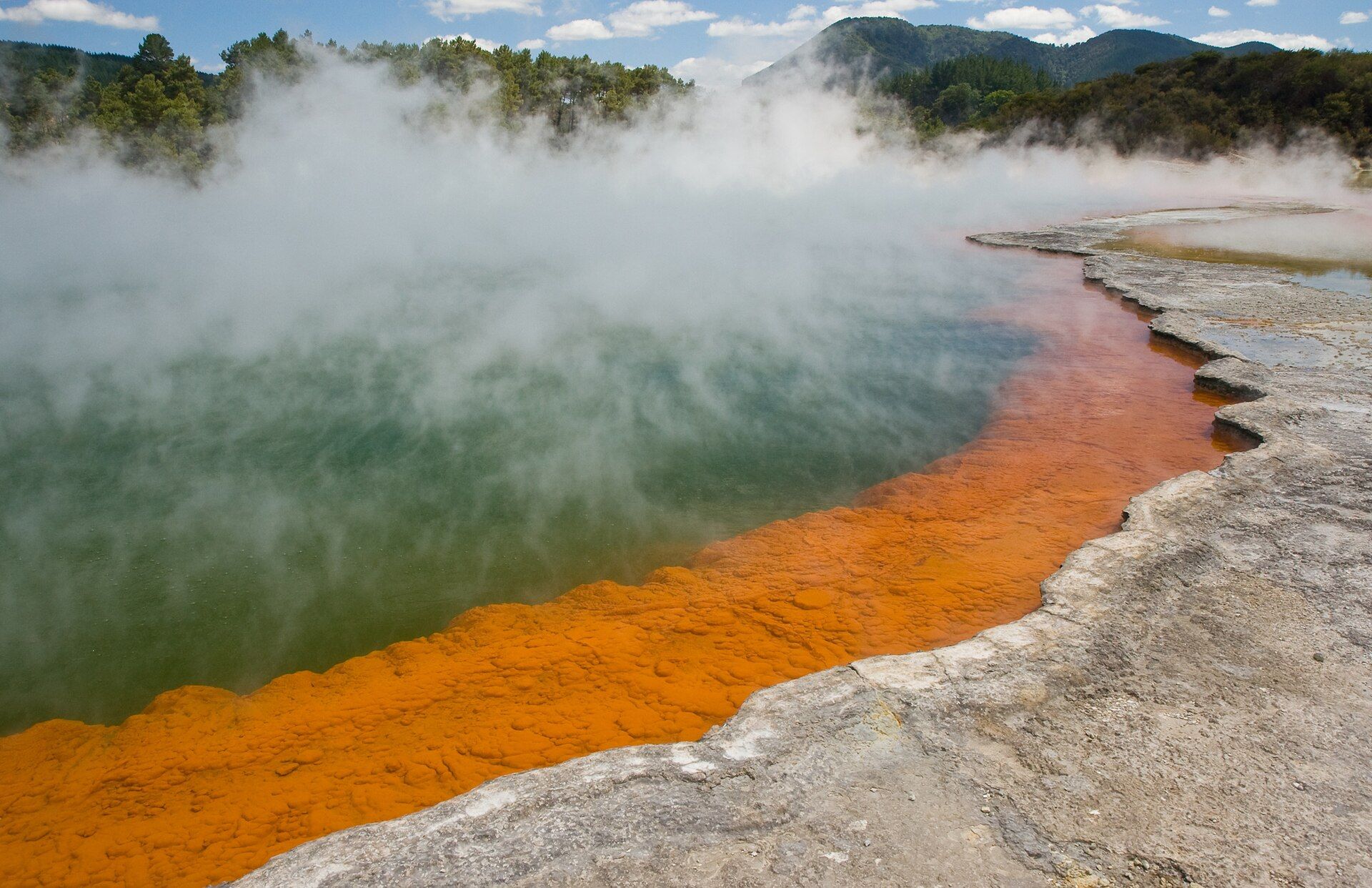
A compact country of mountain and volcanic scenery: Milford Sound's cliffs and waterfalls in Fiordland; Aoraki/Mount Cook, the 3,724 m high point of the Southern Alps; Franz Josef Glacier tumbling towards rainforest; Lake Tekapo's turquoise water and dark-sky reserve; and in the North Island, Tongariro's volcanic crossing and Rotorua's geysers and mud pools.
- Fjords, glaciers and alpine lakes within a few hours of Queenstown
- One of the world's finest day hikes: the ~19.4 km Tongariro Alpine Crossing
- Geysers and boiling mud at Rotorua, half a day from Auckland
Head to head
| What matters | Australia | New Zealand |
|---|---|---|
| Signature scenery Edge: Toss-up | Reef and outback — coral, red rock, monsoon wetlands and tropical rainforest. | Mountains and water — fjords, glaciers, alpine lakes and active volcanoes. |
| Under water Edge: Australia | The Great Barrier Reef (June–October for the clearest water) and Ningaloo (whale sharks March–July, peaking around April–June). | Not a headline: New Zealand's wonders are above the waterline. |
| Mountains and hiking Edge: New Zealand | Clifftop walks in the Blue Mountains and the base walks at Uluru, but no high alpine country. | The Southern Alps, Hooker Valley and the Tongariro Alpine Crossing — a hiking country first. |
| Distances Edge: New Zealand | Long: Uluru and the reef are each most of a day from the southern cities, and Kakadu is about three hours from Darwin — a multi-flight trip. | Short: Milford Sound is a day trip from Queenstown, Aoraki/Mount Cook about four hours from Christchurch or Queenstown, Rotorua half a day from Auckland. |
| Best months Edge: Toss-up | Roughly May to October: the dry season for the reef (June–October), Kakadu (May–September) and the Daintree (May–October), and cooler weather at Uluru (May–September). | Roughly December to April for Aoraki/Mount Cook's hikes and lake colour; November to April for the Tongariro Crossing in summer conditions. Milford, Rotorua and Franz Josef are year-round. |
| Out of season Edge: Toss-up | The tropical wet season (around December to March) brings heavy rain, cyclone risk and flooded roads in the north; the centre is extremely hot in summer. | Winter turns Tongariro into serious alpine terrain and makes Aoraki harder to reach — but brings superb clear-sky stargazing. |
Which should you choose?
Choose Australia if…
…you want the Great Barrier Reef, the outback and tropical rainforest, are travelling roughly May to October, and are happy to fly between regions.
Choose New Zealand if…
…you want mountains, fjords, glaciers and volcanoes on a road trip, are travelling roughly December to April, and want to spend more time looking than travelling.
The honest verdict
Choose by element and by month. Australia wins on the reef and the outback, and its north is at its best from about May to October. New Zealand wins on mountain scenery and compact distances, and its alpine country is at its best from about December to April.
On a shorter trip, New Zealand's South Island gives more scenery for less travel time. Australia rewards a longer trip that can absorb flights between Cairns, Uluru and the south.
To combine them in one trip, go in Australia's dry season (roughly May to October) and keep New Zealand to its year-round sights — Milford Sound, Rotorua and Franz Josef — rather than the alpine hikes.
Wonders mentioned here


Added