Places · New Zealand

Natural Wonders of New Zealand: The 6 Most Beautiful Places to Visit

6 places in the atlas

New Zealand sits astride an active plate boundary, which gives it both towering glacier-carved mountains and live volcanoes. On the South Island, glaciers gouged the deep fjords of Fiordland — a UNESCO World Heritage wilderness of sheer cliffs and waterfalls fed by extreme rainfall, of which Milford Sound is the jewel. On the North Island, the Central Plateau is a volcanic heartland of craters, mineral lakes, and lava fields. Long isolation left the country with unique wildlife, and its landscapes are woven with Māori heritage. Below are the 6 natural wonders of New Zealand in the atlas — the most beautiful places to build a trip around, each with what makes it remarkable, when to go, and how to reach it. Best overall time: Fiordland is a year-round rainforest fjord (rain brings the waterfalls alive); the Tongariro Alpine Crossing is best in summer, roughly November–April.
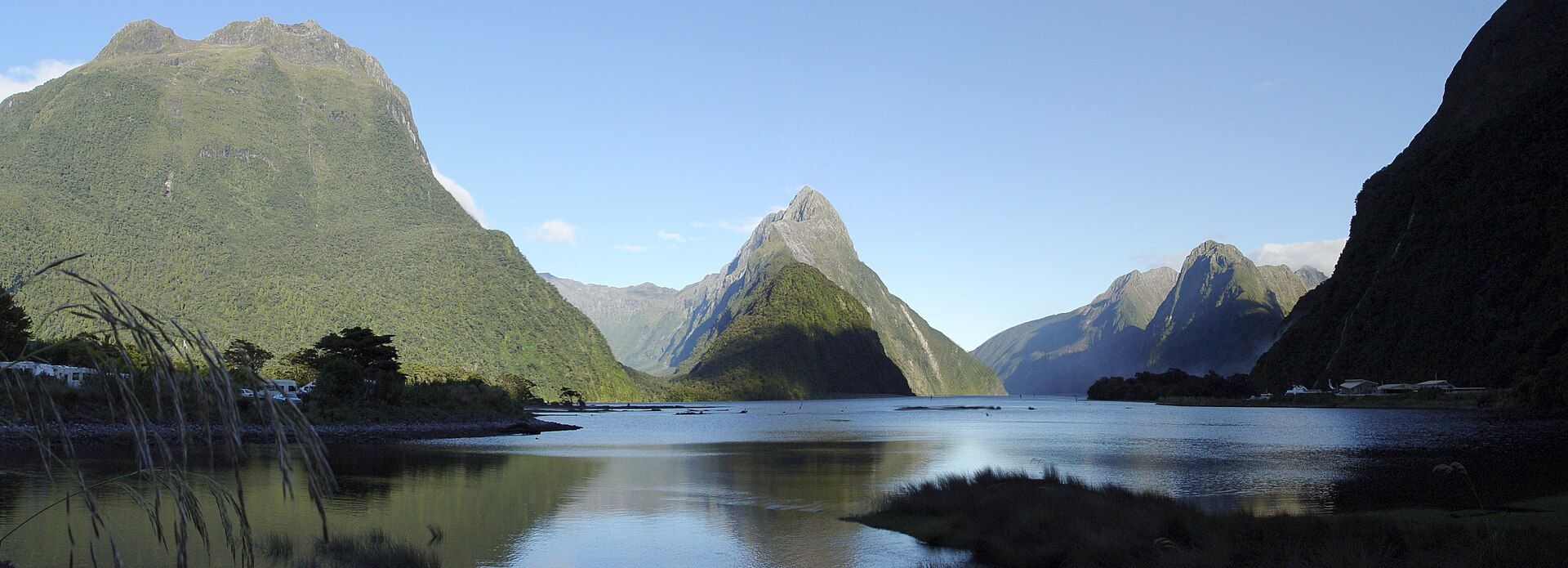
Milford Sound, Fiordland National Park, South Island, New Zealand

Milford Sound

Fiordland National Park, South Island, New Zealand

New Zealand's most famous fjord — sheer cliffs and the pyramid of Mitre Peak rising straight from dark water, laced with waterfalls fed by some of the highest rainfall on Earth, in the heart of Fiordland.

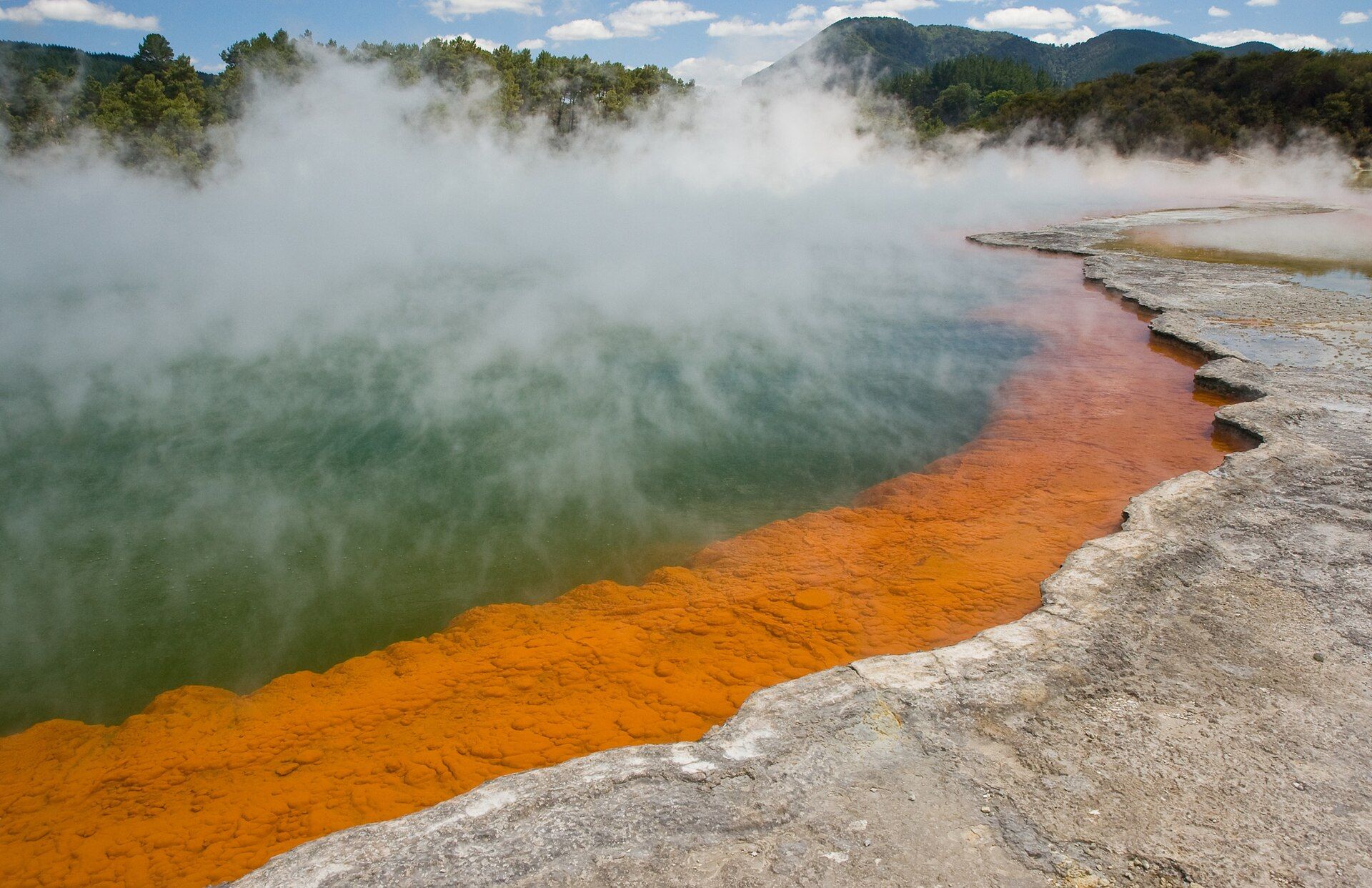
Rotorua Geothermal Field, Bay of Plenty, North Island, New Zealand

Rotorua Geothermal Field

Bay of Plenty, North Island, New Zealand

A landscape that steams, bubbles, and erupts — geysers, boiling mud pools, and mineral terraces in impossible colours, at the heart of Māori cultural life.

Aoraki / Mount Cook, Canterbury, South Island, New Zealand

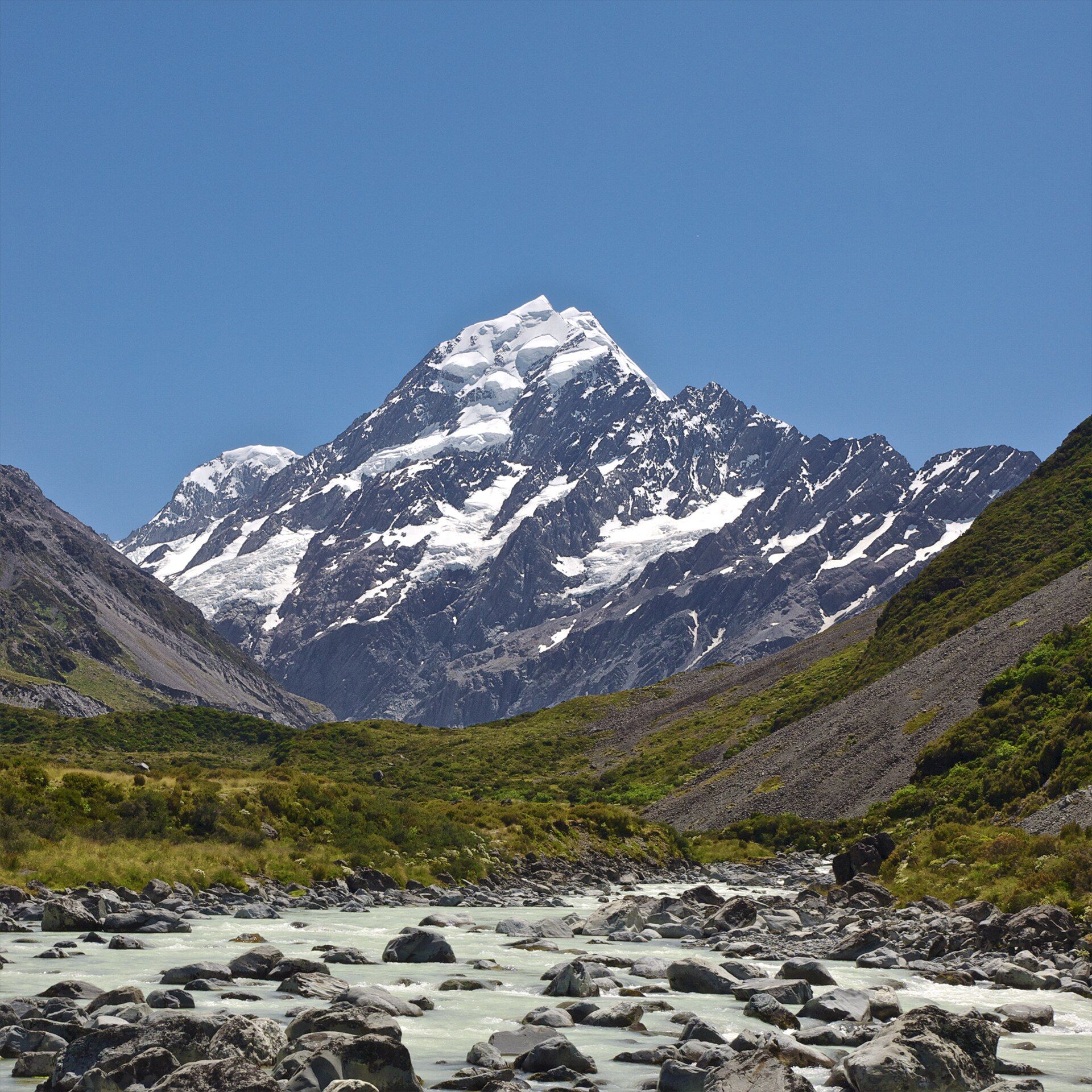
Aoraki / Mount Cook

Canterbury, South Island, New Zealand

New Zealand's highest peak — a snow-and-ice pyramid rising above glacier-fed turquoise lakes and the country's longest glacier, in the heart of the Southern Alps' greatest concentration of high mountains.

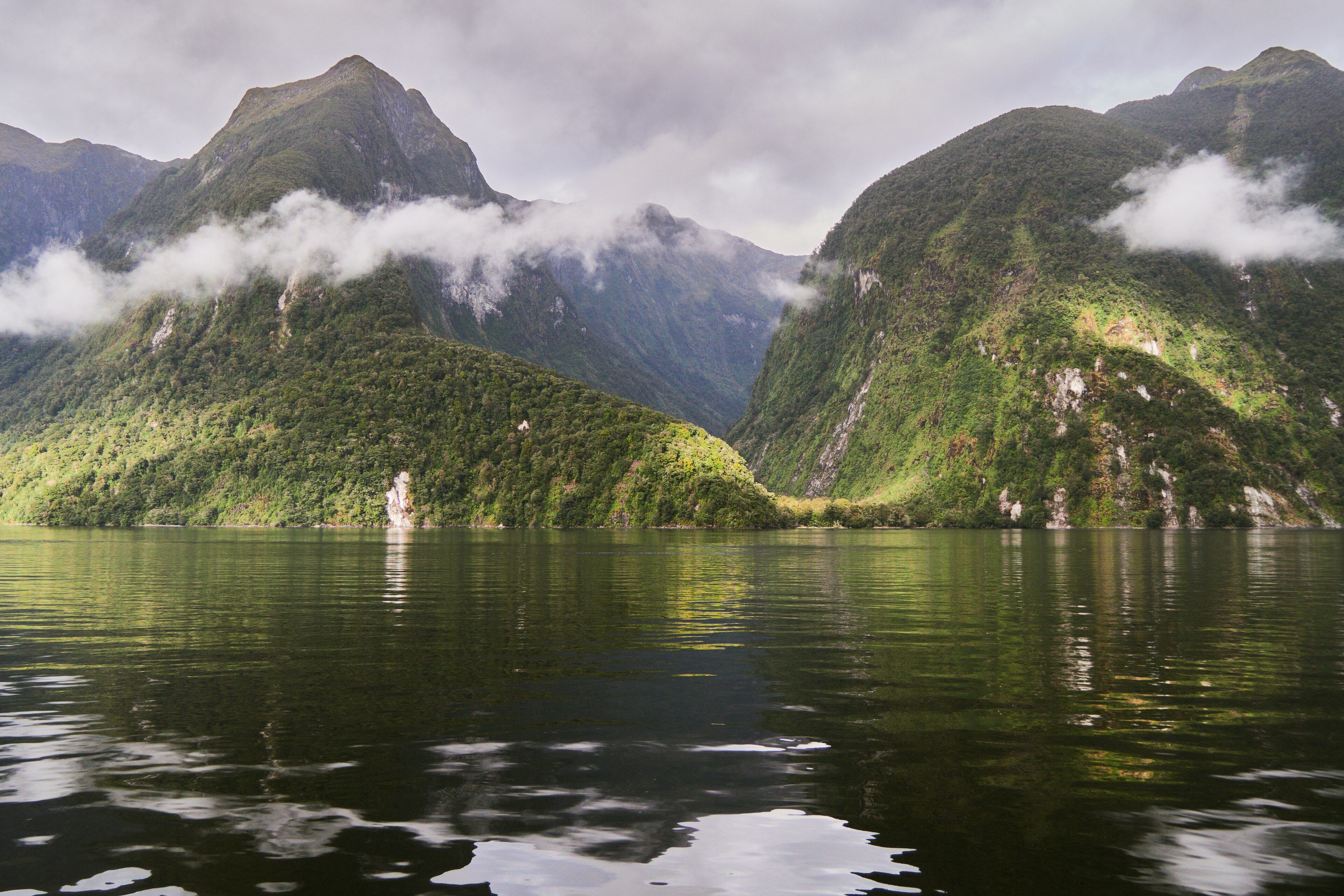
Doubtful Sound, Fiordland National Park, South Island, New Zealand

Doubtful Sound

Fiordland National Park, South Island, New Zealand

Fiordland's deep, silent wilderness fjord — larger, wilder, and far quieter than neighbouring Milford Sound, reached only by boat across Lake Manapouri and a mountain pass, its three dark arms walled by rainforest cliffs and roamed by dolphins, seals, and penguins.

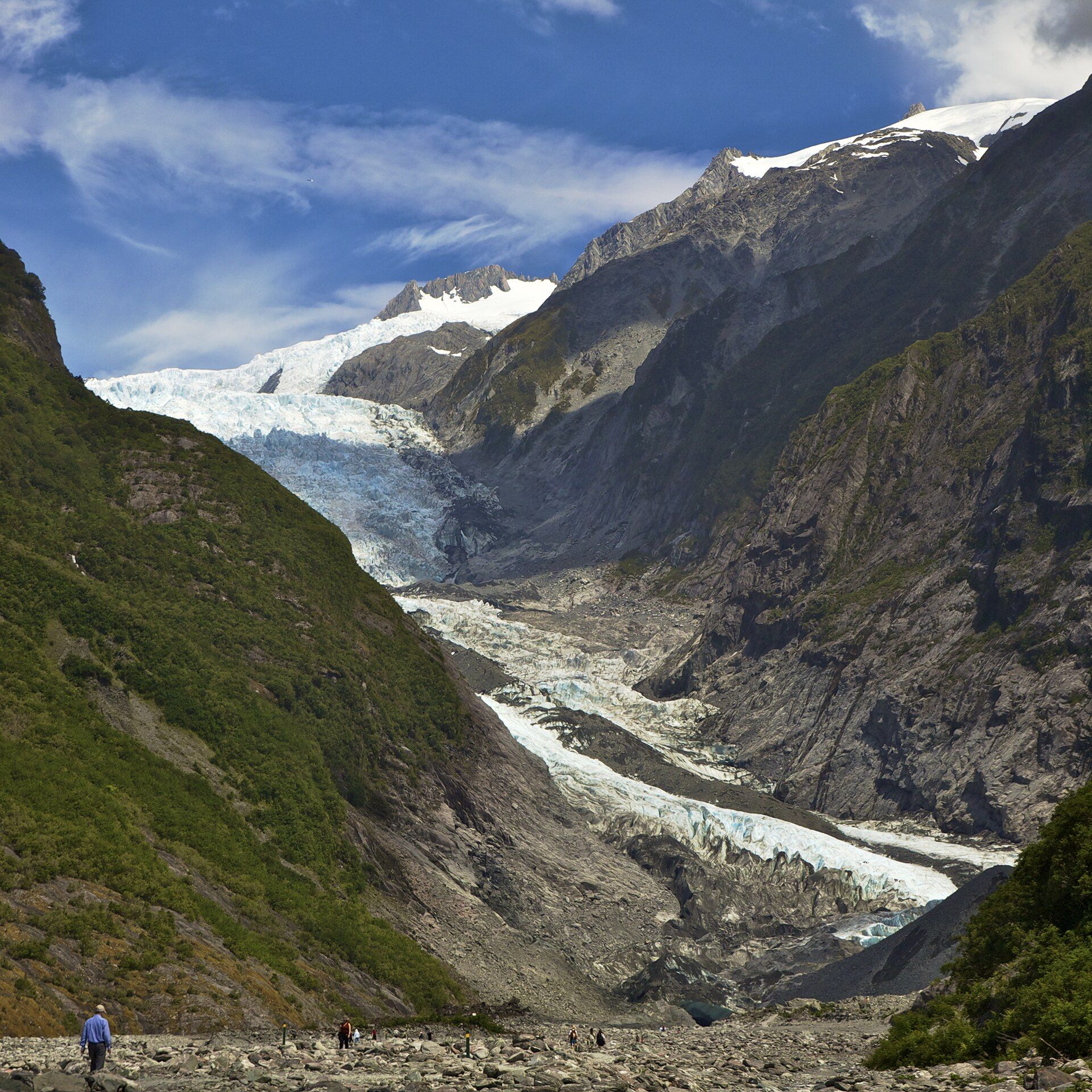
Franz Josef Glacier, Westland Tai Poutini National Park, South Island, New Zealand

Franz Josef Glacier

Westland Tai Poutini National Park, South Island, New Zealand

A steep river of blue ice that pours from the Southern Alps almost into rainforest — one of only a handful of glaciers on Earth that descend so close to temperate forest and the sea, and one of the fastest-moving, tumbling from high snowfields to a valley of ferns.

Tongariro National Park, Central Plateau, North Island, New Zealand

Tongariro National Park

Central Plateau, North Island, New Zealand

New Zealand's oldest national park — a volcanic heartland of steaming craters, brilliant emerald lakes, and lava fields, crossed by one of the world's finest day hikes, and gifted to the nation by Māori in 1887 to keep it intact.