Places · Australia

Natural Wonders of Australia: The 8 Most Beautiful Places to Visit

8 places in the atlas

Australia is one of the oldest, flattest, and most weathered landmasses on the planet, and its long isolation produced flora and fauna found nowhere else. Off the tropical northeast lies the Great Barrier Reef, the largest coral system on Earth; in the arid centre, Uluru rises from the red plains as the exposed edge of a vast sandstone formation and a living Aboriginal cultural landscape; and along the wild southern coast, the Southern Ocean carves limestone cliffs into sea stacks like the Twelve Apostles. Below are the 8 natural wonders of Australia in the atlas — the most beautiful places to build a trip around, each with what makes it remarkable, when to go, and how to reach it. Best overall time: Varies by region: the Great Barrier Reef is best June–October; the outback (Uluru) is comfortable May–September; the southern coast is scenic year-round.
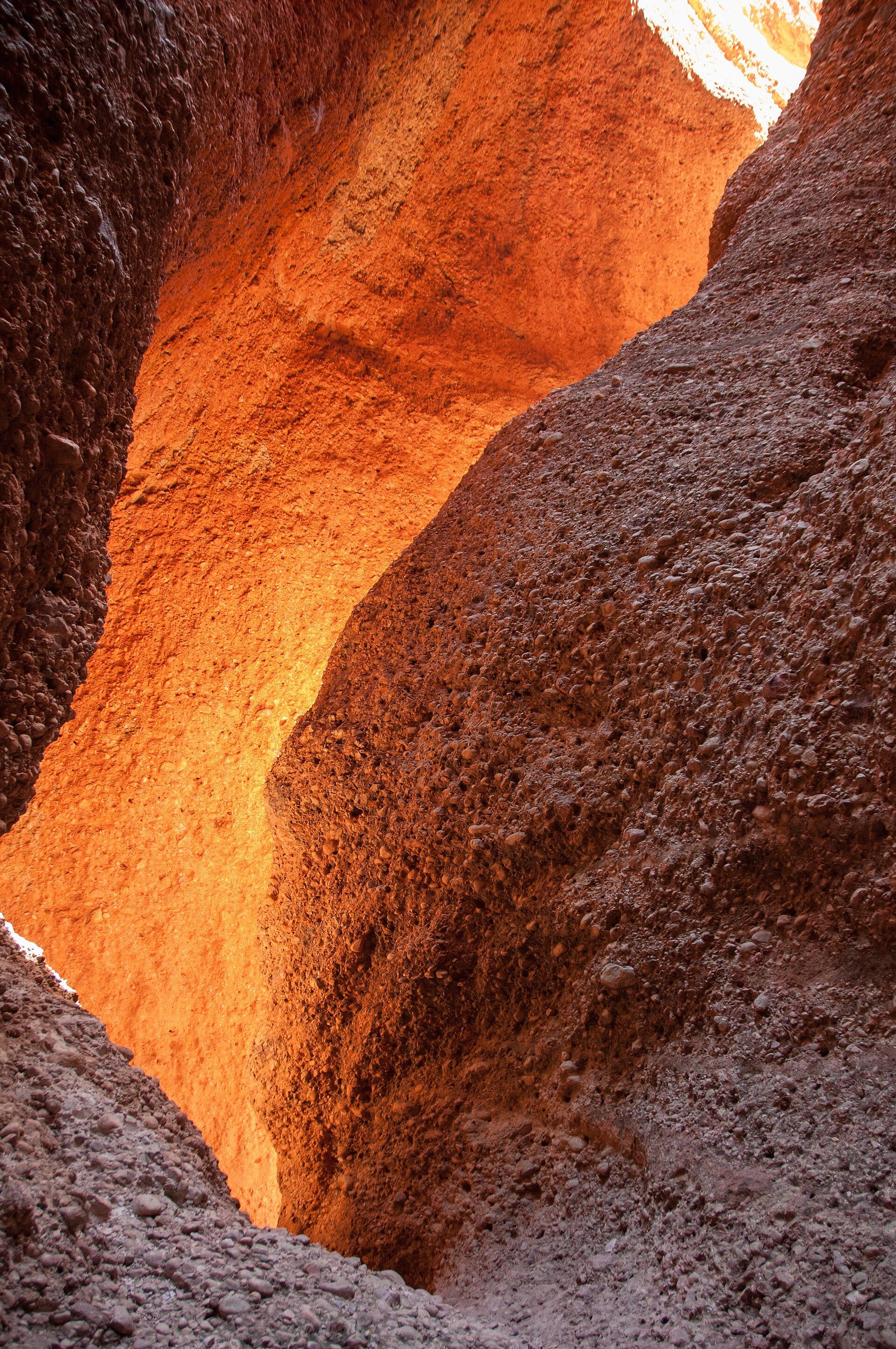
Bungle Bungle Range, Purnululu, Kimberley, Western Australia

Bungle Bungle Range

Purnululu, Kimberley, Western Australia

Hundreds of orange-and-black striped sandstone domes rising from the Kimberley outback — a beehive landscape unknown to the wider world until the 1980s.

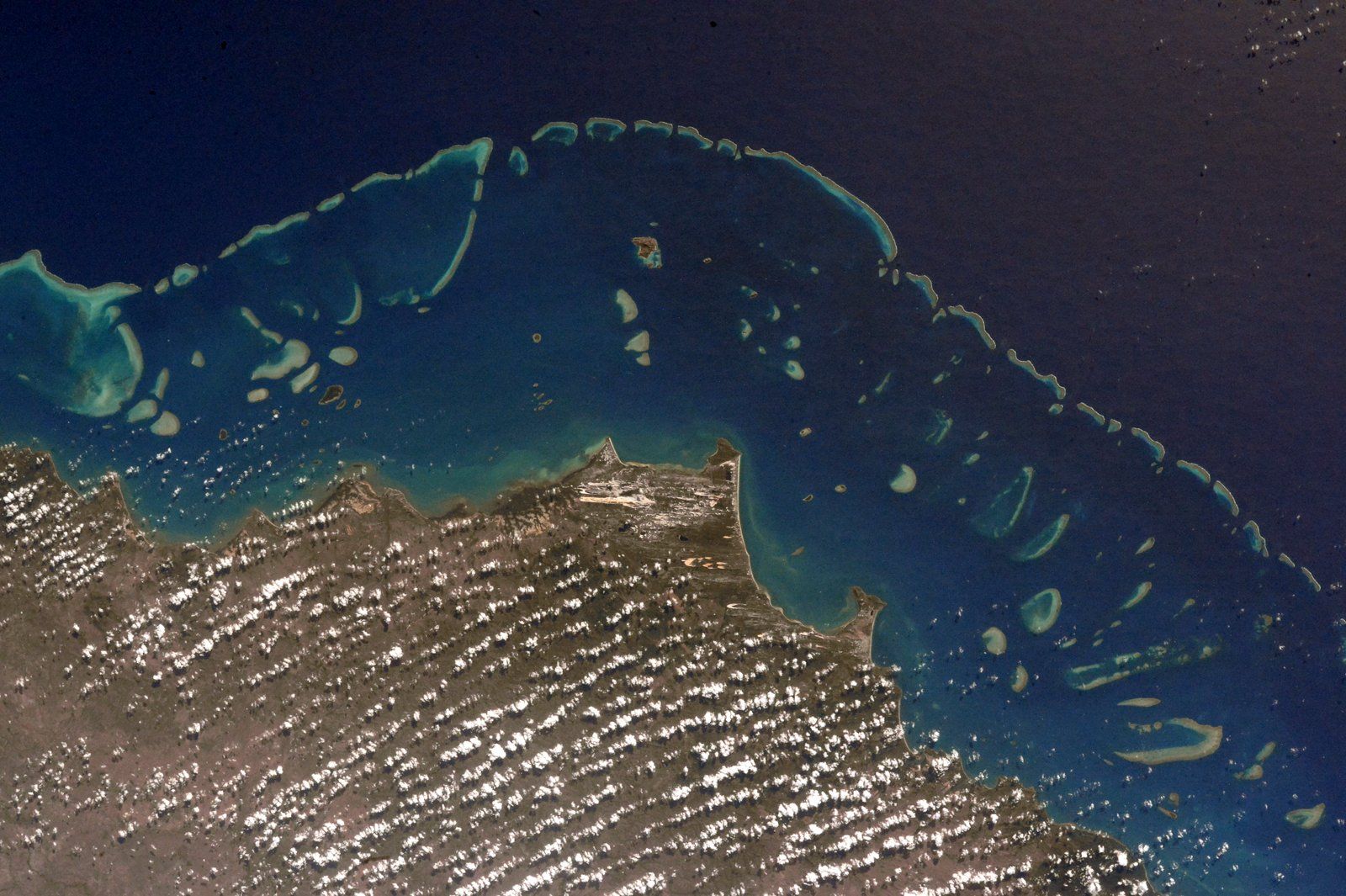
Great Barrier Reef, Queensland coast, Australia

Great Barrier Reef

Queensland coast, Australia

The largest living structure on Earth — a 2,300-kilometre system of nearly 3,000 individual reefs and hundreds of islands off Queensland, so vast it can be seen from space, and among the most biodiverse places in the ocean.

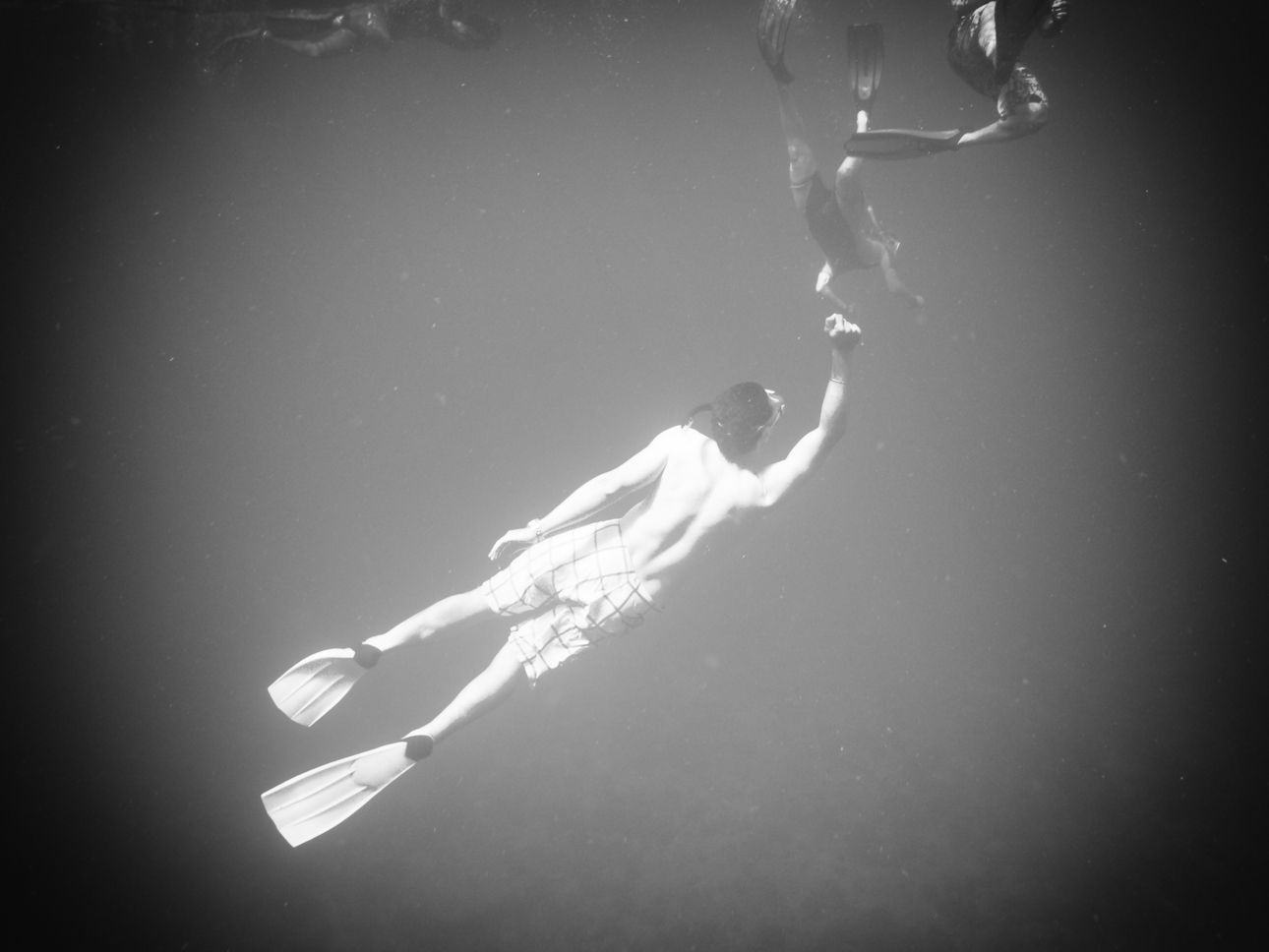
Ningaloo Reef, Coral Coast, Western Australia

Ningaloo Reef

Coral Coast, Western Australia

One of the world's largest fringing reefs — a coral wonderland that hugs the shore of Western Australia, where you can wade off the beach to snorkel with turtles, manta rays, and the giant whale shark.

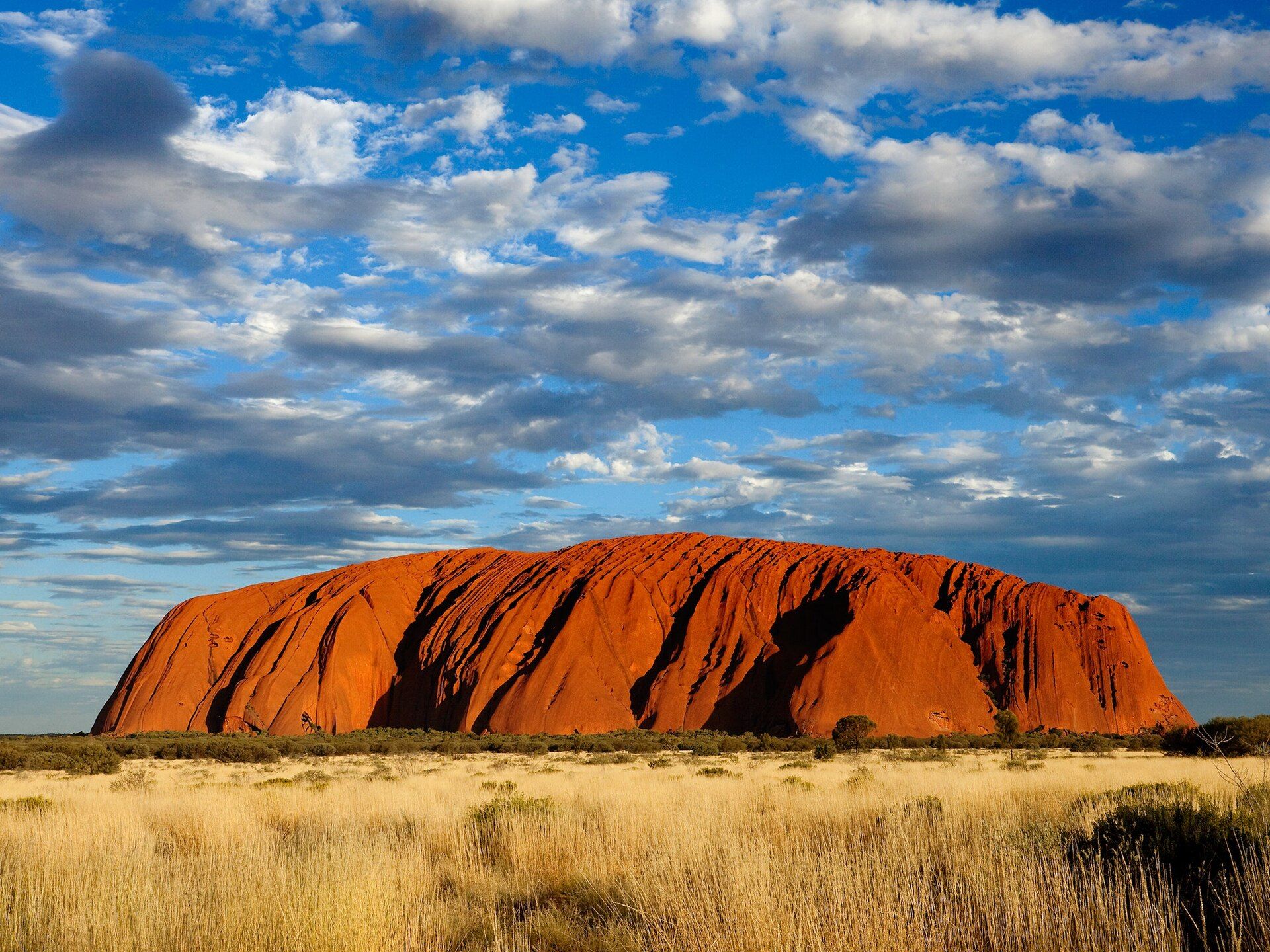
Uluru, Uluru-Kata Tjuta National Park, Northern Territory, Australia

Uluru

Uluru-Kata Tjuta National Park, Northern Territory, Australia

A colossal sandstone monolith rising abruptly from the flat red heart of Australia — glowing through fiery reds and oranges at sunrise and sunset, and a place of the deepest cultural significance to its Aboriginal custodians.

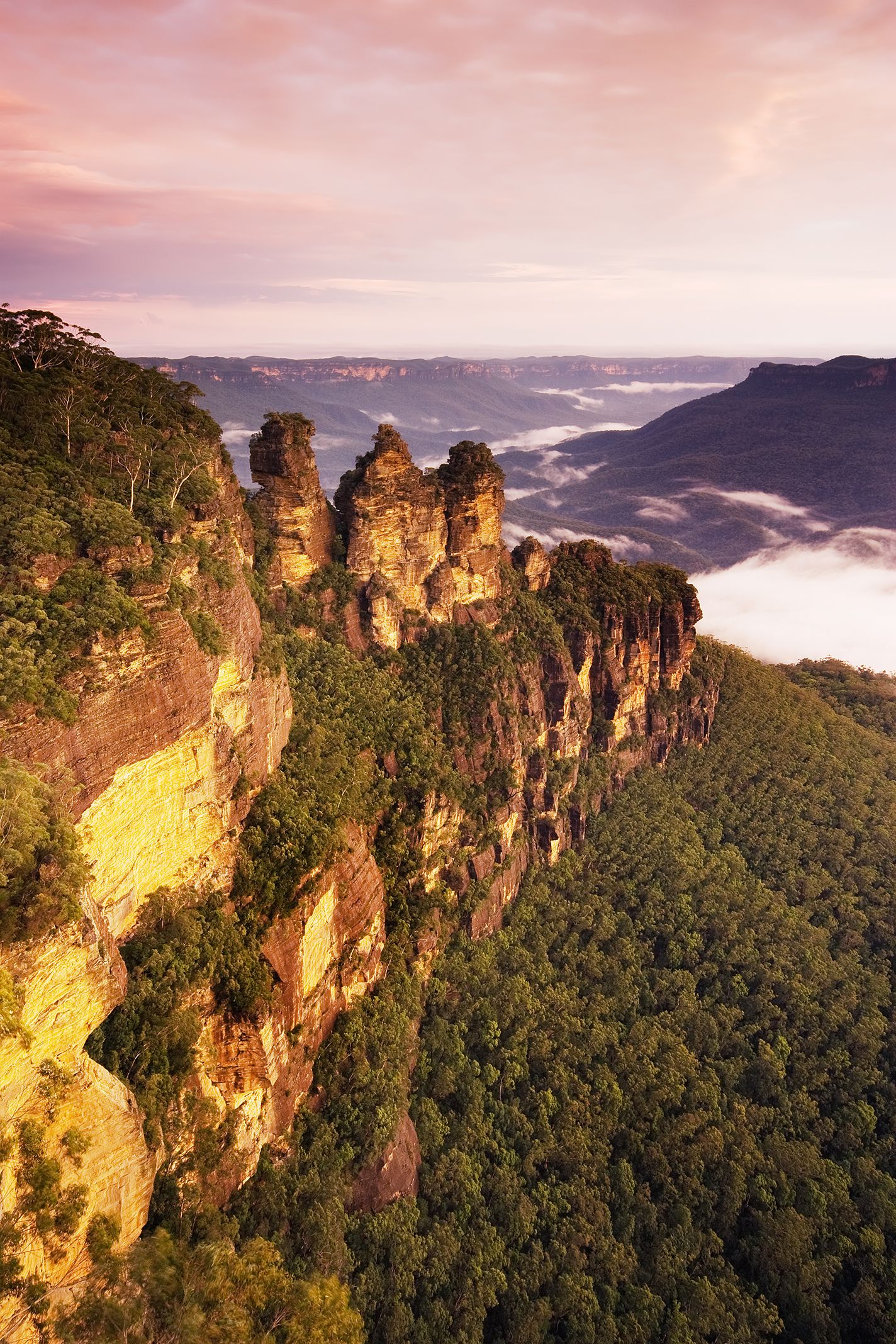
Blue Mountains, New South Wales, Australia

Blue Mountains

New South Wales, Australia

A sandstone plateau slashed by vast eucalypt-filled valleys that shimmer blue with oil haze — home to towering cliffs, waterfalls, and a tree thought extinct for 90 million years.

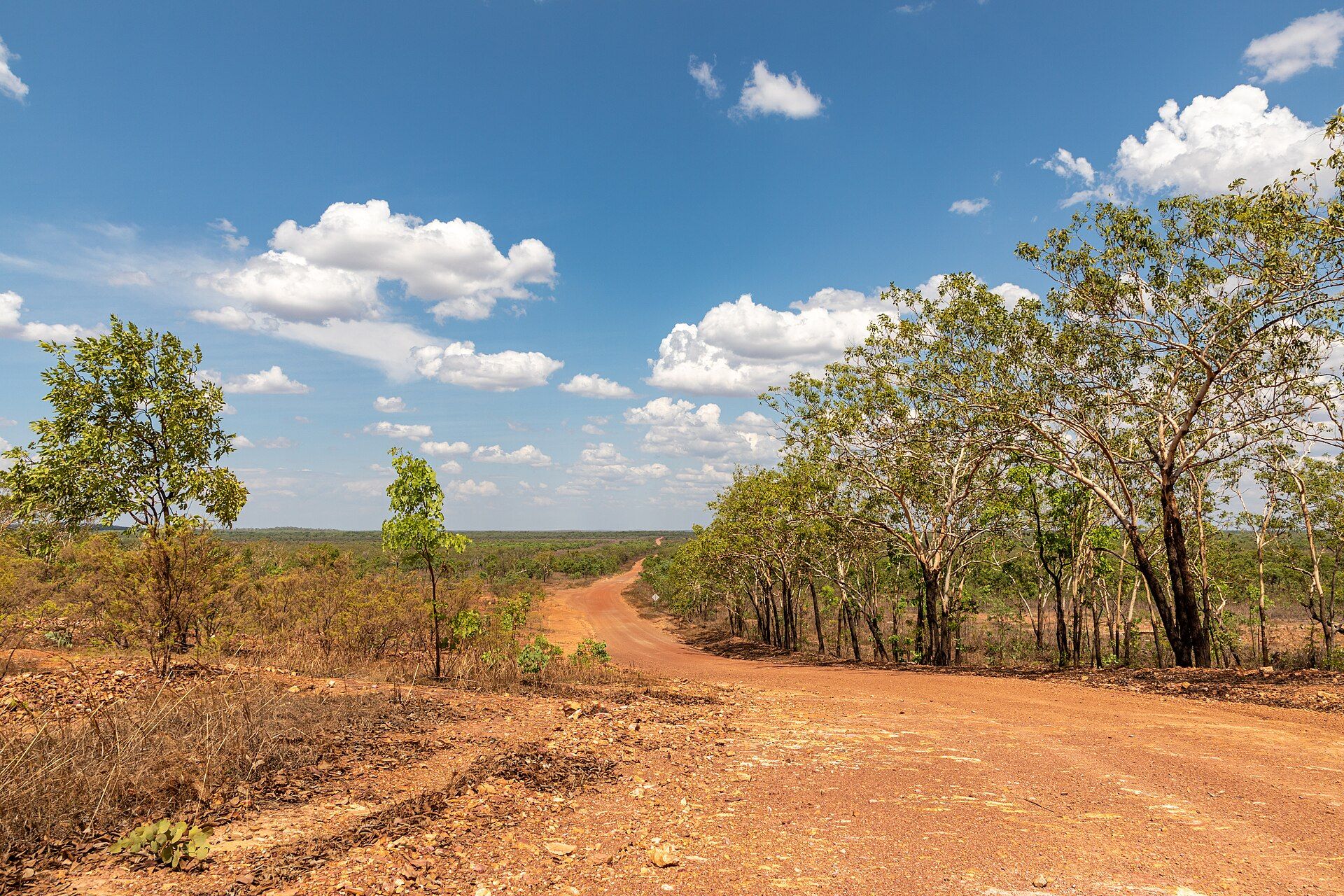
Kakadu, Northern Territory, Australia

Kakadu

Northern Territory, Australia

Australia's largest national park — a vast monsoonal landscape of floodplains, waterfalls, and stone country, alive with crocodiles and millions of birds, and holding some of the world's oldest rock art.

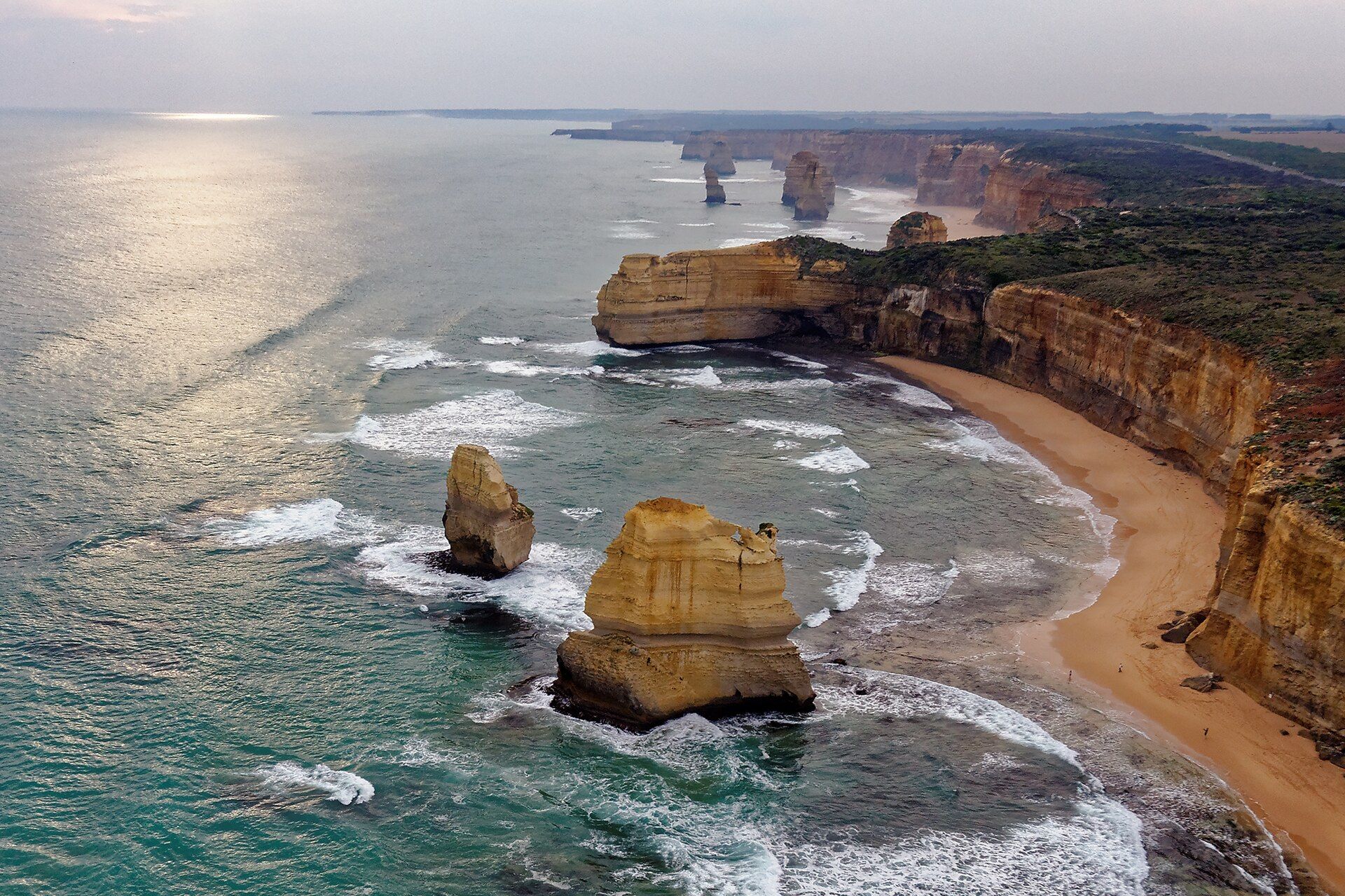
The Twelve Apostles, Great Ocean Road, Victoria, Australia

The Twelve Apostles

Great Ocean Road, Victoria, Australia

A row of towering limestone sea stacks rising from the Southern Ocean along Victoria's Great Ocean Road — sculpted from crumbling coastal cliffs by the relentless waves, and constantly, visibly changing.

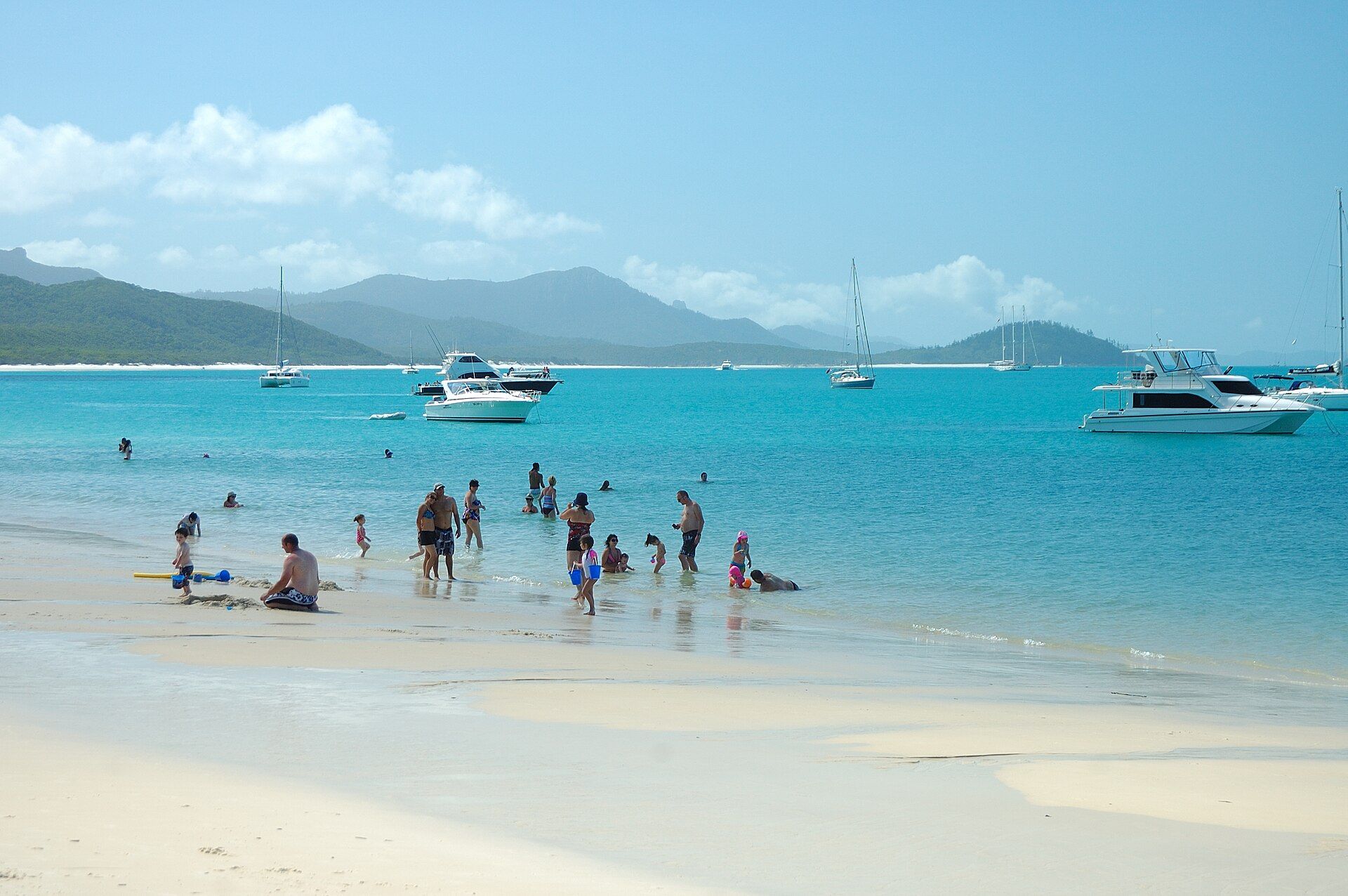
Whitehaven Beach, Whitsunday Island, Queensland, Australia

Whitehaven Beach

Whitsunday Island, Queensland, Australia

A seven-kilometre stretch of near-pure silica sand so white and fine it squeaks underfoot, curving along uninhabited Whitsunday Island, where at Hill Inlet the tide swirls the sand and shallows into shifting ribbons of white and turquoise.