Coasts · lagoons
What Are the Most Beautiful Lagoons in the World? 12 Lagoons, From Bora Bora to Iceland
12 places · every one real, mapped, and worth the trip
Short answer: Bora Bora — a jagged volcanic peak ringed by a turquoise lagoon and a protective coral reef — and El Nido in the Philippines, where hidden lagoons are reached through narrow gaps in limestone cliffs. The strangest is Brazil's Lençóis Maranhenses, where rain fills thousands of clear lagoons between white dunes for a few months each year; the coldest is Iceland's Jökulsárlón, full of drifting icebergs.
A lagoon is water held back from the open sea — by a coral reef, a sand spit or a barrier of islands — or, at Jökulsárlón, a glacial lagoon filled by calving ice. The list is unranked and runs from reef lagoons you swim in to backwaters you cruise and a glacial lagoon you only look at. Most are at their clearest in the dry season, and several limit visitors, so timing and booking matter.
-
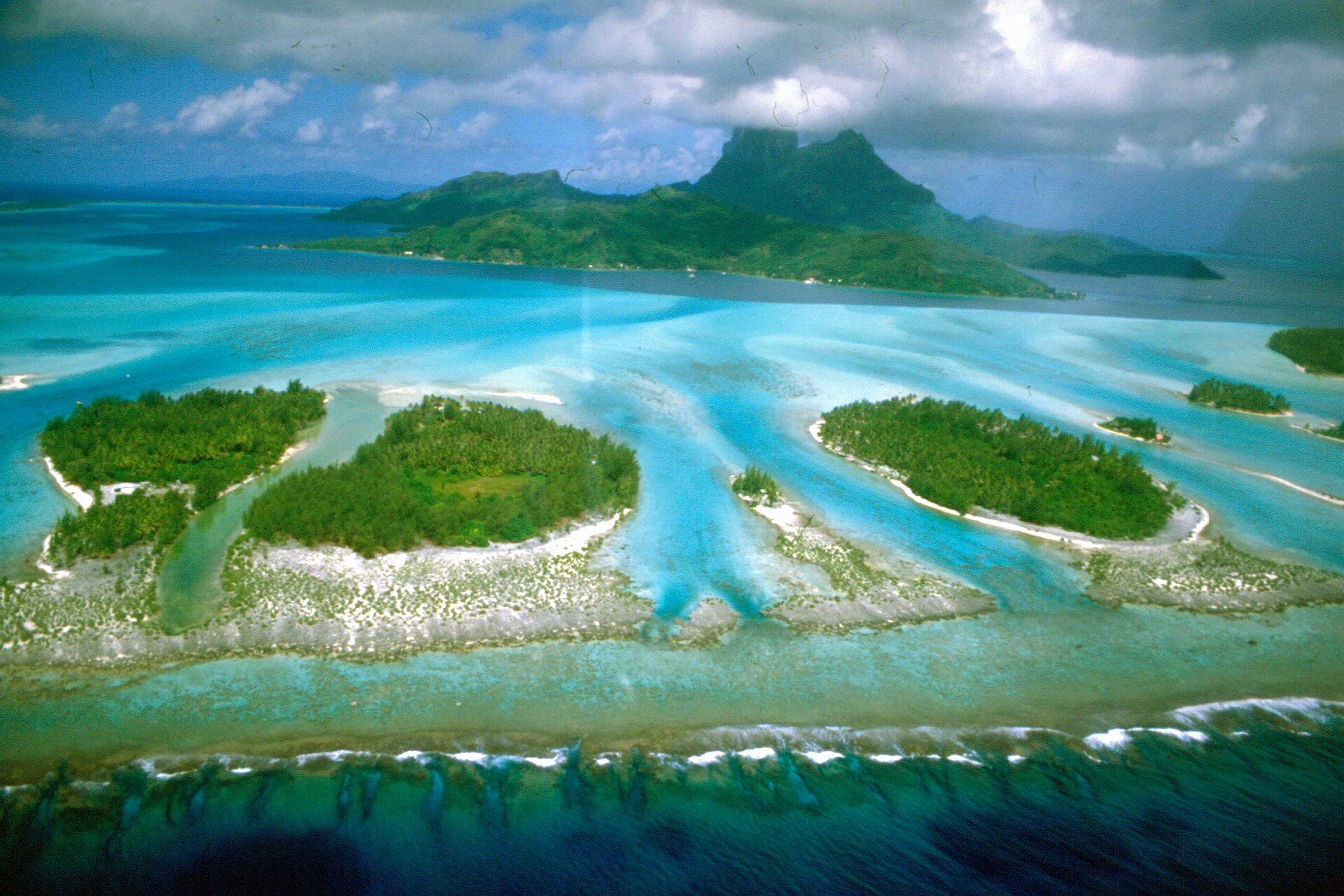
Bora Bora The archetypal reef lagoon
Society Islands, French Polynesia
A luminous turquoise lagoon and protective coral reef around a volcanic peak, encircled by palm-fringed motu of white sand. Fly from Papeete, then boat transfers across the lagoon. The dry season (roughly May–October) for sunshine, calm seas and clear water.
-
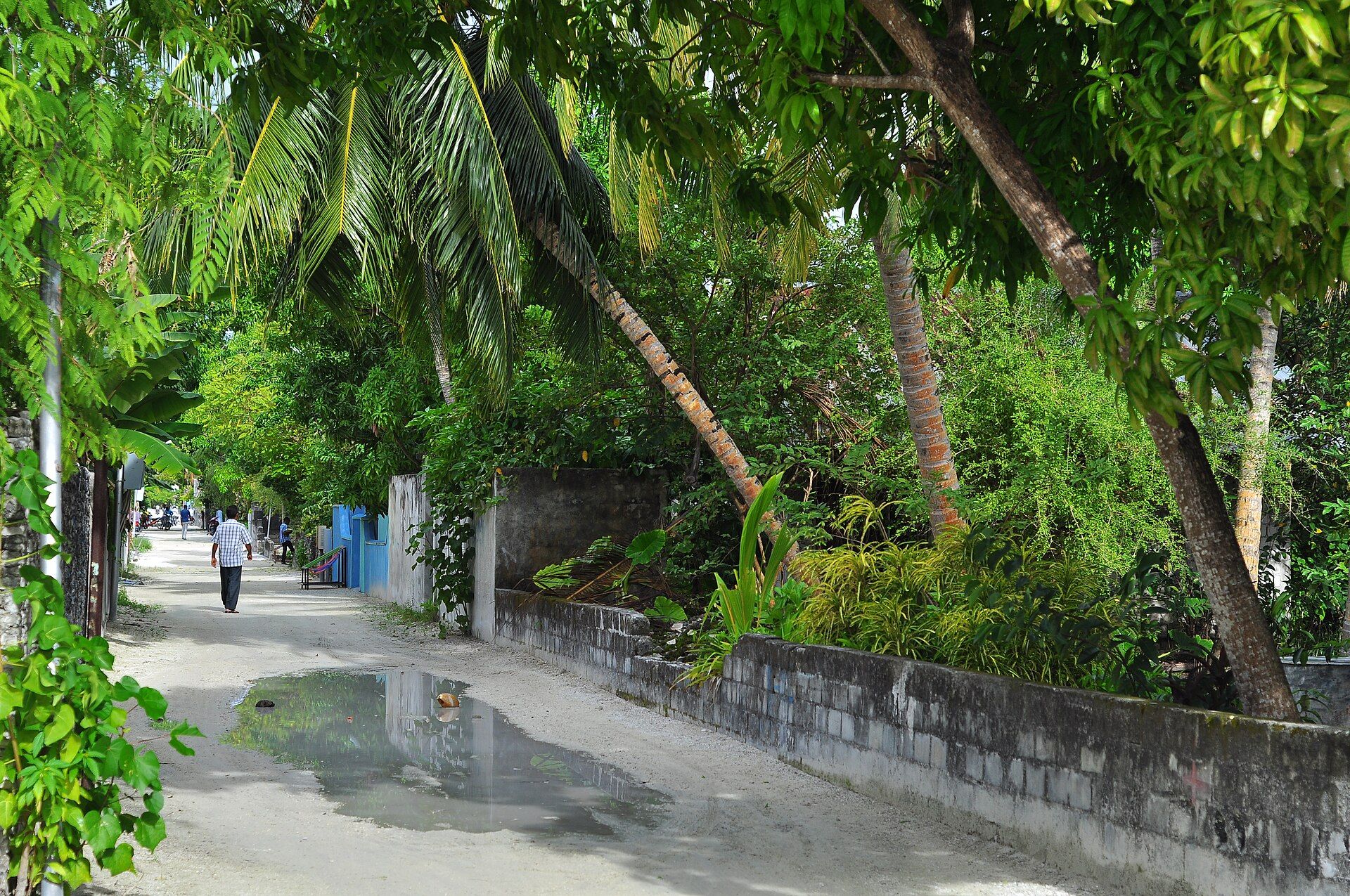
The Maldives Atolls Atolls of lagoons
Indian Ocean, southwest of Sri Lanka
A double chain of coral atolls with nearly 1,200 low-lying islands, each ringed by turquoise lagoons and reefs — the lowest-lying nation on Earth. Fly to Malé, then seaplane or speedboat to resorts, guesthouses or liveaboards. Roughly November–April for calm, clear water.
-
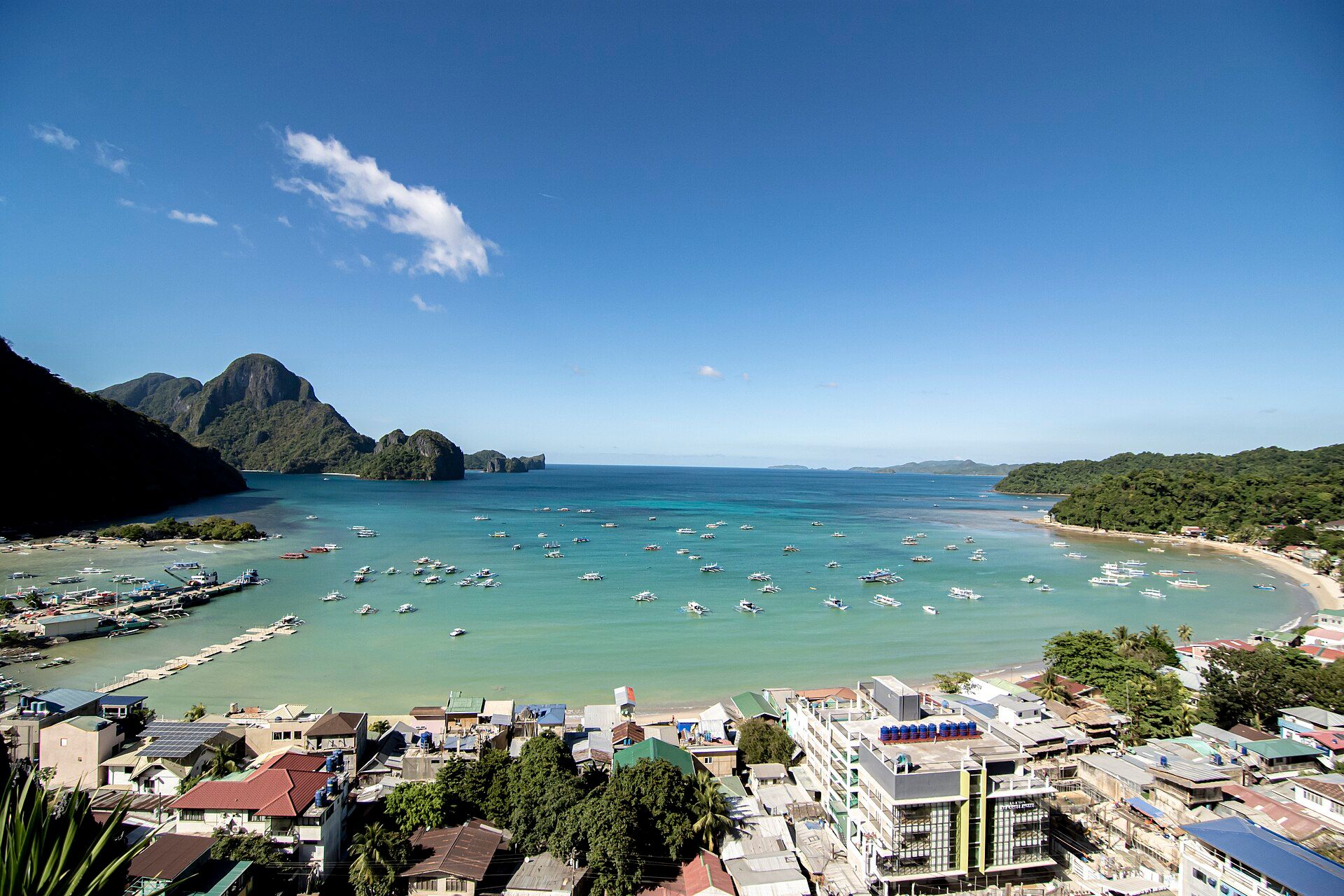
El Nido & the Bacuit Archipelago Lagoons behind rock gaps
El Nido, Palawan, Philippines
Dozens of jagged limestone islands in Bacuit Bay hide lagoons reached through narrow gaps in the rock, on the standard island-hopping tours (A, B, C, D) from El Nido town; environmental and lagoon-entry fees apply. December to May, with March–May typically clearest.
-
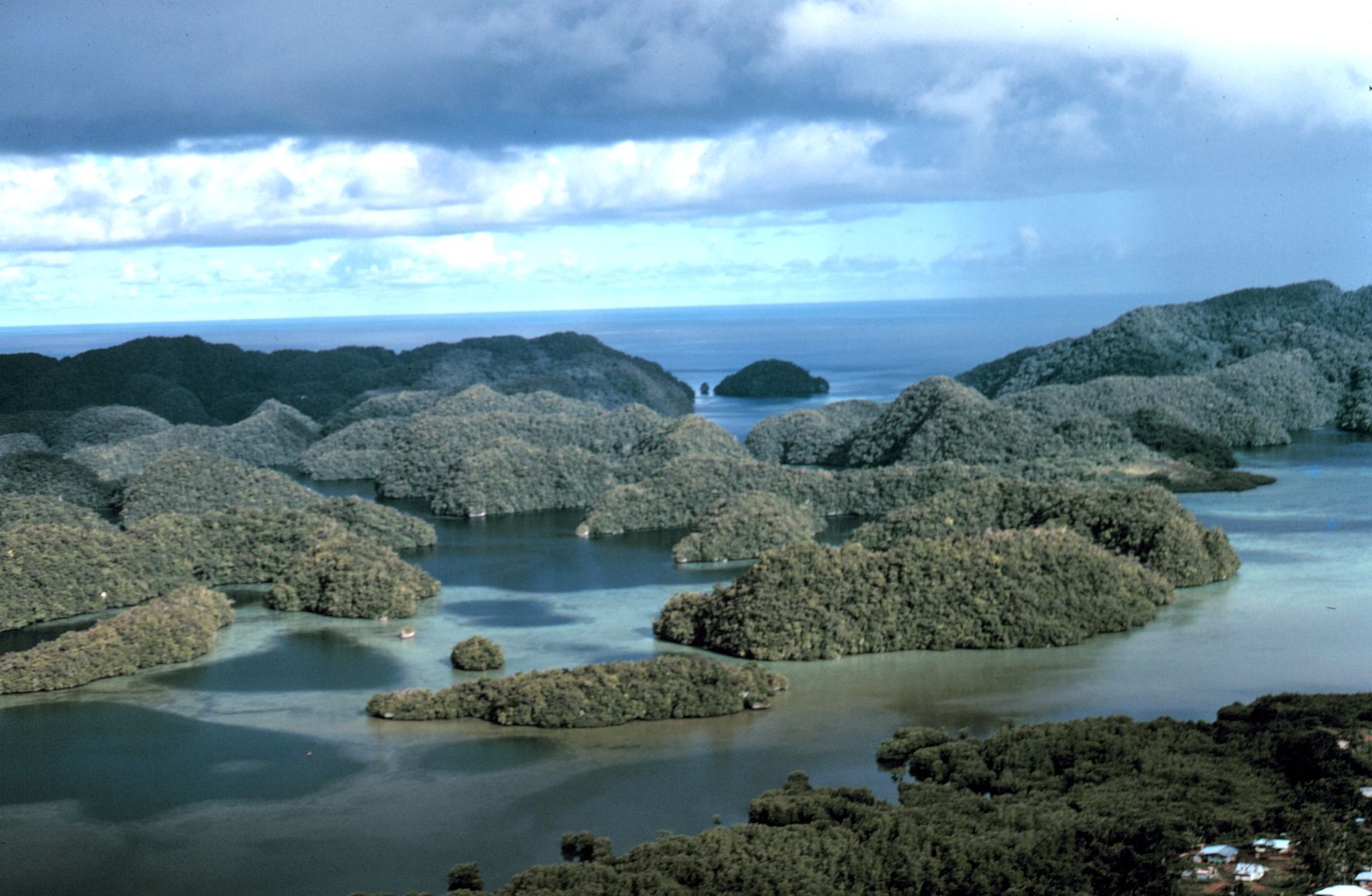
Palau's Rock Islands Mushroom islands in a lagoon
Rock Islands Southern Lagoon, Palau, Micronesia
Hundreds of emerald, mushroom-shaped limestone islands scattered across the Rock Islands Southern Lagoon, with hidden marine lakes — one full of harmless golden jellyfish — and world-class reefs. Boat trips from Koror under the Palau Pledge and a permit system. The drier months (roughly November–April) for calm seas.
-
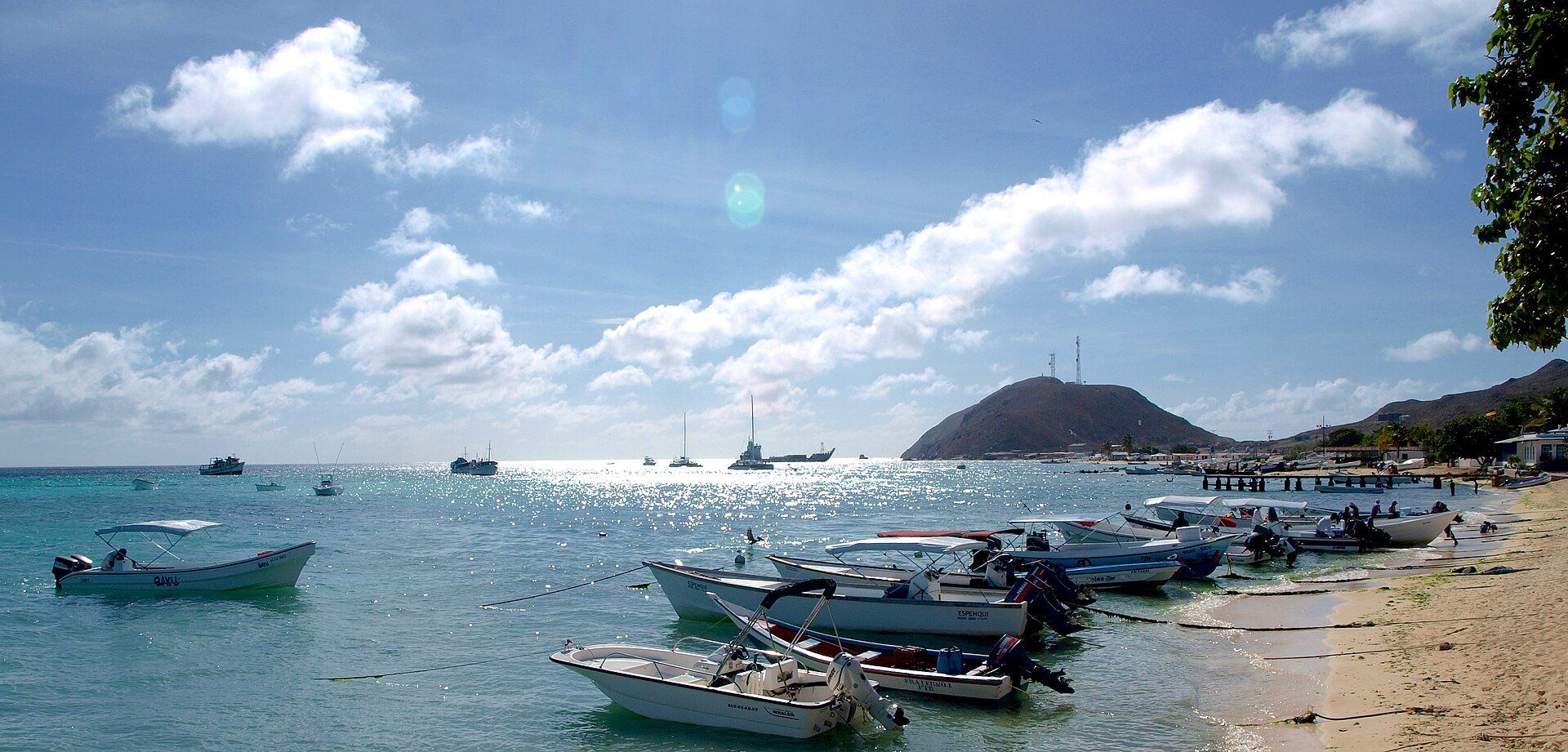
Los Roques Archipelago 350 cays around one lagoon
Caribbean Sea, about 128 km north of La Guaira, Venezuela
Some 350 islands, cays and sandbanks around a shallow turquoise lagoon ringed by two barrier reefs, a Venezuelan national park since 1972. Light aircraft from Caracas's Maiquetía to Gran Roque, then boats to the outer cays. Warm, dry and windy year-round; April is driest.
-
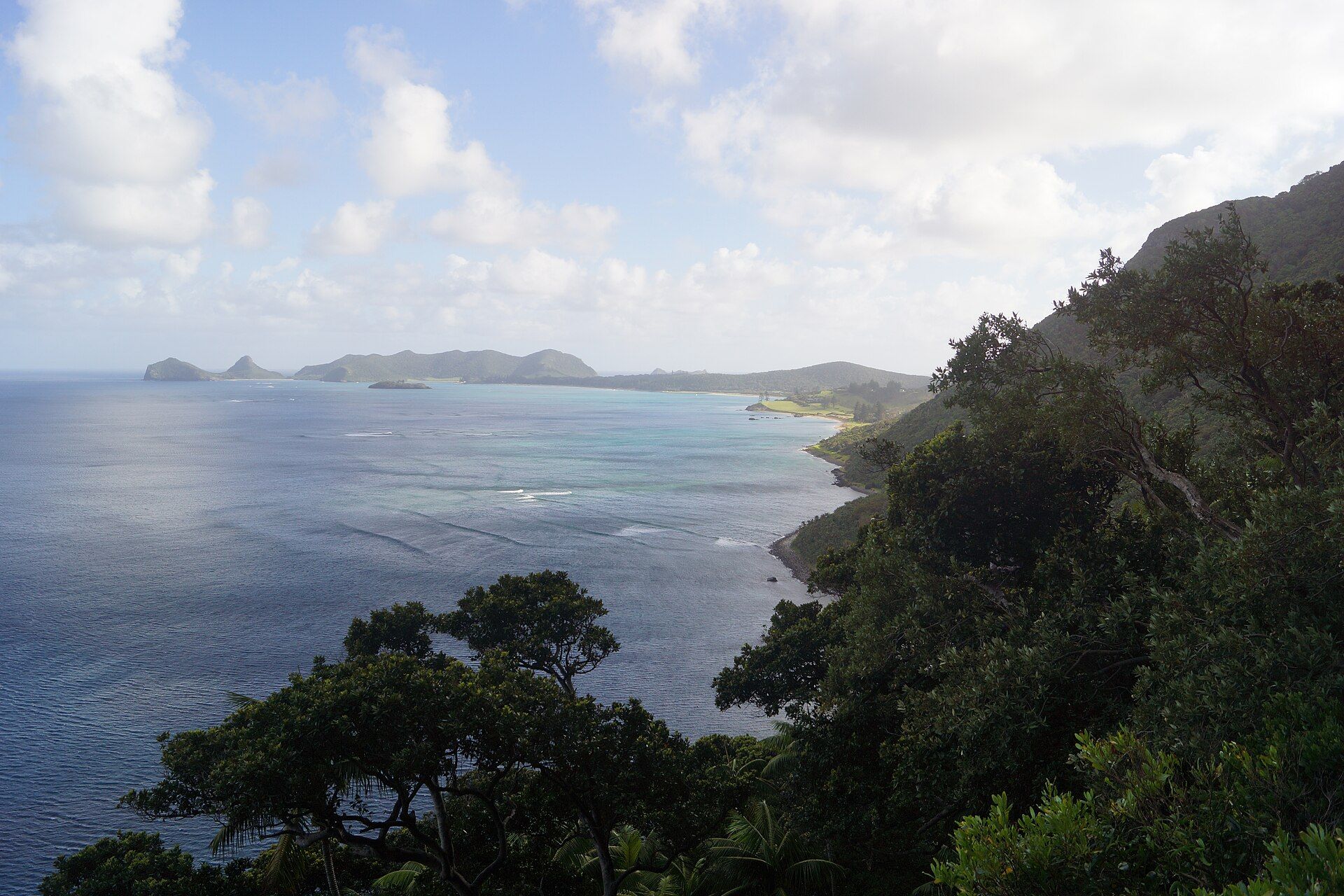
Lord Howe Island The southernmost reef lagoon
Tasman Sea, about 570 km east of Port Macquarie, New South Wales, Australia
A lagoon sheltered by the world's most southerly coral reef beneath the 875-metre Mount Gower — and only 400 visitors may stay on the island at a time, so book flights and accommodation together. Mild all year; summer (December–February) is busiest.
-
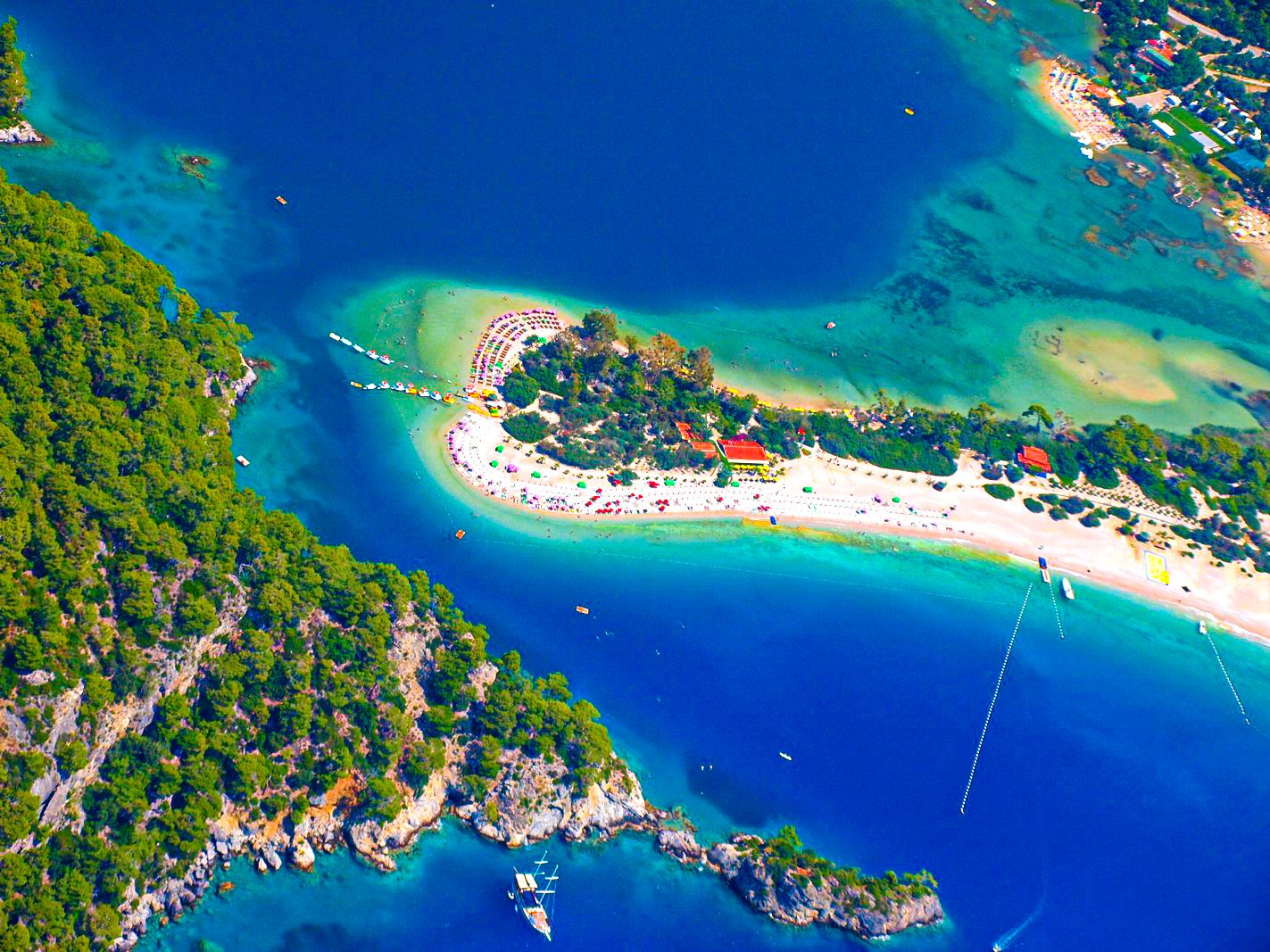
Ölüdeniz Sealed off by a sand spit
Fethiye, Muğla Province, southwest Turkey
A sheltered turquoise lagoon cut off from the open Aegean by a slender sand spit, about 15 km south of Fethiye, under Babadağ — one of the world's premier paragliding launches. May to October for warm, settled weather; high summer is hot and busy.
-
Siargao & Sugba Lagoon Glassy Sugba Lagoon
Surigao del Norte, Mindanao, Philippines
Sugba Lagoon is a glassy lagoon reached by boat from Siargao, the Philippine surf island of Cloud 9. Fly to Sayak from Manila, Cebu or Davao. March to October for calmer weather and lagoon trips; later in the year can bring typhoons.
-
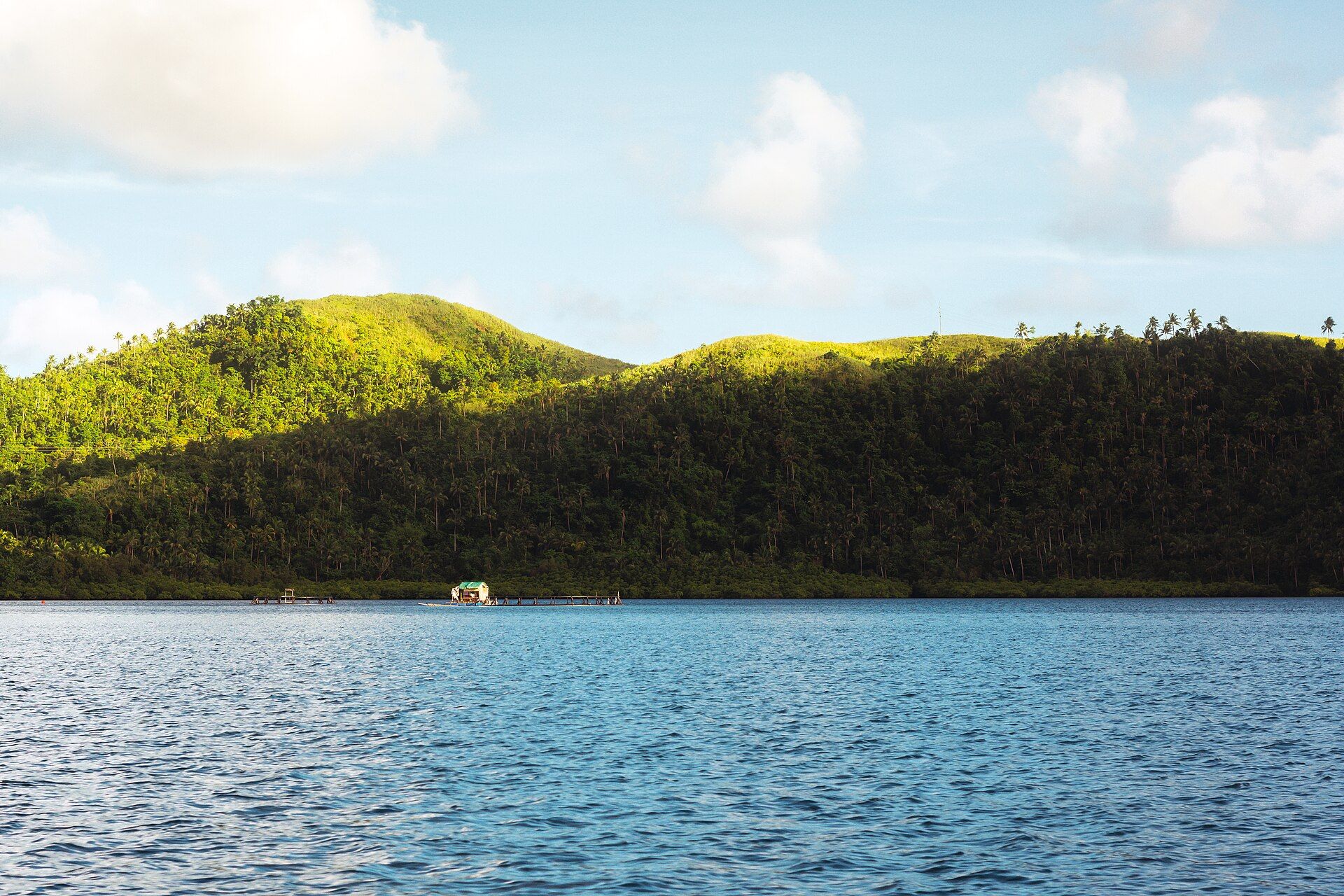
Sohoton Cove & Jellyfish Sanctuary Through a sea cave at low tide
Bucas Grande, Surigao del Norte, Mindanao, Philippines
A hidden lagoon system on Bucas Grande Island, entered through a sea cave passable only at low tide, sheltering stingless jellyfish and karst-walled coves. A local guide and boat are required to time the tides. Roughly March–October; jellyfish numbers vary, so ask locally.
-
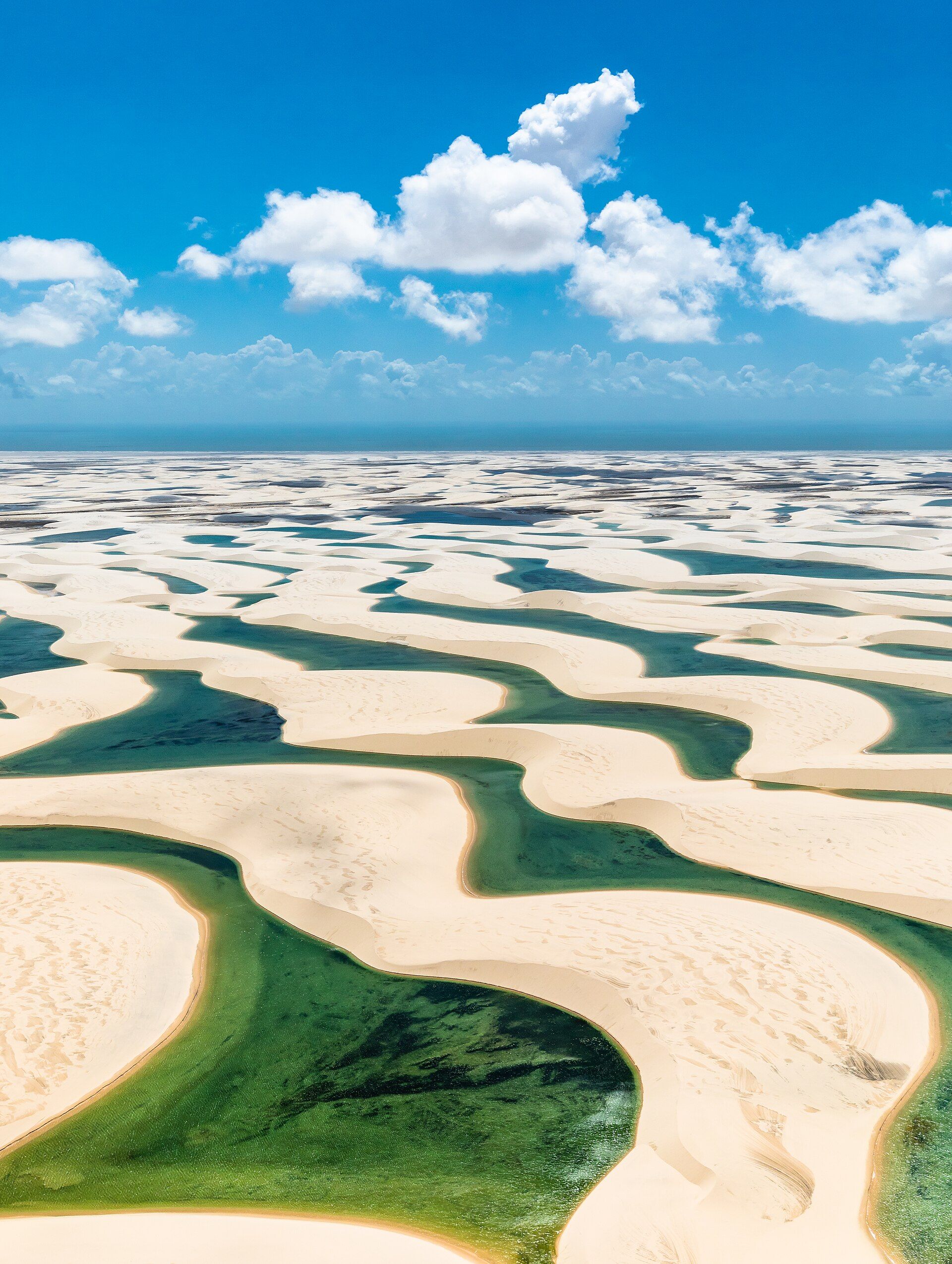
Lençóis Maranhenses Lagoons in the dunes
Maranhão, Brazil
A vast field of white dunes that fills each rainy season with thousands of clear turquoise lagoons. 4x4s from Barreirinhas (via São Luís) carry visitors into the dunes. July to September, after the rains and before the pools evaporate — fullest and warmest then.
-
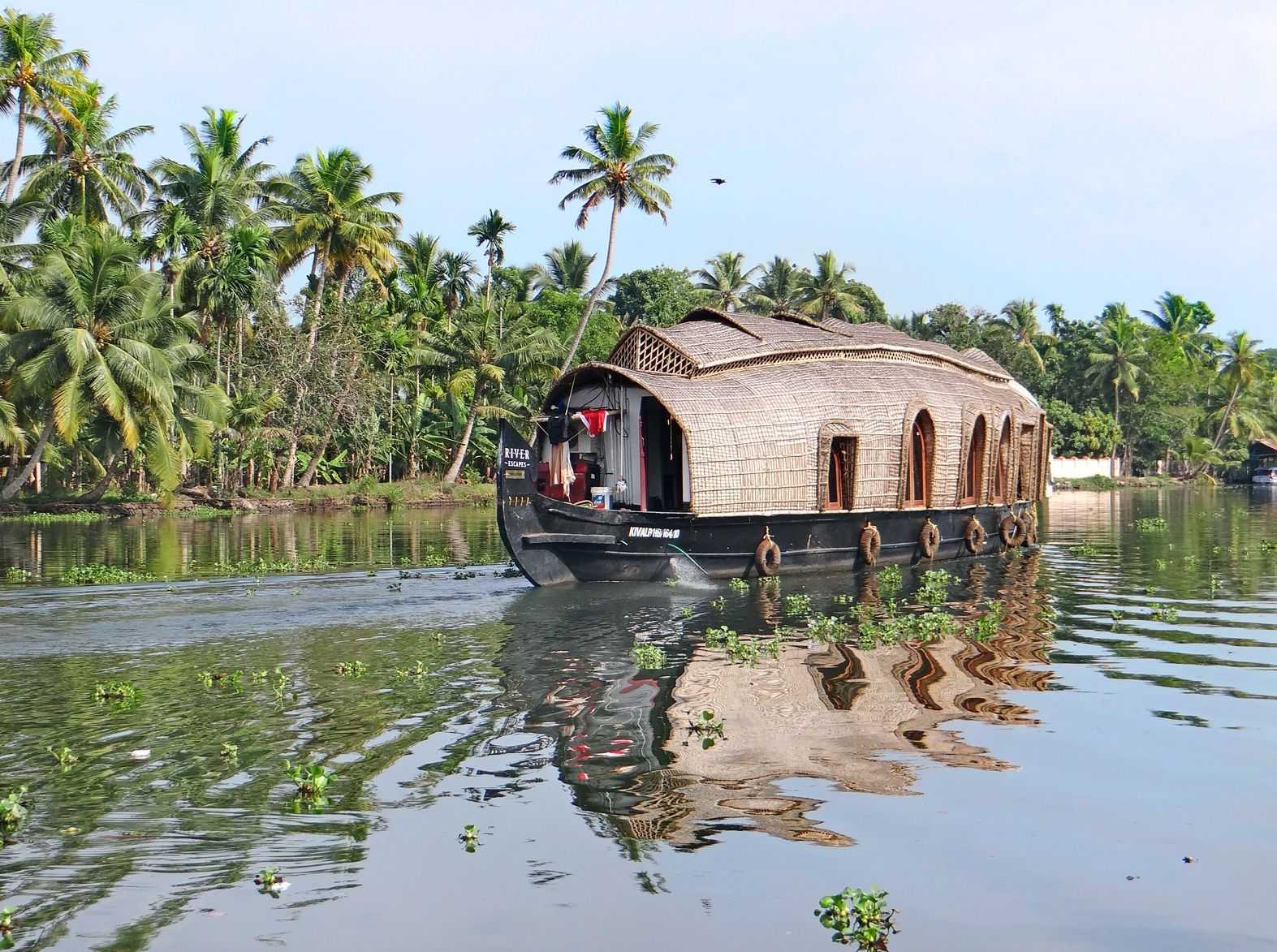
Kerala Backwaters 900 km by houseboat
Kerala, southwestern India
A 900-kilometre network of brackish lagoons, lakes and canals behind barrier islands on the Arabian Sea, worked by rice barges turned houseboats from Alappuzha and Kumarakom; public ferries run the same routes far more cheaply. Roughly November to February, after the monsoon.
-
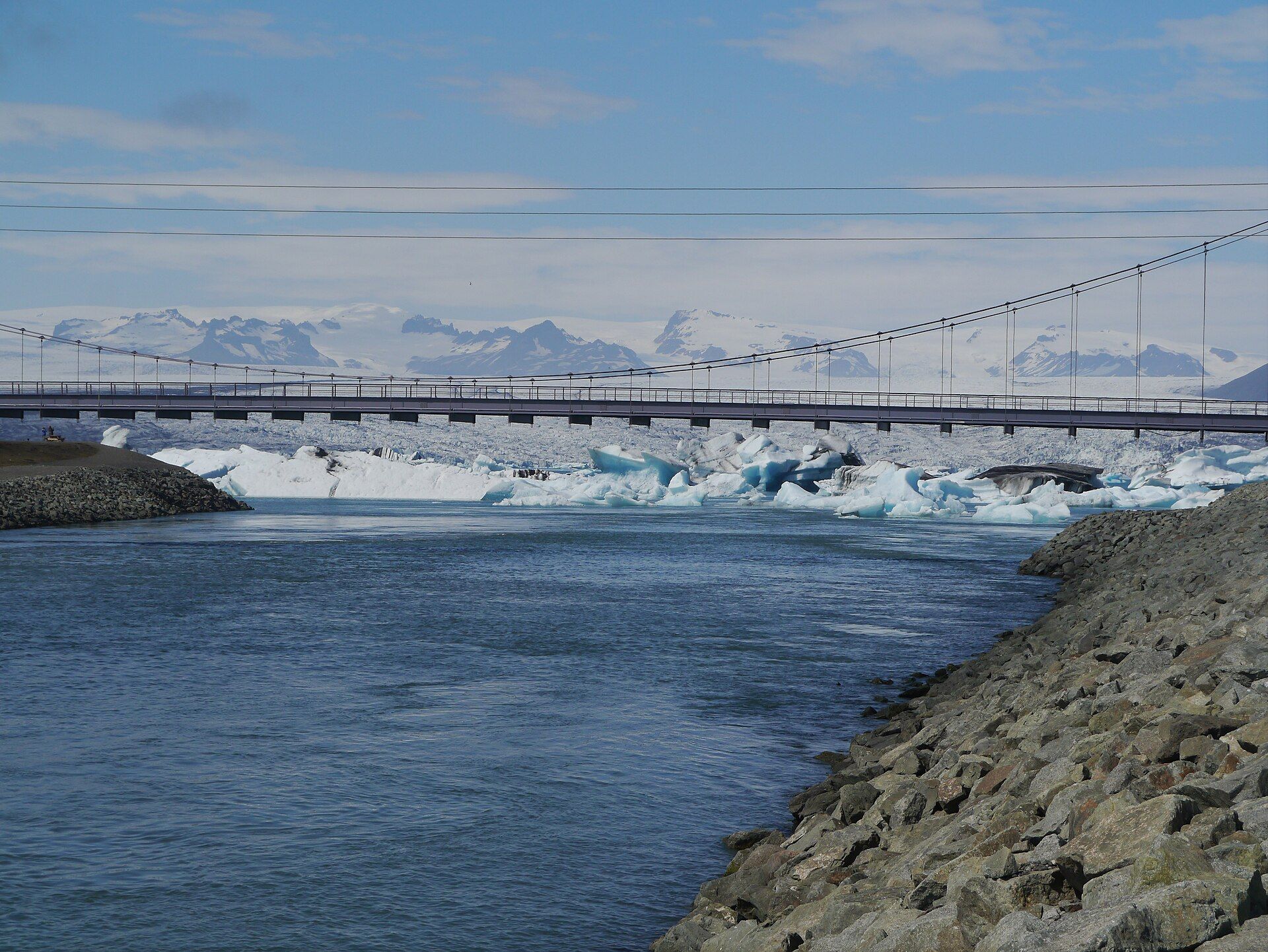
Jökulsárlón Glacier Lagoon A lagoon of icebergs
Vatnajökull National Park, Southeast Iceland
Huge icebergs calved from the Vatnajökull ice cap drift in a deep glacial lagoon on Iceland's Ring Road before floating out to sea and washing up on Diamond Beach across the road. Free to view; boat tours May to September; winter brings northern lights but harsher conditions.
Lagoons are only as clear as the weather allows: rain, swell and monsoon winds cloud the water, so the dry-season windows above matter. Several — El Nido, Palau, Sohoton — charge entry or conservation fees, and Lord Howe caps its visitors. For more clear water, see the most beautiful turquoise water; for the reefs that hold many of these lagoons in place, see the most beautiful coral reefs.
Added