Siargao & Sugba Lagoon
📍 Surigao del Norte, Mindanao, Philippines
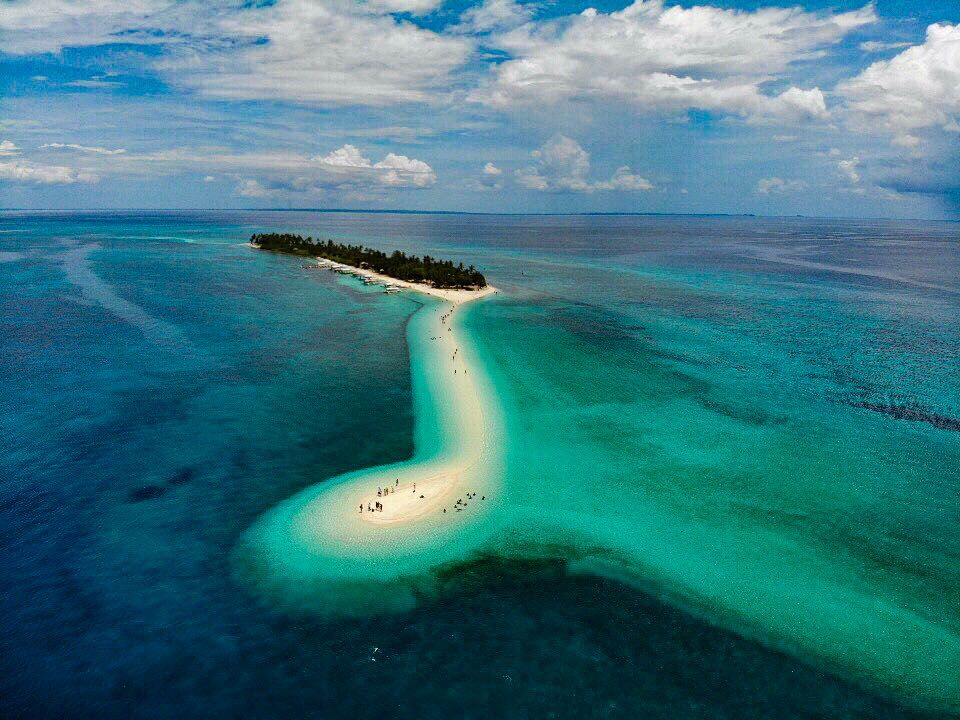
A tear-drop island of surf, palm forest, and mangrove — home to the famous Cloud 9 reef break, the glassy Sugba Lagoon, tidal rock pools, and one of the largest mangrove reserves in the country.

What makes it marvelous
Siargao sits on the edge of the Philippine Trench, where Pacific swells wrap onto reefs to create world-class waves like Cloud 9. Inland, the island is cloaked in coconut palms and threaded with rivers and the vast Del Carmen mangrove forest — a carbon-rich nursery for fish and a buffer against storms. Sugba Lagoon's still, jade water sits in a sheltered karst-and-mangrove basin.
Why visit
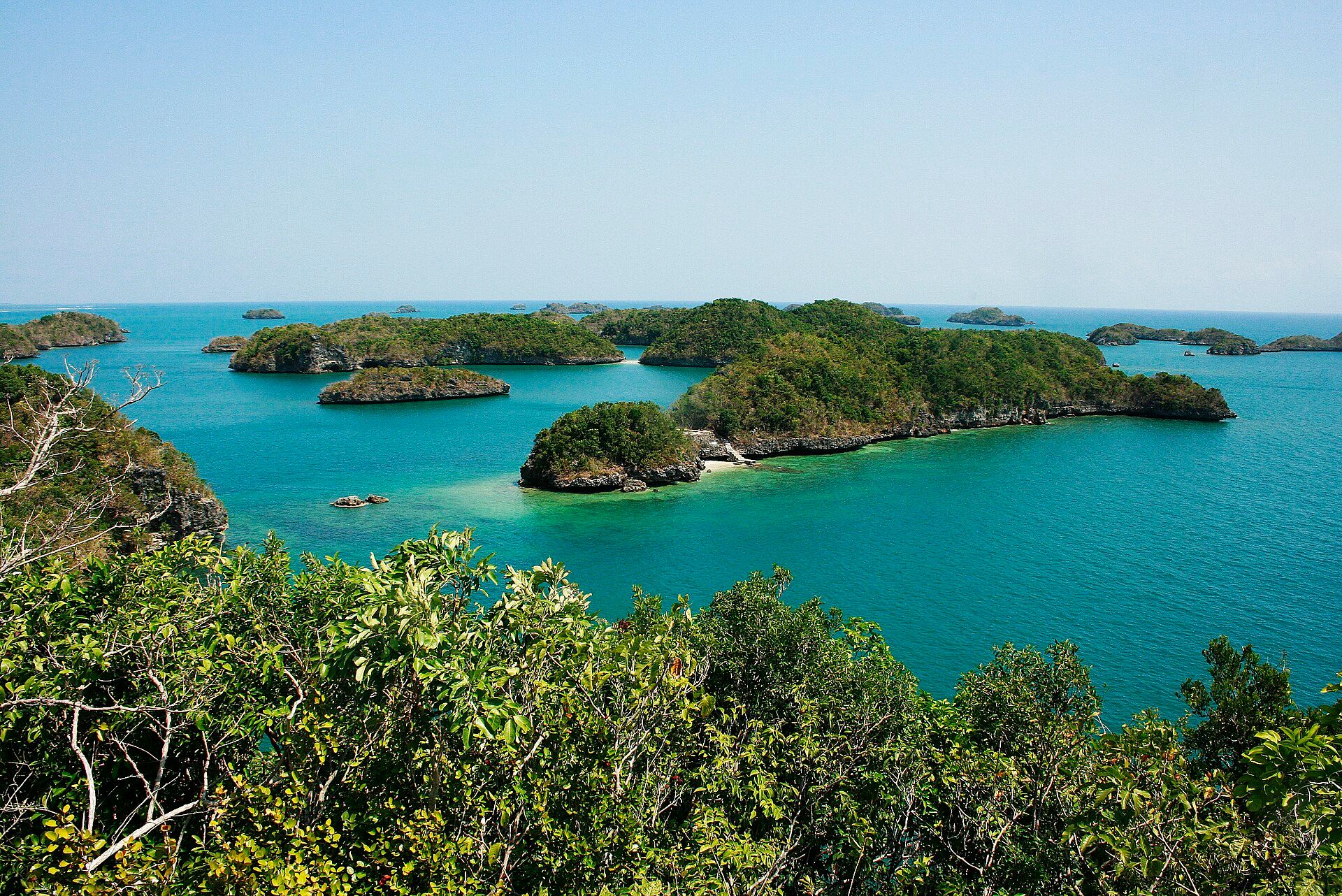
It offers a rare mix in one small island: surf breaks for every level, a paddle across mirror-flat lagoon water, natural tidal pools like Magpupungko revealed at low tide, and island-hopping to sandbars and palm-tufted islets. Beyond the surf, the mangroves make it a genuine ecological stronghold.
What to know before you go
🗓️ Best time
March to October for calmer weather and lagoon trips; surfers favour the bigger swells from around August to November. Typhoon season (later in the year) can bring strong storms.
🧭 Getting there & access
Fly to Sayak (Siargao) airport from Manila, Cebu, or Davao. The island is small and explored by motorbike or van; boats run to Sugba Lagoon, Magpupungko, and the outer islets.
Good to know
- Time Magpupungko's rock pools for low tide, when they're revealed.
- Explore the Del Carmen mangroves by paddle — it's the ecological heart of the island.
- Respect surf etiquette at Cloud 9 and use reef-safe sunscreen over the reefs.
Plan your visit
Easy🧭 Getting there
From Sayak Airport (IAO), Siargao
- Fly Manila or Cebu → Sayak — roughly 1h15–2h
- Road to General Luna — about 45min–1h
- Boats to Sohoton, Sugba Lagoon, and the outer islands from local ports
- Total travel
- Half a day from Manila
- Time at site
- 3–5 days to cover surf, lagoons, and island trips
- Access
- Open access to beaches; island and lagoon trips need boat hire and local fees. Some sites require a guide.
🎒 What to bring & consider
- Reef booties — the reef here is sharp and shallow at low tide
- Reef-safe sunscreen and a rash guard for long boat days
- Cash; ATMs exist but run dry, especially in peak season
- Motion-sickness tablets for the outer-island crossings
- A dry bag for boat trips
👁️ What to expect
- Crowds
- Cloud 9 and the main beach strip are busy year-round and crowded in peak season; outer islands thin out.
- Conditions
- Wet boat landings, strong sun, and tide-dependent access — some spots are simply unreachable at low water.
- Facilities
- Well developed in General Luna: cafés, resorts, rentals. Sparse elsewhere on the island.
- The view
- The palm-forest and sandbar views are reliable; surf photography depends on swell, which peaks roughly August–November.
Times and requirements are approximate and change with season, weather, and local rules — confirm permits, fares, and schedules with operators before you travel.
Natural riches of the area
- Reef breaks fed by Pacific swells off the Philippine Trench
- The extensive Del Carmen mangrove forest — a major blue-carbon store
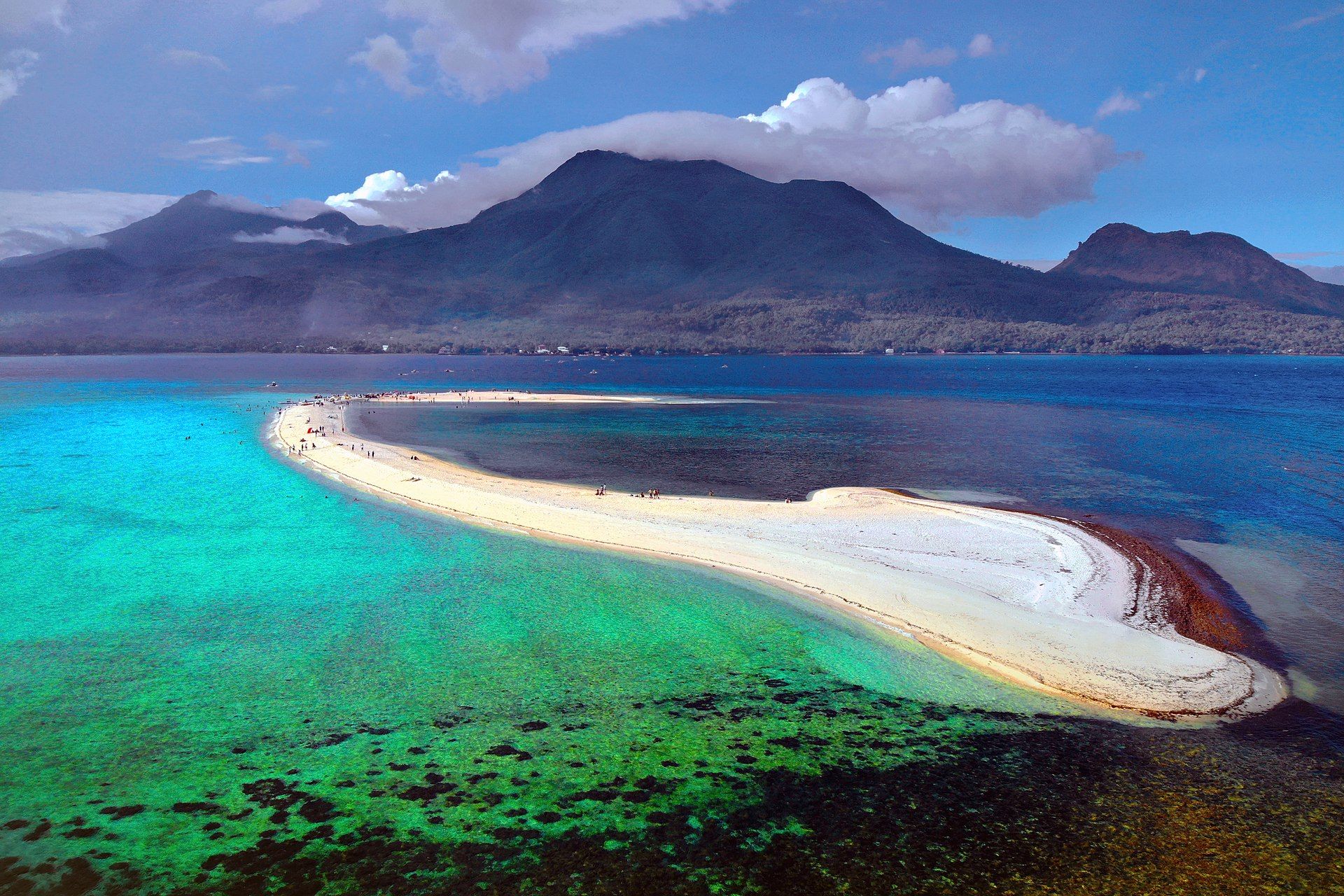
- Tidal rock pools, sandbars, and fringing reefs
- Coconut forest covering much of the island
Local food
- Kinilaw & fresh seafood
- Raw fish cured in vinegar and coconut, plus grilled catch of the day.
- Coconut everything
- Siargao is coconut country — fresh buko, coconut curries, and coco jam.
- Sayongsong
- A Surigao rice-and-coconut sweet steamed in a leaf cone.
Siargao is best known for waves — the reef break at Cloud 9 put it on the world surfing map — but the island is far more than its surf. It sits at the edge of the deep Philippine Trench, where Pacific swells rise onto reefs, and inland it is a green tangle of coconut palm, river, and mangrove.
That mangrove is the quiet star. The Del Carmen forest is among the largest in the Philippines, a nursery for fish, a store of ‘blue carbon’, and a natural storm buffer for the island. Add the mirror-still Sugba Lagoon, the tidal rock pools of Magpupungko revealed at low tide, and a scatter of sandbars and palm islets, and Siargao becomes a whole toolkit of coastal wonders.
It has grown popular, which makes the usual care matter more: reef-safe sunscreen, respect for the surf and the mangroves, and support for the protected-landscape rules that keep the island’s wilder side intact.
Siargao & Sugba Lagoon: common questions
How do you get to Siargao & Sugba Lagoon?
From Sayak Airport (IAO), Siargao: Fly Manila or Cebu → Sayak — roughly 1h15–2h; Road to General Luna — about 45min–1h; Boats to Sohoton, Sugba Lagoon, and the outer islands from local ports. Total travel time: Half a day from Manila.
When is the best time to visit Siargao & Sugba Lagoon?
March to October for calmer weather and lagoon trips; surfers favour the bigger swells from around August to November. Typhoon season (later in the year) can bring strong storms.
How long should you spend at Siargao & Sugba Lagoon?
3–5 days to cover surf, lagoons, and island trips. Total travel time: Half a day from Manila.
What should you bring to Siargao & Sugba Lagoon?
Reef booties — the reef here is sharp and shallow at low tide Reef-safe sunscreen and a rash guard for long boat days Cash; ATMs exist but run dry, especially in peak season Motion-sickness tablets for the outer-island crossings A dry bag for boat trips
Do you need a permit or guide for Siargao & Sugba Lagoon?
Open access to beaches; island and lagoon trips need boat hire and local fees. Some sites require a guide.
Is Siargao & Sugba Lagoon crowded, and what are conditions like?
Cloud 9 and the main beach strip are busy year-round and crowded in peak season; outer islands thin out. Wet boat landings, strong sun, and tide-dependent access — some spots are simply unreachable at low water. Facilities: Well developed in General Luna: cafés, resorts, rentals. Sparse elsewhere on the island.
Added Updated
More wonders to explore