Sohoton Cove & Jellyfish Sanctuary
📍 Bucas Grande, Surigao del Norte, Mindanao, Philippines
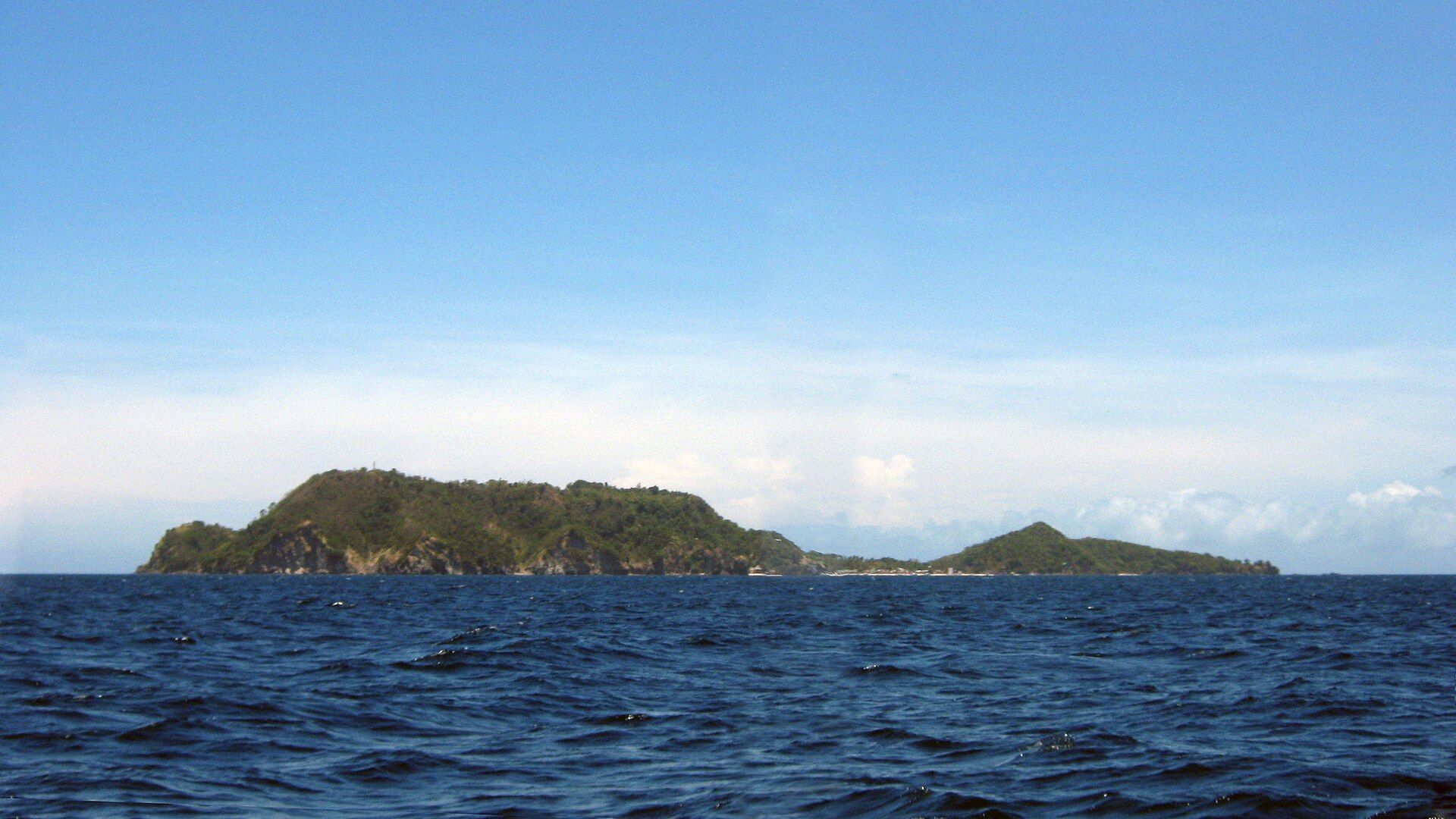
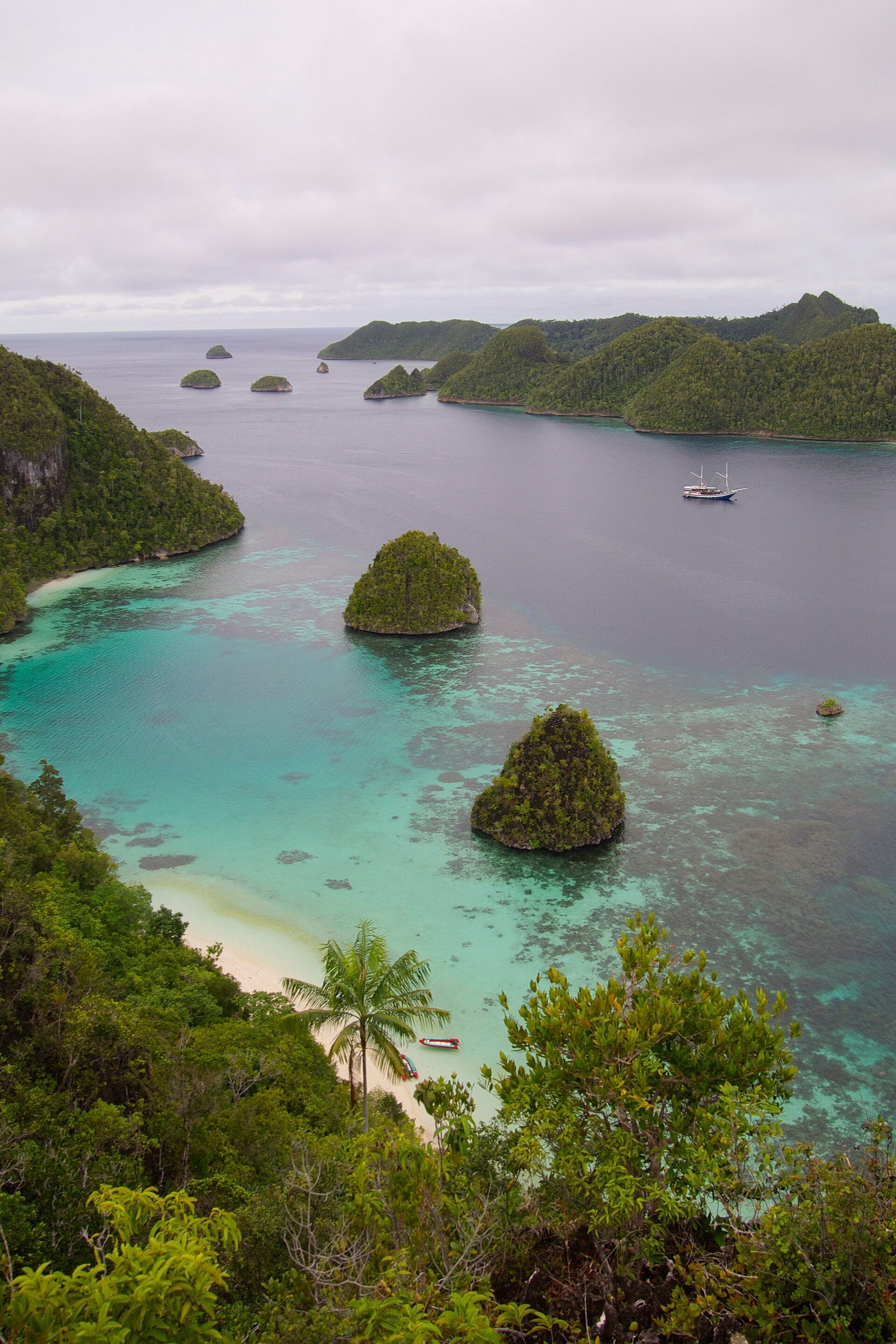
A hidden lagoon system on Bucas Grande Island, entered through a sea cave passable only at low tide, sheltering stingless jellyfish, karst-walled coves, and cliffs you can leap from into deep clear water.
What makes it marvelous
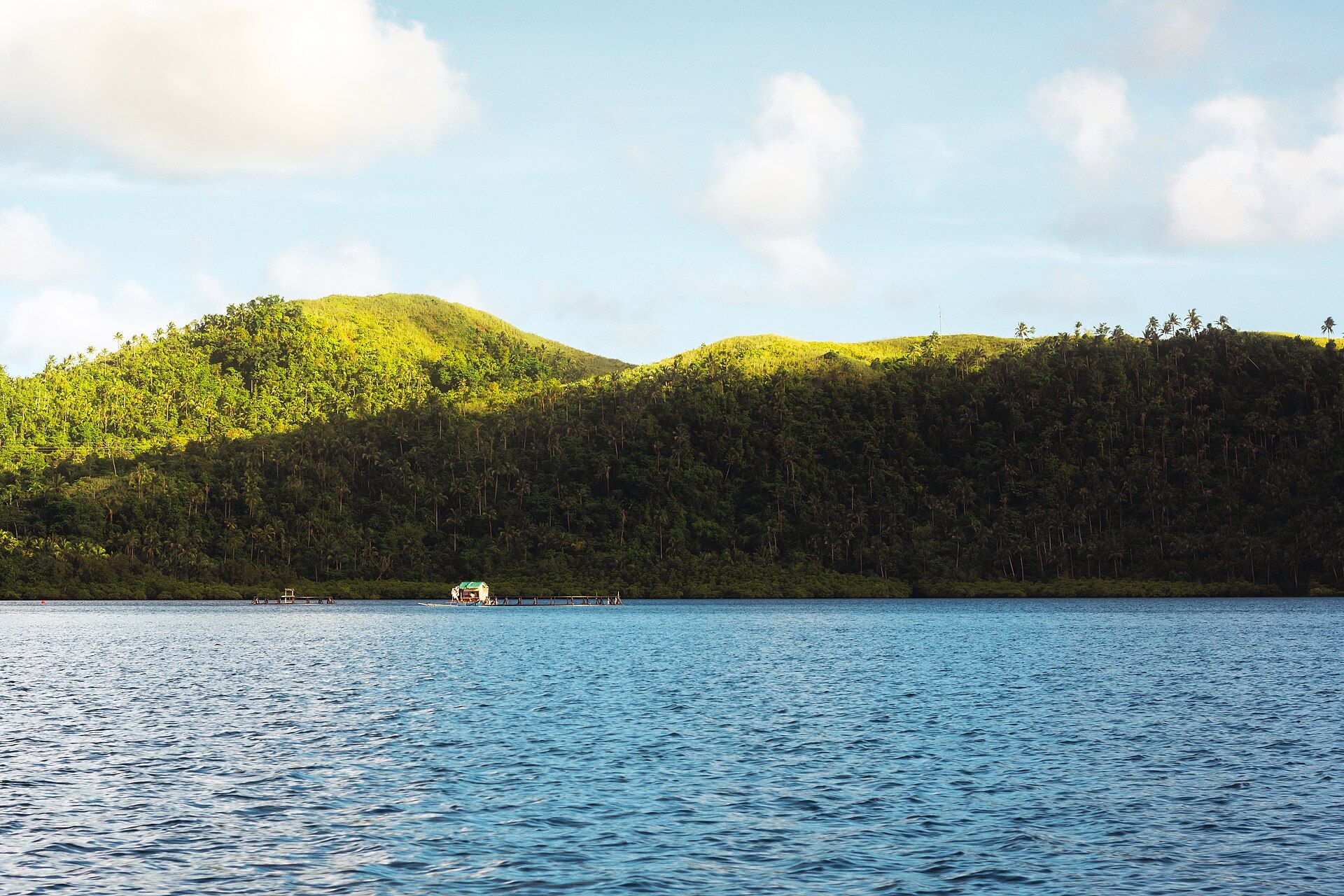
Sohoton is a drowned karst landscape: limestone islands riddled with caves and enclosed lagoons. The main entrance is a rock tunnel that boats can pass only at low tide, when the water level drops enough to slip beneath the cliff. Inside, sheltered brackish lagoons host swarms of golden jellyfish whose sting is too mild to harm swimmers — a phenomenon shared with only a few places on Earth.
Why visit
You duck through a sea cave into a maze of silent, cliff-ringed lagoons, swim among gently pulsing jellyfish, explore stalactite caves, and jump from limestone ledges into deep water. It is remote, wild, and far quieter than the country's headline destinations.
What to know before you go
🗓️ Best time
Best in the calmer, drier stretches (roughly March–October for this eastern coast). Jellyfish numbers vary seasonally and year to year — ask locally before you go.
🧭 Getting there & access
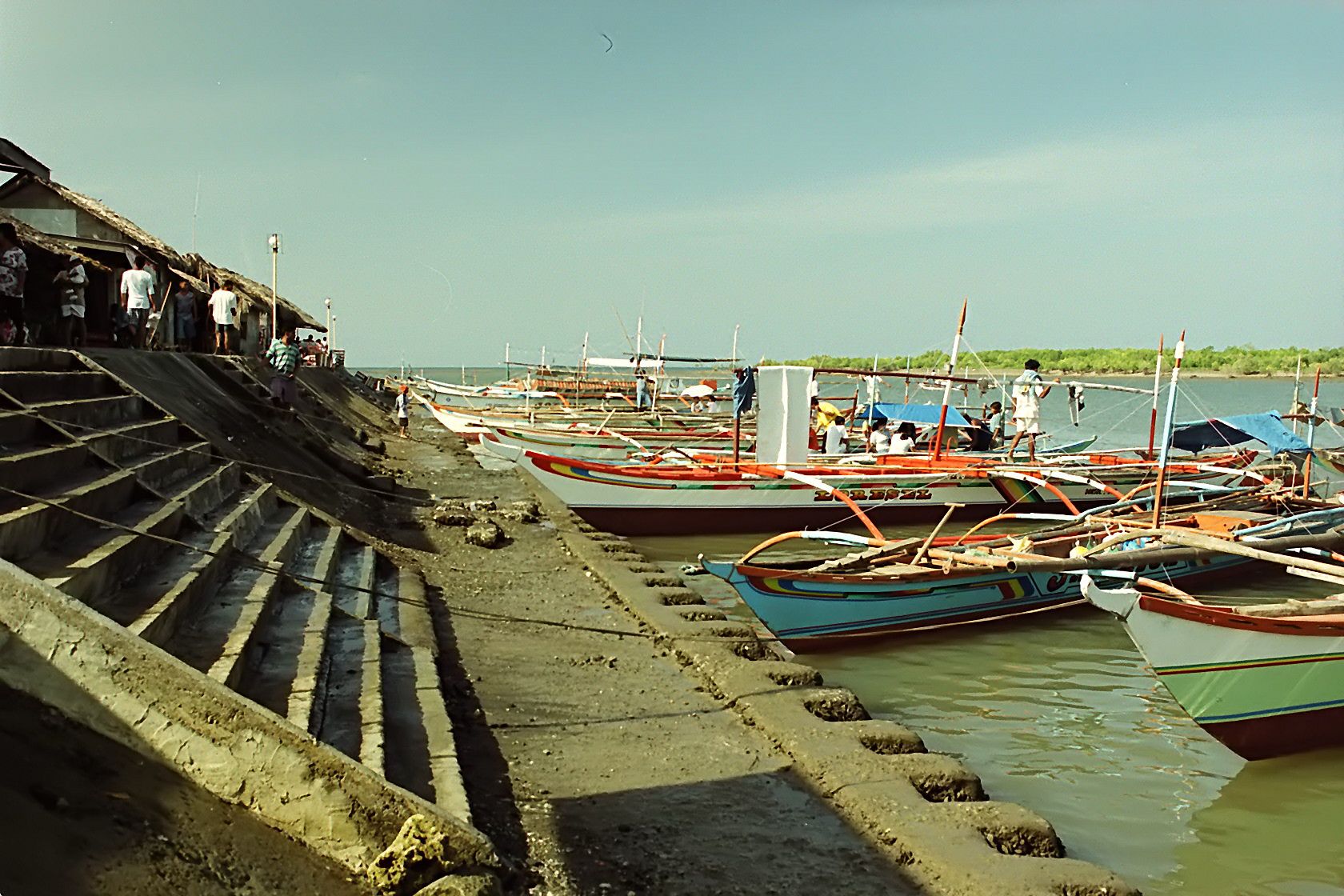
By boat from Hayanggabon port (via Surigao City) to Bucas Grande, or from Siargao on day trips; a local guide and boat are required to time the tides through the cave. Sanctuary fees apply.
Good to know
- Cave entry is tide-dependent — a guide is essential to time it safely.
- Do not use sunscreen or lotion before entering the jellyfish lagoon; oils harm them.
- Handle nothing: the jellyfish are delicate and the lagoons are strictly protected.
Plan your visit
Easy🧭 Getting there
From Siargao (IAO), or Hayanggabon port in Claver, Surigao del Norte
- Fly → Siargao (IAO), then boat Dapa → Bucas Grande — roughly 1h30–2h
- Or road Surigao City → Hayanggabon, about 1h30, then boat → Bucas Grande, roughly 45 minutes to an hour
- Register at the Sohoton Visitor Center, then transfer to a small paddled boat for the cave entrance
- Total travel
- Half a day from Siargao
- Time at site
- Three to four hours inside the cove system
- Access
- Managed by the Socorro local government through the Sohoton Visitor Center, with registration, fees and a mandatory guide. The entrance to the inner lagoon is a low rock arch that boats can only pass under at low tide — outside that window the cove is simply closed, and no amount of persuasion changes it. Tour departures are scheduled around the day's tide, which means your whole itinerary is set by a tide table rather than by opening hours. Confirm the window with the visitor centre before you travel.
🎒 What to bring & consider
- The day's tide times, which determine whether you can enter at all — this is the single governing fact of a Sohoton trip
- No sunscreen or repellent on your skin if you plan to swim in the jellyfish sanctuary, and the discipline not to touch the animals. The stingless jellyfish are seasonal and delicate, and the rules are enforced by the guides
- The willingness to duck flat in the boat under the arch, which is lower than it looks
- A dry bag, since transfers are between open boats
- A tolerance for a long, exposed sea crossing if you come from Siargao
👁️ What to expect
- Crowds
- Concentrated into the tide window, so all the boats go in at roughly the same time. Quiet outside it because nobody can get in.
- Conditions
- Still, jade-green enclosed water surrounded by karst. The crossings to reach it are open sea and can be rough.
- Facilities
- Visitor centre with guides and boats. Nothing inside the cove.
- The view
- The lagoon interior with limestone walls closing overhead and no visible way out — a place that only exists as a destination for a few hours a day. Jellyfish photograph poorly and are better simply watched.
Times and requirements are approximate and change with season, weather, and local rules — confirm permits, fares, and schedules with operators before you travel.
Natural riches of the area
- Drowned karst islands with sea caves and enclosed lagoons
- Stingless golden jellyfish in sheltered brackish lagoons
- Mangrove forest and fringing reef
- Nesting seabirds and rich coastal fisheries
Local food
- Fresh seafood
- Crab, prawns, and reef fish from the surrounding waters.
- Coconut everything
- Bucas Grande is thick with coconut palms; fresh buko juice and coconut dishes abound.
- Kinilaw
- Raw fish 'cooked' in vinegar and calamansi, the coastal Mindanao staple.
Sohoton Cove hides in plain sight on Bucas Grande Island, and getting in is half the wonder. The main lagoon system is reached through a sea cave that boats can only pass at low tide, when the water drops enough to duck beneath the limestone. Inside is a hush of cliff-ringed lagoons, stalactite caves, and jump-off ledges over deep, clear water.
Its most famous residents are the golden jellyfish that gather in the sheltered brackish lagoons. Cut off in calm water with few predators, they have lost most of their sting, so swimmers can drift among the softly pulsing swarms — an experience shared with only a handful of places worldwide.
That intimacy is fragile. The jellyfish are easily harmed by sunscreen and rough handling, and the lagoons are strictly protected. Visited on the sanctuary’s terms, with a guide to read the tides, Sohoton is one of the most magical corners of Mindanao.
Sohoton Cove & Jellyfish Sanctuary: common questions
How do you get to Sohoton Cove & Jellyfish Sanctuary?
From Siargao (IAO), or Hayanggabon port in Claver, Surigao del Norte: Fly → Siargao (IAO), then boat Dapa → Bucas Grande — roughly 1h30–2h; Or road Surigao City → Hayanggabon, about 1h30, then boat → Bucas Grande, roughly 45 minutes to an hour; Register at the Sohoton Visitor Center, then transfer to a small paddled boat for the cave entrance. Total travel time: Half a day from Siargao.
When is the best time to visit Sohoton Cove & Jellyfish Sanctuary?
Best in the calmer, drier stretches (roughly March–October for this eastern coast). Jellyfish numbers vary seasonally and year to year — ask locally before you go.
How long should you spend at Sohoton Cove & Jellyfish Sanctuary?
Three to four hours inside the cove system. Total travel time: Half a day from Siargao.
What should you bring to Sohoton Cove & Jellyfish Sanctuary?
The day's tide times, which determine whether you can enter at all — this is the single governing fact of a Sohoton trip No sunscreen or repellent on your skin if you plan to swim in the jellyfish sanctuary, and the discipline not to touch the animals. The stingless jellyfish are seasonal and delicate, and the rules are enforced by the guides The willingness to duck flat in the boat under the arch, which is lower than it looks A dry bag, since transfers are between open boats A tolerance for a long, exposed sea crossing if you come from Siargao
Do you need a permit or guide for Sohoton Cove & Jellyfish Sanctuary?
Managed by the Socorro local government through the Sohoton Visitor Center, with registration, fees and a mandatory guide. The entrance to the inner lagoon is a low rock arch that boats can only pass under at low tide — outside that window the cove is simply closed, and no amount of persuasion changes it. Tour departures are scheduled around the day's tide, which means your whole itinerary is set by a tide table rather than by opening hours. Confirm the window with the visitor centre before you travel.
Is Sohoton Cove & Jellyfish Sanctuary crowded, and what are conditions like?
Concentrated into the tide window, so all the boats go in at roughly the same time. Quiet outside it because nobody can get in. Still, jade-green enclosed water surrounded by karst. The crossings to reach it are open sea and can be rough. Facilities: Visitor centre with guides and boats. Nothing inside the cove.
Added Updated