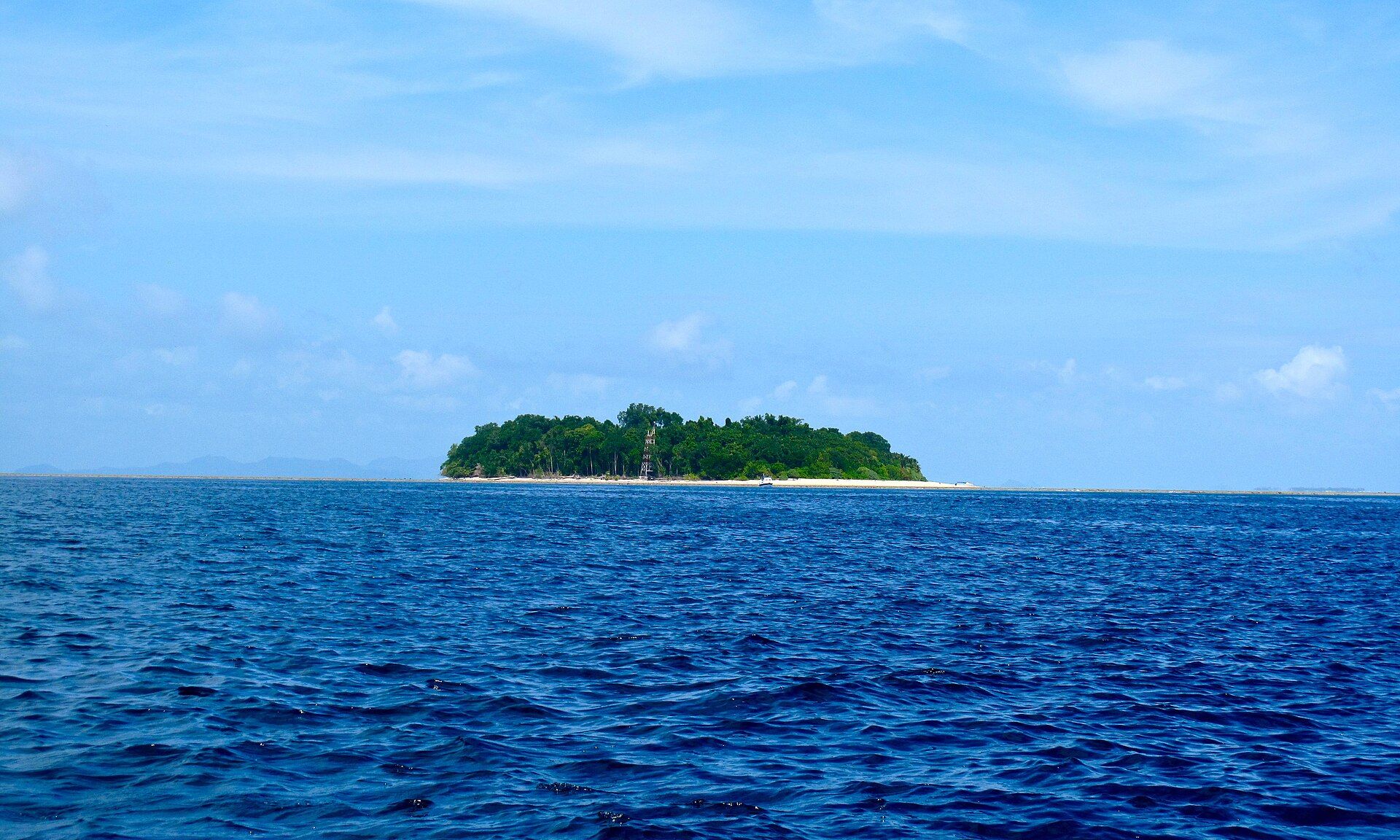
Los Roques Archipelago
📍 Caribbean Sea, about 128 km north of La Guaira, Venezuela
A Caribbean national park of some 350 islands, cays and sandbanks around a shallow turquoise lagoon, ringed by two barrier reefs and some 1,500 km² of coral reef, protected as a national park since 1972.
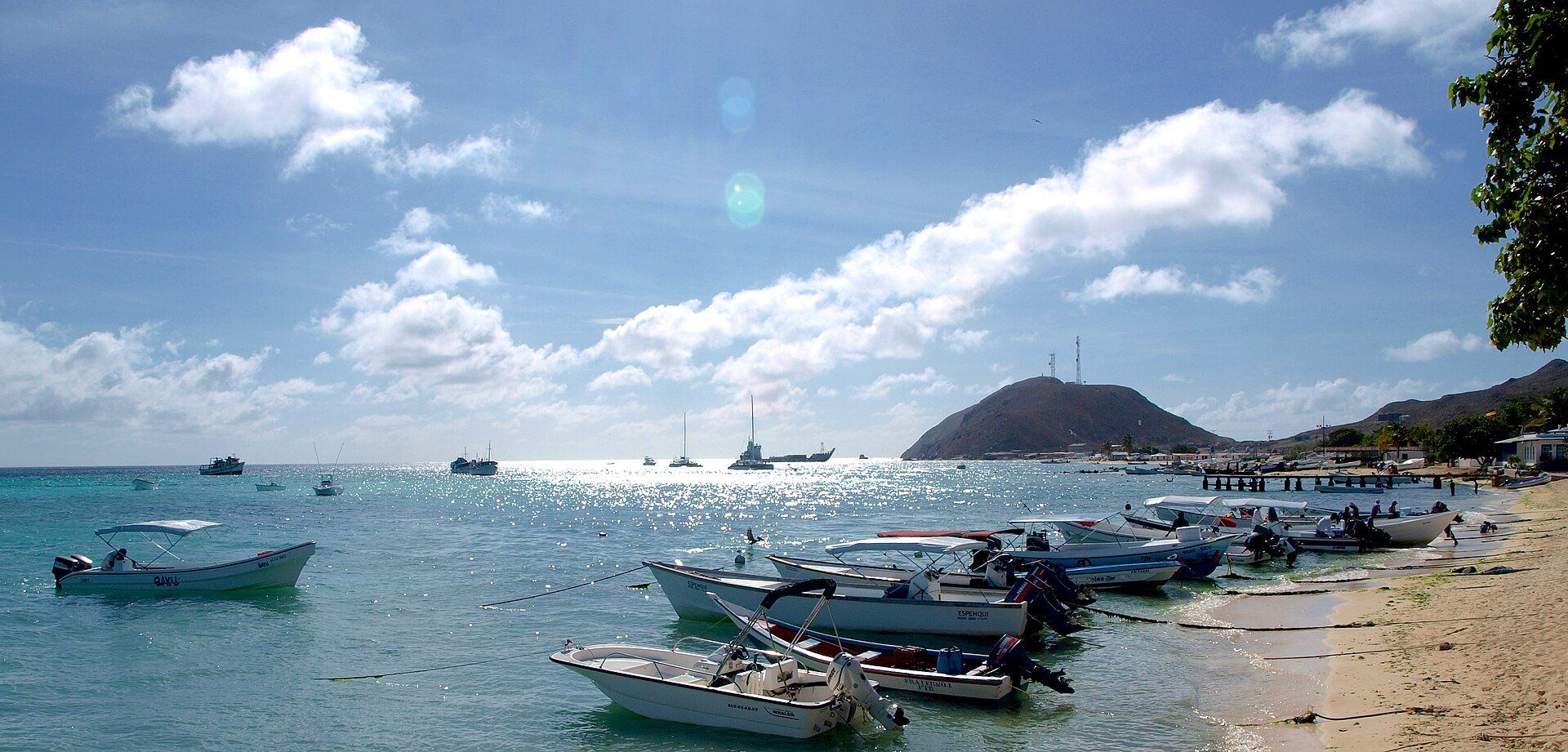
What makes it marvelous
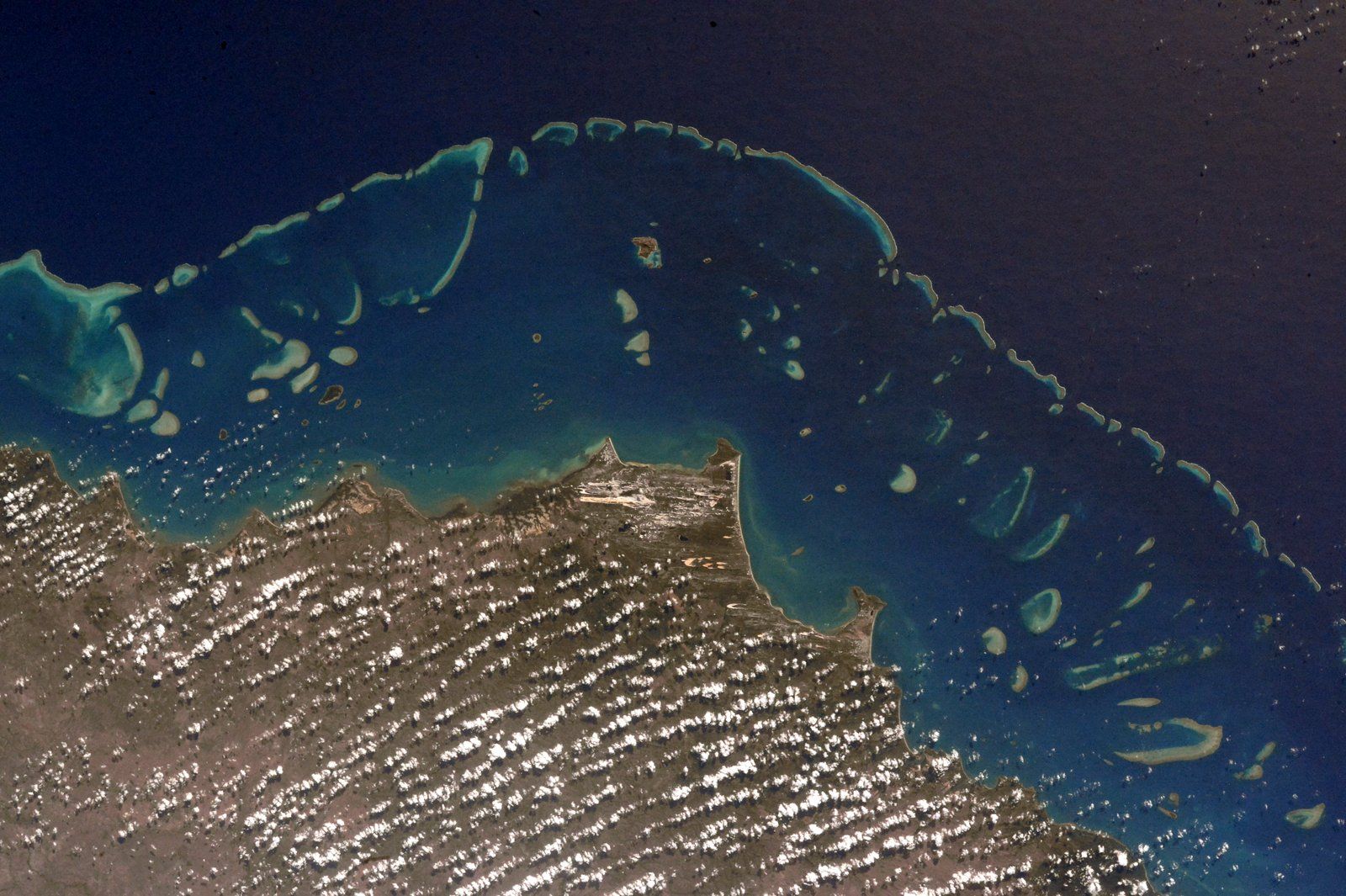
Los Roques is an atoll-like archipelago of roughly 350 islands, cays and islets 128 km off the Venezuelan coast. Forty-two coral cays ring a shallow central lagoon of about 400 km², sheltered by two barrier reefs, one running 24 km along the east and another 32 km along the south. The reefs cover some 1,500 km² and hold about 280 species of fish and 61 species of coral; four species of threatened sea turtle nest on its beaches, and flamingos, pelicans and boobies breed on the outer cays. Venezuela made it a national park in 1972.
Why visit
White sand cays, warm shallow water in every shade of turquoise and some of the healthiest reef in the Caribbean — snorkelled from a boat that drops you on an empty island for the day.
What to know before you go
🗓️ Best time
The archipelago is warm, dry and windy all year. April is the driest month and November the wettest; occasional showers fall between September and January.
🧭 Getting there & access
By light aircraft from Caracas's Maiquetía airport to the airstrip on Gran Roque, the only village, or by private boat. Boats from Gran Roque run day trips to the outer cays.
Good to know
- Base yourself on Gran Roque and hire a boat to the outer cays — Francisquí, Madrisquí and Crasquí are the usual day trips.
- Bring reef-safe sun protection and plenty of it; there is almost no shade on the cays.
- Large parts of the park are strictly protected — stick to the cays and routes your boatman uses.
- Check current travel advisories for Venezuela before you book.
Plan your visit
Easy🧭 Getting there
From Caracas (CCS), Venezuela
- Fly into Simón Bolívar International Airport at Maiquetía, Caracas
- Take a light-aircraft flight to the airstrip on Gran Roque
- Hire a boat from Gran Roque to the outer cays
- Total travel
- A short flight from Caracas
- Time at site
- 3–5 days to see several cays
- Access
- The archipelago is a national park managed under a zoning plan. The most fragile cays are closed to everyone except researchers; recreation, camping and lodging are limited to designated areas, with all lodging on Gran Roque. Camping needs a permit from the park authorities.
🎒 What to bring & consider
- Reef-safe sunscreen, a hat and a long-sleeved swim shirt — the cays have little shade
- Snorkelling gear, if you have your own
- Current travel-advisory and entry information for Venezuela
👁️ What to expect
- Crowds
- Gran Roque is small and quiet; the outer cays are often nearly empty on weekdays, busier with day visitors from the mainland at weekends and holidays.
- Conditions
- Hot, sunny and windy, with very little rain for most of the year. The lagoon is shallow and calm; the open water beyond the reefs is not.
- Facilities
- Small guesthouses (posadas), restaurants and boat operators on Gran Roque; almost nothing on the outer cays.
- The view
- The view from the hill above Gran Roque, or from a light aircraft on the approach, across the cays and the turquoise lagoon.
Times and requirements are approximate and change with season, weather, and local rules — confirm permits, fares, and schedules with operators before you travel.
Natural riches of the area
- A shallow central lagoon ringed by coral cays
- Two barrier reefs, 24 km and 32 km long
- Nesting beaches for loggerhead, green, leatherback and hawksbill turtles
- Breeding colonies of seabirds and American flamingos
Local food
- Langosta
- Caribbean spiny lobster, the archipelago's prized catch, grilled on Gran Roque.
- Pescado frito
- Whole fried fish with tostones (fried plantain) — the standard Venezuelan beach lunch.
Los Roques is the Caribbean as it looks in the brochures, only emptier. About 128 km north of the Venezuelan coast, some 350 islands, cays and sandbanks are scattered around a shallow lagoon of about 400 km², and two barrier reefs — 24 km along the east and 32 km along the south — keep the open sea out.
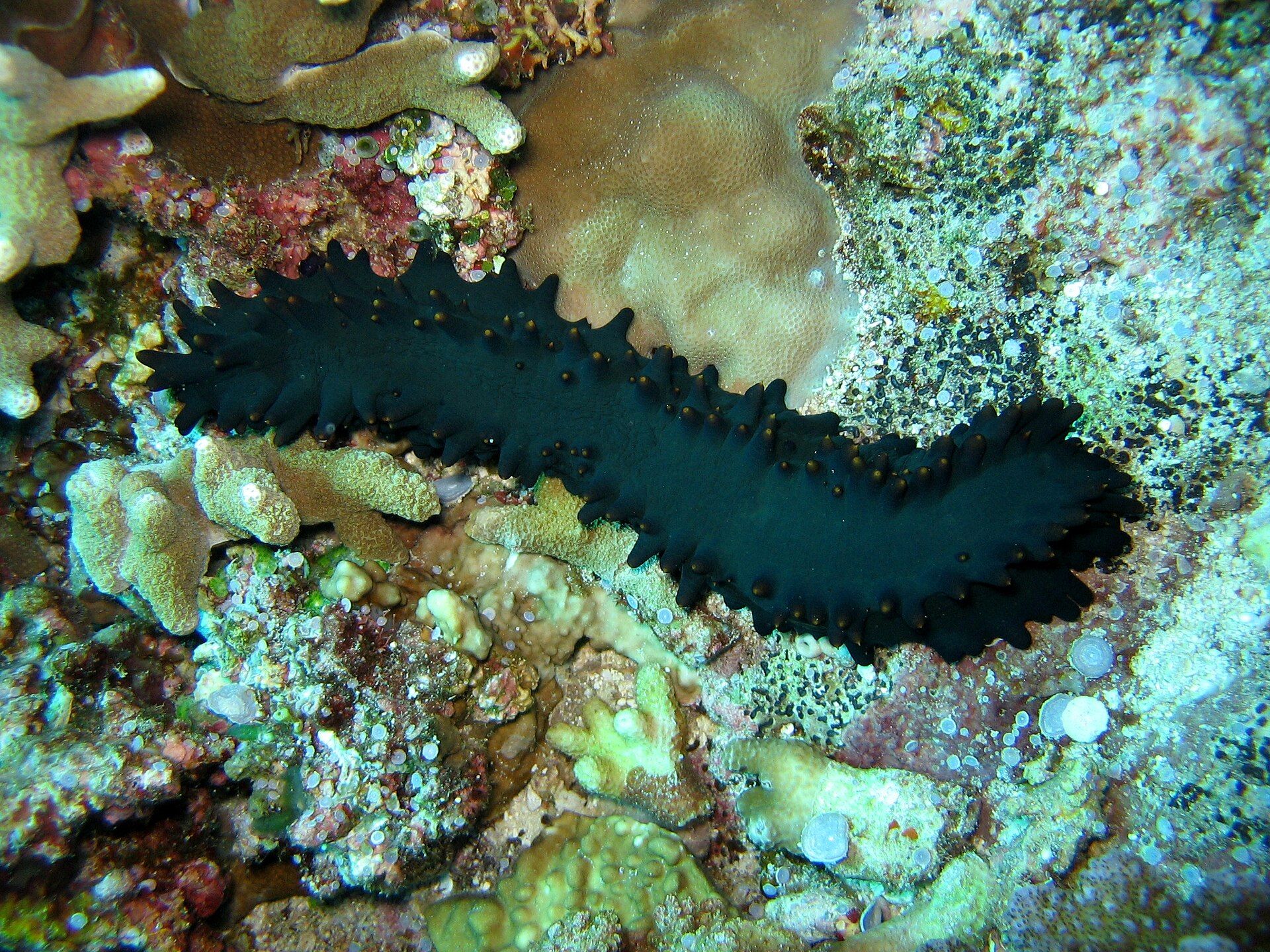
The reefs are the point. They cover about 1,500 km² and hold some 280 species of fish, 61 species of coral and a rich cast of sponges, rays and turtles; loggerhead, green, leatherback and hawksbill turtles all nest here. The outer cays host breeding seabirds and flocks of American flamingos. Venezuela declared the archipelago a national park in 1972, and its zoning plan keeps the most fragile cays closed to everyone but researchers.
There is one village, on Gran Roque, where the small planes land and the guesthouses are. Every morning boats leave for the outer cays — Francisquí, Madrisquí, Crasquí — and drop visitors on sand bars with nothing on them but the water. Bring shade, because there isn’t any.
Los Roques Archipelago: common questions
How do you get to Los Roques Archipelago?
From Caracas (CCS), Venezuela: Fly into Simón Bolívar International Airport at Maiquetía, Caracas; Take a light-aircraft flight to the airstrip on Gran Roque; Hire a boat from Gran Roque to the outer cays. Total travel time: A short flight from Caracas.
When is the best time to visit Los Roques Archipelago?
The archipelago is warm, dry and windy all year. April is the driest month and November the wettest; occasional showers fall between September and January.
How long should you spend at Los Roques Archipelago?
3–5 days to see several cays. Total travel time: A short flight from Caracas.
What should you bring to Los Roques Archipelago?
Reef-safe sunscreen, a hat and a long-sleeved swim shirt — the cays have little shade Snorkelling gear, if you have your own Current travel-advisory and entry information for Venezuela
Do you need a permit or guide for Los Roques Archipelago?
The archipelago is a national park managed under a zoning plan. The most fragile cays are closed to everyone except researchers; recreation, camping and lodging are limited to designated areas, with all lodging on Gran Roque. Camping needs a permit from the park authorities.
Is Los Roques Archipelago crowded, and what are conditions like?
Gran Roque is small and quiet; the outer cays are often nearly empty on weekdays, busier with day visitors from the mainland at weekends and holidays. Hot, sunny and windy, with very little rain for most of the year. The lagoon is shallow and calm; the open water beyond the reefs is not. Facilities: Small guesthouses (posadas), restaurants and boat operators on Gran Roque; almost nothing on the outer cays.
Added