Lakes · glacial
What Are the Most Beautiful Glacial Lakes in the World? 12 Lakes, From Moraine Lake to the Seven Rila Lakes
12 places · every one real, mapped, and worth the trip
Short answer: Moraine Lake beneath the Valley of the Ten Peaks, Lake Louise and Peyto Lake in Canada's Banff National Park, and Switzerland's Oeschinensee below the Blüemlisalp — all glacier-fed and turquoise. For something different, Bulgaria's Seven Rila Lakes climb a mountainside in a staircase of seven cirque tarns, and Iceland's Jökulsárlón is filled with icebergs from a retreating glacier.
Two things make a lake glacial. Some fill hollows the ice gouged out — cirques, troughs and tarns left holding water when the glaciers melted. Others are fed by glaciers today, and the meltwater carries rock flour, stone ground to a fine powder by moving ice, which stays suspended and scatters sunlight into that milky turquoise. The colour peaks in summer, and most high lakes are frozen or snowbound for much of the year, so the windows below matter. The list is unranked.
-
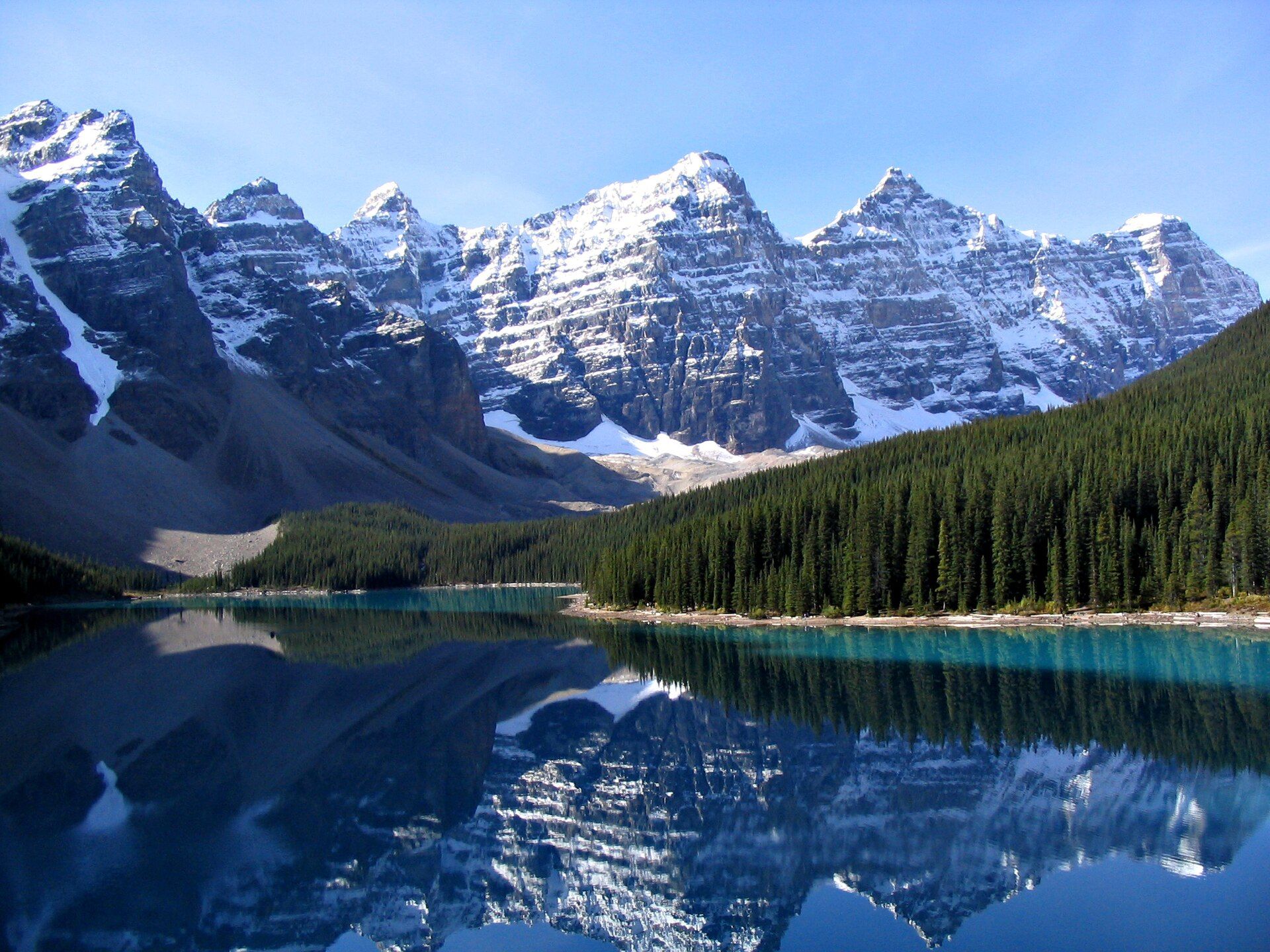
Banff & Moraine Lake Valley of the Ten Peaks
Banff National Park, Alberta, Canada
Moraine Lake's electric blue-green comes from glacier-ground rock flour, framed by the sheer peaks of the Valley of the Ten Peaks in Banff, Canada's first national park. Typically accessible roughly mid-June to mid-October; private-vehicle access is restricted, so use the park shuttle or authorised transport and book ahead in summer.
-
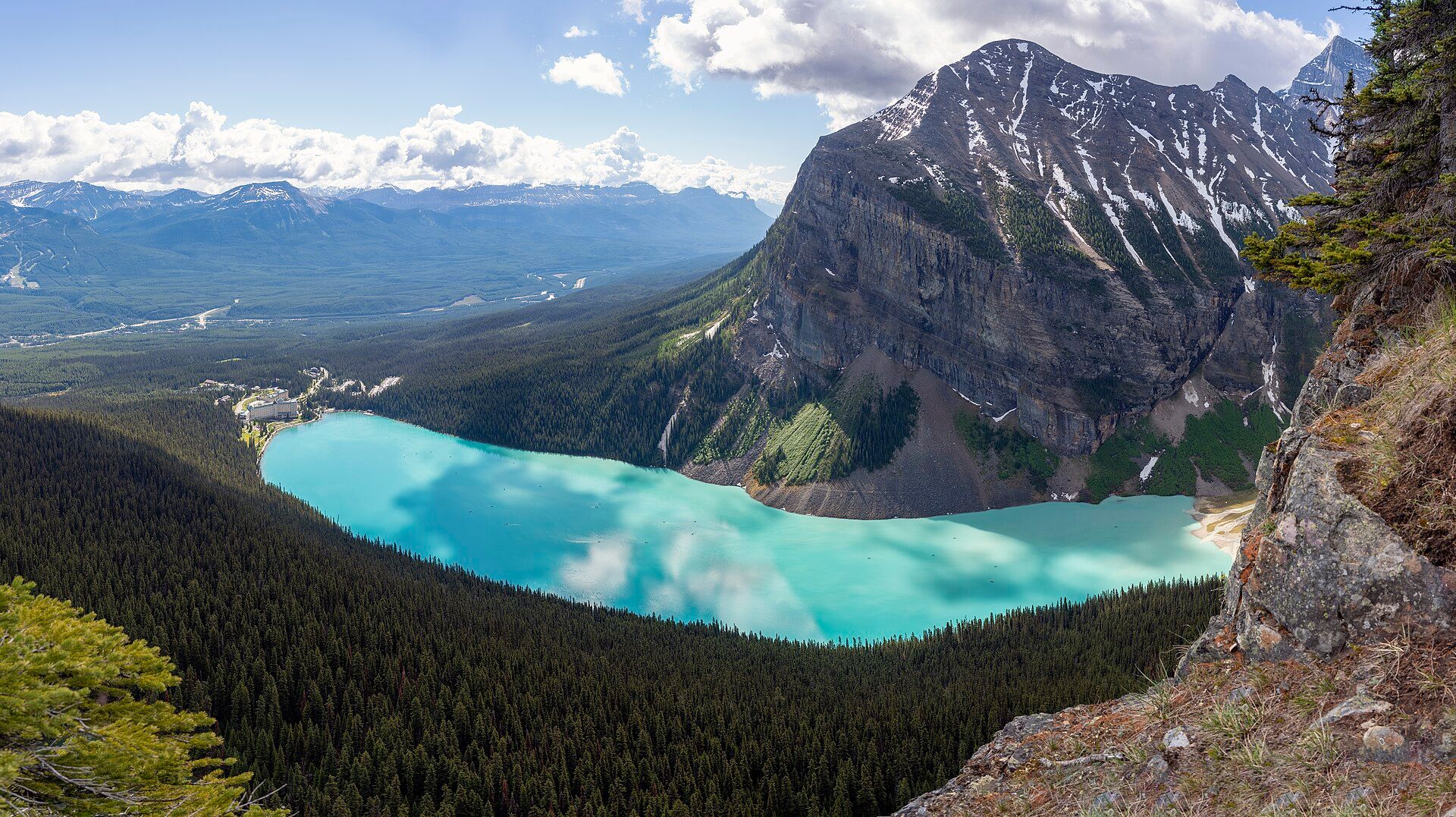
Lake Louise Beneath the Victoria Glacier
Banff National Park, Alberta, Canada
About 2 km long and up to 70 m deep at 1,750 m, coloured a milky turquoise by meltwater from the glaciers above it. Mid-June to September for open water and colour; frozen through winter, when it becomes a skating rink. Parking is limited and Parks Canada runs seasonal shuttles.
-
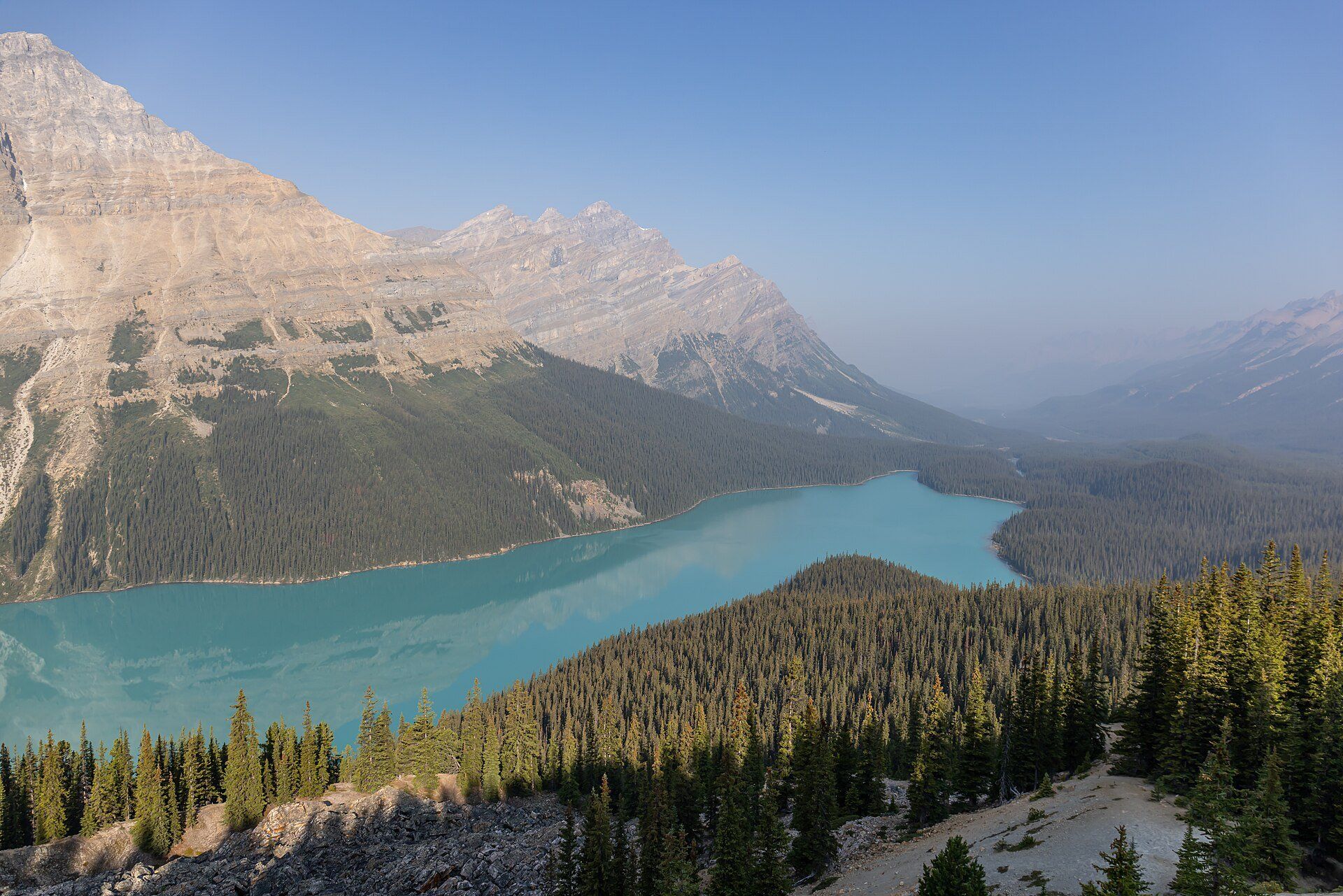
Peyto Lake Highest stop on the Icefields Parkway
Bow Summit, Icefields Parkway, Banff National Park, Alberta, Canada
Fed by the Peyto Glacier of the Wapta Icefield, this lake at 1,860 m turns a startling turquoise each summer as rock flour pours in. A short trail from the Bow Summit parking area reaches the viewpoint. July to September, after the lake has fully thawed; a Parks Canada pass is required.
-
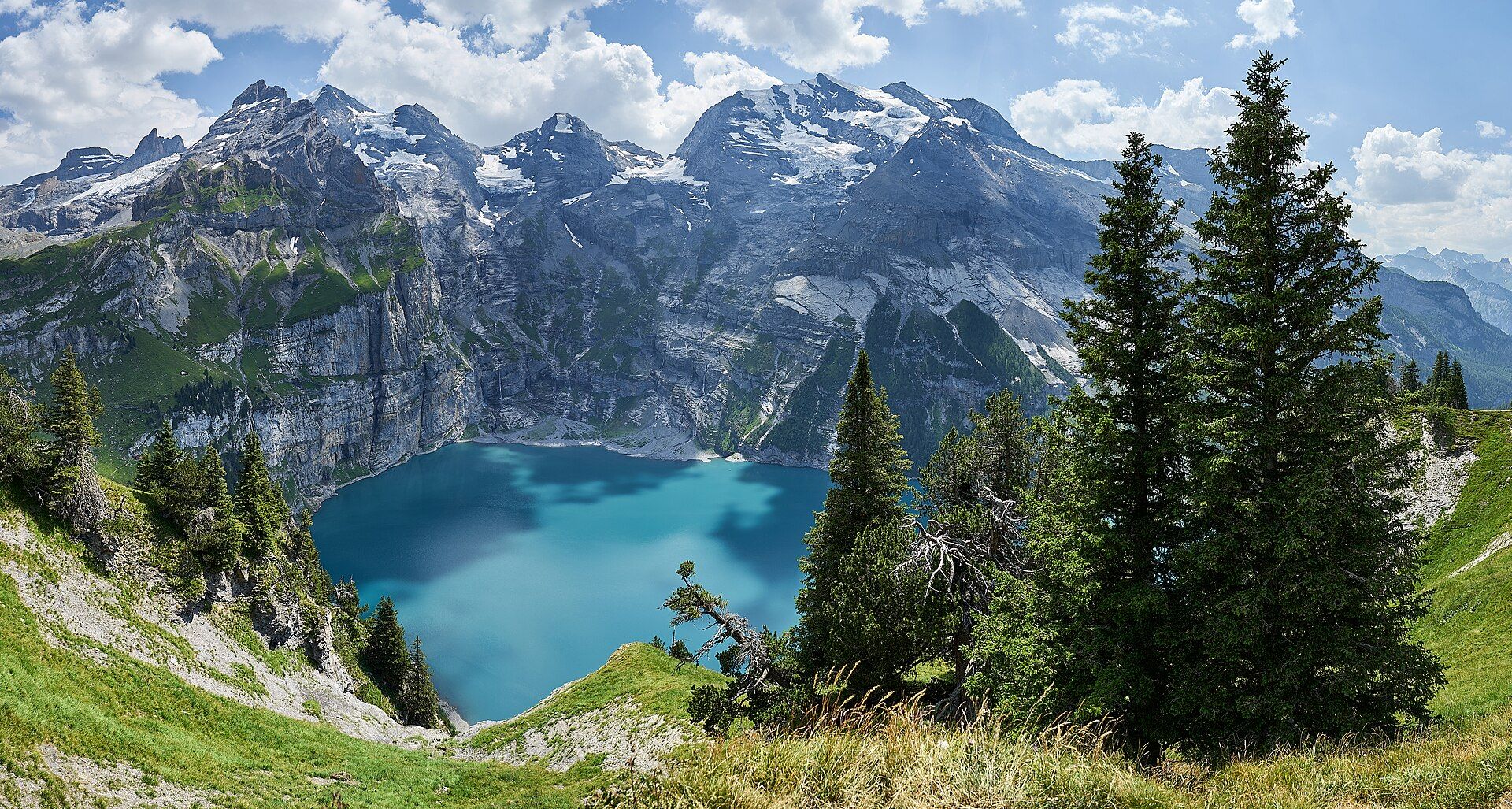
Oeschinen Lake Under the Blüemlisalp
Kandersteg, Bernese Oberland, Switzerland
A rockfall-dammed lake fed by meltwater that carries rock flour, with the walls of the Blüemlisalp rising more than 2,000 m above it, inside the Jungfrau-Aletsch UNESCO area. Gondola from Kandersteg, then a 20–30 minute walk down to the shore. June to October, on a seasonal gondola timetable.
-
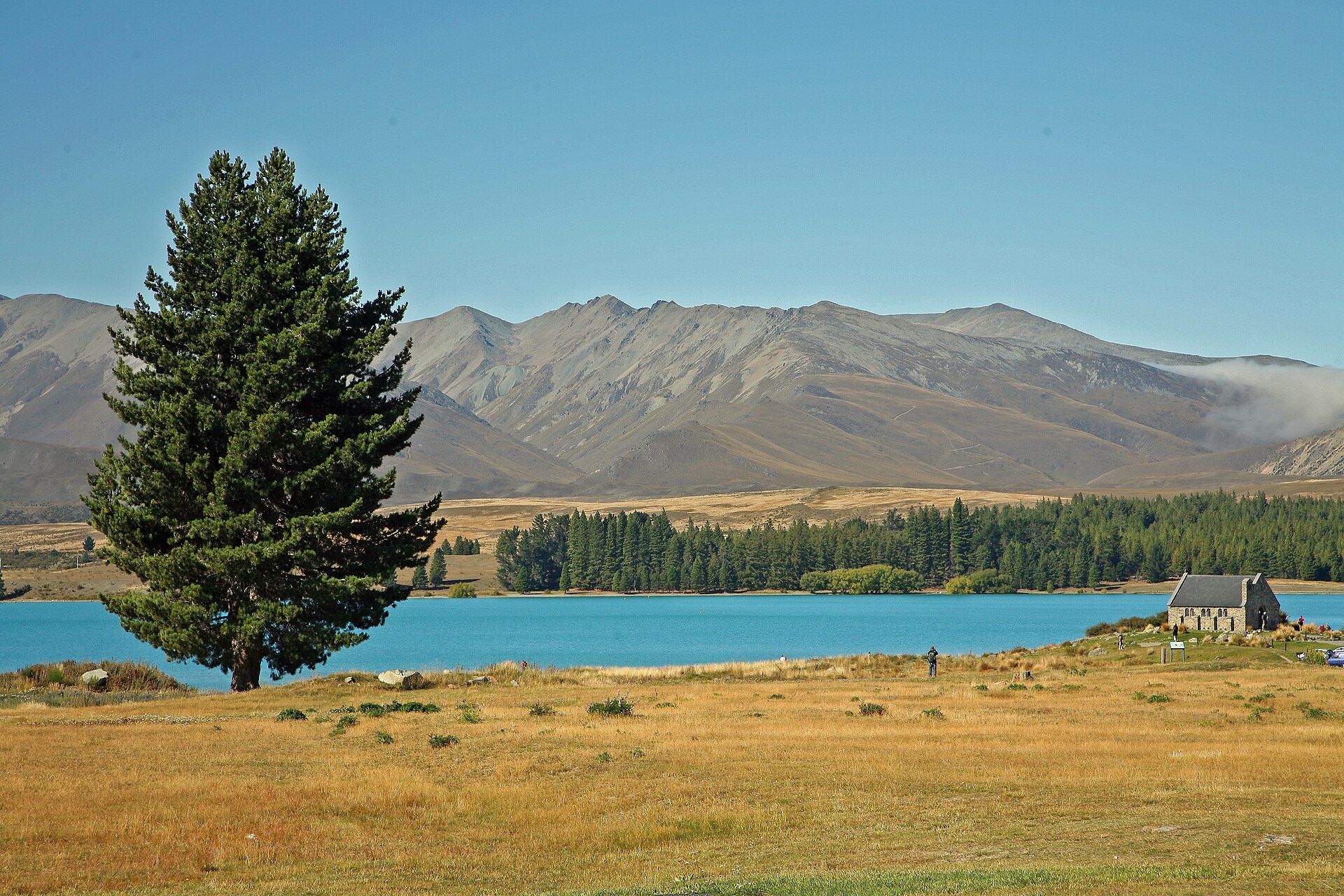
Lake Tekapo (Takapō) Turquoise by day, dark sky by night
Mackenzie Basin, Canterbury, South Island, New Zealand
An 83 km² lake at 710 m in New Zealand's Mackenzie Basin, tinted light turquoise by glacial silt from the braided Godley and Macaulay rivers — and part of the Aoraki Mackenzie International Dark Sky Reserve. Most vivid on bright summer days; any clear night for stars. State Highway 8 runs past the township.
-
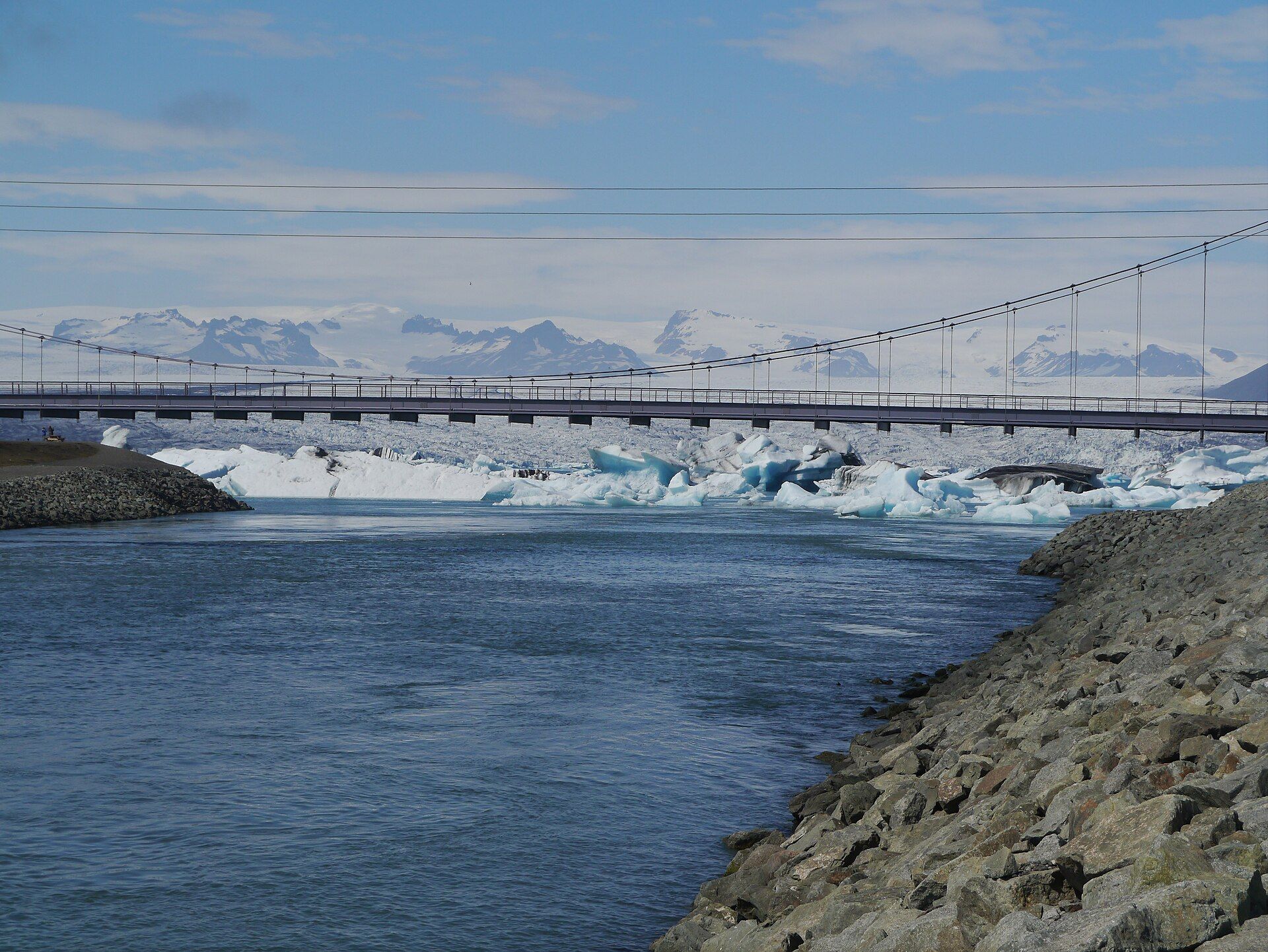
Jökulsárlón Glacier Lagoon A lake full of icebergs
Vatnajökull National Park, Southeast Iceland
A lagoon more than 200 m deep that formed only in the twentieth century as the Breiðamerkurjökull glacier retreated; icebergs calved from it drift across before floating out to sea. On Iceland's Ring Road about 5 hours from Reykjavík; free to view, with boat tours May to September.
-
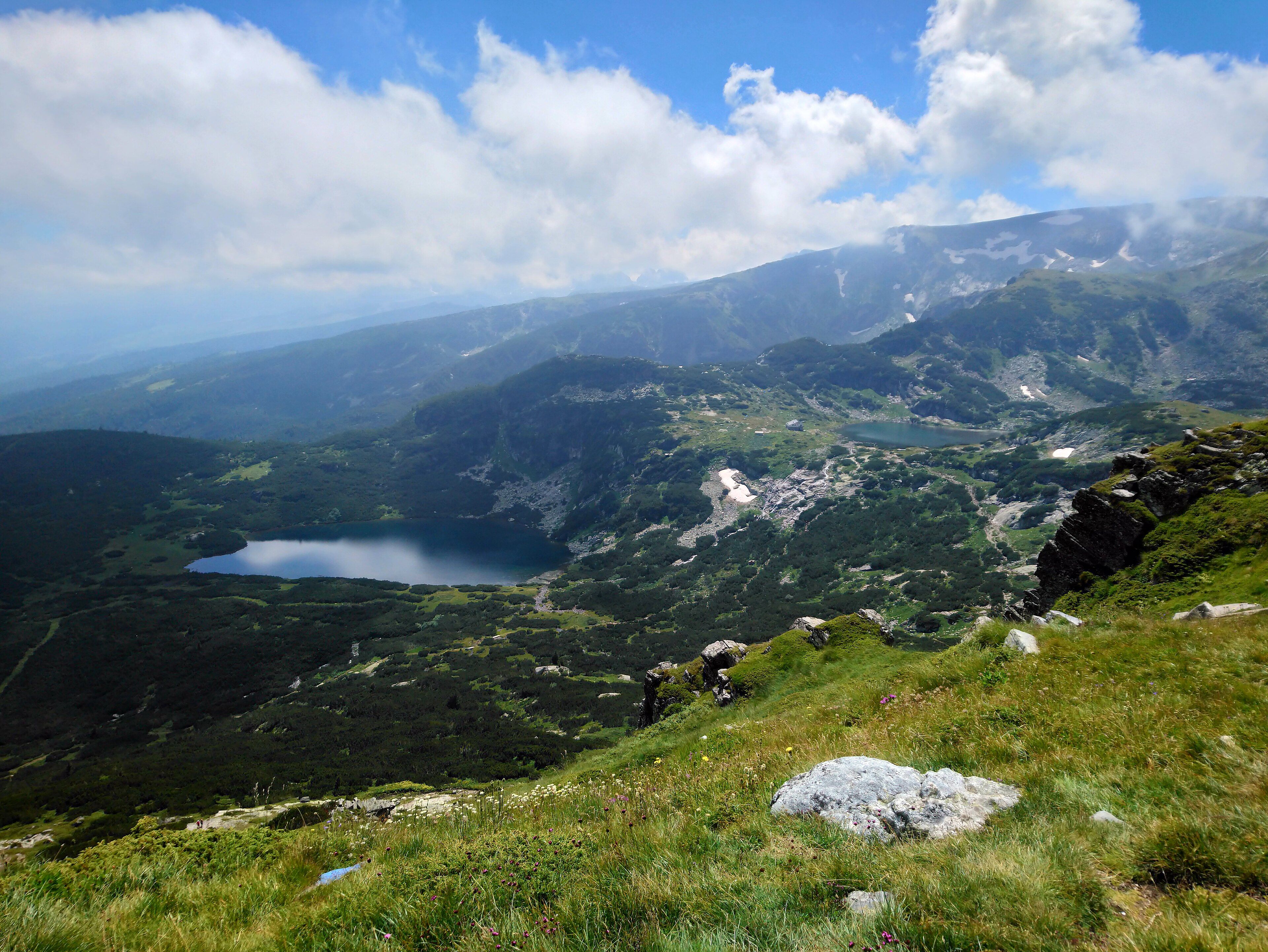
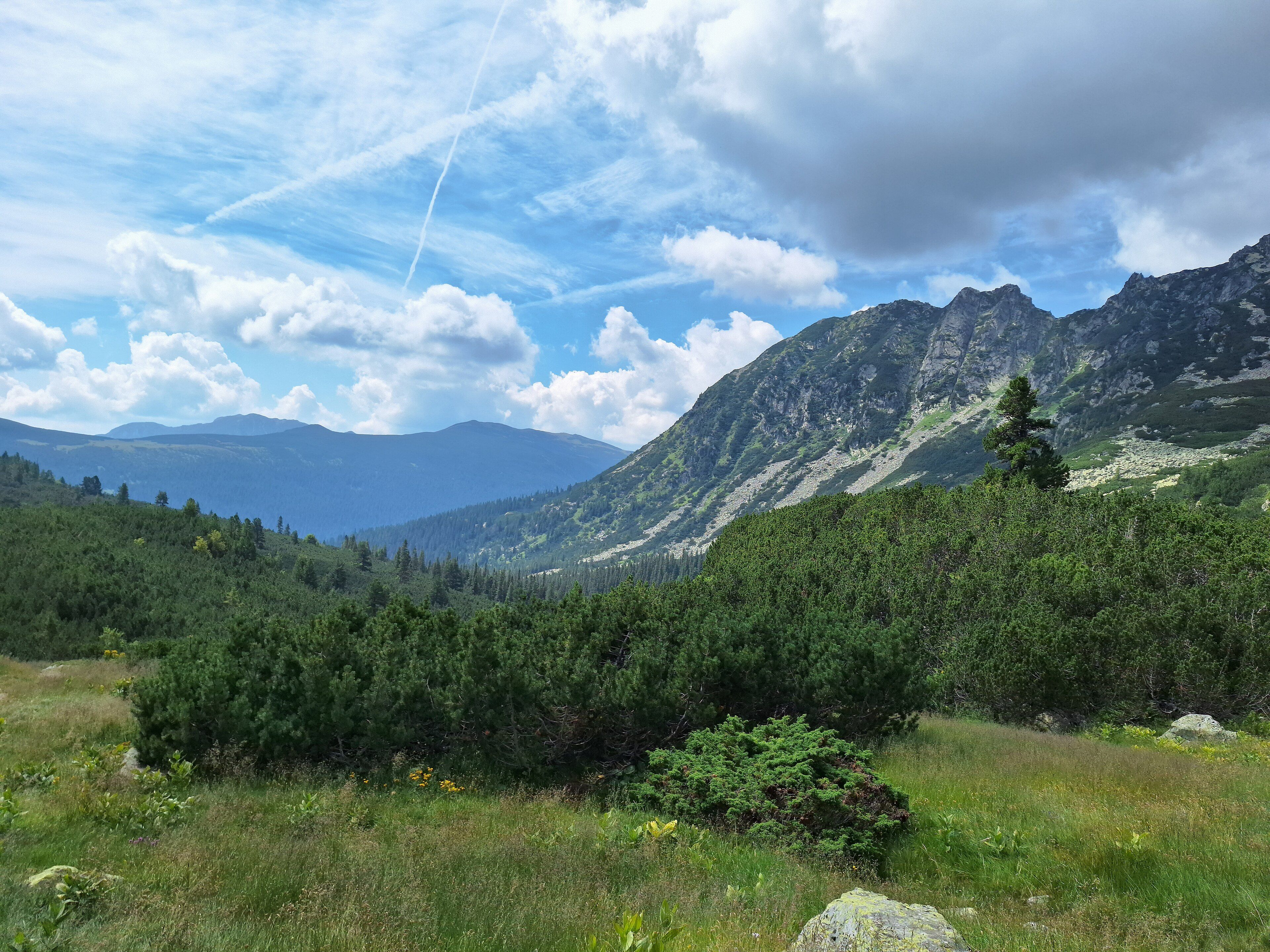
The Seven Rila Lakes A staircase of seven tarns
Rila National Park, Rila Mountains, southwestern Bulgaria
Seven cirque lakes stepped one above the other between about 2,100 and 2,500 m, linked by small cascades and named for their shapes — the Eye, the Kidney, the Tear, the Twin. Chairlift from Panichishte, then a few hours' walk. July to September; the lakes usually freeze around October and stay frozen until June.
-
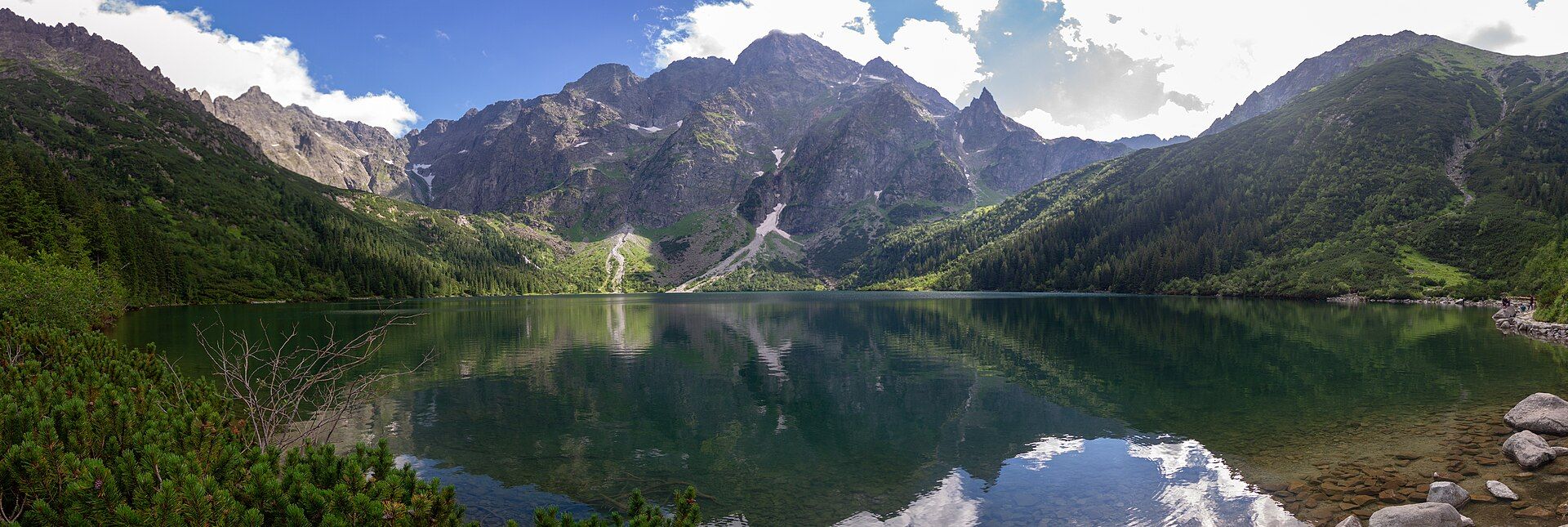
Morskie Oko The Eye of the Sea
Tatra National Park, Lesser Poland, Poland
The largest lake in the Polish Tatras — nearly 35 hectares and up to about 50 m deep at 1,395 m — fills a basin scooped out by ice-age glaciers beneath the sheer Mięguszowieckie peaks, clear enough to see many metres down. From Zakopane to Palenica Białczańska, then about 9 km on a paved road. Summer and early autumn; it often freezes in winter.
-
Retezat National Park About eighty glacial lakes
Retezat Mountains, Hunedoara County, Southern Carpathians, Romania
Romania's first national park holds around eighty glacial lakes in the cirques below more than sixty peaks over 2,300 m — 54 of them hold water year-round, and Bucura is the largest glacial lake in Romania. No road into the interior; everything high is on foot. July to September.
-
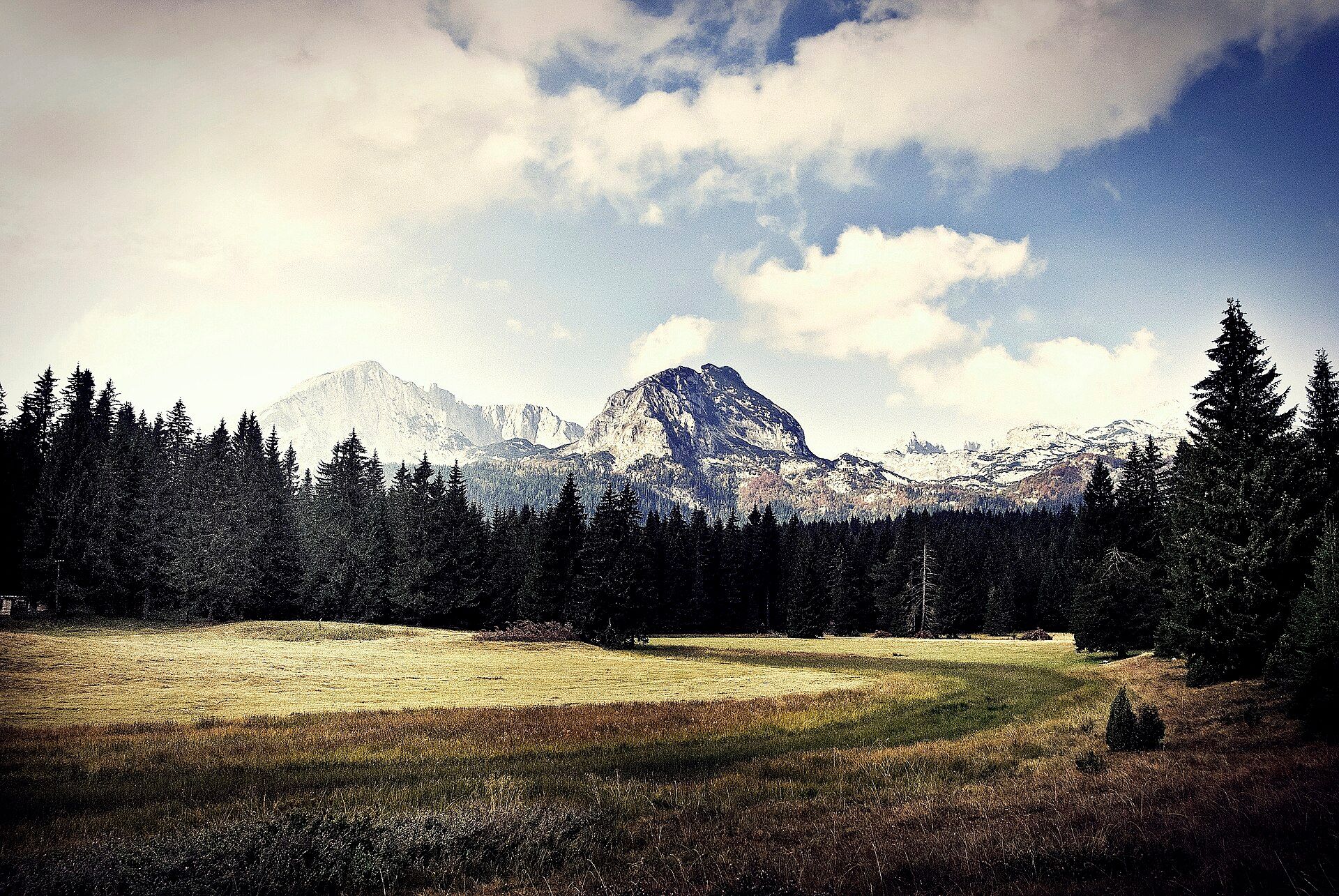
Durmitor & the Tara Canyon The mountain eyes
Durmitor National Park, northern Montenegro
Pleistocene glaciers ground cirques into this limestone massif and left small dark tarns Montenegrins call gorske oči, the mountain eyes — Black Lake is the largest and best known. Žabljak is the base, 2–3 hours from Podgorica. June to September, once the high trails are free of snow.
-
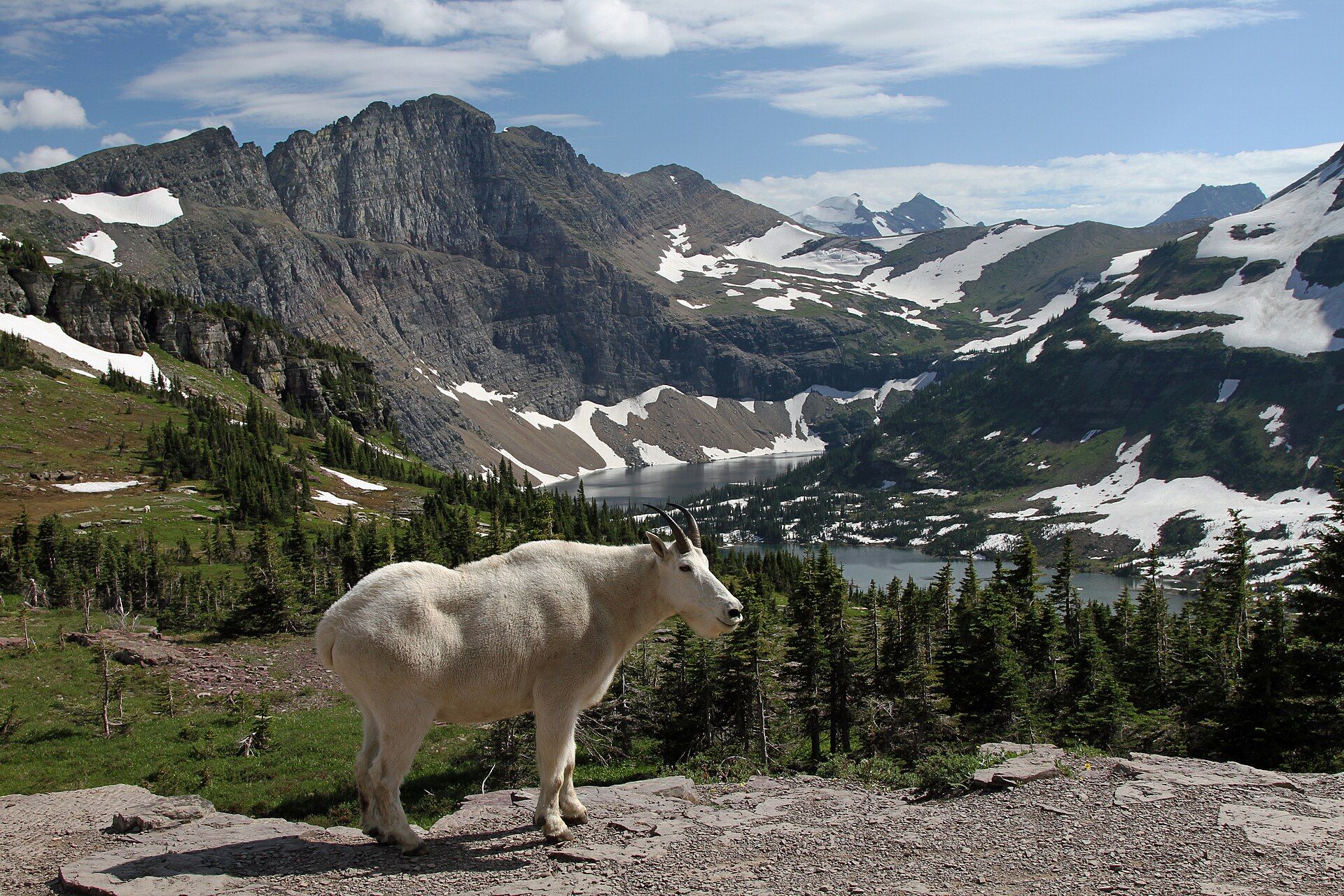
Glacier National Park Crown of the Continent
Montana, USA
Ice Age glaciers carved Montana's northern Rockies into horn peaks, U-shaped valleys and cirques that cradle lakes of glacier-milk blue and green. Roughly July to September, when the Going-to-the-Sun Road is fully open and the trails are clear; much of the park is snowbound the rest of the year.
-
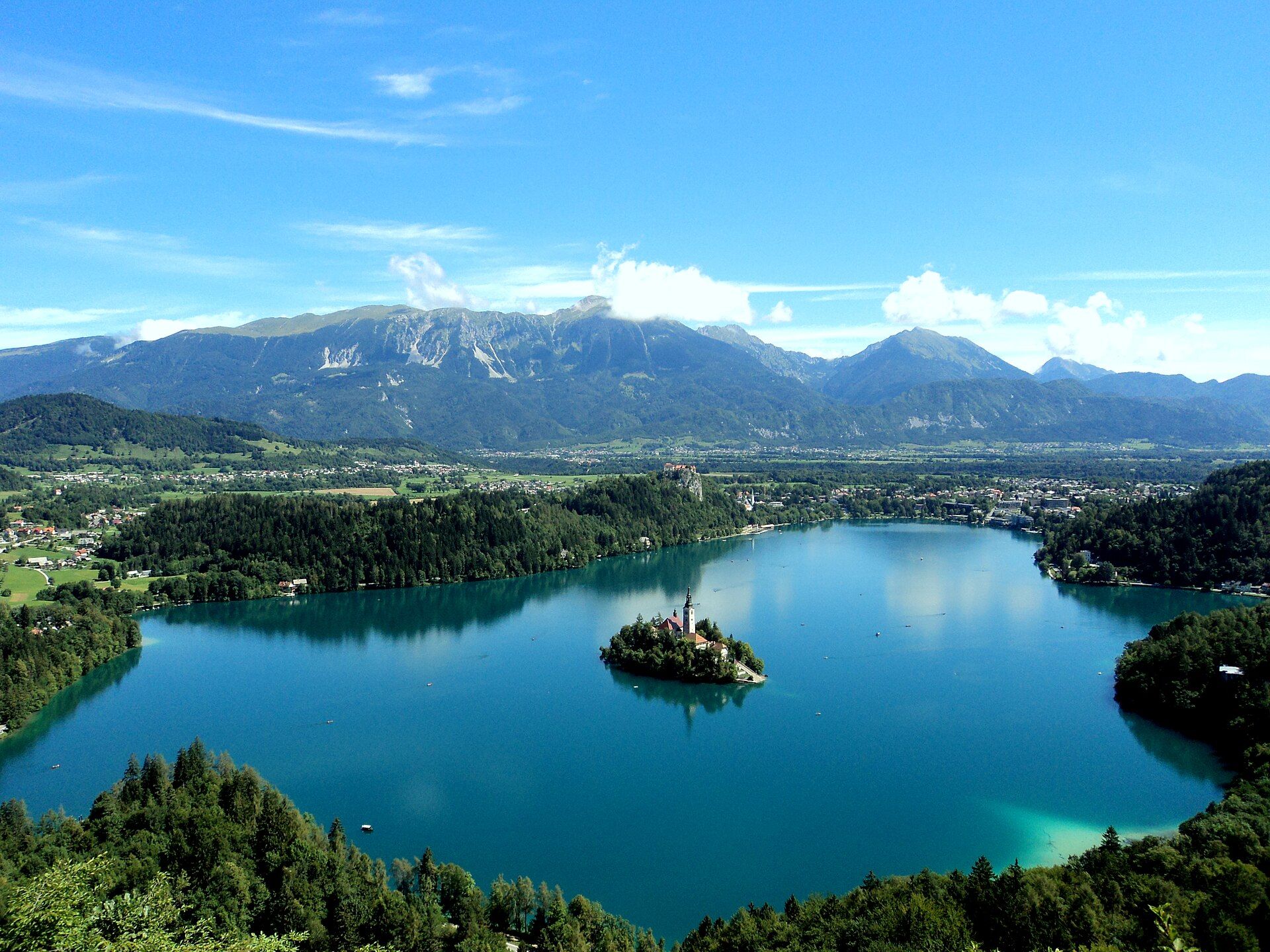
Lake Bled The one you can swim in
Upper Carniola, Slovenia
A glacial lake in the foothills of the Julian Alps with Slovenia's only natural island at its centre, a church on the island and a castle on the cliff above. Fed partly by warm springs, it is mild enough to swim in during summer. An easy drive or bus from Ljubljana; roughly May to September.
Glacial colour is a summer event: the turquoise is strongest when meltwater is running and the lakes are ice-free, and the highest of these are snowbound for half the year. Several — Moraine Lake, Lake Louise, Peyto — need a park pass or a shuttle booked ahead. For every kind of lake, see the most beautiful lakes in the world; for the glaciers that feed them, see the most beautiful glaciers and ice.
Added