Wildlife · birds
The Best Places for Birdwatching in the World — Wetlands, Deltas and Cloud Forests
12 places · every one real, mapped, and worth the trip
The best birding on Earth comes in two kinds: places with an enormous species list, where a good guide can show you dozens of birds in a morning, and places where birds gather in numbers you can hardly count — on migration, in breeding colonies or around water that is drying out. Twelve places below, from the Andes to the Wadden Sea.
The list is unranked and grouped by that difference: species-rich forests and parks first, then the great wetlands and flyways. Each entry gives that place's own best months and how you get in. Almost everywhere, the same rule holds: go out early in the day.
-
Manú National Park 1,000+ species, May–Sep
Madre de Dios & Cusco, southeastern Peru
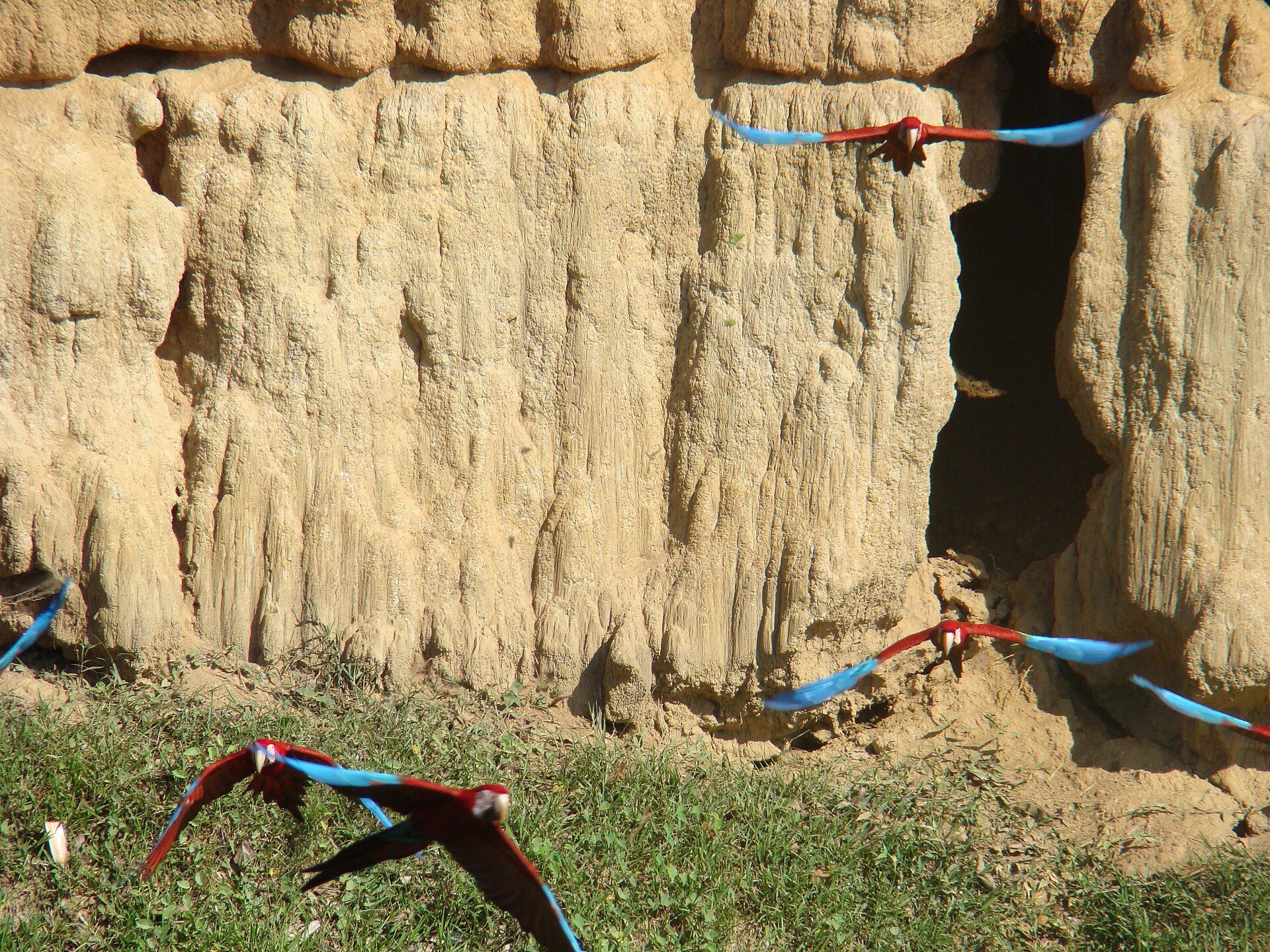
Manu records over 1,000 bird species — more than any other protected area on Earth, roughly a tenth of all the birds in the world — on a slope that runs from Andean cloud forest down to lowland Amazon. The dry season, roughly May to September, keeps roads and rivers passable. A long road descent from Cusco and then river boat, usually as a multi-day guided trip; the strictly protected core is closed to general tourism.
-
Queen Elizabeth National Park 600+ species, one of Africa's great birding parks
Western Uganda, between Lake George and Lake Edward
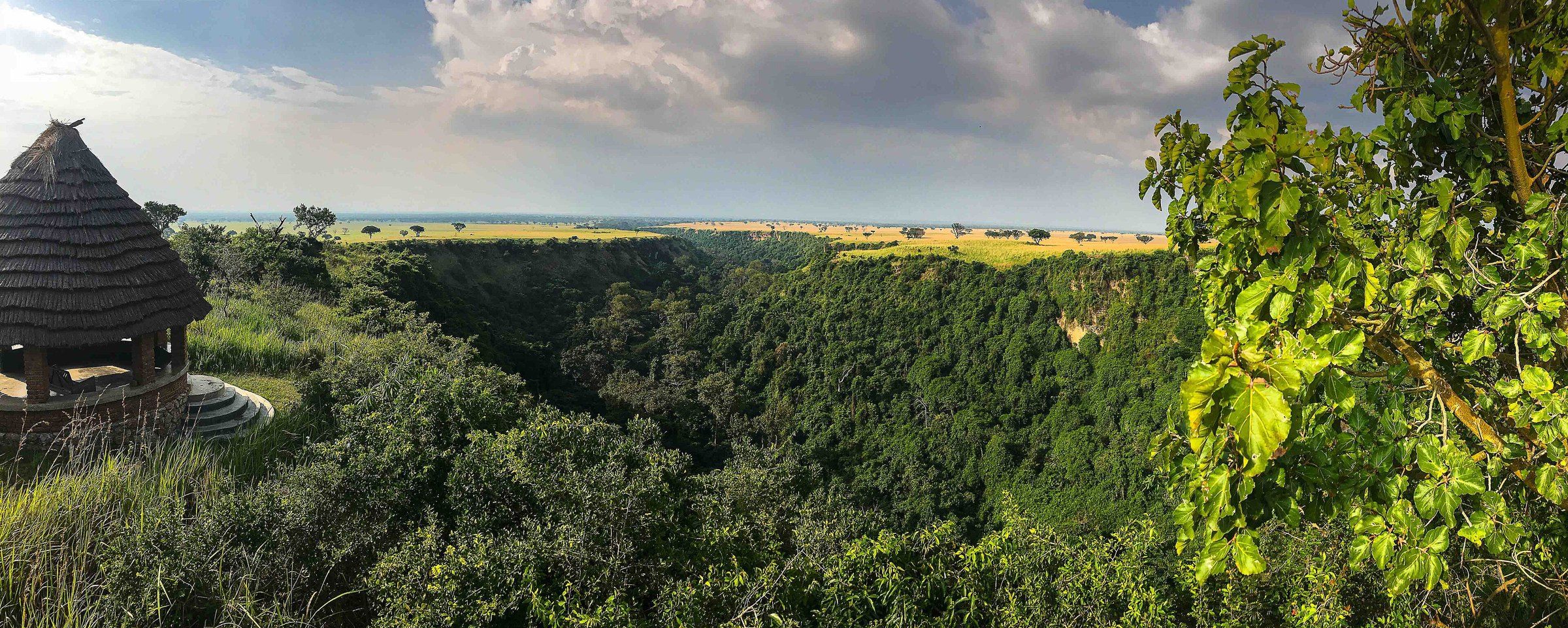
Over 600 bird species have been recorded in this western Uganda park, which also gives you classic game drives. It can be visited all year; the drier months are easiest for driving. Kasese is the nearest city, and the park is commonly combined with Bwindi and the Rwenzori Mountains.
-
Monteverde Cloud Forest Resplendent quetzal, Dec–Apr
Puntarenas / Alajuela, Cordillera de Tilarán, Costa Rica
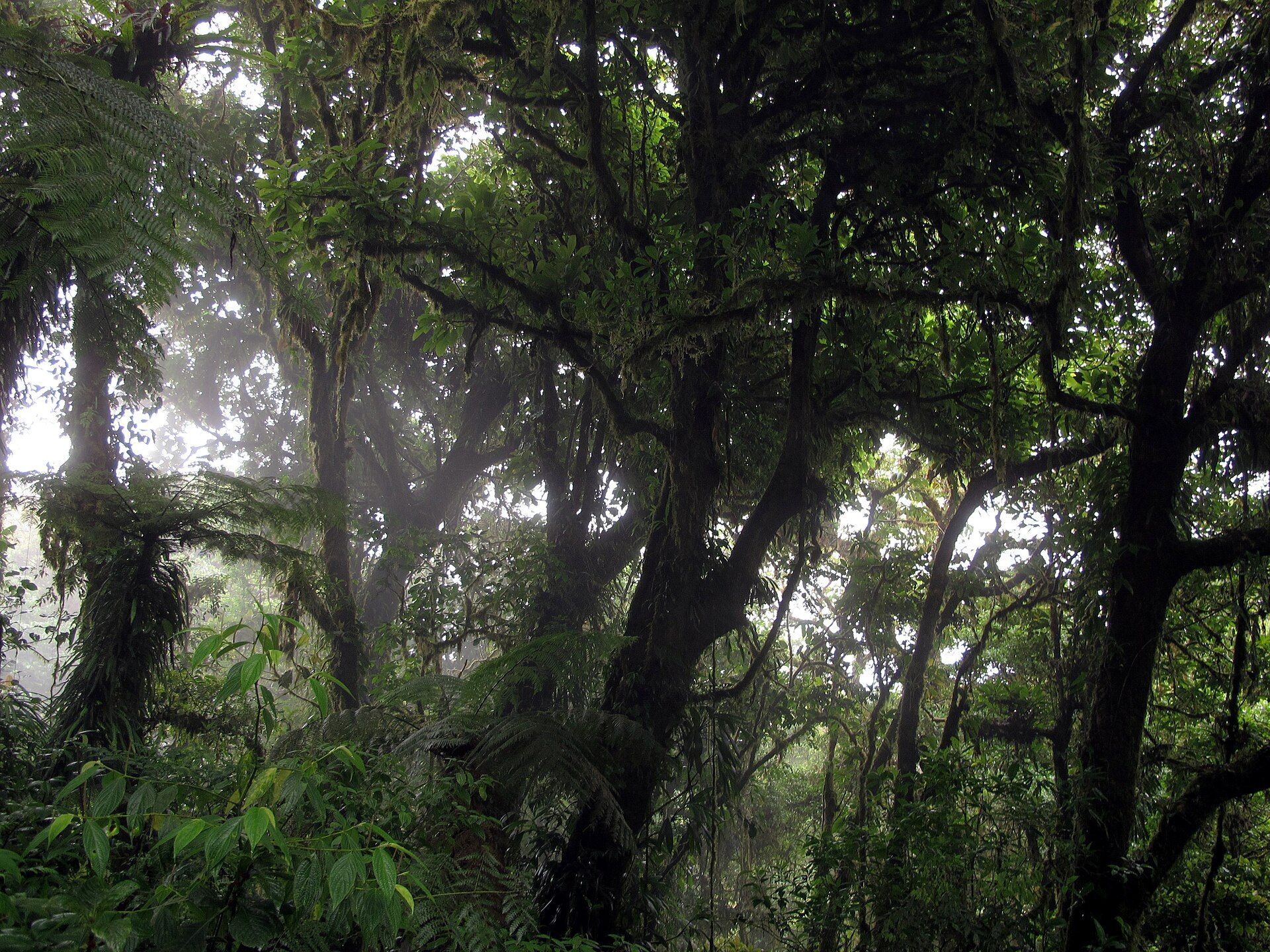
A misty cloud forest with hundreds of bird species, hummingbirds whirring and the chance of a resplendent quetzal flashing emerald through the canopy. The drier December–April season eases the trails, and quetzals are often most visible in the early-year breeding season; early morning is best. A few hours from San José or Liberia, with naturalist guides in the Monteverde and Santa Elena reserves.
-
Sinharaja Forest Reserve Endemics and mixed feeding flocks
Sabaragamuwa & Southern Provinces, Sri Lanka
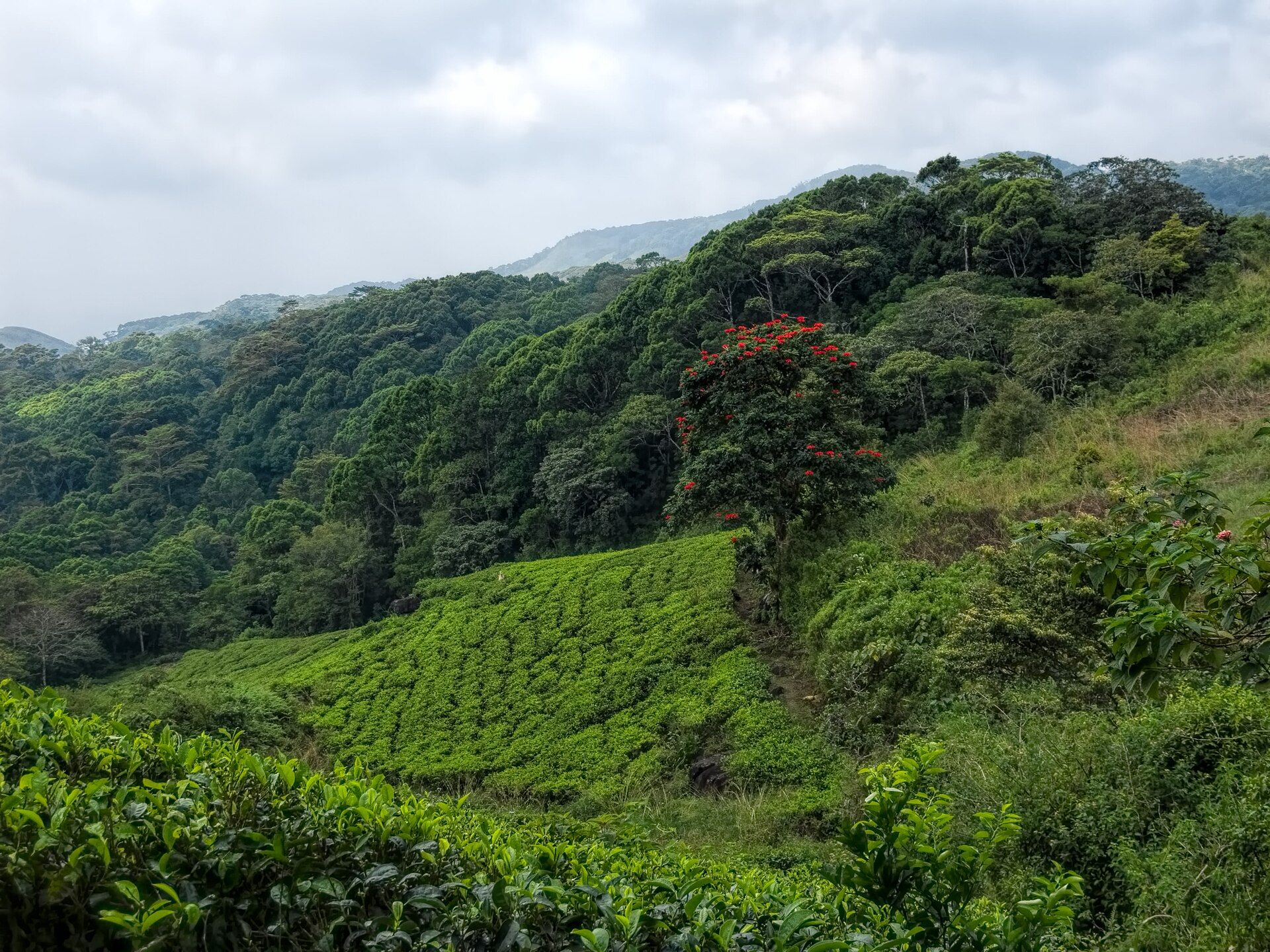
Sri Lanka's last great primary lowland rainforest holds a majority of the island's endemic birds, and a famous spectacle: mixed feeding flocks moving through the trees together. The drier windows of January to early April and August to September are best for walking; go early, and expect rain. From Ratnapura or Deniyaya; entry is by ticket and, in practice, with a compulsory local guide.
-
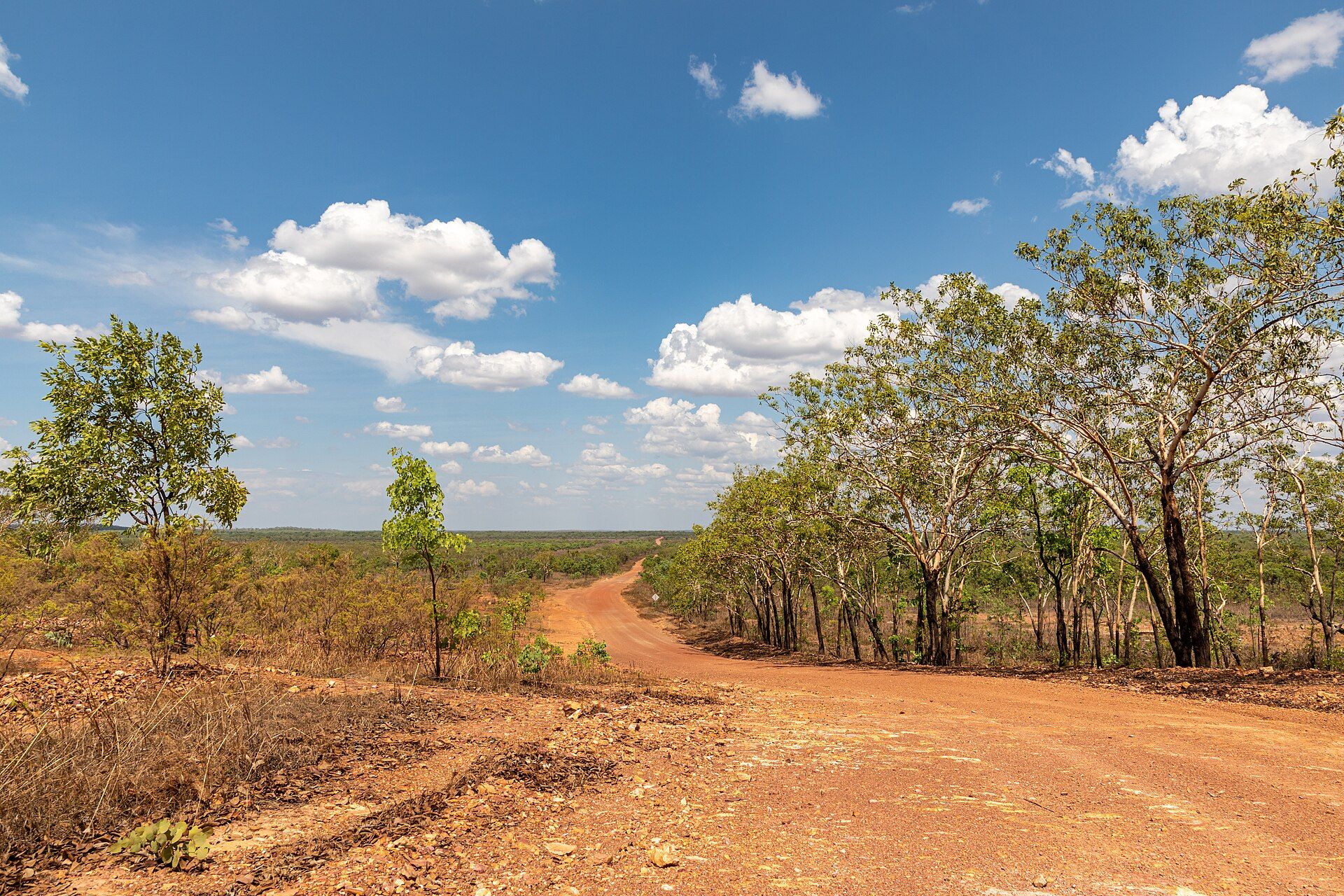
Kakadu A third of Australia's birds, May–Sep
Northern Territory, Australia
A third of Australia's bird species gather on Kakadu's floodplains, and the classic way to see them is a dawn cruise on the Yellow Water billabong among crocodiles and clouds of birds. The dry season, roughly May to September, opens the roads and cruises and concentrates wildlife at water. A few hours' drive east of Darwin.
-
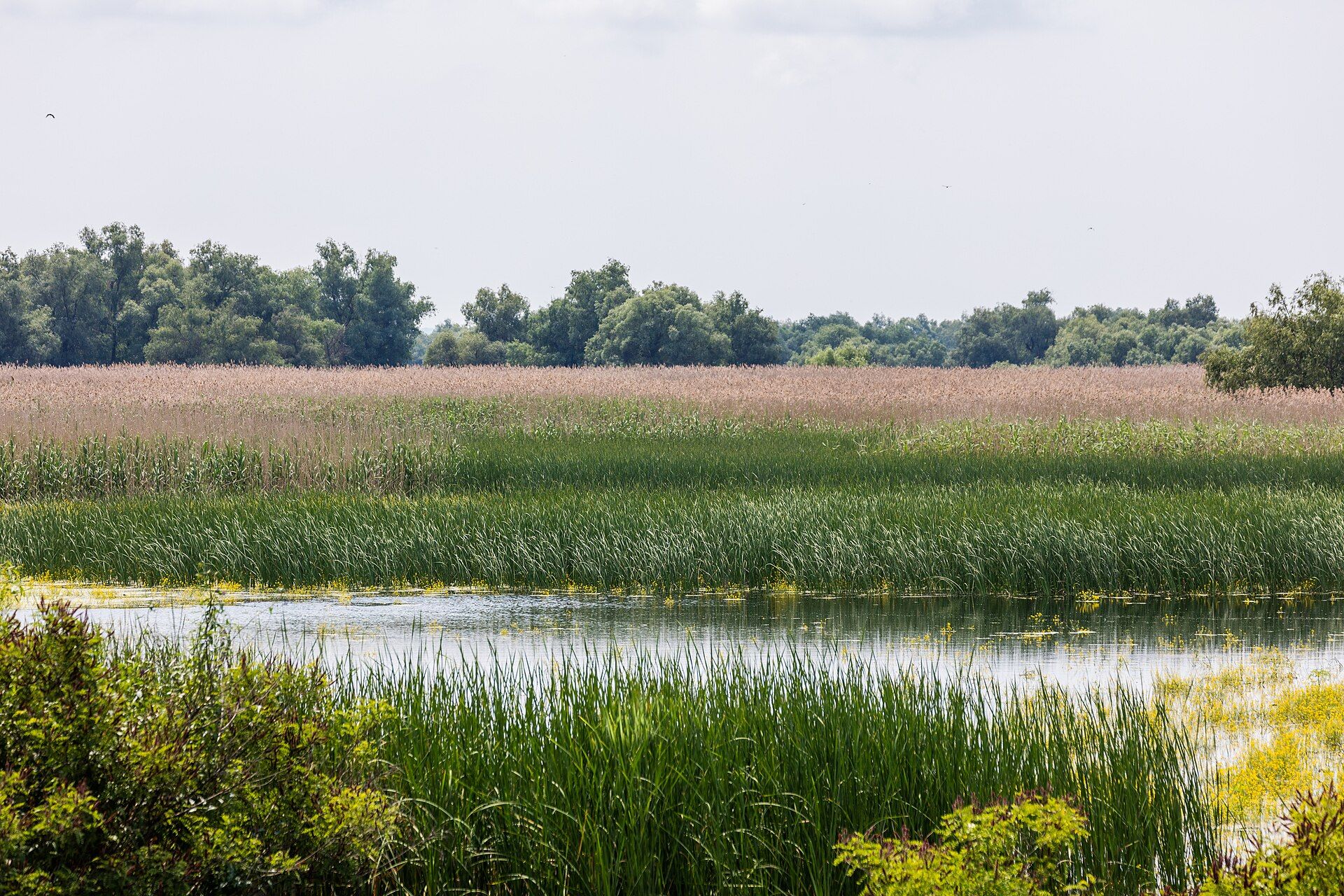
The Danube Delta Pelicans and pygmy cormorants, Apr–Jun
Where the Danube meets the Black Sea, eastern Romania
Europe's largest river delta hosts one of the largest colonies of great white pelicans outside Africa, with pygmy cormorants, herons, egrets and hundreds of other species. Late spring to early summer, roughly April to June, is the peak for birdlife and nesting. Boats leave from Tulcea in eastern Romania; some villages can only be reached by water, and guided boat tours are the usual way in.
-
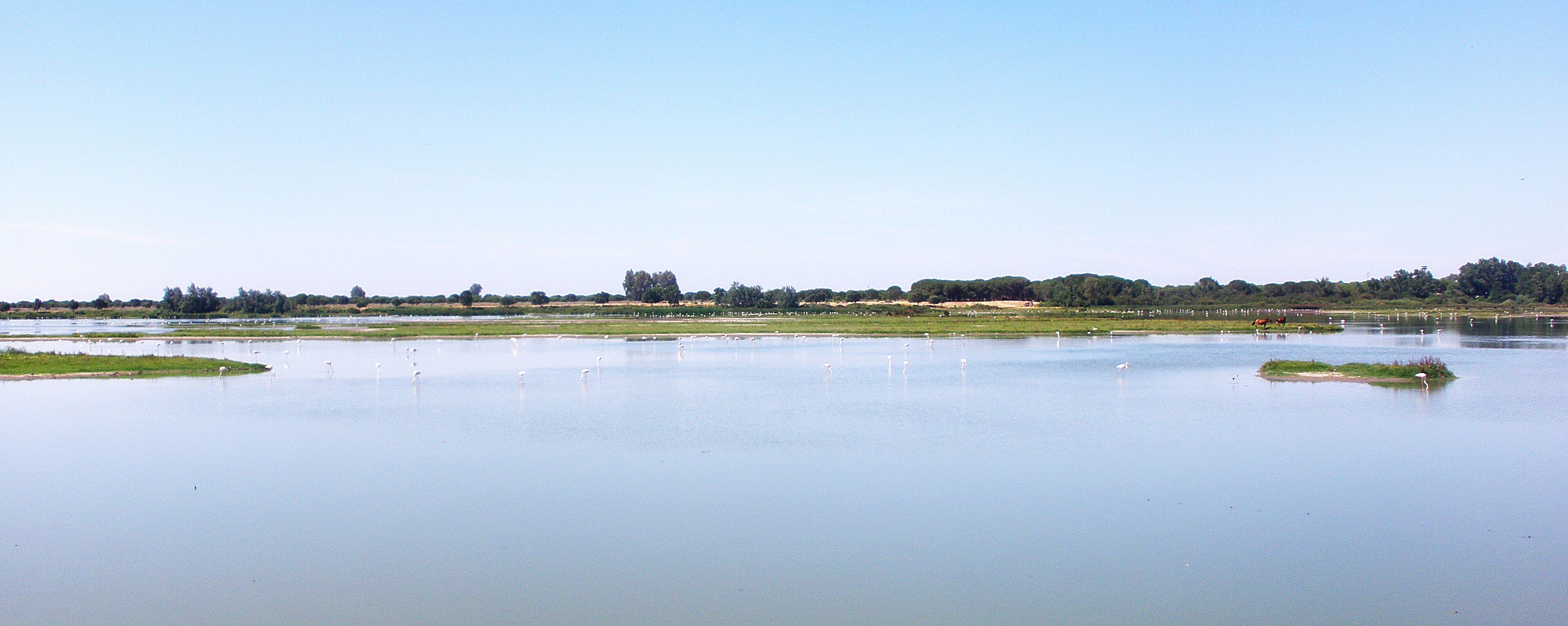
Doñana Wintering waterbirds, Nov–Apr
Andalusia, southwestern Spain
On the flyway between Europe and Africa, Doñana's flooded marsh feeds enormous numbers of migrating and wintering waterbirds — and from the visitor centres you can watch flamingos, spoonbills, herons and raptors over open marsh without a guide. November to April, when the marshes hold water; by late summer the marsh has dried out and the spectacle largely disappears. About an hour from Seville or Huelva; the core is entered only on booked guided 4x4 tours.
-
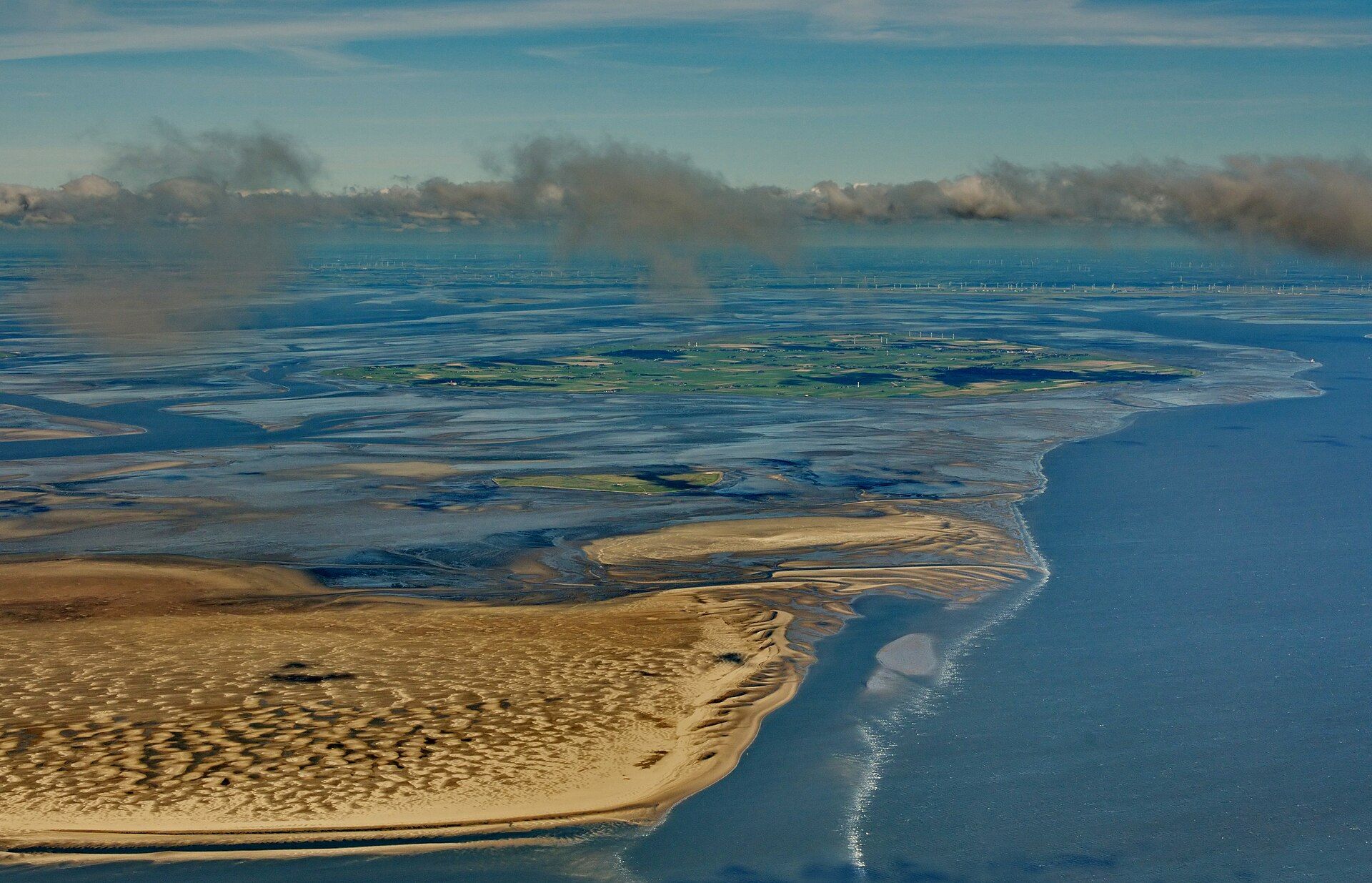
Wadden Sea 10–12 million migrants, Apr–May & Aug–Oct
Netherlands, Germany & Denmark
Between 10 and 12 million birds pass through the world's largest system of intertidal flats each year, refuelling between the Arctic and Africa. Spring and autumn — roughly April–May and August–October — are the migration peaks; summer is for mudflat walking. Reached from mainland towns or the barrier islands of the Netherlands, Germany and Denmark; guided mudflat walks leave at low tide.
-
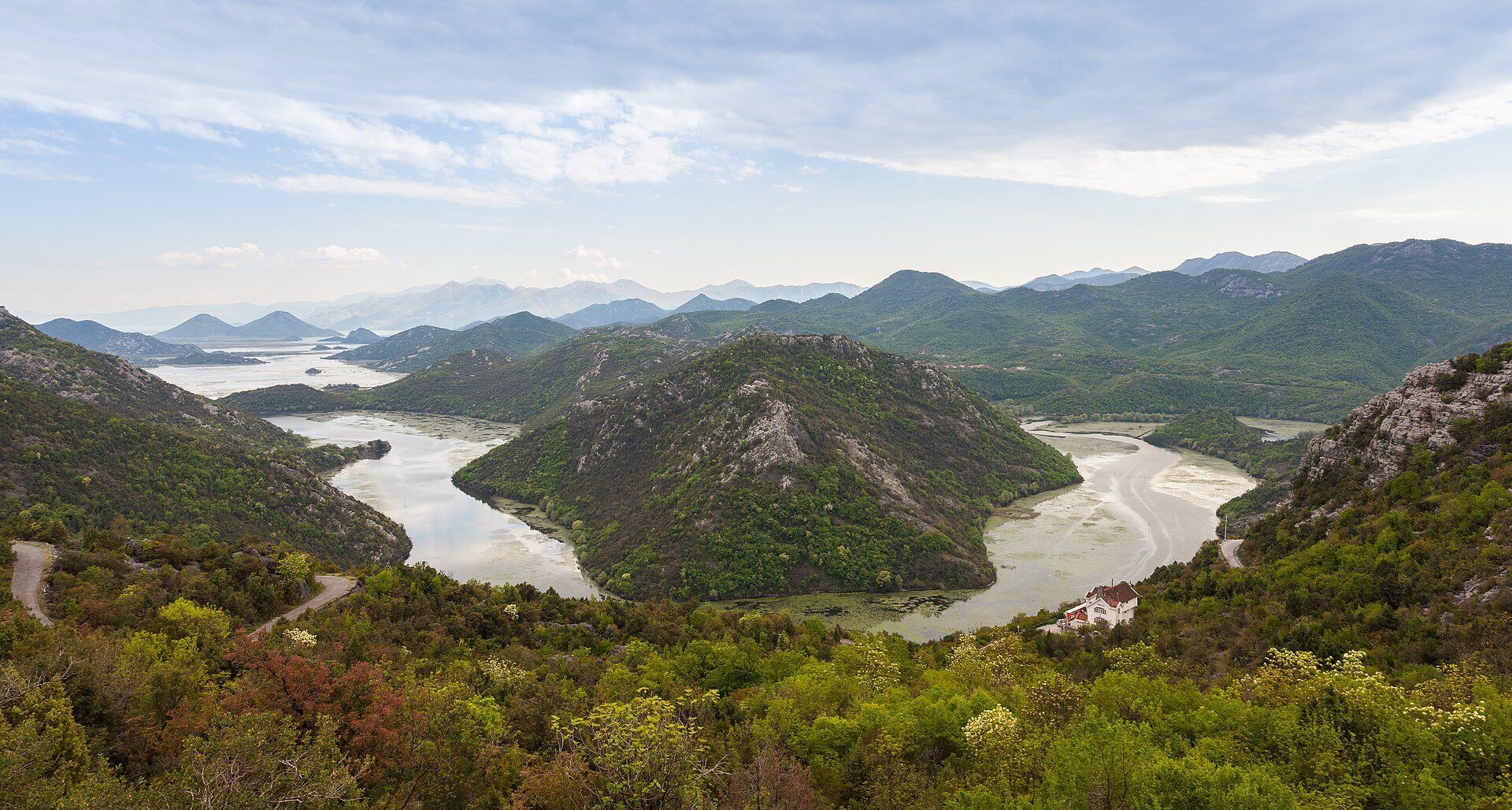
Lake Skadar Dalmatian pelicans, autumn and winter
Skadar Lake National Park, southern Montenegro (shared with Albania)
The Balkans' largest lake lists around 280 bird species, including Europe's Dalmatian pelicans, and has been an Important Bird Area since 1989 and a Ramsar wetland since 1995. Autumn and winter are the park's recommended birdwatching seasons, from a canoe or a platform — go out early. Boats, rowboats and canoes start at Virpazar, 28 km from Podgorica.
-
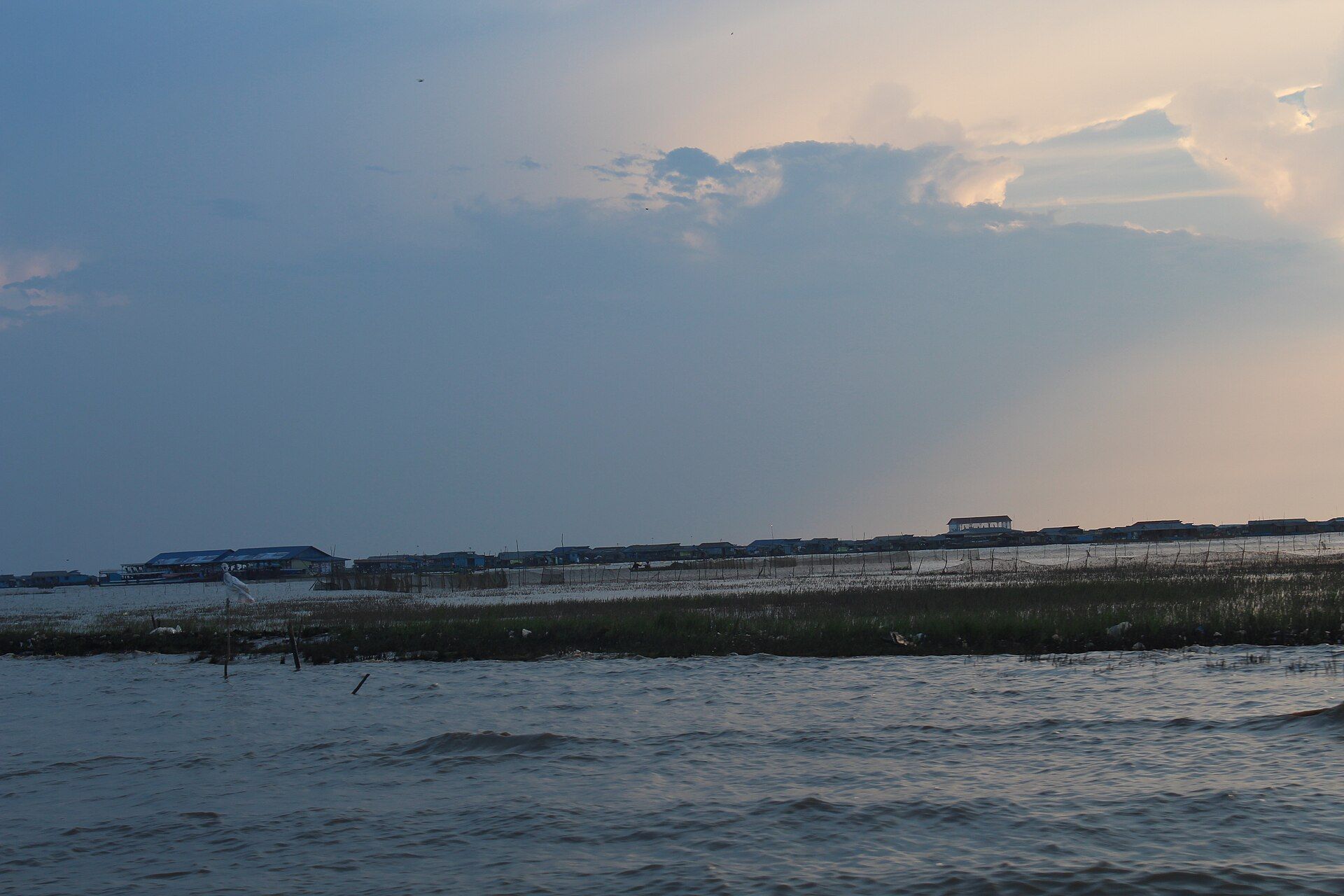
Tonlé Sap Prek Toal waterbird colony
Central Cambodia, near Siem Reap
At the Prek Toal sanctuary on Cambodia's great lake, one of Asia's most important waterbird colonies is thick with pelicans, storks and ibises. The lake is at its flooded height from about September to November; in the drier months the water recedes. By boat from piers near Siem Reap; choose community-based operators for village and bird-sanctuary tours.
-
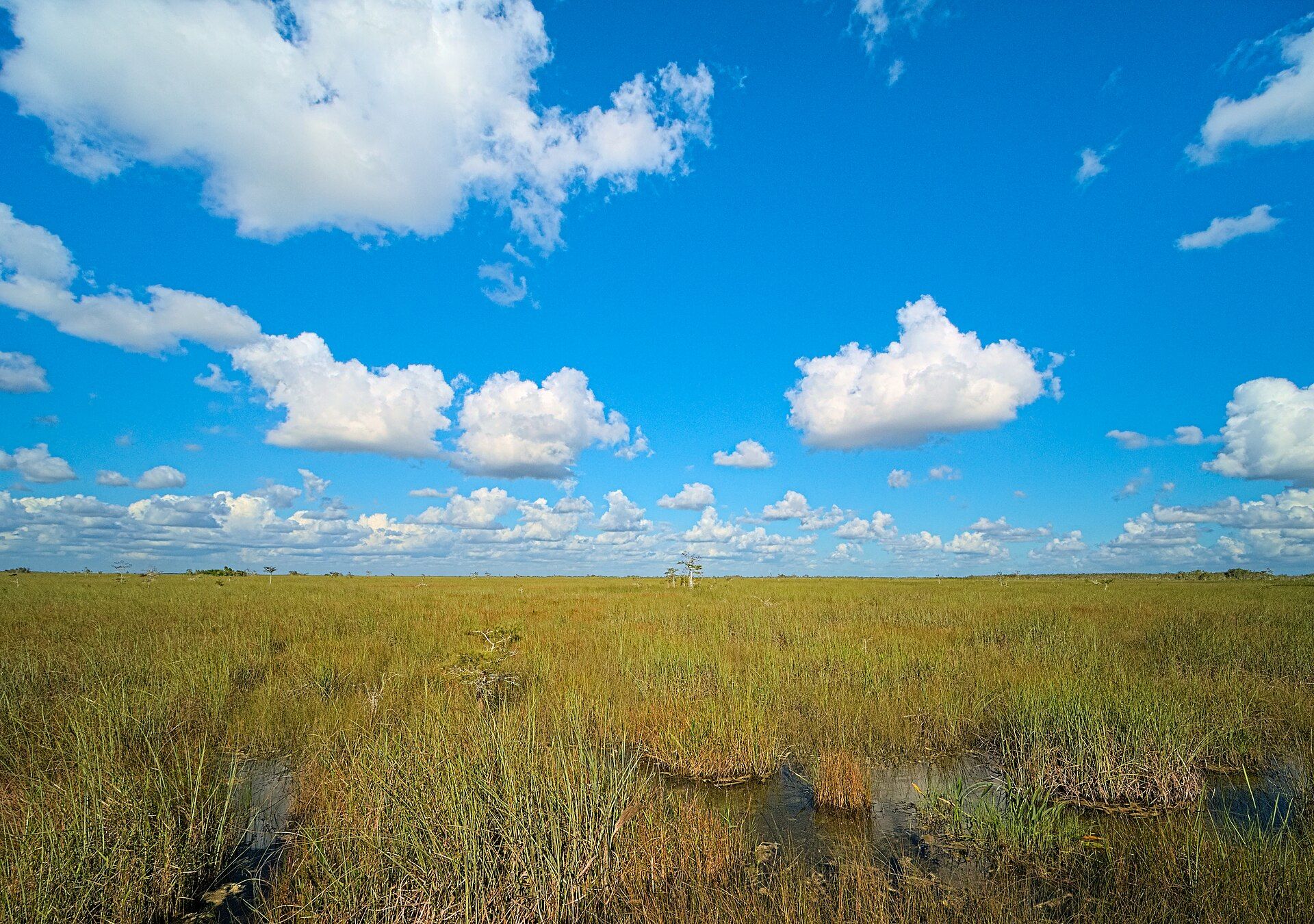
The Everglades Wading birds at dry-season pools, Dec–Apr
Florida, United States
Wading birds stalk the sawgrass and mangroves, and in the dry season they pack around the shrinking sloughs — the Anhinga Trail at first light is the classic scene, with alligators alongside. December to April is the dry season: wildlife concentrates, the weather is pleasant and mosquitoes are fewer. From Miami or Naples, with boardwalks, tram tours and kayak trips.
-
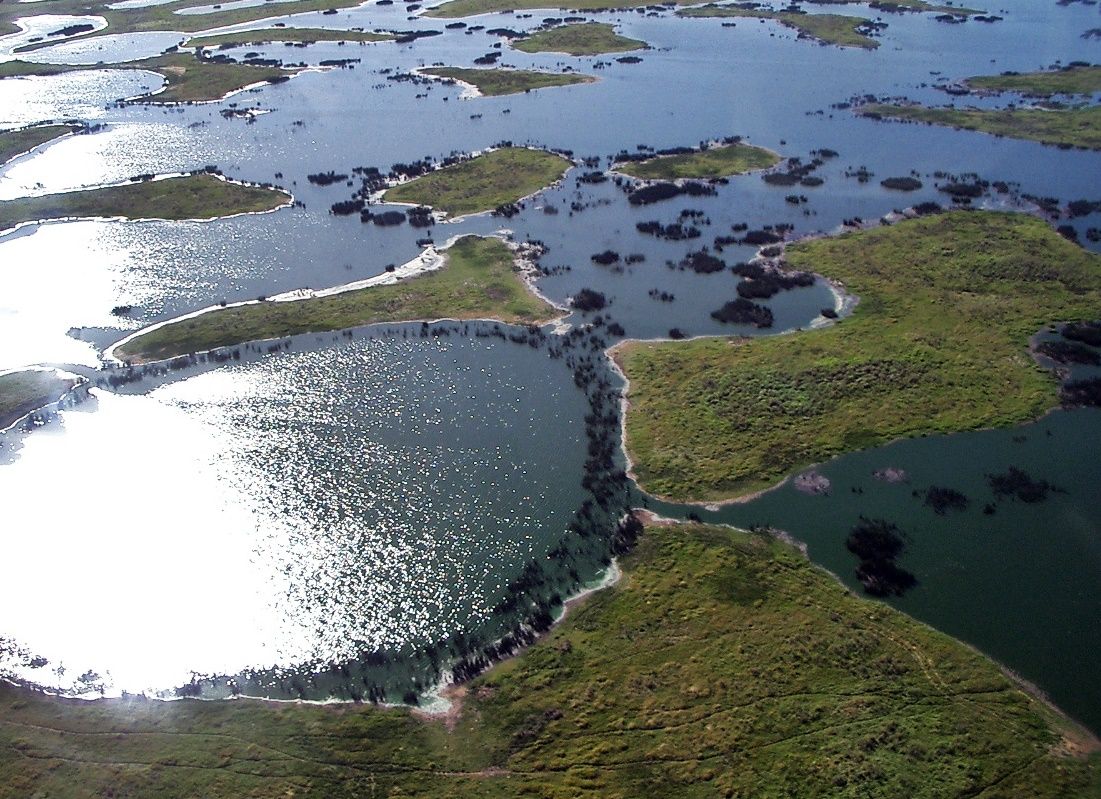
The Pantanal Clouds of birds on every river, Jun–Oct
Mato Grosso & Mato Grosso do Sul, Brazil
The world's largest tropical wetland is best known for jaguars, but the clouds of birds along every river are as much a part of its abundance. The dry season, roughly June to October, concentrates wildlife as the water recedes. Via Cuiabá and the Transpantaneira road in the north or Campo Grande in the south; lodges and river safaris are the way in.
For the longest species list, Manu; for a single spectacular bird, Monteverde's quetzal in the early-year breeding season; for sheer numbers, the Wadden Sea in migration or the Danube Delta's pelicans in late spring. The wetlands all turn on water: Doñana and the Everglades are best while their marshes still hold it, the Pantanal and Kakadu as it shrinks. Zambia's South Luangwa is another — its birding is at its best in the December–March emerald season, when many camps close.
Added