Sinharaja Forest Reserve
📍 Sabaragamuwa & Southern Provinces, Sri Lanka
Sri Lanka's last great stretch of primary lowland rainforest — a dense, dripping, biodiversity hotspot where more than half the island's endemic trees, birds, and mammals are found.
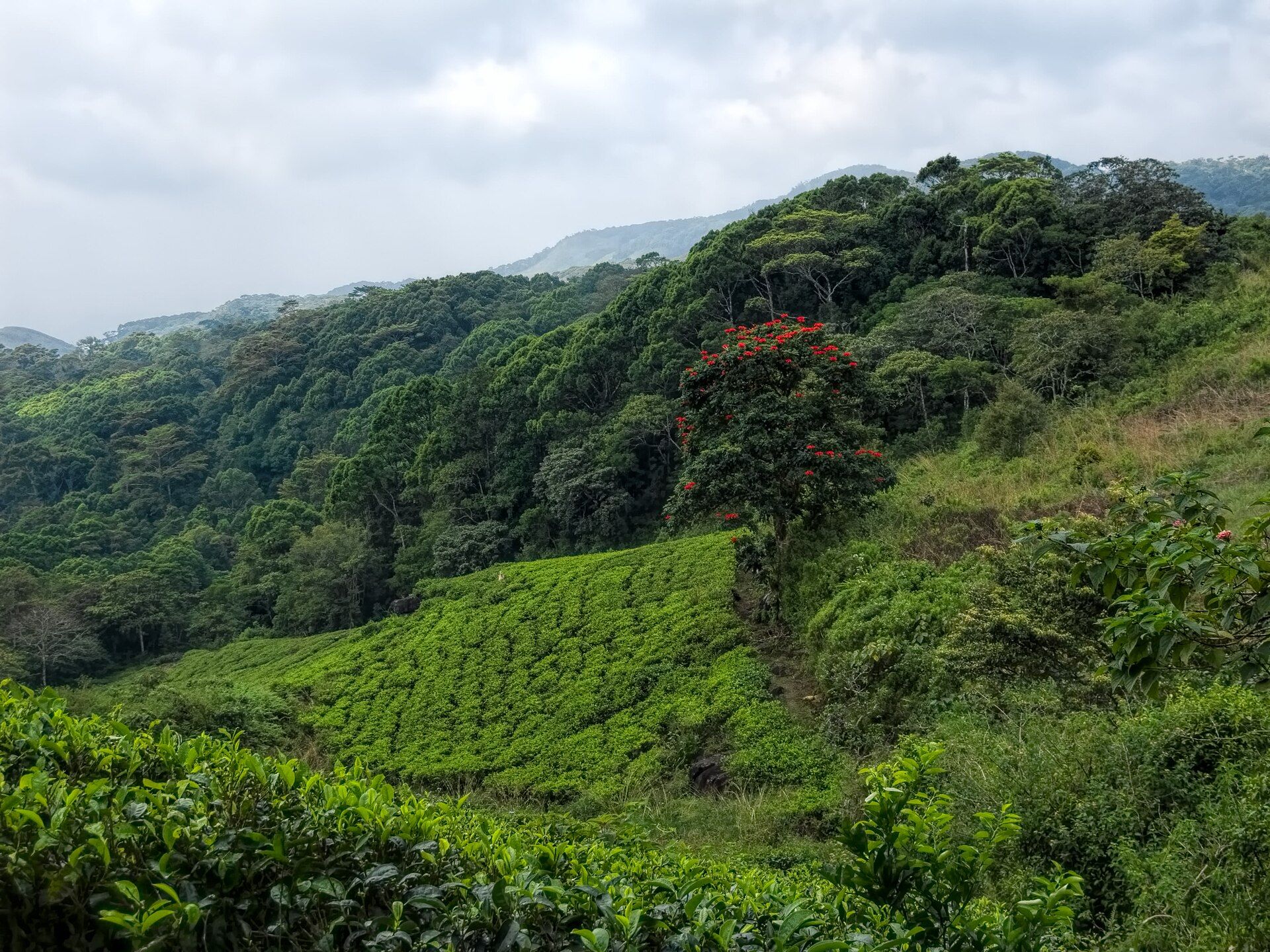
What makes it marvelous
Sinharaja is the largest surviving tract of undisturbed lowland tropical rainforest in Sri Lanka, a remnant of the ancient forests that once covered the island's wet southwest. Sheltered in a belt of ridges and valleys that wring heavy rain from the monsoon, it holds an astonishing concentration of life: a majority of Sri Lanka's endemic trees, and endemic birds, amphibians, reptiles, and mammals found nowhere else on Earth. It is a UNESCO World Heritage Site and a global biodiversity hotspot.
Why visit
Walking Sinharaja's forest trails with a guide is an immersion in deep rainforest — buttressed trees, tree ferns, and lianas, the calls of unseen birds, and the chance to witness a famous phenomenon of the reserve: mixed feeding flocks, where dozens of bird species of many kinds move and forage through the canopy together. Leeches, damp, and green shade are all part of it; so is the thrill of a forest that has never been cleared.
What to know before you go
🗓️ Best time
The drier windows of January to early April and August to September are best for walking; Sinharaja is one of the wettest places in Sri Lanka and rain is possible any time.
🧭 Getting there & access
In the island's wet southwest, reached from Ratnapura or Deniyaya, a few hours from Colombo or the south coast. Entry is by ticket and, in practice, with a compulsory local guide; the main access points are Kudawa in the northwest and Deniyaya in the south.
Good to know
- Hire the compulsory local guide — they find the wildlife you'd never spot alone.
- Come prepared for leeches: socks, repellent, and a bit of composure.
- Go early for birds and the mixed feeding flocks, and expect rain whatever the forecast.
Plan your visit
Moderate🧭 Getting there
From Colombo (CMB), then Deniyaya or Kudawa
- Fly to Colombo
- Road to an access town — Deniyaya (south) or Kudawa/Weddagala (northwest) — roughly 4–5h
- On foot into the reserve with a guide from the entrance
- Total travel
- Most of a day to reach; best as an overnight or multi-day base
- Time at site
- A half-day guided walk minimum; 2–3 days to really explore and see wildlife
- Access
- Ticketed entry (higher for foreign visitors) and a compulsory registered guide. There are no roads through the core; access is on foot along forest trails, and heavy rain can make them slippery.
🎒 What to bring & consider
- Leech socks and repellent, plus quick-dry clothing
- A rain layer and waterproof bag — it rains often and hard
- Sturdy shoes with grip for muddy, root-tangled trails
- Binoculars for the canopy birds and mixed feeding flocks
👁️ What to expect
- Crowds
- Low compared with Sri Lanka's headline sights; small guided groups on the trails.
- Conditions
- Warm, humid, and often wet, on undulating forest paths that are muddy and leech-prone.
- Facilities
- Basic at the entrances and in the access towns; nothing inside the forest.
- The view
- Shafts of light in the canopy, a rushing forest stream, or a rare endemic bird — this is a place for patient nature-watching more than sweeping vistas.
Times and requirements are approximate and change with season, weather, and local rules — confirm permits, fares, and schedules with operators before you travel.
Natural riches of the area
- Primary lowland tropical rainforest, largely undisturbed
- A majority of Sri Lanka's endemic trees and countless endemic animals
- Streams and waterfalls draining the wet-zone ridges
- Endemic birds, amphibians, and the elusive Sri Lankan leopard
Local food
- Rice and curry
- Wet-zone curries built on coconut, chilli, and curry leaves.
- Pol sambol
- A fresh relish of grated coconut, chilli, lime, and Maldive fish.
Sinharaja is what Sri Lanka’s wet southwest looked like before people cleared it: a dense, dripping rainforest of buttressed trees, tree ferns, and tangled lianas, saved from the axe by its rugged ridges and now the island’s last major stand of undisturbed lowland jungle. Heavy monsoon rain feeds it year-round, and that constant moisture supports an extraordinary richness of life — more than half of Sri Lanka’s endemic trees, along with endemic birds, frogs, lizards, and mammals that exist nowhere else on the planet.
To walk it with a guide is to enter a green world of sound and shade, where much of the wildlife stays hidden until it moves. Sinharaja is famous among naturalists for its mixed feeding flocks, when many bird species travel and forage through the forest together in a moving wave of activity. Leeches and rain come with the territory, but so does the rare experience of a primary rainforest — a UNESCO World Heritage Site and one of the great biodiversity hotspots of Asia.
Sinharaja Forest Reserve: common questions
How do you get to Sinharaja Forest Reserve?
From Colombo (CMB), then Deniyaya or Kudawa: Fly to Colombo; Road to an access town — Deniyaya (south) or Kudawa/Weddagala (northwest) — roughly 4–5h; On foot into the reserve with a guide from the entrance. Total travel time: Most of a day to reach; best as an overnight or multi-day base.
When is the best time to visit Sinharaja Forest Reserve?
The drier windows of January to early April and August to September are best for walking; Sinharaja is one of the wettest places in Sri Lanka and rain is possible any time.
How long should you spend at Sinharaja Forest Reserve?
A half-day guided walk minimum; 2–3 days to really explore and see wildlife. Total travel time: Most of a day to reach; best as an overnight or multi-day base.
What should you bring to Sinharaja Forest Reserve?
Leech socks and repellent, plus quick-dry clothing A rain layer and waterproof bag — it rains often and hard Sturdy shoes with grip for muddy, root-tangled trails Binoculars for the canopy birds and mixed feeding flocks
Do you need a permit or guide for Sinharaja Forest Reserve?
Ticketed entry (higher for foreign visitors) and a compulsory registered guide. There are no roads through the core; access is on foot along forest trails, and heavy rain can make them slippery.
Is Sinharaja Forest Reserve crowded, and what are conditions like?
Low compared with Sri Lanka's headline sights; small guided groups on the trails. Warm, humid, and often wet, on undulating forest paths that are muddy and leech-prone. Facilities: Basic at the entrances and in the access towns; nothing inside the forest.
Added
More wonders to explore
Cockscomb Basin Wildlife Sanctuary
Stann Creek District, south-central Belize, eastern Maya Mountains