Lake Skadar
📍 Skadar Lake National Park, southern Montenegro (shared with Albania)
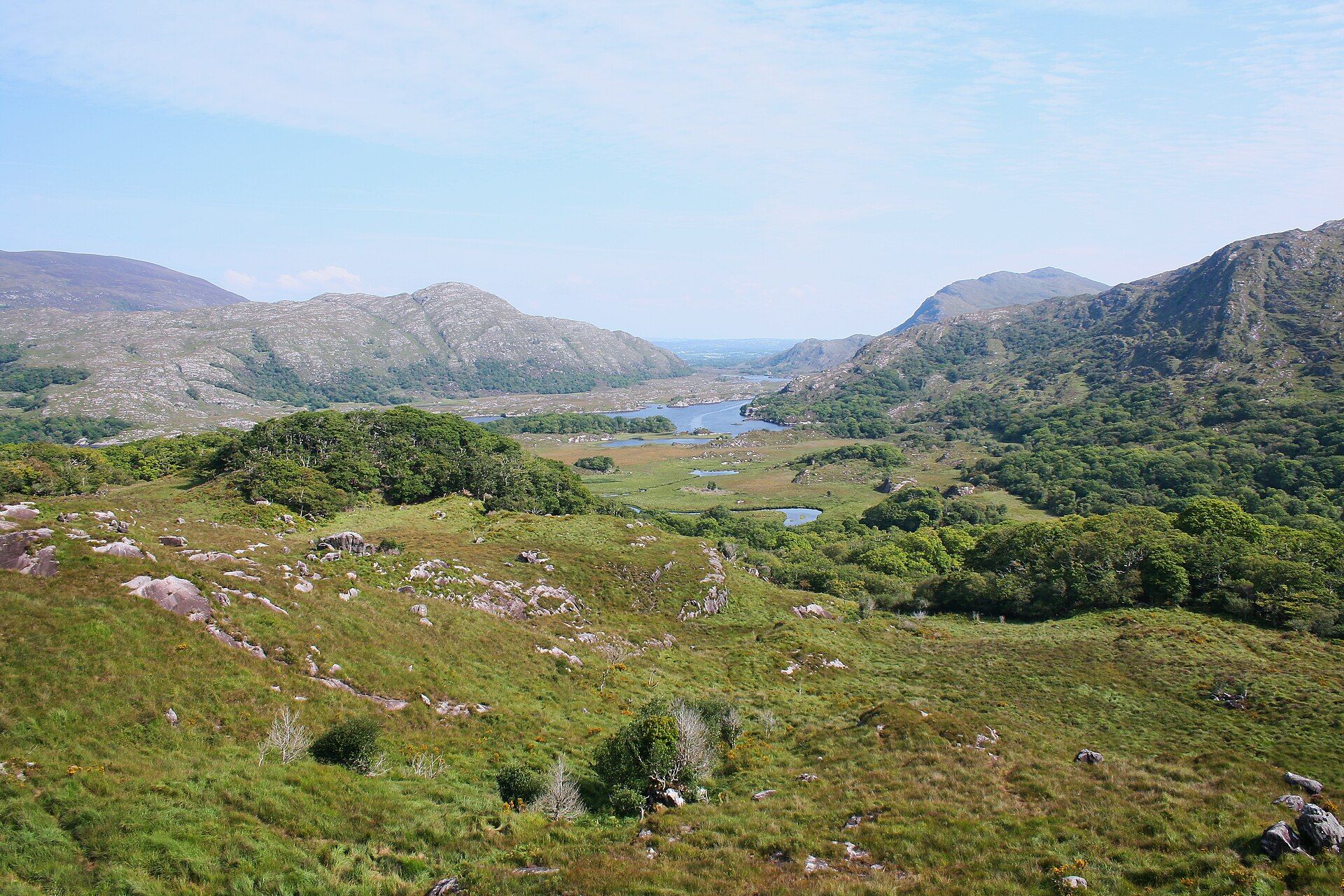
The largest lake in the Balkans, shared between Montenegro and Albania — a shallow, reed-fringed lake ringed by karst hills, home to some 280 bird species and Europe's Dalmatian pelicans, protected as a national park since 1983.
What makes it marvelous
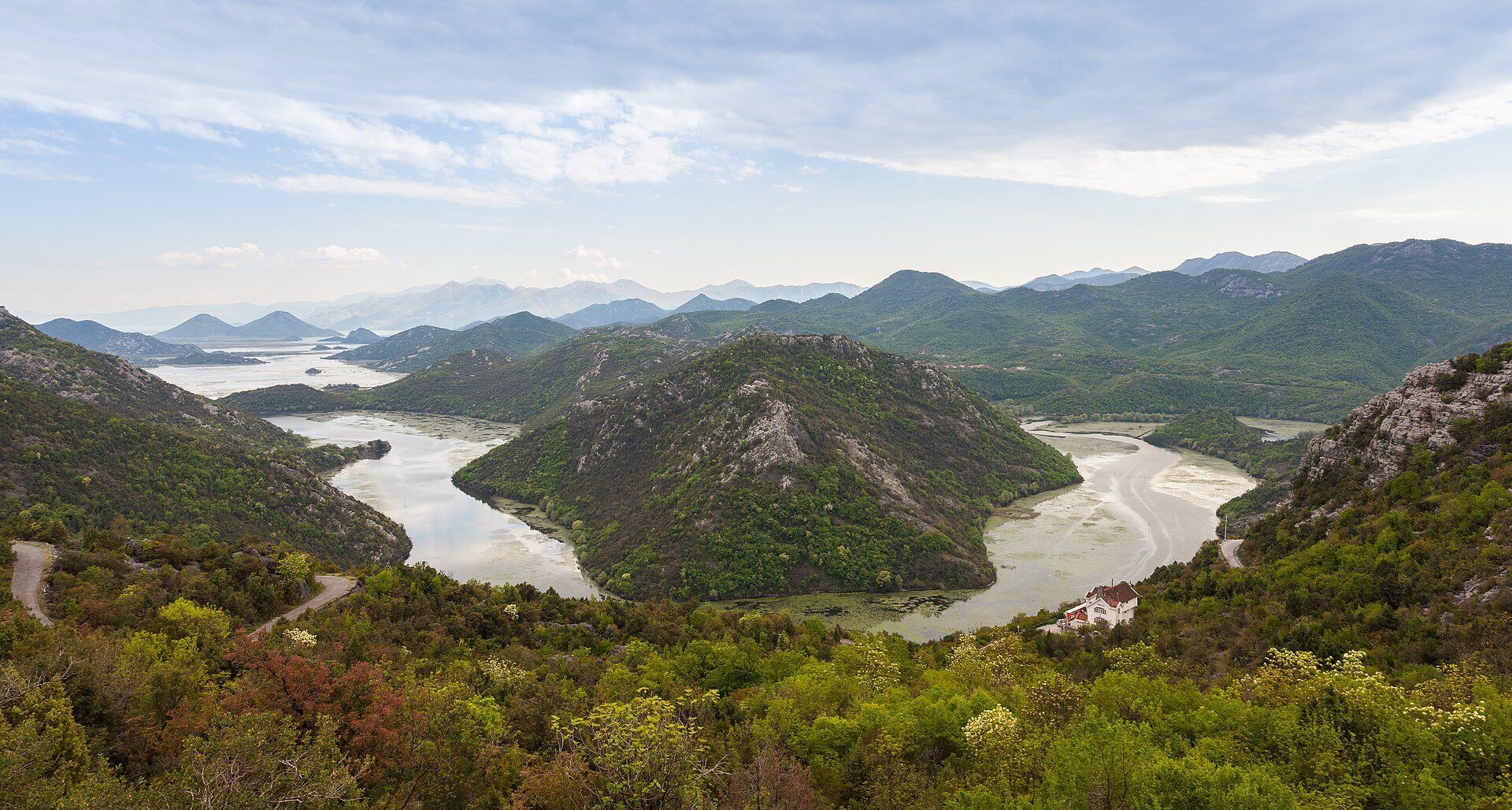
Lake Skadar lies in a karst basin a few ridges back from the Adriatic, its Montenegrin half protected as Skadar Lake National Park since 1983 (IUCN category II, about 400 km²). It is the largest lake in the Balkans, split between Montenegro and Albania, and much of its edge is not shore but wetland: reed beds, flooded willow and fields of water lilies that the lake's rivers thread through in slow meanders between steep, scrubby limestone hills. That mix of open water and marsh is why the lake matters. The park lists around 280 bird species and 48 fish species; it became an Important Bird Area in 1989 and a Ramsar wetland of international importance in 1995. Its emblem is the Dalmatian pelican, which nests here — locals call it panac.
Why visit
It is one of Europe's great wetlands, 30 km from the port of Bar: boat out from Virpazar among water lilies and reed channels, watch for pelicans, herons and cormorants, then climb to the viewpoints where the lake's rivers bend between green karst hills.
Still deciding?
Lake Skadar comes up most often against these — each one weighs cost, effort, season and crowds side by side.
What to know before you go
🗓️ Best time
Summer for lake cruises and swimming at hidden beaches; autumn and winter are the park's recommended seasons for birdwatching, from a canoe or a platform.
🧭 Getting there & access
Virpazar, the former lake port, sits on the highway and railway between Podgorica (28 km) and the Port of Bar (30 km). Boat trips, traditional rowboats and canoes start there; the park also maintains walking, educational and cycling trails.
Good to know
- Book a small boat or rowboat from Virpazar to get into the narrow reed channels, where the bigger cruise boats can't go.
- For birds, come in autumn or winter and go out early in the day.
- Keep your distance from pelican colonies and follow the park's rules on where boats may go.
Natural riches of the area
- The largest lake in the Balkans, shared with Albania
- Reed beds, flooded willows and water-lily fields along a wetland shore
- About 280 bird species, including breeding Dalmatian pelicans
- 48 species of fish
Local food
- Freshwater fish
- Montenegro's inland kitchens cook trout and other freshwater fish, a contrast to the coast's Adriatic seafood.
- Njeguši ham
- Air-dried and smoked in the mountains between the lake and the Bay of Kotor.
- Sheep's cheese
- A staple of the Montenegrin interior, served with bread and ham.
Lake Skadar is the largest lake in the Balkans, and it does not look like one big sheet of water. Its Montenegrin side is a maze: reed beds, flooded willows and fields of water lilies, with the lake’s rivers winding between steep limestone hills before opening onto the main basin. The border with Albania runs through it.
That patchwork of open water and marsh makes it one of the most important wetlands in southern Europe. Skadar Lake National Park, created in 1983, lists around 280 bird species and 48 fish species; the lake has been an Important Bird Area since 1989 and a Ramsar site since 1995. Its symbol is the Dalmatian pelican, which nests here. Most visits start at Virpazar, the old lake port on the road and railway between Podgorica and Bar, where boats, rowboats and canoes head out into the channels.
Lake Skadar: common questions
When is the best time to visit Lake Skadar?
Summer for lake cruises and swimming at hidden beaches; autumn and winter are the park's recommended seasons for birdwatching, from a canoe or a platform.
How do you get to Lake Skadar?
Virpazar, the former lake port, sits on the highway and railway between Podgorica (28 km) and the Port of Bar (30 km). Boat trips, traditional rowboats and canoes start there; the park also maintains walking, educational and cycling trails.
Added
More wonders to explore