Manú National Park
📍 Madre de Dios & Cusco, southeastern Peru
One of the most biodiverse places on Earth — a park descending from Andean cloud forest to lowland Amazon, with more bird species than any other protected area in the world.
What makes it marvelous
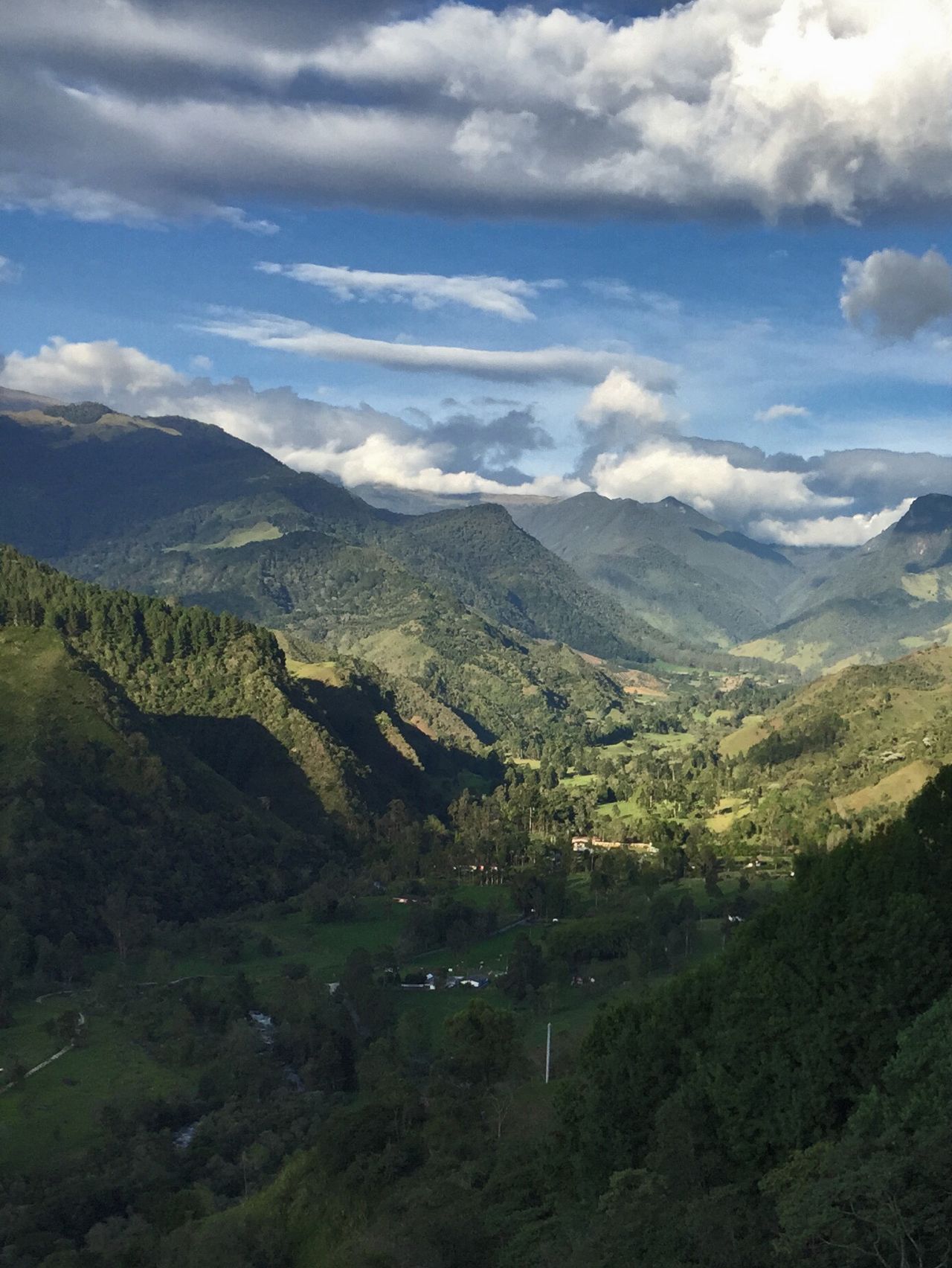
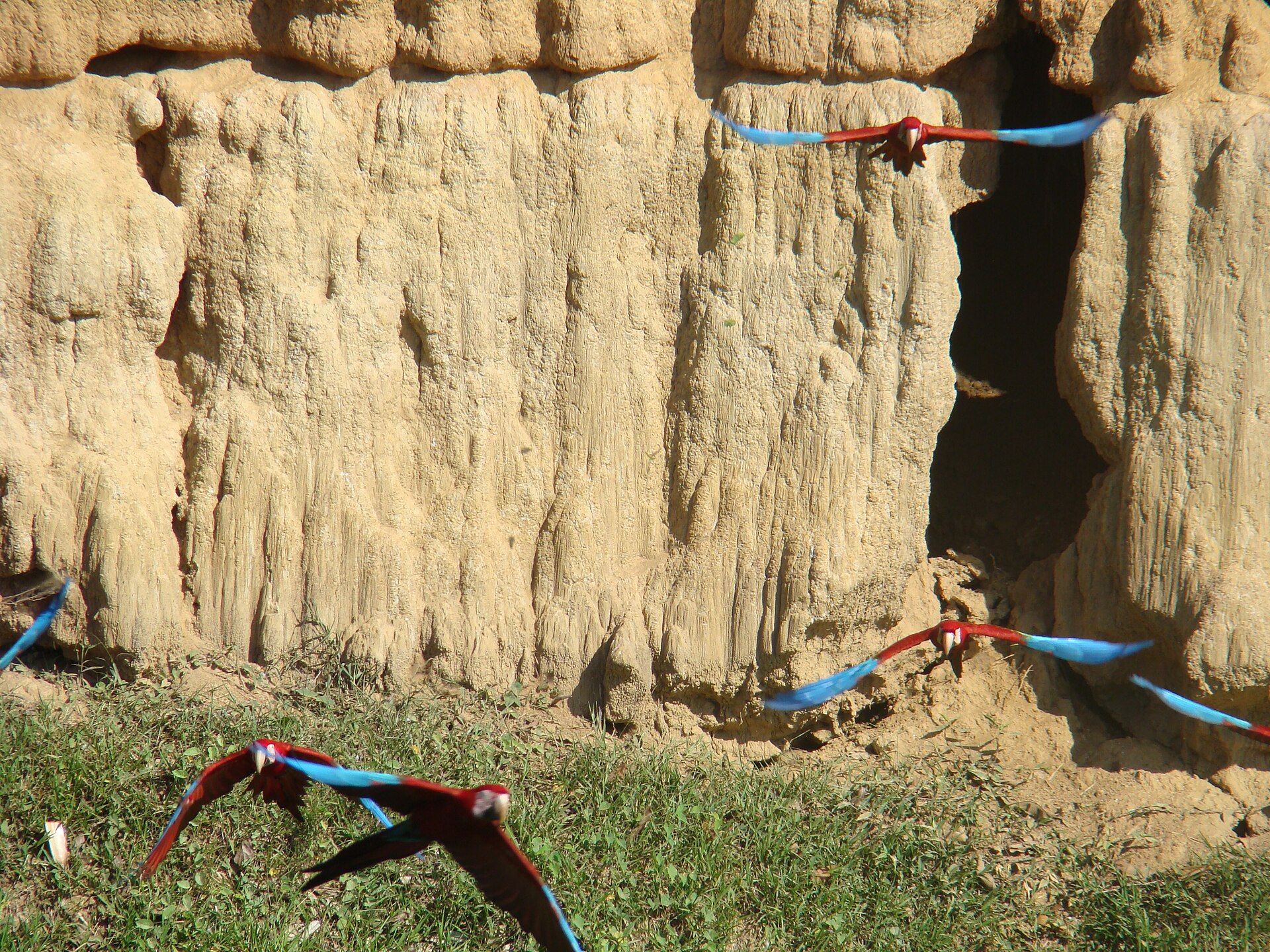
Manú protects an unbroken gradient from high Andean grassland at over 4,000 metres down through cloud forest to lowland Amazon rainforest, and that vertical range is the secret to its staggering diversity. It records over 1,000 bird species — more than any other protected area on Earth, roughly a tenth of all the birds in the world — alongside some 200 mammal species and an estimated 15,000 species of flowering plants. Jaguars, giant otters, tapirs, and thirteen species of monkey live here, and clay licks along the riverbanks draw hundreds of macaws and parrots each morning in a blaze of colour. Much of the park is a strictly protected core closed to visitors, and it shelters Indigenous peoples living in voluntary isolation. Because of that protection, and its sheer remoteness, Manú remains one of the least disturbed tropical wildernesses anywhere. It is a UNESCO World Heritage Site.
Why visit
Travelling from cloud forest down into pristine Amazon, watching hundreds of macaws blanket a clay lick at dawn, offers a depth of biodiversity — and a genuine sense of untouched wilderness — that few rainforest destinations can rival.
What to know before you go
🗓️ Best time
The dry season (roughly May–September) for passable roads and rivers, better wildlife viewing, and fewer mosquitoes; the wet season makes access very difficult.
🧭 Getting there & access
In southeastern Peru, reached from Cusco by a long road descent and then river boat — typically a multi-day guided trip; the strictly protected core zone is closed to general tourism.
Good to know
- Allow at least 5–8 days; getting in and out consumes much of the trip.
- Go with licensed operators — the reserved zone requires permits and guides.
- Visit a macaw clay lick at dawn, the park's signature spectacle.
Plan your visit
Strenuous🧭 Getting there
From Cusco, then Atalaya or Boca Manu
- Fly Lima → Cusco — roughly 1h30
- Road Cusco → Atalaya, over the Andes and down through cloud forest — a long 8–10h
- Motorised canoe downriver to the lodges — a further 3–8h depending how deep you go
- A light aircraft to Boca Manu shortens all of this considerably, at a price
- Total travel
- One to two days from Cusco
- Time at site
- 5–8 days; anything shorter only reaches the buffer zone
- Access
- Manu is zoned, and the distinction matters. The cultural and buffer zones are open with a licensed operator. The reserved zone requires permits arranged in advance through the park authority, with only a limited set of authorised operators. The core intangible zone is closed to visitors entirely, protecting peoples living in voluntary isolation. Do not treat "a Manu tour" as one product — ask precisely which zone you are being taken to.
🎒 What to bring & consider
- Yellow fever vaccination and malaria advice from a travel clinic
- Strong repellent and long, light clothing — sandflies and mosquitoes are constant rather than occasional here
- Rubber boots for mud, usually supplied by the lodge
- A dry bag and quick-dry clothing for very long open-boat journeys
- Warm layers for the cloud-forest section of the drive, which is cold and wet and a completely different climate from the lowlands
👁️ What to expect
- Crowds
- Very few people. Group sizes are small and the lodges are a long way apart.
- Conditions
- Punishing transfers, humidity, insects and rain. The biodiversity is the reward and it is genuinely exceptional.
- Facilities
- Lodges provide everything; between them there is nothing and no reliable communications.
- The view
- The macaw clay licks are the dependable spectacle and are most active in the drier months. Mammals are shy and the forest is dense — you will hear far more than you photograph.
Times and requirements are approximate and change with season, weather, and local rules — confirm permits, fares, and schedules with operators before you travel.
Natural riches of the area
- An unbroken gradient from 4,000 m Andes to lowland Amazon
- Over 1,000 bird species — more than any protected area on Earth
- Jaguars, giant otters, tapirs, and 13 monkey species
- Riverbank clay licks drawing hundreds of macaws daily
Local food
- Peruvian Amazon fish
- River fish such as paiche and doncella, grilled or wrapped in leaves.
- Juane
- Seasoned rice and chicken steamed in bijao leaves, an Amazon staple.
- Tropical fruit & cacao
- Native Amazonian fruits and cacao grown at the forest edge.
Manú may be the most biodiverse protected area on Earth, and the reason is vertical. The park descends unbroken from Andean grassland above 4,000 metres, down through cloud forest, and out into lowland Amazon rainforest — and stacking all those climate zones into one continuous corridor produces staggering variety.
The numbers are hard to absorb: over a thousand bird species, more than any other protected area anywhere and roughly a tenth of all the birds on the planet, along with some 200 mammals and an estimated 15,000 flowering plants. Jaguars, giant otters, tapirs, and thirteen kinds of monkey move through the forest, and at dawn the riverbank clay licks draw hundreds of macaws and parrots in a wall of colour. Much of Manú is a strictly protected core, closed to visitors and home to Indigenous peoples living in voluntary isolation — which is precisely why it remains one of the least disturbed tropical wildernesses left.
Manú National Park: common questions
How do you get to Manú National Park?
From Cusco, then Atalaya or Boca Manu: Fly Lima → Cusco — roughly 1h30; Road Cusco → Atalaya, over the Andes and down through cloud forest — a long 8–10h; Motorised canoe downriver to the lodges — a further 3–8h depending how deep you go; A light aircraft to Boca Manu shortens all of this considerably, at a price. Total travel time: One to two days from Cusco.
When is the best time to visit Manú National Park?
The dry season (roughly May–September) for passable roads and rivers, better wildlife viewing, and fewer mosquitoes; the wet season makes access very difficult.
How long should you spend at Manú National Park?
5–8 days; anything shorter only reaches the buffer zone. Total travel time: One to two days from Cusco.
What should you bring to Manú National Park?
Yellow fever vaccination and malaria advice from a travel clinic Strong repellent and long, light clothing — sandflies and mosquitoes are constant rather than occasional here Rubber boots for mud, usually supplied by the lodge A dry bag and quick-dry clothing for very long open-boat journeys Warm layers for the cloud-forest section of the drive, which is cold and wet and a completely different climate from the lowlands
Do you need a permit or guide for Manú National Park?
Manu is zoned, and the distinction matters. The cultural and buffer zones are open with a licensed operator. The reserved zone requires permits arranged in advance through the park authority, with only a limited set of authorised operators. The core intangible zone is closed to visitors entirely, protecting peoples living in voluntary isolation. Do not treat "a Manu tour" as one product — ask precisely which zone you are being taken to.
Is Manú National Park crowded, and what are conditions like?
Very few people. Group sizes are small and the lodges are a long way apart. Punishing transfers, humidity, insects and rain. The biodiversity is the reward and it is genuinely exceptional. Facilities: Lodges provide everything; between them there is nothing and no reliable communications.
Added
More wonders to explore
Cockscomb Basin Wildlife Sanctuary
Stann Creek District, south-central Belize, eastern Maya Mountains