The Pantanal
📍 Mato Grosso & Mato Grosso do Sul, Brazil
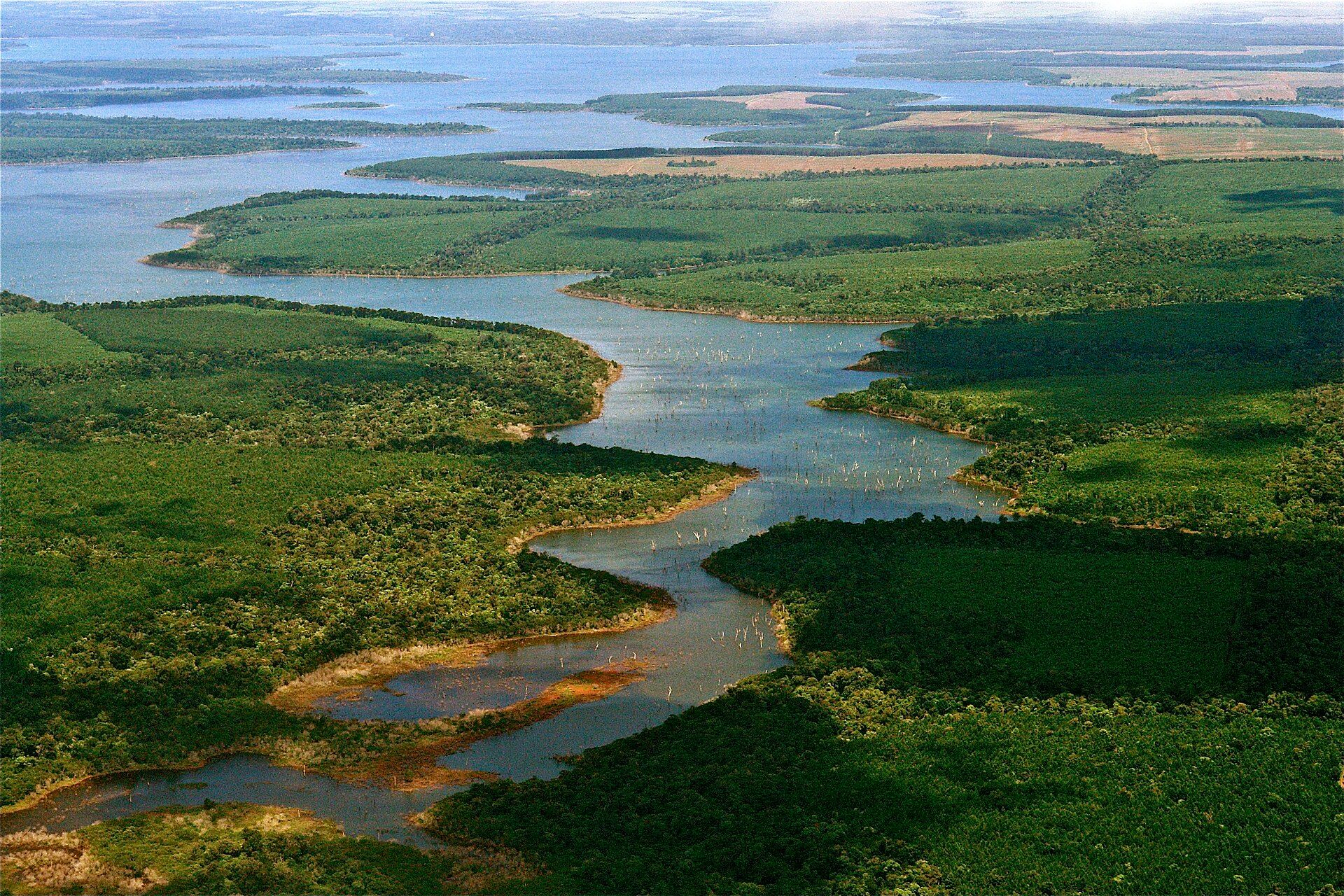
The world's largest tropical wetland — a vast seasonal floodplain that is the best place on Earth to see jaguars in the wild, teeming with caimans, capybaras, and millions of birds.
What makes it marvelous
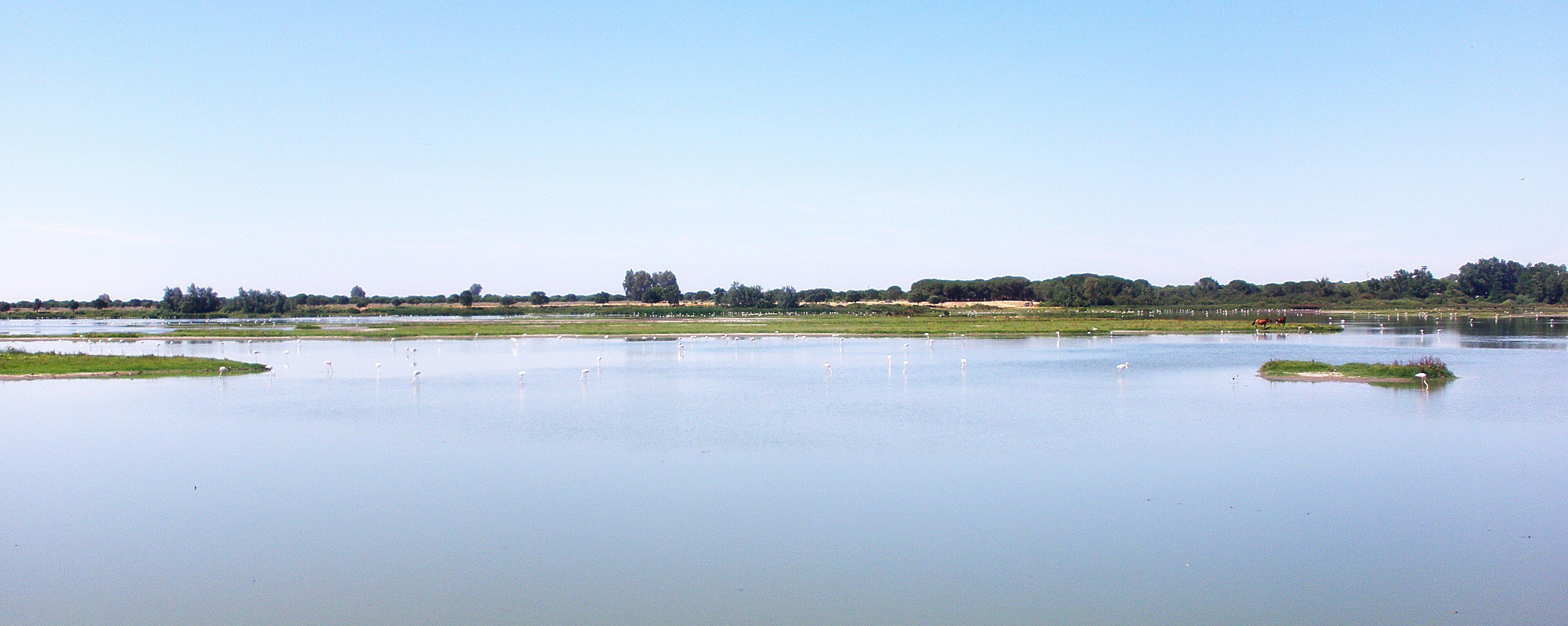
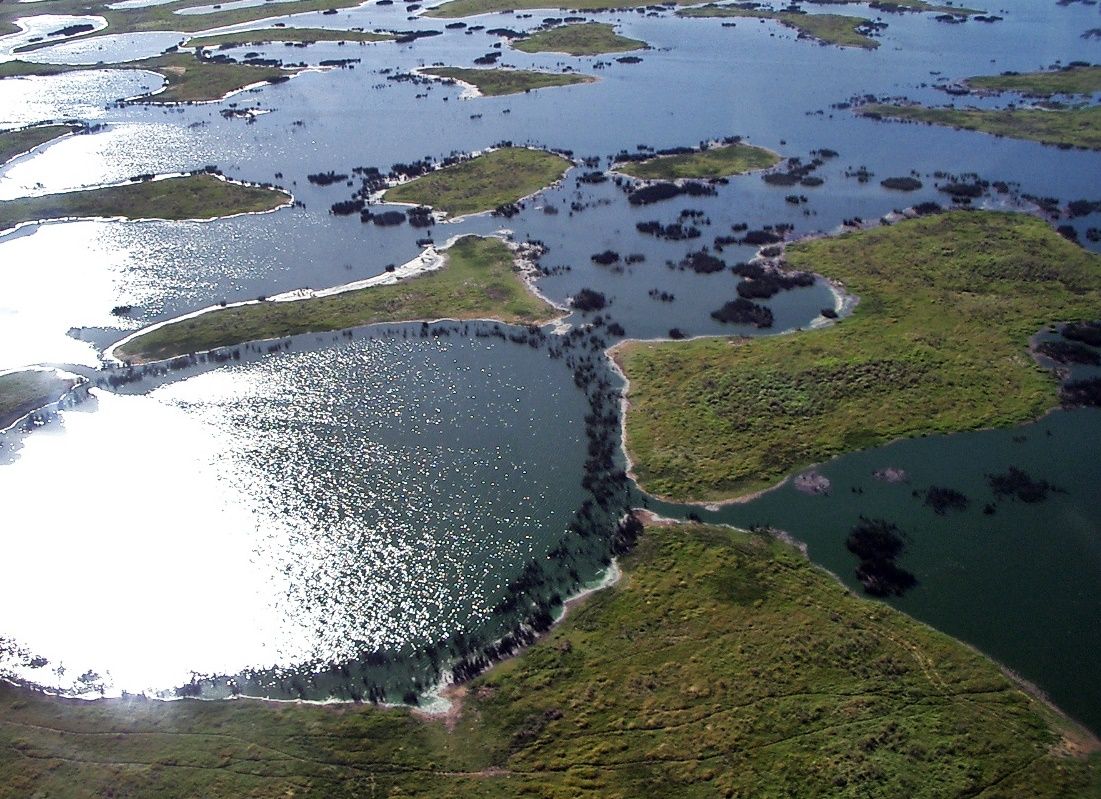
The Pantanal sprawls across some 150,000–200,000 square kilometres of central South America, mostly in Brazil, in a great annual pulse of flood and drought that makes it one of the most productive wildlife habitats on the planet. Because its vegetation is open compared with the dense Amazon, it offers the finest wildlife viewing in South America: it holds the highest density of jaguars anywhere, along with giant otters, tapirs, anteaters, hyacinth macaws, and jabiru storks, while its rivers brim with caimans and its banks with capybaras. In the dry season, as water retreats to rivers and pools, animals concentrate in spectacular numbers. It is a UNESCO World Heritage Site and a wildlife spectacle to rival any in the world.
Why visit
Nowhere on Earth gives you a better chance of watching a wild jaguar, and the sheer abundance — caimans, capybaras, giant otters, and clouds of birds along every river — makes the Pantanal a safari-like paradise, more open and rewarding for wildlife than even the Amazon.
Still deciding?
The Pantanal comes up most often against these — each one weighs cost, effort, season and crowds side by side.
What to know before you go
🗓️ Best time
The dry season (roughly June–October), when receding water concentrates wildlife and jaguar sightings peak; the wet season floods the plain and disperses animals.
🧭 Getting there & access
Reached via Cuiabá (northern Pantanal, along the Transpantaneira road) or Campo Grande (southern Pantanal) in Brazil. Lodges and river safaris are the main way to explore.
Good to know
- Come in the dry season for the best wildlife and jaguar viewing.
- Base at a wildlife lodge and take guided river and land safaris.
- Bring binoculars and a long lens — sightings can be at a distance.
Plan your visit
Moderate🧭 Getting there
From Cuiaba (CGB) for the northern Pantanal; Campo Grande (CGR) for the south
- Fly Sao Paulo → Cuiaba — roughly 2h30
- Road Cuiaba → Pocone and the head of the Transpantaneira — about 2h–3h
- The Transpantaneira itself is a raised dirt road over many wooden bridges, running to Porto Jofre — a further 3–5h depending on its condition
- Total travel
- Most of a day from Sao Paulo
- Time at site
- 4–6 days; jaguar-focused trips base themselves at Porto Jofre
- Access
- Mostly private ranch land with lodges, so access comes through your lodge or operator rather than a park gate. Jaguar viewing on the rivers around Porto Jofre is boat-based and works in the dry season, roughly June to October, when animals concentrate along the water; through the wet months much of the region floods and the road becomes impassable. Boat operators work under rules governing distance and engine use around jaguars.
🎒 What to bring & consider
- Strong repellent and long sleeves; mosquitoes at dawn and dusk are relentless
- Sun protection for hours in an open boat with no shade whatsoever
- Yellow fever vaccination and travel-clinic advice for the region
- Binoculars — this is the best big-wildlife watching in South America and a great deal of it is birds
- A dust-proof bag for camera gear on the Transpantaneira
👁️ What to expect
- Crowds
- Low overall, though boats do converge on a jaguar sighting near Porto Jofre.
- Conditions
- Hours in open boats and safari vehicles, with extreme sun, heat and insects. The road is rough and the bridges are memorable.
- Facilities
- Lodges provide everything; there is nothing between them.
- The view
- The Pantanal is far better than the Amazon for actually seeing animals — open habitat rather than closed canopy. Jaguars in the dry season are a realistic hope rather than a long shot, which is unusual for a big cat anywhere on earth.
Times and requirements are approximate and change with season, weather, and local rules — confirm permits, fares, and schedules with operators before you travel.
Natural riches of the area
- The world's largest tropical wetland and seasonal floodplain
- The planet's densest jaguar population
- Giant otters, tapirs, anteaters, and caimans
- Spectacular birdlife including hyacinth macaws and jabiru storks
Local food
- Freshwater fish
- River fish such as pintado and pacu, grilled or stewed Pantaneiro-style.
- Pantaneiro beef
- Cattle ranching is traditional here; grilled beef is a staple.
- Tereré
- A cold, refreshing yerba-mate drink popular across the region.
The Pantanal is South America’s greatest wildlife stage. Spilling across central Brazil into Bolivia and Paraguay, this vast seasonal floodplain — the largest tropical wetland on Earth — pulses each year between flood and drought, and that rhythm makes it astonishingly rich in life. Crucially, its landscape is open where the Amazon is dense, so the animals are actually visible.
That openness is why the Pantanal, not the Amazon, is the place to come for wildlife. It holds the highest density of jaguars anywhere on the planet, and along its rivers you’ll find giant otters, capybaras, caimans by the thousand, tapirs, anteaters, and brilliant hyacinth macaws. In the dry season, as the water pulls back to the rivers, the wildlife concentrates in numbers that rival an African safari. A UNESCO World Heritage Site, it is one of the most rewarding natural spectacles in the Americas.
The Pantanal: common questions
How do you get to The Pantanal?
From Cuiaba (CGB) for the northern Pantanal; Campo Grande (CGR) for the south: Fly Sao Paulo → Cuiaba — roughly 2h30; Road Cuiaba → Pocone and the head of the Transpantaneira — about 2h–3h; The Transpantaneira itself is a raised dirt road over many wooden bridges, running to Porto Jofre — a further 3–5h depending on its condition. Total travel time: Most of a day from Sao Paulo.
When is the best time to visit The Pantanal?
The dry season (roughly June–October), when receding water concentrates wildlife and jaguar sightings peak; the wet season floods the plain and disperses animals.
How long should you spend at The Pantanal?
4–6 days; jaguar-focused trips base themselves at Porto Jofre. Total travel time: Most of a day from Sao Paulo.
What should you bring to The Pantanal?
Strong repellent and long sleeves; mosquitoes at dawn and dusk are relentless Sun protection for hours in an open boat with no shade whatsoever Yellow fever vaccination and travel-clinic advice for the region Binoculars — this is the best big-wildlife watching in South America and a great deal of it is birds A dust-proof bag for camera gear on the Transpantaneira
Do you need a permit or guide for The Pantanal?
Mostly private ranch land with lodges, so access comes through your lodge or operator rather than a park gate. Jaguar viewing on the rivers around Porto Jofre is boat-based and works in the dry season, roughly June to October, when animals concentrate along the water; through the wet months much of the region floods and the road becomes impassable. Boat operators work under rules governing distance and engine use around jaguars.
Is The Pantanal crowded, and what are conditions like?
Low overall, though boats do converge on a jaguar sighting near Porto Jofre. Hours in open boats and safari vehicles, with extreme sun, heat and insects. The road is rough and the bridges are memorable. Facilities: Lodges provide everything; there is nothing between them.
Added
More wonders to explore