The Everglades
📍 Florida, United States
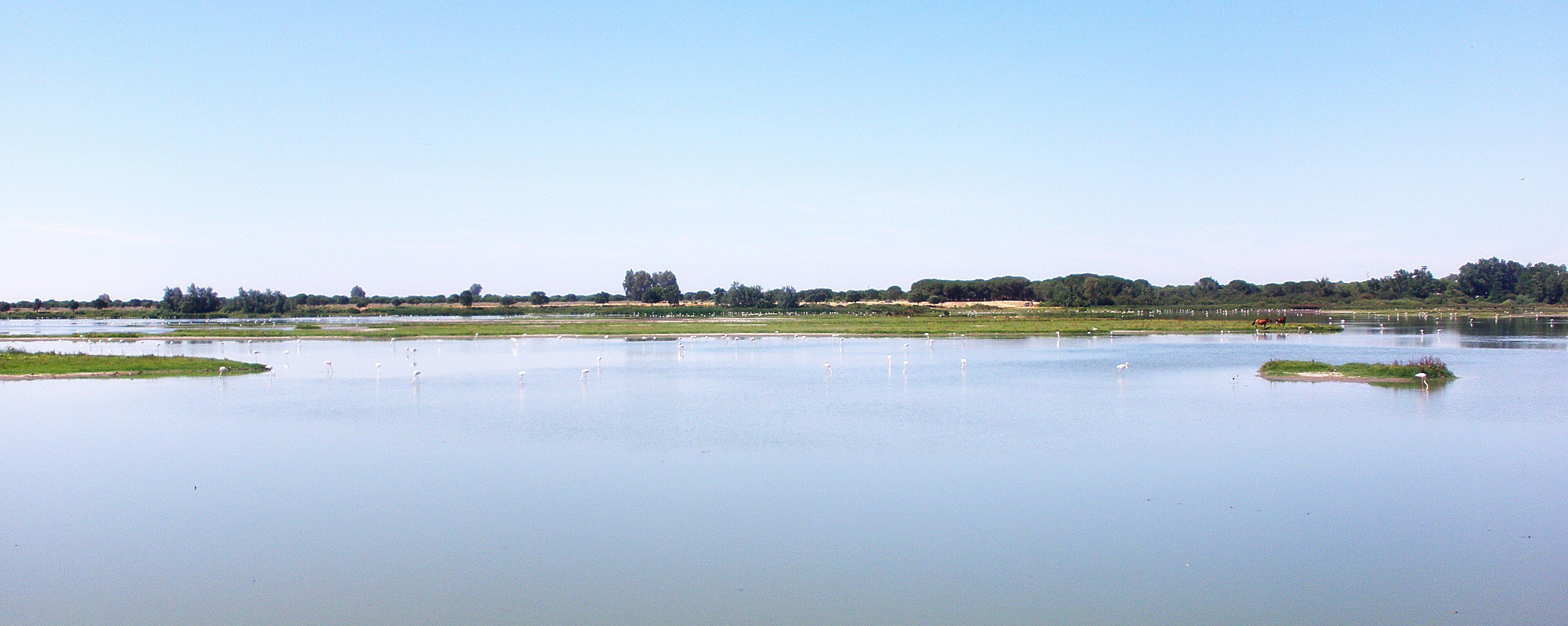
A vast, slow-moving 'river of grass' at the tip of Florida — a shallow, sawgrass-covered wetland the size of a small country, and the only place on Earth where alligators and crocodiles live side by side.
What makes it marvelous
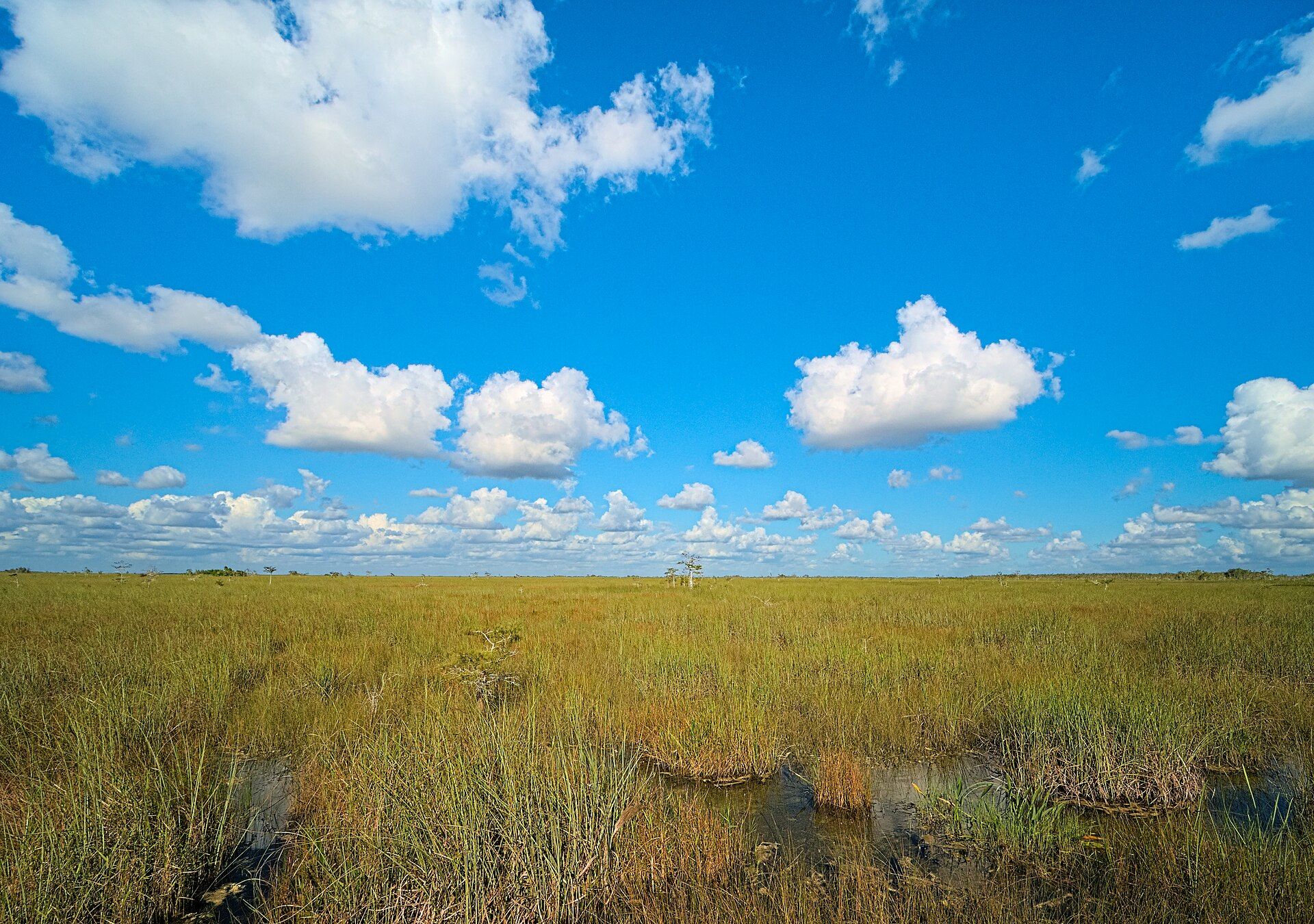
The Everglades are not a swamp but a river — a sheet of fresh water up to 100 kilometres wide, only centimetres deep, creeping almost imperceptibly southward across a bed of sawgrass to the sea. This unique flow supports a mosaic of habitats — sawgrass marsh, tree islands, cypress swamp, mangrove coast, and seagrass bays — and a wealth of wildlife, from wading birds and manatees to the endangered Florida panther. Uniquely, it is the only place where both American alligators and American crocodiles are found together. A UNESCO World Heritage Site, it is also a fragile, much-threatened ecosystem central to Florida's water supply.
Why visit
Gliding through the sawgrass and mangroves by kayak or airboat, spotting alligators basking, wading birds stalking the shallows, and perhaps a manatee, is a wild immersion into one of North America's most unusual and important ecosystems.
Still deciding?
The Everglades comes up most often against these — each one weighs cost, effort, season and crowds side by side.
What to know before you go
🗓️ Best time
The dry season (roughly December–April), when wildlife concentrates around shrinking pools, the weather is pleasant, and mosquitoes are fewer; summer is hot, wet, and buggy.
🧭 Getting there & access
At the southern tip of Florida, reached from Miami or Naples. Visitor centres, boardwalks, tram tours, and kayak/airboat trips explore different parts of the vast park.
Good to know
- Visit in the dry season for the best wildlife and fewest mosquitoes.
- Keep a safe distance from alligators and never feed wildlife.
- Explore by kayak or boardwalk for the most intimate views.
Plan your visit
Easy🧭 Getting there
From Miami or Homestead, Florida
- Fly → Miami (MIA)
- Drive Miami → Ernest Coe visitor centre at Homestead — roughly 1h
- Drive Miami → Shark Valley on the Tamiami Trail — about 45 minutes to an hour
- Drive Miami → Everglades City on the Gulf Coast — roughly 1h30–2h
- Total travel
- About an hour from Miami to the first entrance
- Time at site
- Two or three days to cover more than one entrance
- Access
- National park entry fee covering all entrances for a week. Backcountry camping and the Wilderness Waterway need a permit from the Park Service. The season is the whole story: in the dry months, roughly December to April, water levels drop and wildlife concentrates at the remaining pools, which is when the park works. In the wet season much of it floods, mosquitoes become genuinely intolerable and some facilities reduce hours. Confirm seasonal hours and water conditions with the National Park Service.
🎒 What to bring & consider
- Serious insect repellent and long sleeves — in the wet season the mosquitoes here are the reason visitors leave after twenty minutes, and no amount of willpower substitutes
- A dry-season visit if you have any choice at all, since it changes both the wildlife and the comfort completely
- Sun protection for a landscape with almost no shade and a lot of reflected light off water
- Binoculars, because most of the wildlife is at distance across sawgrass rather than beside the boardwalk
- The sense to keep back from the water's edge: this is the only place on earth where alligators and crocodiles share range, and both are present
👁️ What to expect
- Crowds
- Steady at Shark Valley and Anhinga Trail in winter. The backcountry and the Gulf Coast paddling routes are empty.
- Conditions
- Flat, hot and humid. Boardwalks and easy trails at the entrances; paddling and poling everywhere else.
- Facilities
- Visitor centres, boardwalks, tram and boat tours, campgrounds. Nothing in the interior.
- The view
- Wading birds and alligators packed around a dry-season slough on the Anhinga Trail, at first light. The wide sawgrass river is famously hard to photograph — it reads as a flat green field in almost every frame, and the park is better experienced from a canoe than through a lens.
Times and requirements are approximate and change with season, weather, and local rules — confirm permits, fares, and schedules with operators before you travel.
Natural riches of the area
- A vast, slow-flowing freshwater 'river of grass'
- The only shared range of alligators and crocodiles
- Mangrove coasts, cypress swamps, and seagrass bays
- Habitat for manatees, wading birds, and the Florida panther
Local food
- Stone crab & fresh fish
- Florida's prized stone-crab claws and Gulf seafood.
- Key lime pie
- The tart, creamy South Florida classic.
- Cuban sandwiches & fritters
- Miami's Cuban-influenced staples, plus alligator bites at roadside stands.
The Everglades confound the usual idea of a swamp. This is a river — a sheet of fresh water up to a hundred kilometres wide but only ankle- to knee-deep, creeping so slowly southward across a bed of sawgrass toward the sea that early visitors named it the ‘river of grass’. That gentle flow knits together a whole mosaic of habitats: sawgrass marsh, hammocks of hardwood trees, cypress swamp, and a tangled mangrove coast.
Life fills every part of it. Wading birds stalk the shallows, manatees drift in the coastal bays, the endangered Florida panther prowls the tree islands, and — uniquely on Earth — both alligators and crocodiles share these waters. A UNESCO World Heritage Site and the source of much of South Florida’s fresh water, the Everglades are as fragile as they are vast. Explored by kayak or boardwalk in the cool dry season, they are one of North America’s strangest and most vital wild places.
The Everglades: common questions
How do you get to The Everglades?
From Miami or Homestead, Florida: Fly → Miami (MIA); Drive Miami → Ernest Coe visitor centre at Homestead — roughly 1h; Drive Miami → Shark Valley on the Tamiami Trail — about 45 minutes to an hour; Drive Miami → Everglades City on the Gulf Coast — roughly 1h30–2h. Total travel time: About an hour from Miami to the first entrance.
When is the best time to visit The Everglades?
The dry season (roughly December–April), when wildlife concentrates around shrinking pools, the weather is pleasant, and mosquitoes are fewer; summer is hot, wet, and buggy.
How long should you spend at The Everglades?
Two or three days to cover more than one entrance. Total travel time: About an hour from Miami to the first entrance.
What should you bring to The Everglades?
Serious insect repellent and long sleeves — in the wet season the mosquitoes here are the reason visitors leave after twenty minutes, and no amount of willpower substitutes A dry-season visit if you have any choice at all, since it changes both the wildlife and the comfort completely Sun protection for a landscape with almost no shade and a lot of reflected light off water Binoculars, because most of the wildlife is at distance across sawgrass rather than beside the boardwalk The sense to keep back from the water's edge: this is the only place on earth where alligators and crocodiles share range, and both are present
Do you need a permit or guide for The Everglades?
National park entry fee covering all entrances for a week. Backcountry camping and the Wilderness Waterway need a permit from the Park Service. The season is the whole story: in the dry months, roughly December to April, water levels drop and wildlife concentrates at the remaining pools, which is when the park works. In the wet season much of it floods, mosquitoes become genuinely intolerable and some facilities reduce hours. Confirm seasonal hours and water conditions with the National Park Service.
Is The Everglades crowded, and what are conditions like?
Steady at Shark Valley and Anhinga Trail in winter. The backcountry and the Gulf Coast paddling routes are empty. Flat, hot and humid. Boardwalks and easy trails at the entrances; paddling and poling everywhere else. Facilities: Visitor centres, boardwalks, tram and boat tours, campgrounds. Nothing in the interior.
Added
More wonders to explore