Queen Elizabeth National Park
📍 Western Uganda, between Lake George and Lake Edward
Savanna, crater lakes and forested gorges below the Rwenzori Mountains — home to the tree-climbing lions of Ishasha and Kyambura Gorge, a sunken forest in the plains.
What makes it marvelous
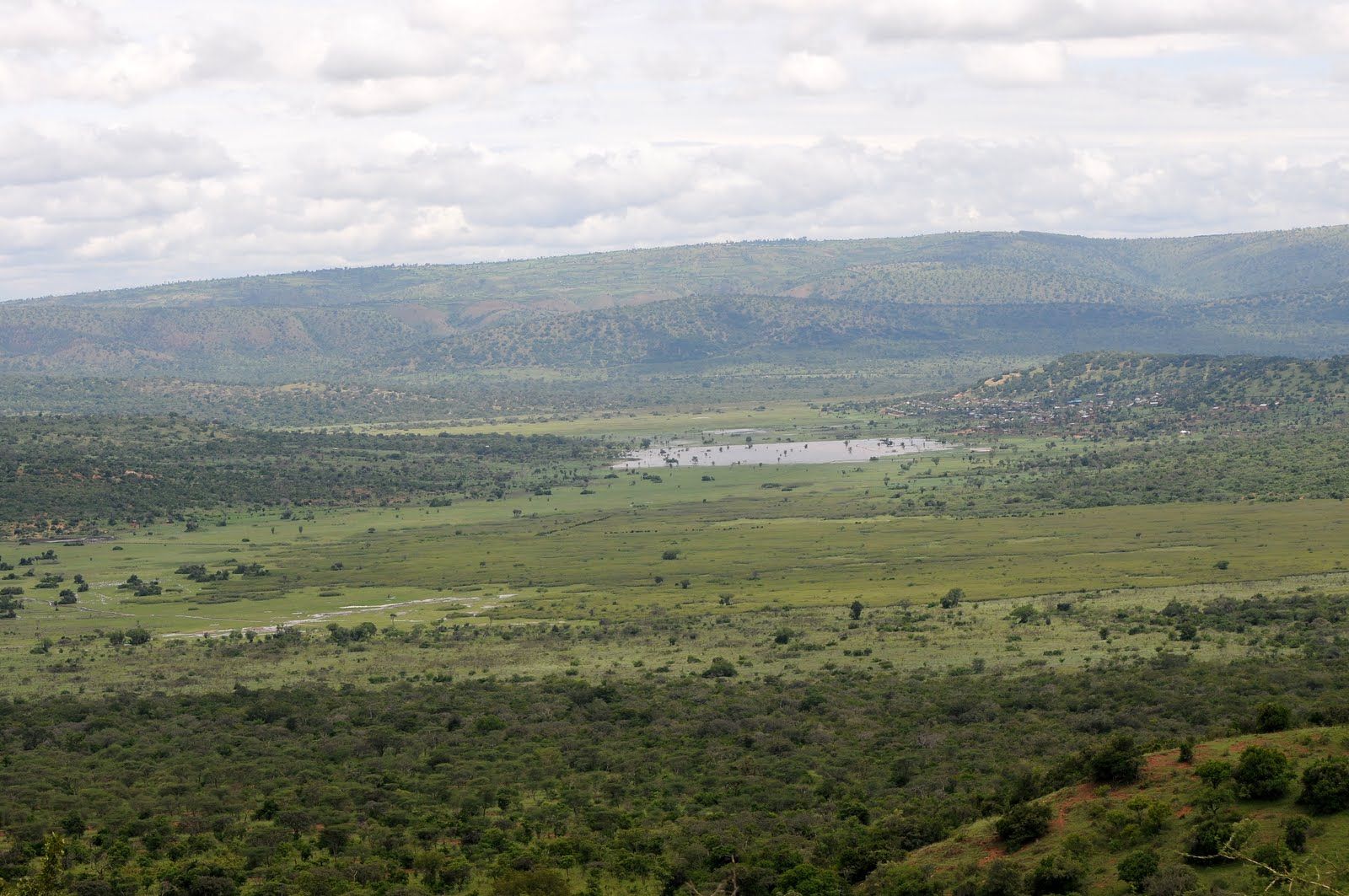
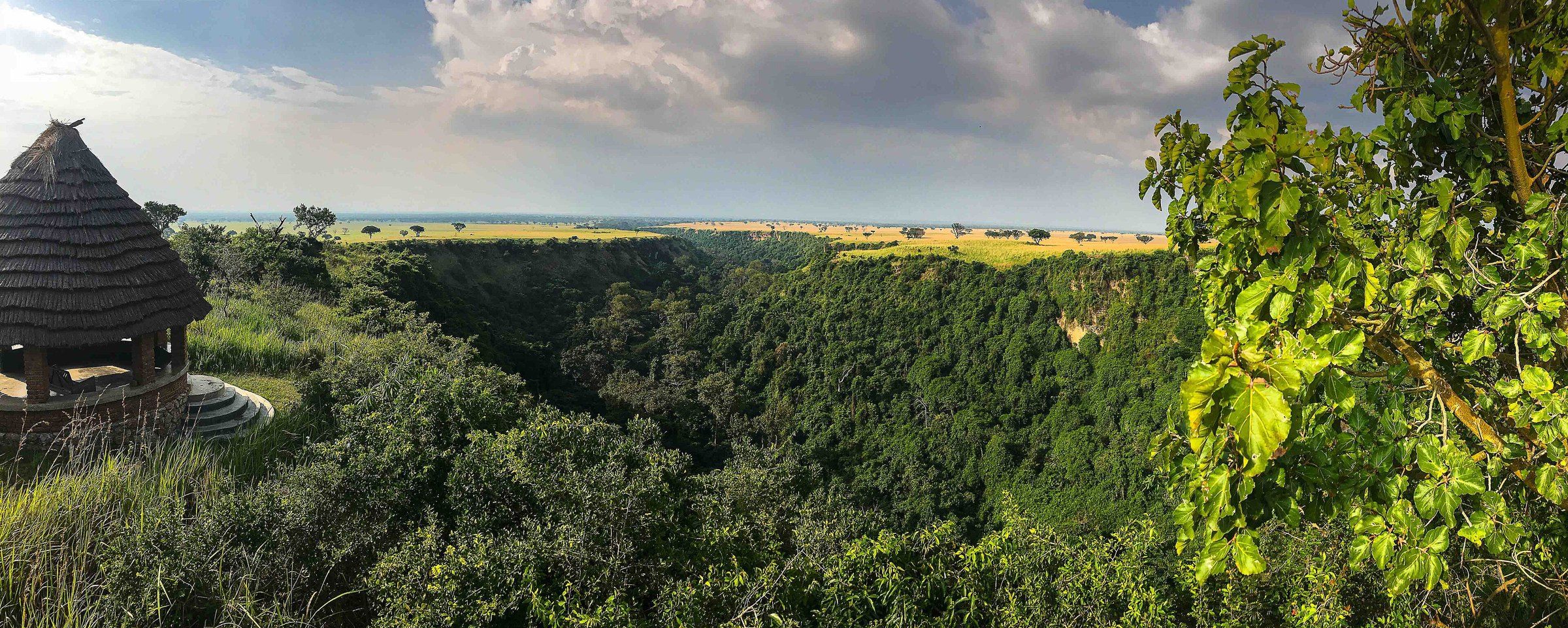
Queen Elizabeth National Park covers about 1,978 km² of western Uganda, formed by joining the Lake George and Lake Edward game reserves. It is a landscape of open savanna broken by volcanic cones and craters, many holding crater lakes, and by Kyambura Gorge, a forested rift sunk below the surrounding grassland. In the southern Ishasha sector, lions are known for climbing into fig trees.
Why visit
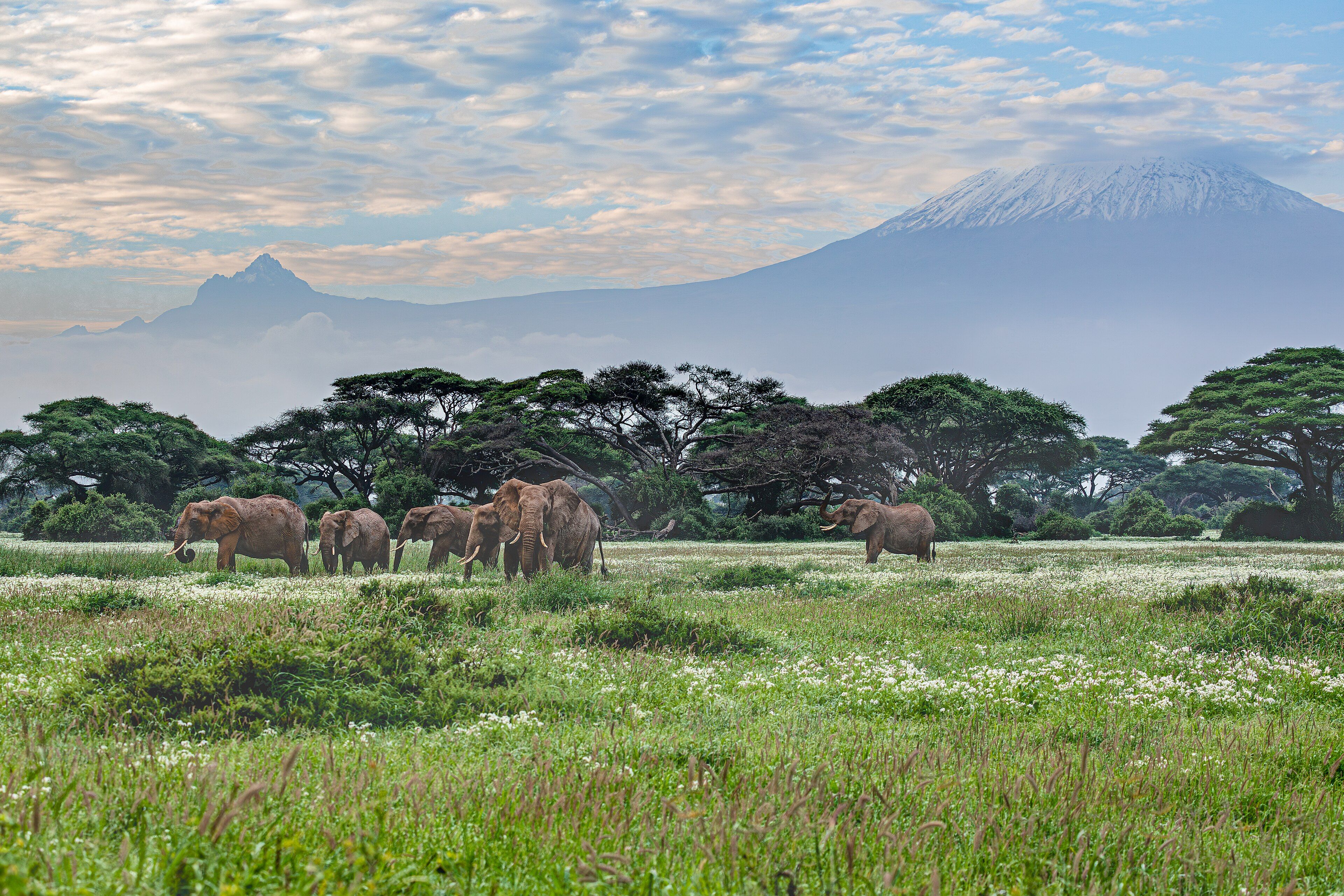
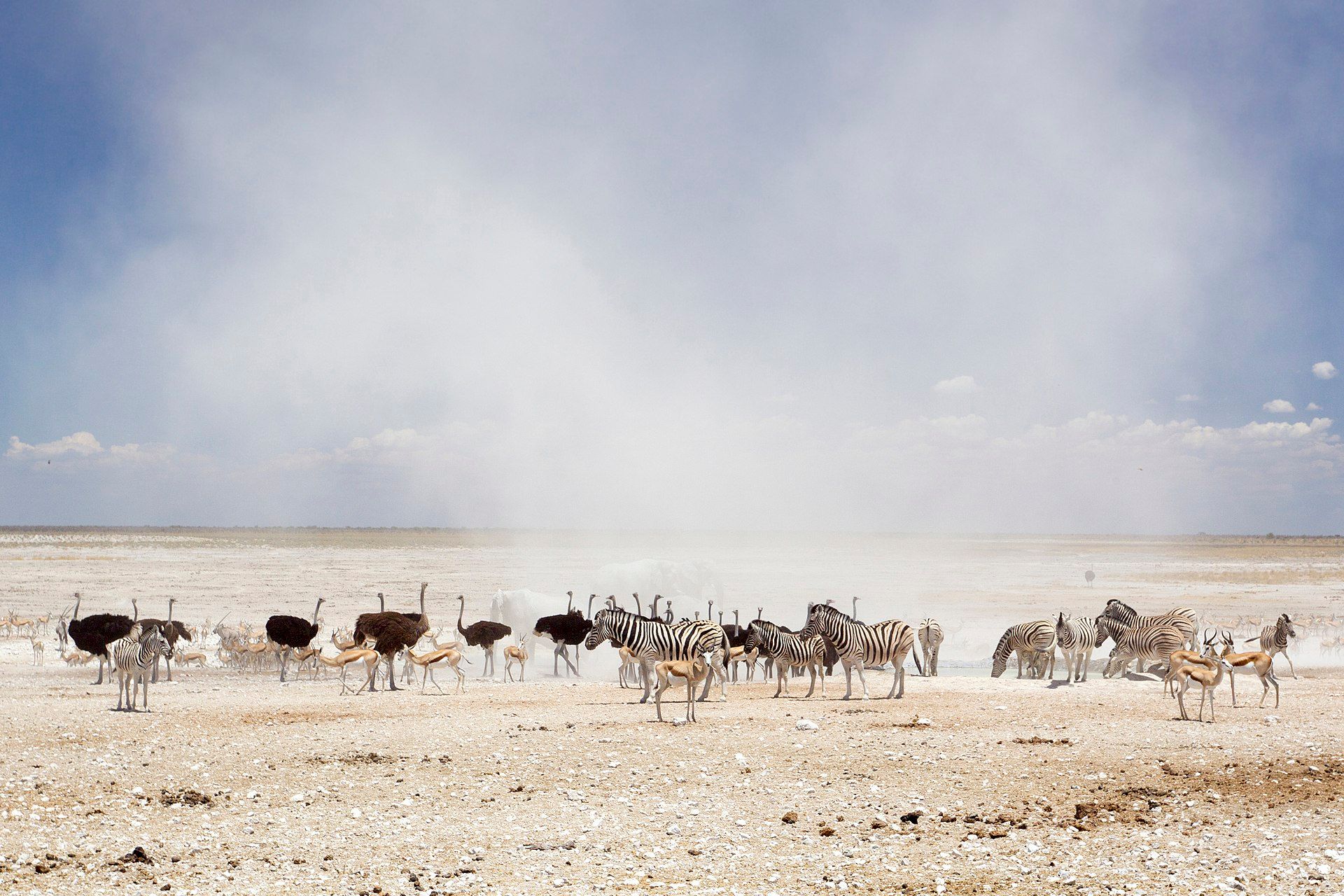
It packs remarkable variety into one park: savanna game drives, crater lakes, a hidden gorge forest and the famous tree-climbing lions. Over 600 bird species have been recorded, making it one of Africa's great birding parks.
What to know before you go
🗓️ Best time
The drier months are easiest for game drives; the park can be visited all year.
🧭 Getting there & access
The park lies in western Uganda; Kasese is the nearest city. It is managed by the Uganda Wildlife Authority and is commonly combined with Bwindi and the Rwenzori Mountains.
Good to know
- Look for lions resting in fig trees in the Ishasha sector.
- Visit Kyambura Gorge to see how the forest hides below the plains.
- Pair it with Bwindi to the south for a gorilla trek.
Plan your visit
Easy🧭 Getting there
From Entebbe (EBB), via Kampala
- Fly into Entebbe
- Drive west via Kampala toward Kasese
- Explore the park by game drive, with a side trip to Kyambura Gorge and Ishasha
- Total travel
- A full day by road from Kampala
- Time at site
- 2–3 days
- Access
- Uganda Wildlife Authority park fees apply. Game drives are usually arranged through lodges or tour operators.
🎒 What to bring & consider
- Binoculars for birds and lions in trees
- Sun protection and insect repellent
- A guide or organised safari
👁️ What to expect
- Crowds
- Moderate; busiest on the main safari circuits.
- Conditions
- Warm and humid; showers in the rains.
- Facilities
- Lodges and campsites across the park.
- The view
- Kyambura Gorge's forest canopy sunk below the golden savanna.
Times and requirements are approximate and change with season, weather, and local rules — confirm permits, fares, and schedules with operators before you travel.
Natural riches of the area
- Savanna, crater lakes and volcanic cones
- Kyambura Gorge, a forested rift in the grassland
- Tree-climbing lions of Ishasha
- Over 600 recorded bird species
Local food
- Rolex
- Uganda's chapati-and-omelette street food.
- Tilapia from the lakes
- Fresh fish from Lakes George and Edward.
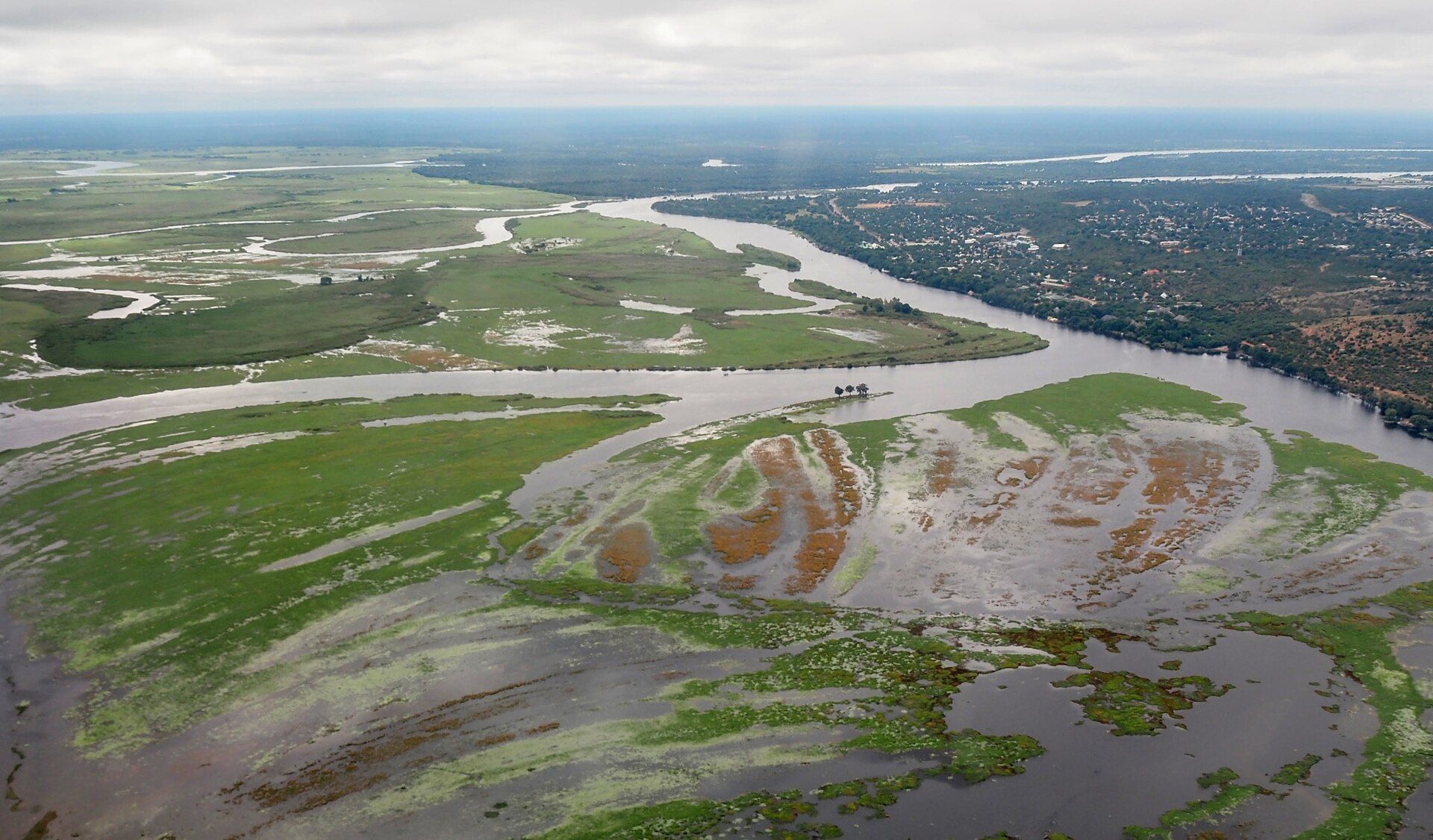
Queen Elizabeth National Park is Uganda in miniature. Created in 1952 by joining the Lake George and Lake Edward game reserves, it covers about 1,978 km² of the Western Region, and within it you find open savanna, volcanic cones and craters full of lakes, papyrus-fringed shores, and a forested gorge sunk into the plains.
That gorge, Kyambura, is one of the park’s surprises: from the savanna it is invisible until you reach the edge and look down into a strip of rainforest growing far below. In the southern Ishasha sector, the park’s lions have another surprise — they climb into the branches of fig trees and rest there through the heat of the day.
With over 600 bird species recorded, the park is also one of Africa’s great birding destinations. It sits between the Rwenzori Mountains to the north and Bwindi’s gorilla forests to the south, so most visitors weave it into a longer journey through western Uganda.
Queen Elizabeth National Park: common questions
How do you get to Queen Elizabeth National Park?
From Entebbe (EBB), via Kampala: Fly into Entebbe; Drive west via Kampala toward Kasese; Explore the park by game drive, with a side trip to Kyambura Gorge and Ishasha. Total travel time: A full day by road from Kampala.
When is the best time to visit Queen Elizabeth National Park?
The drier months are easiest for game drives; the park can be visited all year.
How long should you spend at Queen Elizabeth National Park?
2–3 days. Total travel time: A full day by road from Kampala.
What should you bring to Queen Elizabeth National Park?
Binoculars for birds and lions in trees Sun protection and insect repellent A guide or organised safari
Do you need a permit or guide for Queen Elizabeth National Park?
Uganda Wildlife Authority park fees apply. Game drives are usually arranged through lodges or tour operators.
Is Queen Elizabeth National Park crowded, and what are conditions like?
Moderate; busiest on the main safari circuits. Warm and humid; showers in the rains. Facilities: Lodges and campsites across the park.
Added