Yosemite Falls is usually dry in August: what people get wrong about famous wonders
Write up enough places and the errors start to rhyme. Across the atlas we kept running into the same widely believed things that turn out, on checking, to be wrong — and the interesting part is that they are not random. They fall into four groups, each with a cause, and almost none of them are the visitor’s fault.
1. The name is lying to you
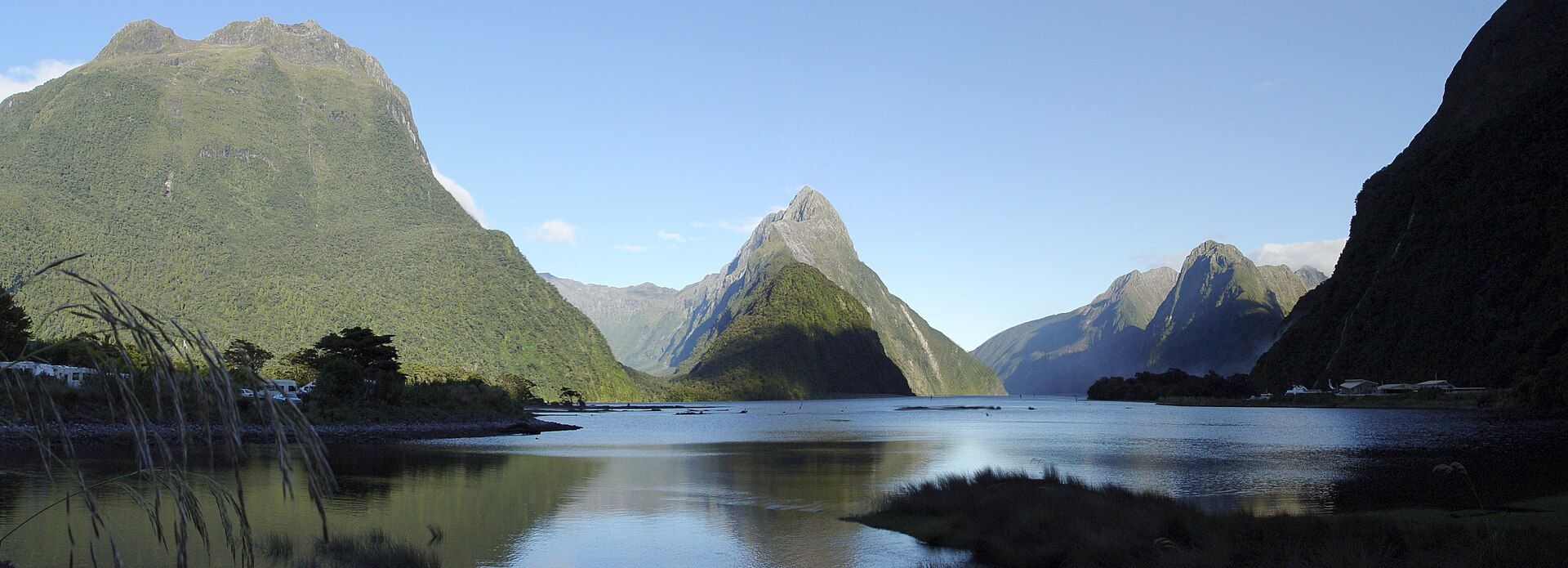
Milford Sound is not a sound. A sound is a drowned river valley; Milford was gouged by a glacier, which makes it a fiord. The sealer who charted it borrowed the name of Milford Haven in Wales and the label stuck for two centuries. You can see the difference in the shape: the floor is over-deepened, so the water inside is deeper than the sill across its mouth — something a river could not do.
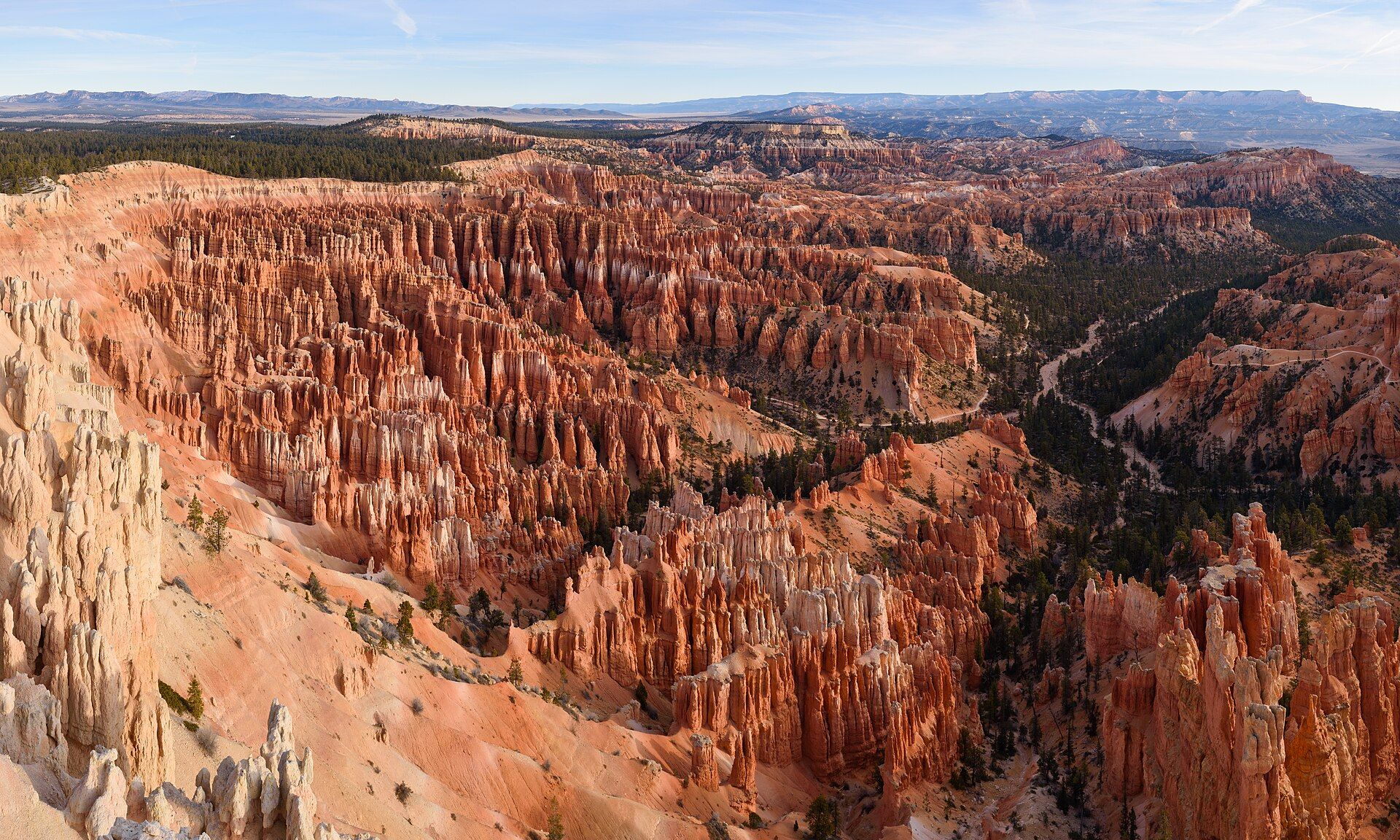
Bryce Canyon is not a canyon either. No river carved it. It is the eroding edge of a plateau, retreating into a set of natural amphitheatres, and the sculptor is frost rather than water — the rim crosses freezing somewhere between 170 and 200 times a year, and each cycle levers the cracks a little wider.
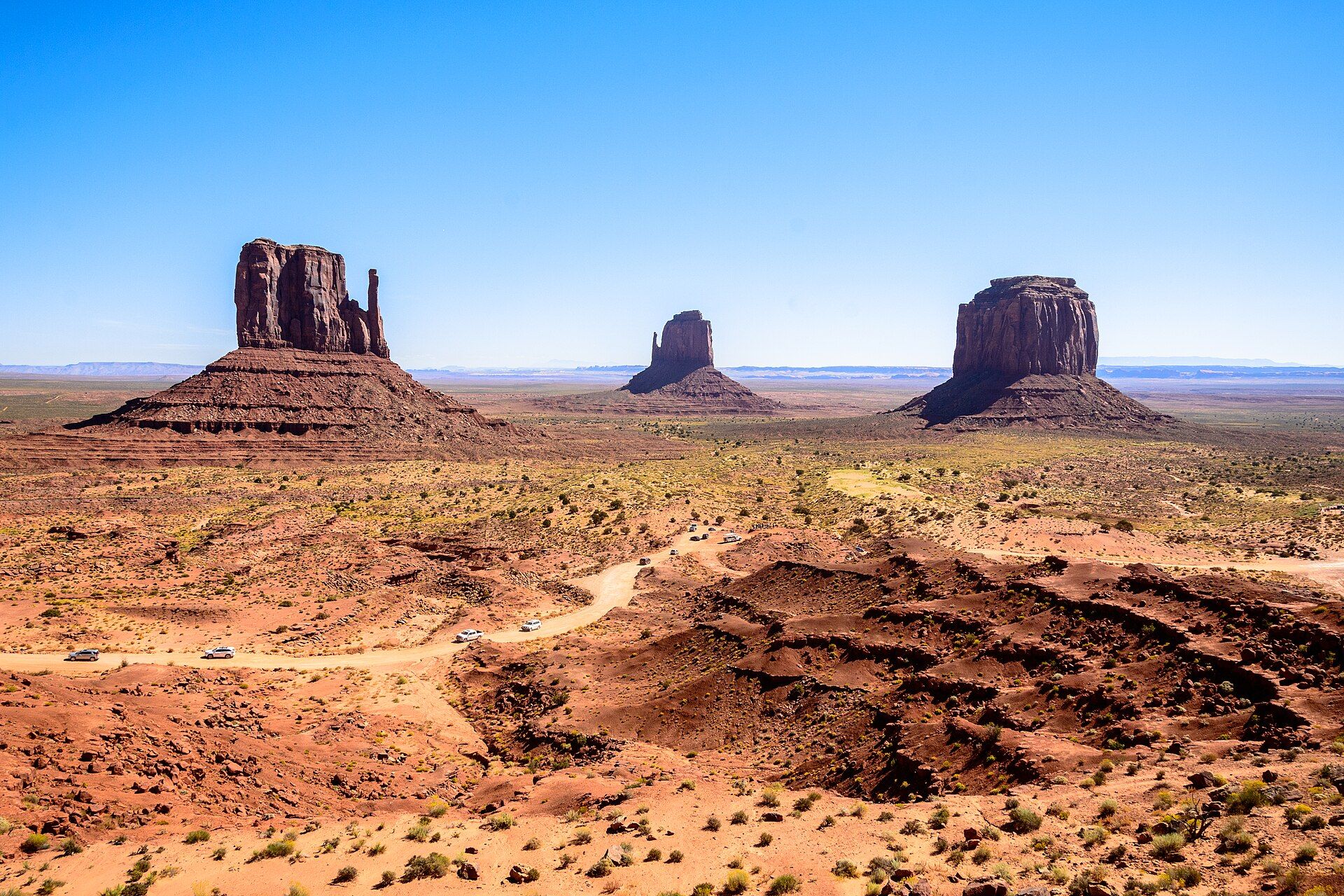
Monument Valley is not a valley in any ordinary sense; it is what remains after a plateau has been stripped away, leaving the hardest fragments standing. The names were given by people describing what a landscape looked like, not what had produced it, and they have outlived the geology by a long way.
2. The photograph was taken in a different month
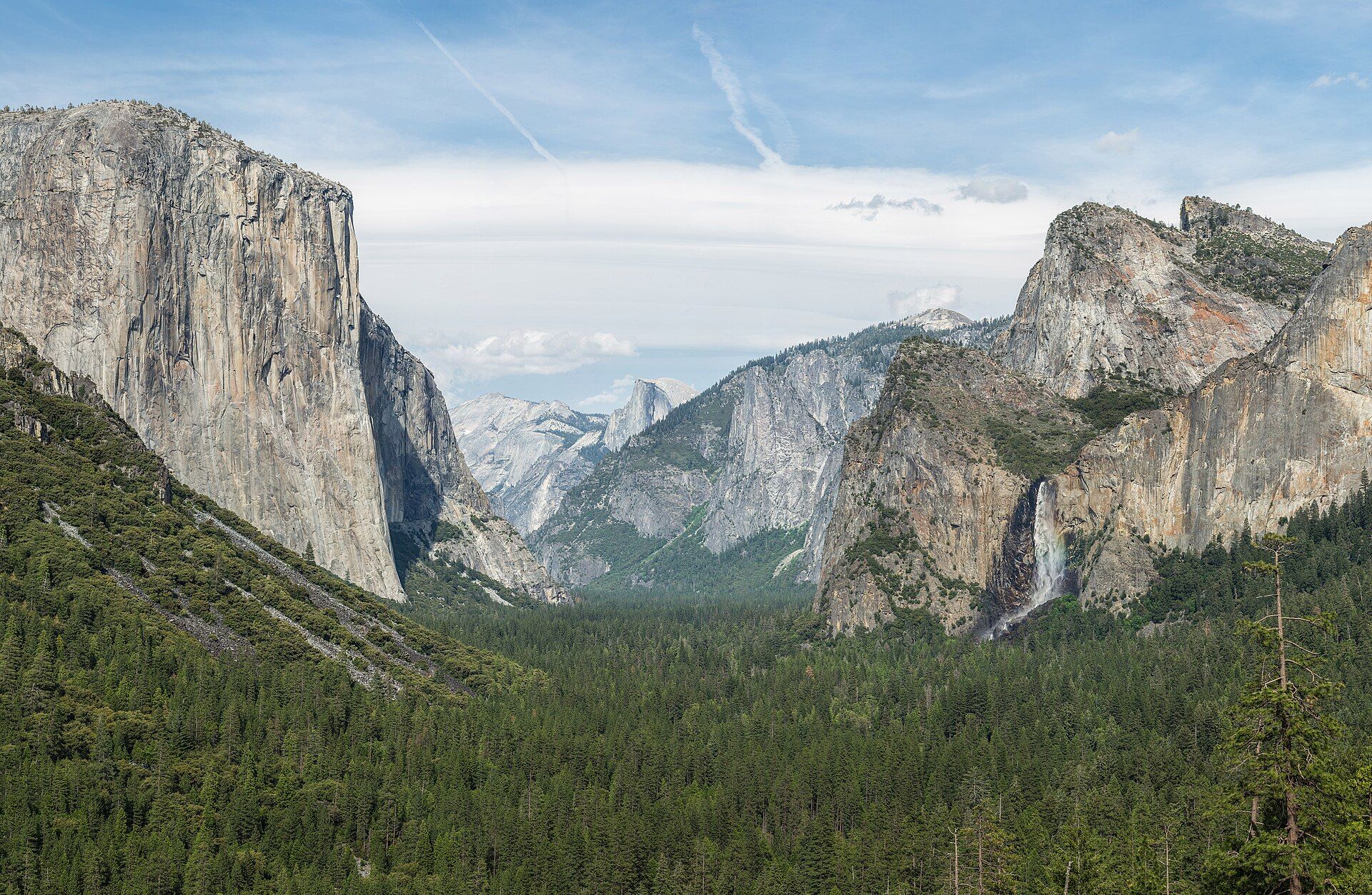
This one costs people real money. Yosemite’s waterfalls are fed by snowmelt, not springs. They peak around late May, and by August Yosemite Falls is frequently bone dry — a stain on the cliff where the picture that sold you the trip was taken in spring.
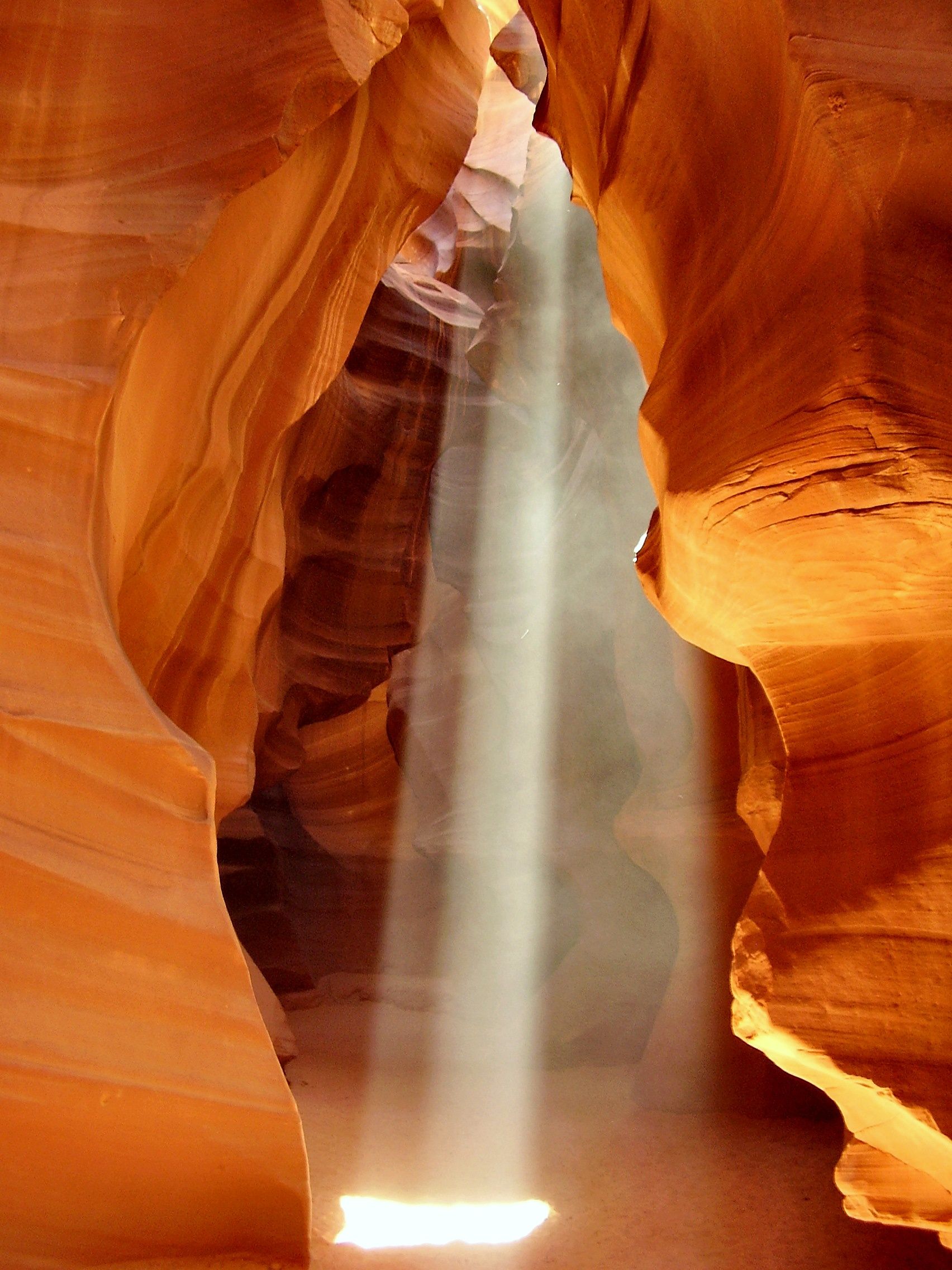
The pattern repeats everywhere once you look. The mirror on Salar de Uyuni needs a film of water on the salt, so it is a wet-season phenomenon; go in the dry months and you get a white plain instead. The Yuanyang terraces are flooded through the cool months, which is the opposite of what most people assume about rice. And the famous light beams in Antelope Canyon need a high sun — roughly late March to early October, and only around midday.
We collected the worst offenders in a guide to the wonders you can miss by visiting in the wrong month, because the month is often a bigger factor than the destination.
3. Two different measurements, two different winners
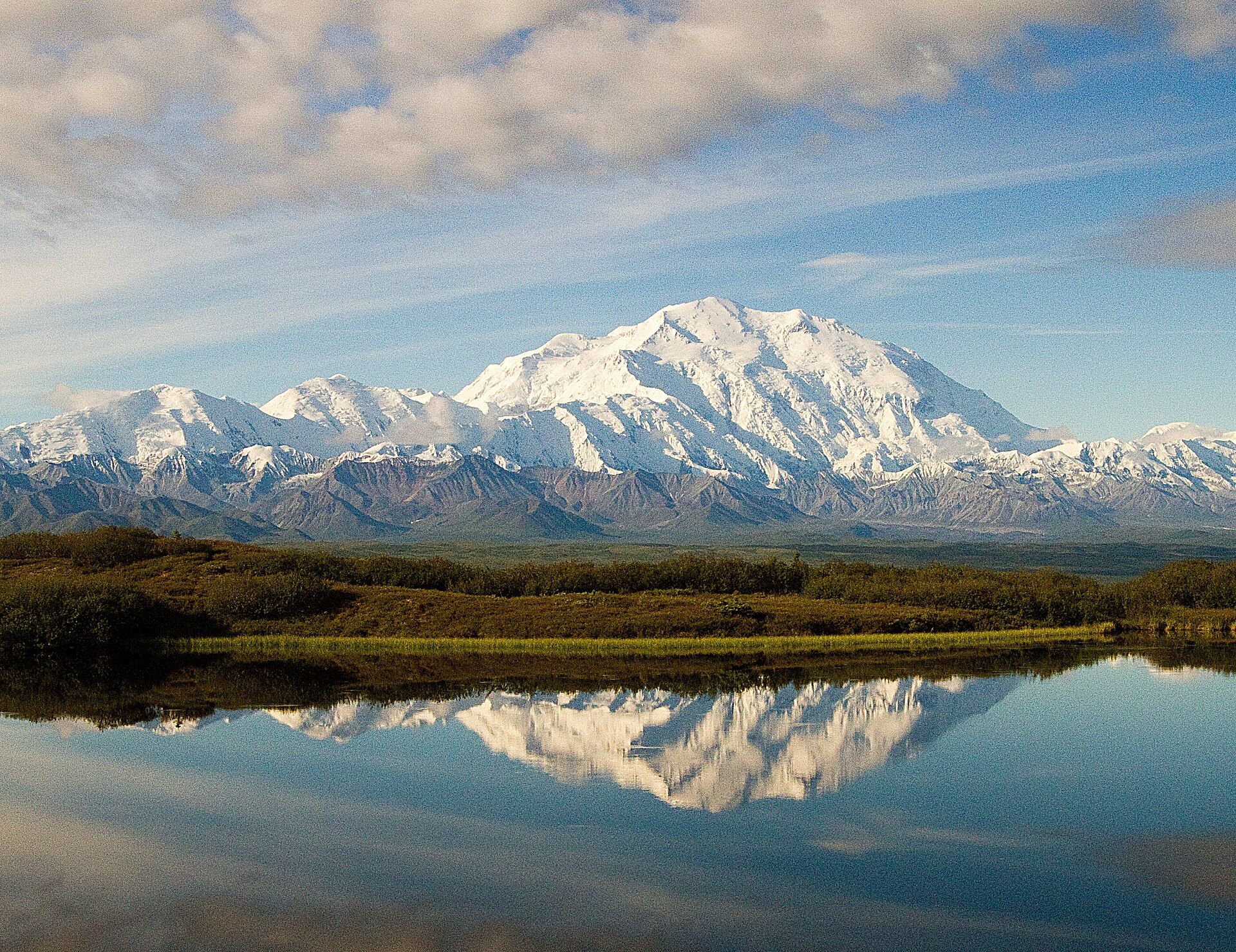
Some arguments only exist because the question is ambiguous. Denali is routinely called taller than Everest, and routinely denied. Both camps are right: Everest’s summit is far higher above sea level, while Denali rises about 5,500 metres from its own base against Everest’s roughly 3,600, giving it the greatest base-to-summit relief of any mountain on land.
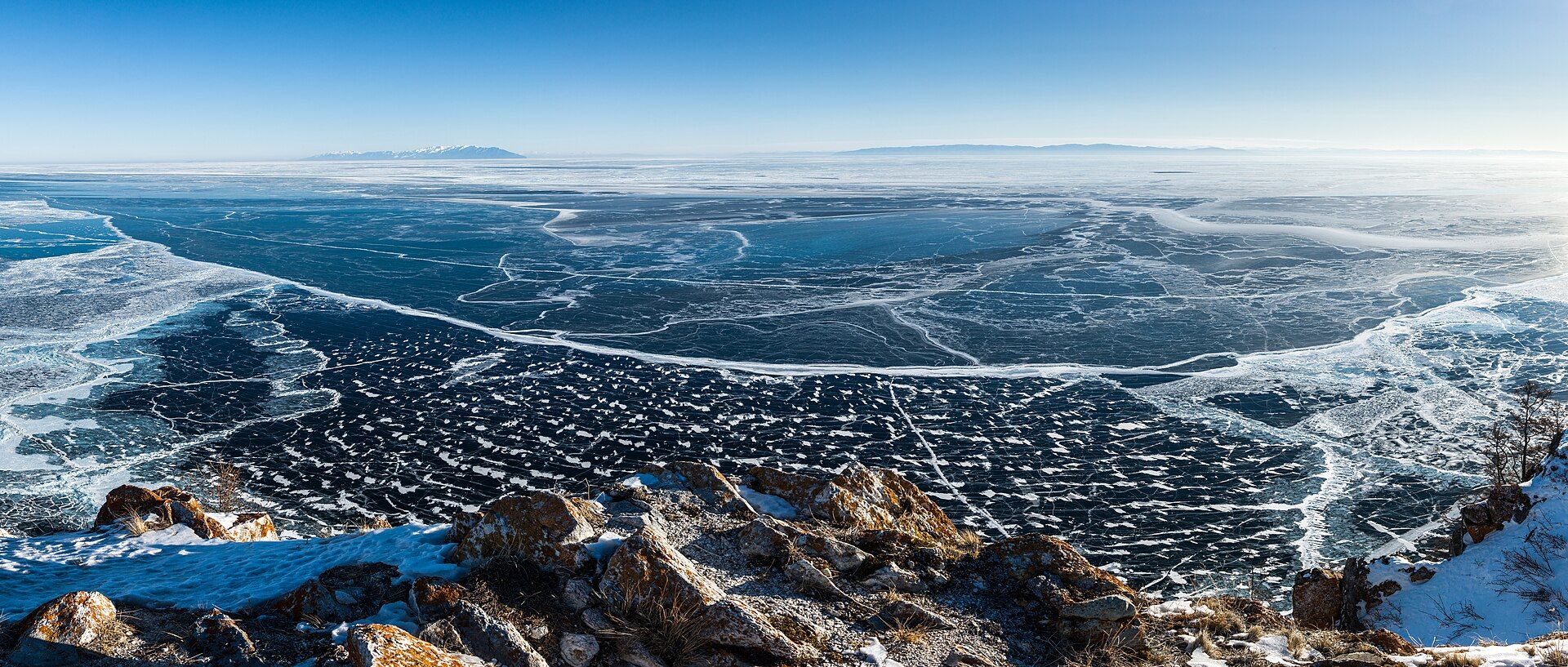
Lake Baikal is another. By surface area it is unremarkable — around seventh in the world. By volume it is in a class of its own, holding roughly a fifth of the planet’s unfrozen fresh surface water, more than all five North American Great Lakes combined, because of how absurdly deep it is. Area and volume give completely different answers, and only one of them is interesting.
Even trees do it. The tallest trees on Earth are the coast redwoods of northern California; the largest by volume are giant sequoias, a different species growing inland in the Sierra Nevada. People routinely drive to the wrong one.
4. What you are looking at is not the natural thing
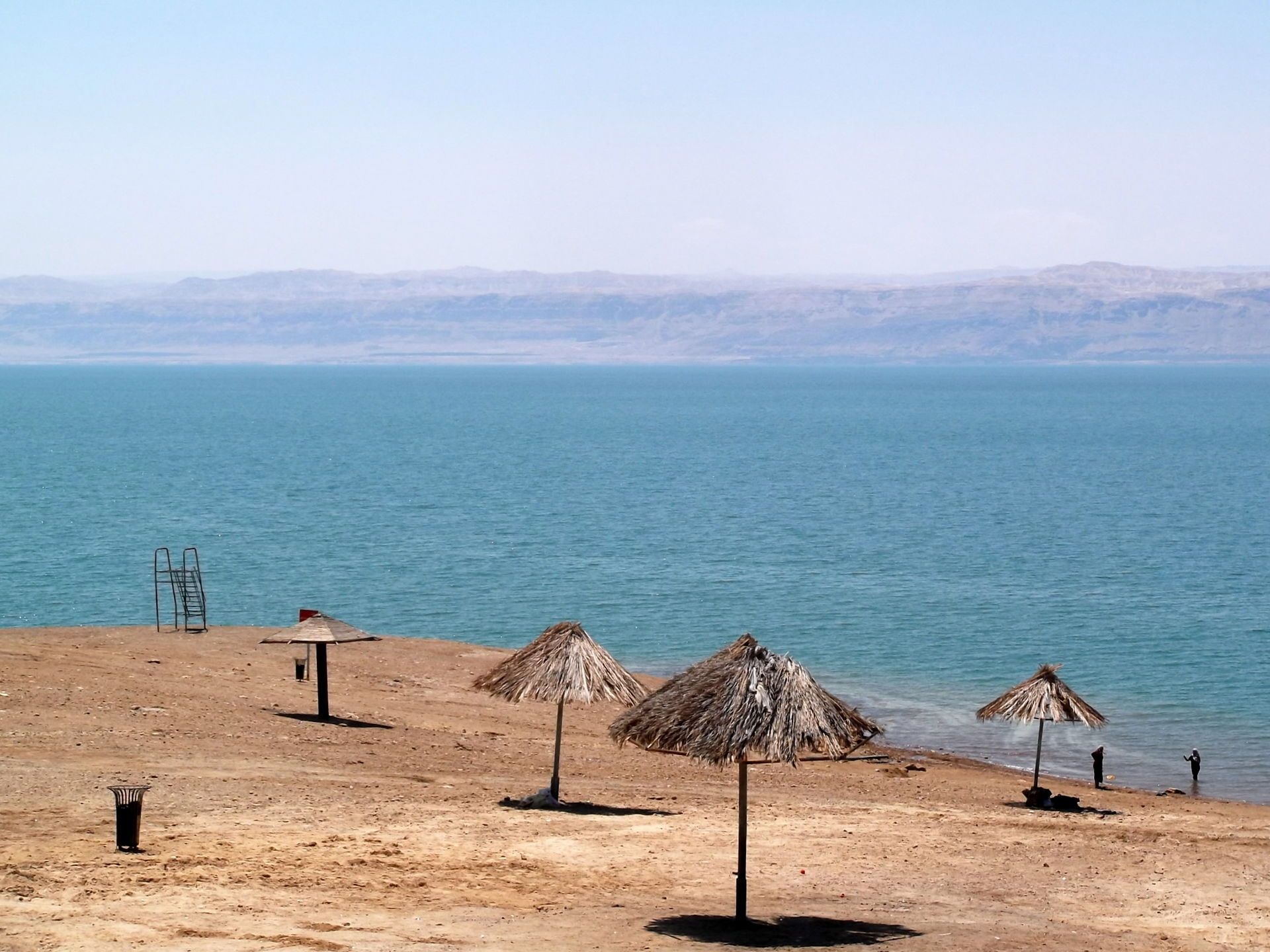
The most surprising category. A great deal of the “Dead Sea” in resort photography is not the natural lake: the shallow southern basin dried out and has been operated since the 1980s as industrial evaporation ponds for potash and bromine. The water is impounded and pumped. The natural northern basin, meanwhile, is dropping by roughly a metre a year, and more than six thousand sinkholes have opened along its retreating shore.
Access rules get misread the same way. Monument Valley is a Navajo Nation tribal park, not a national park, so a national park pass will not admit you, and most of the ground the famous formations stand on is reachable only with a Navajo guide. At Pamukkale you cannot swim in the white terraces at all — the site is walked barefoot on a single marked route, with much of the hillside fenced on rotation so the mineral crust can rebuild.
Why this keeps happening
None of these are secrets. They are all documented, checkable, and mostly dull to the people who work at these places. They persist because the pipeline that gets a landscape in front of you — a name coined two centuries ago, a photograph taken in the best week of the year, a superlative repeated without its units, a resort built beside something adjacent to the actual wonder — has no particular incentive to correct any of it.
The fix is not cynicism. Every place above is worth the trip. It is just worth knowing which month, which measurement, and which bit of water you are actually looking at. If you want the short version, we keep a running list of the things people get wrong about famous natural wonders, and every wonder guide in the atlas states the honest season and the real access rules rather than the brochure version.
Wonders in this article