Timing · when the thing you came for is not there
10 Natural Wonders You Can Miss Entirely by Going in the Wrong Month
10 places · every one real, mapped, and worth the trip
Most destinations have a better and a worse season. A smaller set have something stronger than that — a window outside which the specific thing you travelled for is simply not happening. The waterfall has no water in it. The salt flat is dry, so there is no mirror. The ice caves have melted and are unsafe. The light beams do not reach the canyon floor because the sun is too low.
These are the ones where getting the month wrong is not a matter of slightly worse weather but of missing the point of the trip. Each entry says plainly when the thing exists; the full guide has the detail and the fallback.
-
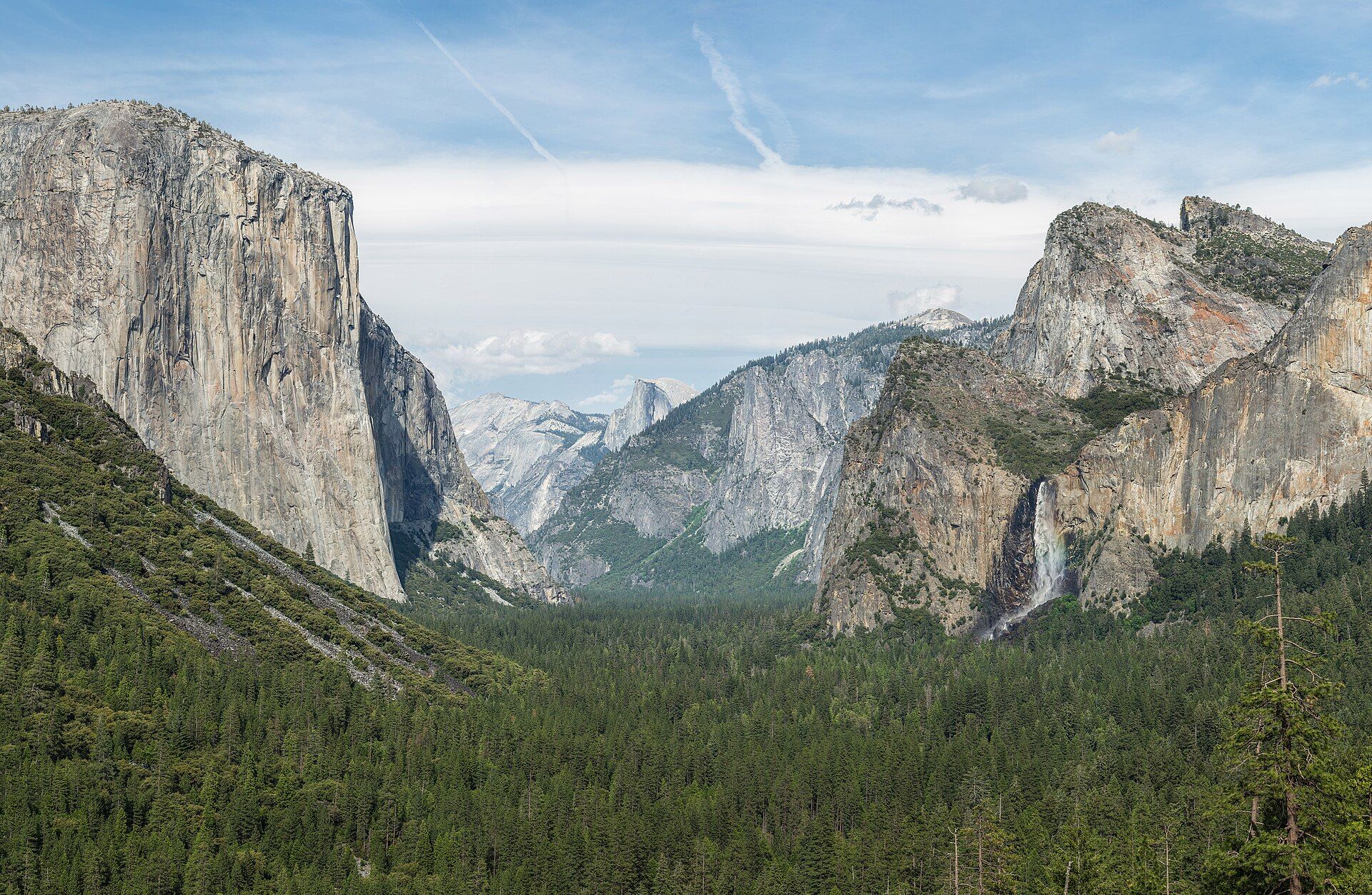
Yosemite Valley Peaks late May · often dry by August
Sierra Nevada, California, United States
The waterfalls run on snowmelt rather than springs, so they are colossal in late spring and Yosemite Falls is frequently bone dry by August. Bridalveil, Vernal and Nevada hold water considerably longer.
-
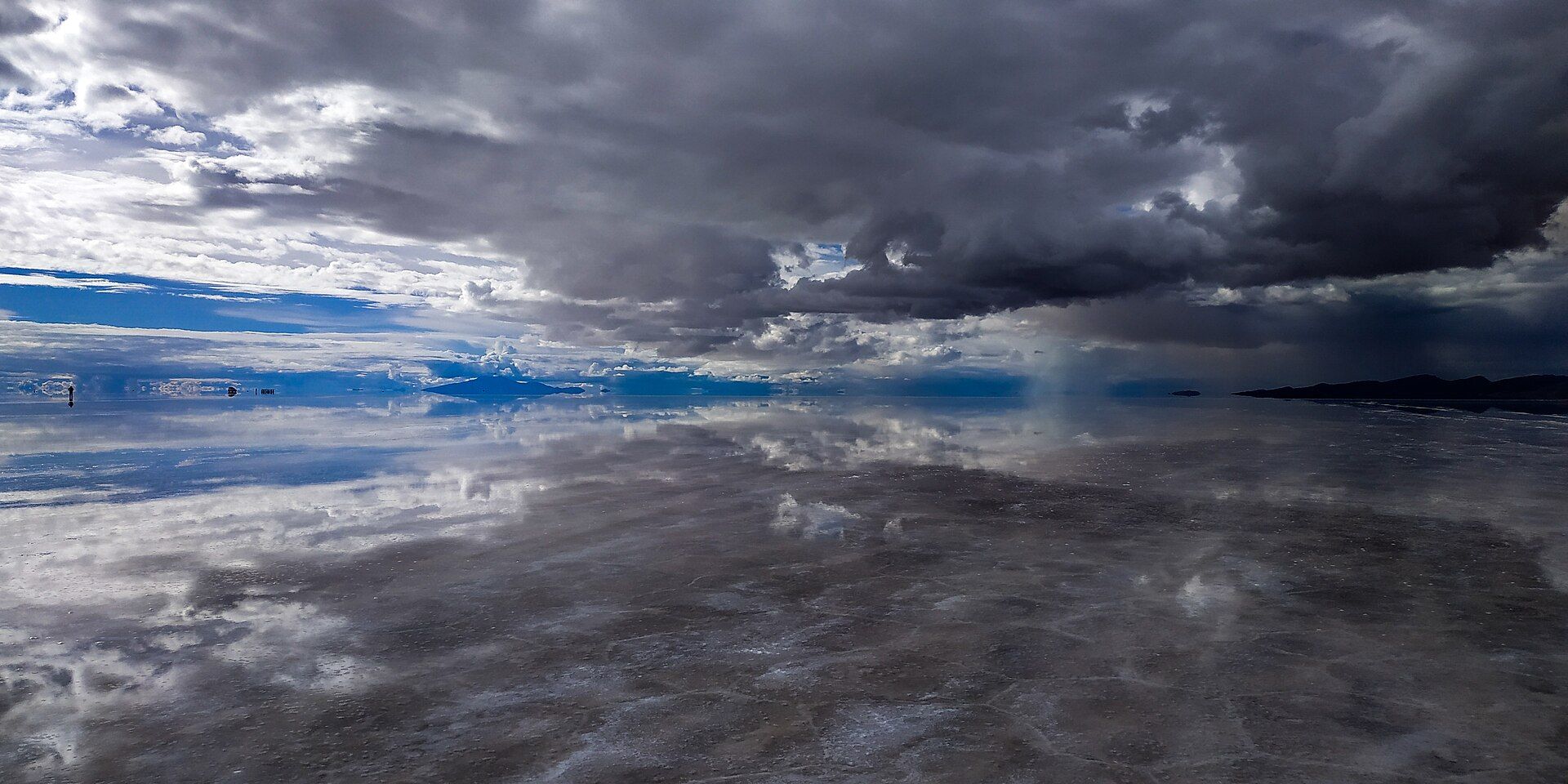
Salar de Uyuni Mirror roughly December–April
Altiplano, southwestern Bolivia
The famous reflection needs a thin film of water on the crust, which is a wet-season phenomenon. Come in the dry season and you get a white plain — impressive, but a completely different photograph.
-
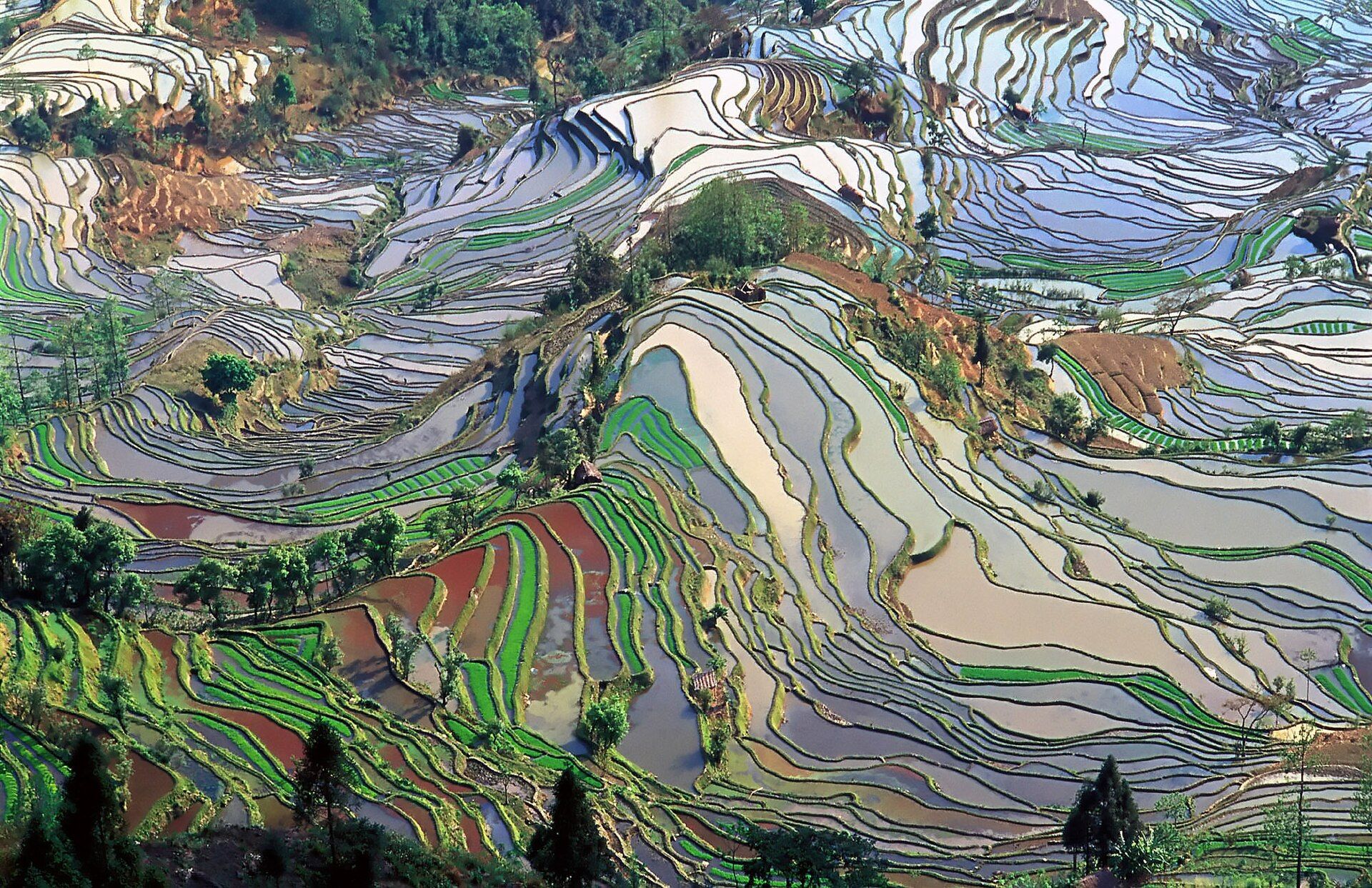
Yuanyang Rice Terraces Flooded roughly November–April
Yuanyang County, Honghe, Yunnan, China
These terraces are flooded through the cool months, not the summer, so the staircase-of-mirrors effect is a winter sight. A summer visit finds them green and planted, which is the opposite of the image that draws people.
-
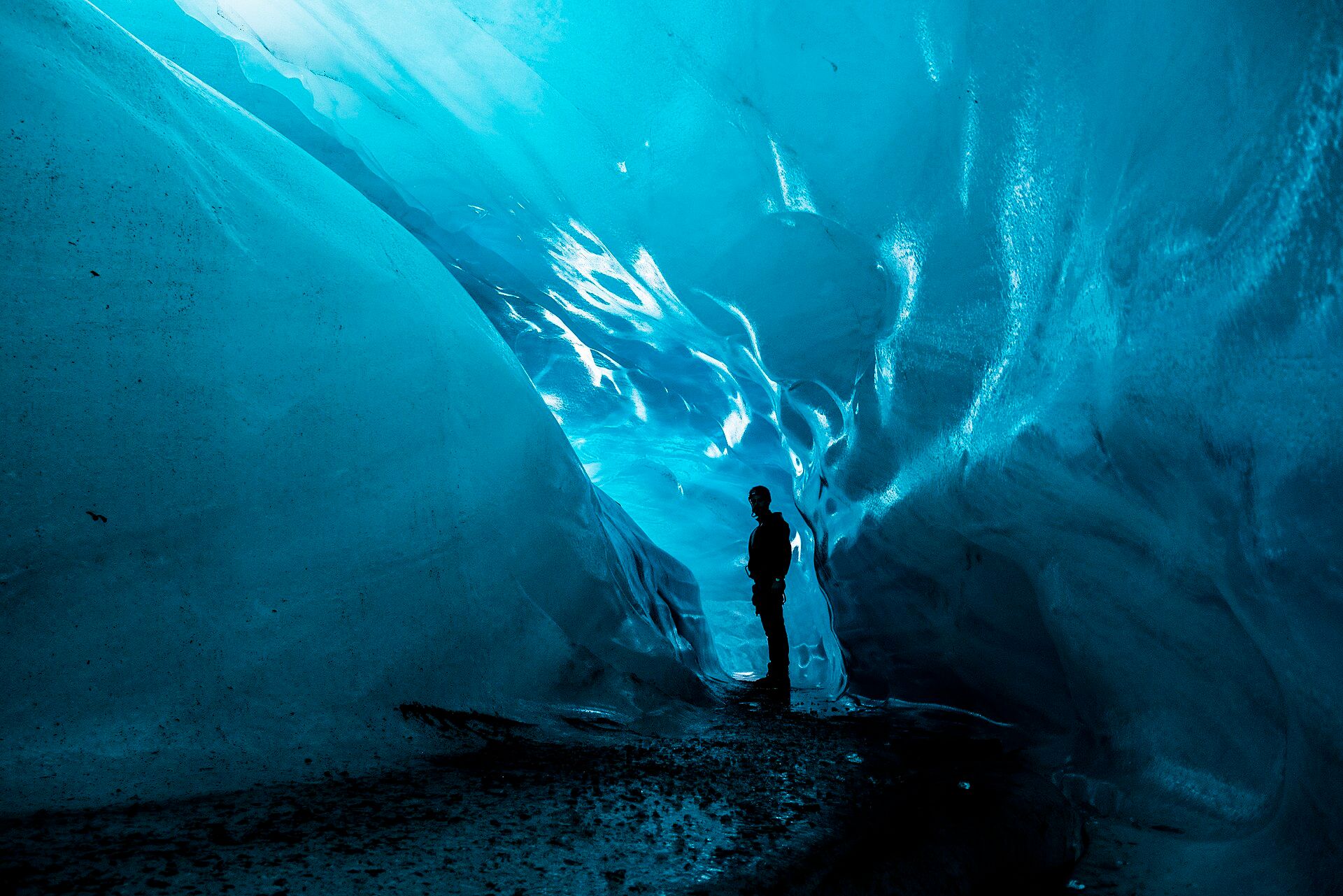
Vatnajökull Ice Caves Winter only, roughly November–March
Southeast Iceland
The natural ice caves are only stable and safe to enter in the cold months; they melt and change every year. Glacier hikes run year-round with a guide, but the blue cave is a winter thing.
-
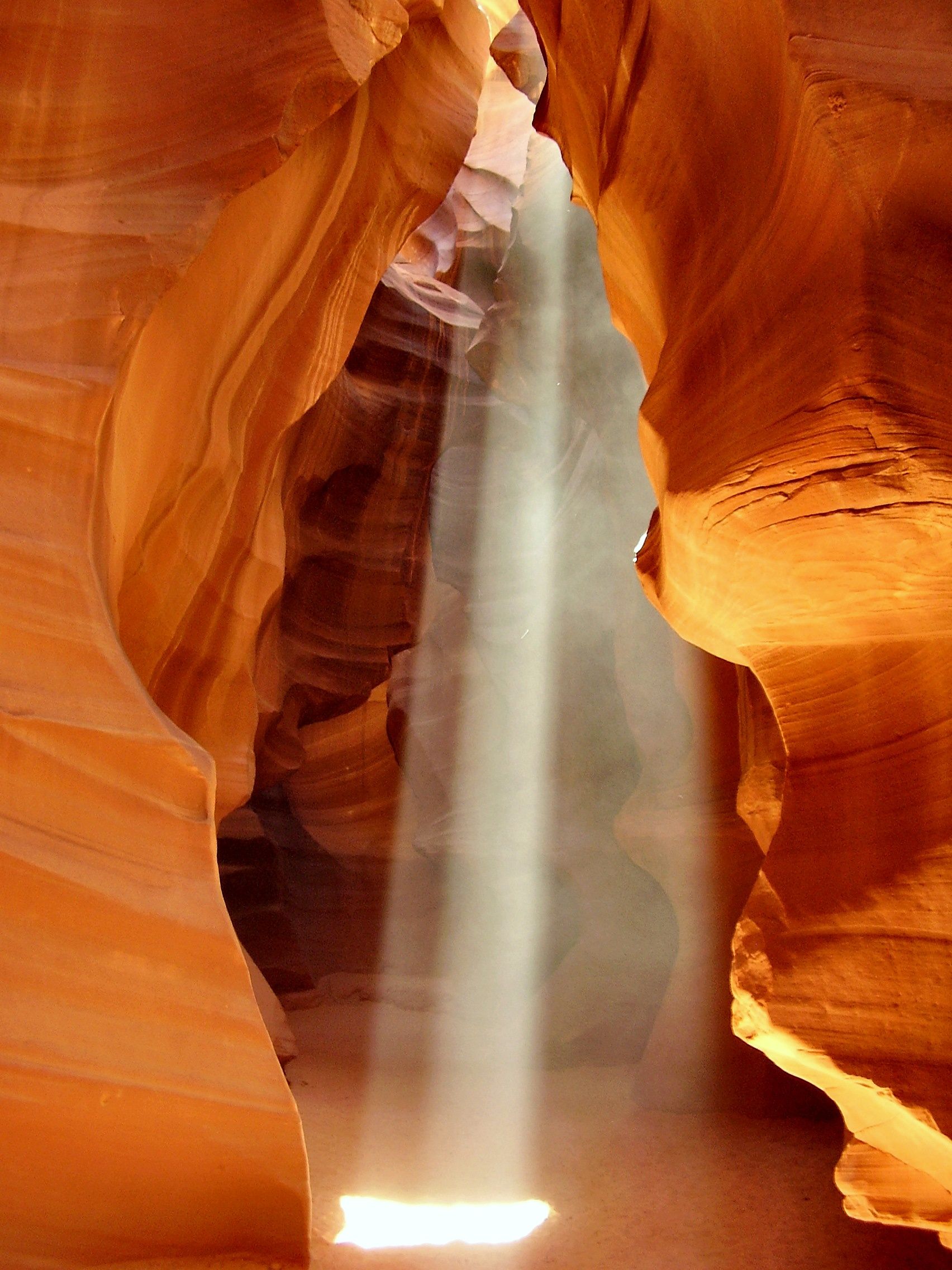
Antelope Canyon Light beams late March–early October, midday
Navajo Nation, near Page, Arizona, United States
The beams need a high sun, so they appear only in the warmer half of the year and only around the middle of the day. Outside that window the canyon is still beautiful, but the shafts of light are not there.
-
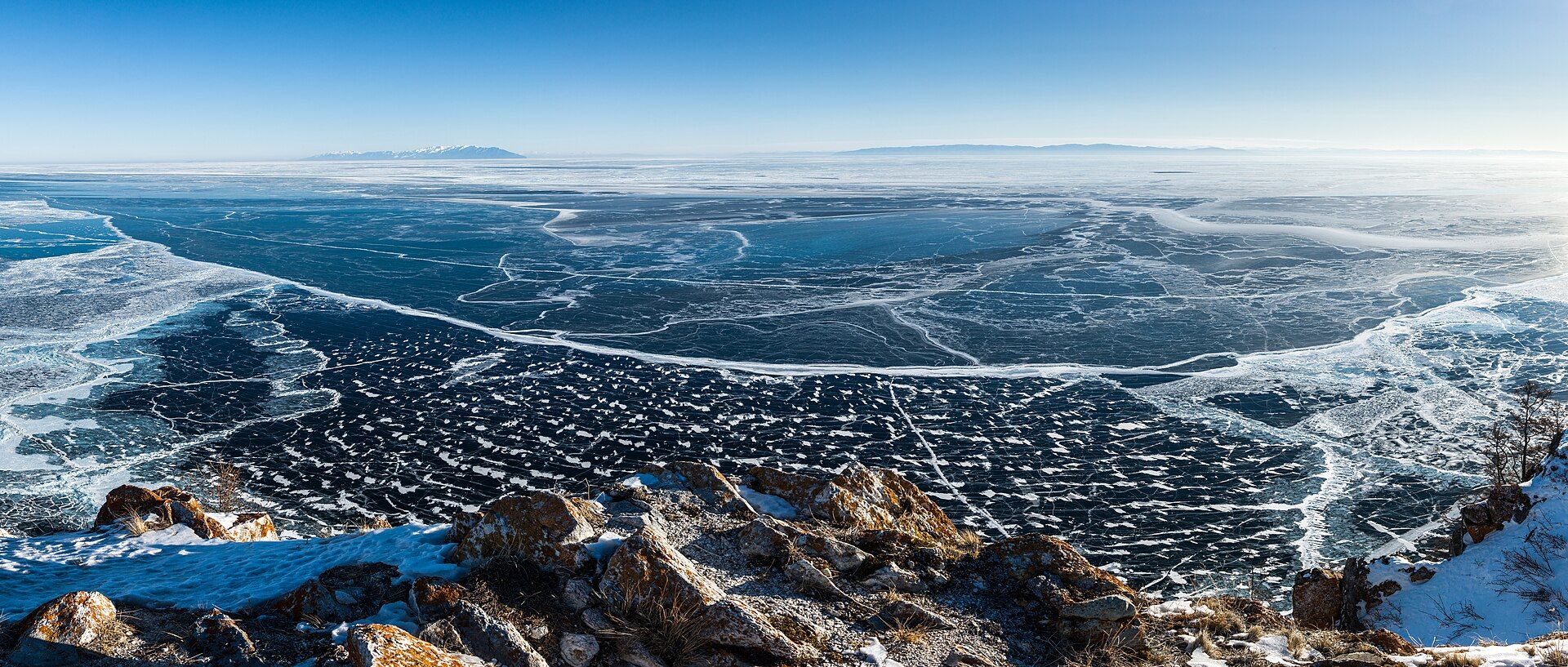
Lake Baikal Clear ice February–March
Siberia, Russia
Summer gives hiking and boats. The turquoise, metre-thick, walk-on-it transparent ice that made Baikal famous is a late-winter event, and the two visits have almost nothing in common.
-
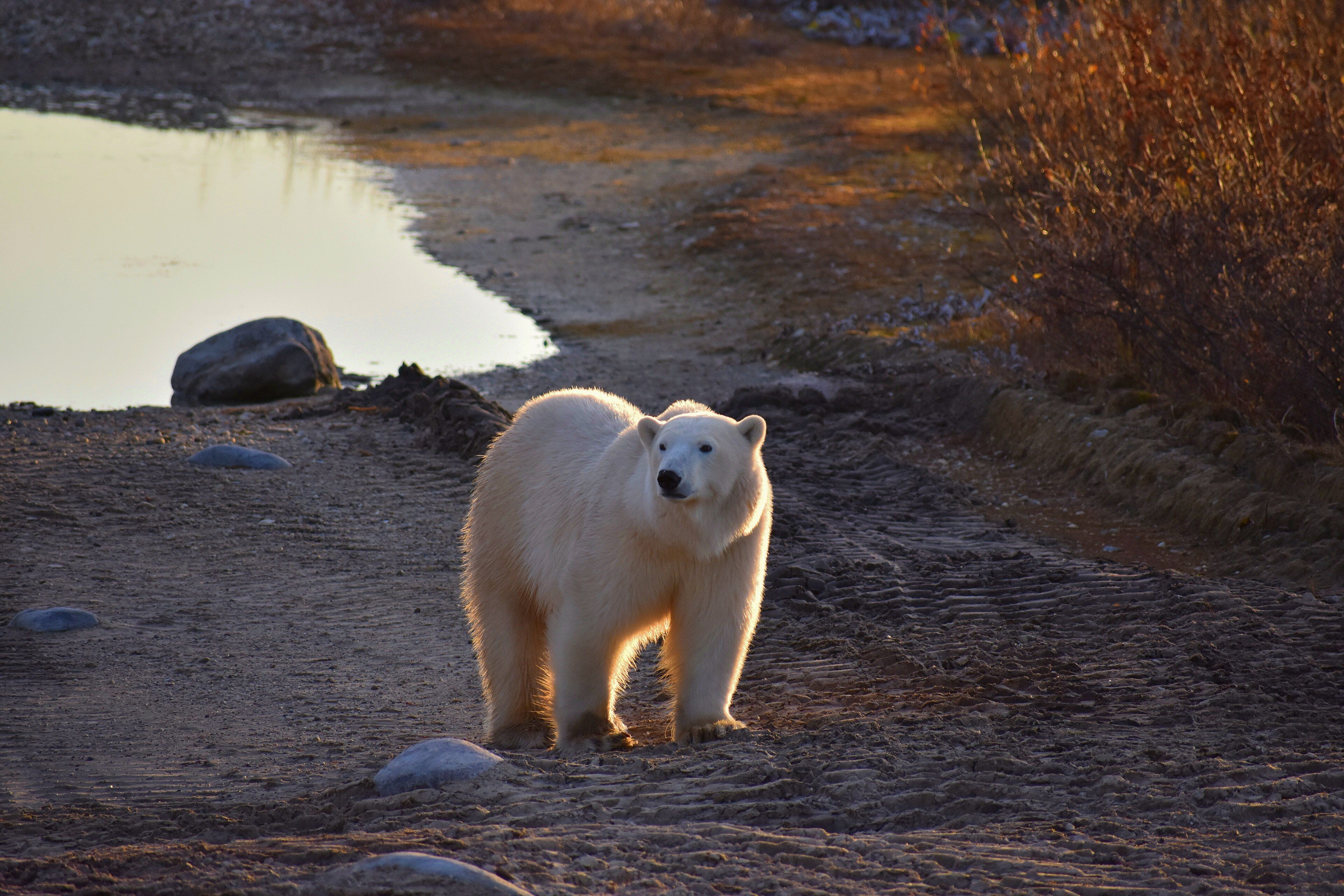
Churchill Bears Oct–Nov · belugas mid-Jun–Aug
Churchill, Manitoba, western Hudson Bay, Canada
Two different spectacles, four months apart, in the same small town. Arrive in the wrong one and the animal you came for is genuinely elsewhere — on the sea ice, or out in the bay.
-
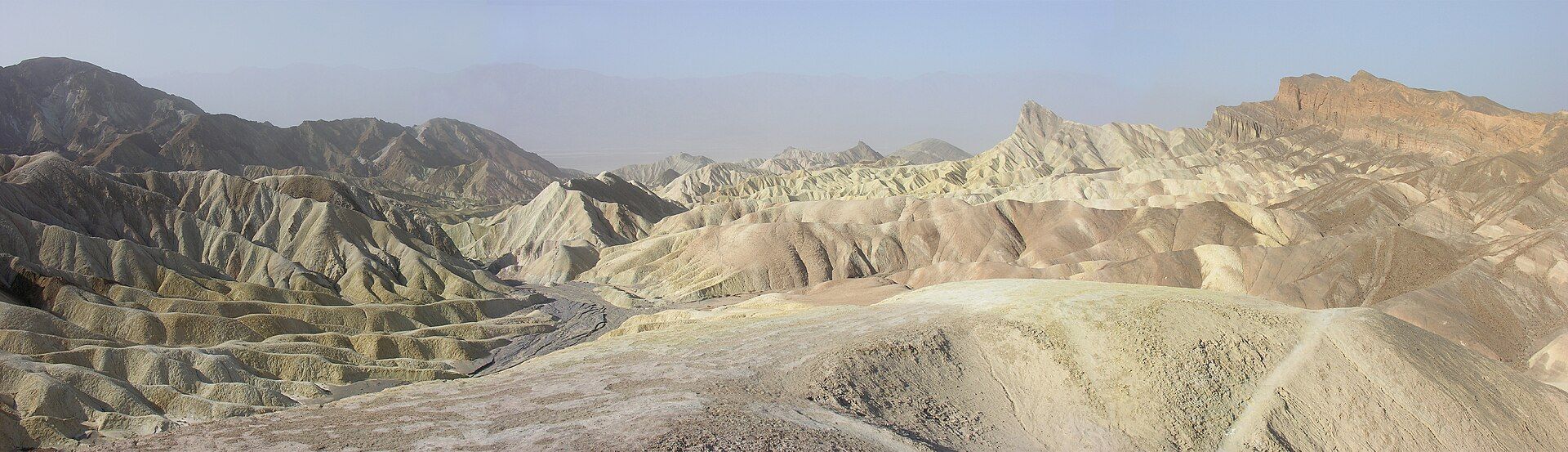
Death Valley Super bloom roughly once a decade
California / Nevada, United States
Not a season so much as a lottery. A true super bloom needs a specific sequence of well-spaced autumn and winter rain, and most springs produce nothing resembling the pictures that recirculate every year.
-
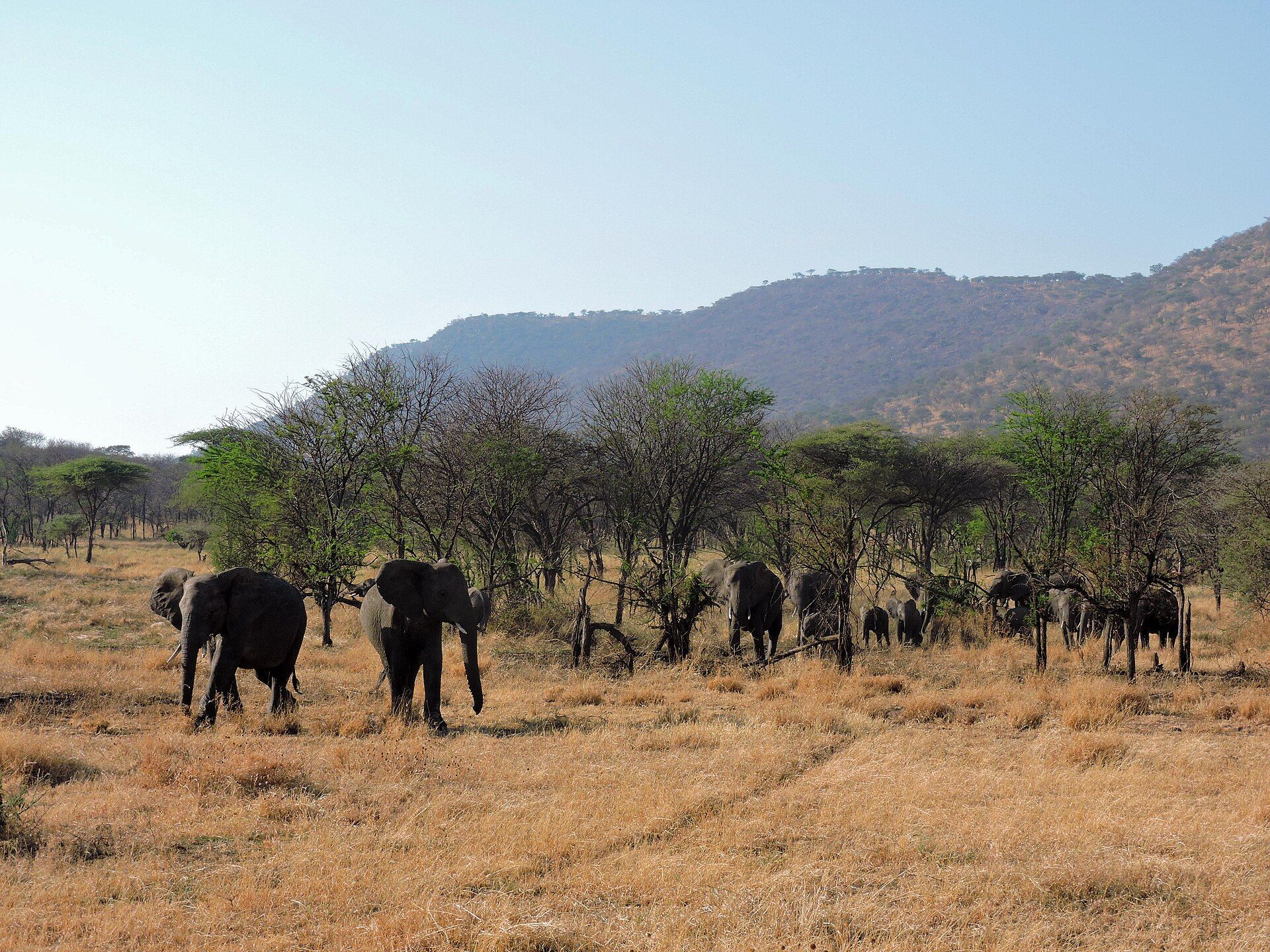
Serengeti Migration position changes all year
Northern Tanzania
The herds are always somewhere, but the river crossings are typically around July–October and the calving on the southern plains around January–March. Booking the wrong end of the ecosystem is the classic error.
-
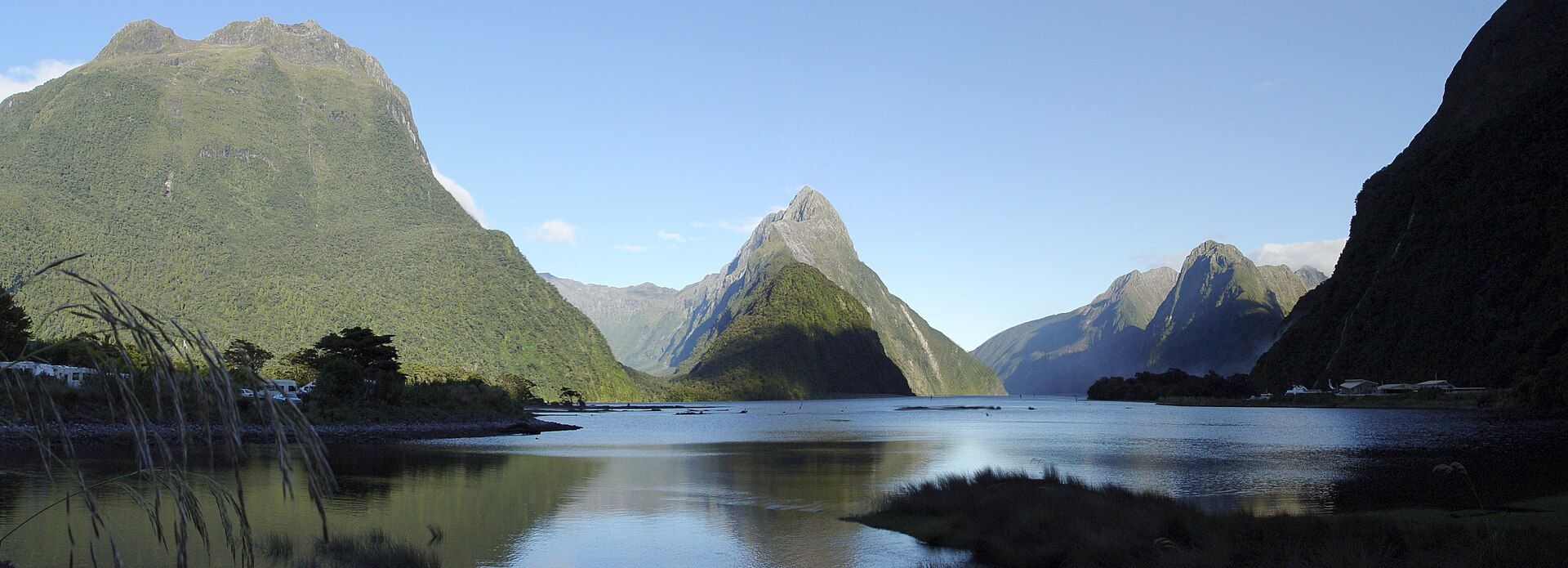
Milford Sound The inverse case — go when it rains
Fiordland National Park, South Island, New Zealand
Included because the instinct is backwards here. Most of Milford's waterfalls are temporary and rain-fed, so a clear day is the disappointing one and the cliffs are at their best within hours of a downpour.
Two of these are worth planning a whole trip around rather than fitting in: the Uyuni mirror and Baikal's clear ice both have narrow windows and are unlike anything available the rest of the year. And one general rule holds across the list — where a phenomenon depends on weather rather than calendar, as with Death Valley's blooms or Milford's waterfalls, build in spare days rather than betting a single morning on it.
Added