Corrections · what the guidebooks skip
12 Things People Get Wrong About Famous Natural Wonders
12 places · every one real, mapped, and worth the trip
Almost every famous landscape carries a piece of received wisdom that turns out to be wrong — sometimes a harmless naming quirk, sometimes an error that will genuinely spoil a trip if you plan around it. The corrections below are the ones we kept running into while researching these places, and every one of them is checkable.
Nothing here is a gotcha or a debunking for its own sake. Each entry states the correction outright rather than making you click to find it, and links to the full guide where the detail and the season live.
-
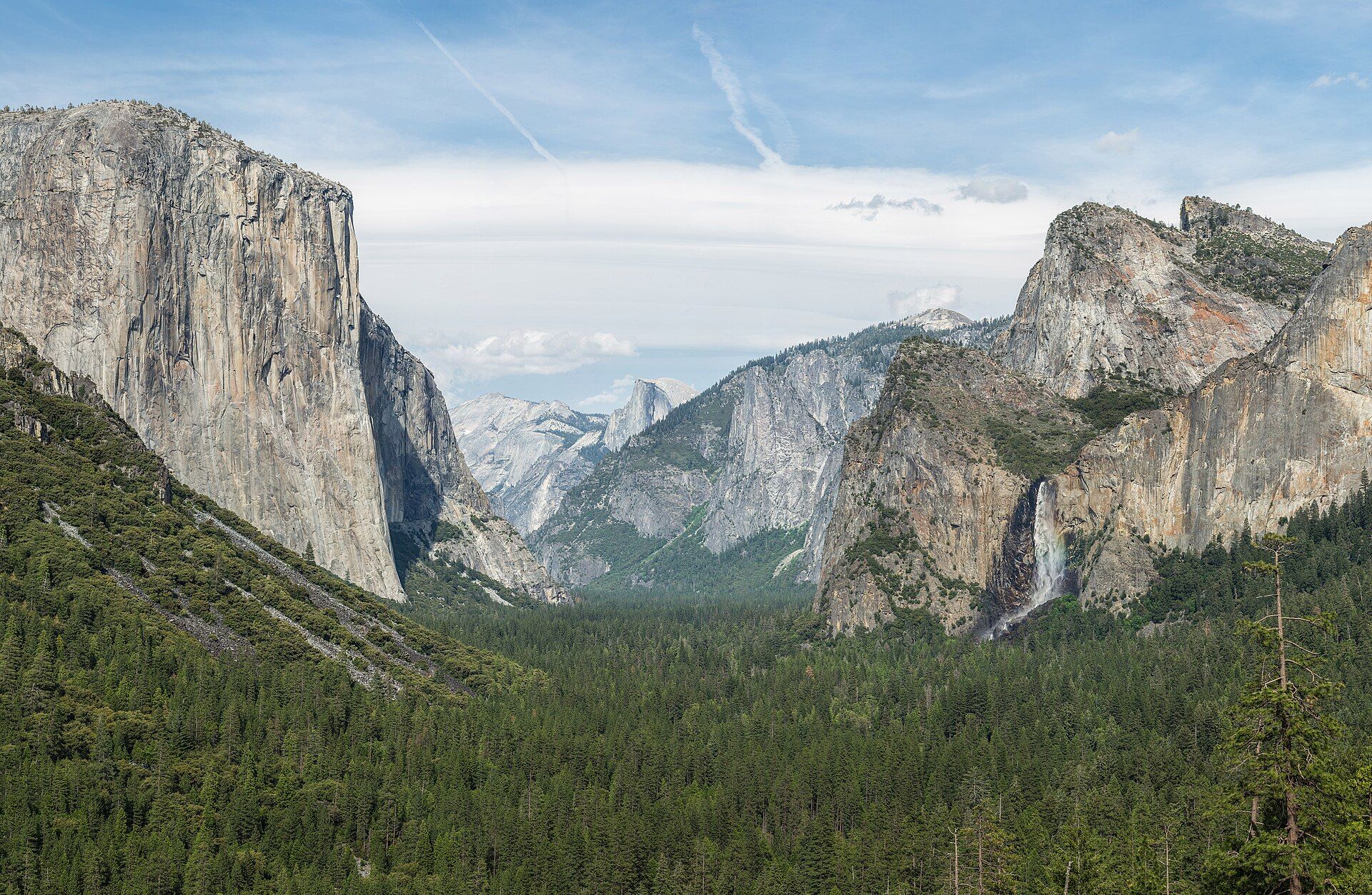
Yosemite Valley It is usually dry in August
Sierra Nevada, California, United States
Yosemite's waterfalls are fed by snowmelt, not springs. They peak around late May, and by August Yosemite Falls is frequently bone dry — which catches out enormous numbers of summer visitors carrying a photograph taken in spring.
-
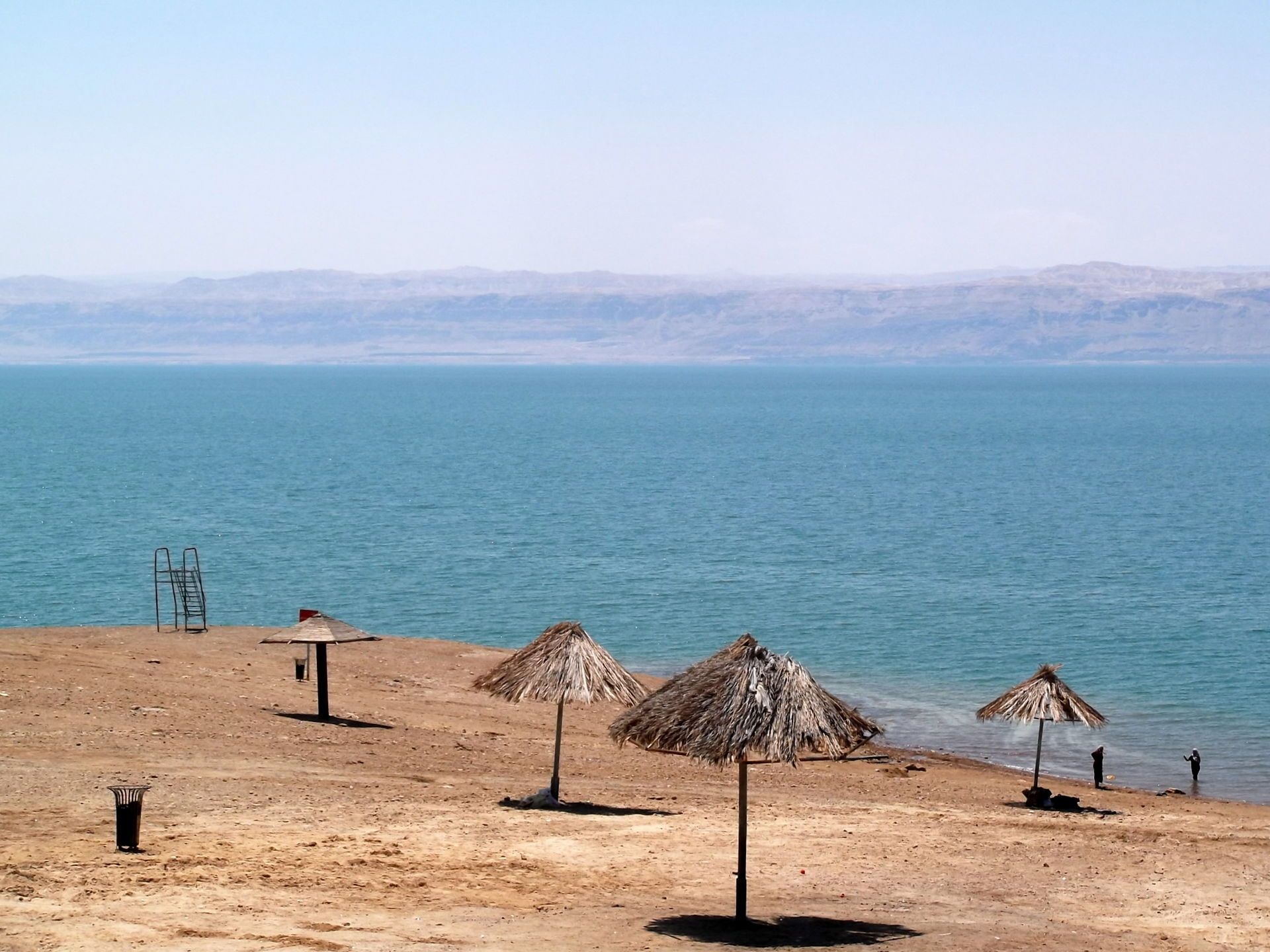
The Dead Sea Much of it is an industrial pond
Jordan Rift Valley, Jordan / Israel / West Bank
The shallow southern basin dried out and has been operated since the 1980s as evaporation ponds for potash and bromine. A great deal of the water in resort photography is impounded and pumped, not the natural lake.
-
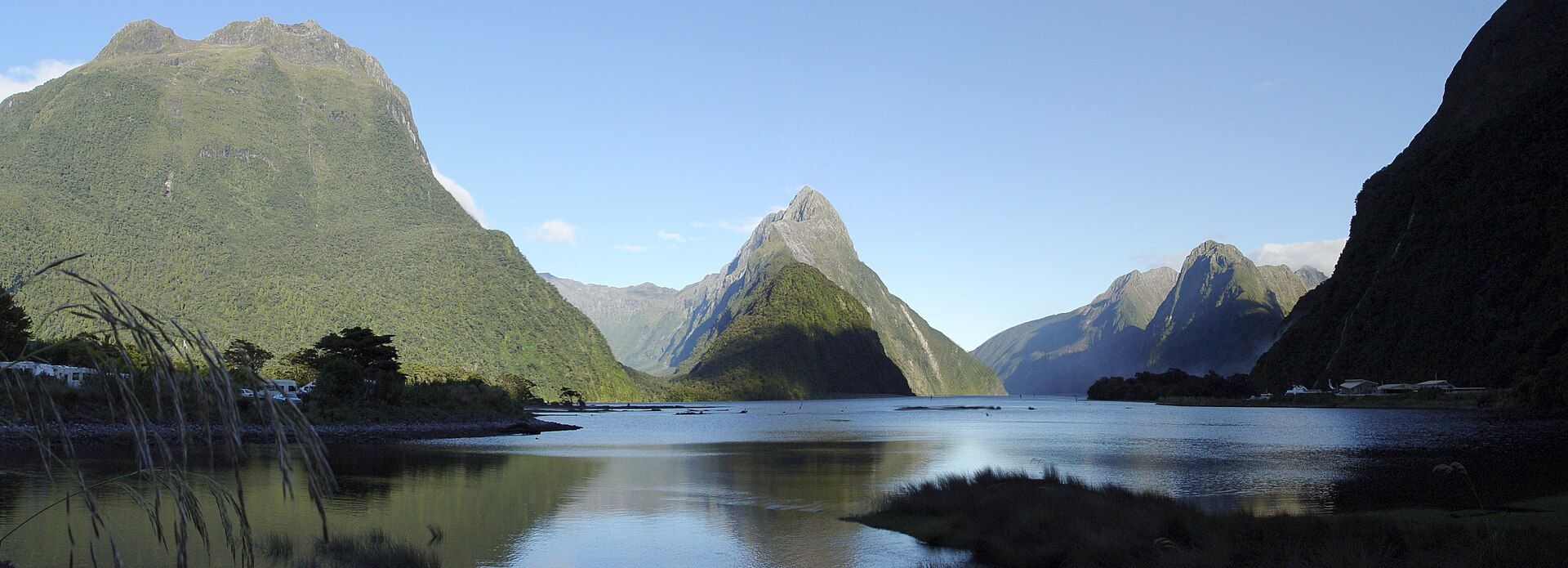
Milford Sound It is not a sound
Fiordland National Park, South Island, New Zealand
A sound is a drowned river valley. Milford was gouged by a glacier, which makes it a fiord — the name is a nineteenth-century misnomer that simply stuck, and the difference shows in its over-deepened floor.
-
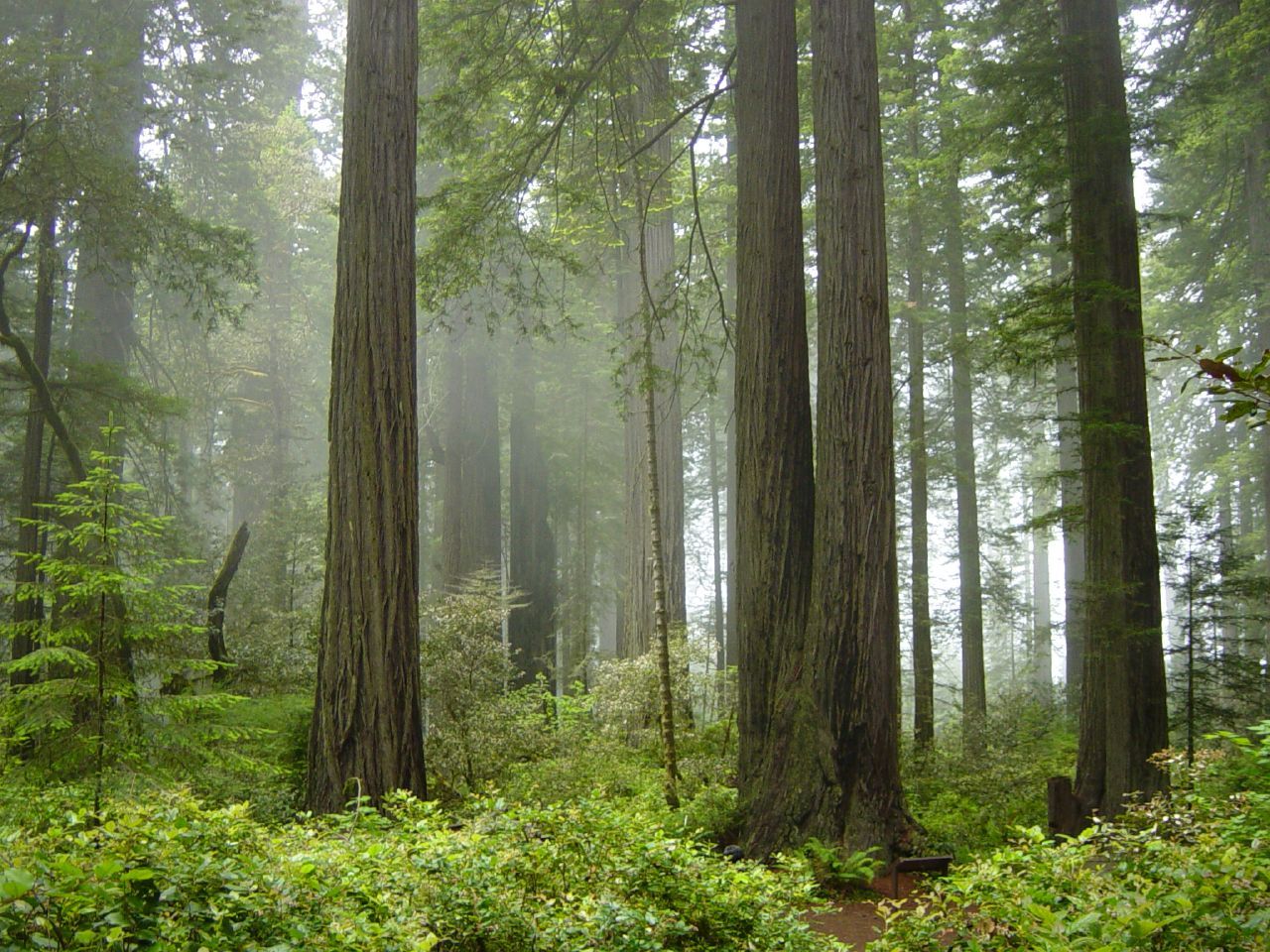
Redwood Forests Tallest and largest are different trees
Northern California, USA
Coast redwoods on the northern California fog belt are the tallest trees on Earth. The largest by volume are giant sequoias, a different species growing inland in the Sierra Nevada, hours away. People routinely drive to the wrong one.
-
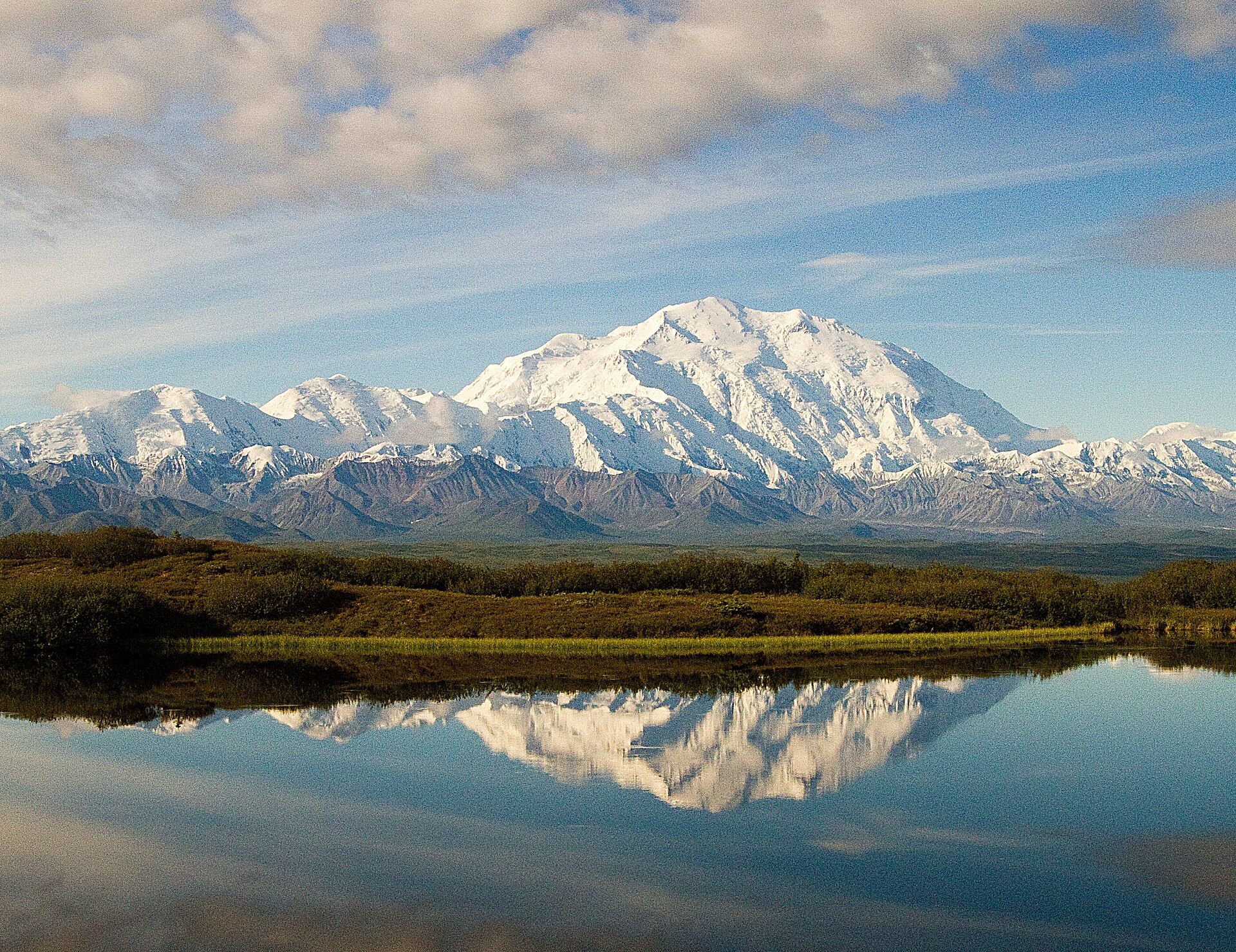
Denali Tallest, but not highest
Alaska, USA
Everest's summit is far higher above sea level. But Denali rises roughly 5,500 metres from its own base against Everest's ~3,600, giving it the greatest base-to-summit relief of any mountain on land. Two different measurements, two different winners.
-
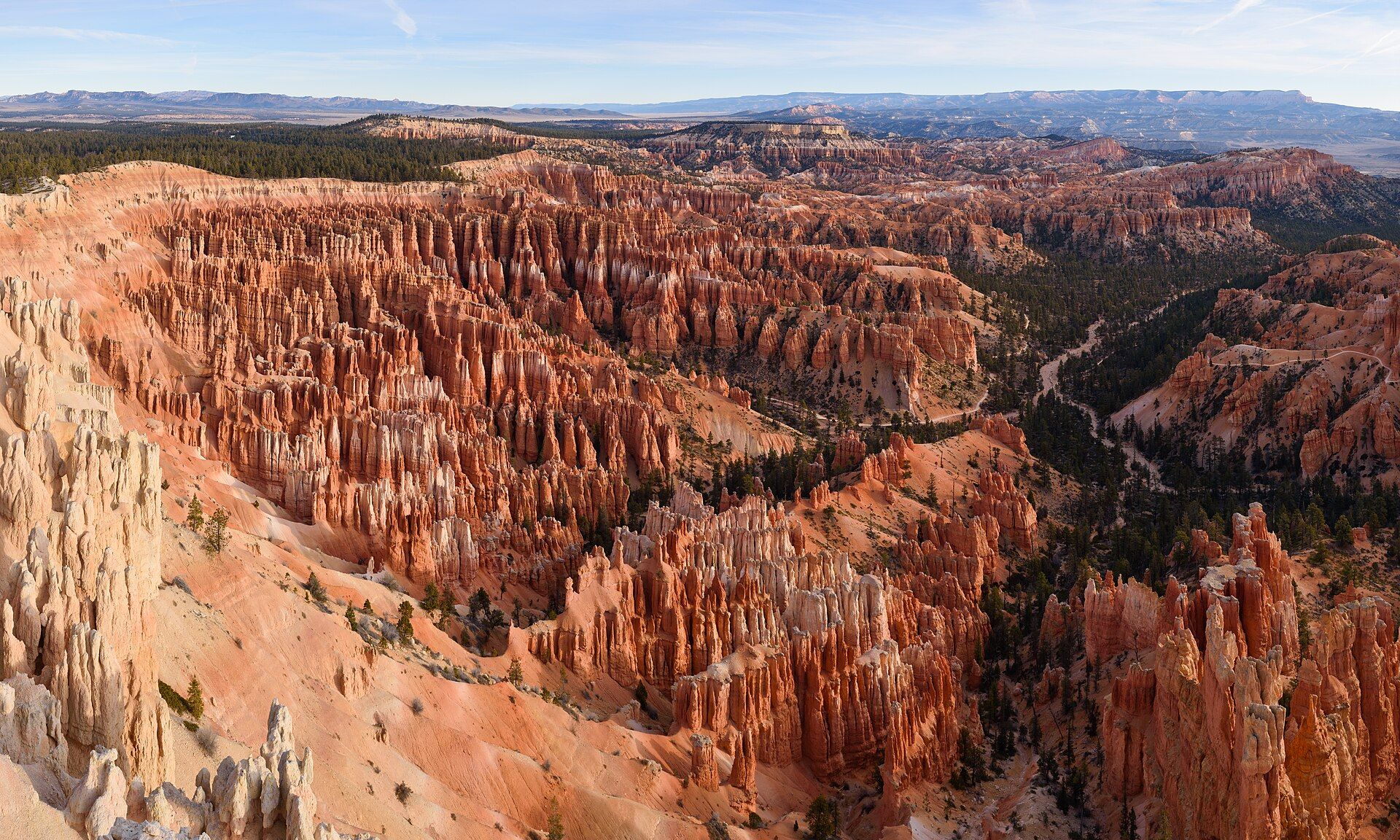
Bryce Canyon Not a canyon, and not warm
Utah, United States
No river carved it — it is the frost-shattered edge of a plateau, eroding into amphitheatres. It also sits about a kilometre higher than Zion, so visitors who pair the two and pack for desert heat meet snow instead.
-
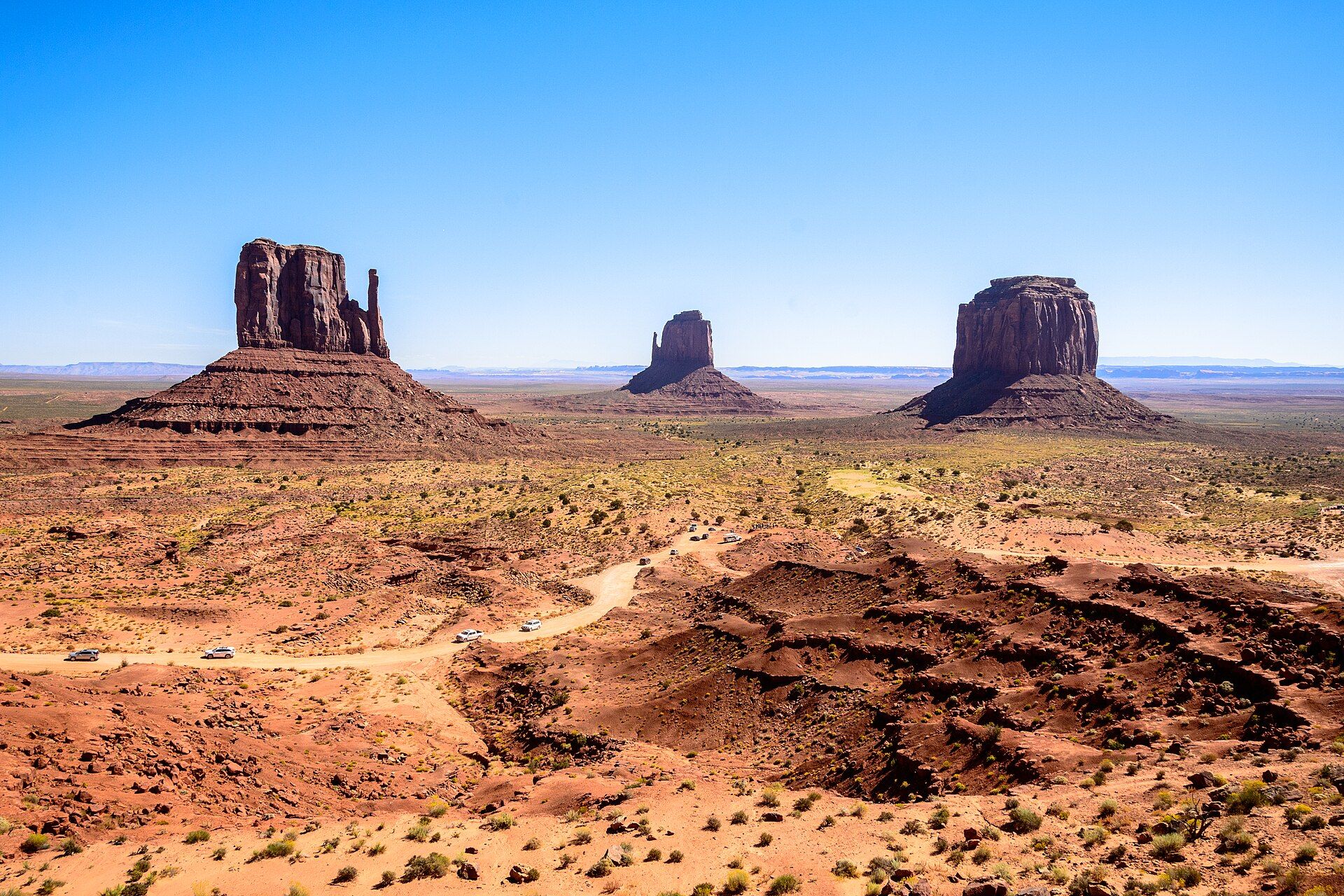
Monument Valley Your park pass will not work
Arizona–Utah border, Navajo Nation
It is a Navajo Nation tribal park, not a national park, with its own admission. Most of it — including the ground the famous formations stand on — is closed to self-drive and reachable only with a Navajo guide.
-
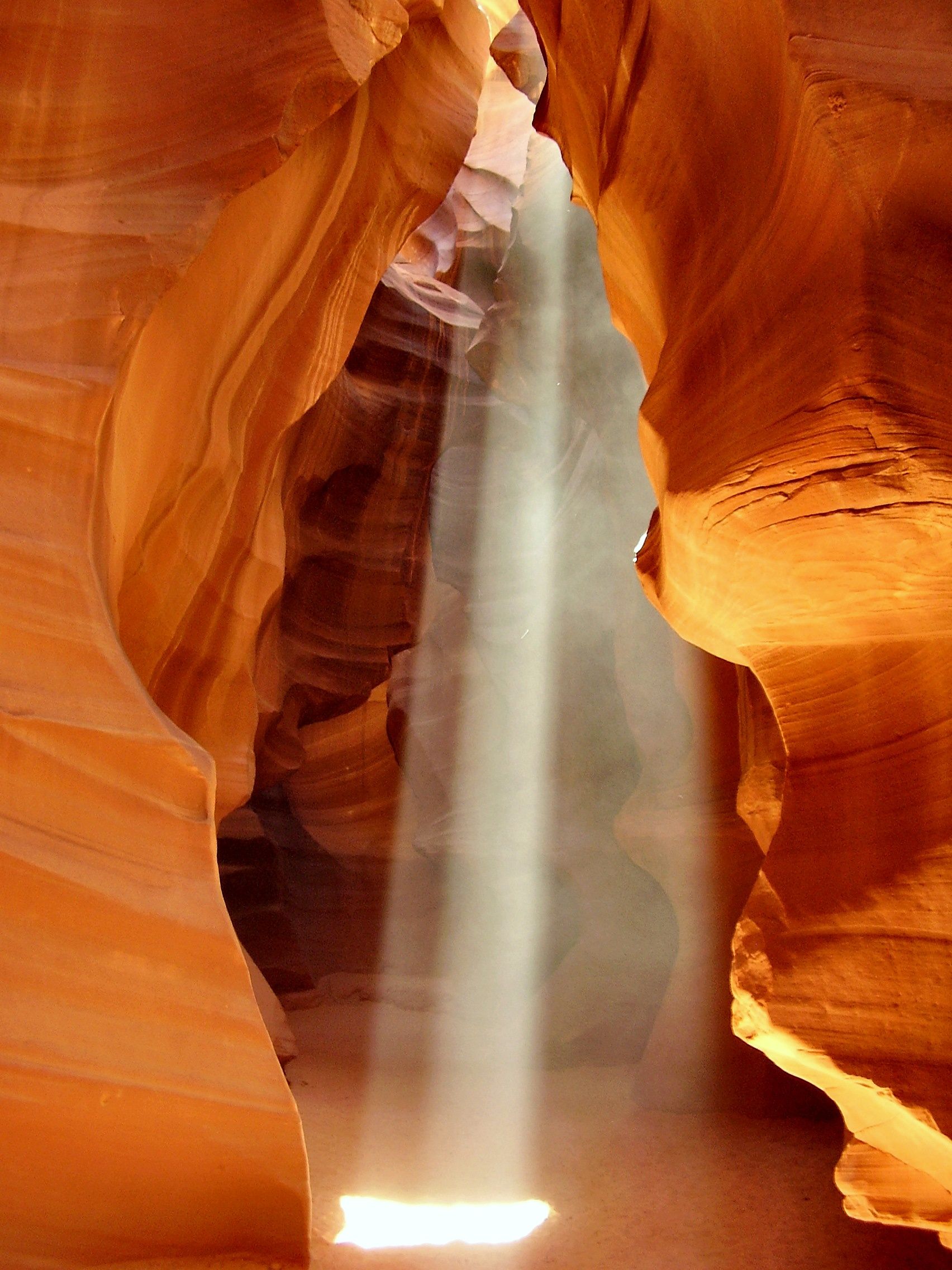
Antelope Canyon There are two of them
Navajo Nation, near Page, Arizona, United States
Upper and Lower Antelope are separate canyons a few kilometres apart, and the famous light beams fall in the Upper one, only around midday and only from roughly late March to early October.
-
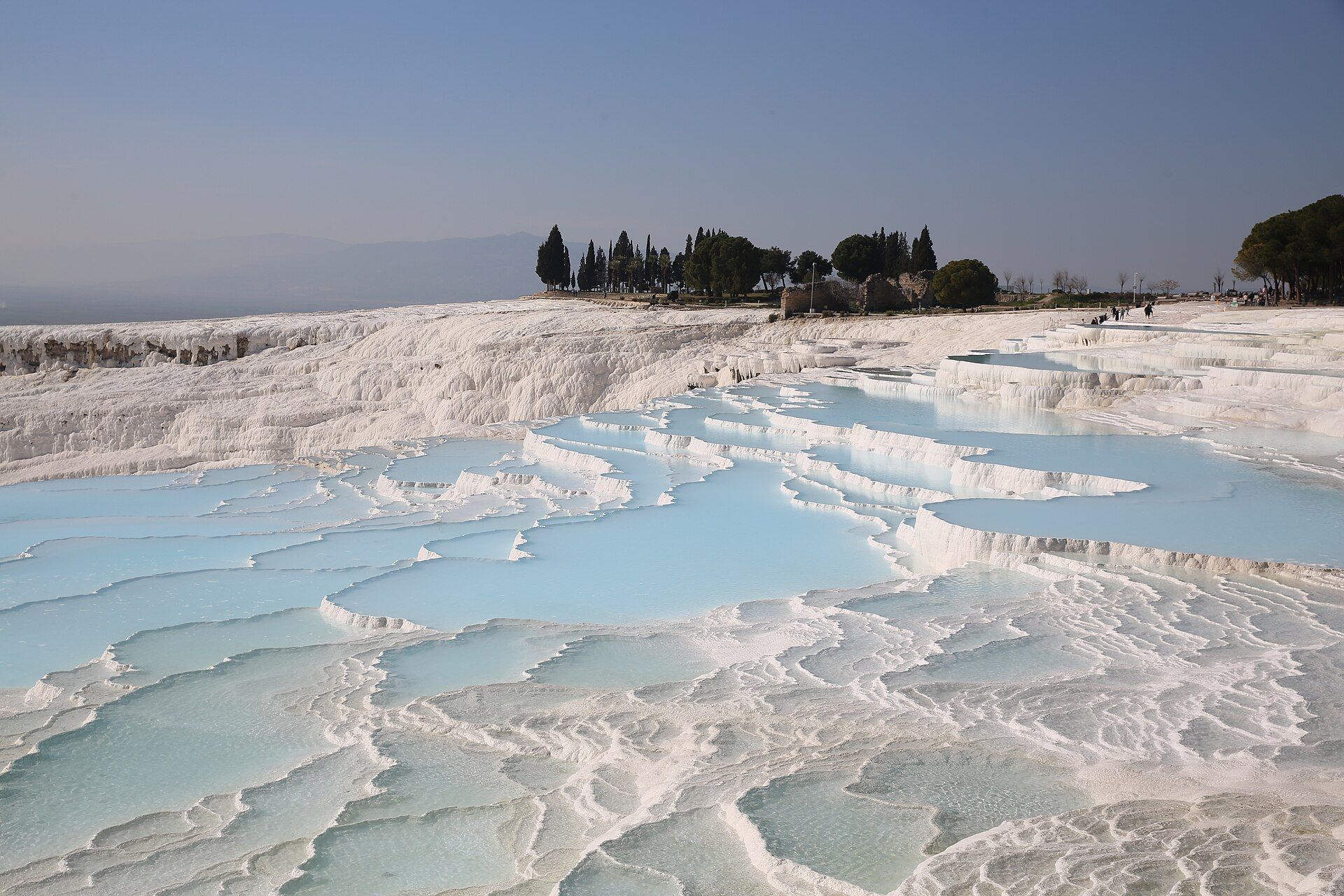
Pamukkale You cannot swim in the terraces
Denizli Province, southwestern Turkey
The white travertine is walked barefoot on one marked route, with much of the hillside fenced on rotation to let the crust rebuild. The pool with the Roman columns is a separate ticketed pool up at Hierapolis.
-
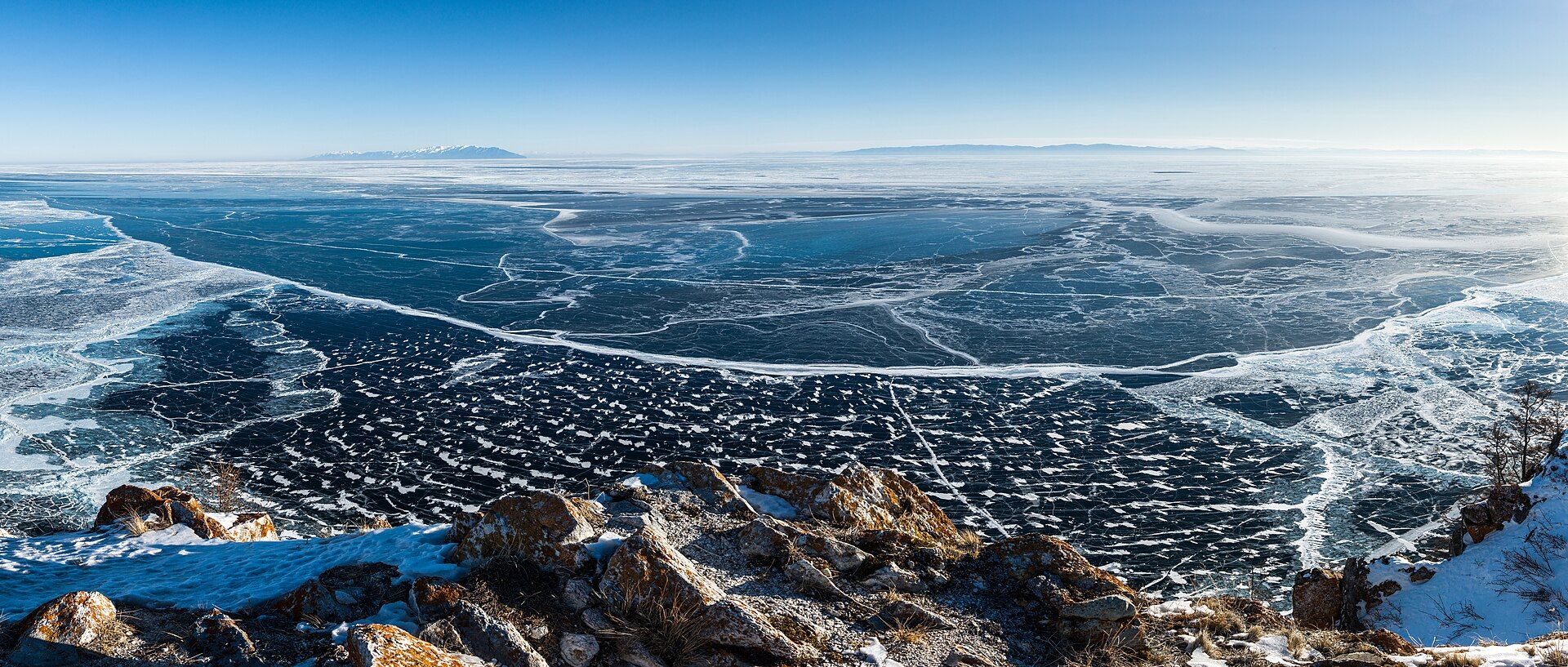
Lake Baikal Only seventh by area — first by volume
Siberia, Russia
By surface area Baikal is unremarkable. By volume it holds around a fifth of the planet's unfrozen fresh surface water, more than all five North American Great Lakes combined, because of how absurdly deep it is.
-
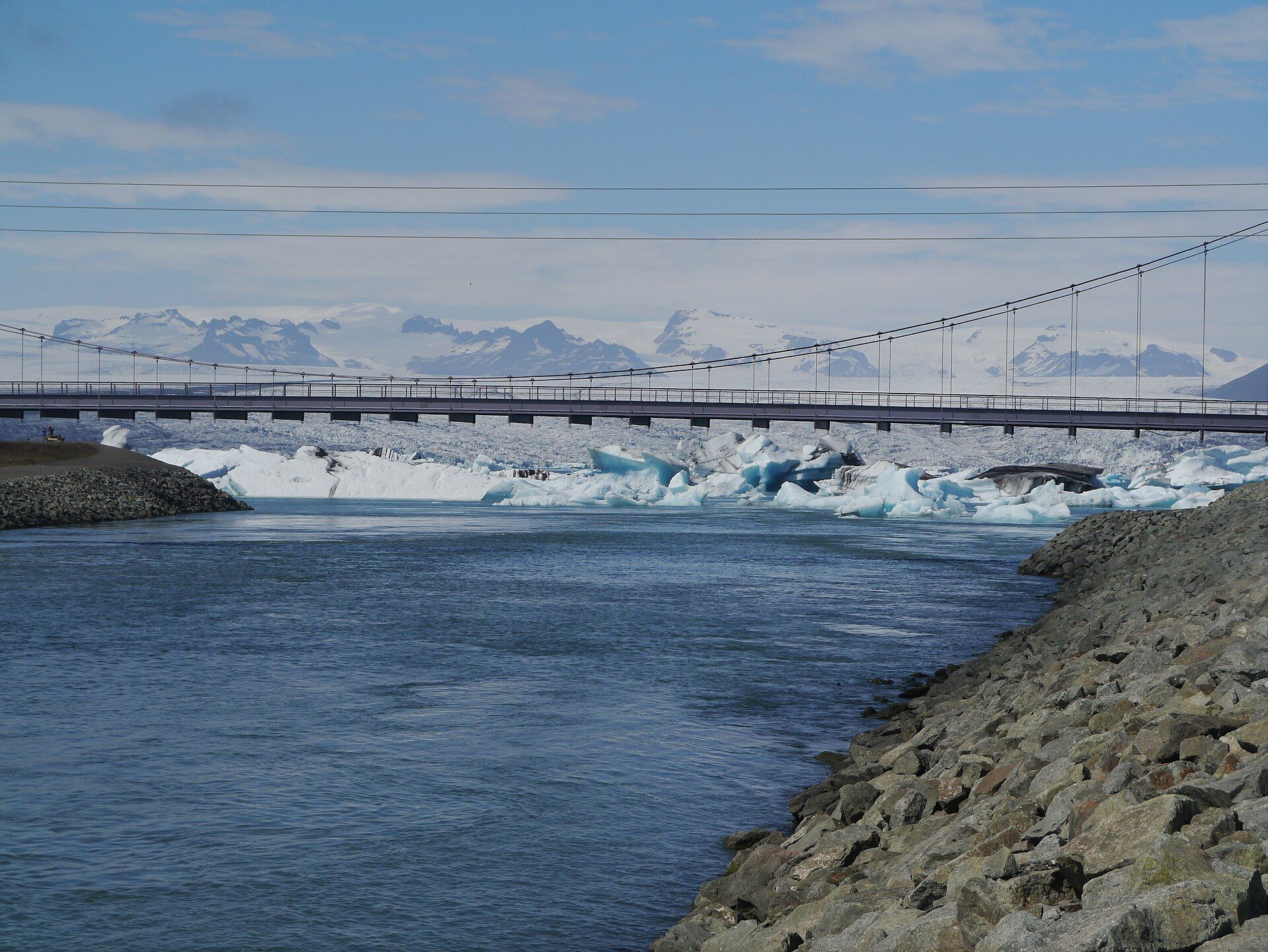
Jökulsárlón Glacier Lagoon It is younger than your grandparents
Vatnajökull National Park, Southeast Iceland
There was no lagoon here before the 1930s. It appeared around 1934–35 as the glacier retreated from the sea, and has roughly quadrupled since the 1970s — it is photogenic for precisely the reason that should worry you.
-
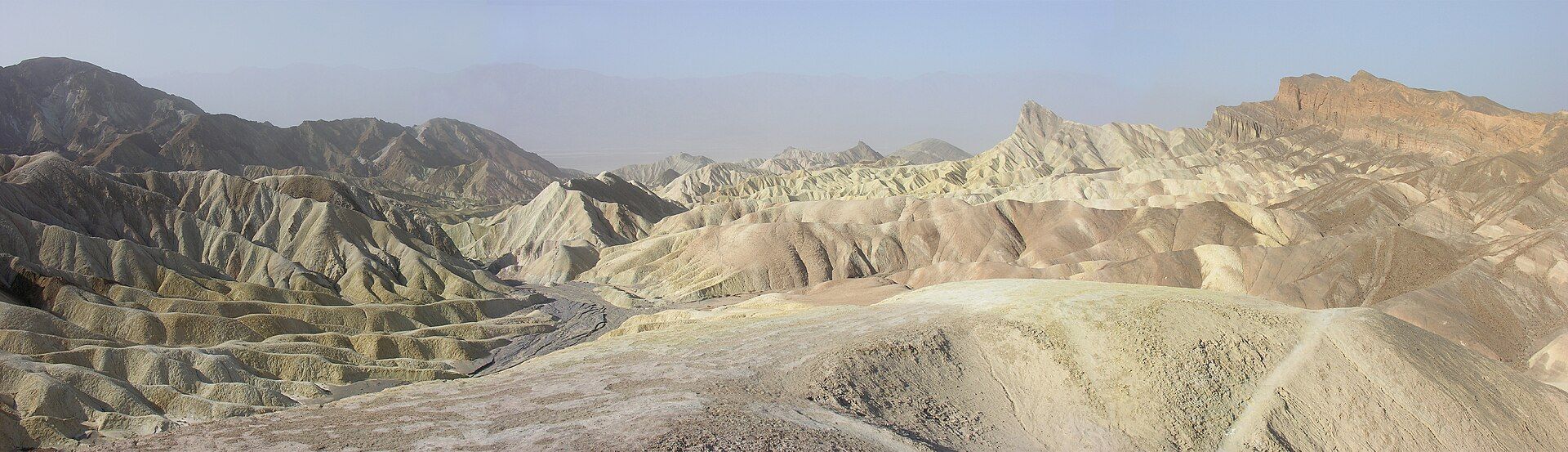
Death Valley Super blooms are rare, not annual
California / Nevada, United States
A true super bloom needs a particular sequence of well-spaced autumn and winter rain and arrives roughly once a decade at best. Most springs produce nothing like the images that circulate every year.
None of these are reasons not to go — several of them are reasons to go at a different time of year, which is usually the difference between a good trip and a disappointing one. Each guide states the honest season, the real access rules, and what the place is actually like when you get there.
Added