Nature's record-holders: the tallest, deepest, and oldest
There is a particular thrill in standing before a world record — a place that is, measurably, the most of something on the entire planet. Numbers on a page rarely do them justice; it takes being there, craning your neck or peering into the depths, to feel the scale.
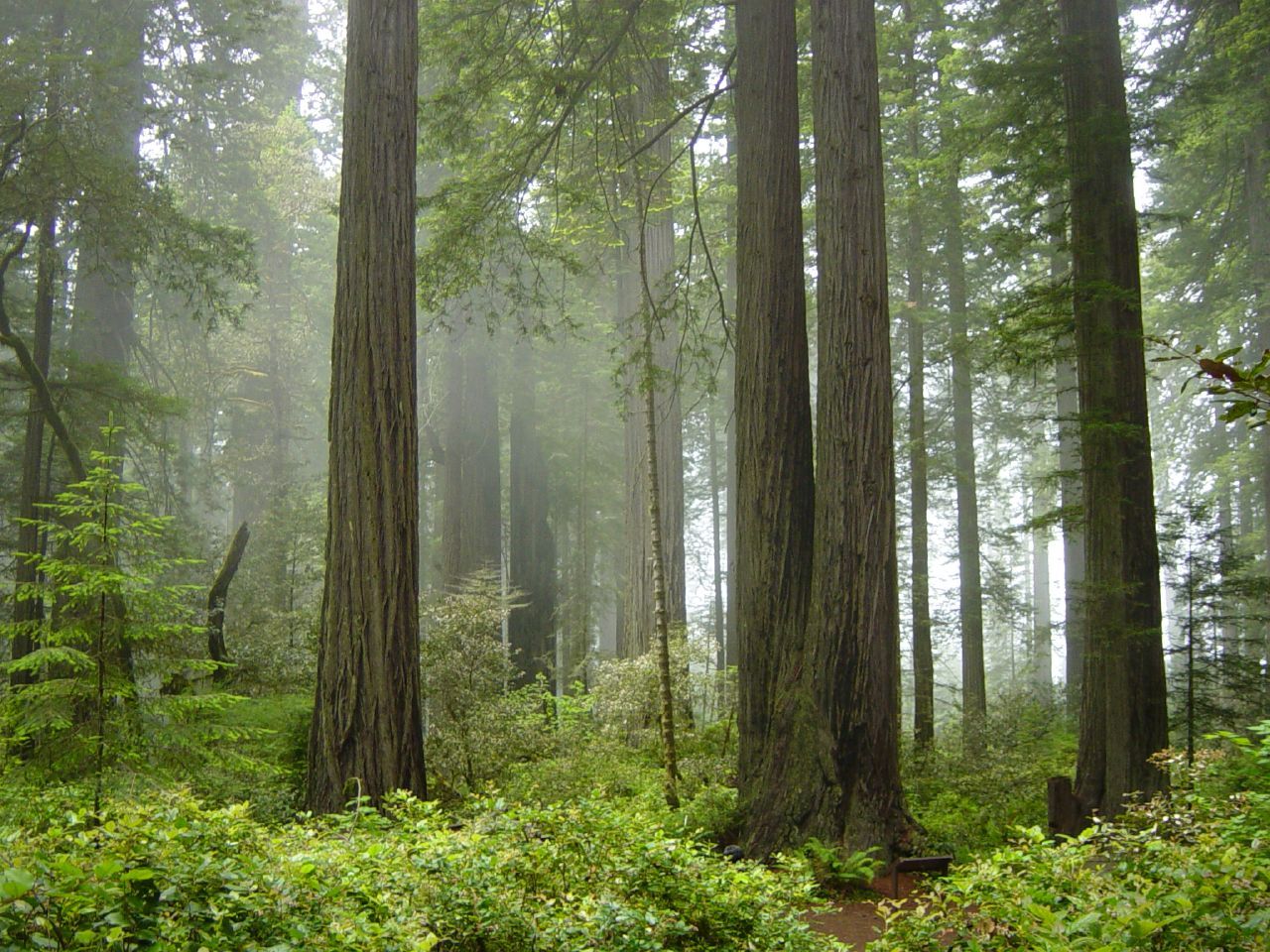
Take the redwood forests of northern California, home to the tallest living things on Earth. Coast redwoods rise past 115 metres — taller than a 35-storey building — and some have been growing for close to two thousand years. Walking into a grove, where the trunks vanish upward into fog and the light turns green and still, is one of the great humbling experiences in nature.
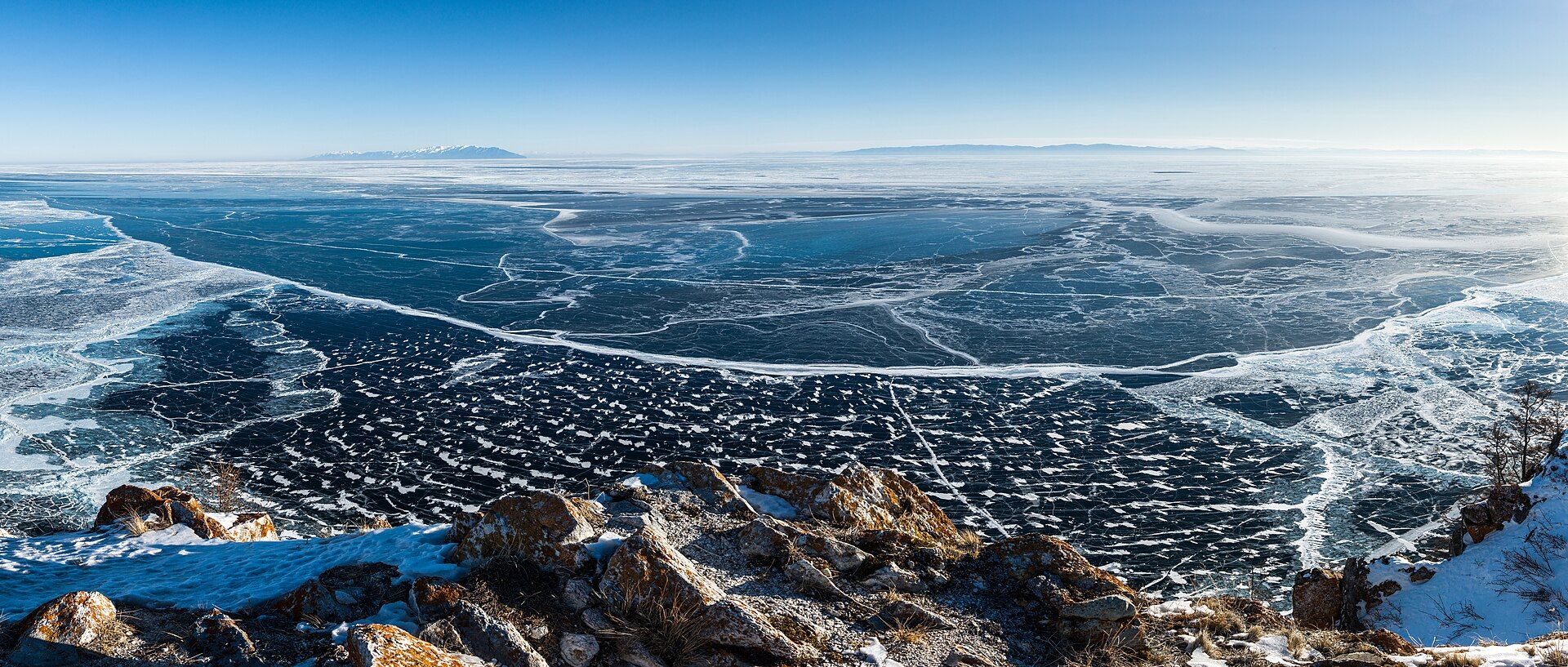
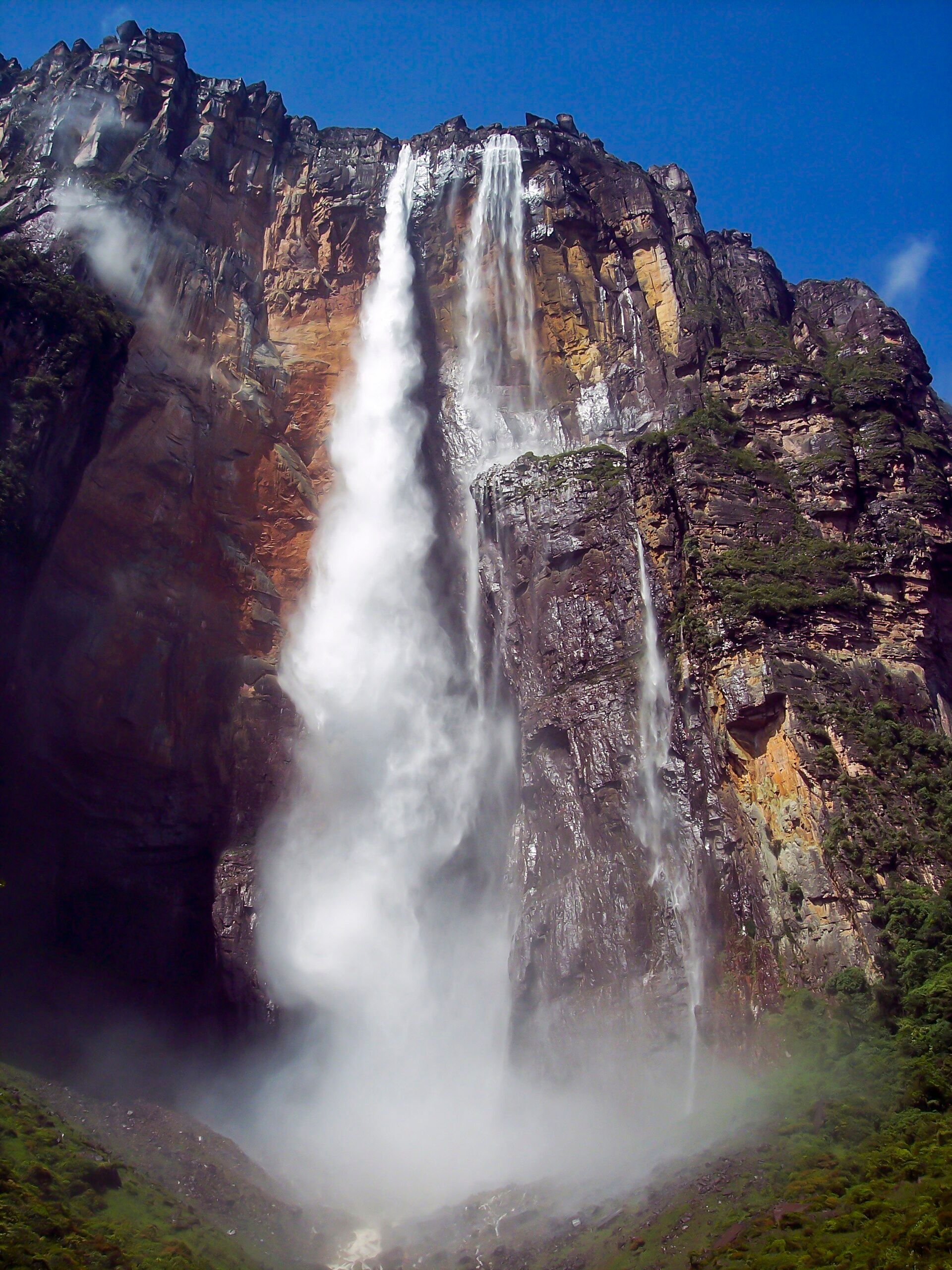
Water holds its own records. Lake Baikal in Siberia is both the deepest lake on Earth, at 1,642 metres, and the oldest, at around 25 million years — and it holds a fifth of all the unfrozen fresh water on the planet, more than all of North America’s Great Lakes combined. And in the jungles of Venezuela, Angel Falls drops 979 metres, the highest waterfall in the world, falling so far it turns to mist on the way down.
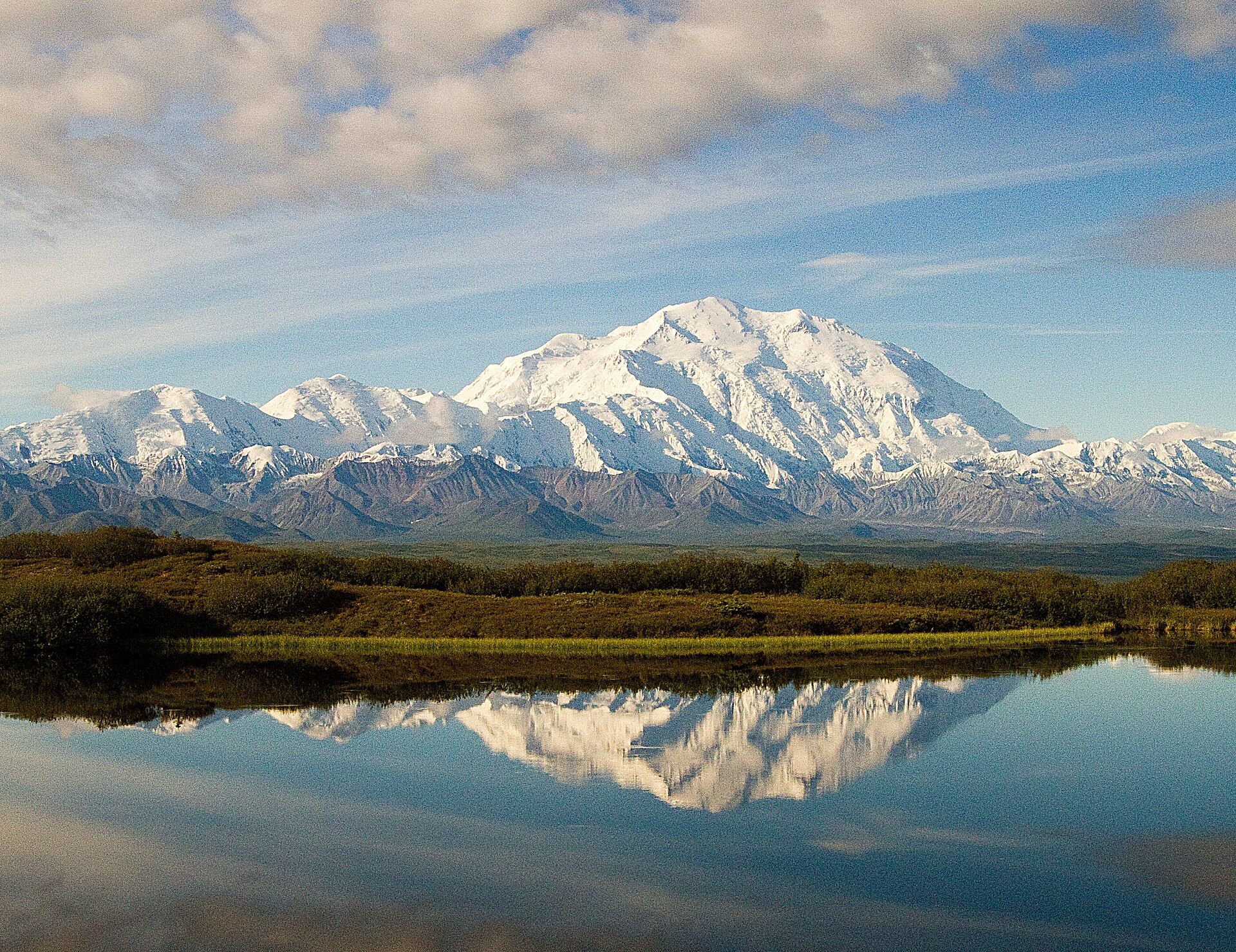
Even ‘highest’ has more than one meaning. Denali in Alaska is the highest peak in North America at 6,190 metres — but because it climbs almost straight up from a low plateau, its rise from base to summit is one of the greatest of any mountain on land, even more than Everest measured that way.
What these places share is a capacity to reset your sense of scale. You can read the figures, but until you’re standing at the foot of a two-thousand-year-old tree or looking out over a lake more than a kilometre deep, the numbers stay abstract. Go, look up, look down — and let the record become real.
Wonders in this article