Landscapes of fire: living volcanoes you can actually visit
Most of the world’s active volcanoes are, sensibly, places to stay away from. But a handful erupt in a steady, predictable rhythm rather than in rare catastrophic bursts, and those few offer something extraordinary: the chance to stand near live geology and watch the planet remake itself.
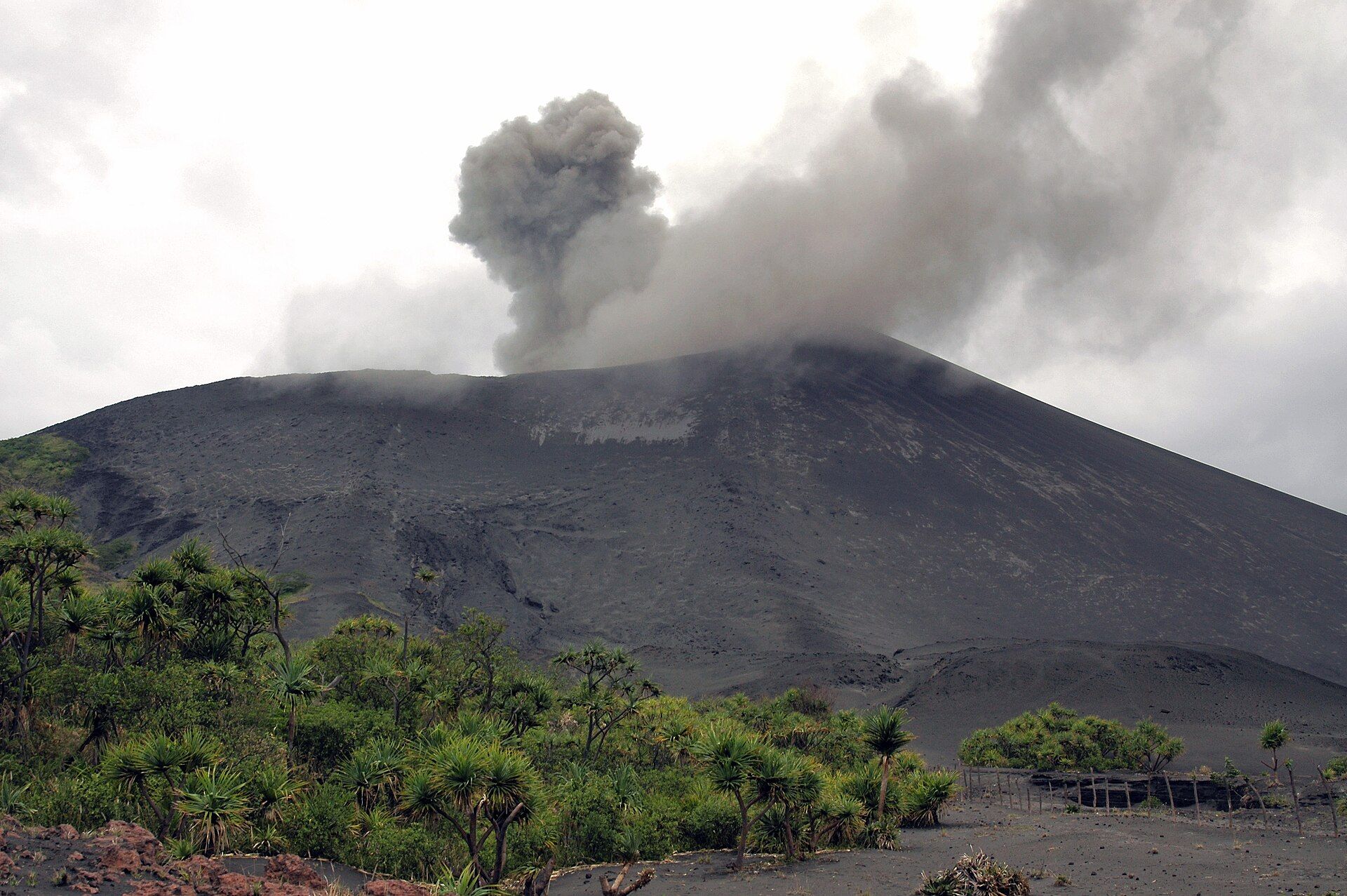
The most reliable show on Earth may be Mount Yasur on Tanna Island in Vanuatu, which has erupted almost continuously for centuries — early sailors called it the lighthouse of the Pacific. It erupts in the strombolian style, gas building beneath molten rock until it bursts free every few minutes, and a road climbs most of the way to a rim where you can feel the ground shudder with each blast. At dusk, arcs of glowing rock trace across the darkening sky.
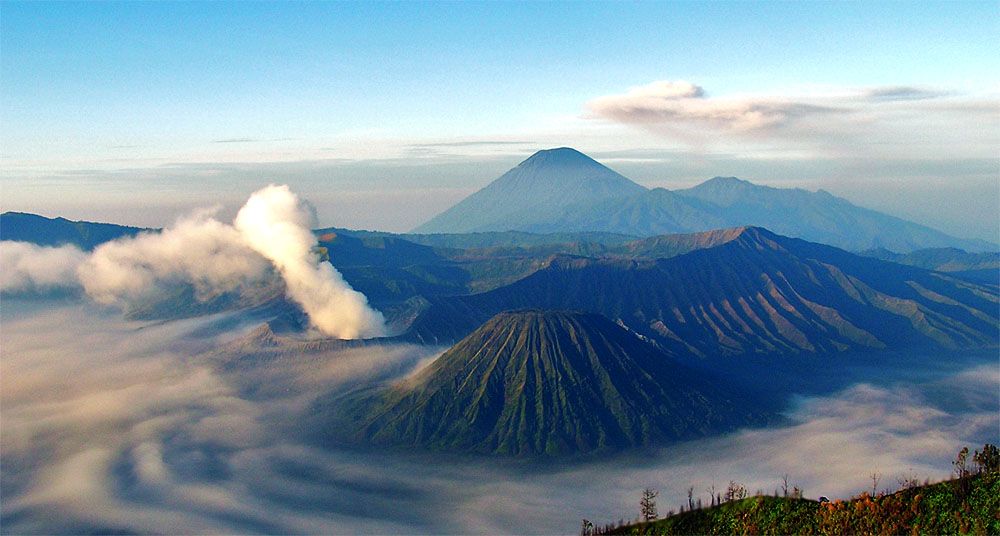
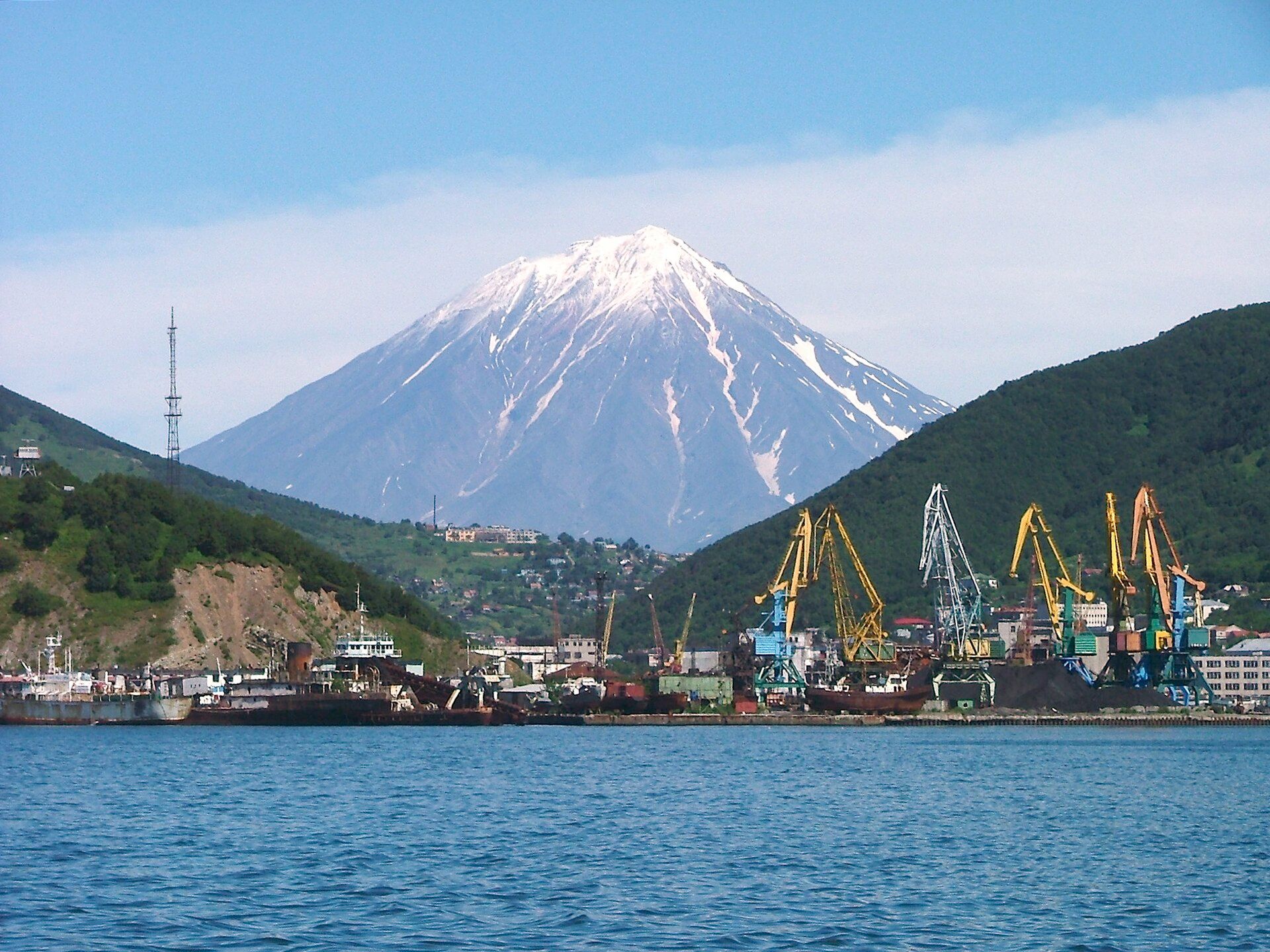
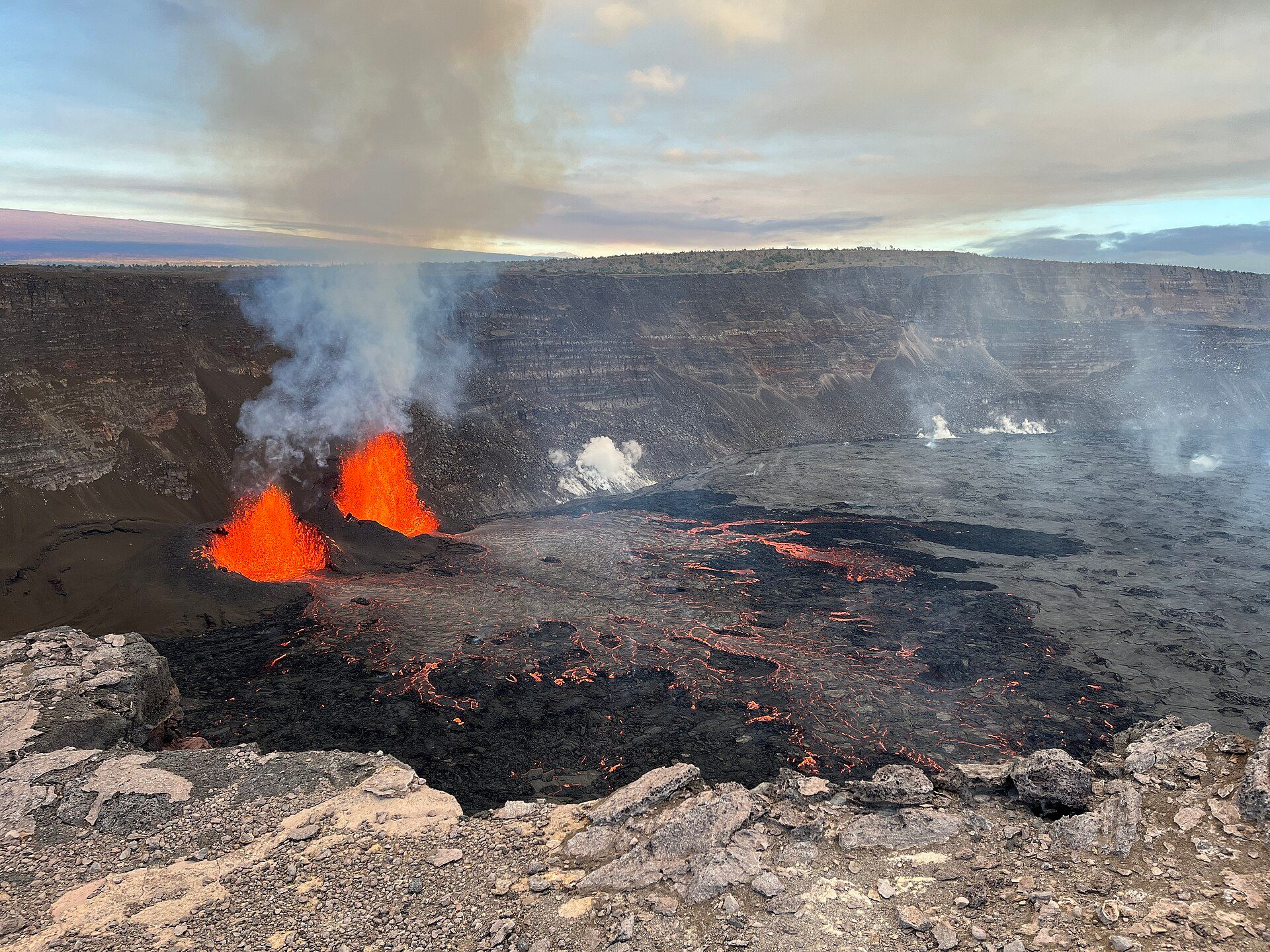
Hawaii’s Kīlauea works differently, often oozing rather than exploding, building new land as lava meets the sea — though its activity and access change constantly, so checking current alerts is essential. Indonesia’s Mount Bromo offers a different kind of drama: a smoking cone rising from a vast sea of volcanic sand, best seen at sunrise. And in the Russian Far East, Kamchatka holds some 300 volcanoes, around thirty of them active, in a wilderness so remote most are reached by helicopter.
A word on doing it responsibly. Volcanic activity is not a fixed schedule; alert levels change, and access closes for good reason. Go with licensed local guides, respect closures without argument, and be aware that on many of these mountains — Yasur and Kīlauea especially — the communities living beneath them control access and set the rules. Approached with that care, standing before a living volcano is among the most humbling experiences travel can offer: a direct look at the machinery that builds the world.
Wonders in this article