Superlative · dark skies
The Best Places in the World for Dark-Sky Stargazing
10 places · every one real, mapped, and worth the trip
A genuinely dark sky needs three things at once, and most of the world fails at least one: distance from artificial light, air with very little water vapour in it, and reliably few clouds. That combination is why the best stargazing sites cluster in high deserts and in thinly populated southern-hemisphere uplands, and why some of them now carry formal protection — DarkSky International certifies reserves and parks, with a Gold tier for the darkest.
This is our editors' pick of the best places to look up, mixing certified dark-sky sites with remote landscapes whose skies speak for themselves. It isn't a strict ranking; each entry links through to the full guide, including how to get there and which season gives the clearest air.
-
The Atacama Desert The observatory desert
Northern Chile
The driest desert on Earth, at altitude and almost cloudless — which is exactly why the world's major observatories are built here.
-
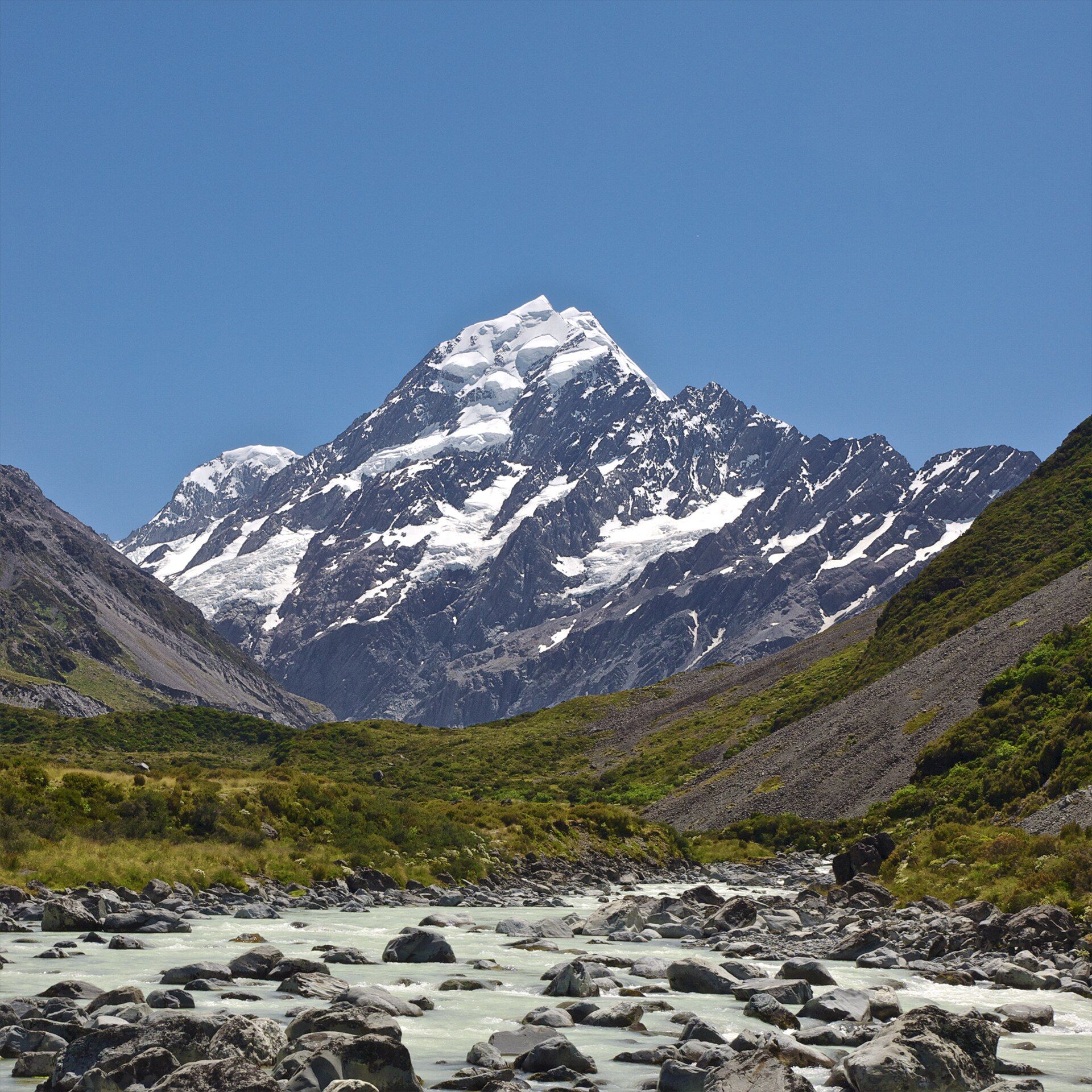
Aoraki / Mount Cook Gold-tier reserve
Canterbury, South Island, New Zealand
Sits inside the Aoraki Mackenzie International Dark Sky Reserve, one of only a handful certified at Gold tier anywhere in the world.
-
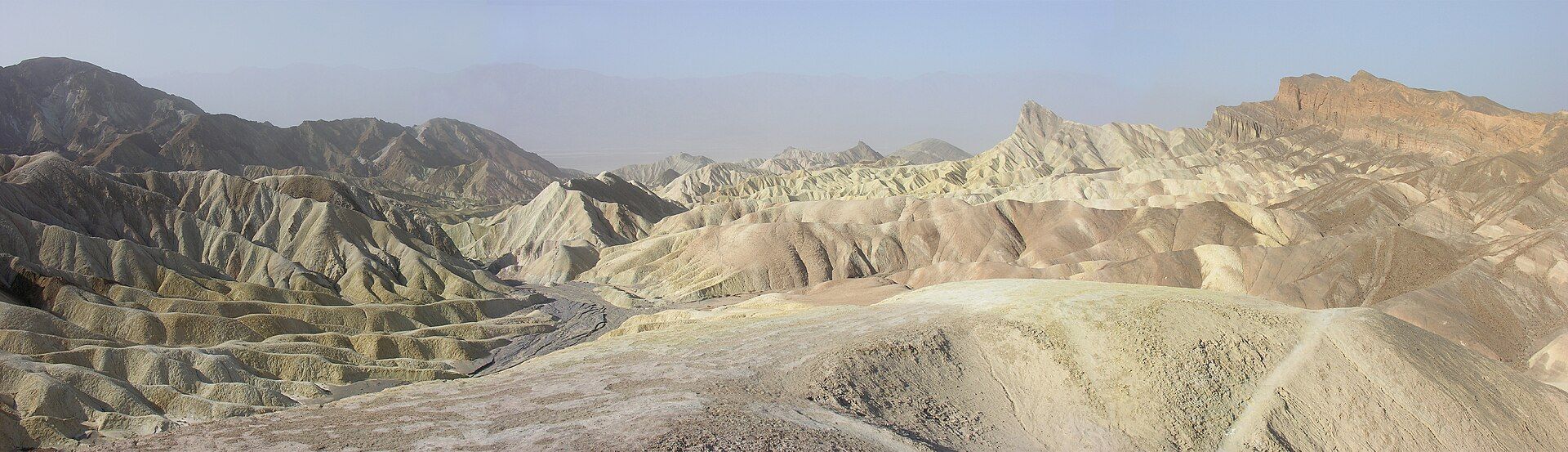
Death Valley Gold-tier park
California / Nevada, United States
Certified an International Dark Sky Park at Gold tier in 2013 — the largest such park in the United States, and reliably cloud-free.
-
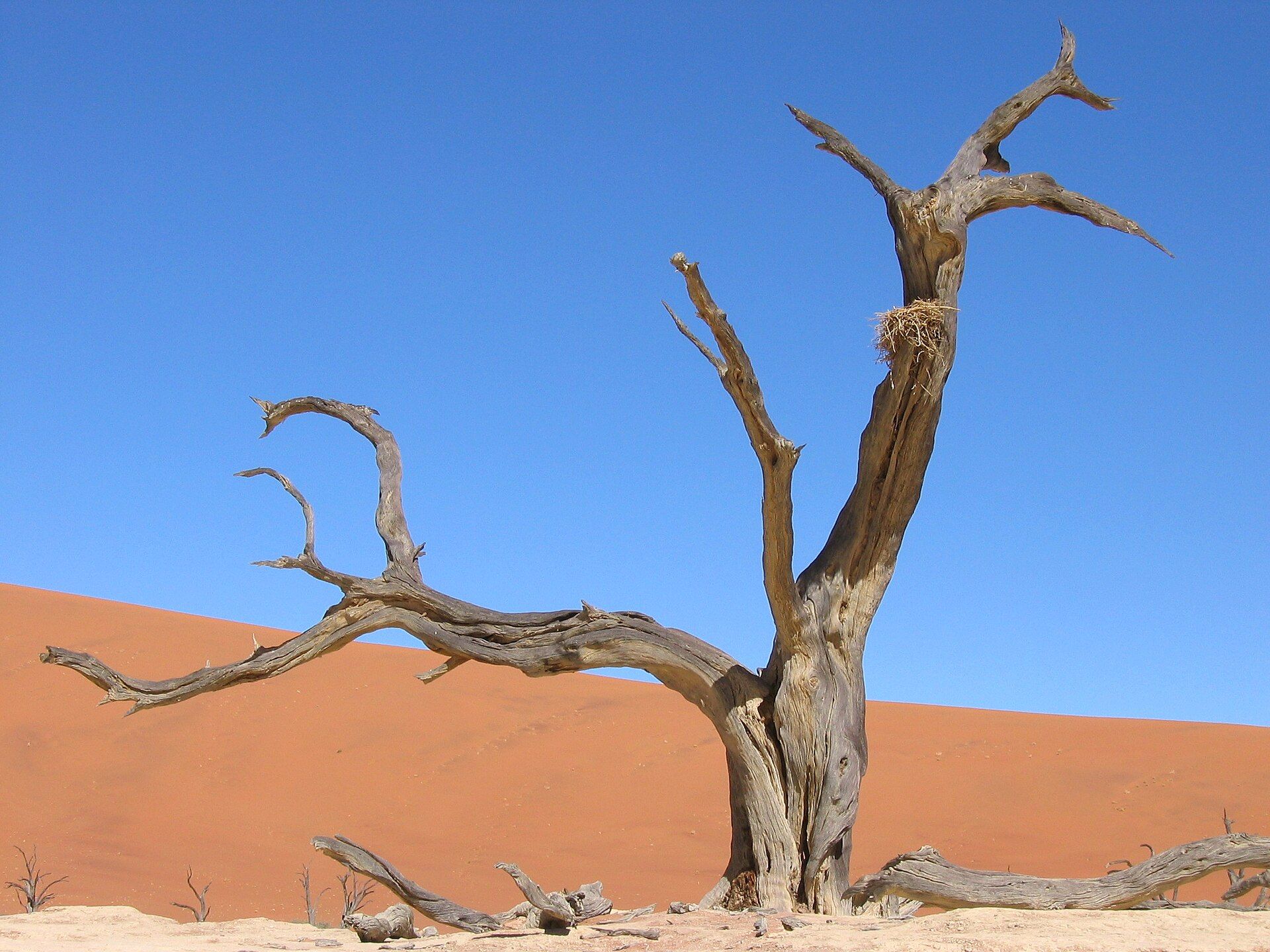
Sossusvlei & Deadvlei The Namib
Namib-Naukluft National Park, Namibia
Deep in one of the emptiest deserts on the planet; the NamibRand reserve on the same desert margin was Africa's first certified dark-sky reserve.
-
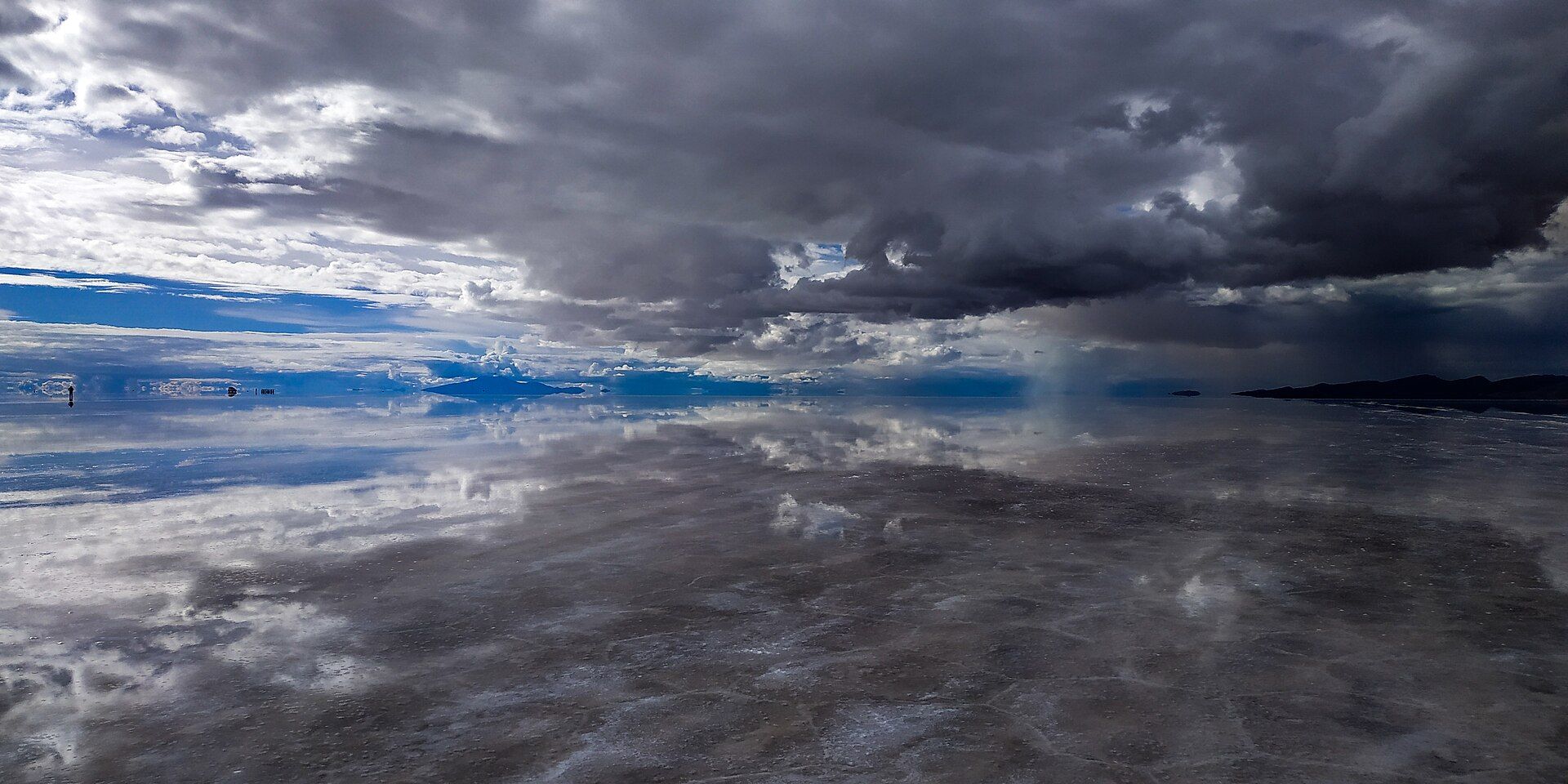
Salar de Uyuni The mirror sky
Altiplano, southwestern Bolivia
At 3,600 metres with negligible light pollution, and after rain the flooded salt reflects the stars back at you almost perfectly.
-
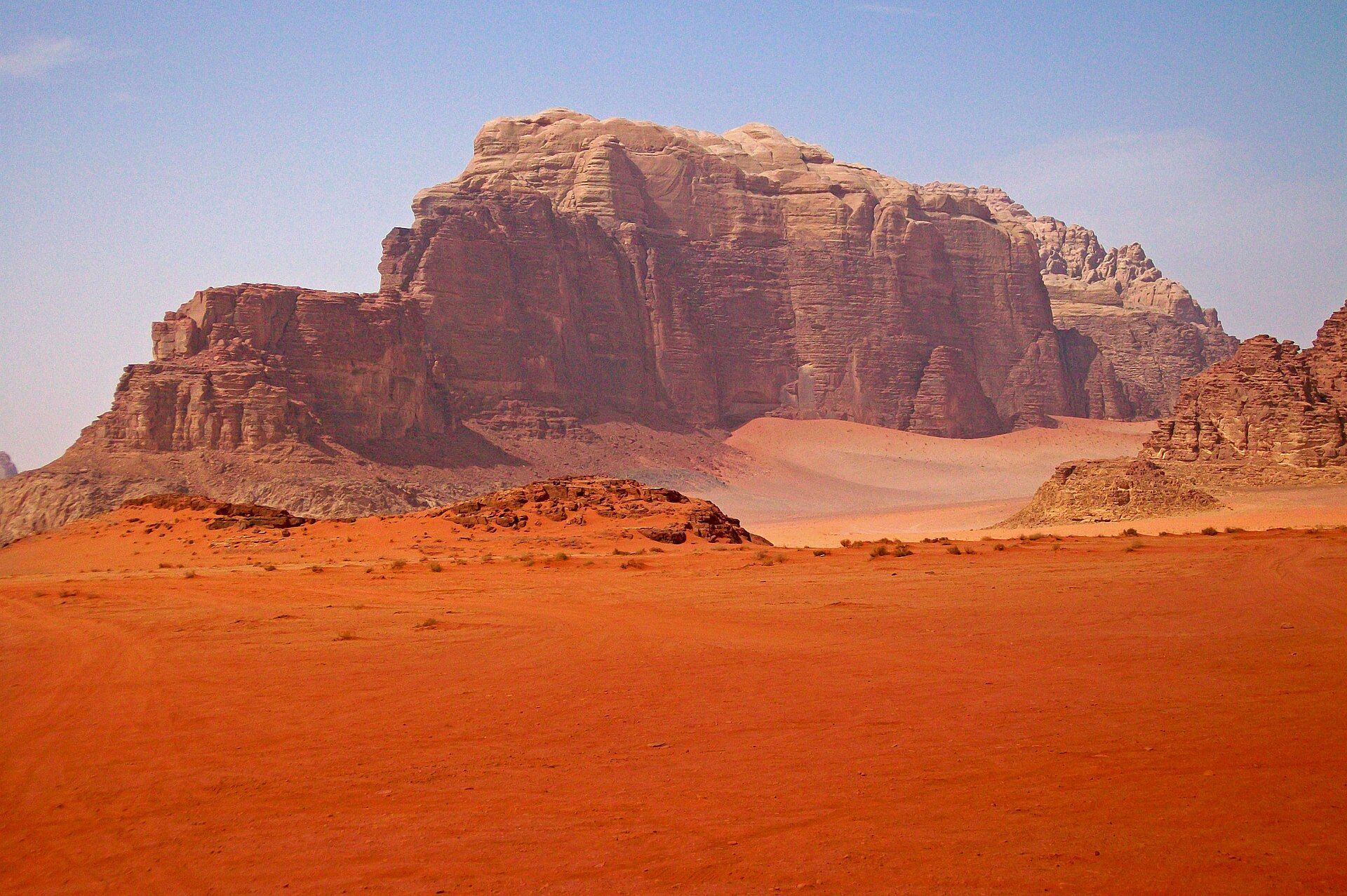
Wadi Rum
Southern Jordan
A remote Jordanian sandstone desert with dry, stable air and camps set up specifically for sleeping out under the stars.
-
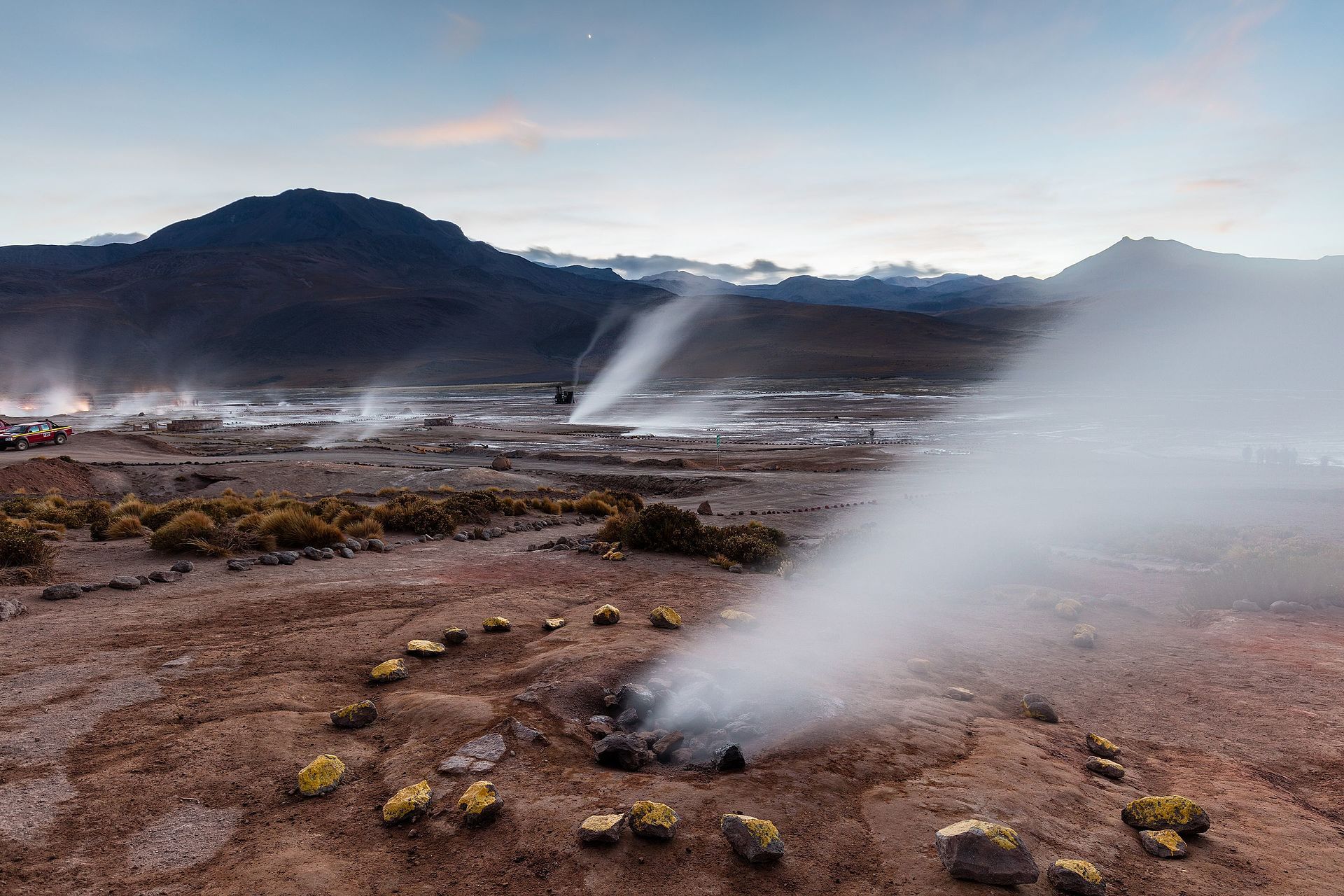
El Tatio Geysers
Andes near San Pedro de Atacama, Antofagasta Region, northern Chile
Over 4,300 metres in the Chilean Andes, where the thin, bone-dry air makes for exceptional clarity before the pre-dawn geyser show.
-
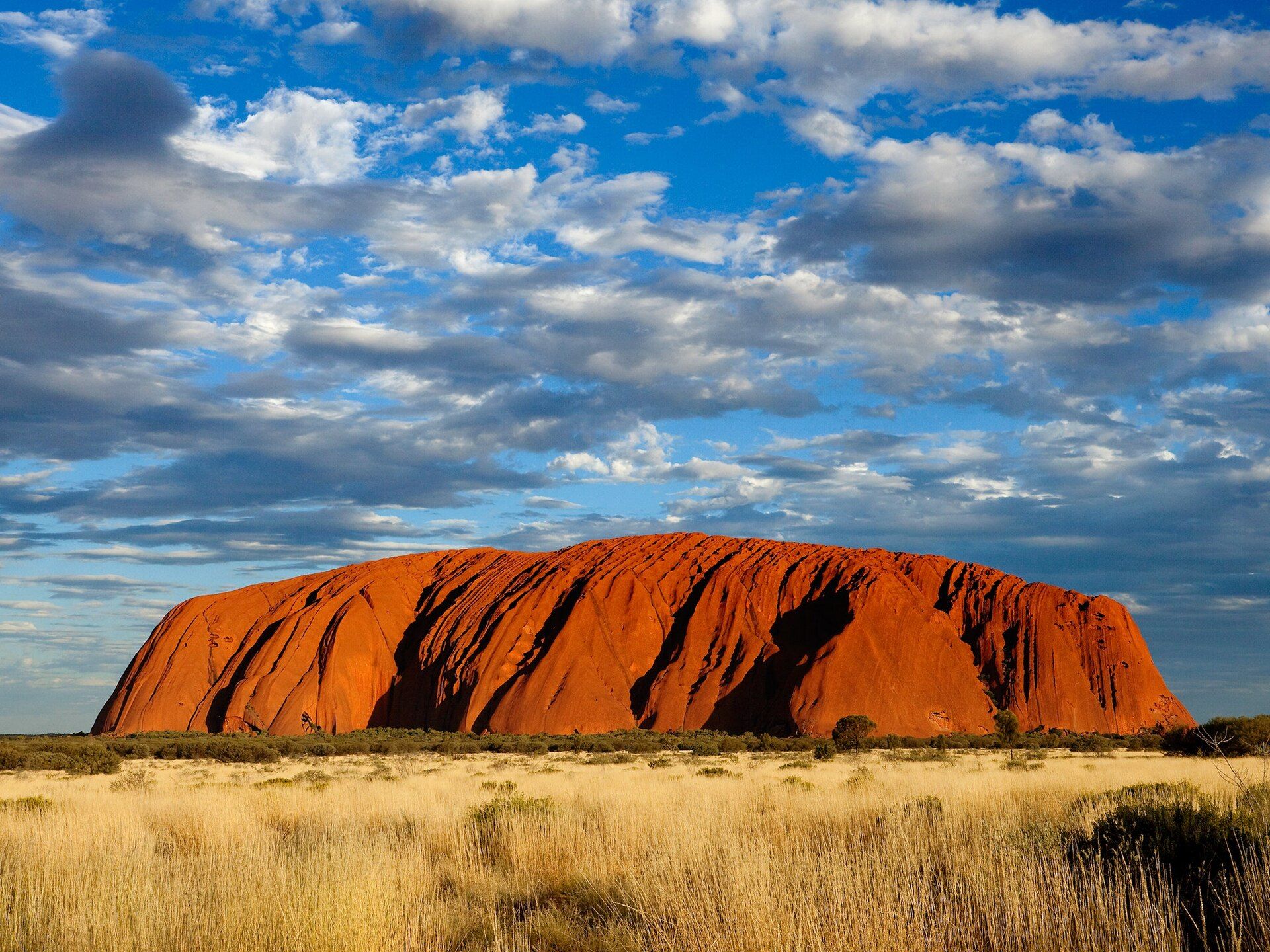
Uluru
Uluru-Kata Tjuta National Park, Northern Territory, Australia
The Australian interior offers some of the emptiest skies in the southern hemisphere, with the Magellanic Clouds plainly visible to the naked eye.
-
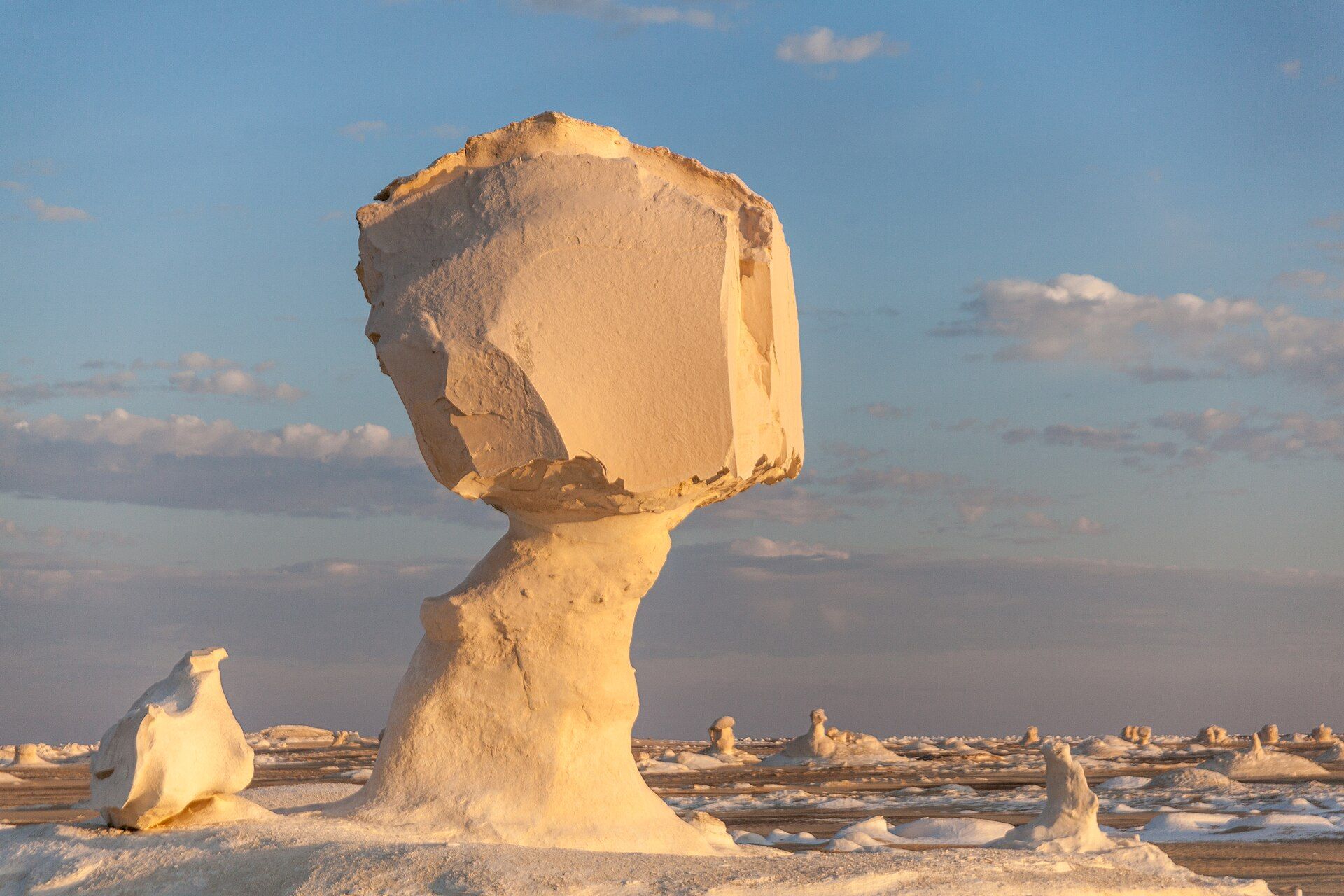
The White Desert
Farafra, Western Desert, Egypt
Egypt's chalk formations sit far out in the Western Desert, and their pale shapes stay visible under starlight alone.
-
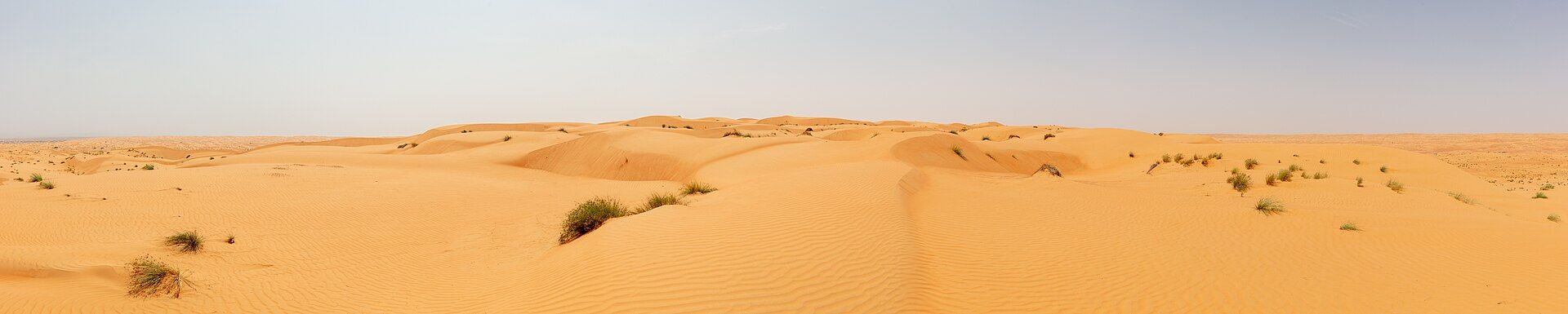
The Wahiba Sands
Ash Sharqiyah, eastern Oman
An Omani dune sea within reach of Muscat yet dark enough that the Milky Way casts a faint shadow on a moonless night.

Two practical notes that matter more than the location. First, check the moon — a full moon washes out even a Gold-tier sky, so aim for the days around new moon. Second, give your eyes twenty to thirty minutes to adapt in the dark, and avoid white light entirely during that time. Southern-hemisphere sites also see the galactic core at its highest around the middle of the year.
Added