El Tatio Geysers
📍 Andes near San Pedro de Atacama, Antofagasta Region, northern Chile
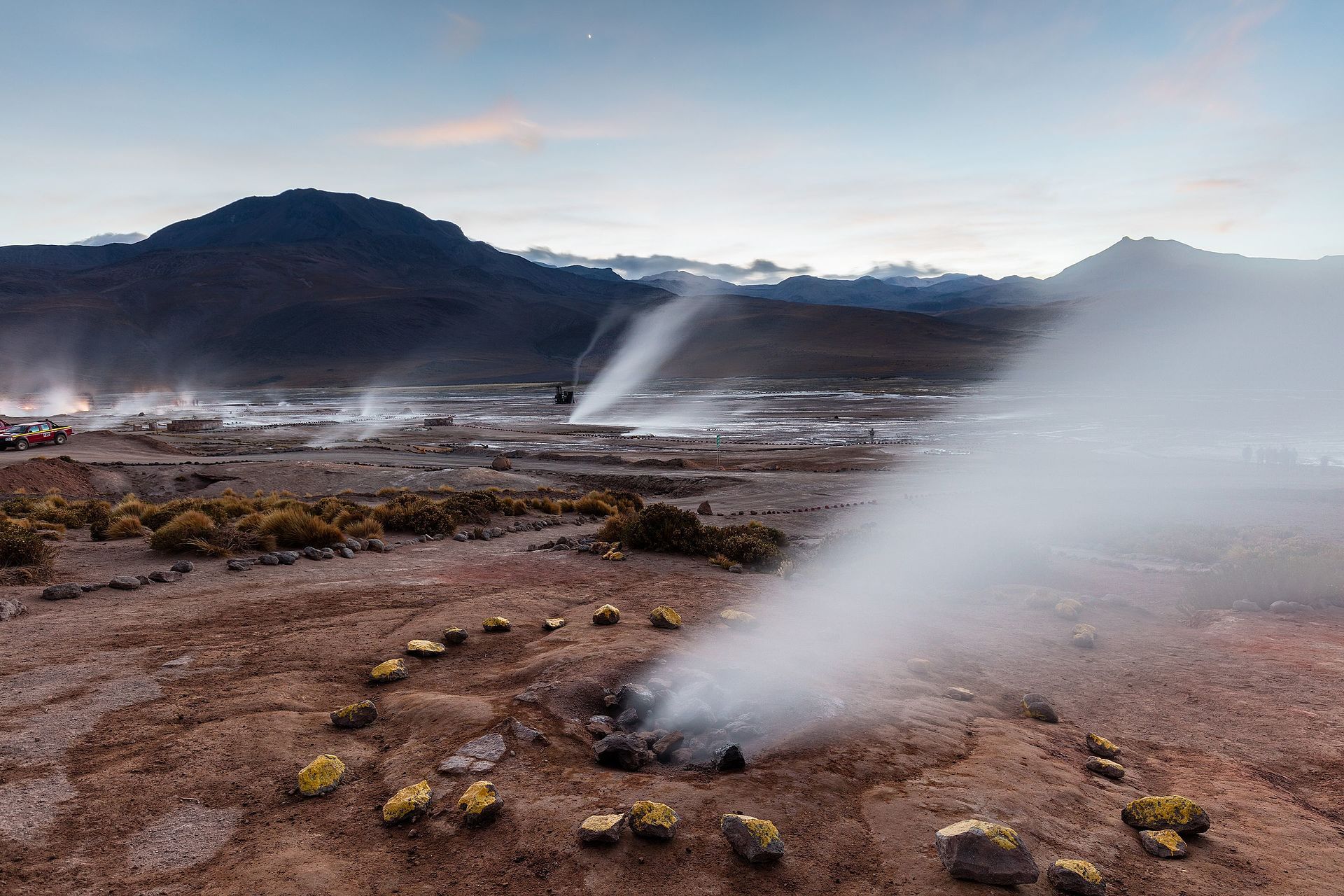
The world's highest major geyser field — more than eighty geysers steaming at 4,300 metres in the high Andes above the Atacama, where columns of hot vapour rise against the dawn cold and the surrounding volcanic peaks.
What makes it marvelous
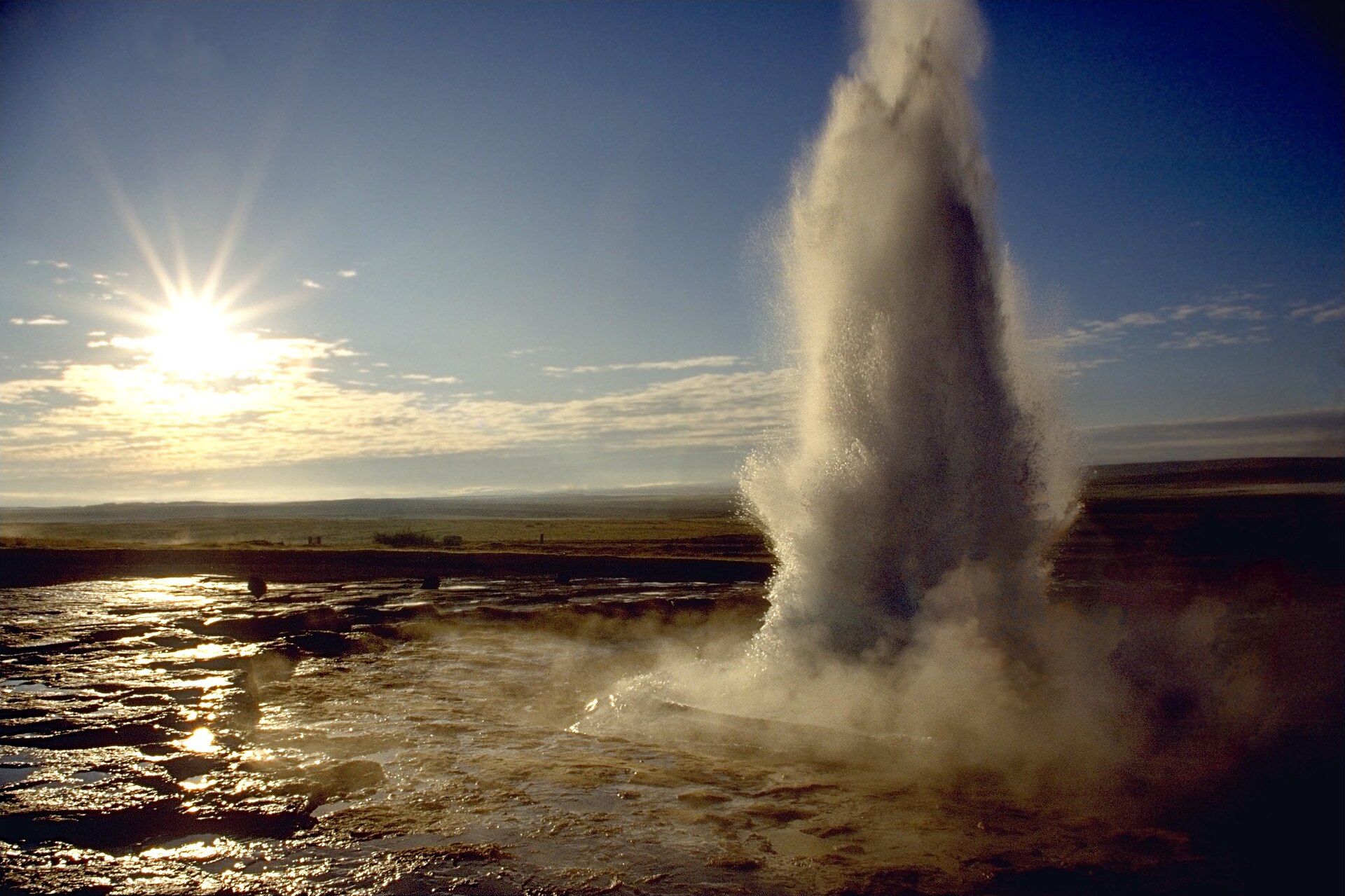
At 4,320 metres above the sea, in a bowl of the high Andes above the Atacama Desert, El Tatio holds more than eighty active geysers and a hundred fumaroles — the largest geyser field in the Southern Hemisphere and the third-largest on Earth, after Yellowstone and Russia's Valley of Geysers. It is best seen at first light, when the freezing night air makes the steam condense into towering white columns that catch the low sun and glow gold and pink against the dark volcanoes. The geysers themselves rarely jet high, but the sheer number of vents — bubbling pools, spitting cones, and roaring steam holes spread across the frost-white basin — makes the field feel like the surface of another world. As the sun climbs and the air warms, the columns shrink and the show fades, so the spectacle belongs to the cold, thin air of dawn.
Why visit
El Tatio is one of the great high-altitude spectacles of the Andes — a pre-dawn journey up onto the altiplano to watch scores of geysers steam against the sunrise, with a chance to bathe in a natural hot pool afterward. It is the classic long day-trip from San Pedro de Atacama, combining otherworldly geothermal scenery with vicuña, flamingos, and volcano views on the drive.
More views of El Tatio Geysers
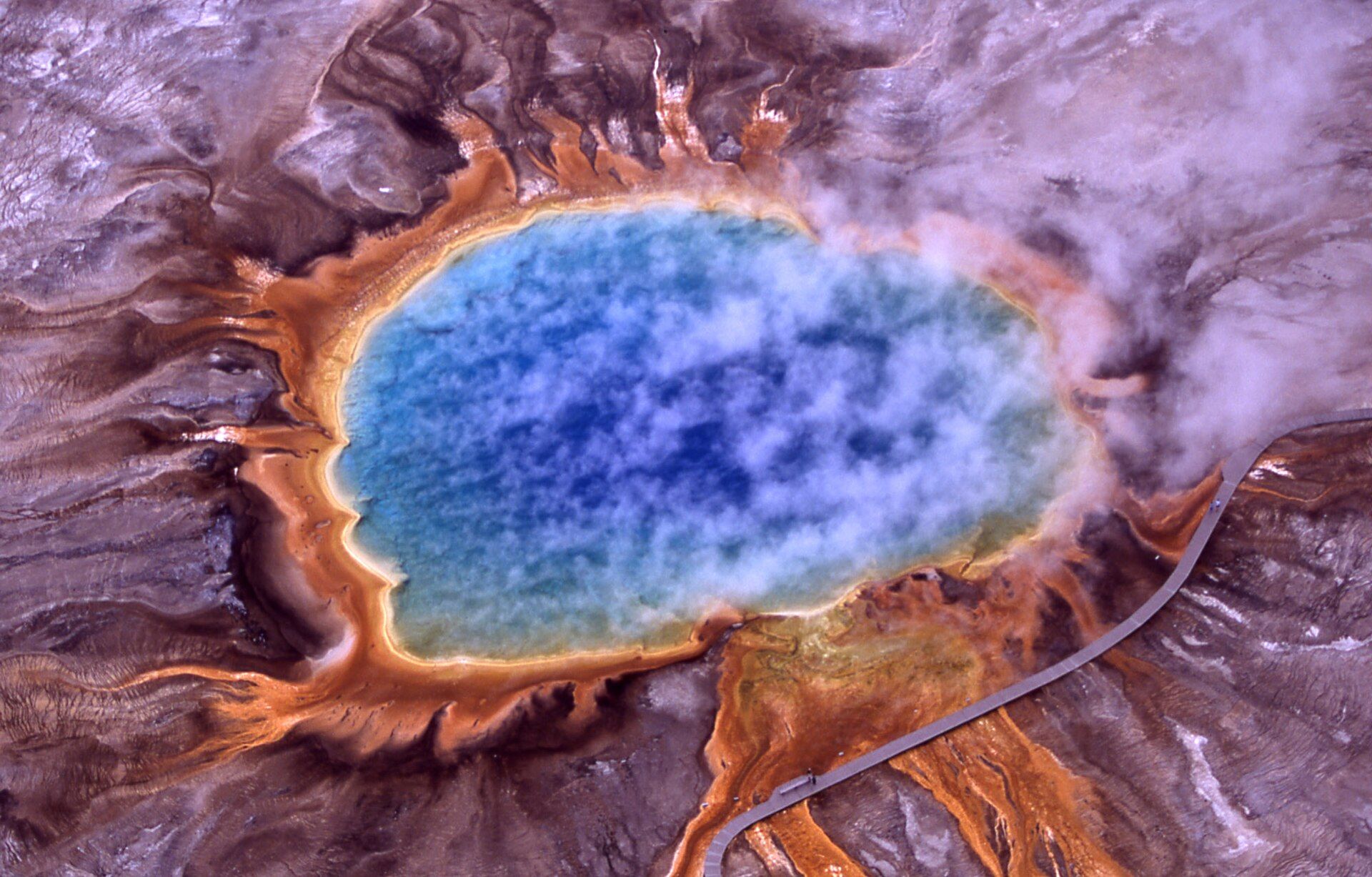
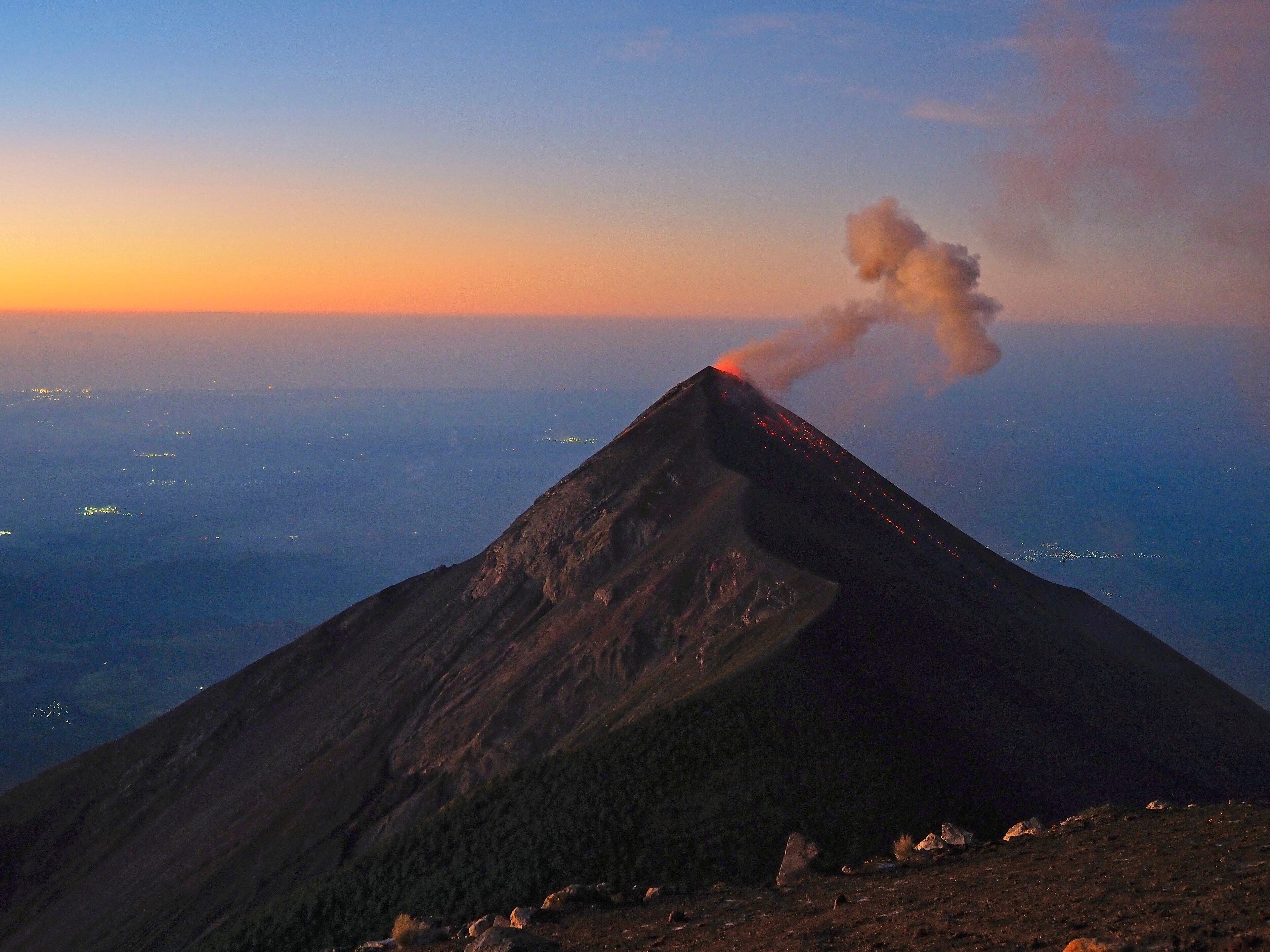
Additional photographs of the actual site — each freely licensed, with its photographer and licence credited.
What to know before you go
🗓️ Best time
Best visited at dawn year-round, when the cold makes the steam columns tallest; the dry winter months (May to September) have the clearest skies but the coldest, sub-zero mornings. Roads can be affected by summer altiplano rain (the 'Bolivian winter', January–February).
🧭 Getting there & access
El Tatio lies about 89 km north of San Pedro de Atacama, roughly 2 hours by road on a rough high-altitude track. Almost everyone visits on a pre-dawn guided tour from San Pedro to reach the field by sunrise.
Good to know
- Leave in the dark — the steam columns are tallest and most golden right at sunrise, then fade fast.
- Dress for deep cold: it is often well below freezing at dawn at over 4,000 metres, even in summer.
- Acclimatise in San Pedro for a day or two first; the altitude here is serious.
Plan your visit
Moderate🧭 Getting there
From Calama (CJC), Chile; base in San Pedro de Atacama
- Acclimatise in San Pedro de Atacama for a day or two
- Join a pre-dawn tour or drive the rough high road north to the field
- Arrive at El Tatio for sunrise, then bathe in the thermal pool before descending
- Total travel
- A half-day pre-dawn trip from San Pedro, out and back
- Time at site
- 1.5–2h at the field around sunrise
- Access
- The field is open year-round and best at dawn. The access track is rough and high; summer altiplano storms can wash it out. Altitude sickness is a real risk at 4,300 m — acclimatise first and move slowly.
🎒 What to bring & consider
- Serious cold-weather clothing — hat, gloves, and layers for sub-zero dawn
- Swimwear and a towel for the hot spring, plus warm clothes for after
- Altitude precautions — acclimatise, hydrate, and avoid alcohol
- Sun protection for the intense high-altitude daylight
👁️ What to expect
- Crowds
- Tour vehicles gather at the main vents at sunrise; walk the marked paths to quieter parts of the field.
- Conditions
- Freezing, thin-air mornings on uneven geothermal ground; stay on marked paths — the crust is thin and the water scalding.
- Facilities
- Basic toilets and a changing area by the thermal pool; no services otherwise. Bring everything you need.
- The view
- Tall golden steam columns rising from the geyser basin at sunrise, backed by the dark cones of the Andes.
Times and requirements are approximate and change with season, weather, and local rules — confirm permits, fares, and schedules with operators before you travel.
Natural riches of the area
- High-altitude geothermal field with 80+ geysers and 100+ fumaroles
- Boiling springs, mineral terraces, and steam vents on the altiplano
- Andean wetlands and streams supporting vicuña, flamingos, and waterbirds
- Surrounding volcanic peaks of the Andes above 5,000 metres
Local food
- Quinoa and altiplano stews
- Andean quinoa and hearty highland stews suited to the cold, thin air.
- Llama meat
- Lean altiplano llama, grilled or stewed, a traditional highland staple.
- Coca tea (mate de coca)
- Sipped throughout the high country to ease the effects of altitude.
El Tatio is a spectacle of the thin, cold air. In a high bowl of the Andes at 4,320 metres, above the driest desert on Earth, more than eighty geysers and a hundred fumaroles steam and bubble across a frost-white basin — the largest geyser field in the Southern Hemisphere and the third-largest anywhere, after Yellowstone and Russia’s Valley of Geysers. The geysers rarely jet high, but their number is overwhelming: bubbling pools, spitting cones, and roaring steam holes scattered to the horizon beneath a ring of volcanoes.
The show belongs to dawn. In the freezing pre-sunrise air the steam condenses into towering white columns, and as the low sun clears the peaks it lights them gold and pink against the dark rock — the reason travellers leave San Pedro de Atacama in the dark to arrive up here by first light. As the air warms the columns shrink and the field quietens, and there is time to lower yourself into a natural hot pool with the altiplano stretching away. It is a hard, high, cold place, and that is exactly why it is unforgettable: the Earth breathing steam into the coldest hour of the day, higher than almost any geyser field on the planet.
El Tatio Geysers: common questions
How do you get to El Tatio Geysers?
From Calama (CJC), Chile; base in San Pedro de Atacama: Acclimatise in San Pedro de Atacama for a day or two; Join a pre-dawn tour or drive the rough high road north to the field; Arrive at El Tatio for sunrise, then bathe in the thermal pool before descending. Total travel time: A half-day pre-dawn trip from San Pedro, out and back.
When is the best time to visit El Tatio Geysers?
Best visited at dawn year-round, when the cold makes the steam columns tallest; the dry winter months (May to September) have the clearest skies but the coldest, sub-zero mornings. Roads can be affected by summer altiplano rain (the 'Bolivian winter', January–February).
How long should you spend at El Tatio Geysers?
1.5–2h at the field around sunrise. Total travel time: A half-day pre-dawn trip from San Pedro, out and back.
What should you bring to El Tatio Geysers?
Serious cold-weather clothing — hat, gloves, and layers for sub-zero dawn Swimwear and a towel for the hot spring, plus warm clothes for after Altitude precautions — acclimatise, hydrate, and avoid alcohol Sun protection for the intense high-altitude daylight
Do you need a permit or guide for El Tatio Geysers?
The field is open year-round and best at dawn. The access track is rough and high; summer altiplano storms can wash it out. Altitude sickness is a real risk at 4,300 m — acclimatise first and move slowly.
Is El Tatio Geysers crowded, and what are conditions like?
Tour vehicles gather at the main vents at sunrise; walk the marked paths to quieter parts of the field. Freezing, thin-air mornings on uneven geothermal ground; stay on marked paths — the crust is thin and the water scalding. Facilities: Basic toilets and a changing area by the thermal pool; no services otherwise. Bring everything you need.
Added