The White Desert
📍 Farafra, Western Desert, Egypt
A dreamlike stretch of Egypt's Western Desert where wind has carved a vanished chalk seabed into ghostly white boulders shaped like mushrooms, icebergs, and sculptures.
What makes it marvelous
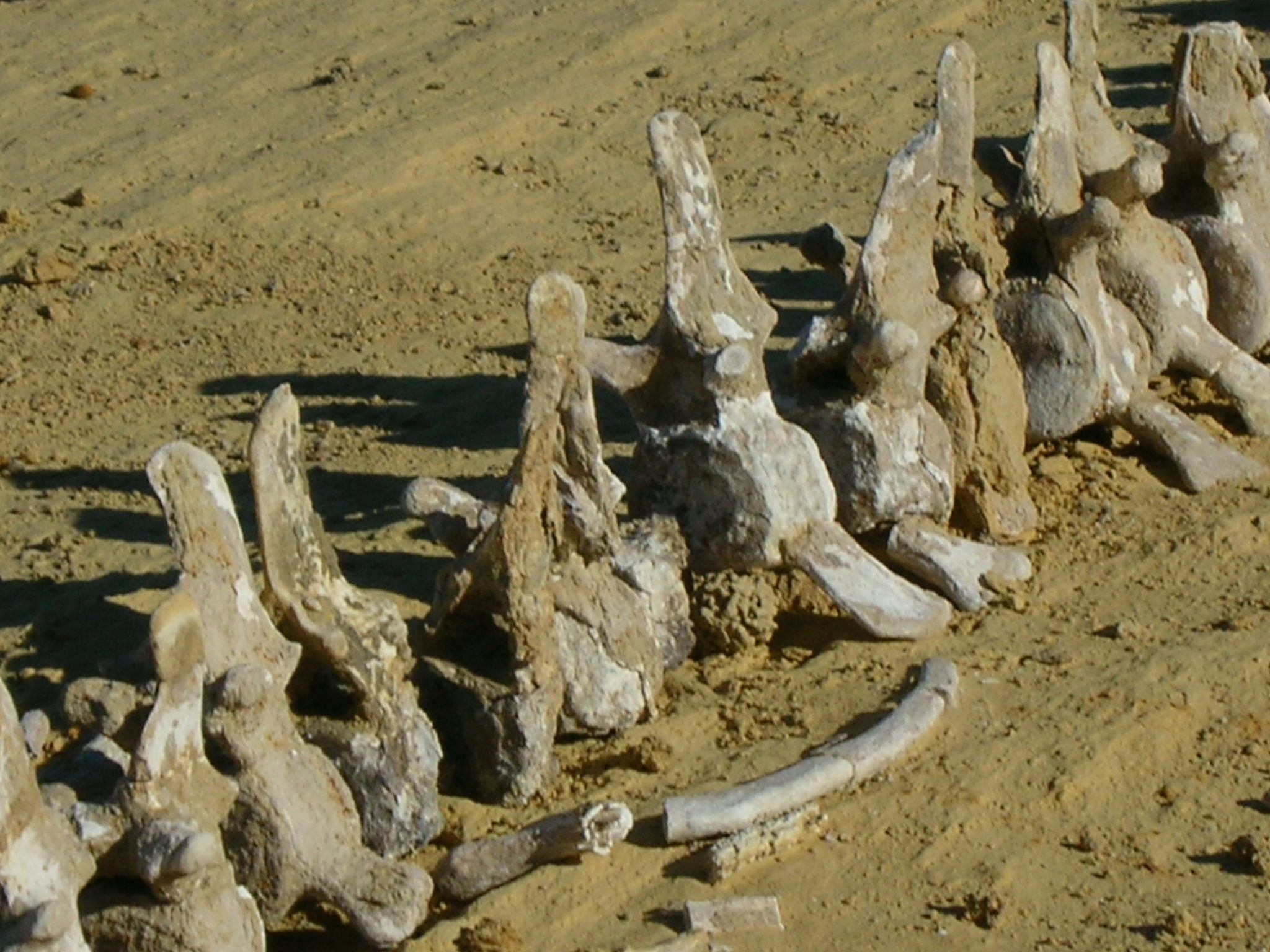
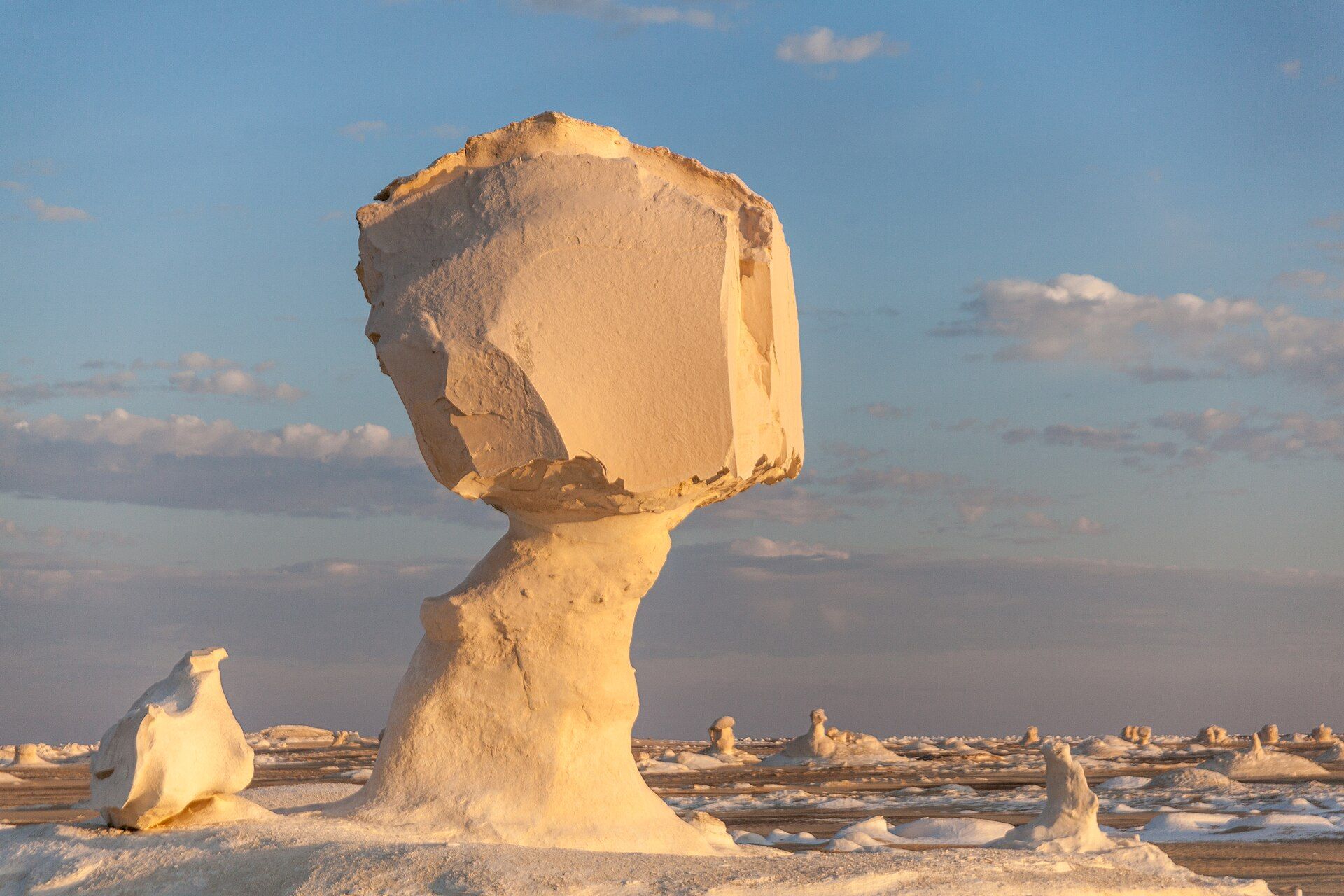
The White Desert — Sahara el Beyda — is a plateau of soft white chalk, laid down on the floor of an ancient sea and later exposed as the water and land changed. For millions of years, sand-laden desert winds have sandblasted this chalk into surreal free-standing formations: giant mushrooms, mesa-like tables, and shapes that resemble icebergs marooned on golden sand. Blindingly white against the desert and the sky, and dotted with black-iron pebbles and quartz crystals, it is protected as a national park.
Why visit
Camping among the white formations as the sun sets and then rises is the classic experience — the chalk glows pink and gold at the edges of the day, and after dark the desert's clear skies fill with stars over the pale, sculpture-like rocks. Reached across the Western Desert past hot springs and the Black Desert, it is one of the most surreal and photogenic landscapes in all of Egypt.
What to know before you go
🗓️ Best time
The cool months of October to April are the only comfortable time to visit and camp; the desert summer is punishingly hot. Nights can be cold, especially in winter.
🧭 Getting there & access
Reached on guided desert trips, usually from the oasis town of Bahariya (itself several hours by road from Cairo) or from Farafra. Visits are by 4x4 with local guides, typically as an overnight camp; there are no facilities in the park.
Good to know
- Go with an experienced local guide and camp overnight — sunset, sunrise, and the stars are the point.
- Bring warm layers for the cold desert night, even after a hot day.
- Carry all your own water and pack out every scrap of litter to protect the formations.
Plan your visit
Moderate🧭 Getting there
From Cairo (CAI), then Bahariya Oasis
- Road from Cairo to Bahariya Oasis — roughly 4–5h
- 4x4 with a guide onward toward Farafra and into the White Desert — a few hours
- Overnight desert camp among the formations
- Total travel
- A long day to reach; best as a 1–2 night desert trip from Bahariya
- Time at site
- An overnight camp to catch sunset, night sky, and sunrise
- Access
- The national park charges an entry fee, usually handled by the tour. Practically all visits are by 4x4 with a licensed guide as an overnight camp; there are no roads, services, or water inside.
🎒 What to bring & consider
- Warm layers and a sleeping setup for cold desert nights (guides usually provide camping gear)
- Ample water, sun protection, and a hat
- A torch or headlamp for camp after dark
- A trusted guide and 4x4; do not venture in alone
👁️ What to expect
- Crowds
- Quiet and remote; you may share a camp area with a few other groups, but the desert easily absorbs them.
- Conditions
- Hot days and cold nights, soft sand needing a 4x4, and no facilities — a real desert camp.
- Facilities
- None in the park; gear and food come with the tour, with services back in Bahariya.
- The view
- The white mushroom rocks glowing at sunrise or sunset, or the Milky Way above them at night. The cool season and an overnight stay are essential.
Times and requirements are approximate and change with season, weather, and local rules — confirm permits, fares, and schedules with operators before you travel.
Natural riches of the area
- Wind-sculpted chalk-rock formations from an ancient seabed
- Quartz crystals and iron pyrite pebbles scattered on the sand
- Nearby hot springs and the volcanic Black Desert
- Exceptionally dark skies for stargazing
Local food
- Bedouin bread & tea
- Flatbread baked in the sand and sweet tea brewed over the campfire.
- Dates
- A staple sweet from the oasis palm groves of the Western Desert.
The White Desert is one of the strangest landscapes in Egypt — a place where the desert floor turns blinding white and sprouts sculptures. The rock is chalk, laid down on the bed of an ancient sea, later lifted and exposed; over millions of years, winds carrying abrasive sand have carved it into free-standing shapes that look like giant mushrooms, tables, and icebergs stranded on the golden dunes. Scattered among them lie dark iron pebbles and glittering quartz crystals.
To experience it, travellers cross the Western Desert by 4x4 from the oasis of Bahariya, passing hot springs and the volcanic-black hills of the Black Desert, to camp overnight among the white formations. As the sun sinks and rises, the chalk blushes pink and gold, and once darkness falls the clear desert sky blazes with stars over the pale, silent shapes. Protected as a national park, it is Egypt’s most surreal and photogenic wilderness.
The White Desert: common questions
How do you get to The White Desert?
From Cairo (CAI), then Bahariya Oasis: Road from Cairo to Bahariya Oasis — roughly 4–5h; 4x4 with a guide onward toward Farafra and into the White Desert — a few hours; Overnight desert camp among the formations. Total travel time: A long day to reach; best as a 1–2 night desert trip from Bahariya.
When is the best time to visit The White Desert?
The cool months of October to April are the only comfortable time to visit and camp; the desert summer is punishingly hot. Nights can be cold, especially in winter.
How long should you spend at The White Desert?
An overnight camp to catch sunset, night sky, and sunrise. Total travel time: A long day to reach; best as a 1–2 night desert trip from Bahariya.
What should you bring to The White Desert?
Warm layers and a sleeping setup for cold desert nights (guides usually provide camping gear) Ample water, sun protection, and a hat A torch or headlamp for camp after dark A trusted guide and 4x4; do not venture in alone
Do you need a permit or guide for The White Desert?
The national park charges an entry fee, usually handled by the tour. Practically all visits are by 4x4 with a licensed guide as an overnight camp; there are no roads, services, or water inside.
Is The White Desert crowded, and what are conditions like?
Quiet and remote; you may share a camp area with a few other groups, but the desert easily absorbs them. Hot days and cold nights, soft sand needing a 4x4, and no facilities — a real desert camp. Facilities: None in the park; gear and food come with the tour, with services back in Bahariya.
Added
More wonders to explore