Seasons · wildflowers
The Best Places in the World to See Wildflowers — Month by Month
16 places · every one real, mapped, and worth the trip
Wildflowers keep their own calendar. Desert blooms follow rain, woodland flowers come before the trees leaf out, and high meadows wait for the snow to melt — so the season runs from late winter in California's deserts to September on the Cape. Each window below comes from the place's own page; weather moves them every year.
These are the places in the atlas where flowers are a real reason to time a trip, unranked and listed roughly in the order they bloom. Stay on the trails: in most of them the meadows are the protected thing.
-
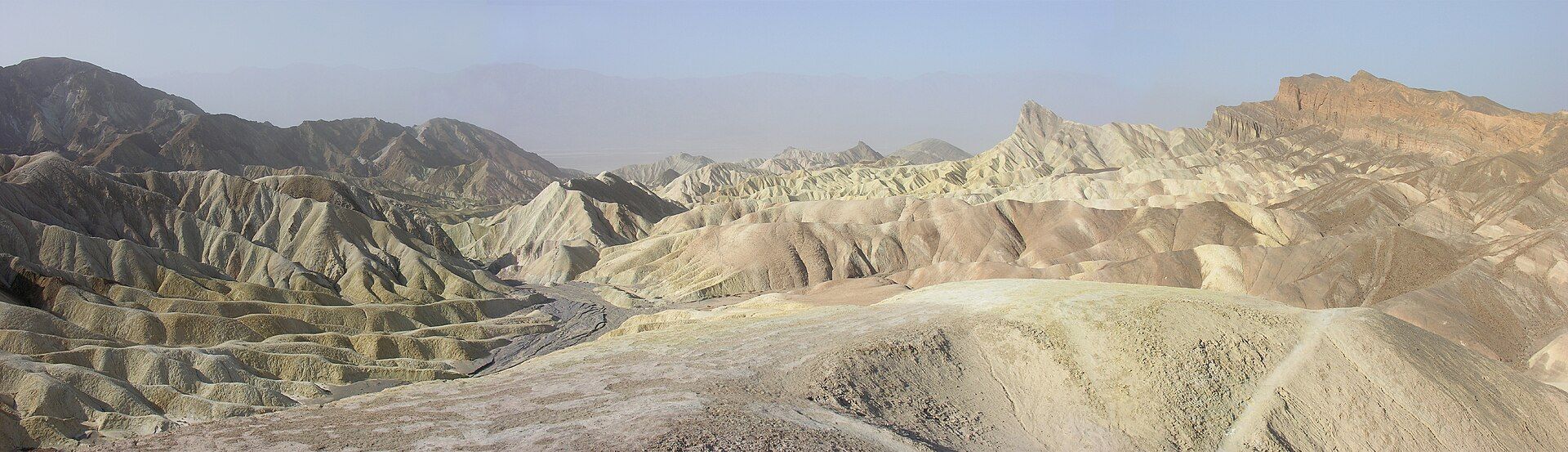
Death Valley Rare, late winter–spring
California / Nevada, United States
In a wet year, long-dormant seeds erupt across the desert floor. Blooms, when they happen, usually come in late winter to spring — but a true super bloom needs well-spaced autumn and winter rain and arrives roughly once a decade at best, not most springs. Visit November to March; summer heat can be lethal.
-
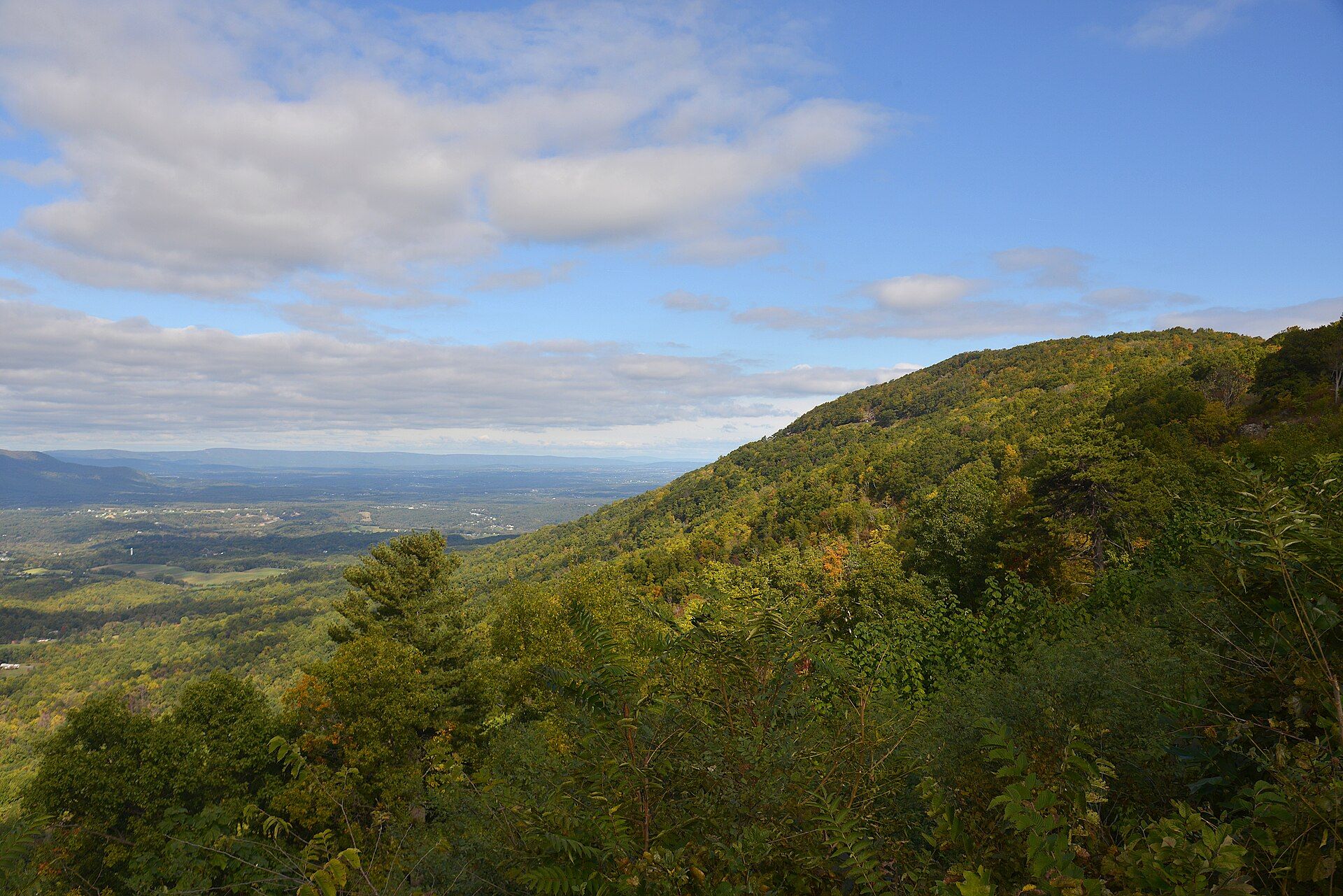
Shenandoah National Park Mid-March to May
Blue Ridge Mountains of Virginia, USA, between Front Royal in the north and Waynesboro in the south, just west of Washington, D.C.
Spring, from mid-March to the end of May, brings wildflowers to the Blue Ridge with far fewer people than the autumn foliage season. Drive Skyline Drive and walk the woodland trails from one of four entrance stations.
-
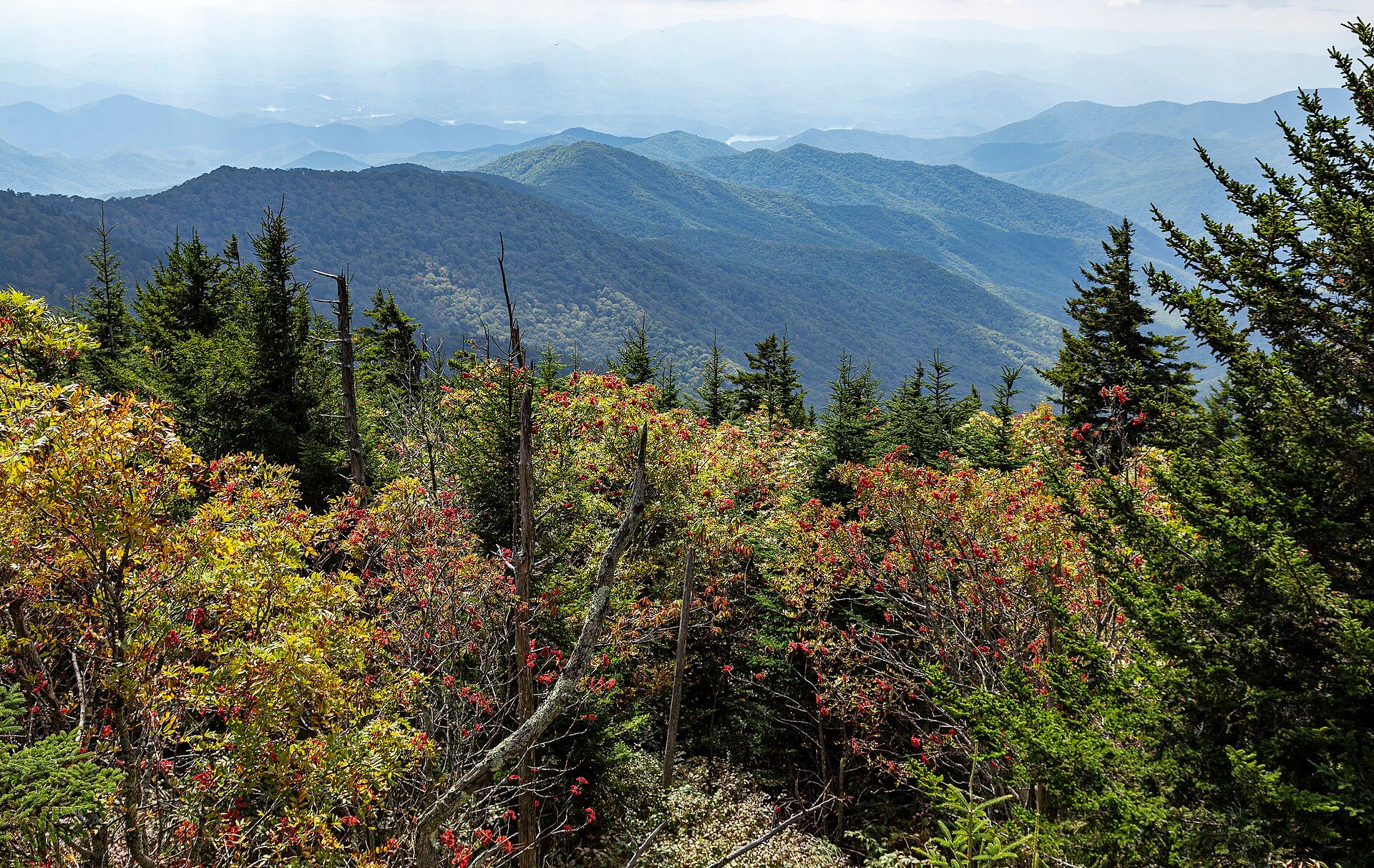
Great Smoky Mountains National Park Peak in mid-spring
Southern Appalachians on the Tennessee–North Carolina border, USA, between Gatlinburg, Tennessee and Cherokee, North Carolina
With more than 1,500 flowering plants documented, the Smokies' wildflowers peak in mid-spring and carry on through summer. The park is busy almost all year — arrive by 8 am — and needs a parking tag for stops over 15 minutes.
-
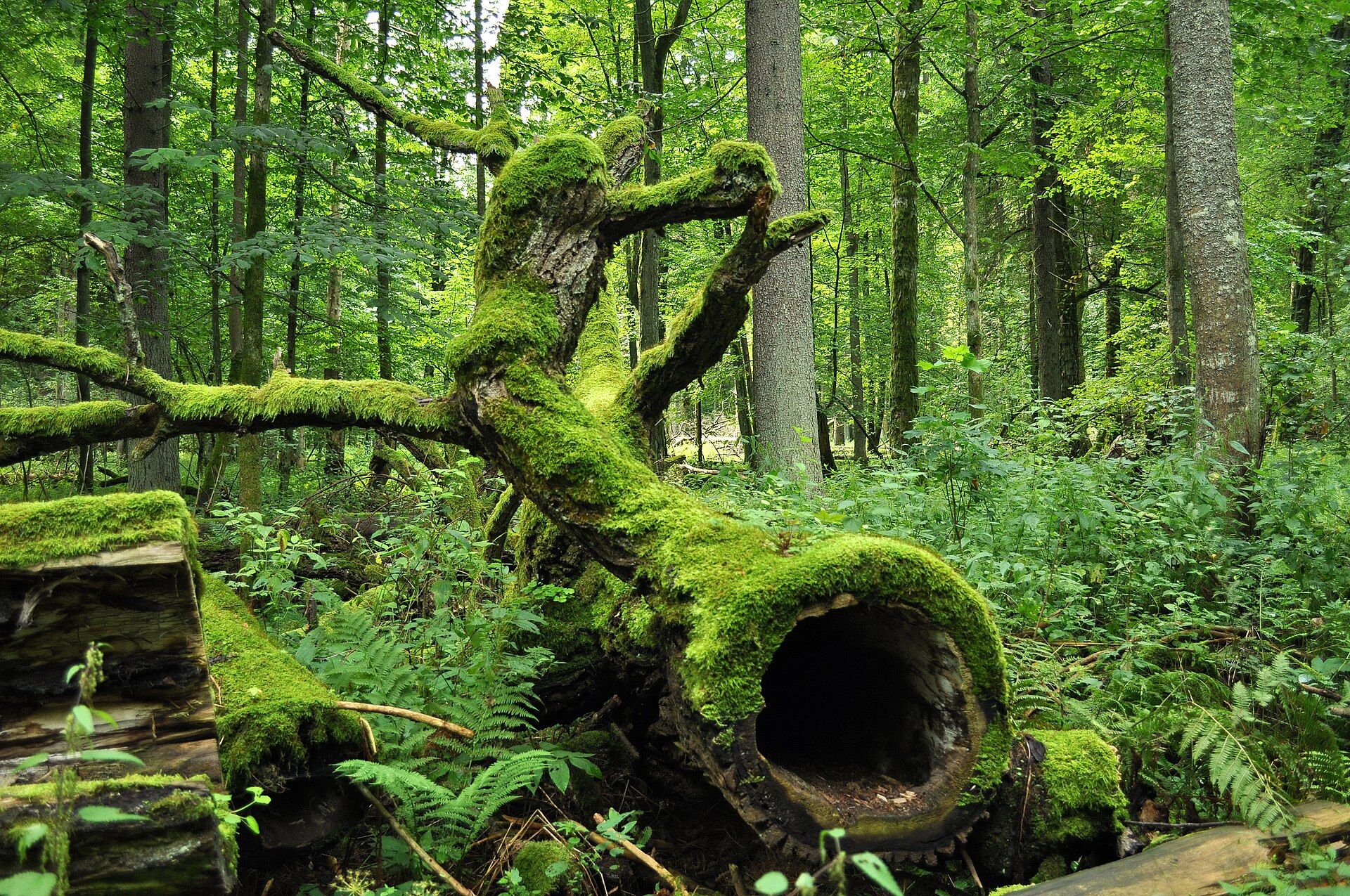
Białowieża Forest April–June in the old forest
Poland–Belarus border
Spring, roughly April to June, brings birdsong, wildflowers and active wildlife to Europe's lowland primeval forest. The never-logged, strictly protected core is entered only with a licensed guide, about four hours from Warsaw.
-
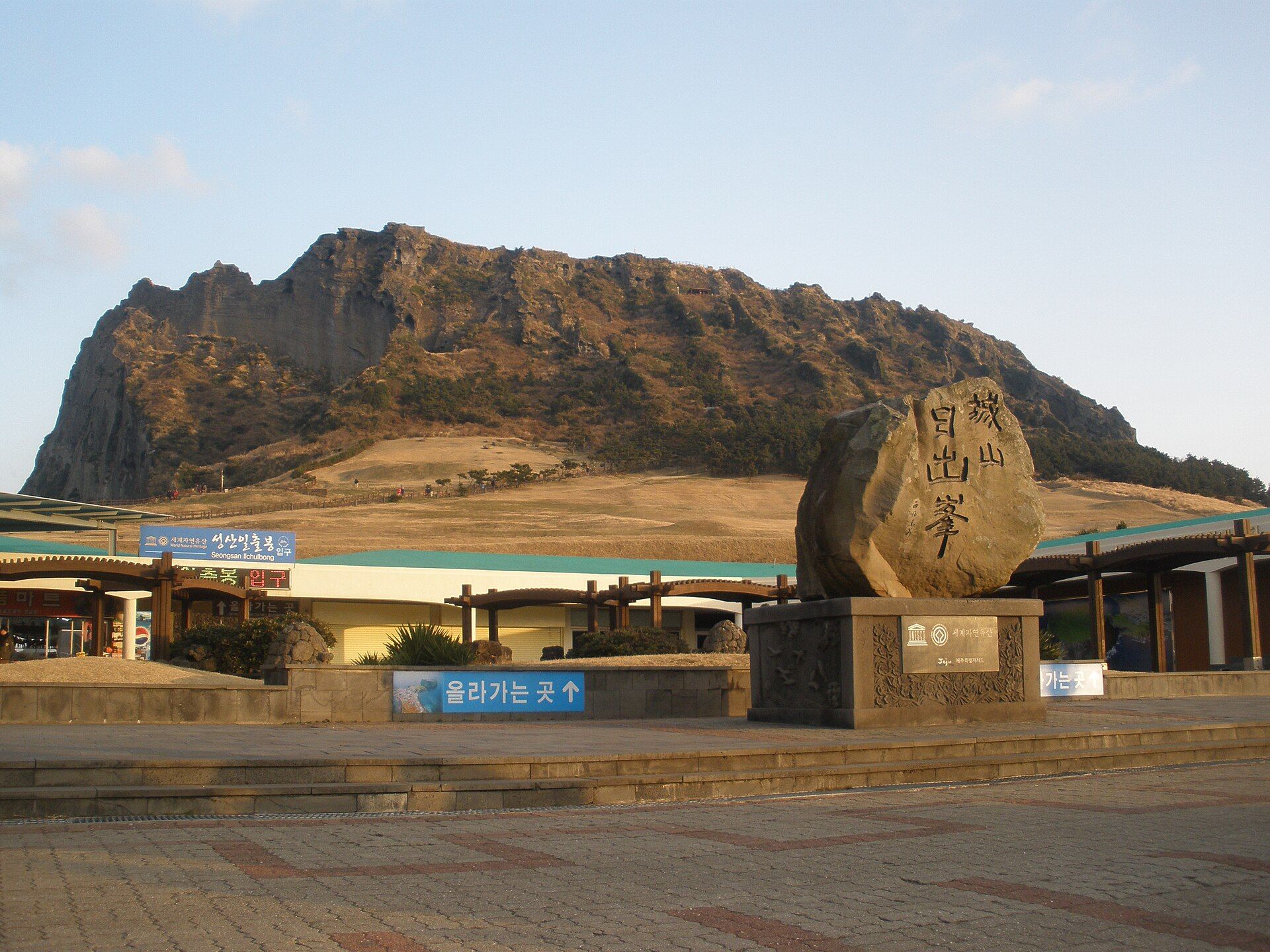
Jeju Island April–June
Jeju Province, South Korea
Korea's volcanic island is at its best in spring, roughly April to June, for mild weather, wildflowers and clear hiking; summer is hot and humid with typhoon risk. Frequent short flights from Seoul and Busan.
-
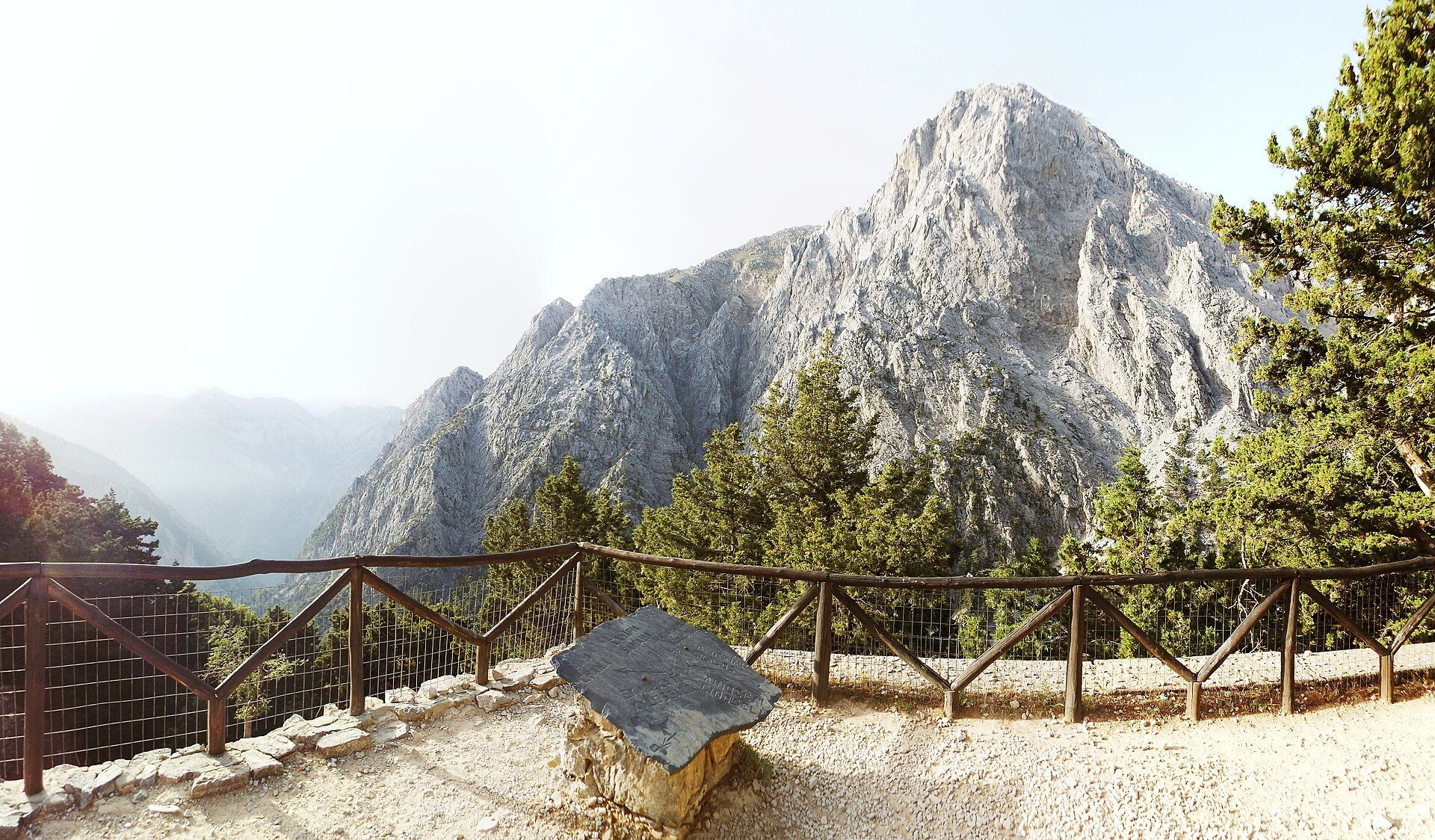
Samaria Gorge Late spring, from 1 May
White Mountains, Chania, Crete, Greece
The gorge opens on 1 May, and late spring brings wildflowers and full flow on the 16 km descent to the Libyan Sea. May, June, September and October avoid the fiercest summer heat.
-
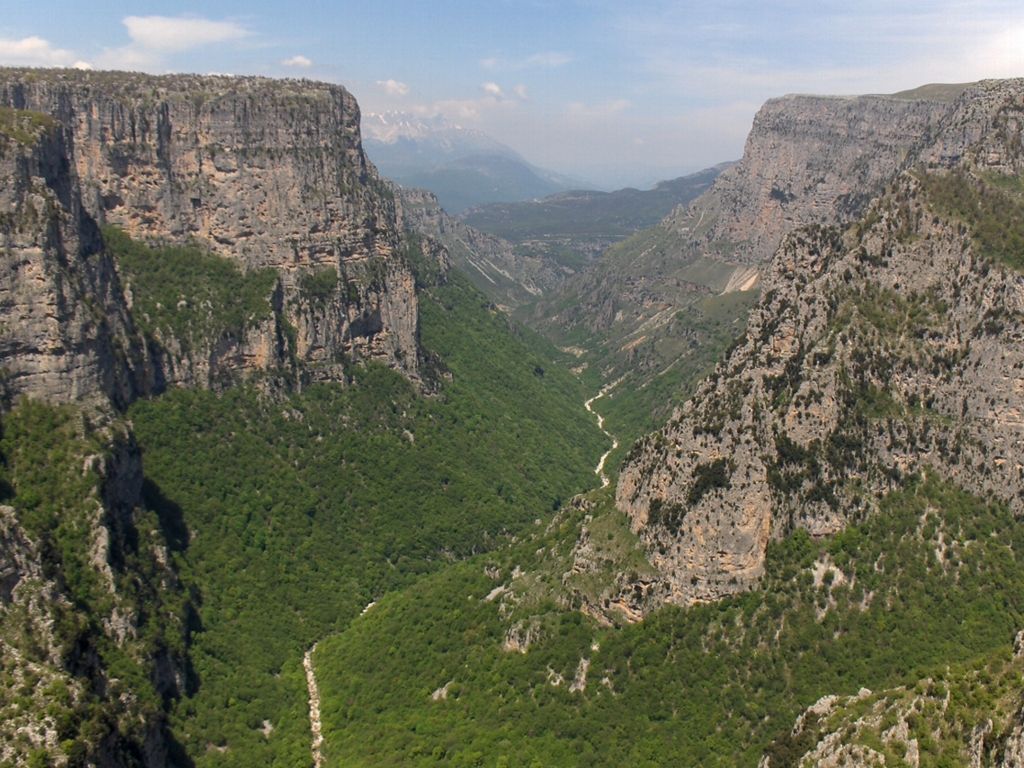
Vikos Gorge Spring in the Pindus
Zagori, Pindus Mountains, Epirus, Greece
Spring adds wildflowers and full rivers to a gorge Guinness lists as the deepest in the world relative to its width; May to October gives the best trail conditions. Free rim viewpoints are about an hour from Ioannina.
-
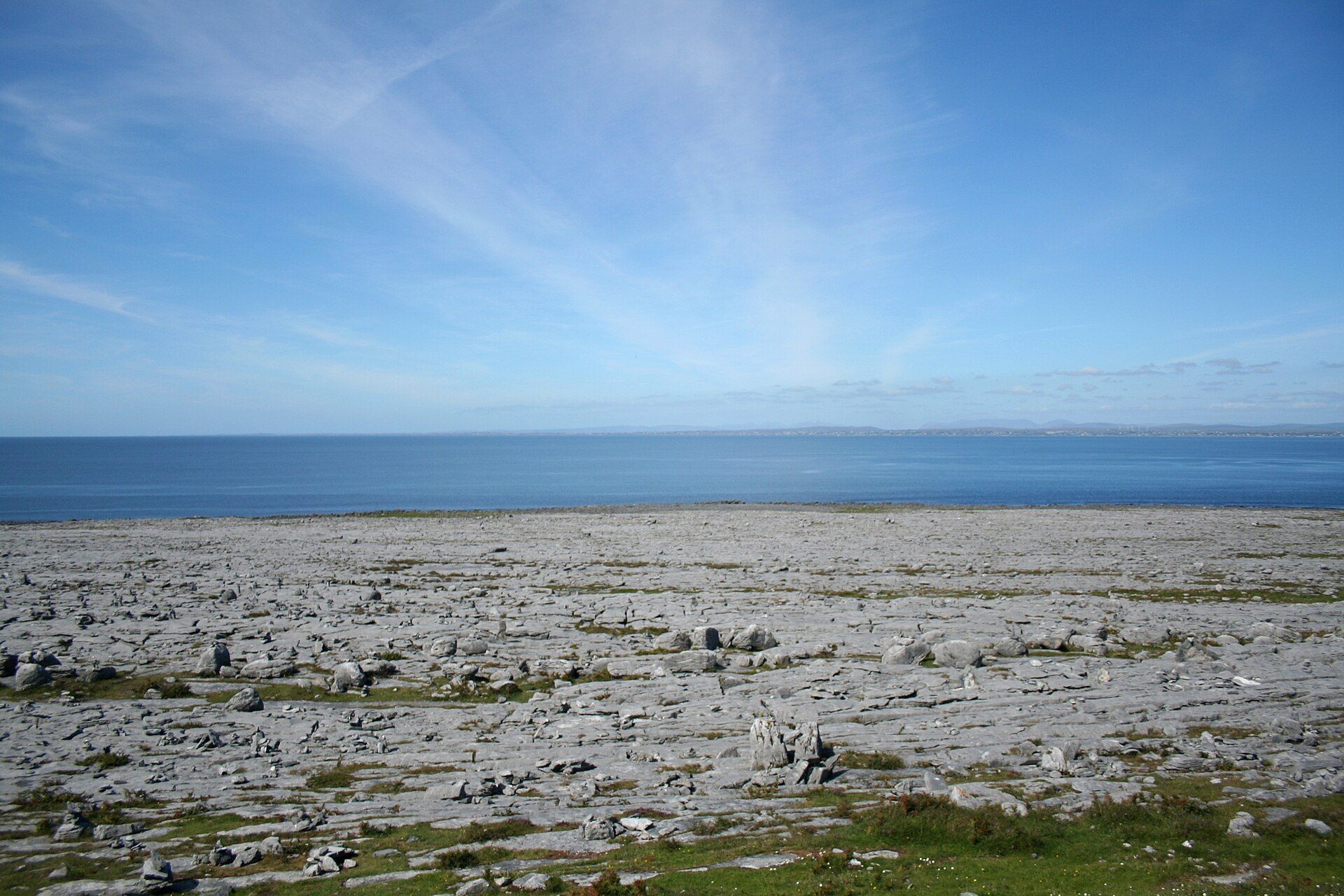
The Burren May and June on bare rock
County Clare, Ireland
In May and June wildflowers peak on the warming limestone pavement, flowering in the grikes between the slabs, and botanists come from across the world. Reached by road from Galway or Ennis into County Clare.
-
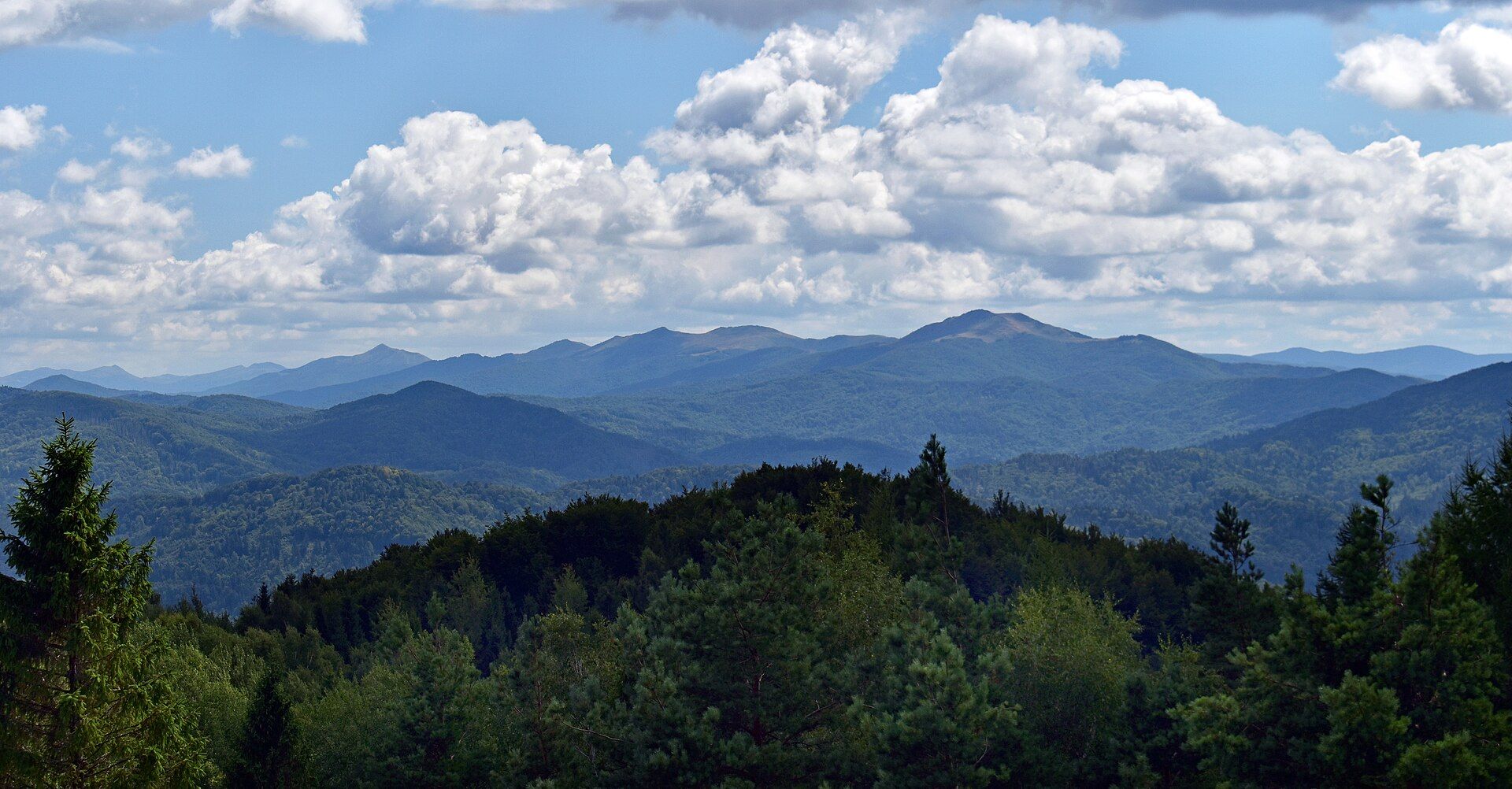
Bieszczady Mountains June on the połoniny
Subcarpathia, south-east Poland
June brings wildflowers to the połoniny, the open high meadows above Poland's wild beech forests. Walk the ridges from Ustrzyki Górne and Wetlina; store food securely — this is bear country.
-
Creux du Van Early summer in the Jura
Jura Mountains, Neuchâtel, Switzerland
Early summer brings wildflowers to this curved limestone amphitheatre in the Swiss Jura; trails are open roughly May to October. Walk up from Noiraigue, served by train, in a couple of hours.
-
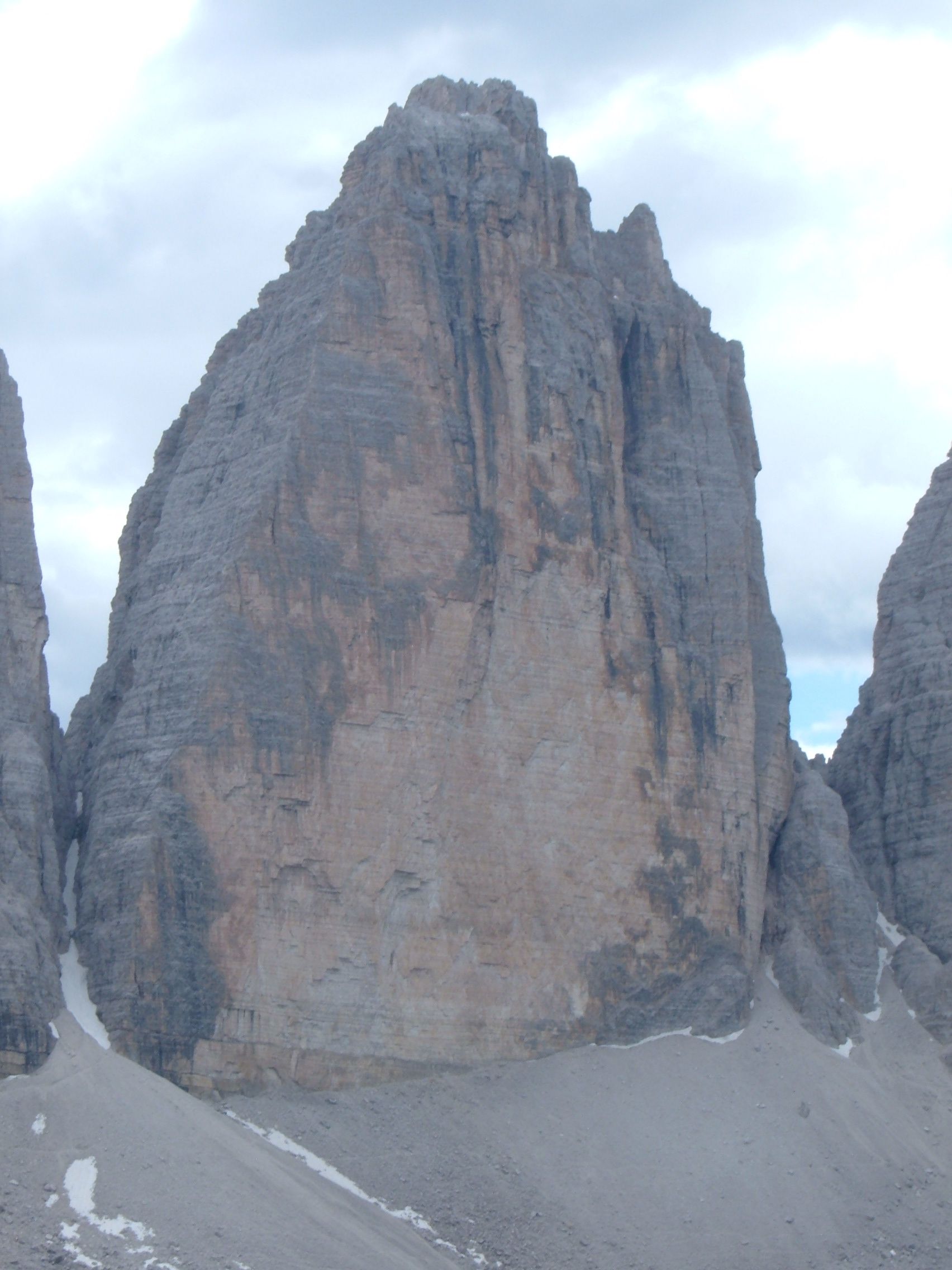
The Dolomites Meadows, June–September
South Tyrol / Trentino / Veneto, Northern Italy
June to September is the season for hiking, open mountain huts and wildflower meadows beneath the pale peaks.
-
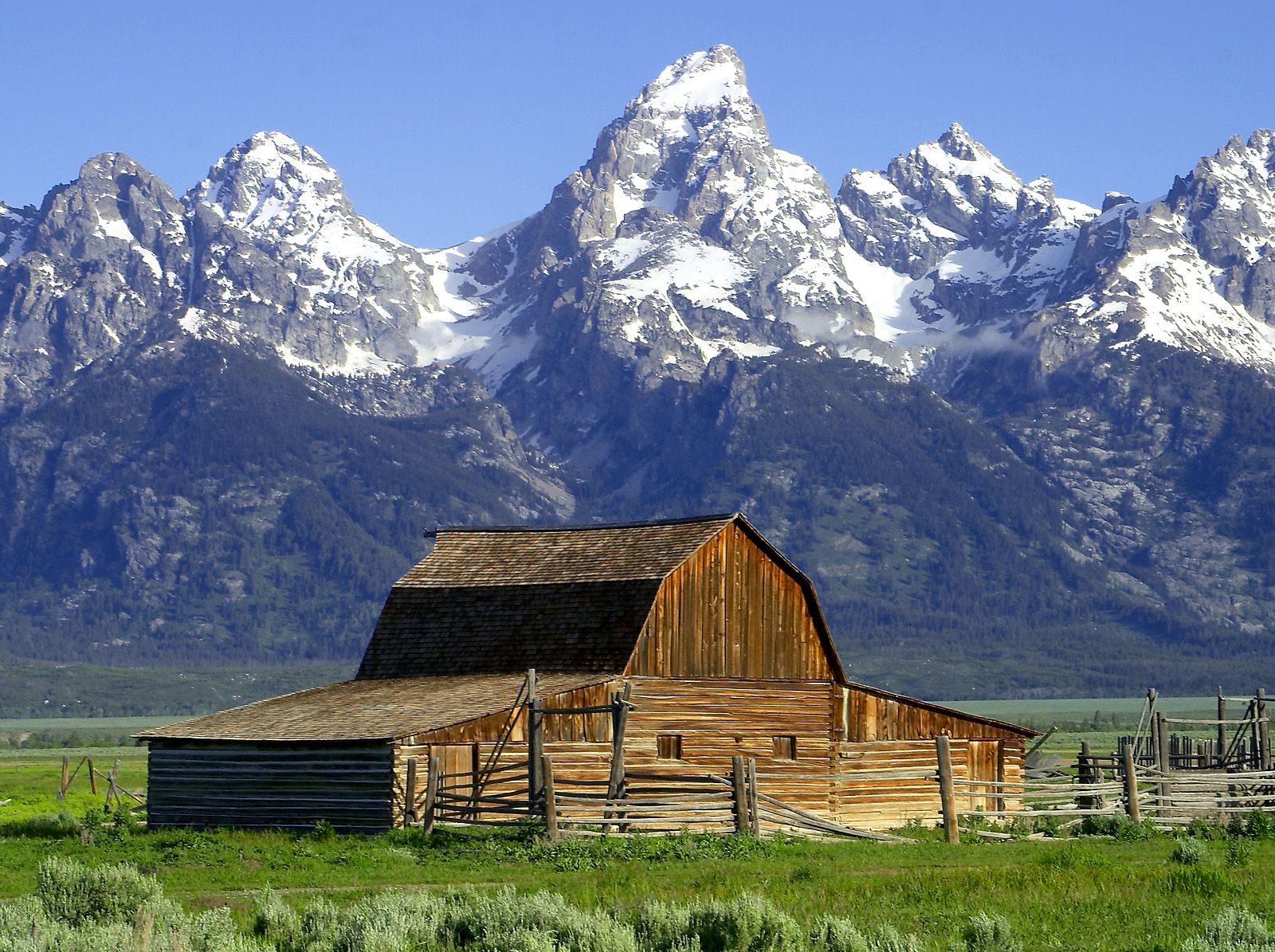
Grand Teton June–September
Wyoming, USA
Summer and early autumn, roughly June to September, bring open roads, trails and wildflowers below the Teton wall; September adds the elk rut and golden aspens. Carry bear spray on your hip.
-
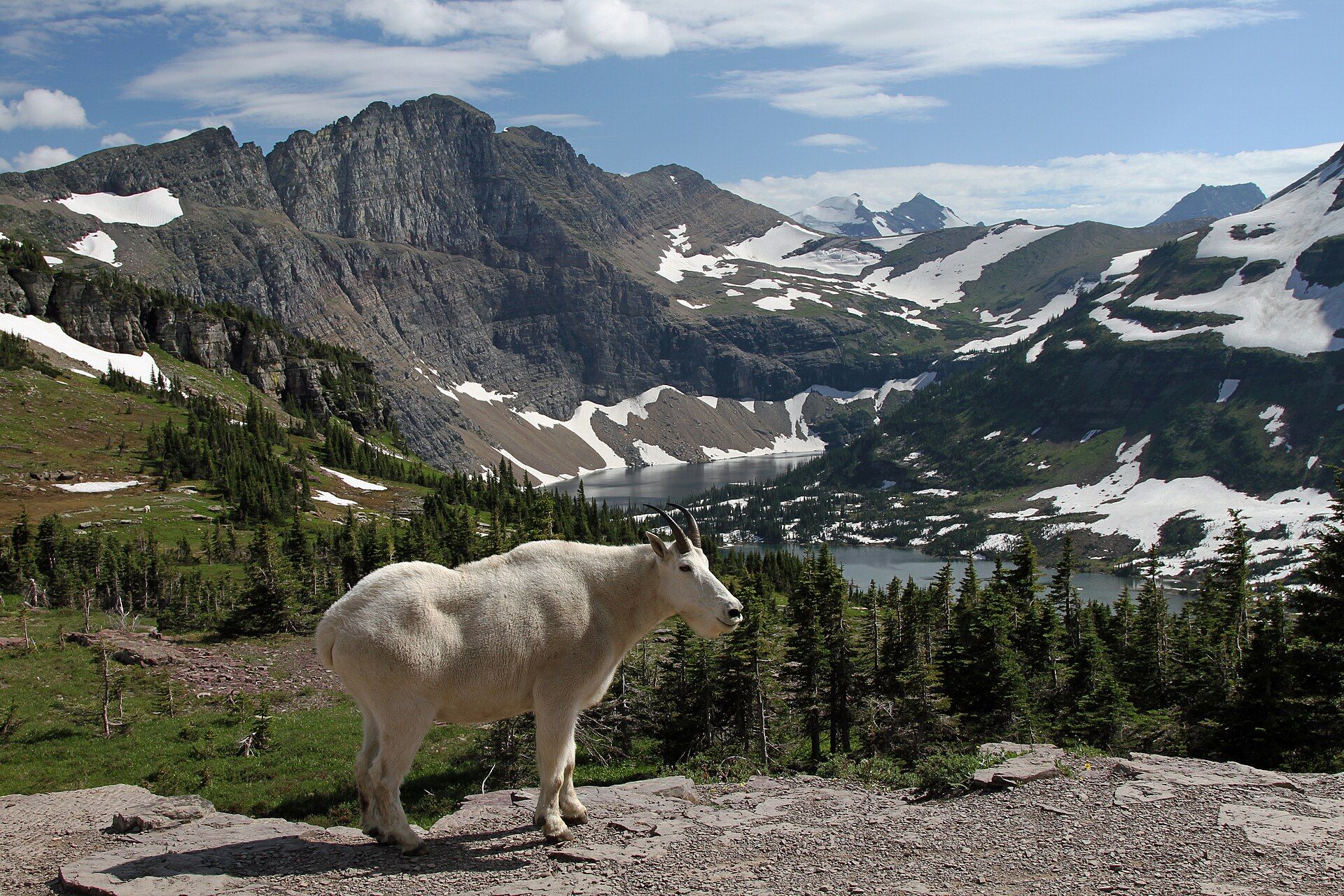
Glacier National Park July–September
Montana, USA
Glacier's brief, brilliant summers set its meadows ablaze with wildflowers, roughly July to September, when the Going-to-the-Sun Road is fully open and trails are clear of snow. Grizzly country — carry bear spray.
-
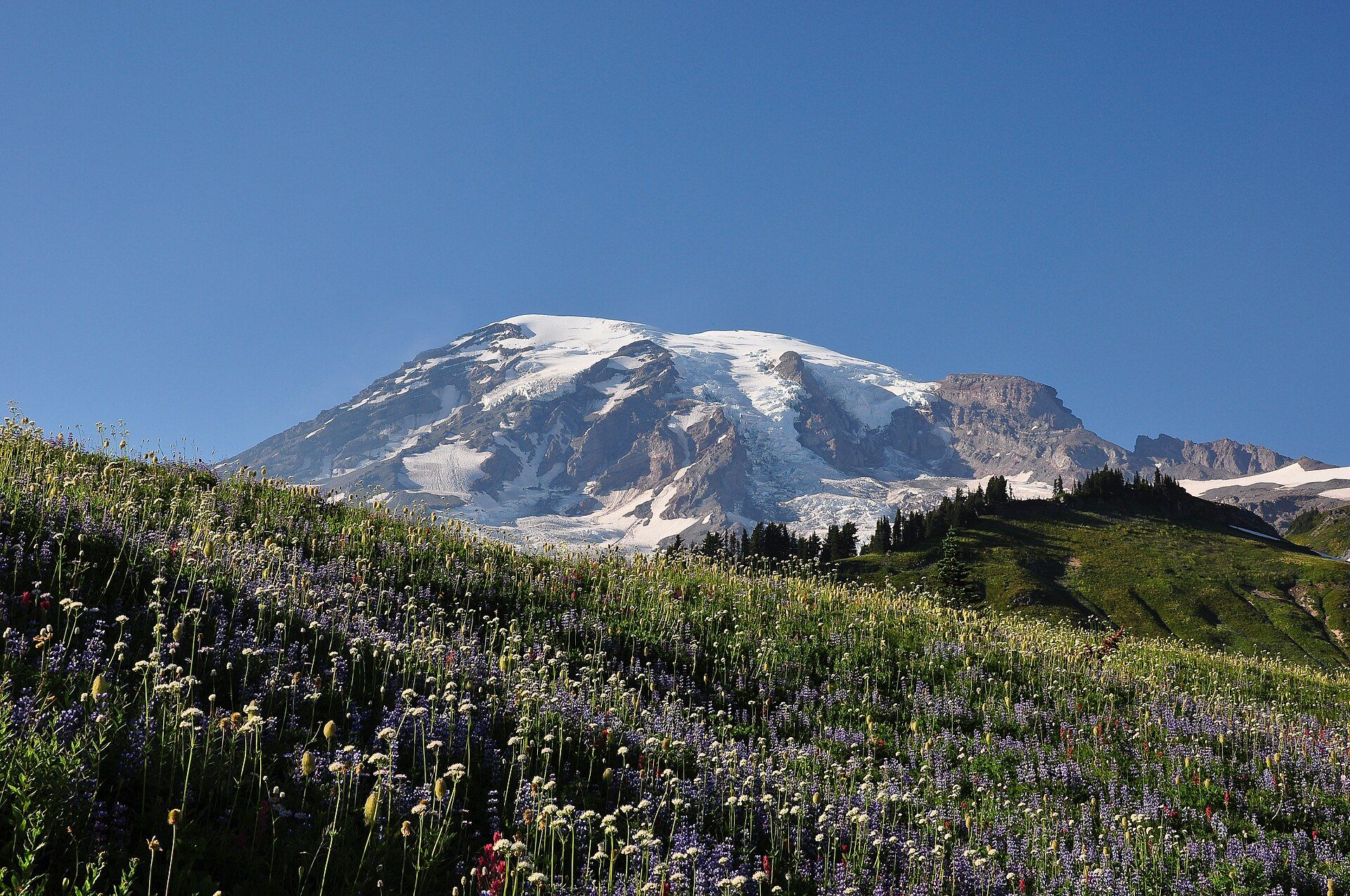
Mount Rainier Mid- to late summer
Cascade Range, western Washington, USA, about 65 miles southeast of the Seattle–Tacoma area
The subalpine meadows bloom in a short growing season in mid- to late summer, once snow melts off the high trails; at Paradise it can linger into June or July. Paradise and Sunrise are very busy on summer weekends and during the bloom — Carbon River and Mowich are quieter.
-
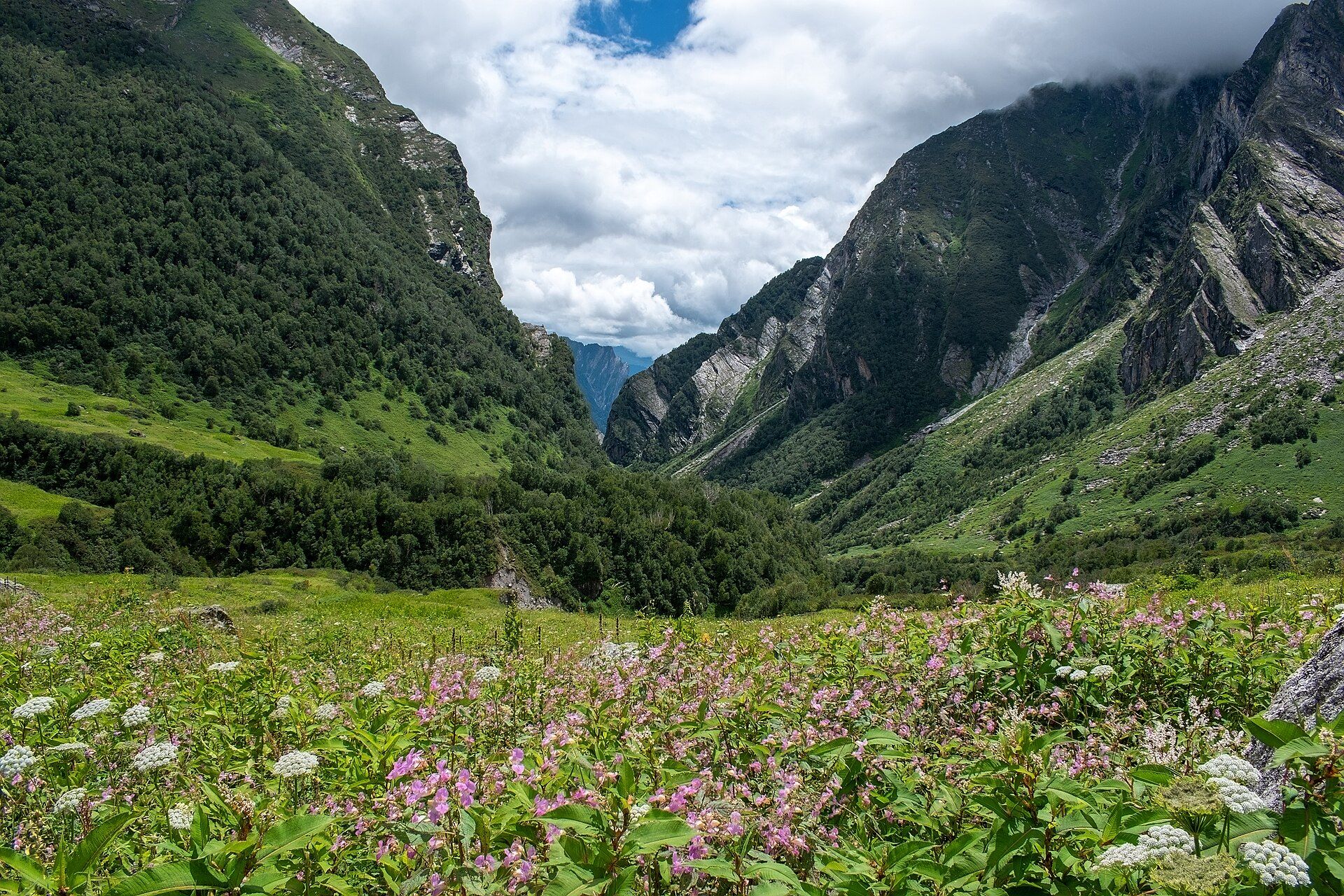
Valley of Flowers Monsoon bloom, mid-Jul–mid-Sep
Uttarakhand, India
Hundreds of species — blue poppies, primulas, anemones, orchids — bloom at once across a Himalayan valley floor, roughly mid-July to mid-September; the valley is snowbound and closed the rest of the year. Road to Govindghat, then a trek via Ghangaria.
-
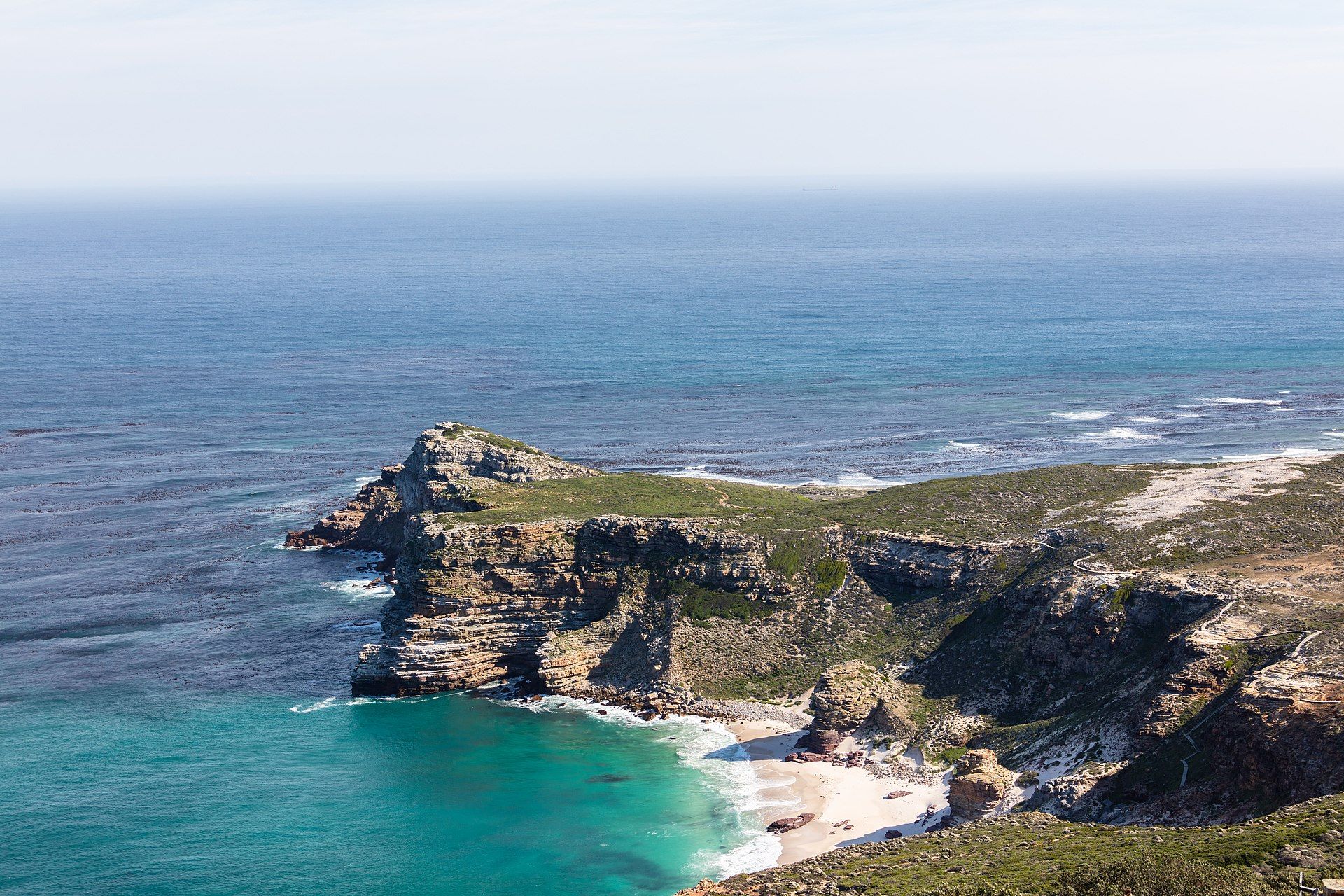
Cape of Good Hope Spring, September–November
Cape Peninsula, Western Cape, South Africa
The southern hemisphere's entry: spring, September to November, brings wildflowers and calmer winds to the Cape Peninsula; summer is warm but often very windy. A 60–75 minute drive from Cape Town.

Two habits make any flower trip better: stay on the path, and go early, because the best-known blooms — Rainier, the Smokies, the Valley of Flowers — draw crowds in their short peak. And treat every date as a guide: snowmelt and rain decide the real week.
Added