Head to head · Southern vs East African safari
Kruger vs Serengeti: Which Safari Should You Choose?
Kruger and the Serengeti are the two safari names first-timers weigh most often, and they suit different trips. Kruger, in north-eastern South Africa, covers nearly 2 million hectares of bushveld. The Serengeti in northern Tanzania is a World Heritage Site of about 1.48 million hectares of open plains and savanna, and the stage for the wildebeest migration.
The biggest practical difference is how you go on safari. At Kruger you can hire a car, drive yourself between rest camps and book guided drives as extras. In the Serengeti nearly everyone travels with a licensed operator and guide, and the trip is planned around where the herds are likely to be.
Kruger
Big Five on your own schedule
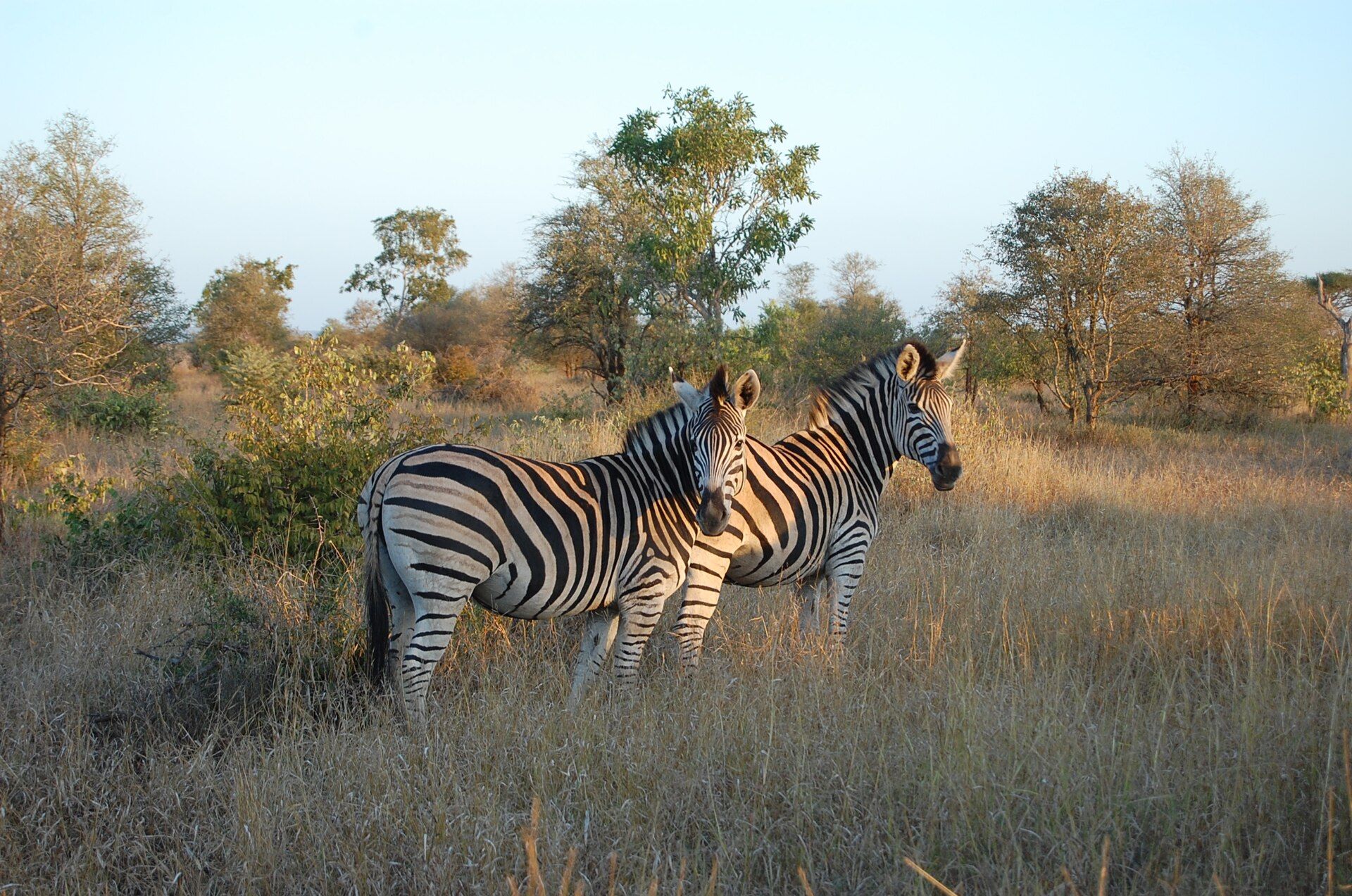
Established in 1898 to protect the wildlife of the South African Lowveld, Kruger covers nearly 2 million hectares. SANParks runs 12 main rest camps plus bushveld camps, bush lodges and satellite camps, connected by a road network you can drive yourself. Its game includes an estimated 17,000 elephant, 48,000 buffalo, 1,500 lion and 1,000 leopard, along with both black and white rhino.
- Self-drive safari with no guide required, on tar and gravel roads
- Rest camps with shops, fuel and restaurants spread across the park
- Short flights from Johannesburg to Kruger Mpumalanga or Skukuza
Serengeti
Plains to the horizon and the migration
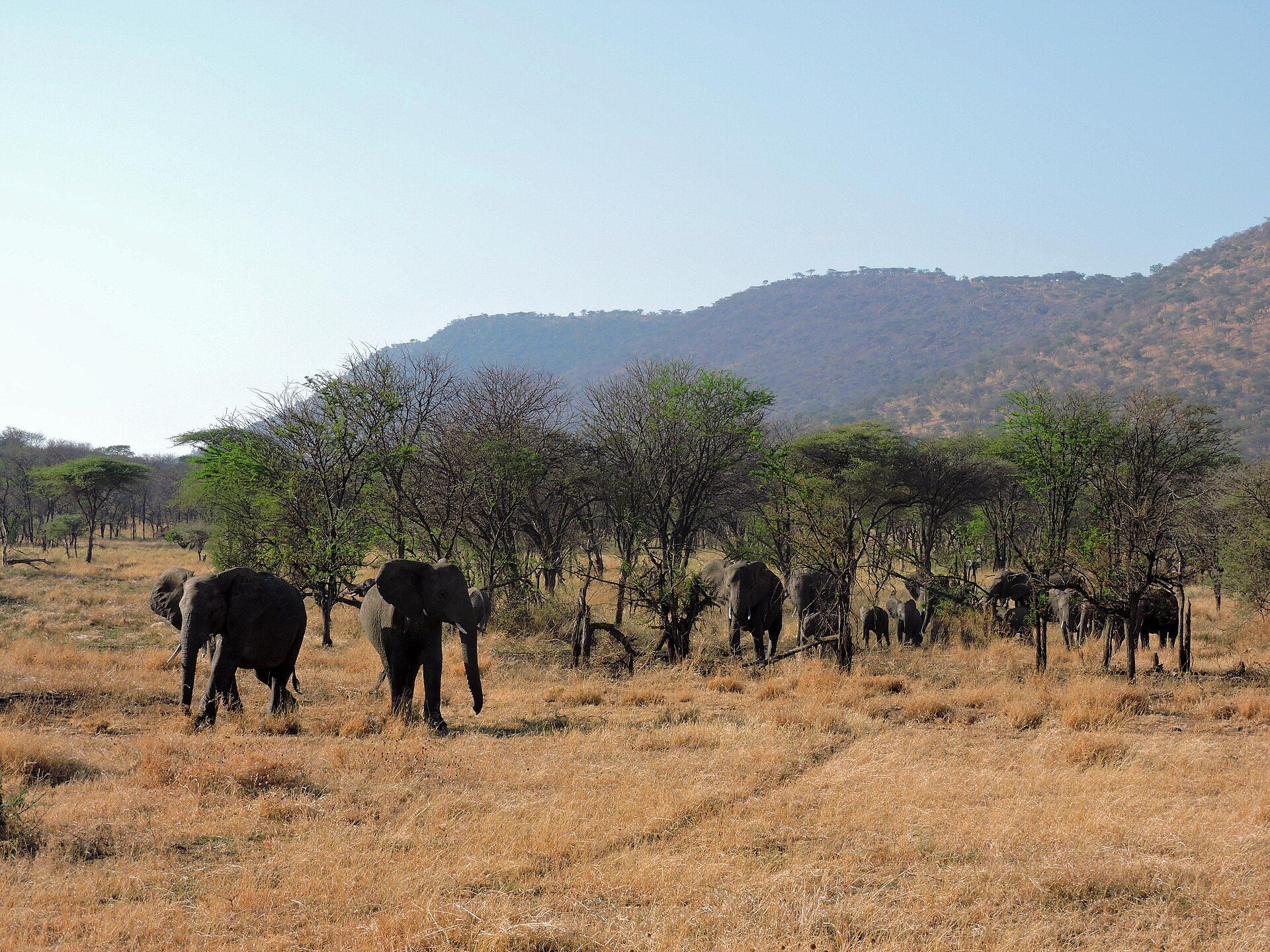
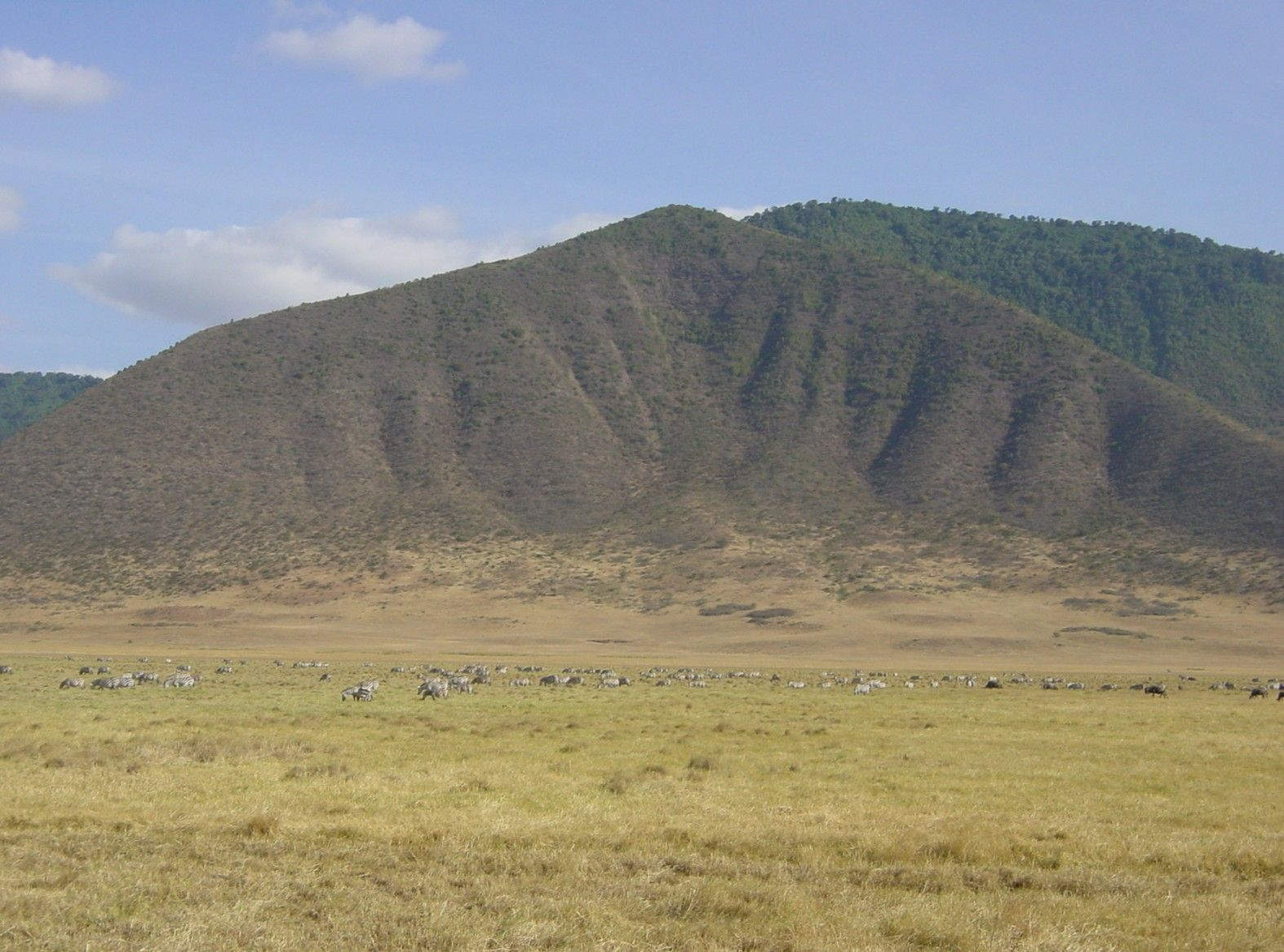
Inscribed as a World Heritage Site in 1981, Serengeti National Park covers 1,476,300 hectares of grassland and savanna. UNESCO describes over a million wildebeest in the annual migration, with dominant herds including some 300,000 zebra and 900,000 Thomson's gazelles, and more than 500 bird species in the park. Most visits are guided safaris from Arusha by road via the Ngorongoro highlands, or by light aircraft to park airstrips.
- The wildebeest migration, with calving on the southern plains and river crossings in the north at different times of year
- Huge open views across grassland rather than dense bush
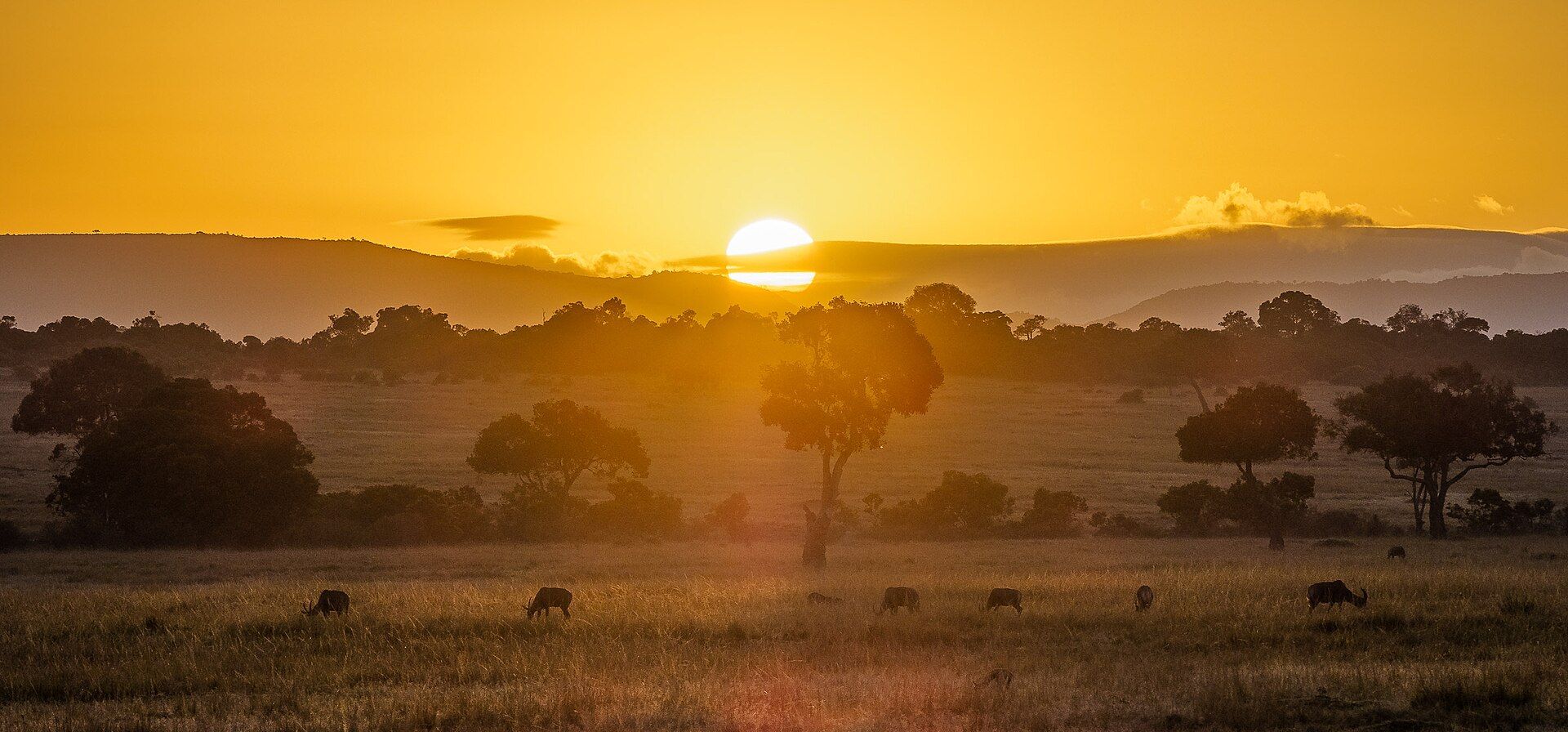
- Easy to combine with Ngorongoro Crater, and with Kenya's Masai Mara across the border
Head to head
| What matters | Kruger | Serengeti |
|---|---|---|
| Wildlife Edge: Toss-up | The Big Five in thick bushveld. Animals are spread across the park all year, and sightings concentrate at water in the dry months. | The largest herds anywhere, plus the predators that follow them. Where the herds are depends on the month and the rains. |
| Safari style Edge: Toss-up | Self-drive or guided. You can explore in your own car, then add SANParks dawn drives, night drives and walks. | Guided. Nearly everyone travels with an operator's vehicle and guide, and off-road driving is prohibited across most of the park. |
| Scenery Edge: Serengeti | Mixed bushveld, riverine forest and granite koppies. Thicker vegetation means animals are often close but partly hidden. | Wide, open plains under a big sky, which is the classic East African safari picture and makes sightings easier to spot from a distance. |
| When to go Edge: Toss-up | The dry winter, roughly May to September, is easiest for spotting game as the bush thins. Summer is green and good for birds but hides animals. | Year-round, but timed to the migration: calving on the southern plains around January–March and northern river crossings around July–October. Ask your operator where the herds are for your dates. |
| Getting there Edge: Kruger | Fly Johannesburg to Kruger Mpumalanga (about 1h) or Skukuza, or drive roughly 5–6 hours to a southern gate. | Fly into Kilimanjaro and overnight in Arusha, then 7–8 hours by road or a light-aircraft hop of about 1h–1h30 into the park. |
| Budget control Edge: Kruger | Flexible. Self-drive with rest-camp accommodation gives you a lower-cost option, and private lodges are there for those who want them. Confirm current conservation fees with SANParks. | Mostly packaged. Park fees, vehicle, guide and camps are usually bundled by your operator, which leaves fewer ways to trim costs. Confirm current fees with Tanzania National Parks. |
| Health and practicalities Edge: Toss-up | Kruger is in a malaria area, so get travel-clinic advice. Strict gate times apply, and you must stay in your vehicle except at designated points. | Malaria prevention and possibly a yellow fever certificate, depending on your routing. Long days on dirt roads, and cold dawn drives in open vehicles. |
Which should you choose?
Choose Kruger if…
…you want a first safari you can run yourself, a lower-cost or family-friendly option, a shorter trip from Johannesburg, or travel in the May–September dry season.
Choose Serengeti if…
…you have your heart set on the migration and the open plains, are happy with a guided, packaged safari, and can time your dates to where the herds will be.
The honest verdict
Choose Kruger if independence and value matter most. It is one of the few great African parks where you can do a safari in your own car, and the rest-camp system makes a short or budget trip work.
Choose the Serengeti if the experience matters most and you can plan around the migration. Its plains and herd sizes are unlike anything in Kruger, but nearly every trip is guided and packaged.
Neither is a weak choice for the Big Five. Book Kruger rest camps well ahead of South African school holidays, ask a Serengeti operator to confirm where the herds will be for your dates, and confirm current park fees with SANParks and Tanzania National Parks.
Wonders mentioned here
Added