Places · Botswana

Natural Wonders of Botswana: The 4 Most Beautiful Places to Visit

4 places in the atlas

Much of Botswana is Kalahari — semi-desert and dry savanna — which makes its great wetland all the more extraordinary. The Okavango River flows in from the Angolan highlands and simply spreads out and vanishes into the sands, forming a vast, shifting inland delta of channels, papyrus swamps, and thousands of islands. This seasonal pulse of water turns the desert into one of the richest wildlife refuges on the continent, protected by a low-impact, high-value conservation model. Below are the 4 natural wonders of Botswana in the atlas — the most beautiful places to build a trip around, each with what makes it remarkable, when to go, and how to reach it. Best overall time: The dry-season flood peak (roughly May–September), when Okavango floodwaters arrive as the land dries, concentrating wildlife around the water.
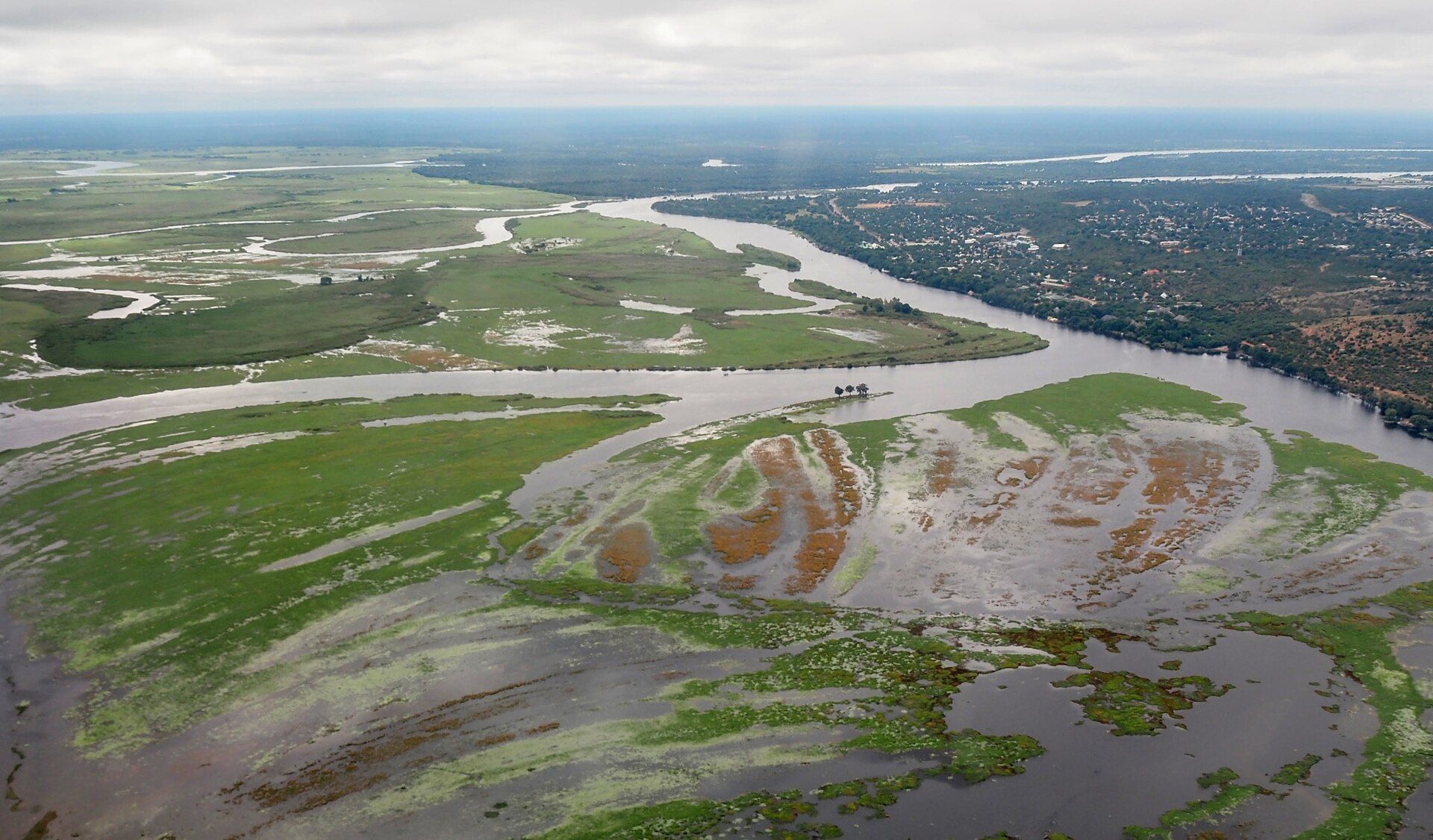
Aerial view of the Chobe River and its green floodplains beside Kasane, northern Botswana

Chobe National Park

Northern Botswana, beside Kasane and the Chobe River

Botswana's great elephant park — floodplains, marsh and woodland along the Chobe River, where some of the largest elephant herds on Earth gather in the dry season.

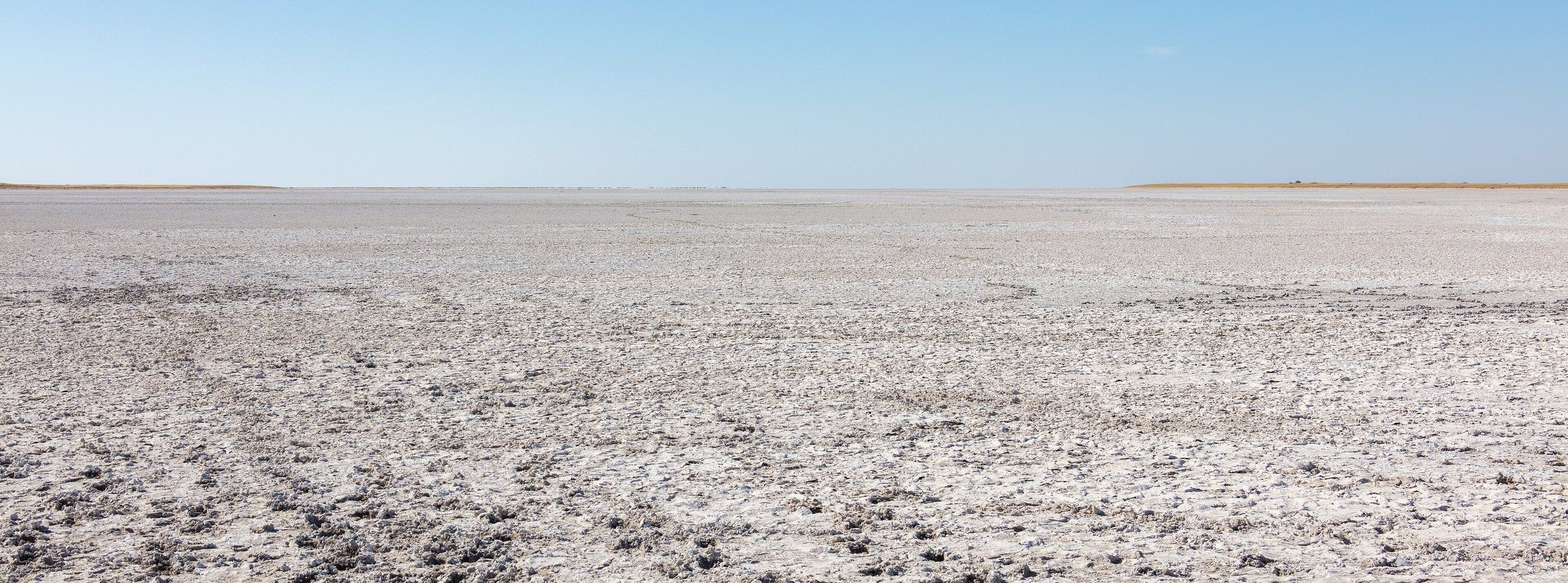
Flat white salt crust of the Makgadikgadi Pans stretching to the horizon, Botswana

Makgadikgadi Pans

Northeastern Botswana, between Nata and Maun

Some of the largest salt pans on Earth — the dried floor of an ancient lake in the Kalahari, a blinding white plain that floods in the rains and draws zebra, wildebeest and flamingos.

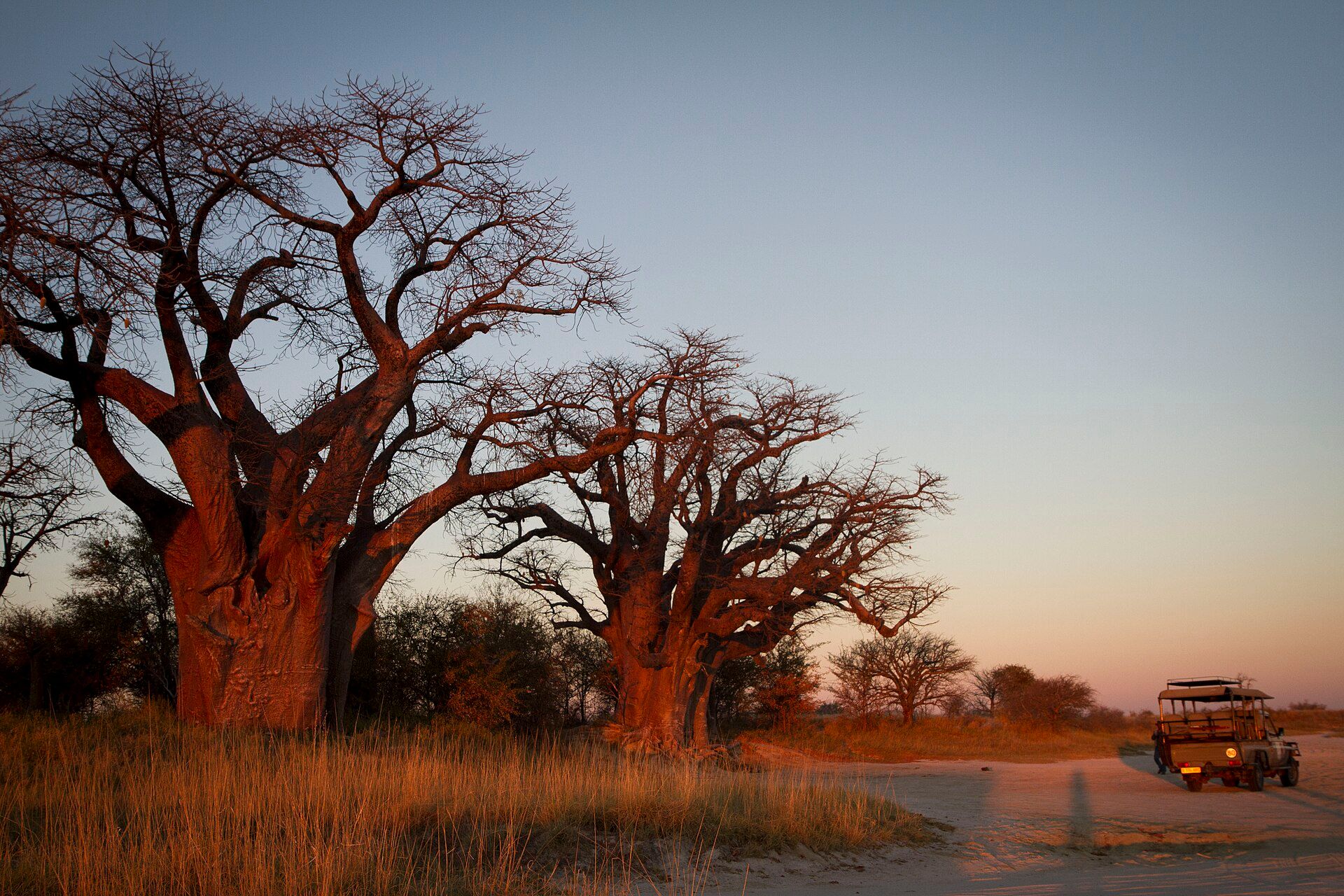
Baines' Baobabs glowing red at sunset beside a safari vehicle in Nxai Pan National Park, Botswana

Nxai Pan & Baines' Baobabs

Nxai Pan National Park, northeastern Botswana, north of the Maun–Nata road
A fossil lake bed in the Kalahari, grassland that fills with game in the rains — and Baines' Baobabs, a cluster of ancient trees standing on the edge of a salt pan.

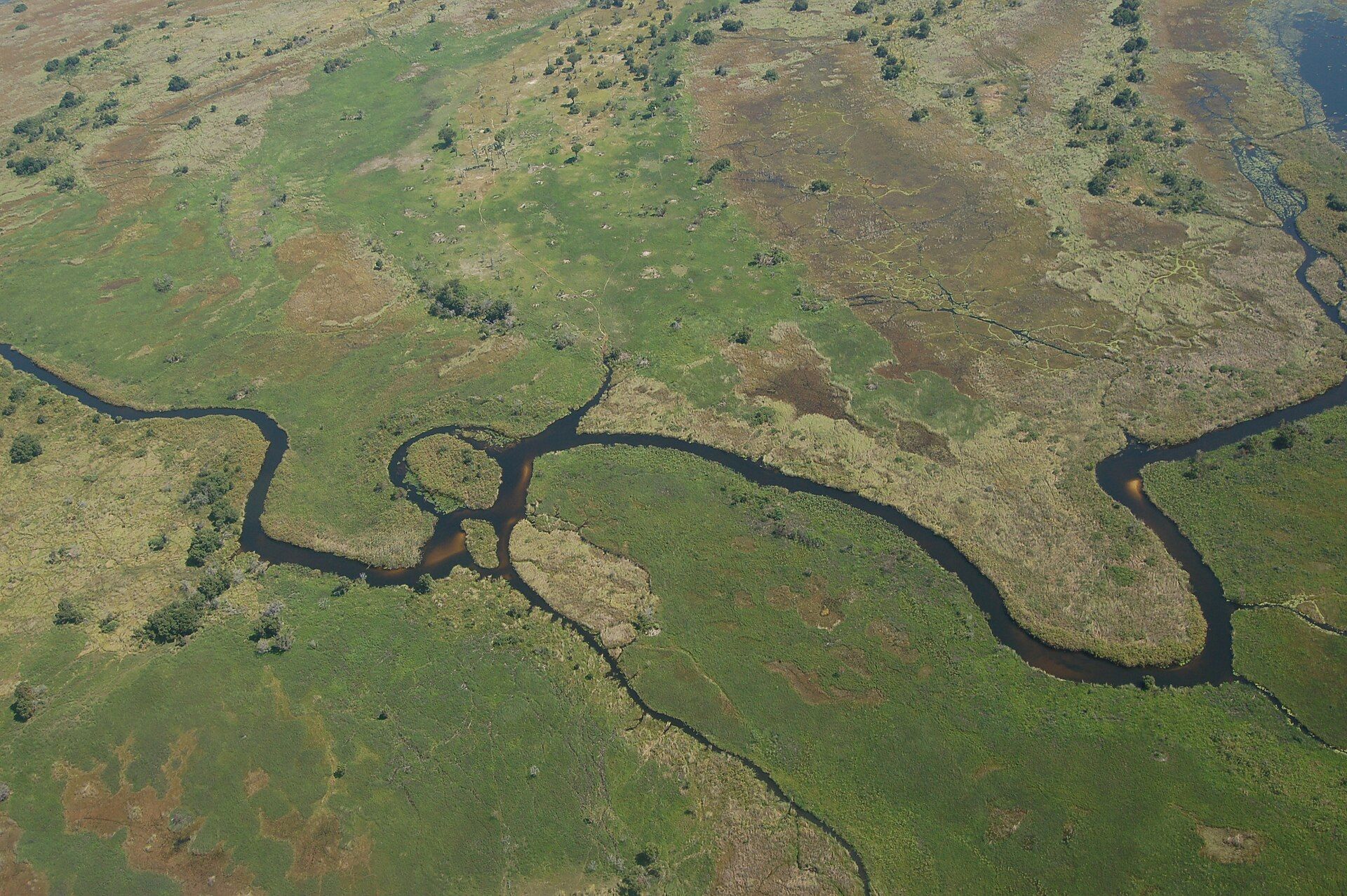
Okavango Delta, Northern Botswana

Okavango Delta

Northern Botswana

A river that never reaches the sea — the Okavango spills into the Kalahari to form a vast, ever-shifting inland delta of channels, islands, and lagoons that draws Africa's great wildlife into the heart of a desert.