The world's great wetlands: where the wildlife gathers
Wetlands rarely top a bucket list the way a mountain or a coral reef does — but for watching wildlife, few landscapes on Earth are richer. Where water meets land, life concentrates: fish and amphibians breed in the shallows, birds arrive in clouds to feed, and the predators follow. The great seasonal wetlands, which flood and drain each year, are especially productive, and timing a visit to the dry season — when receding water pulls animals into the open — can turn a quiet marsh into one of the greatest wildlife spectacles anywhere.
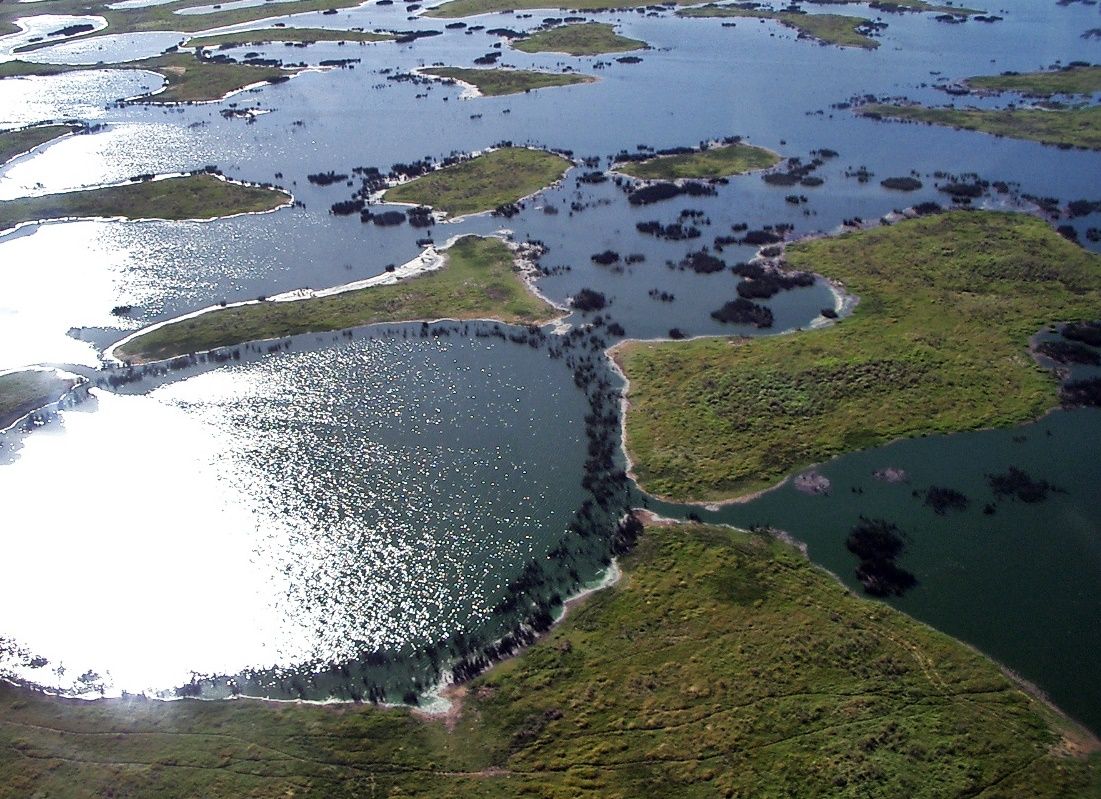
The supreme example is the Pantanal in Brazil, the largest tropical wetland on Earth. Because its landscape is open where the neighbouring Amazon is dense, the animals are actually visible — and it holds the highest density of jaguars on the planet, along with giant otters, capybaras, and caimans by the thousand. In the dry season, river safaris here rival any African game drive.
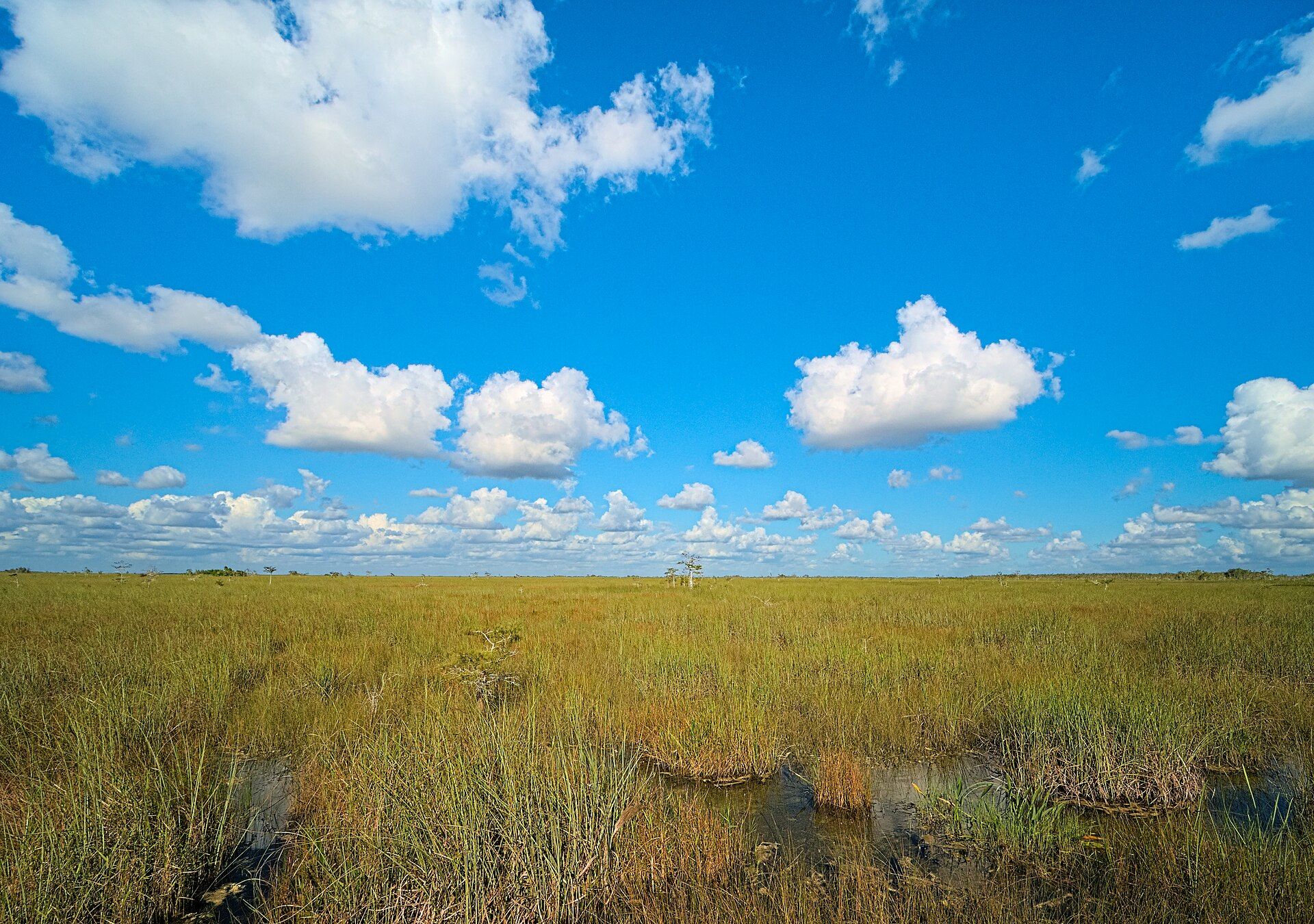
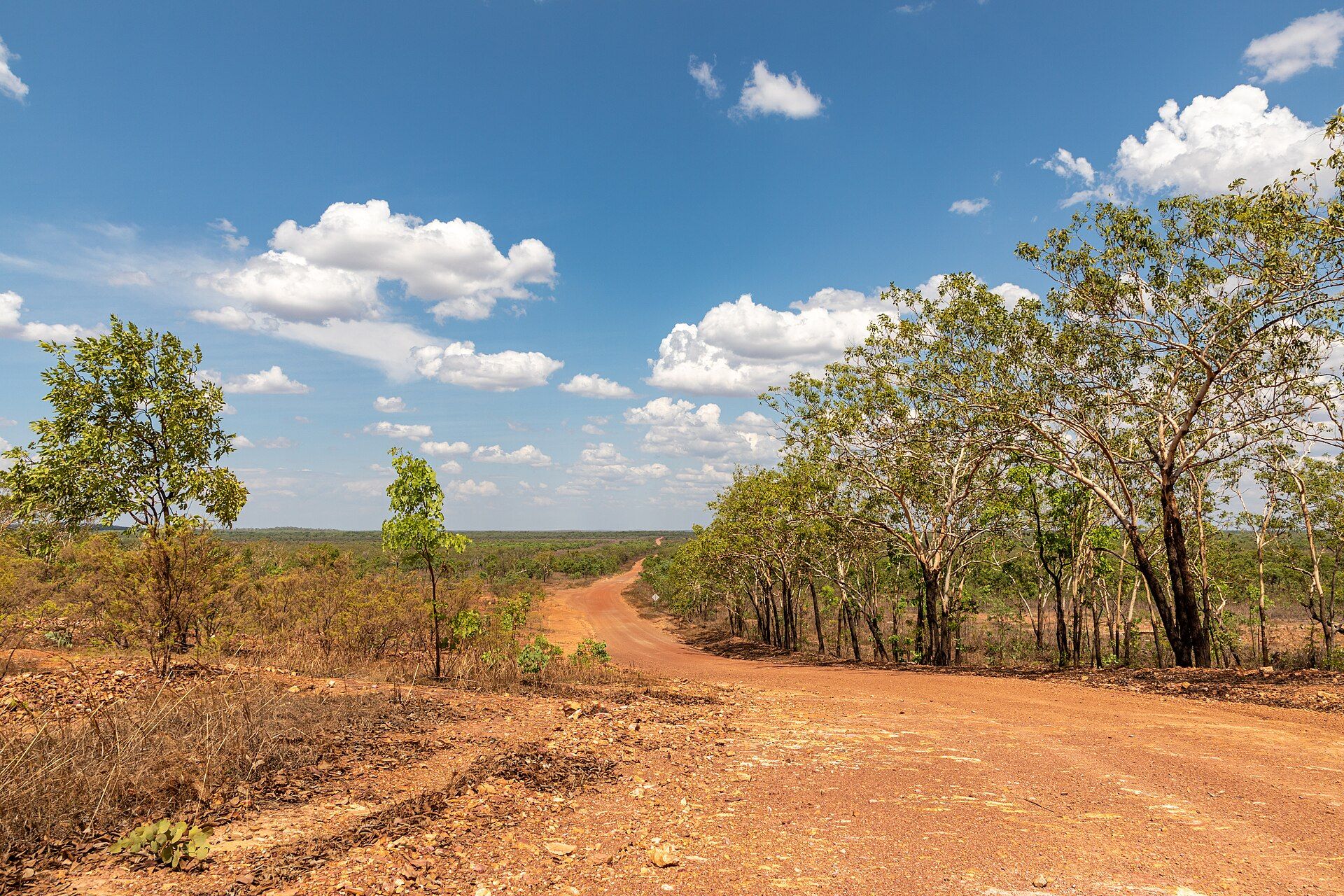
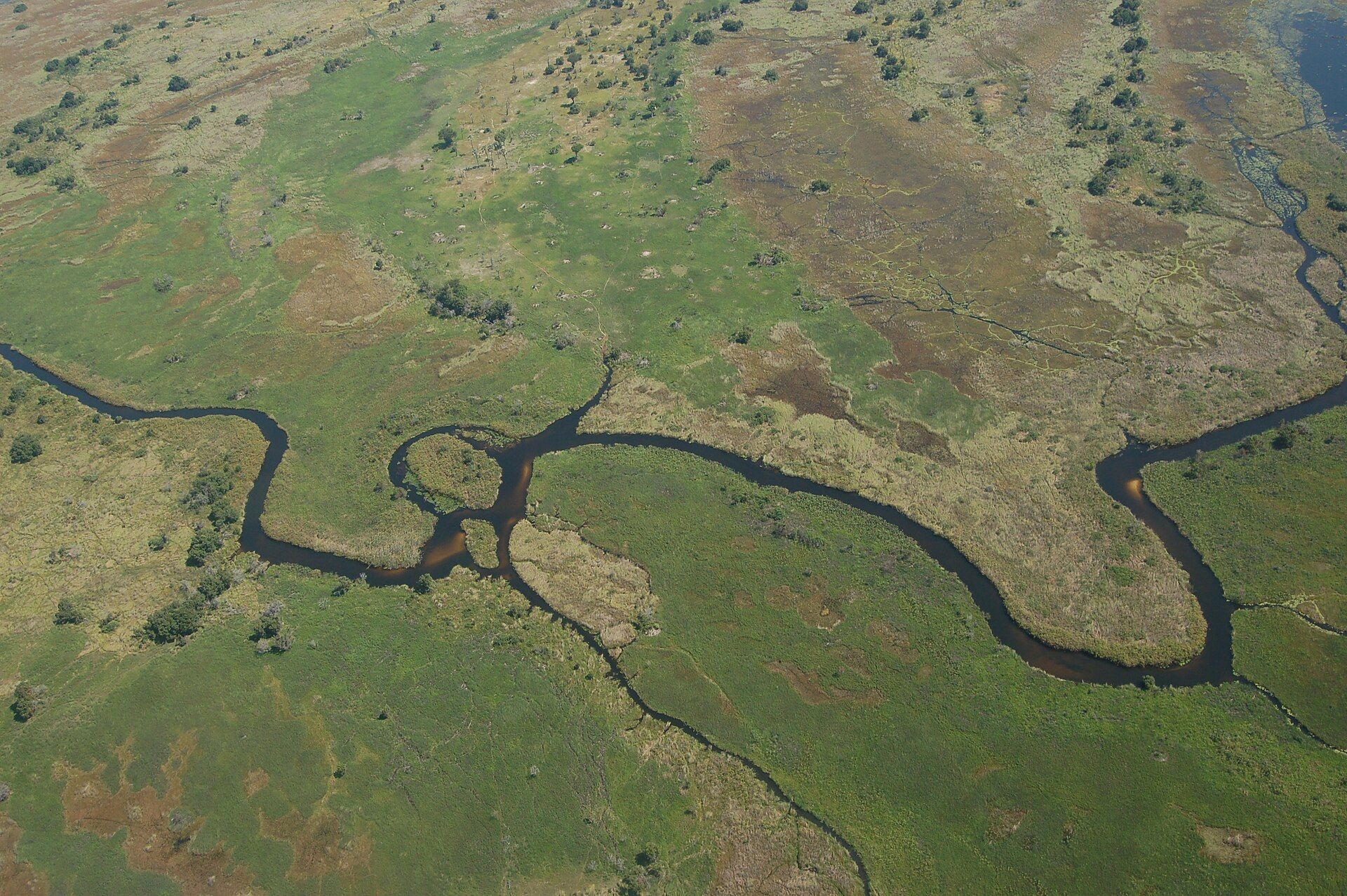
Australia’s Kakadu tells a different story, its monsoonal floodplains swinging between flooded wetlands and drawn-down billabongs alive with saltwater crocodiles and a third of the continent’s bird species — all beneath rock-art galleries recording twenty thousand years of Aboriginal culture. In North America, the Everglades form a vast, slow ‘river of grass,’ the only place on Earth where alligators and crocodiles share a range. And in the heart of the Kalahari, the Okavango Delta does the opposite of most rivers — it spills into the desert and vanishes, drawing elephants, lions, and hippos to a seasonal oasis of channels and islands.
The trick with wetlands is patience and timing. Go in the right season, slow down, bring binoculars, and let the landscape reveal itself — and these watery places will show you more wildlife, more intimately, than almost anywhere else on Earth.
Wonders in this article