Head to head · Botswana's two headline safaris
Okavango Delta vs Chobe: Which Botswana Safari Should You Choose?
The Okavango Delta and Chobe National Park are the two names on almost every Botswana safari plan, and many trips include both. If you only have time or budget for one, the choice comes down to how you want to travel. The delta is a fly-in wetland wilderness explored by mokoro, on foot and by 4x4 from small camps. Chobe's riverfront begins at the edge of the town of Kasane, so you can see it on game drives and boat trips without a light-aircraft transfer.
Both are dry-season safaris. The delta's flood arrives in Botswana's dry winter, fed by rain that fell in the Angolan highlands months earlier, and Chobe's elephants gather at the rivers from about May to October. So the best months overlap, and the decision is about style, cost and logistics rather than timing.
Okavango Delta
A flooded wilderness, by mokoro and light aircraft
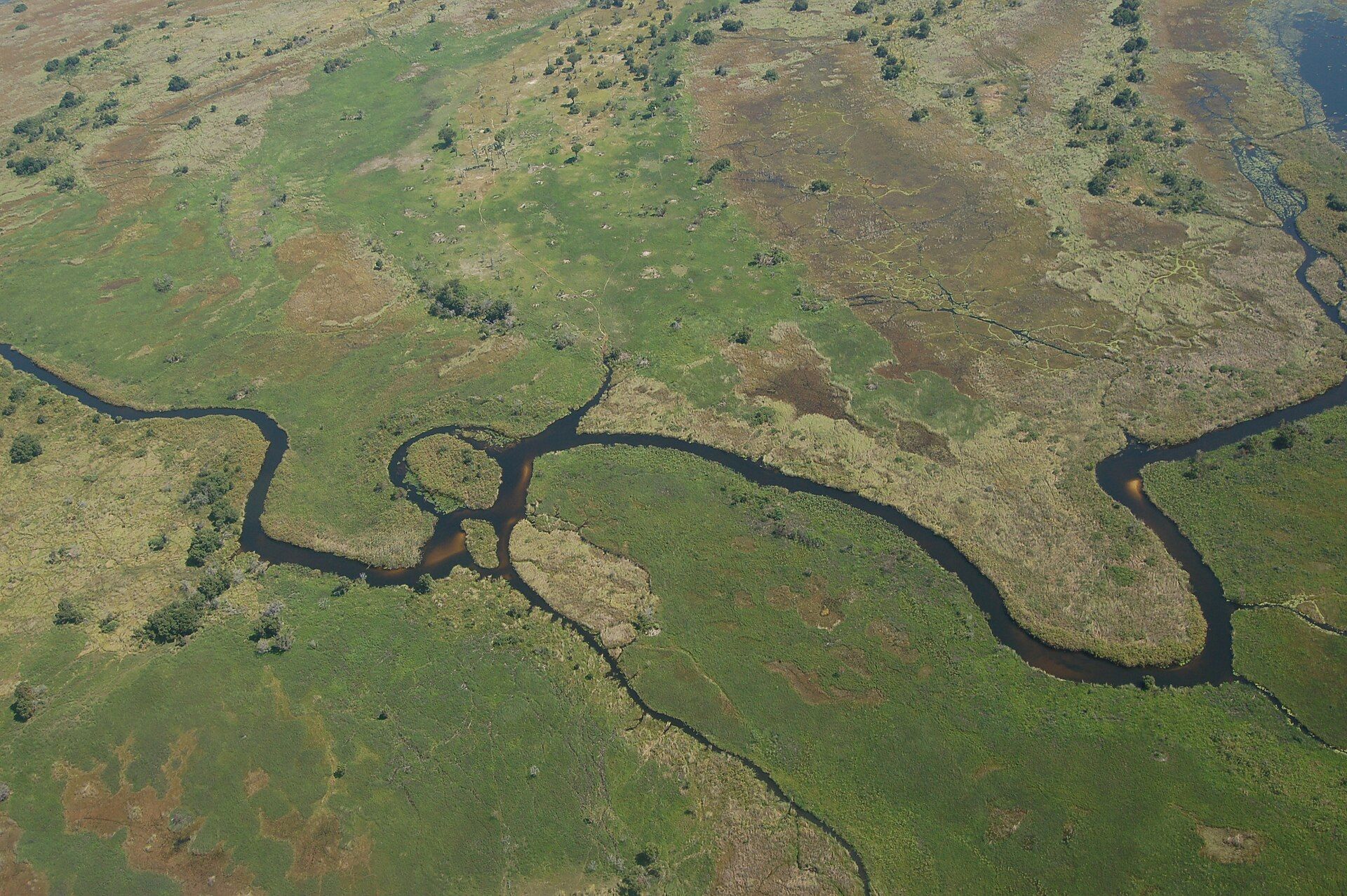
The Okavango River never reaches the sea. It spreads into the Kalahari as an inland delta of channels, lagoons and islands that can cover up to about 15,000 km² at flood. The delta was inscribed as a World Heritage Site in 2014, and UNESCO records 130 mammal and 482 bird species there, with about 40% of the property protected in the Moremi Game Reserve. Almost all of it is reached by light aircraft from Maun to small camps, under Botswana's high-value, low-volume model.
- Mokoro trips, poled silently through the channels at water level
- Very few other vehicles, because camps are small and spread out
- Water and land activities in one place: mokoro, motorboat, walking and game drives
Chobe
Elephant herds on the river, from a town you can drive to
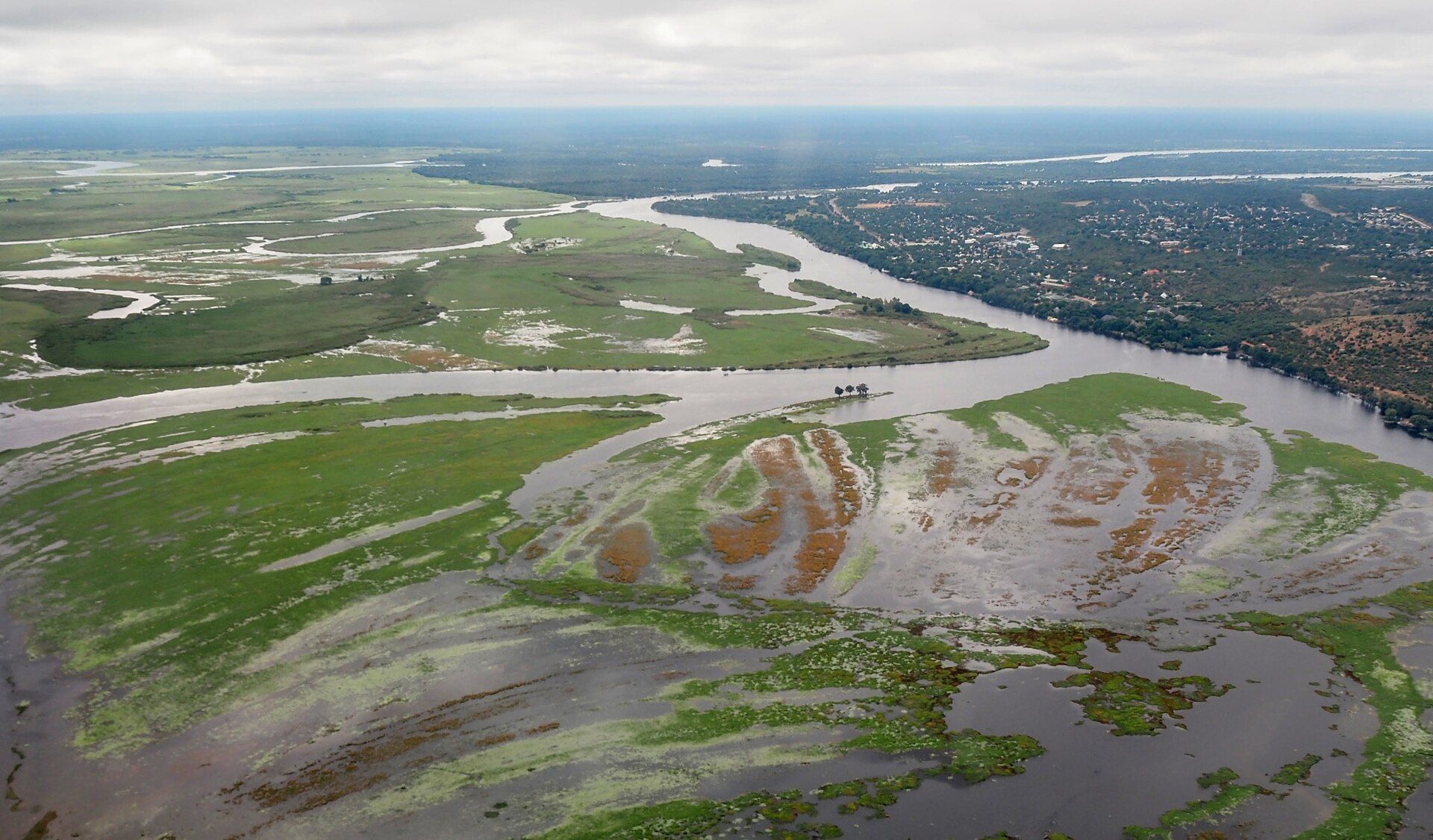
Chobe covers about 11,700 km² of northern Botswana, from the Chobe River floodplains beside Kasane to the Savuti and Linyanti marshes in the west. It is known for elephants, with estimates of around 50,000 in the park, and in the dry season they gather on the Chobe and Linyanti rivers. The riverfront is the easiest section to visit, by drive or boat from Kasane, while Savuti and Linyanti need a capable 4x4 or a guided safari.
- Some of the largest elephant gatherings anywhere, especially on the riverfront in the dry season
- Boat safaris on the Chobe River, close to elephants, hippos and crocodiles
- Accommodation in and around Kasane, with no light-aircraft transfer needed for the riverfront
Head to head
| What matters | Okavango Delta | Chobe |
|---|---|---|
| Signature experience Edge: Toss-up | Gliding through papyrus and reeds in a mokoro, and a scenic flight over the channels and islands. | Elephant herds drinking, bathing and crossing the Chobe River, watched from a boat or a vehicle. |
| Wildlife Edge: Toss-up | Elephant, hippo, lion and wild dog among wetland species such as red lechwe. UNESCO counts 482 bird species in the property. Sightings are spread out, and the camps work hard to find them. | Elephants in huge numbers by the river, plus lion, leopard and wild dog in Savuti and Linyanti. The riverfront is the only place in Botswana to see puku. |
| Getting there Edge: Chobe | Fly to Maun, then light aircraft to a camp airstrip, roughly 15–45 minutes. Soft bags and strict weight limits apply on the small planes. | Fly or drive to Kasane. The riverfront starts at the edge of town, while the interior routes to Savuti and Linyanti are 4x4-only with deep sand. |
| Crowds Edge: Okavango Delta | Very low by design. You may see no other party all day. | The riverfront near Kasane is the busiest part of the park, and boats and vehicles gather at the best sightings. Savuti and Linyanti are far quieter. |
| Budget and booking Edge: Chobe | Mostly fly-in camps and flights booked months ahead, and the high-value, low-volume model keeps prices high. There is little scope to do it on a budget. | More flexible. Lodges and campsites around Kasane and day drives or boat trips let you control costs, though dry-season beds still book up. Park entry fees apply, so confirm current fees with Botswana's Department of Wildlife and National Parks. |
| When to go Edge: Toss-up | Around May to September, when the flood has spread across the delta as the land dries. How far the water reaches varies from year to year, and your camp will know. | The dry season, roughly May to October, when elephants gather at the rivers. The rains bring green landscapes and birds but muddy, sometimes impassable interior roads. |
| Time needed Edge: Chobe | Three nights or more at a camp, and longer if you split your stay between a water camp and a land camp. | Two to three days for the riverfront, and about a week to add Savuti and Linyanti. |
Which should you choose?
Choose Okavango Delta if…
…you want the delta's quiet, water-level wilderness and mokoro trips, have the budget for fly-in camps, and can book several months ahead.
Choose Chobe if…
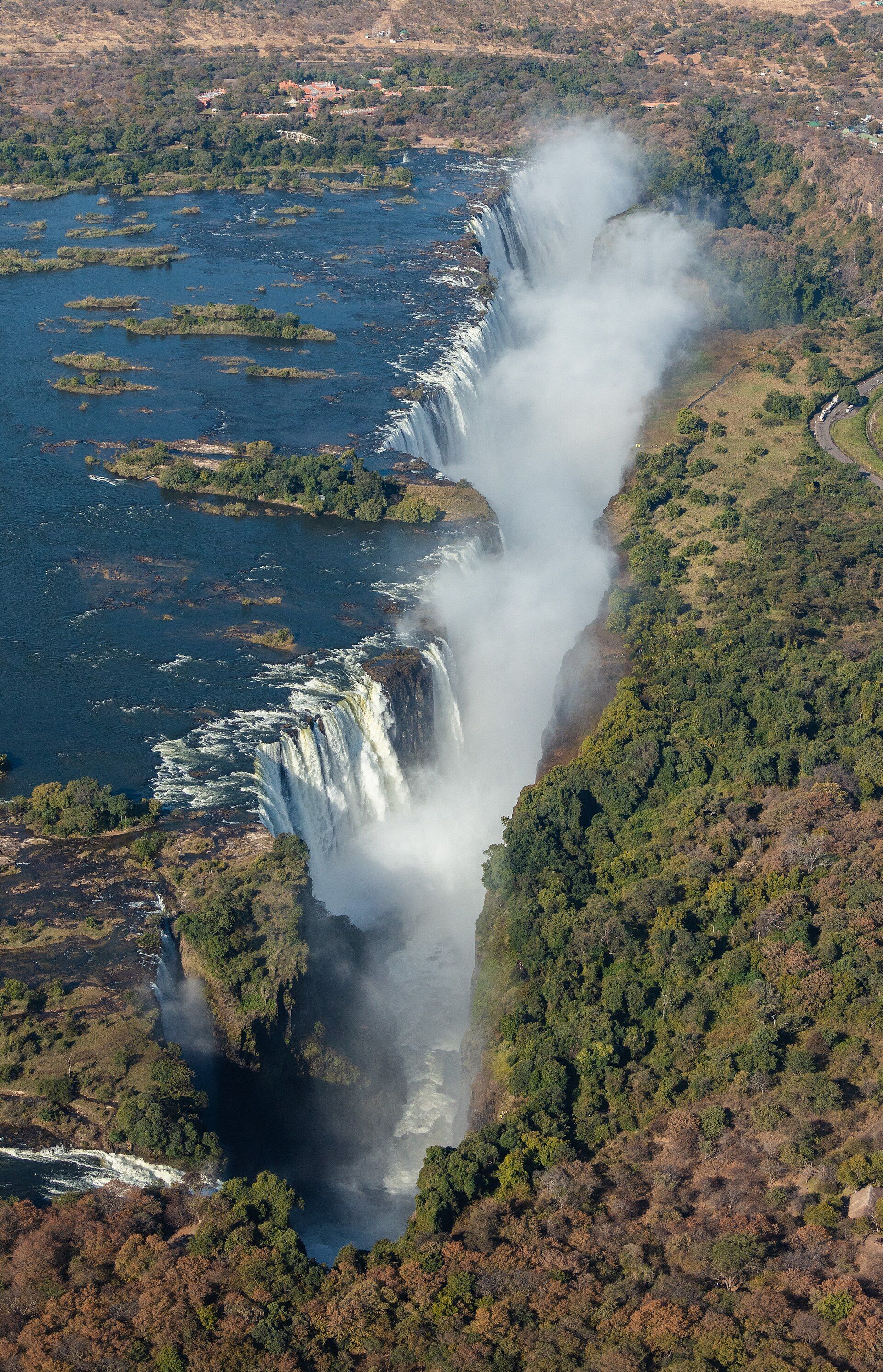
…elephants are your priority, you want a shorter or lower-cost safari, or you plan to self-drive or combine Botswana with nearby Victoria Falls.
The honest verdict
Choose the Okavango Delta if the experience matters more than the cost. Nothing at Chobe matches a mokoro through the flooded channels or the feeling of having a whole area of wilderness to yourself, but nearly every trip is fly-in, high-priced and booked well ahead.
Choose Chobe if you want great wildlife with more control over budget and logistics. Its riverfront elephant herds and boat safaris are among the best wildlife viewing in Africa, and Kasane makes a short trip easy. In return you share the river with more vehicles and boats.
If you can do both, it is a classic pairing: a few nights in the delta, then the Chobe riverfront. Time either one for the dry season, ask your camp what the flood is doing this year, and check current park fees and road conditions before you travel.
Wonders mentioned here
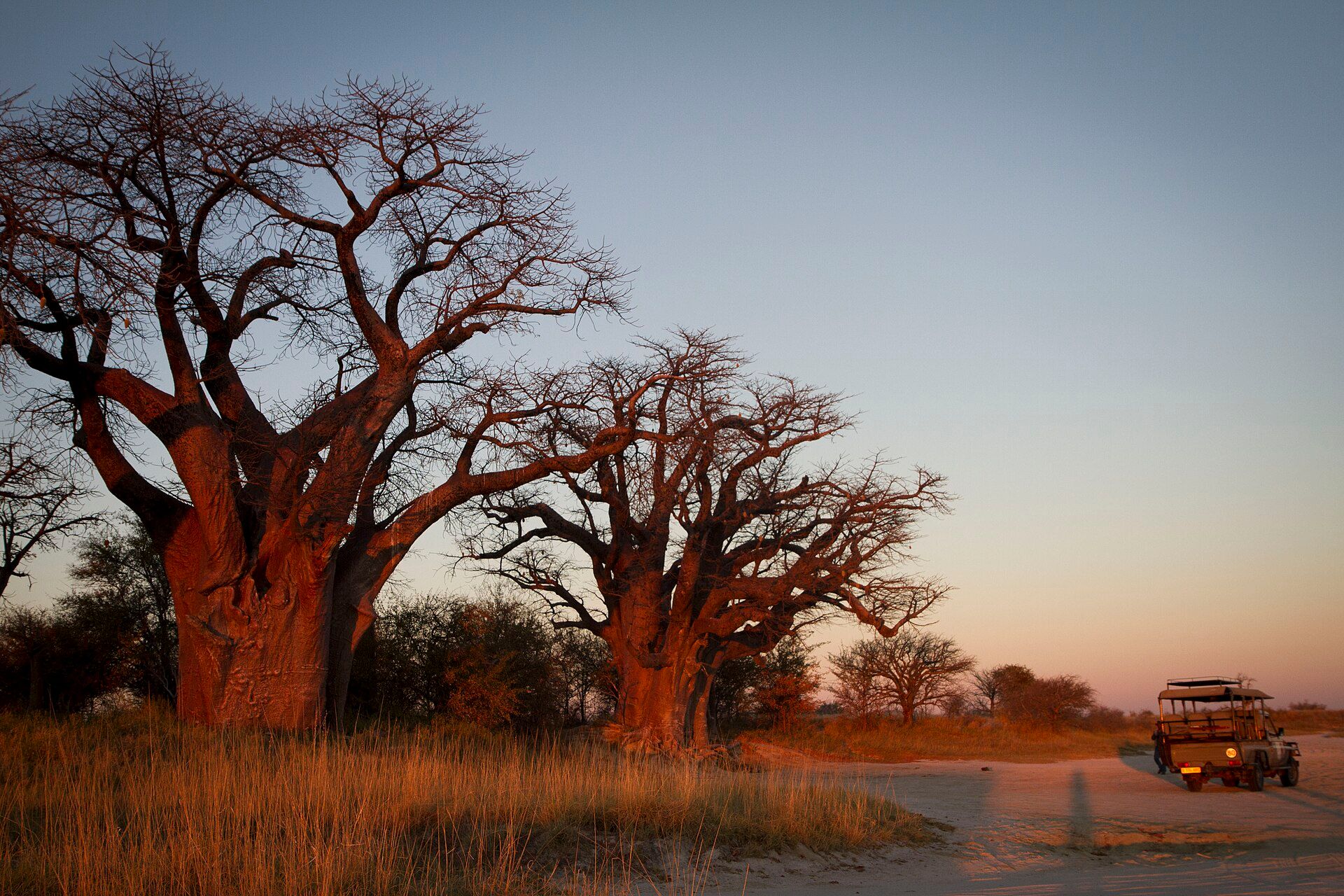
Nxai Pan & Baines' Baobabs
Nxai Pan National Park, northeastern Botswana, north of the Maun–Nata road
Added