Head to head · wetlands & deltas
Everglades vs Sundarbans: The World's Great Wetland Wildernesses
They are two of the greatest wetland wildernesses on Earth, and both are ruled by an apex predator: Florida's Everglades, the 'river of grass' where alligators drift through sawgrass marsh, and the Sundarbans, the vast mangrove forest of the Ganges–Brahmaputra delta, home to the swimming tigers of the tideland.
Here's how the Everglades and the Sundarbans compare across what actually shapes a visit, and how to decide which watery wilderness to explore.
The Everglades
The river of grass
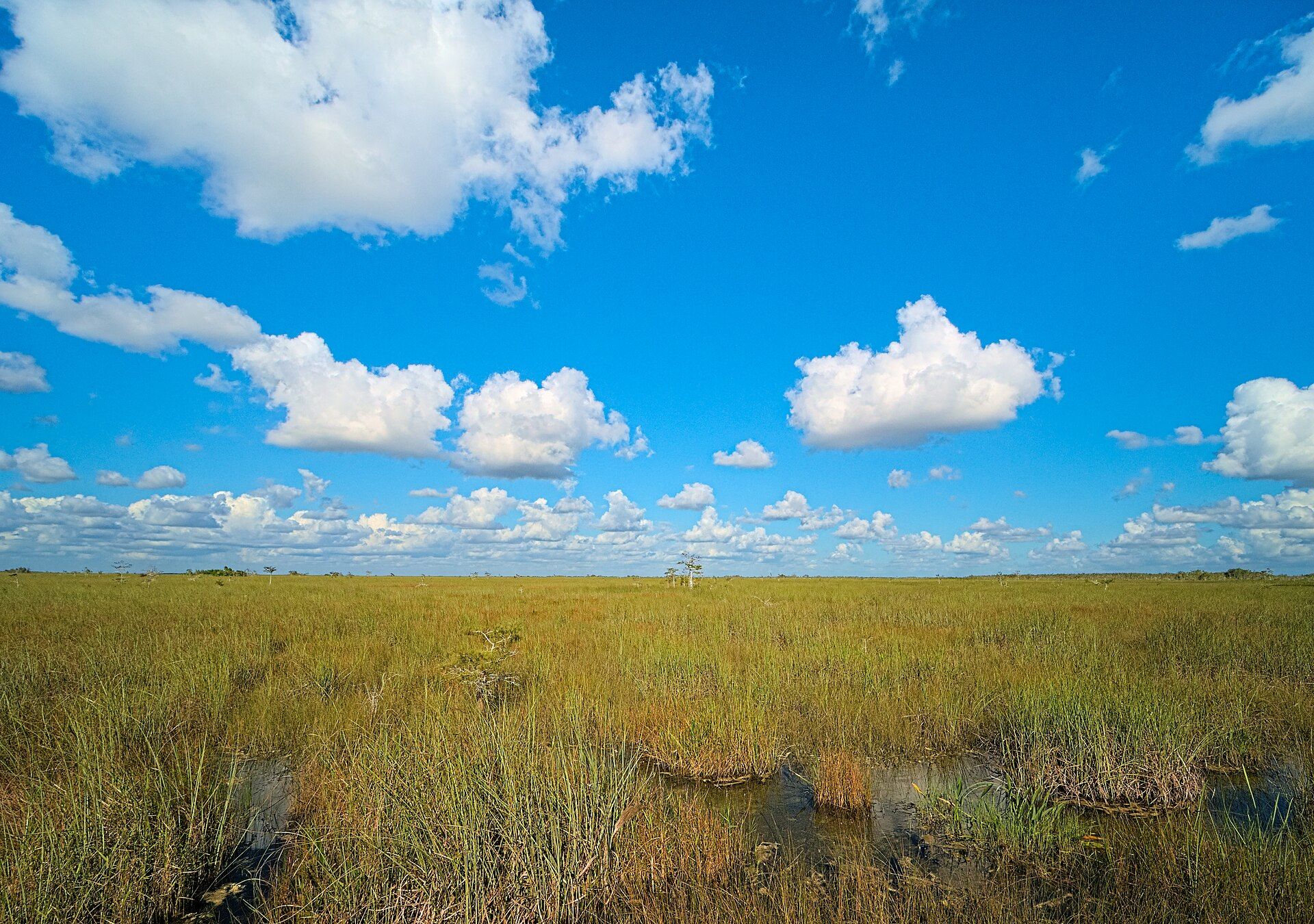
A vast, shallow sheet of freshwater creeping south across the tip of Florida through sawgrass prairie, cypress swamp, and mangrove coast — a UNESCO-listed wetland famous for alligators, wading birds, and the elusive manatee. It is easy to reach and easy to explore, by boardwalk, airboat, kayak, and tram from Miami and the Gulf coast, making world-class wetland wildlife accessible to anyone.
- Superb, easy wildlife viewing — alligators, wading birds, manatees
- Very accessible from Miami with boardwalks and tours
- A range of ways to explore, from tram to kayak
- A gentle introduction to a great wetland
The Sundarbans
The mangrove kingdom of the tiger
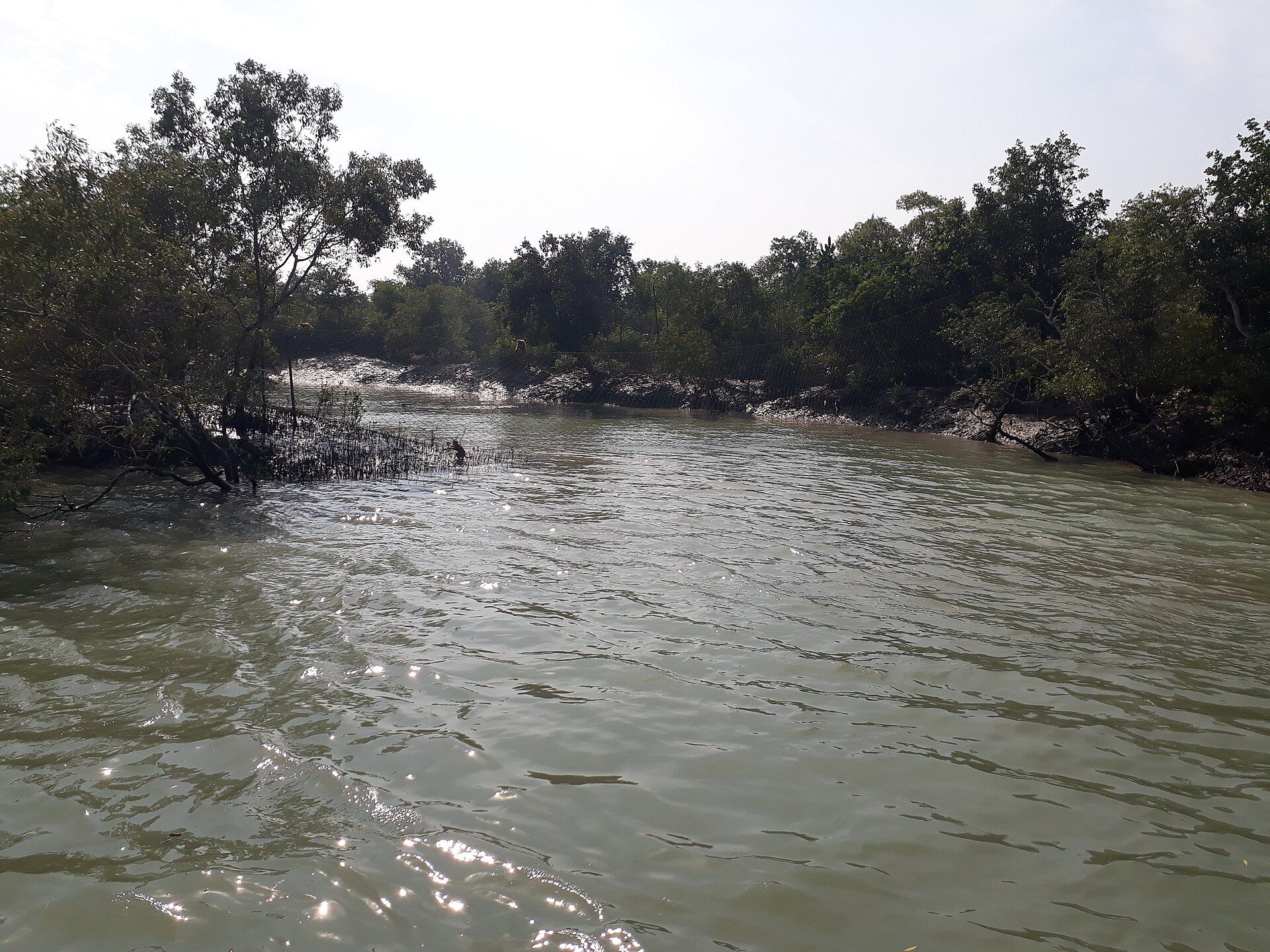
The largest mangrove forest in the world, spanning the seaward edge of the Ganges delta across Bangladesh and India — a UNESCO-listed maze of tidal channels, mudflats, and dense mangrove that shelters the Bengal tiger, here famous for swimming between islands. It is remote, humid, and explored by boat over multi-day trips; tiger sightings are rare and hard-won, but the sense of wild, primal wilderness is unmatched.
- The world's largest mangrove forest, deeply wild
- Home to the tiger and a vast tidal ecosystem
- Immersive multi-day river-boat journeys
- Far off the standard tourist trail
Head to head
| What matters | The Everglades | The Sundarbans |
|---|---|---|
| Signature wildlife Edge: Toss-up | Alligators, wading birds, and manatees, seen easily and often. | The Bengal tiger and a rich tidal ecosystem — rarely seen, but thrilling. |
| Ease of seeing wildlife Edge: The Everglades | Excellent — animals are visible from boardwalks and boats within minutes. | Hard — dense mangrove hides its animals; sightings take patience and luck. |
| How you explore Edge: Toss-up | Day trips by tram, airboat, kayak, and boardwalk. | Multi-day boat journeys deep into tidal channels. |
| Wildness & remoteness Edge: The Sundarbans | A wild place, but close to a major city and easily visited. | Genuinely remote, humid, and immersive — a true wilderness. |
| Access Edge: The Everglades | Under an hour from Miami to several park entrances. | By boat tour from Khulna (Bangladesh) or the West Bengal delta — a journey in itself. |
| Best season Edge: Toss-up | December to April — the dry season, cooler with concentrated wildlife. | October to March — cooler, drier, and the better window for tiger country. |
Which should you choose?
Choose The Everglades if…
…you want superb wetland wildlife you can actually see, easily reached from a city, with flexible day trips by boardwalk, airboat, or kayak.
Choose The Sundarbans if…
…you want a genuinely remote, immersive wilderness — a multi-day boat journey into the world's largest mangrove forest, with the thrill (if rarely the sight) of the tiger.
The honest verdict
This is accessible wildlife spectacle versus deep, hard-won wilderness: the Everglades reliably deliver close encounters with ease, while the Sundarbans offer a wilder, more mysterious world where the great predator usually stays hidden.
For guaranteed wildlife and simple logistics, choose the Everglades; for adventure, remoteness, and the mystique of the tiger, choose the Sundarbans.
They suit different travellers — a Florida road trip versus a delta expedition — so the wider journey usually decides.
Wonders mentioned here
Added