Esteros del Iberá
📍 Corrientes Province, northeastern Argentina
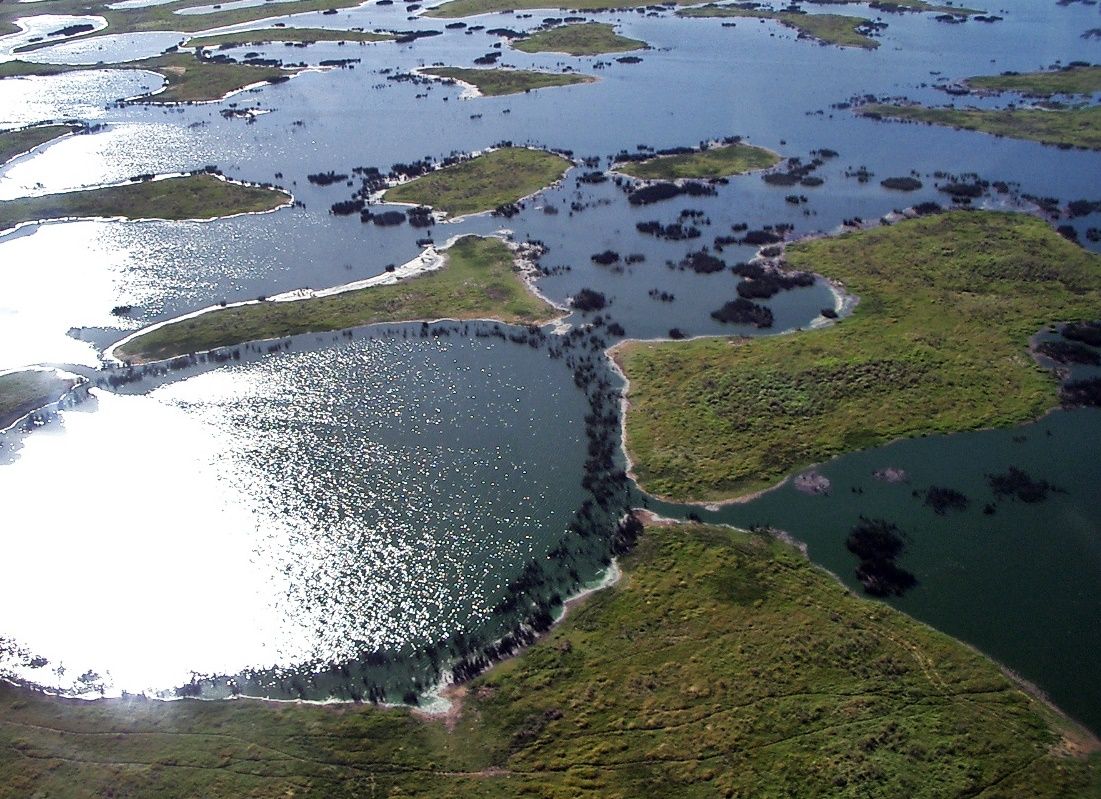
One of the largest freshwater wetlands on Earth — a vast mosaic of marsh, lagoon and floating island in northeast Argentina, and the stage for South America's most ambitious rewilding, which has returned the jaguar to the region after 70 years.
What makes it marvelous
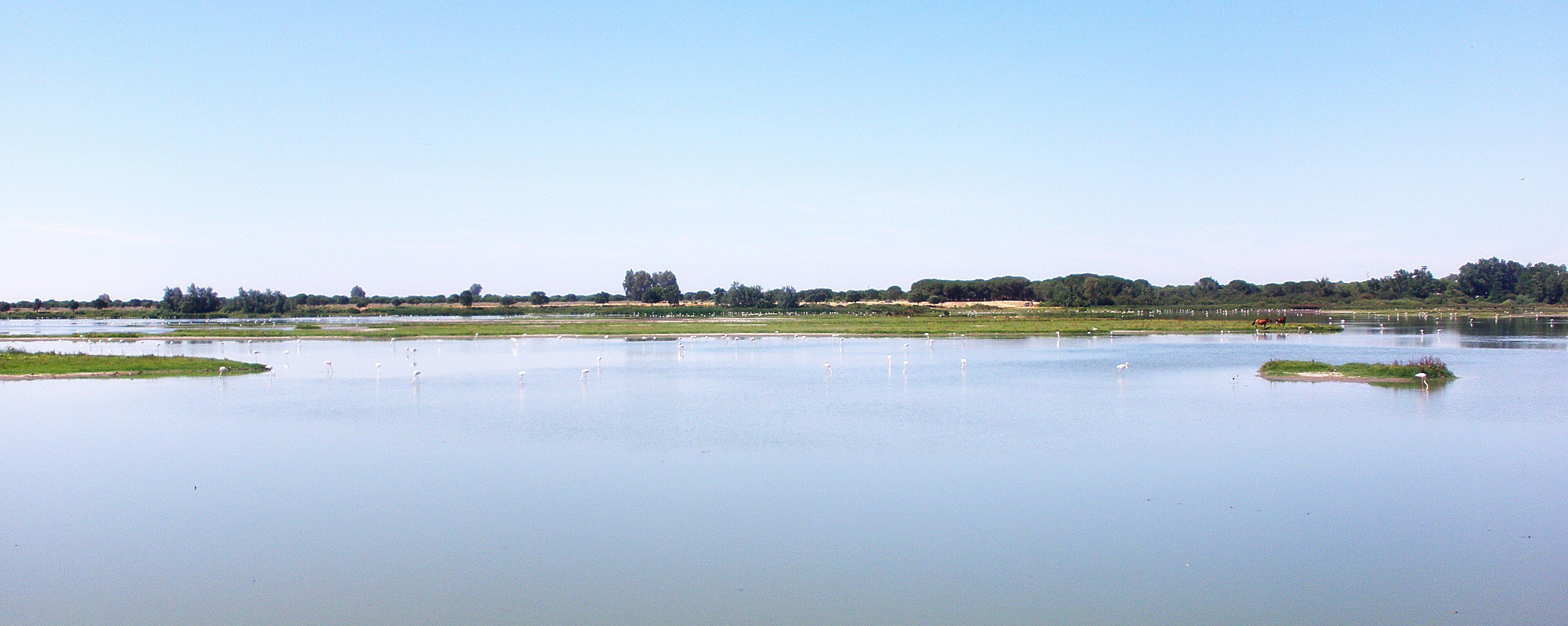
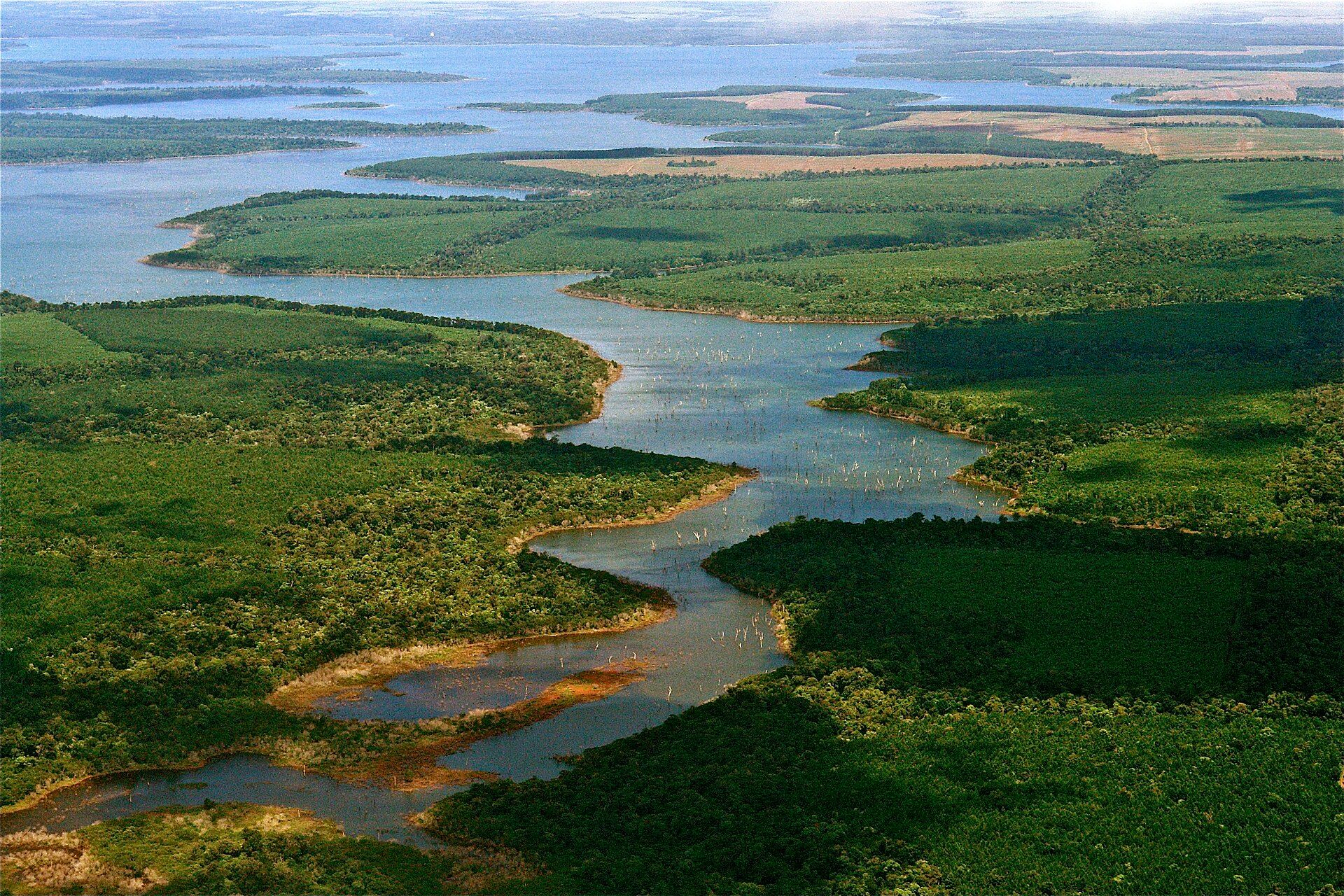
The Iberá wetlands sprawl across some 1.3 million hectares of Corrientes Province, a shallow basin of rain-fed marshes, black-water lagoons and drifting islands of matted vegetation known as embalsados — second in size among South American wetlands only to the Pantanal. Fed almost entirely by rainfall rather than rivers, it is a self-contained water world teeming with life: capybaras and caimans line the banks, marsh deer wade the reeds, and more than 350 bird species work the shallows. Since 2015, Fundación Rewilding Argentina has reintroduced locally extinct species here — giant anteaters, pampas deer, and, most dramatically, the jaguar, whose first free-living cubs in seven decades were released in 2021.
Why visit
Iberá offers wildlife-watching to rival Africa's great parks, at close range and without crowds. From a small boat gliding through the lagoons you can drift within metres of caimans, capybara families and clouds of herons and jacanas, while at night the reserve fills with the sounds of a working wetland. It is also a rewilding success story you can witness first-hand — a landscape being deliberately made whole again.
More views of Esteros del Iberá
Additional photographs of the actual site — each freely licensed, with its photographer and licence credited.
What to know before you go
🗓️ Best time
The cooler, drier months of roughly April to October bring comfortable temperatures and excellent wildlife viewing; summer is hot, humid and mosquito-heavy.
🧭 Getting there & access
The classic base is the village of Colonia Carlos Pellegrini on Laguna Iberá, reached by road from Mercedes or Posadas; other gateways serve the national park's newer access points.
Good to know
- Boat safaris at dawn and dusk give the best wildlife activity and light.
- Bring strong insect repellent, sun protection and binoculars.
- Roads to the reserve can turn to mud after rain — check conditions and allow buffer time.
Plan your visit
Easy🧭 Getting there
From Mercedes or Posadas, then Colonia Carlos Pellegrini
- Fly to Posadas or reach Mercedes, then drive to Colonia Carlos Pellegrini — roughly 2–3 hours, part on gravel
- Explore the lagoons by small boat from the village
- Total travel
- About half a day from the nearest gateway town
- Time at site
- Two to three days for boat trips, walks and night outings
- Access
- The reserve is open with lodge-based boat and walking safaris; access roads are partly unpaved and can flood after rain.
🎒 What to bring & consider
- Insect repellent and long sleeves for dawn and dusk
- Binoculars and a camera with reach for wildlife
- Sun protection and a hat for open boats
- Flexible timing in case roads are wet
👁️ What to expect
- Crowds
- Iberá is quiet and uncrowded compared with big-name parks.
- Conditions
- Warm, humid lowland travel with gentle boat and trail activity.
- Facilities
- Lodges, guides and a park visitor centre in Colonia Carlos Pellegrini.
- The view
- A capybara family or a caiman at the water's edge in golden dawn light from a low boat.
Times and requirements are approximate and change with season, weather, and local rules — confirm permits, fares, and schedules with operators before you travel.
Natural riches of the area
- A rain-fed basin of marshes, lagoons and floating vegetation islands
- One of South America's richest concentrations of wetland wildlife
- Grasslands and gallery forest fringing the water
- Reintroduced jaguars, giant anteaters, pampas deer and marsh deer
Local food
- Chipá
- Warm cheese-and-cassava bread, a staple of Argentina's northeast.
- Surubí
- A large river catfish, grilled or stewed, from the region's waters.
- Mate
- The shared yerba infusion, ubiquitous in Corrientes.
The Esteros del Iberá are a water world in the heart of northeast Argentina: some 1.3 million hectares of marsh, black-water lagoon and floating island spread across Corrientes Province, second in size among South American wetlands only to the Pantanal. Unusually, the whole system is fed by rainfall rather than rivers — a vast, self-contained basin where the land dissolves into reed and open water.
It is one of the continent’s great wildlife theatres. Capybaras graze the banks in family groups, caimans bask in the shallows, marsh deer wade the reeds, and more than 350 species of bird crowd the water’s edge. From a small boat you can drift close enough to watch it all unfold, in a stillness that big-name parks rarely offer.
Iberá is also the setting for South America’s boldest rewilding effort. Since 2015, conservationists have returned species driven out of the region — giant anteaters, pampas deer, and above all the jaguar, whose first free-living cubs in seventy years were released here in 2021. To travel Iberá today is to watch a damaged ecosystem being deliberately stitched back together.
Esteros del Iberá: common questions
How do you get to Esteros del Iberá?
From Mercedes or Posadas, then Colonia Carlos Pellegrini: Fly to Posadas or reach Mercedes, then drive to Colonia Carlos Pellegrini — roughly 2–3 hours, part on gravel; Explore the lagoons by small boat from the village. Total travel time: About half a day from the nearest gateway town.
When is the best time to visit Esteros del Iberá?
The cooler, drier months of roughly April to October bring comfortable temperatures and excellent wildlife viewing; summer is hot, humid and mosquito-heavy.
How long should you spend at Esteros del Iberá?
Two to three days for boat trips, walks and night outings. Total travel time: About half a day from the nearest gateway town.
What should you bring to Esteros del Iberá?
Insect repellent and long sleeves for dawn and dusk Binoculars and a camera with reach for wildlife Sun protection and a hat for open boats Flexible timing in case roads are wet
Do you need a permit or guide for Esteros del Iberá?
The reserve is open with lodge-based boat and walking safaris; access roads are partly unpaved and can flood after rain.
Is Esteros del Iberá crowded, and what are conditions like?
Iberá is quiet and uncrowded compared with big-name parks. Warm, humid lowland travel with gentle boat and trail activity. Facilities: Lodges, guides and a park visitor centre in Colonia Carlos Pellegrini.
Added
More wonders to explore