Africa's living plains: the greatest show on Earth
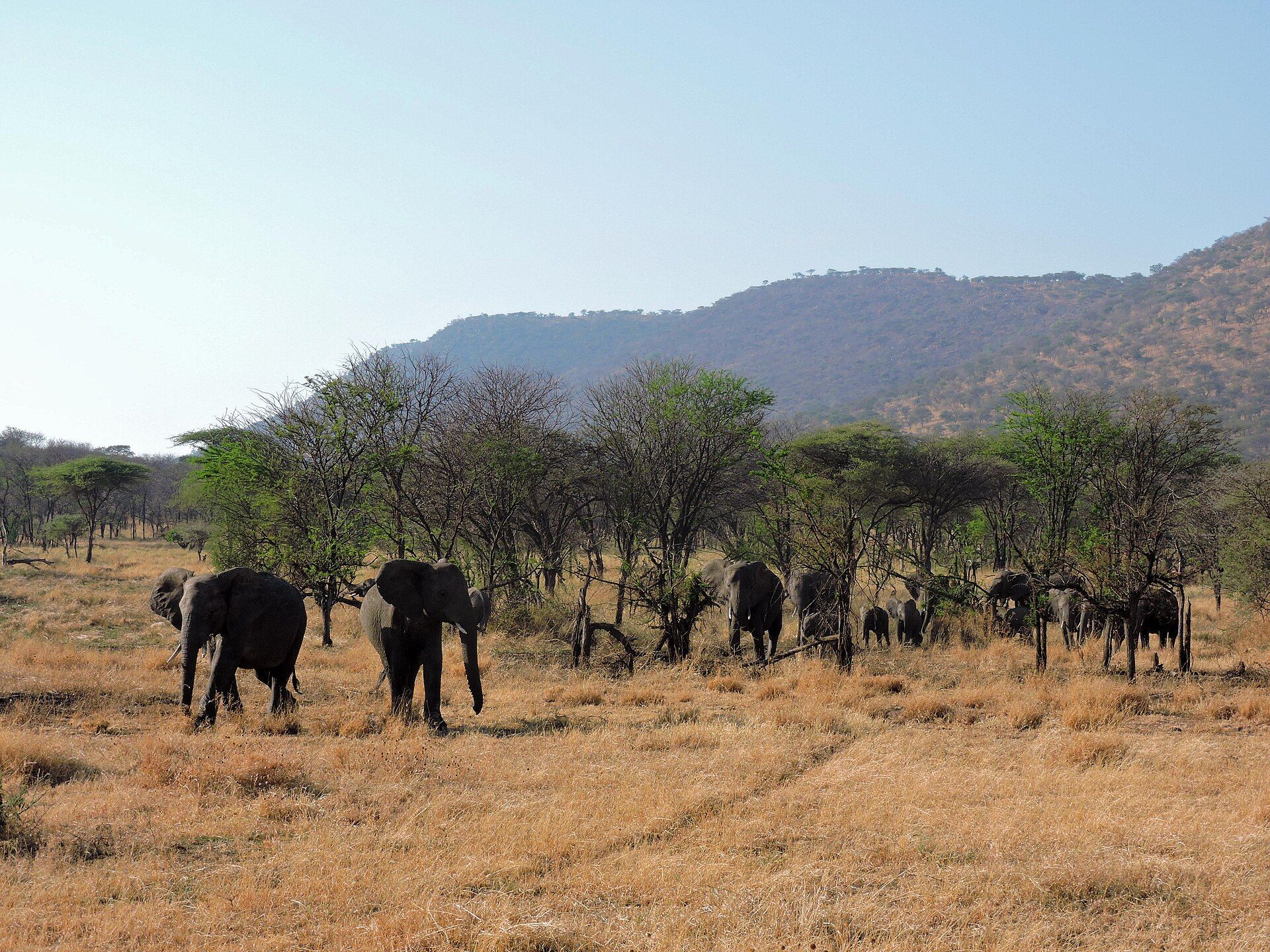
There is a reason ‘safari’ has entered every language. Africa’s great plains and wetlands still support gatherings of large animals on a scale the rest of the world lost long ago — and the machinery behind that abundance is as fascinating as the animals themselves.
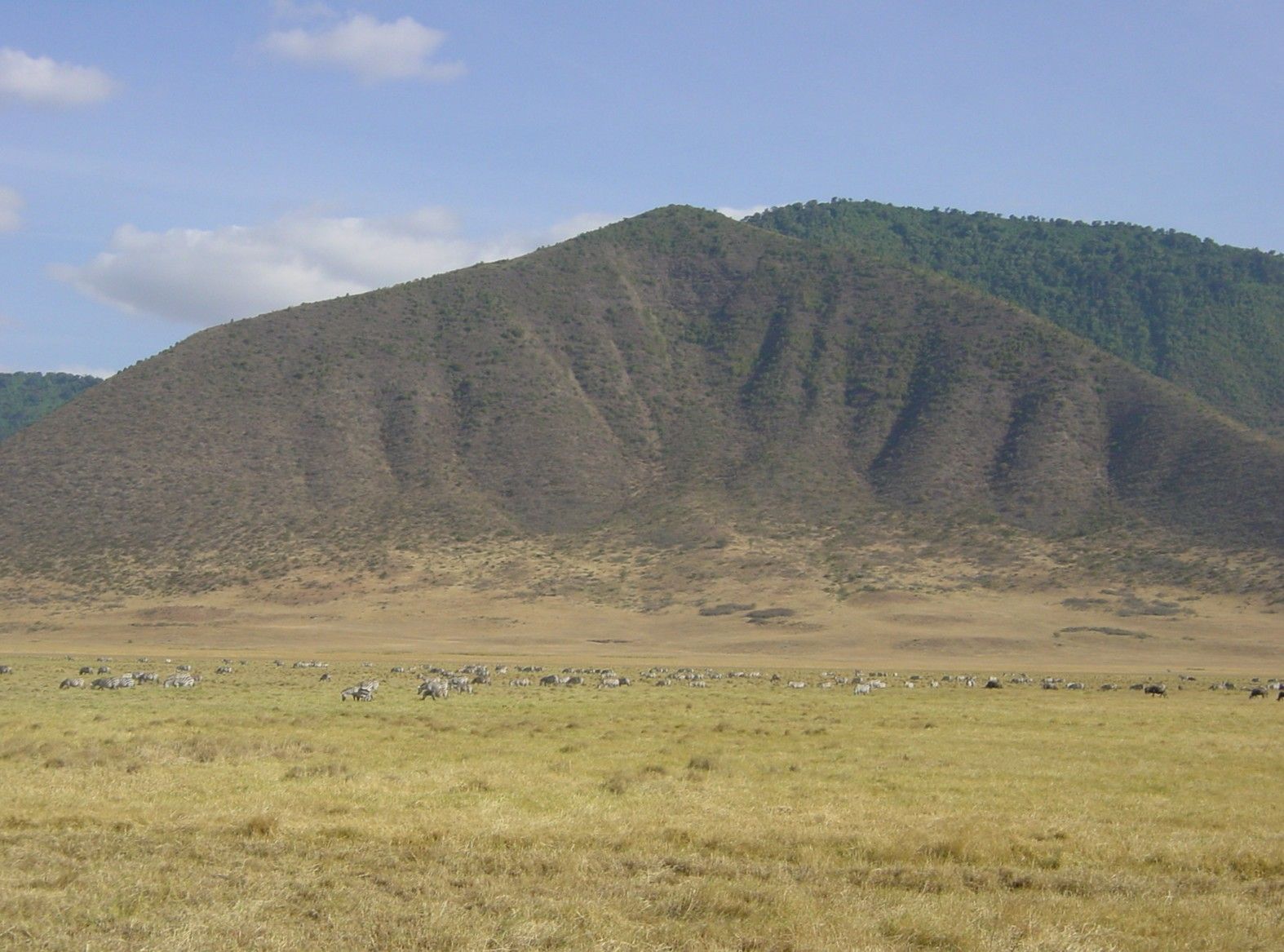
Take the Serengeti. Its productivity is a gift of geology: ancient volcanic ash from the nearby highlands built soils that grow exactly the short, nutritious grasses the herds need. That fuels the Great Migration — over a million wildebeest, with zebra and gazelle, following the rains in an endless 800-kilometre loop, shadowed by lions, cheetahs, and crocodiles. Nearby, the Ngorongoro Crater concentrates that same abundance inside the walls of the largest intact volcanic caldera on Earth — a natural amphitheatre where you can see, in a single day, lions, elephants, flamingos, and the rare black rhino.
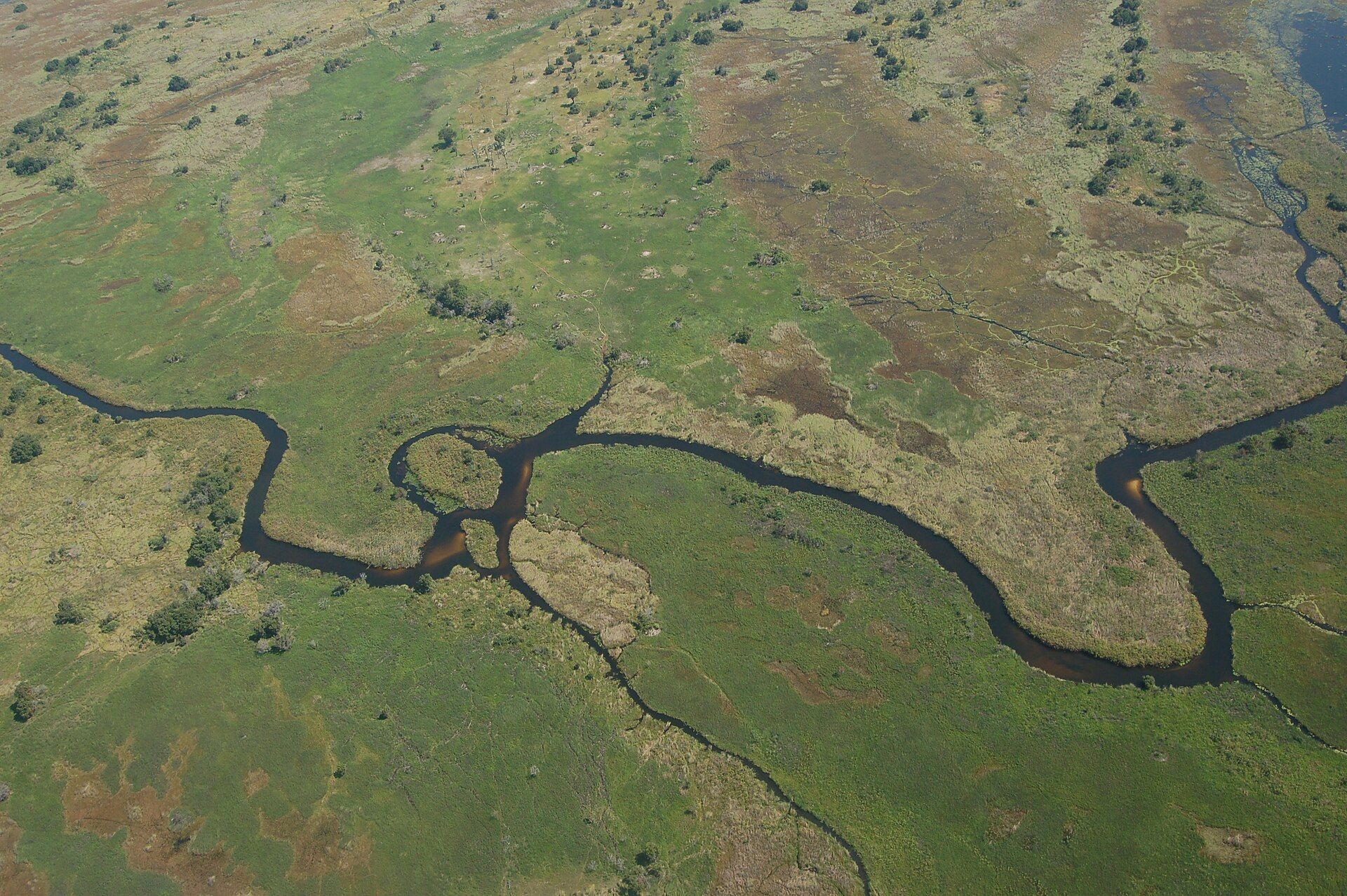
Water writes a different version of the story further south. The Okavango Delta is a river that never reaches the sea, spilling instead into the Kalahari — and its flood, arriving just as the surrounding land dries out, pulls Africa’s wildlife into the desert. Volcanic soil, seasonal rains, an inland flood: in each case, it’s a quirk of physical geography that makes the spectacle possible. The animals are the headline, but the land is the author.
Wonders in this article