Nature route · A week
Botswana: Chobe to the Kalahari Pans
Elephant herds on the Chobe River, the salt pans of Makgadikgadi, Baines' Baobabs and the waterways of the Okavango — Botswana's great loop.
A week-plus route through northern Botswana: Chobe's riverfront elephants from Kasane, south to the vast Makgadikgadi salt pans and Nxai Pan's Baines' Baobabs, then west to Maun and the Okavango Delta.
- Length 9–10 days
- Stops 4 wonders
- Budget $2,200–9,000 pp
- Region Northern Botswana, Botswana
Trip map
The route
Stops in travel order — tap any one for the full wonder guide.
-
Chobe National Park 3 nights
Northern Botswana, beside Kasane and the Chobe River
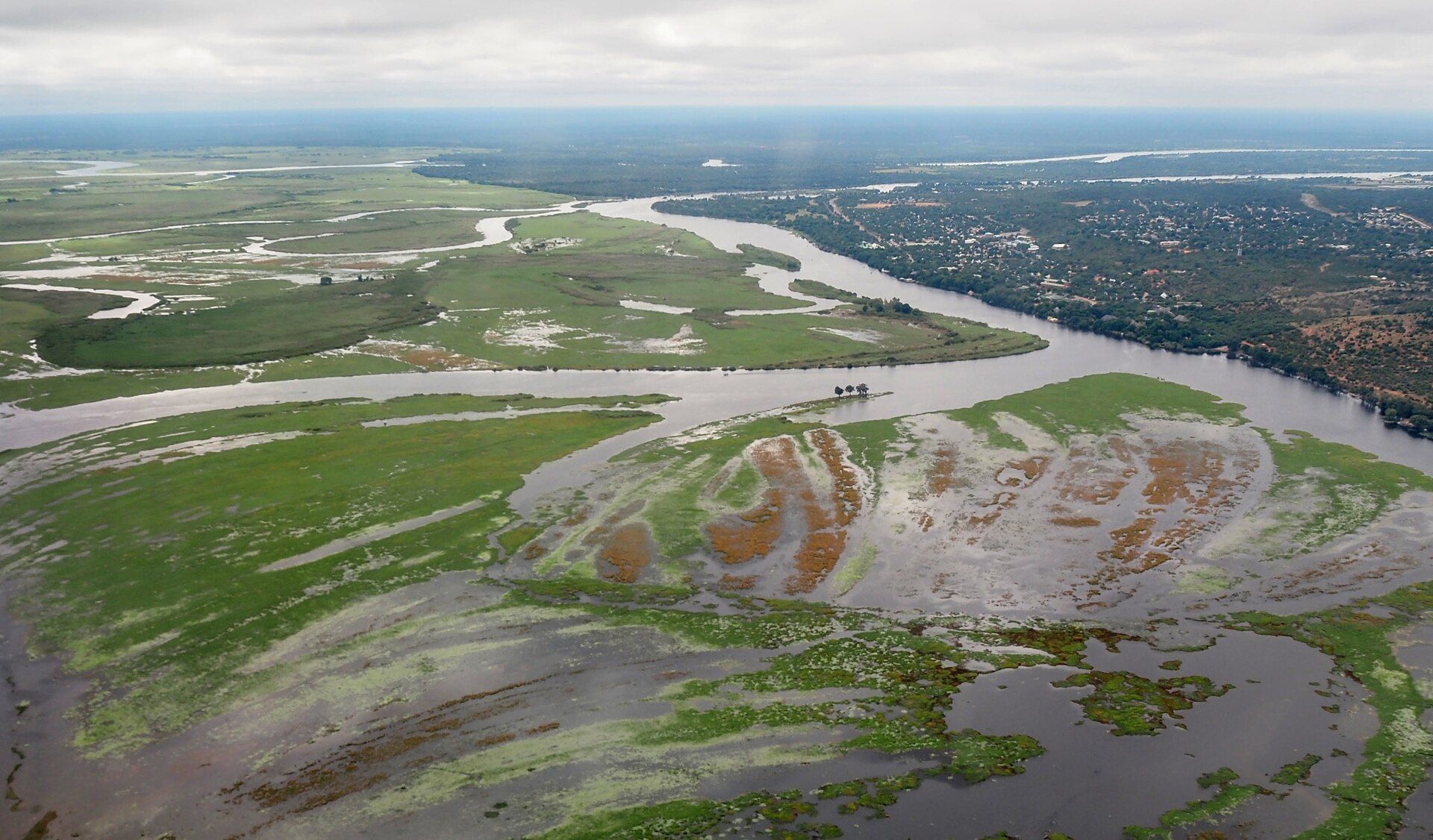
Elephant herds on the Chobe River from Kasane, by game drive and boat.
-
Makgadikgadi Pans 2 nights
Northeastern Botswana, between Nata and Maun
The white salt pans of an ancient lake — flooded and full of game in the rains.
-
Nxai Pan & Baines' Baobabs 1 night
Nxai Pan National Park, northeastern Botswana, north of the Maun–Nata road
Baines' Baobabs at sunset and the green-season grasslands of Nxai Pan.
-
Okavango Delta 3 nights
Northern Botswana
Mokoro channels and island game in the world-famous inland delta, reached from Maun.
Day by day
-
Kasane and the Chobe riverfront
Base Kasane
- Arrive in Kasane by air or road
Morning and afternoon game drives on the Chobe riverfront, and a boat trip in the late afternoon when elephants come down to drink and bathe.
-
South to the Makgadikgadi Pans
Base Gweta / edge of the pans
- Kasane to Nata and on toward Gweta — a long road day
Explore the salt pans with a guide who knows the crust. In the rains, look for zebra, wildebeest and flamingos; in the dry season, the bare white plain.
-
Nxai Pan and Baines' Baobabs
Base Nxai Pan National Park
- Gweta to the Nxai Pan turn-off, then sandy 4x4 tracks
Game drives on the Nxai grasslands and sunset at Baines' Baobabs.
-
Maun and the Okavango Delta
Base Maun / a delta camp
- Nxai Pan to Maun by road, then a light aircraft or boat transfer into the delta
Mokoro trips through the channels, walks on the islands and game drives in a private concession or the Moremi reserve.
What it costs
Indicative per person, two sharing, 9 nights, self-drive with camping at the low end and lodges plus a fly-in delta camp at the high end. Excludes international flights.
| Category | Range (per person) |
|---|---|
| TransportEquipped 4x4 hire and fuel split two ways; a light-aircraft transfer into the delta at the high end. | $600–2,000 |
| LodgingPublic campsites at the low end; delta lodges in peak season dominate the high end. | $900–5,500 |
| FoodSelf-catering when camping; lodges are usually all-inclusive. | $300–700 |
| Fees & guidesPark entry and vehicle fees, guided pan excursions and mokoro trips. | $400–800 |
| Estimated total | $2,200–9,000 |
What moves the number
- Self-drive camping versus lodges — by far the biggest swing
- Whether you fly into a private delta concession
- Peak dry-season pricing
- Current park fees from Botswana's Department of Wildlife and National Parks
Indicative ranges, October 2026; confirm current park fees and lodge rates before booking. Quoted in US dollars, the usual currency for safari pricing in Botswana. These are honest ranges, not quotes — real prices swing with season, group size, and how you travel. Always confirm current fares, room rates, permits, and fees with operators before you commit.
Best season & getting around
🗓️ Best time to go
May to October for dry-season game at Chobe and the delta; December to April for the green-season pans and Nxai grasslands. Pick the season by what you want to see most.
🧭 Getting around
A fully equipped 4x4 for self-drivers, or a mobile/guided safari. Tracks in Nxai Pan and the Makgadikgadi are sandy and sometimes impassable after rain; delta camps are usually reached by light aircraft from Maun.
Know before you go
- Book campsites and lodges far ahead for the dry season — many sell out.
- Never drive onto the salt pans without a guide; the crust can hide deep mud.
- Self-drivers need recovery gear, extra fuel and water, and experience in deep sand.
- Malaria is present in northern Botswana — get medical advice before travel.
- All distances, times and prices are approximate and change with season and demand.
Northern Botswana is one of the last great wildernesses in Africa, and this route links its four big landscapes. It starts in Kasane on the Chobe River, where some of the largest elephant herds on Earth gather in the dry season, then heads south across the Kalahari to the Makgadikgadi — salt pans the size of a small country — and the grasslands and baobabs of Nxai Pan, before finishing in Maun and the Okavango Delta.
Season shapes everything here. The dry months bring animals to the rivers and the delta’s waterways, while the rains turn the pans and Nxai’s grasslands green and draw zebra, wildebeest and flamingos. Decide which you want most, book early, and give the long road days the respect they deserve.
Botswana: Chobe to the Kalahari Pans: common questions
How many days is the Botswana: Chobe to the Kalahari Pans?
9–10 days — the plan is built around 9 nights. Roughly 600–700 km by road between Kasane and Maun, plus delta transfers
When is the best time to do the Botswana: Chobe to the Kalahari Pans?
May to October for dry-season game at Chobe and the delta; December to April for the green-season pans and Nxai grasslands. Pick the season by what you want to see most.
How much does the Botswana: Chobe to the Kalahari Pans cost?
A rough guide is $2,200–9,000 per person (Indicative per person, two sharing, 9 nights, self-drive with camping at the low end and lodges plus a fly-in delta camp at the high end. Excludes international flights.). Indicative ranges, October 2026; confirm current park fees and lodge rates before booking. Main cost variables: Self-drive camping versus lodges — by far the biggest swing; Whether you fly into a private delta concession; Peak dry-season pricing.
How do you get around on the Botswana: Chobe to the Kalahari Pans?
A fully equipped 4x4 for self-drivers, or a mobile/guided safari. Tracks in Nxai Pan and the Makgadikgadi are sandy and sometimes impassable after rain; delta camps are usually reached by light aircraft from Maun.
Which natural wonders does the Botswana: Chobe to the Kalahari Pans include?
Chobe National Park, Makgadikgadi Pans, Nxai Pan & Baines' Baobabs, Okavango Delta.
Added