Head to head · great fjords
Milford Sound vs Geirangerfjord: Which Fjord Wins?
Two of the most beautiful fjords on Earth, carved by ice at opposite ends of the world — a rainforest-draped sound in New Zealand's remote southwest versus a UNESCO-listed arm of the Norwegian coast.
Here's how Milford Sound and Geirangerfjord compare across what actually shapes a visit, and how to decide which to build a trip around.
Milford Sound
A rainforest fjord in the wild south
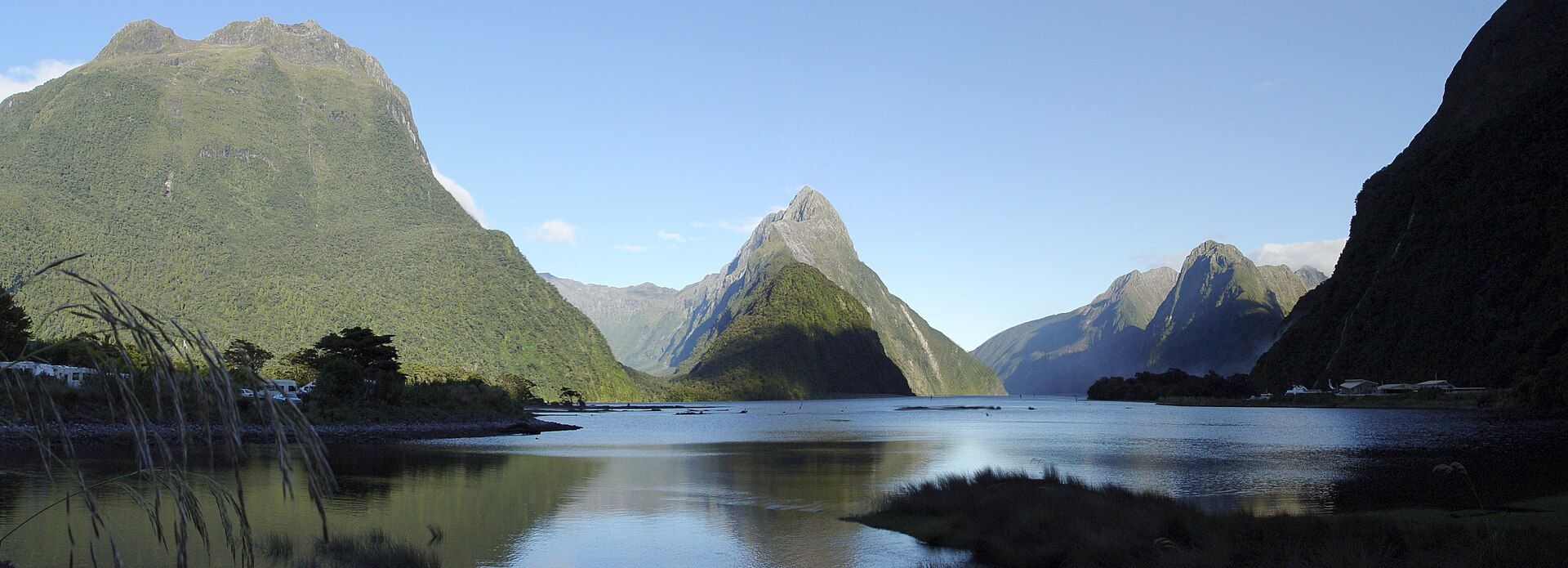
A glacier-carved fjord where sheer dark cliffs plunge into deep water beneath Mitre Peak, temperate rainforest clinging to the walls. It's at its most spectacular in the rain, when hundreds of temporary waterfalls appear — and the approach, the Milford Road, is a wonder in itself.
- Mitre Peak rising sheer from the water
- Best in the rain — waterfalls appear everywhere
- The dramatic Milford Road drive in
- Wild, remote, and thickly forested
Geirangerfjord
The classic UNESCO Norwegian fjord
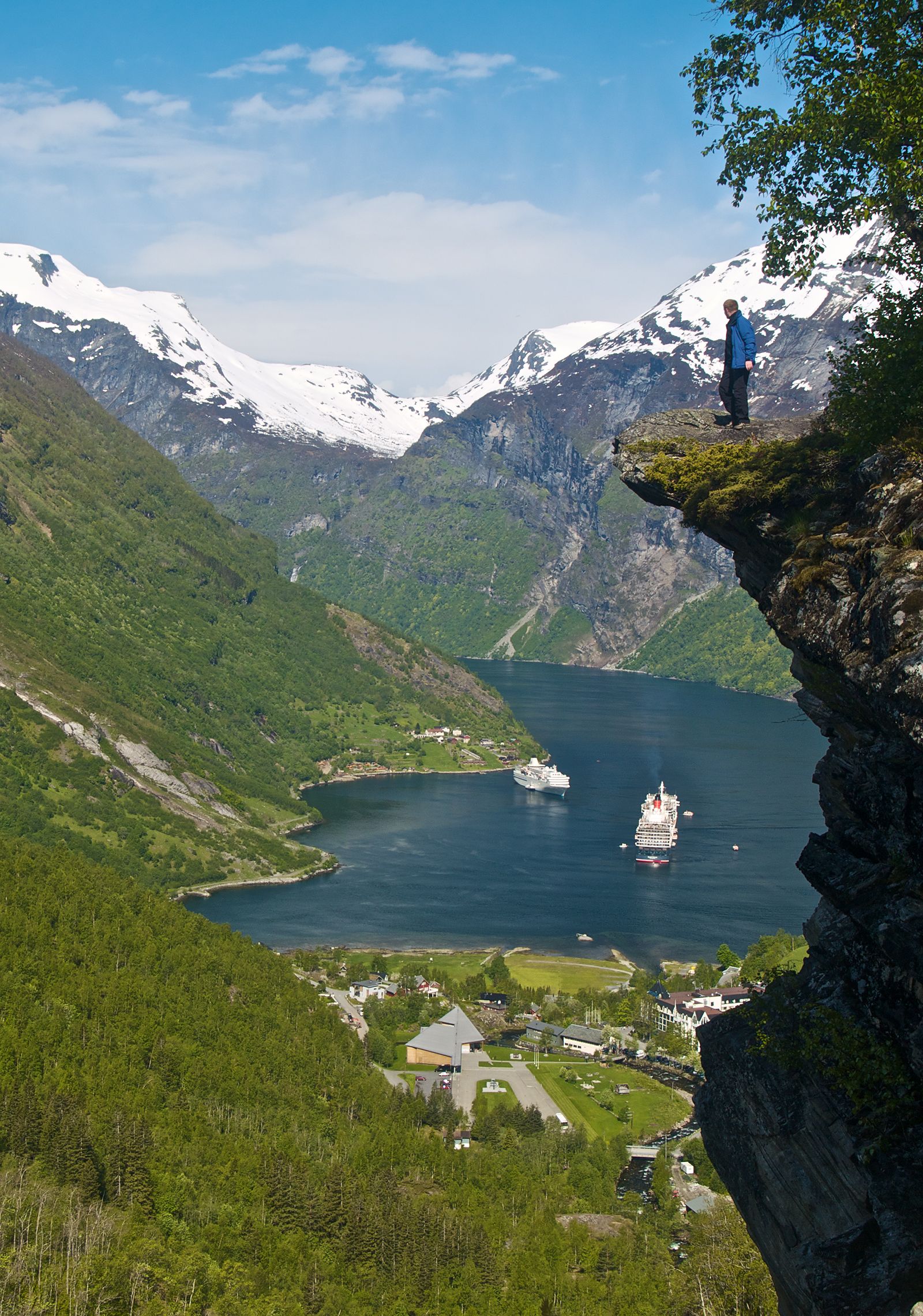
The most photographed of Norway's fjords — sheer green walls, permanent waterfalls like the Seven Sisters spilling straight down, and farmsteads clinging impossibly to the cliffs. More pastoral and lived-in than Milford, and part of a whole region of fjords to explore.
- The Seven Sisters and other permanent waterfalls
- Clifftop viewpoints like Dalsnibba and Flydalsjuvet
- Historic cliff farms and green, layered scenery
- Part of a wider fjordland to tour
Head to head
| What matters | Milford Sound | Geirangerfjord |
|---|---|---|
| The scenery Edge: Toss-up | Darker, wilder, sheer black cliffs and rainforest — raw and dramatic. | Greener and more layered, with waterfalls, farms, and softer light. |
| Waterfalls Edge: Geirangerfjord | Spectacular but weather-dependent — magic in the rain, quieter when dry. | Permanent, reliable falls like the Seven Sisters year-round. |
| How you see it Edge: Geirangerfjord | Mostly by boat cruise or kayak; a couple of short walks. | Boat plus many clifftop road viewpoints looking down on the fjord. |
| Getting there Edge: Geirangerfjord | Remote — a long, beautiful drive or coach from Queenstown/Te Anau. | Reachable by road, ferry, and cruise ship within Norway's fjord network. |
| Crowds Edge: Milford Sound | Busy at midday when the tour buses arrive; wild the rest of the time. | Very busy in summer, especially on cruise-ship days. |
| Best season Edge: Milford Sound | Year-round; famously rewarding in the rain, roads can close in winter snow. | Late spring to early autumn; many services close in winter. |
Which should you choose?
Choose Milford Sound if…
…you want raw wilderness, a legendary drive in, and don't mind — or actively want — rain, since it turns the cliffs into a wall of waterfalls. Best paired with a South Island road trip.
Choose Geirangerfjord if…
…you want reliable waterfalls, clifftop viewpoints you can drive to, and a fjord that's part of a whole region to tour, with more infrastructure and easier access.
The honest verdict
Milford is the wilder, moodier fjord — at its best in bad weather and reached by an unforgettable road; Geirangerfjord is greener, more accessible, and more reliable, with permanent falls and grand viewpoints.
If you crave remoteness and drama, Milford; if you want dependable scenery and easy touring, Geiranger.
Both anchor superb wider trips — New Zealand's South Island or Norway's fjordland — so the real choice is usually which country you're seeing.
Wonders mentioned here
Added