Head to head · island wonders
Iceland vs New Zealand: Which Is the Better Nature Trip?
Two volcanic-island icons, both impossibly photogenic — but very different holidays once you look past the postcards.
Here's how Iceland and New Zealand compare on the things that decide a trip, and how to choose between them.
Iceland
Concentrated fire and ice
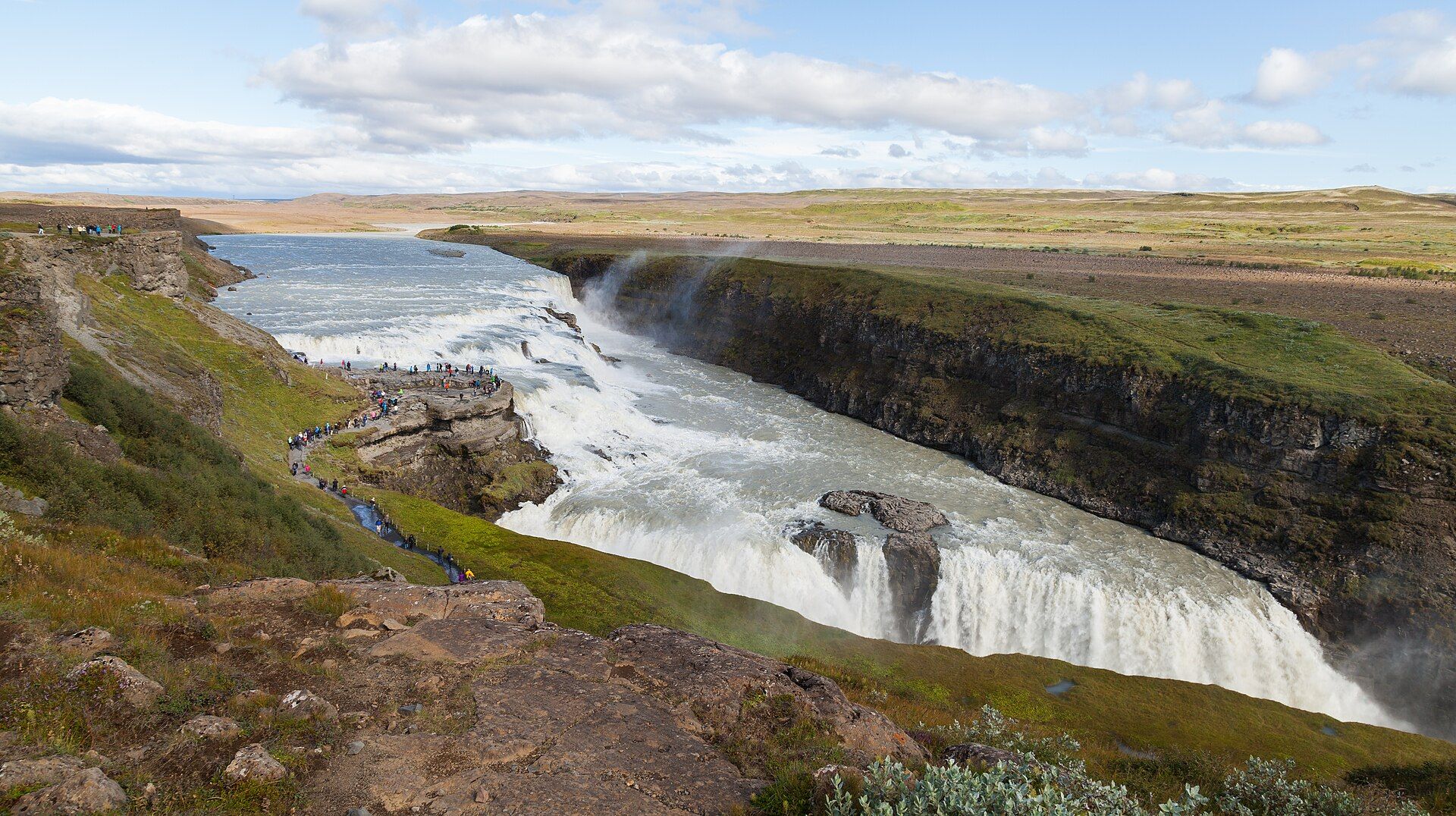
A small volcanic island where waterfalls, glaciers, geysers, and black beaches crowd close together — huge drama on a short, drivable loop, with easy Northern Lights half the year.
- Maximum variety per day on one ring road
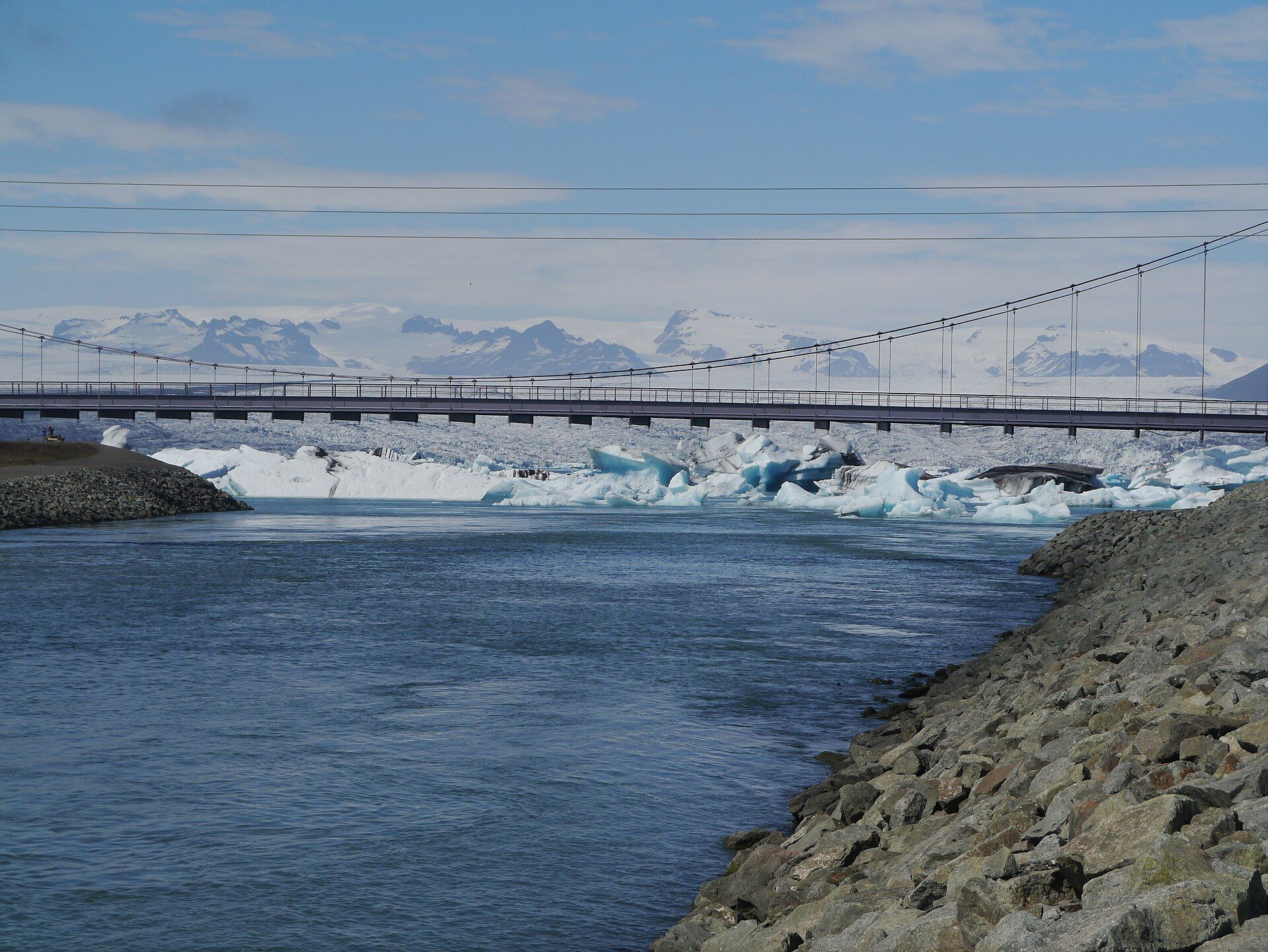
- Enterable ice caves and glacier lagoons
- Reliable Northern Lights, September–April
New Zealand
Every landscape on two islands
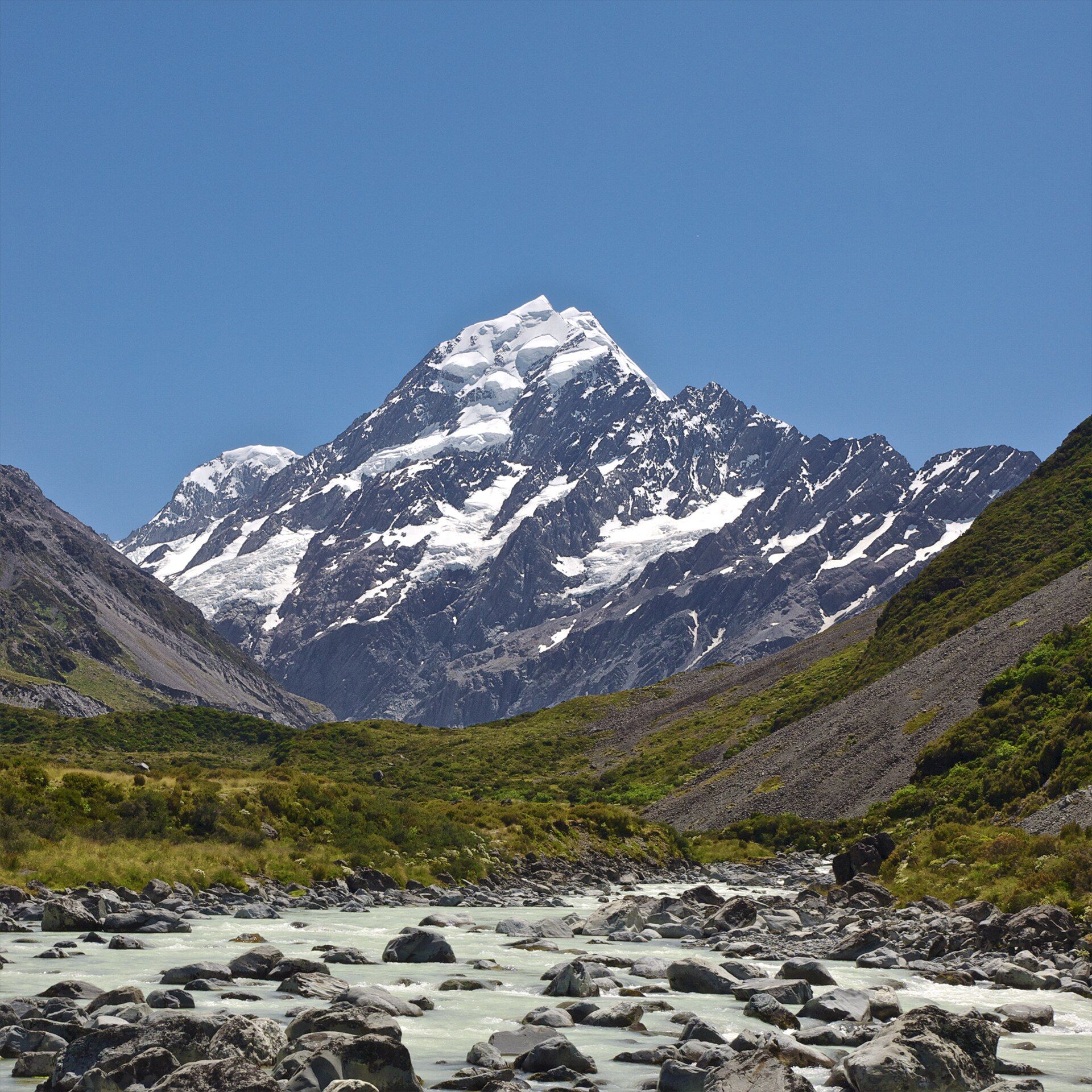
Two long islands running from subtropical north to alpine south — fjords, glaciers, geothermal valleys, rainforest, and the Southern Alps — with world-class hiking and the world's adventure-sport capital.
- Enormous variety: fjords, alps, geothermal, coast
- Some of the best multi-day hikes on Earth
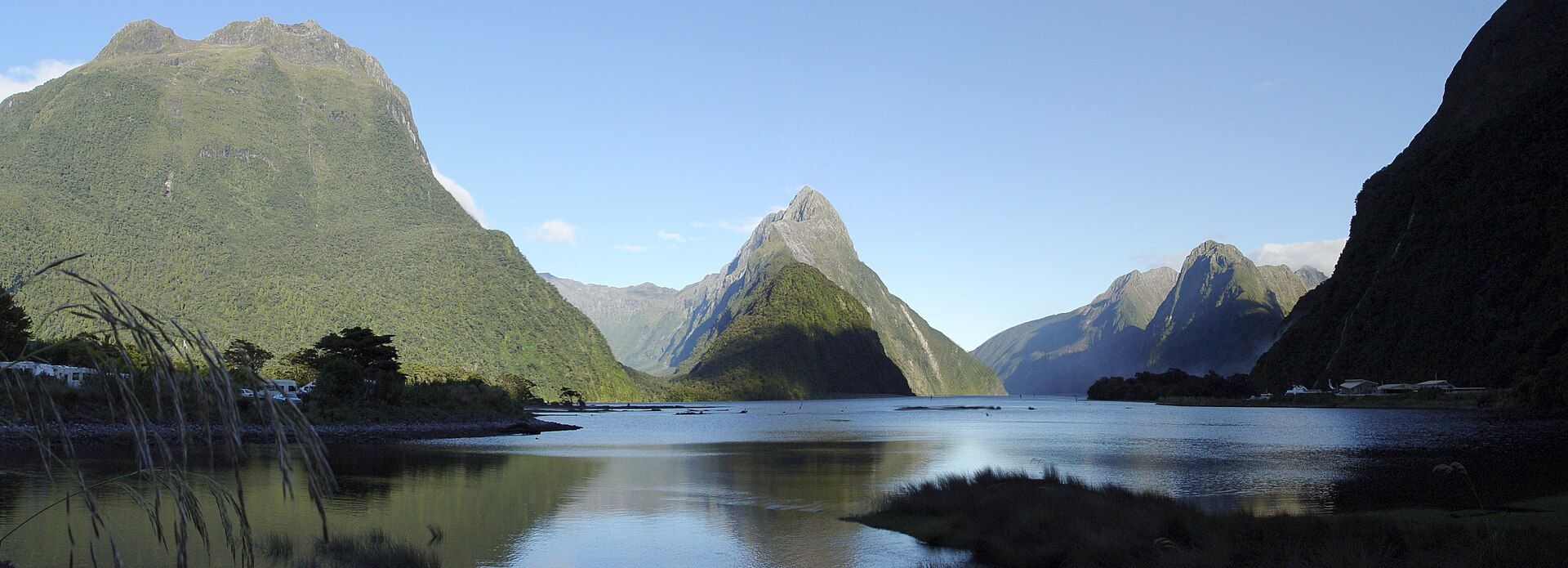
- Milford Sound and the glacier-fed Southern Alps
Head to head
| What matters | Iceland | New Zealand |
|---|---|---|
| Variety of landscapes Edge: New Zealand | Volcanic and glacial, but a narrower palette overall. | Vast range — you drive from rainforest to glaciers to fjords in a week. |
| Compactness Edge: Iceland | Tiny — the whole loop fits in a week with short drives. | Big — two islands and long drives; two to three weeks does it justice. |
| Glaciers & fjords Edge: Toss-up | Superb glaciers and ice caves; modest fjords. | Milford and Doubtful Sounds plus the Franz Josef and Fox glaciers. |
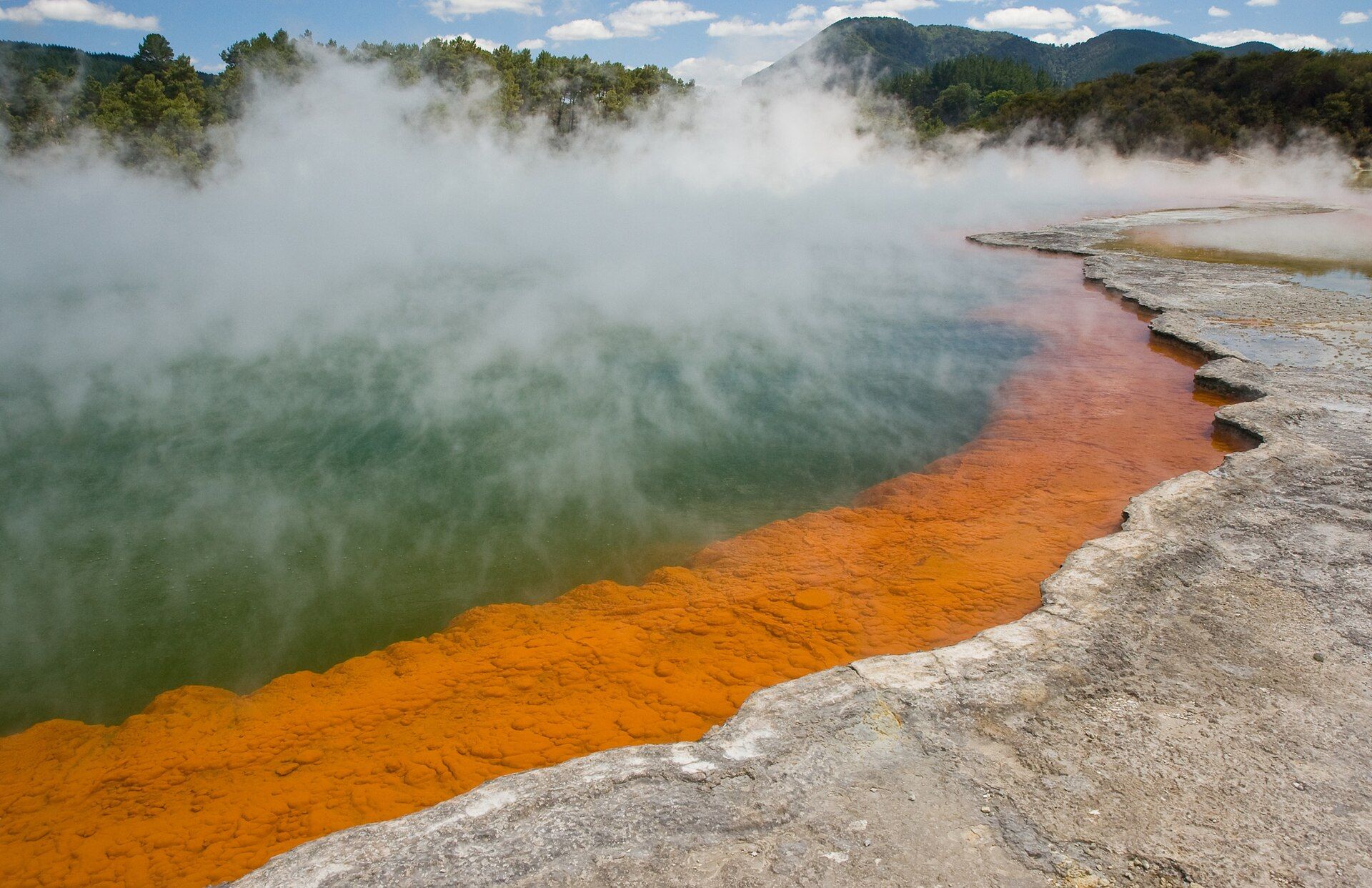
| Geothermal country Edge: Toss-up | Geysers, hot rivers, and steaming fields all over. | Rotorua's geysers, mud pools, and coloured springs. |
| Hiking Edge: New Zealand | Great day walks; fewer long alpine trails. | World-class 'Great Walks' — Routeburn, Milford, Kepler and more. |
| Northern / Southern Lights Edge: Iceland | Strong, easy Northern Lights in the dark half of the year. | Southern Lights are possible in the deep south, but far less reliable. |
| Season (from the north) Edge: Toss-up | Summer June–August; aurora and ice caves in winter. | Opposite season — their summer is December–February. |
Which should you choose?
Choose Iceland if…
…you have a week or so, want the most drama per day with simple driving, are chasing the Northern Lights, or you're travelling from Europe or eastern North America and want a shorter flight.
Choose New Zealand if…
…you have two to three weeks, love long hikes and constant landscape change, want fjords and alpine peaks alongside geothermal country, or you're travelling in the northern winter and want summer.
The honest verdict
It largely comes down to time and season. Iceland delivers a staggering amount in a week and is unbeatable for a short, self-drive trip with aurora. New Zealand needs more time but repays it with greater variety and the finest hiking.
If you're time-poor or aurora-chasing, choose Iceland. If you have a fortnight-plus and want every landscape at once — or you need a Southern-Hemisphere summer — choose New Zealand.
Wonders mentioned here
Added