Head to head · Fiordland's fjord vs the Southern Alps' highest peak
Milford Sound vs Mount Cook: Which Should You Visit on New Zealand's South Island?
Short answer: if you are based in Queenstown and have one day, Milford Sound is the classic trip — a 1h45–2h cruise beneath 1,200-metre cliffs, and rain makes it better, not worse. If you can stay a night and want to walk, Aoraki/Mount Cook gives you New Zealand's highest peak above an iceberg lake, and one of the darkest night skies on Earth.
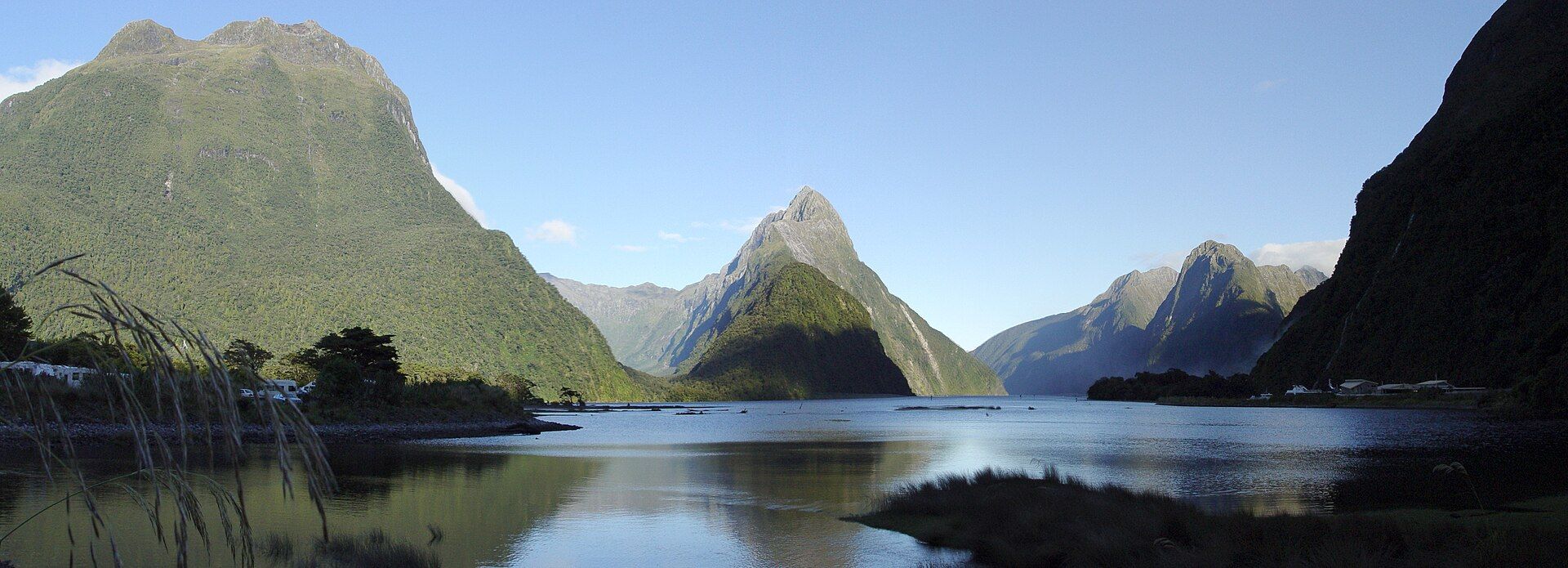
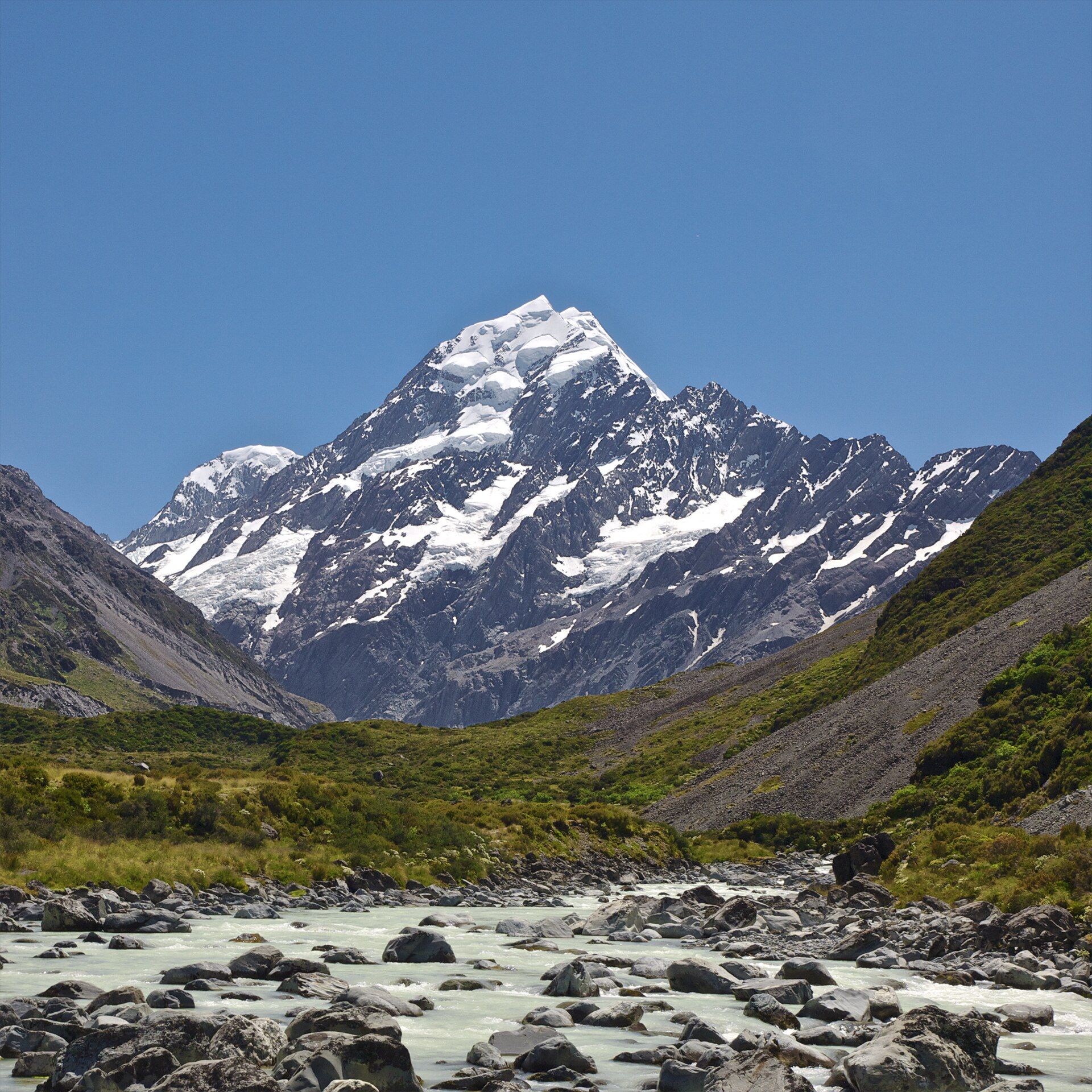
Both sit inside the same UNESCO World Heritage area, Te Wāhipounamu, but they are different trips. Milford is a drive and a boat: one long road from Te Anau through a one-lane tunnel to a fjord where Mitre Peak rises 1,692 metres straight out of the water. Mount Cook is a walk: the mostly flat Hooker Valley Track, about three hours return over swing bridges, to Hooker Lake beneath the 3,724-metre peak.
Milford Sound
The fjord that is better in the rain
A glacier-carved fjord in Fiordland National Park, with cliffs to about 1,200 m and Mitre Peak rising 1,692 m from the water. Around 6,800 mm of rain a year, on roughly 180 days, feeds hundreds of temporary waterfalls alongside the permanent Stirling and Bowen falls.
- One of the world's great scenic boat trips, physically easy throughout
- Rain is the normal condition — and when the waterfalls are at their best
- Seals and dolphins in the fjord
Aoraki / Mount Cook
The alpine heart of New Zealand
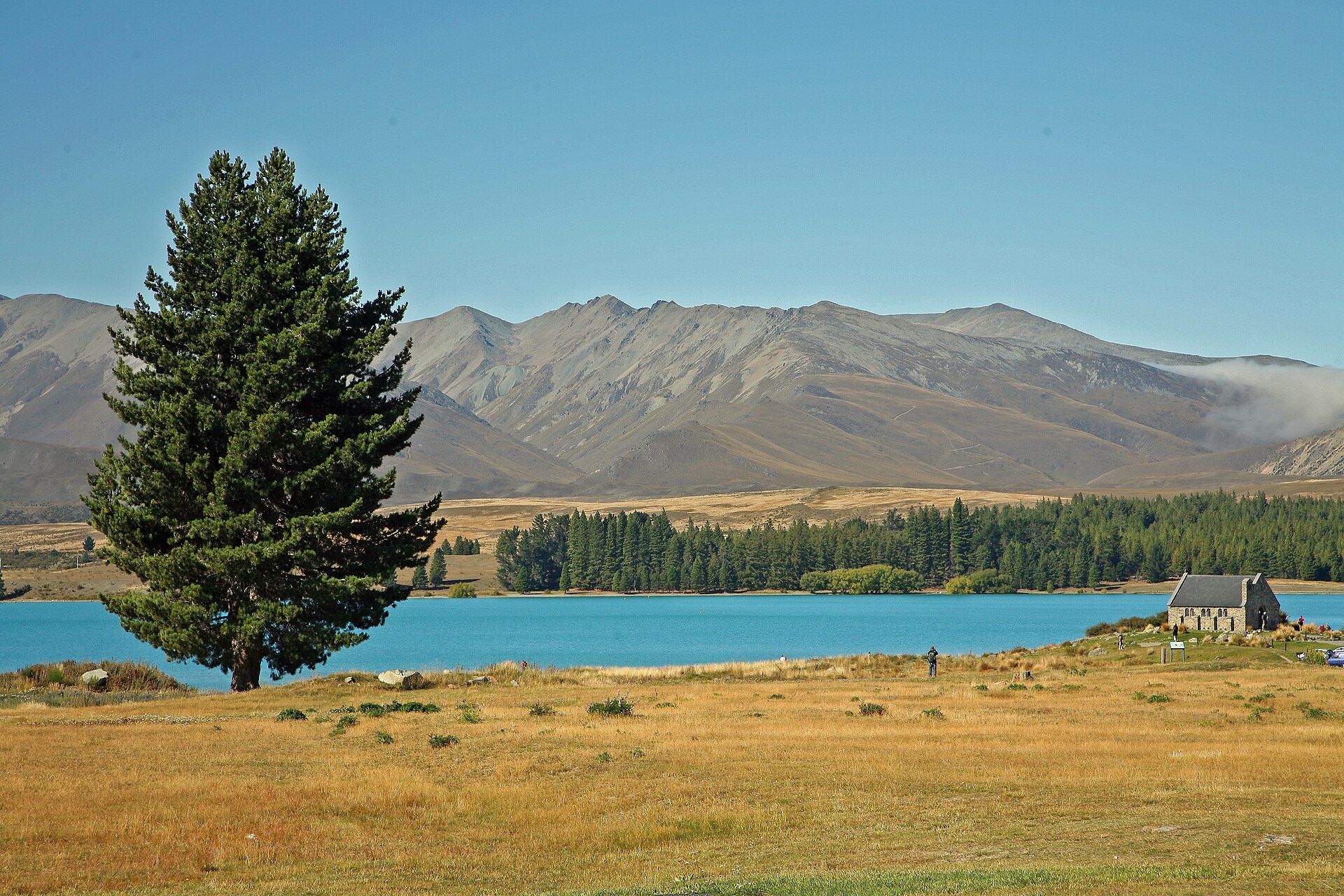
New Zealand's highest mountain at 3,724 m, above the Tasman Glacier — the country's longest — and the glacier-fed turquoise of Lake Pukaki. The national park is free to enter and lies in an International Dark Sky Reserve.
- The Hooker Valley Track: about three hours, mostly flat, to an iceberg lake under the peak
- Turquoise Lake Pukaki on the drive in
- Some of the clearest, darkest night skies anywhere
Head to head
| What matters | Milford Sound | Aoraki / Mount Cook |
|---|---|---|
| Getting there from Queenstown Edge: Toss-up | About 2 hours to Te Anau, then 2 to 2½ hours on the Milford Road — most of a day as a return trip. No fuel anywhere on the Milford Road. | About 3½ to 4 hours by road to Aoraki/Mount Cook Village (about 4½ hours from Christchurch). |
| What you actually do Edge: Toss-up | A cruise of about 1h45–2h past cliffs and waterfalls, or a kayak trip, from the terminal at the head of the fjord. | Valley walks from the village — the Hooker Valley Track for most people, the steep Mueller Hut climb for the fit. |
| Bad weather Edge: Milford Sound | Rain is an asset: hundreds of temporary waterfalls appear within hours. Mitre Peak clears more often in the morning. | Cloud can hide the peak entirely, and alpine weather closes in fast and closes routes. |
| Best season Edge: Milford Sound | Year-round; summer (December–February) is busiest. The Milford Road is subject to avalanche closures through winter and spring. | December to April for walking weather and lake colour; winter brings snow but superb stargazing. |
| Effort Edge: Milford Sound | Physically easy: a long, winding drive, then a boat. | Easy underfoot on the Hooker Valley, but bitterly exposed to wind and cold; harder routes are real alpine terrain. |
| After dark Edge: Aoraki / Mount Cook | Little at the fjord — the terminal has a cafe and toilets, and almost nothing else is on the road. | Part of an International Dark Sky Reserve: the Milky Way over the peak is a reason to stay the night. |
Which should you choose?
Choose Milford Sound if…
…you have one day from Queenstown or Te Anau, the forecast is wet, or you want a big landscape without a walk.
Choose Aoraki / Mount Cook if…
…you can stay overnight, want to walk to a glacier lake beneath the country's highest peak, and care about the night sky.
The honest verdict
With one day from Queenstown, choose Milford Sound — and do not cancel for rain. Take an early or late cruise to miss the late-morning coach rush, and check the Milford Road status on the morning you drive.
With a night to spare, choose Aoraki/Mount Cook: walk the Hooker Valley in the early morning or evening, and stay for the dark sky. Cloud can hide the peak entirely, so keep a flexible day.
You may not have to choose: Mount Cook is reached by road from either Christchurch or Queenstown, and Milford is a return trip from Te Anau, so many South Island routes fit both.
Wonders mentioned here
Added