Head to head · Wyoming's neighbouring parks
Yellowstone vs Grand Teton: Which Wyoming Park Should You Visit?
Yellowstone and Grand Teton are next-door neighbours in northwestern Wyoming — Grand Teton lies just south of Yellowstone, joined to it by the John D. Rockefeller, Jr. Memorial Parkway — and most trips to one include at least a look at the other. The real question is how to divide your days.
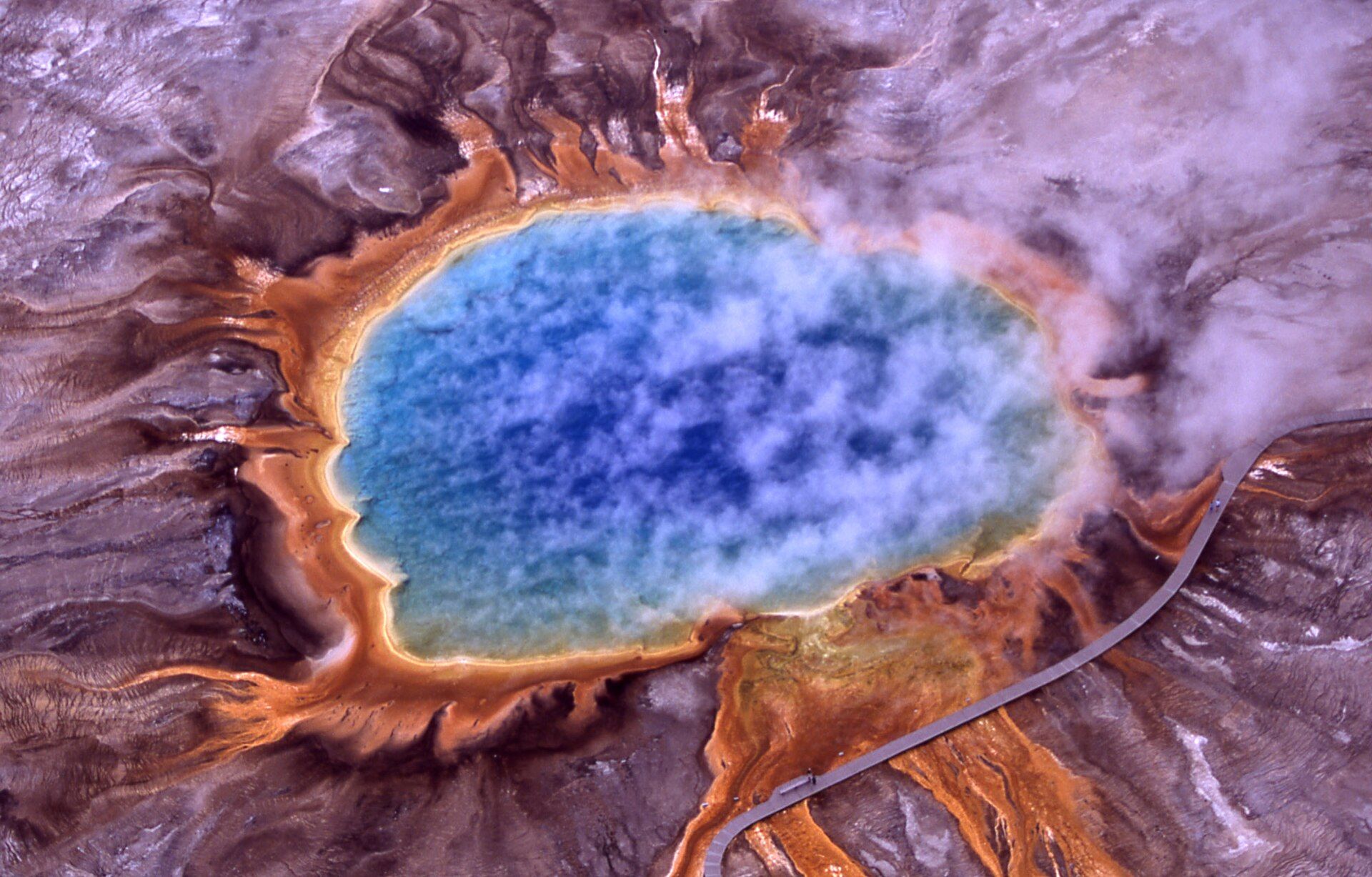
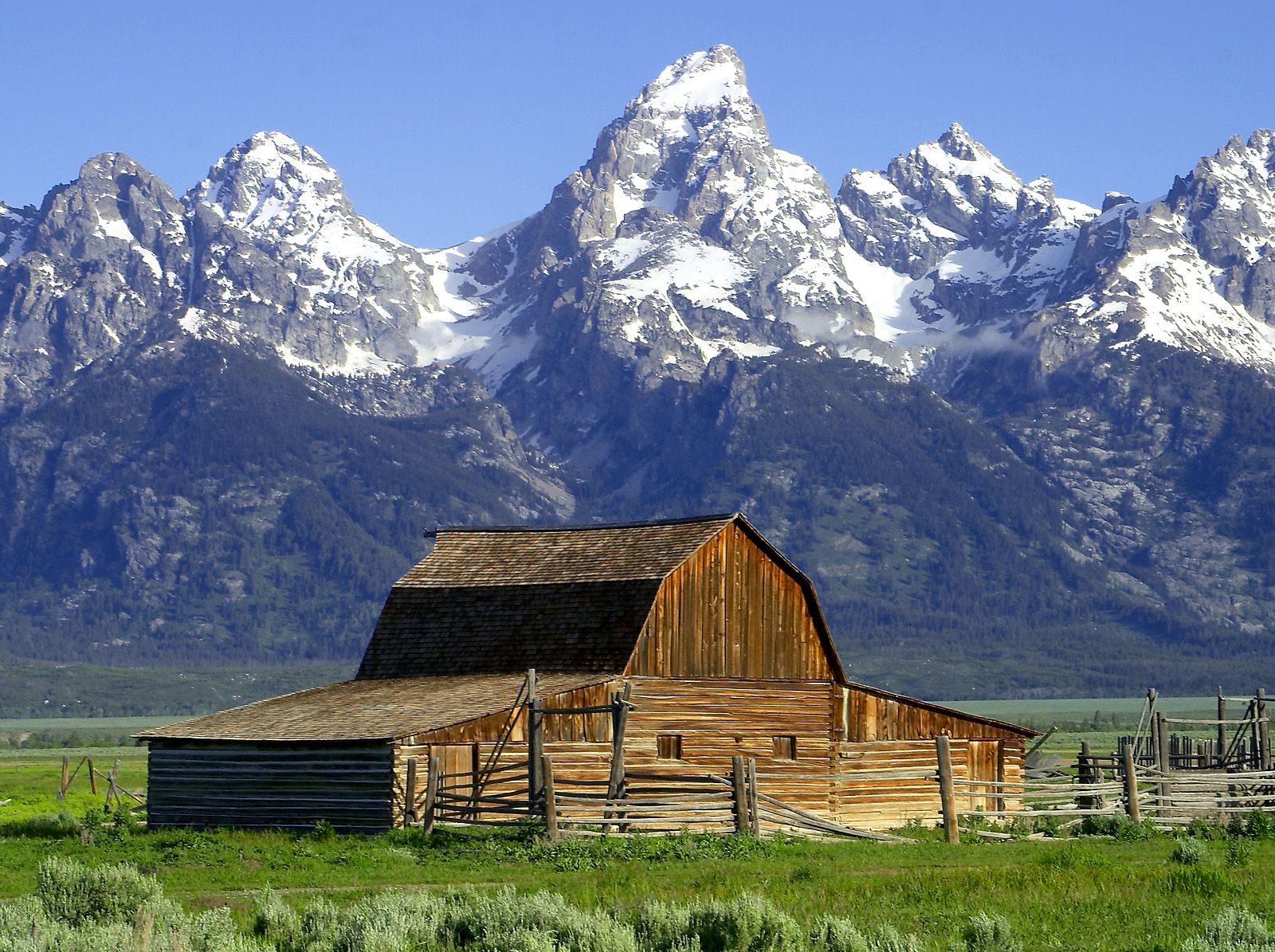
Yellowstone is a park of strange ground: more than 10,000 hydrothermal features, over 500 of them geysers, spread across a huge volcanic plateau with bison and wolves in its valleys. Grand Teton is a park of one great view: a jagged range topped by the 13,770-ft Grand Teton, rising abruptly from the flat sage of Jackson Hole with almost no foothills, with lakes at its feet.
Yellowstone
Geysers, hot springs and big wildlife
The world's first national park, established in 1872, with more hydrothermal features than anywhere else on Earth — Old Faithful, Grand Prismatic Spring and whole steaming basins — plus the Lamar and Hayden valleys, among the best places in North America to watch bison, elk, wolves and grizzlies.
- More geysers than anywhere else on Earth
- Big-animal wildlife watching from the road
- Enormous variety: geyser basins, a canyon with waterfalls, a huge lake
Grand Teton
The mountain wall above Jackson Hole
A young fault-block range lifted by the Teton fault less than ten million years ago, its summit formed of 2.7-billion-year-old gneiss and 2.5-billion-year-old granite. The park was established in 1929 and combined with Jackson Hole National Monument in 1950; glacier-carved lakes such as Jenny and Jackson sit along the base of the range.
- One of the most dramatic mountain fronts in North America, visible from the road
- Lake paddling and canyon hikes straight from the valley floor
- Compact — the best viewpoints are close together and close to Jackson
Head to head
| What matters | Yellowstone | Grand Teton |
|---|---|---|
| The scenery Edge: Toss-up | Unlike anywhere else: erupting geysers, rainbow hot springs and steaming basins on a high plateau, plus a canyon and waterfalls. | Classic alpine grandeur: a serrated granite skyline mirrored in lakes and the Snake River at dawn. |
| Wildlife Edge: Yellowstone | Bison, elk, grizzlies and wolves are a core part of the visit, especially in the Lamar and Hayden valleys. | Moose, bison, elk and pronghorn on the valley flats; bears are present, and bear spray is advised on trails. |
| Hiking Edge: Grand Teton | Mostly flat boardwalks through the thermal basins; leaving them is genuinely dangerous over thin, scalding crust. | Real mountain hiking — the Jenny Lake boat shuttle (seasonal) cuts into Cascade Canyon, and canyon trails thin out quickly past the first mile. |
| Driving and time needed Edge: Grand Teton | Huge: a long loop road with 30 minutes to an hour or more between major basins, and frequent wildlife jams. Three days minimum. | Long and thin but compact: the main viewpoints are under an hour from Jackson Hole airport. Allow about three days for the viewpoints, a canyon hike and the early wildlife hours. |
| Season Edge: Toss-up | Roughly May–September for open roads; most interior roads close to cars from about November to April, when the interior is reached by snowcoach or snowmobile. | Roughly June–September for trails and open roads; the Teton Park Road closes to vehicles through winter, and high trails hold snow into summer. |
| Crowds Edge: Toss-up | Old Faithful and Grand Prismatic are congested in midsummer, with parking full by mid-morning. | Jenny Lake, Schwabacher Landing and the Mormon Row barns are busy, especially at sunrise. |
Which should you choose?
Choose Yellowstone if…
…you want sights you can't see anywhere else — geysers, hot springs and herds of bison — and have at least three days and a car for the long loop.
Choose Grand Teton if…
…you want mountain scenery, lake paddling and proper day hikes, in a compact park that rewards early mornings.
The honest verdict
If you only have a day or two, choose by temperament: Yellowstone for the unique thermal features and wildlife, Grand Teton for mountains and hiking. Grand Teton's main viewpoints sit close together along one valley; Yellowstone's sights are spread across a long loop road.
Most visitors don't have to choose — the parks are adjoining, and a week split roughly three days and up in Yellowstone and three in Grand Teton covers both well, entering one park and leaving through the other.
Both are grizzly country with fast-changing mountain weather: carry bear spray and layers, and check road and shuttle status with the National Park Service before relying on dates.
Wonders mentioned here
Added