Everest is not the tallest mountain: seven records where the answer depends on how you measure
A surprising number of natural-world arguments are not disagreements about facts. They are two people answering different questions and assuming they asked the same one. Here are seven where the units decide the winner.
1. The tallest mountain
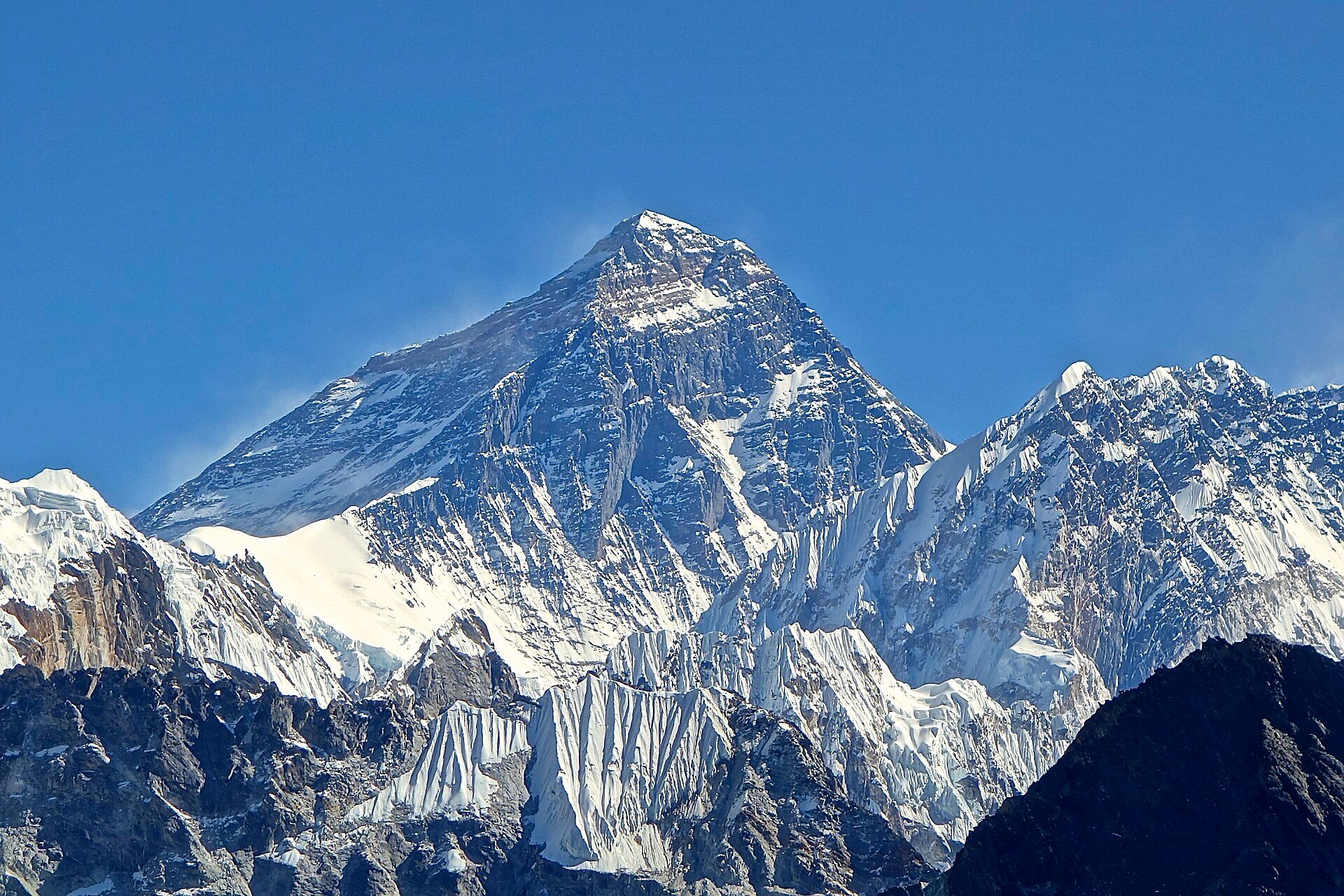
Mount Everest is the highest point on Earth’s surface above sea level, at 8,848.86 metres. That is a real and unambiguous record — and it is only one of three.
Measure instead from base to summit and Mauna Kea in Hawaii wins: most of it is underwater, and from its foot on the ocean floor to its top it stands around 10,200 metres, more than a kilometre taller than Everest. Measure from the centre of the planet and neither wins. Earth is not a sphere; it bulges at the equator, so the summit of Chimborazo in Ecuador — a mere 6,268 metres above sea level — sits roughly two kilometres farther from Earth’s core than Everest’s does.
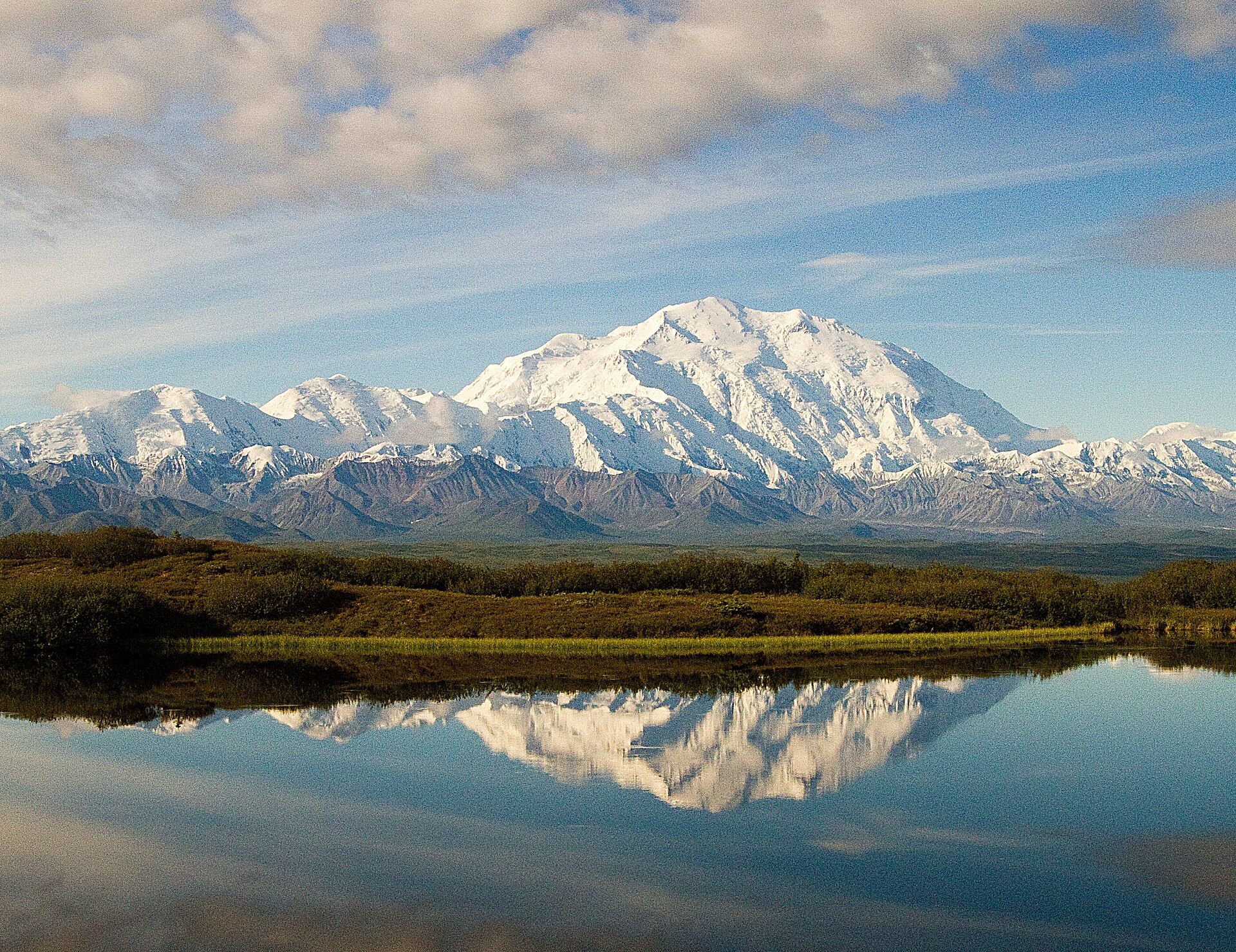
And on land, Denali takes a fourth version of the title: rising about 5,500 metres from a base at roughly 600 metres, it has the greatest base-to-summit relief of any mountain that is not standing in the sea.
Four mountains, four records, no contradiction.
2. The largest desert
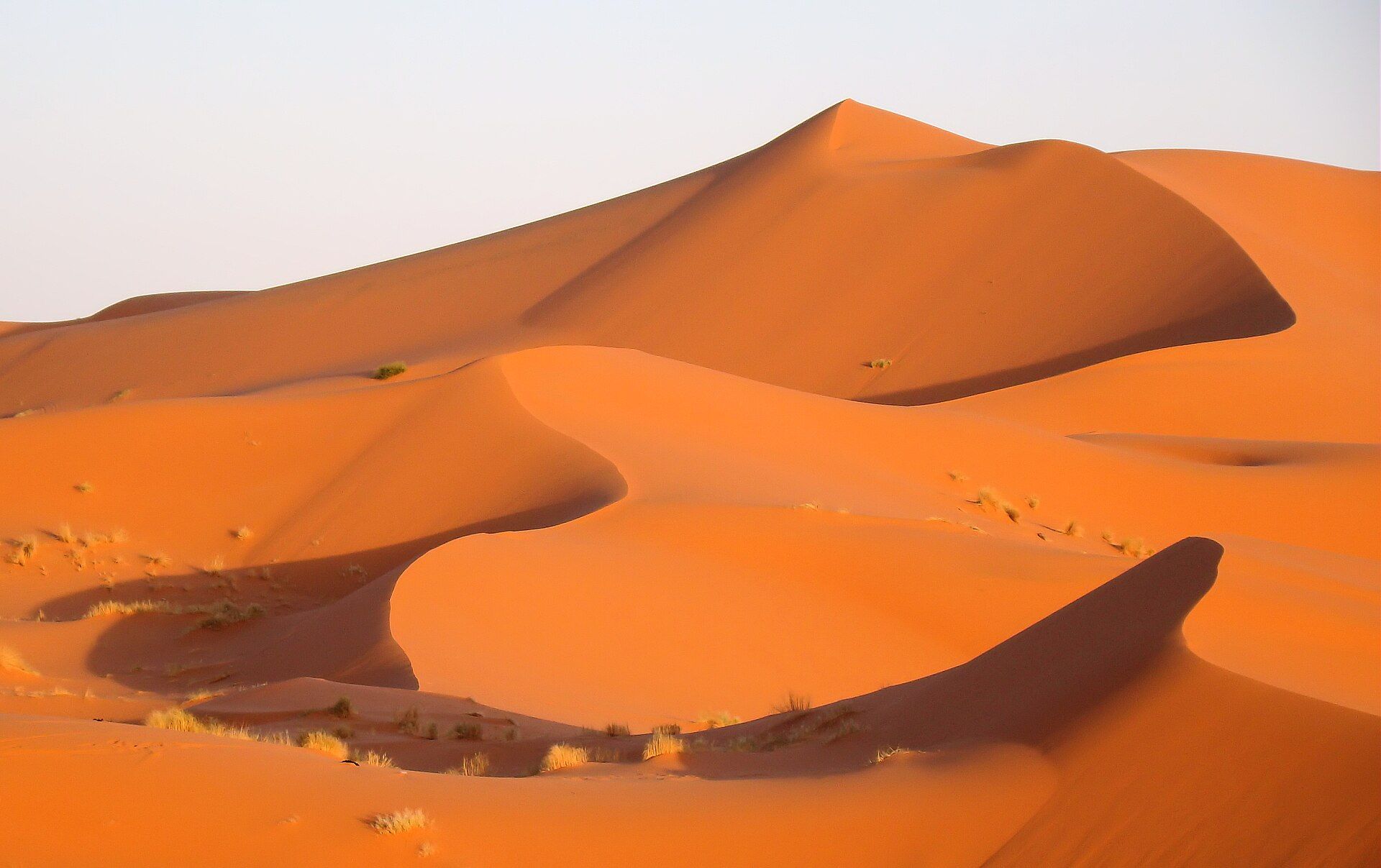
Almost everyone says the Sahara. Almost everyone is answering the wrong question, because a desert is defined by precipitation, not by temperature — under about 250 millimetres a year — and nothing says the water has to have arrived as rain.
By that definition the largest desert on Earth is Antarctica, at roughly 14.2 million square kilometres against the Sahara’s 9.2 million. Parts of the Antarctic interior receive only 25 to 50 millimetres of water-equivalent a year. The Sahara’s real title is largest hot desert, which is not a consolation prize so much as a more precise claim.
3. The deepest lake, and the lowest
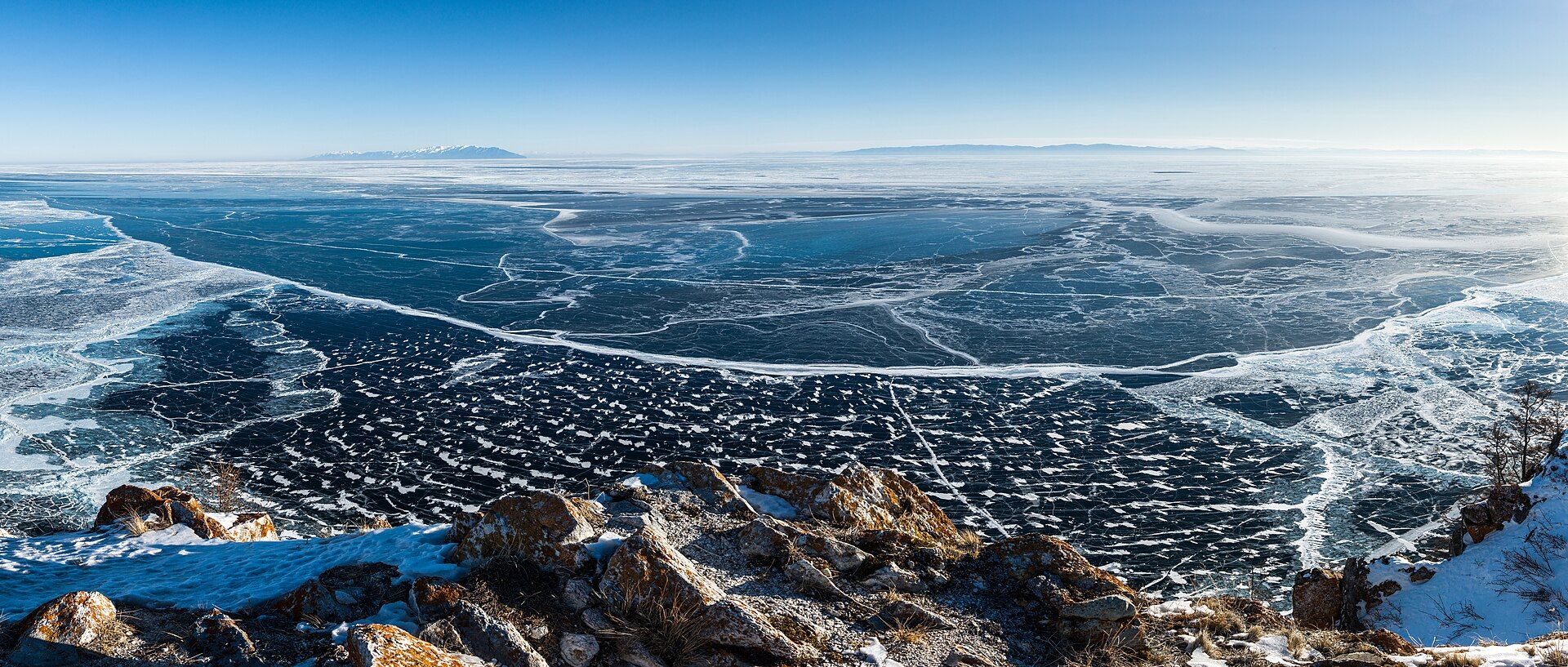
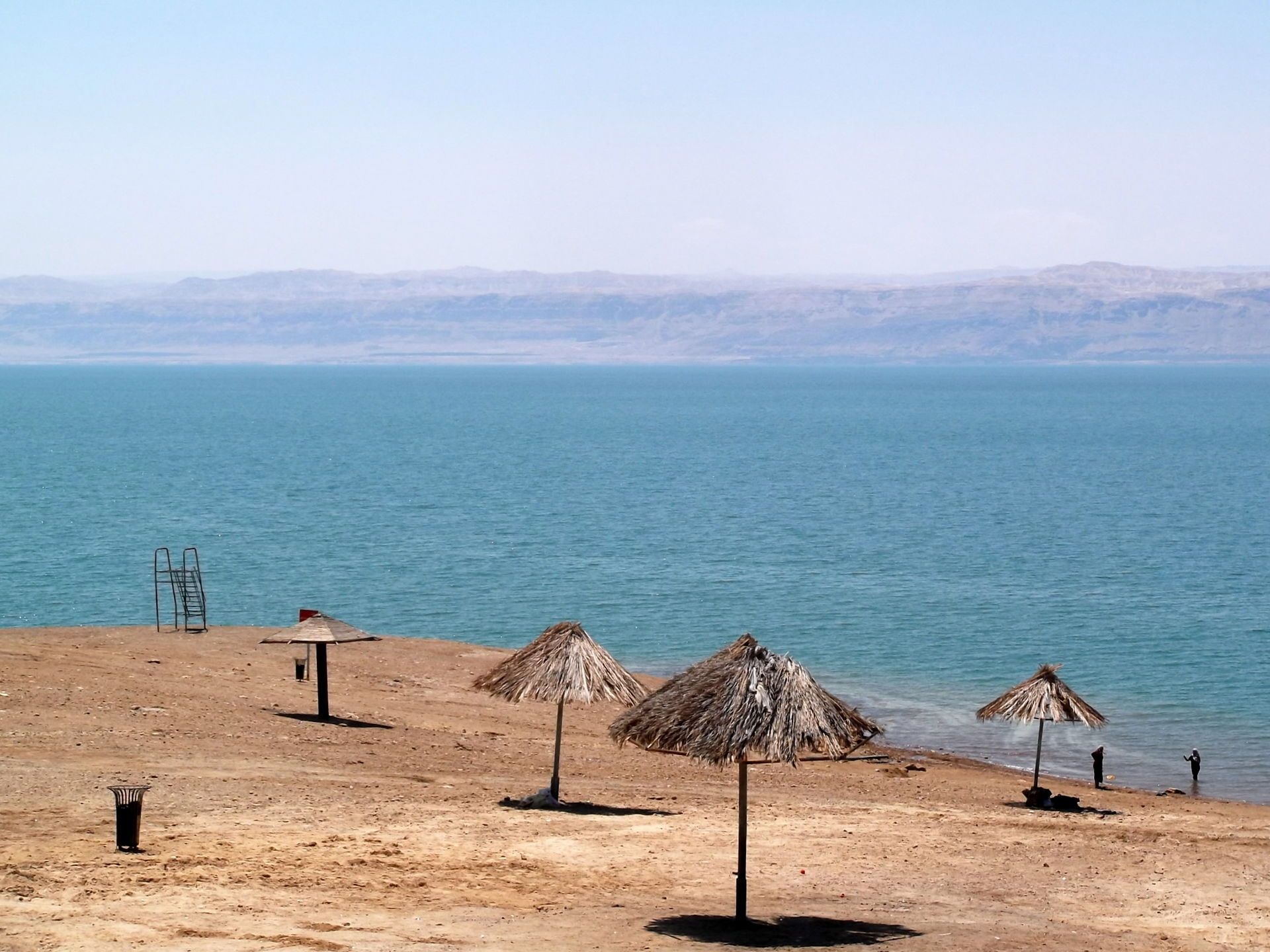
These sound like the same record and are not remotely. Lake Baikal is the deepest lake on Earth: 1,642 metres from surface to floor. The Dead Sea is the lowest — its surface lies around 430 metres below sea level, the lowest exposed land on the planet, but the lake itself is only a few hundred metres deep.
One measures the water column. The other measures where the water sits relative to the oceans. Baikal’s floor is far below sea level too, but nobody stands on it.
4. The largest lake — by area or by volume
Baikal again, from the other direction. By surface area it is around seventh in the world, comfortably beaten by lakes most people could not name. By volume it holds roughly a fifth of all the unfrozen fresh surface water on Earth, more than the five North American Great Lakes put together.
The reason is depth. A wide, shallow lake spreads across the map and holds very little; a narrow, deep rift holds an ocean’s worth and barely shows. If you rank lakes by area you are essentially ranking them by how much of a map they cover, which is not the interesting property.
5. The tallest tree, and the largest
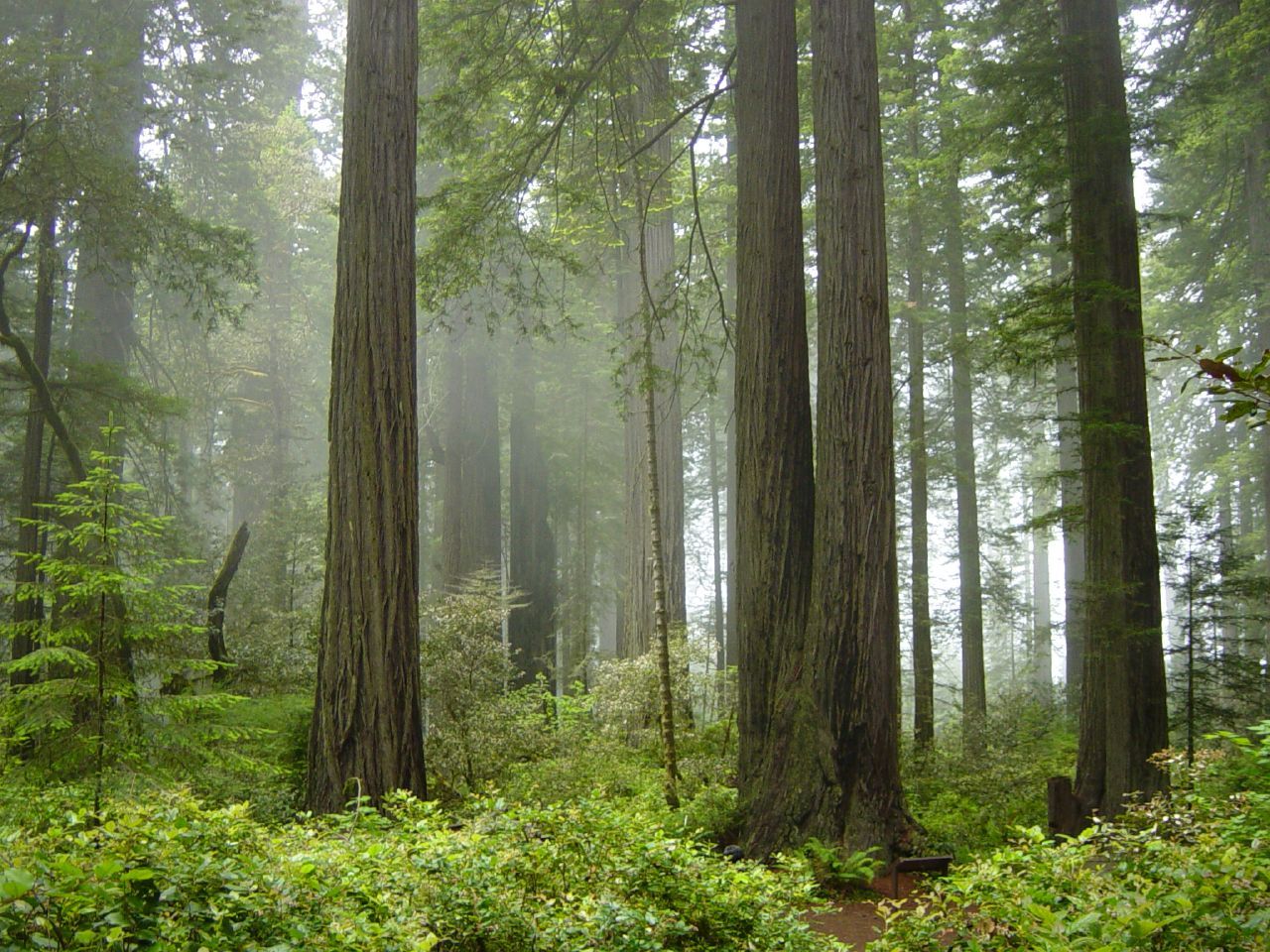
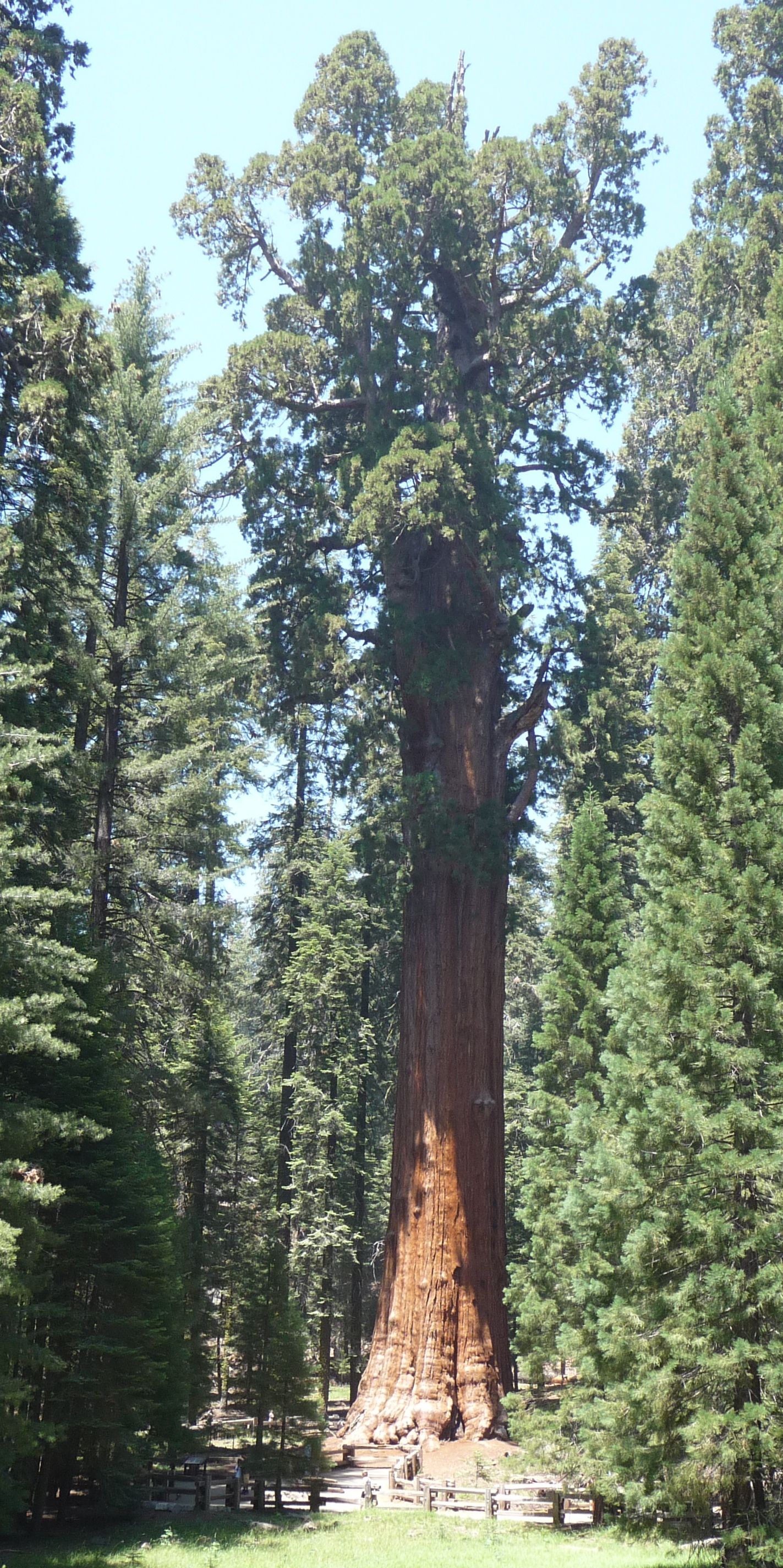
The tallest known living tree is a coast redwood in northern California, past 115 metres. The largest is a giant sequoia, General Sherman, which is only about 84 metres — but so vast in girth that no single-stem tree on the planet matches its volume.
They are different species, growing in different parts of the same state, several hours apart. No grove holds both records, and a visitor chasing “the biggest trees in the world” has a genuine decision to make about which superlative they meant.
6. The greatest waterfall
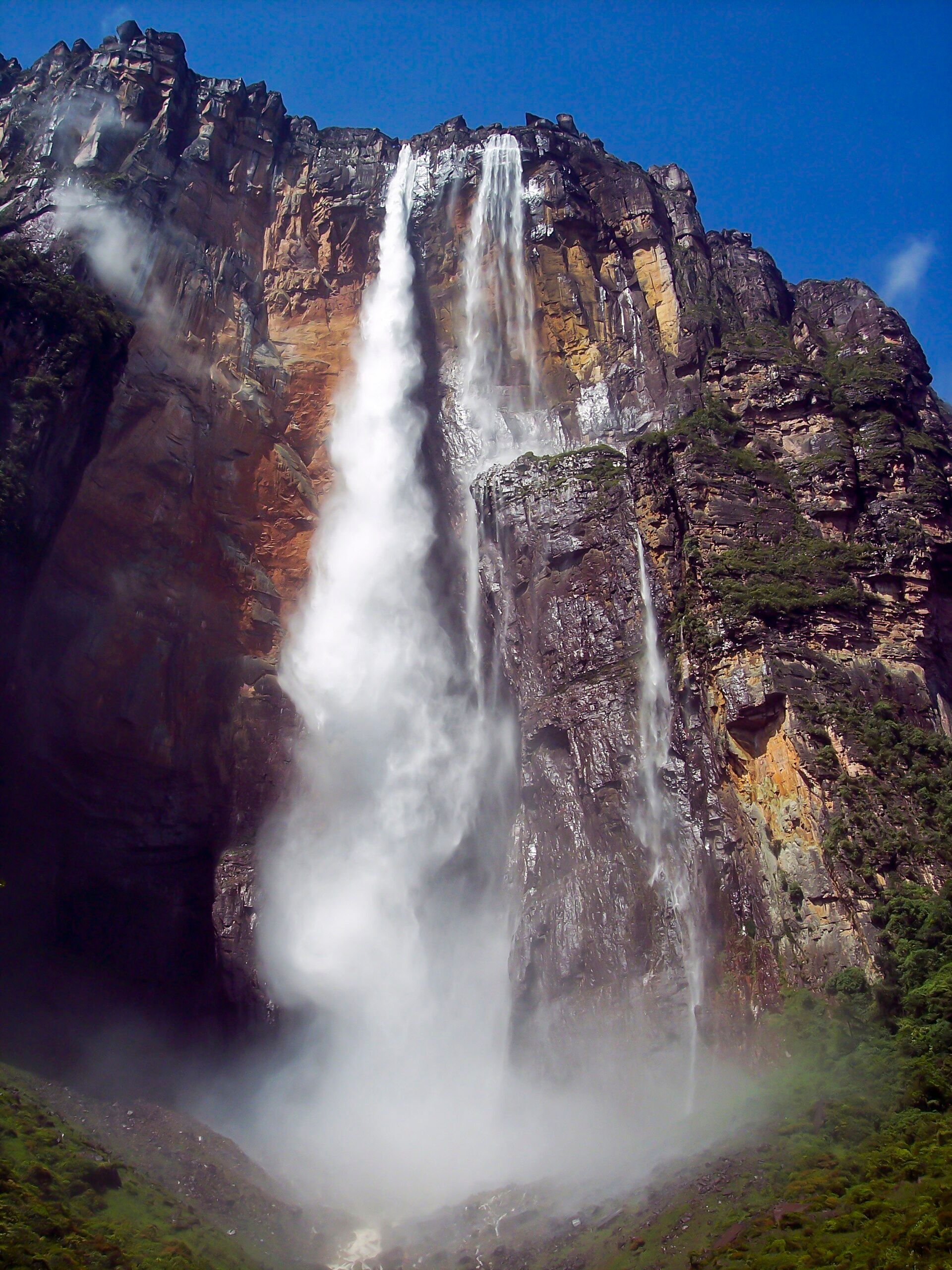
Angel Falls is the highest, at 979 metres — though even this is contested, since Tugela Falls in South Africa has been measured at both less and more than that depending on the survey and on whether you count total height or the longest uninterrupted drop.
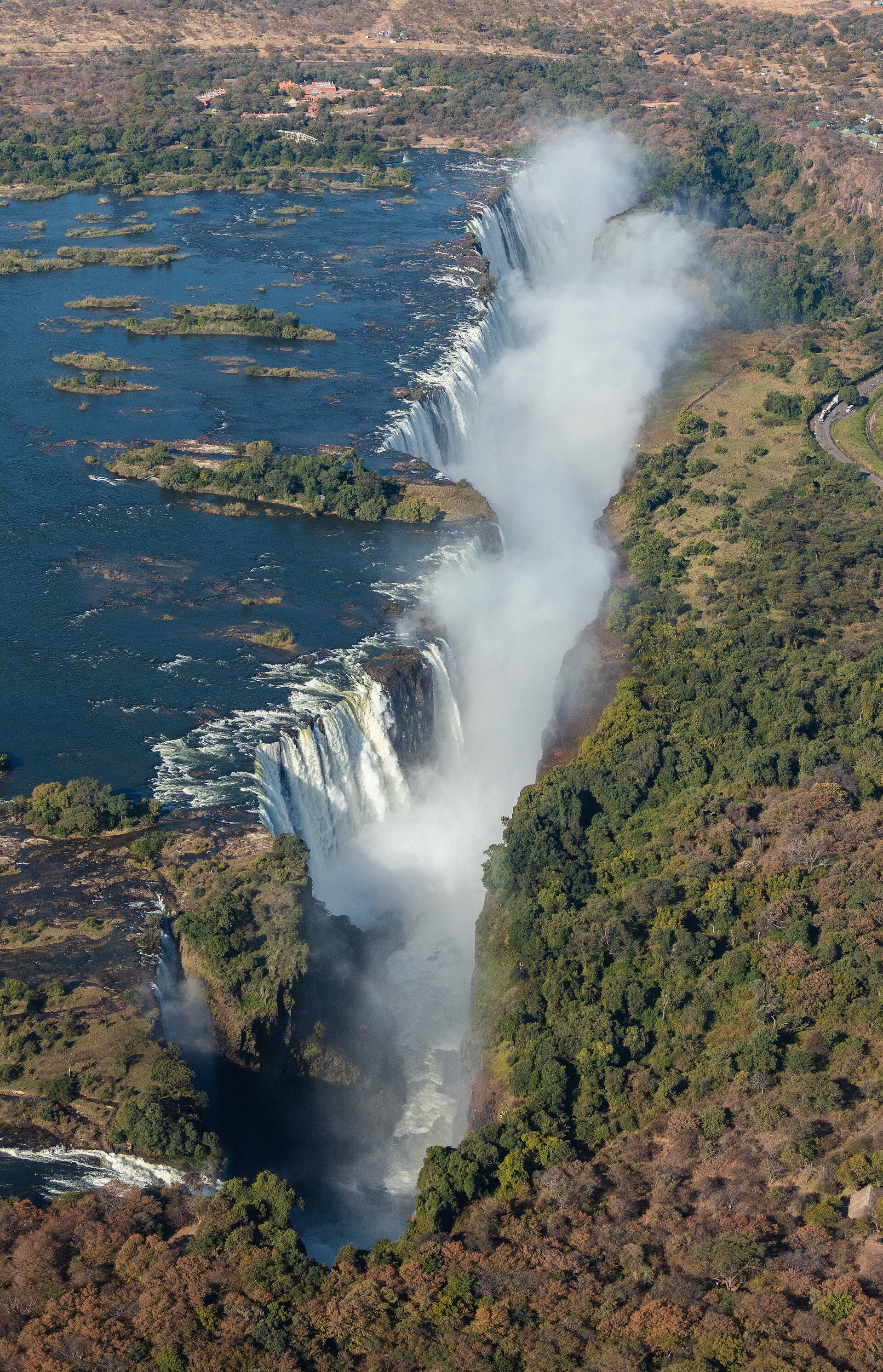
Ask instead which is the biggest and the answer moves continents. Victoria Falls is only 108 metres high, but roughly 1,708 metres wide, and in flood it puts the entire Zambezi over that edge at once — the largest single sheet of falling water anywhere. Very tall falls sit on small headwater streams, because that is where the cliffs are; very high-volume falls sit on big rivers, which have already worn their gradients flat. Height and volume are close to mutually exclusive, which we unpacked in highest versus biggest waterfalls.
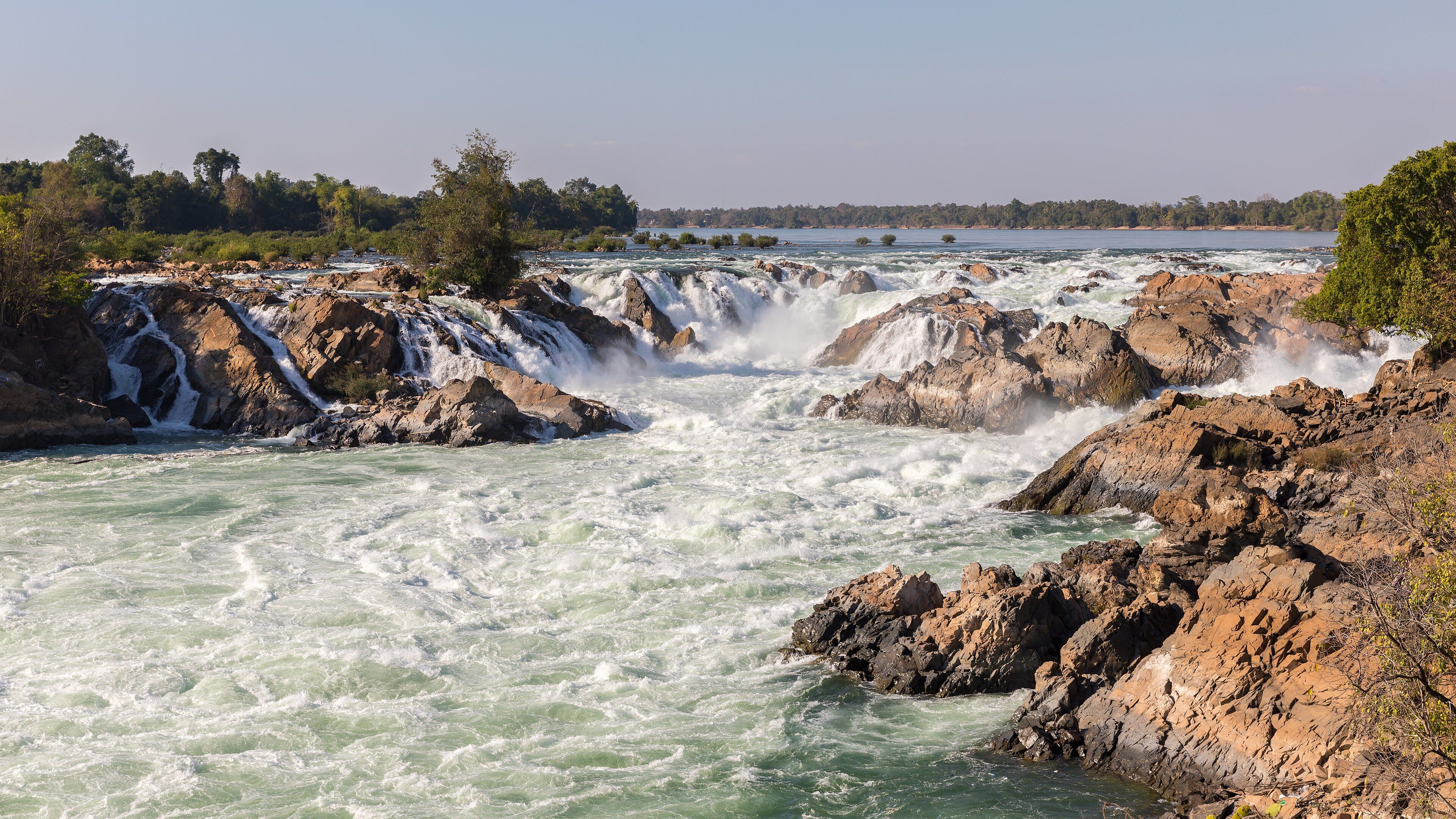
There is a third axis almost nobody asks about, and it produces a completely different winner again. Measure width and the record belongs to the Khone Falls in southern Laos, where the Mekong has broken into thousands of channels before it drops: 10,783 metres from the outer edge of one channel to the other, against a highest single drop of about 21 metres. Nobody would call it the greatest waterfall on looks. It is unambiguously the widest.
7. The highest point in Sweden
Every other record here is settled once you state your units. This one changes.
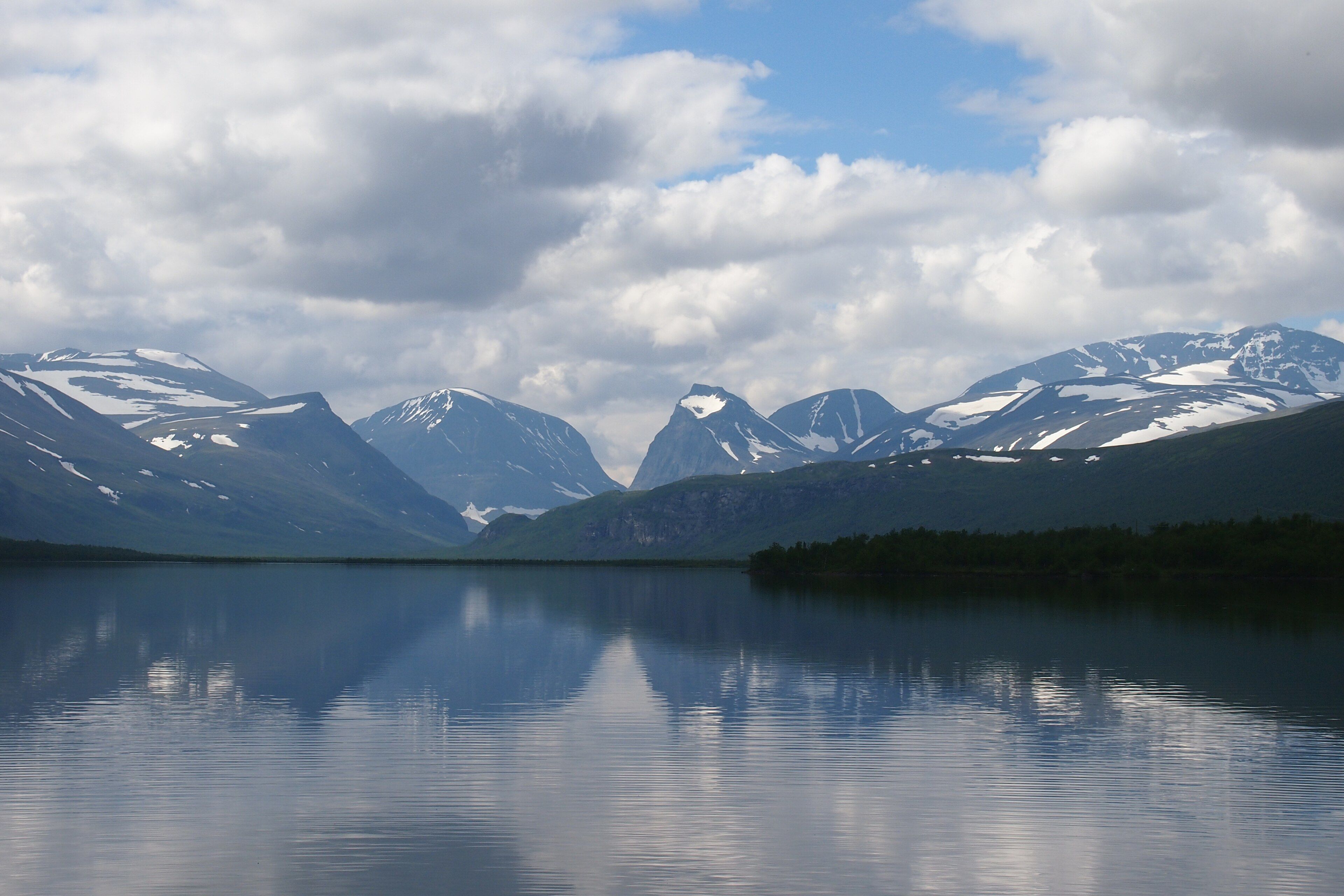
Kebnekaise has two summits. The northern one is bare rock at a fixed 2,096.8 metres. The southern one is the top of a small glacier, and for as long as anyone had been measuring it was the higher of the two — quoted at 2,120 metres in the oldest surveys, then 2,117, then 2,111. The ice has been thinning. In 2019 the south peak dropped below the north peak, and Sweden’s highest point moved about a kilometre north without anything being rebuilt or resurveyed.
Glaciologists from Stockholm University’s Tarfala Research Station climb the south summit at the end of every summer, when the ice is at its thinnest, and fix its height by differential GPS. In 2025 it came in at 2,088.4 metres, a metre and a half down on the year before. So the units here are not the interesting variable. The date is.
The useful habit
When a superlative sounds surprising, the first question is not “is that true” but “measured how”. Highest above what. Largest by what. Deepest from where. Most of the time both sides of the argument are quoting a real figure, and the disagreement dissolves the moment someone states their units — which is why every record in this atlas carries the measurement it was taken with.