Head to head · high peaks
Denali vs Aconcagua: The Roofs of the Americas
They are the two roofs of the Americas: Denali, the icy, subarctic high point of the north, and Aconcagua, the wind-hammered Andean high point of the south — the highest mountain on Earth outside Asia. Both are giants, but they ask utterly different things of those who come to them.
Here's how Denali and Aconcagua compare across what actually shapes a visit or a climb, and how to decide which to build a trip around.
Denali
The great one of the north
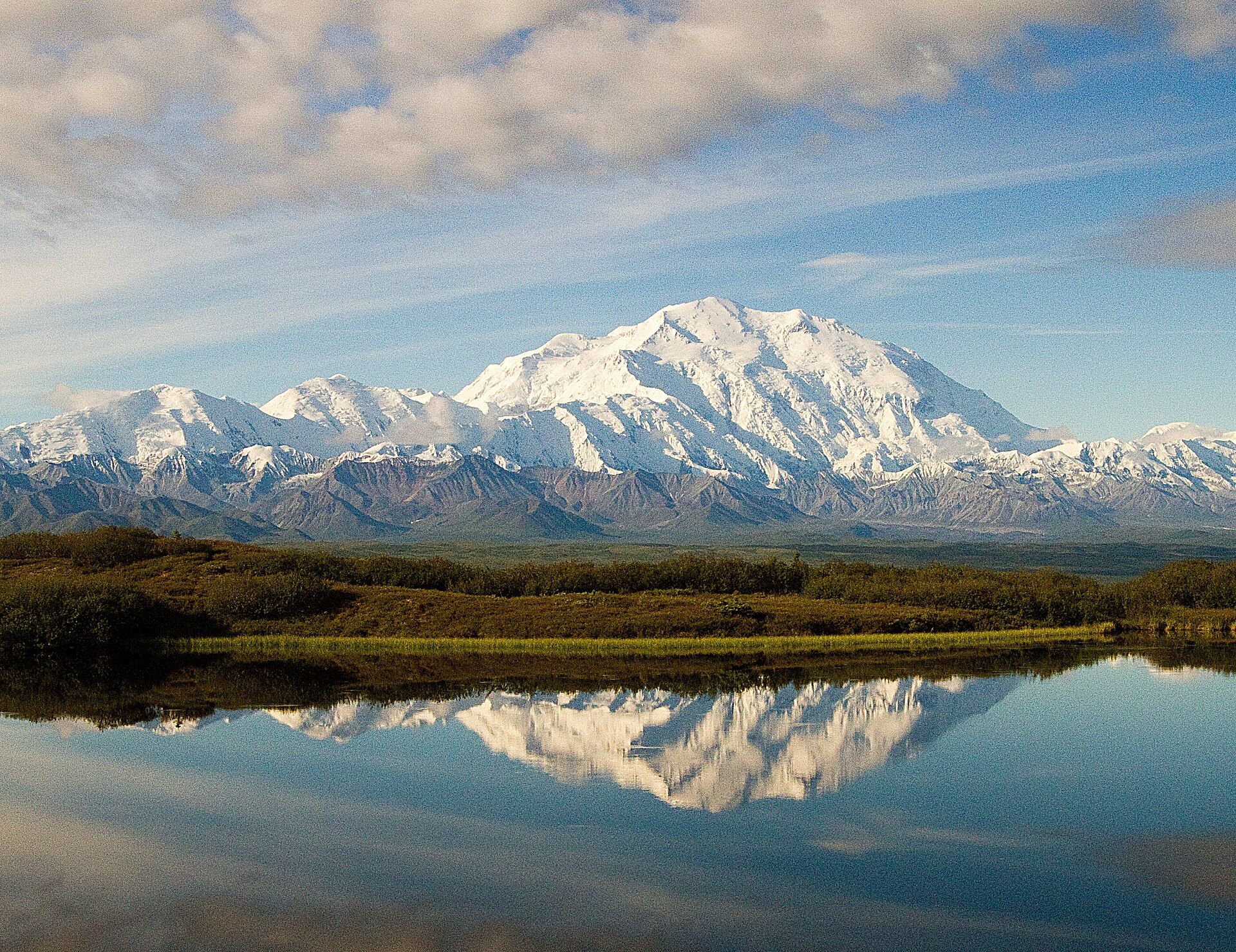
North America's highest peak at 6,190 metres, rising from near sea level in the Alaskan interior to give one of the greatest base-to-summit reliefs on Earth. Its subarctic latitude makes it brutally cold and a serious mountaineering objective, but you don't have to climb it — the surrounding national park offers some of the finest wildlife and mountain viewing in America.
- Colossal base-to-summit rise from near sea level
- Superb wildlife and viewing without climbing
- True wilderness — grizzlies, caribou, and tundra
- The aurora on the shoulder seasons
Aconcagua
The stone sentinel of the Andes
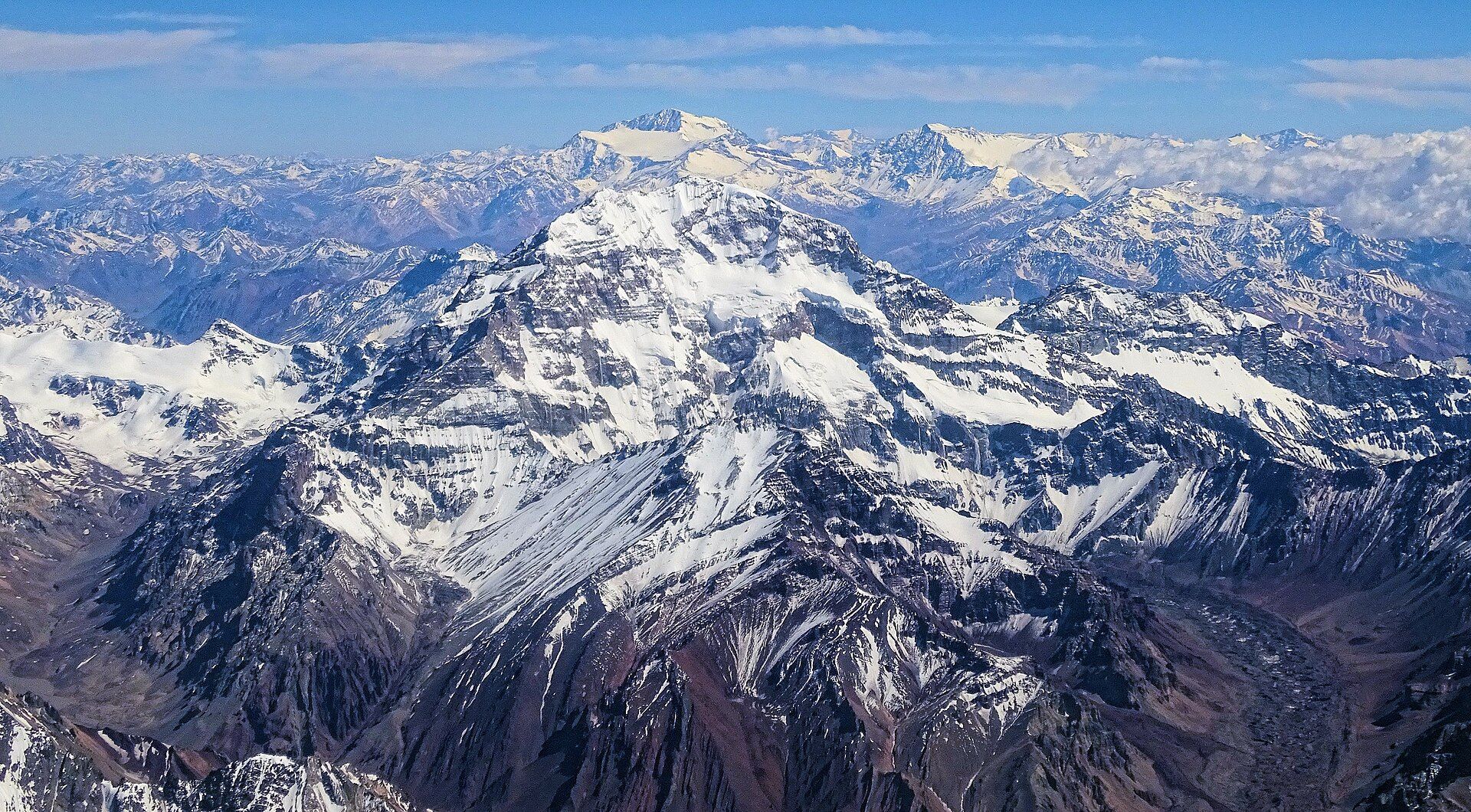
At 6,961 metres, the highest mountain in the Americas and the highest outside the Himalaya — yet by its normal route a non-technical trek to the summit, making it the loftiest peak most fit trekkers can reach. It stands in a stark, high-desert corner of the Argentine Andes, hammered by fierce winds, a rite of passage for aspiring high-altitude climbers.
- The highest point in both hemispheres outside Asia
- A walk-up summit — no technical climbing on the normal route
- Accessible from Mendoza's wine country
- The classic first big-altitude peak
Head to head
| What matters | Denali | Aconcagua |
|---|---|---|
| Sheer height Edge: Aconcagua | 6,190 m summit, but from near sea level. | 6,961 m — the higher of the two by far. |
| Difficulty to summit Edge: Aconcagua | A serious, cold, technical mountaineering expedition. | A non-technical high-altitude trek on the normal route. |
| See it without climbing Edge: Denali | Yes — a whole national park built around viewing it. | Limited — a stark base-camp trek, less of a viewing park. |
| Wildlife & scenery around it Edge: Denali | Grizzlies, caribou, wolves, and vast tundra. | High Andean desert — sparse, stark, and windswept. |
| Access Edge: Toss-up | Fly to Anchorage, then the park road; short viewing trips are easy. | Fly to Mendoza, then a day to the trailhead; a climb is 2–3 weeks. |
| Best season Edge: Toss-up | May to September for the park and any climb. | December to February — the southern summer climbing window. |
Which should you choose?
Choose Denali if…
…you want to witness a colossal mountain rising from wilderness, see grizzlies and caribou, and don't need to stand on the summit — or you want a genuinely hard, cold expedition.
Choose Aconcagua if…
…you want to actually reach the highest summit in the Americas without technical climbing, are training for high altitude, and like the idea of pairing it with Mendoza's vineyards.
The honest verdict
This is a viewing giant versus a climbing giant: Denali gives you the greater wilderness spectacle from the ground, while Aconcagua offers ordinary fit trekkers a genuine shot at a nearly-7,000-metre summit.
For scenery, wildlife, and the sheer drama of a mountain rising from near sea level, choose Denali; to actually stand atop the Americas, choose Aconcagua.
If you simply want to behold a great peak, it's Denali — but if you want to climb one, Aconcagua is the prize.
Wonders mentioned here
Added