Volcanoes · Latin America
What Are the Most Beautiful Volcanoes in Latin America? 8 to Visit, From Cotopaxi to Arenal
8 places · every one real, mapped, and worth the trip
Short answer: in Ecuador, Cotopaxi (5,897 m) is the classic glacier-capped cone two hours south of Quito, Chimborazo (about 6,263 m) is the summit farthest from Earth's centre, and Quilotoa hides a green lake in a 3 km caldera. In Guatemala, you climb Acatenango (3,976 m) to camp level with Fuego and watch it erupt, or walk Pacaya's lava fields near Antigua. Nicaragua's Ometepe is two volcanoes joined into one island in a lake, Costa Rica's Arenal is a near-perfect cone above rainforest and hot springs, and Bolivia's Sajama is the country's highest mountain, an extinct volcano on the Altiplano.
Season, roughly: November or December to April is the dry season for the Central American volcanoes; in the Ecuadorian Andes the clearest windows are around June–September and December–January; Sajama is driest from May to October. Access to the active ones changes with their activity — check the national monitoring agency (INSIVUMEH in Guatemala, Ecuador's Instituto Geofísico) before you go. The list is unranked.
-
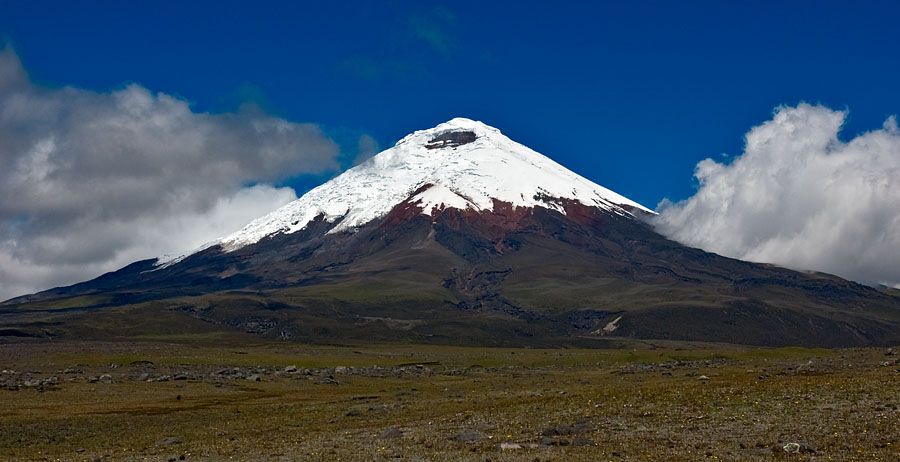
Cotopaxi The near-perfect snow cone
Cotopaxi Province, Ecuador
A strikingly symmetrical, glacier-wrapped cone of 5,897 m almost on the equator — one of the world's highest active volcanoes. About two hours south of Quito; a park road climbs to a car park around 4,600 m, and a steep walk reaches the refuge and the glacier edge. The summit is a technical, guided overnight climb. Clearest around June–September and December–January, and in the mornings.
-
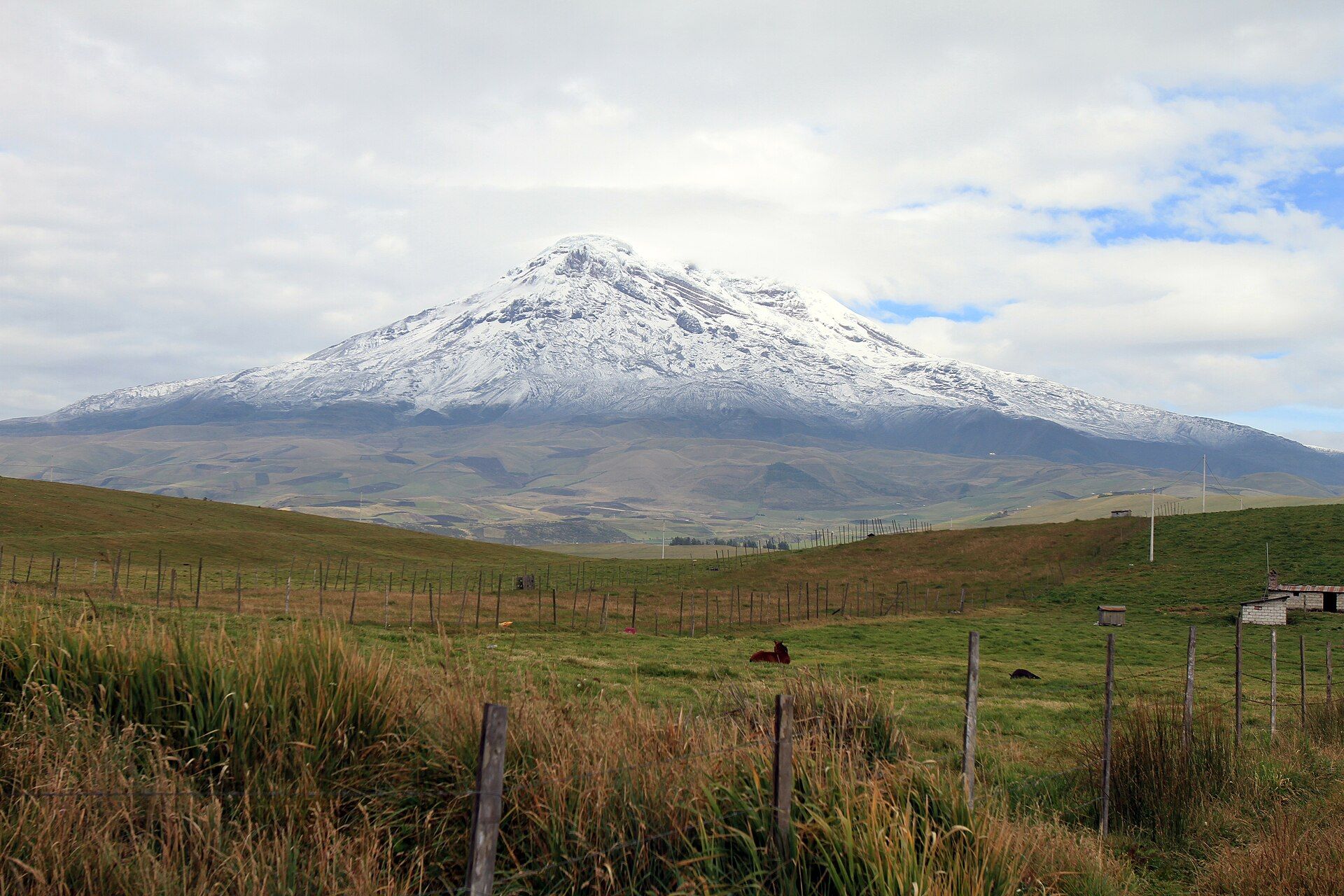
Chimborazo Farthest summit from Earth's centre
Chimborazo Province, Ecuador, near Riobamba
Ecuador's highest mountain, an ice-capped volcano of about 6,263 m whose summit, thanks to the equatorial bulge, is the point on Earth's surface farthest from the planet's centre. From Riobamba a road reaches the Carrel refuge at about 4,850 m; the summit is a serious guided mountaineering climb. December–January and June–July are the best windows.
-
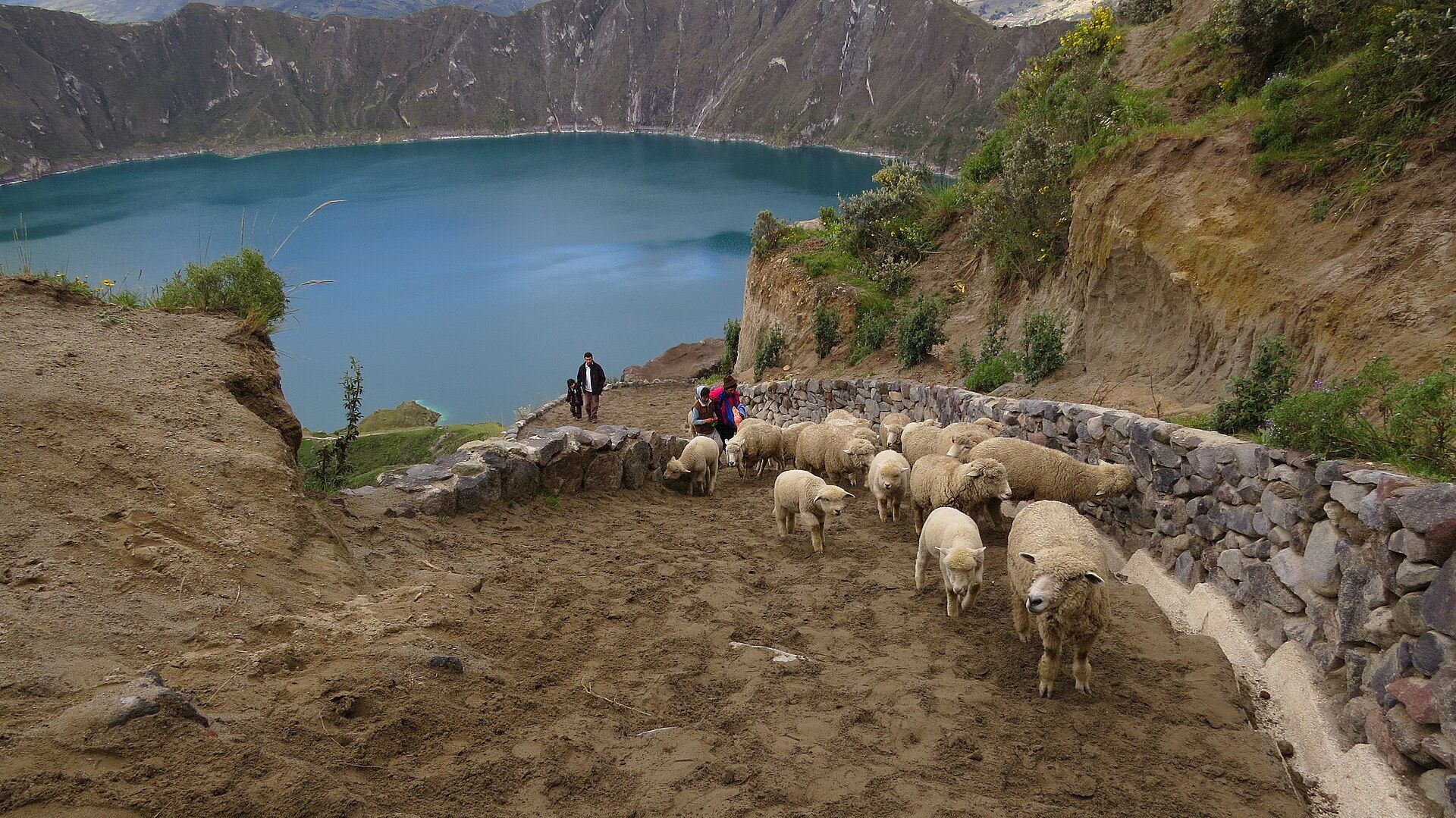
Quilotoa A green lake in a caldera
Cotopaxi Province, Ecuadorian Andes
A green crater lake about 250 m deep inside a caldera about 3 km wide. Buses run from Latacunga to the village on the rim; a path drops about 280 m to the water, a trail circles the rim in about 10 km, and the village is a stop on the multi-day Quilotoa Loop. Go in the morning — cloud often rolls in by afternoon.
-
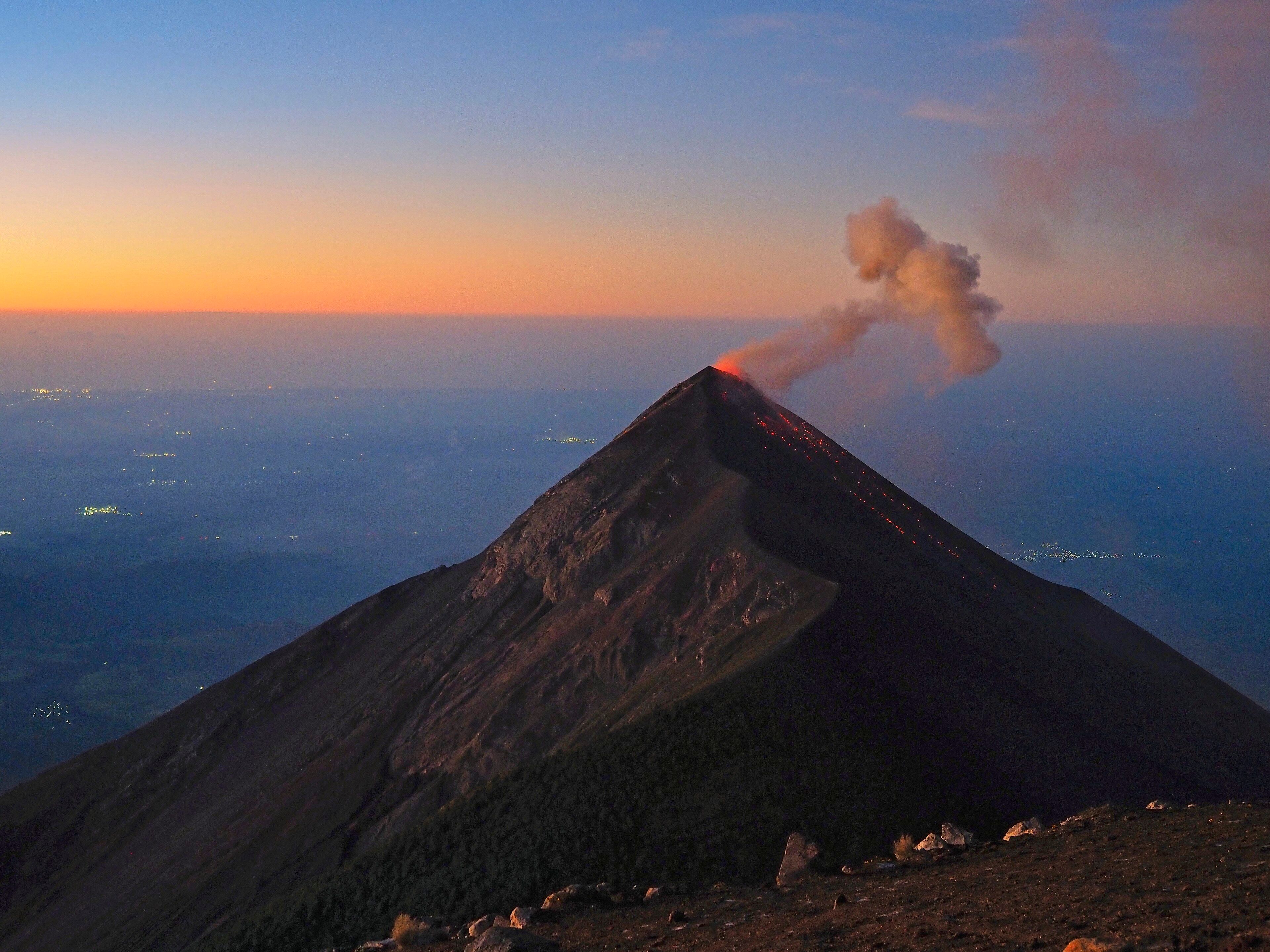
Acatenango Camp level with an erupting Fuego
Sacatepéquez and Chimaltenango Departments, near Antigua, Guatemala
A 3,976-metre stratovolcano climbed for the view of its neighbour: from camps around 3,700 m you watch Fuego, one of Central America's most active vents, erupt through the night. Trailheads above La Soledad are 1.5–2 hours from Antigua; almost everyone goes with an Antigua operator, about 5–6 hours up to camp and an hour more to the summit ridge at dawn. November–April for clear nights.
-
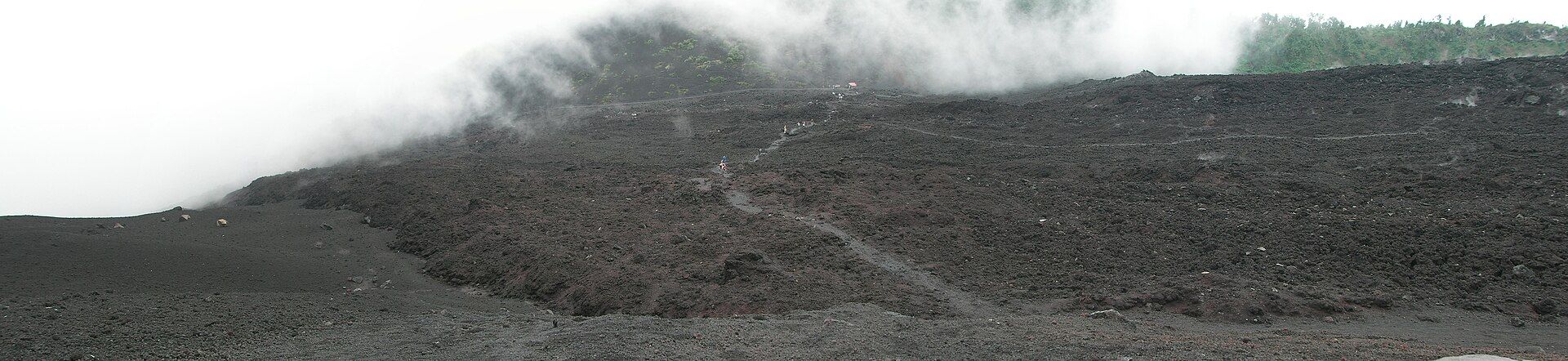
Pacaya Lava fields near Antigua
Escuintla, near Antigua, southern Guatemala
One of Central America's most active volcanoes (summit about 2,550 m), where hikers cross old lava fields toward a restless summit. About 1.5–2 hours by road from Antigua or Guatemala City to San Francisco de Sales, the trailhead in Pacaya National Park; entry needs a ticket and, in practice, a local guide. November–April; check the activity level first.
-
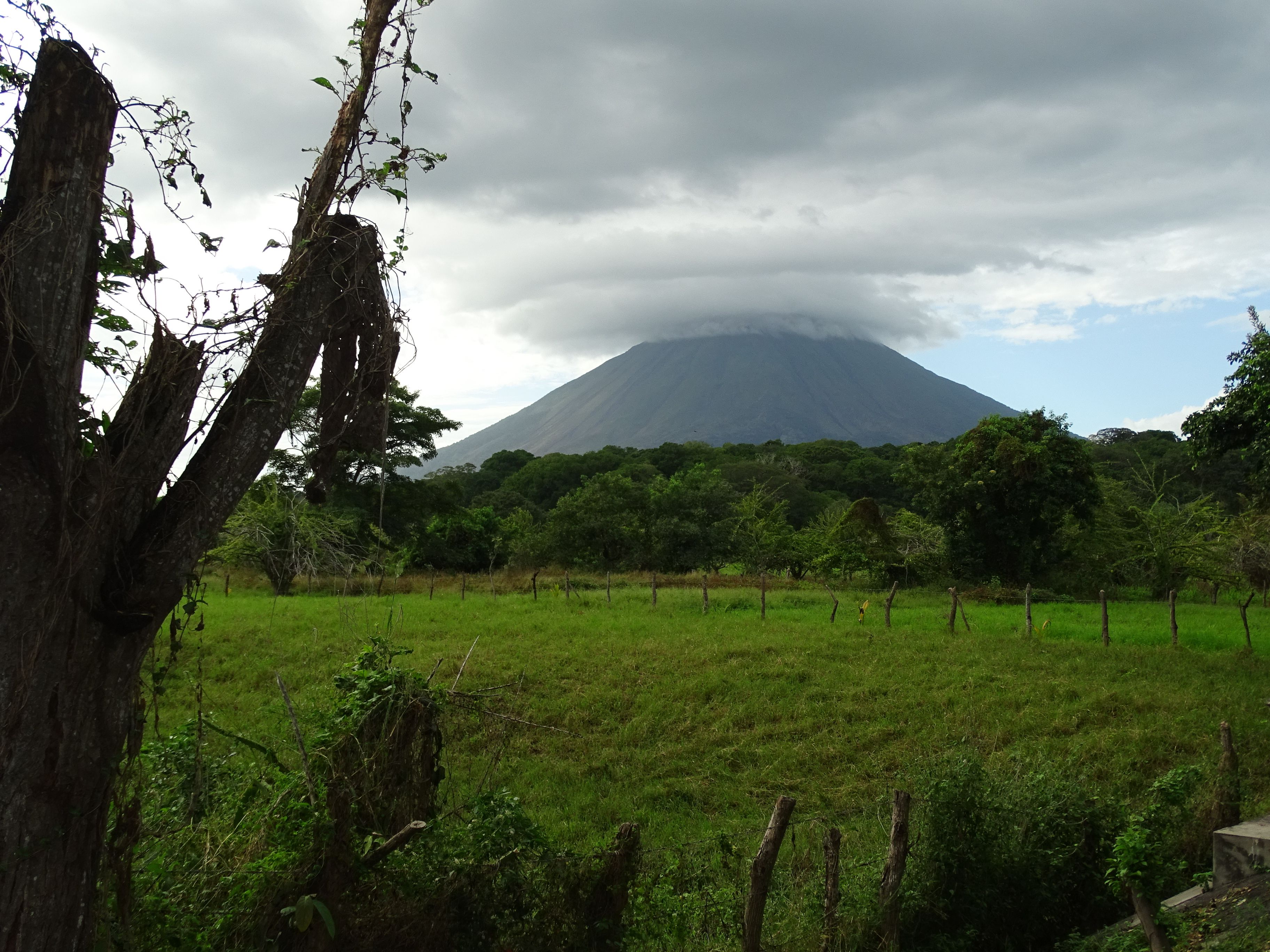
Ometepe Two volcanoes, one island
Lake Nicaragua, Rivas Department, southwestern Nicaragua
Concepción (1,610 m), an active, near-symmetrical cone, and Maderas (1,394 m), green to the top with a crater lake and cloud forest, joined into a single hourglass island in Lake Nicaragua. Ferries take about an hour from San Jorge, near Rivas, to Moyogalpa. December–April is the dry season for climbing, though trails are often muddy.
-
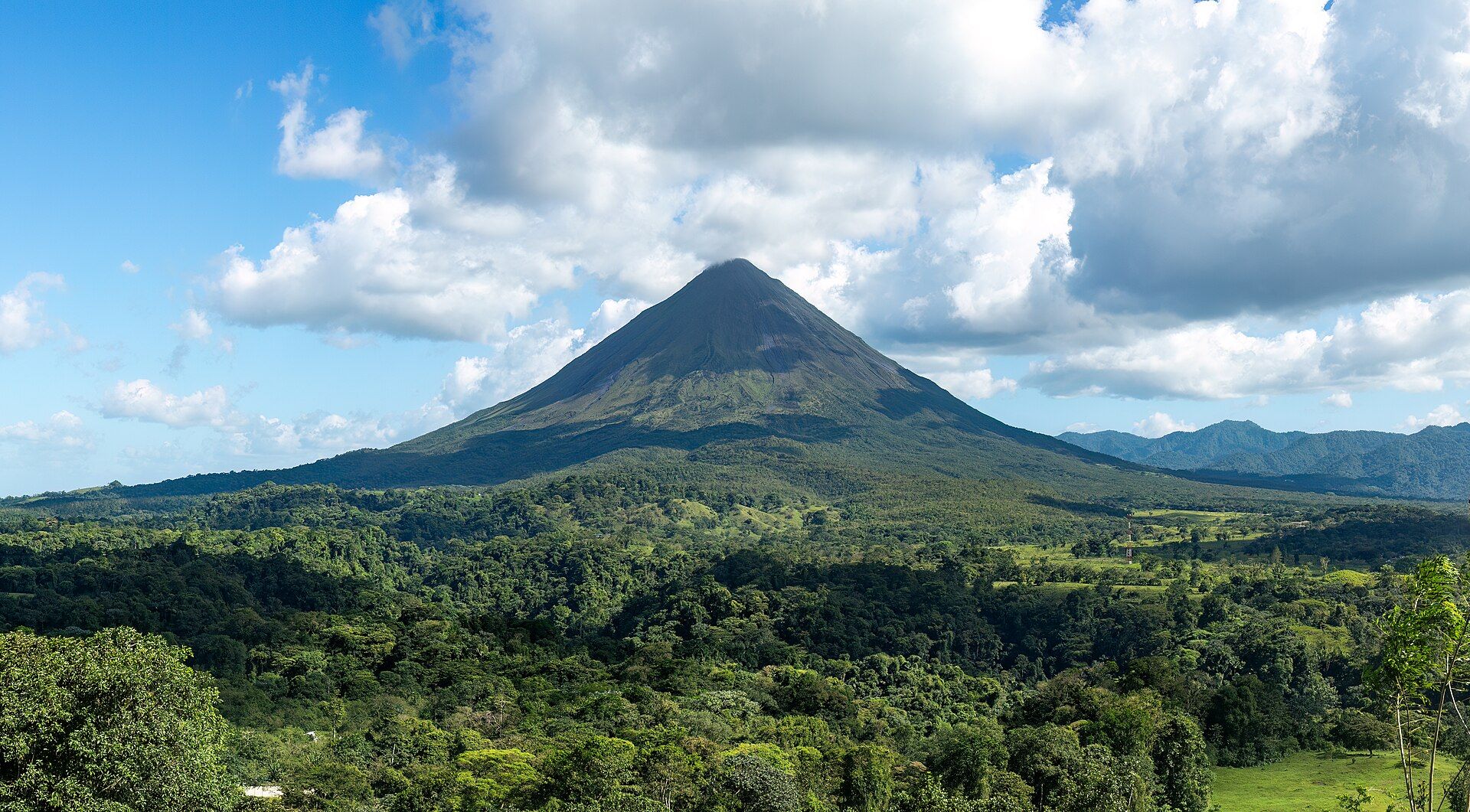
Arenal Volcano The cone above the rainforest
Alajuela, northern Costa Rica
A classic cone-shaped stratovolcano of about 1,670 m that erupted almost continuously from 1968 until it entered a resting phase around 2010 — so come for the cone, rainforest and hot springs, not glowing lava. Based in La Fortuna, a few hours from San José, with trails, hot springs, waterfalls and the lake all nearby. December–April for the clearest views.
-
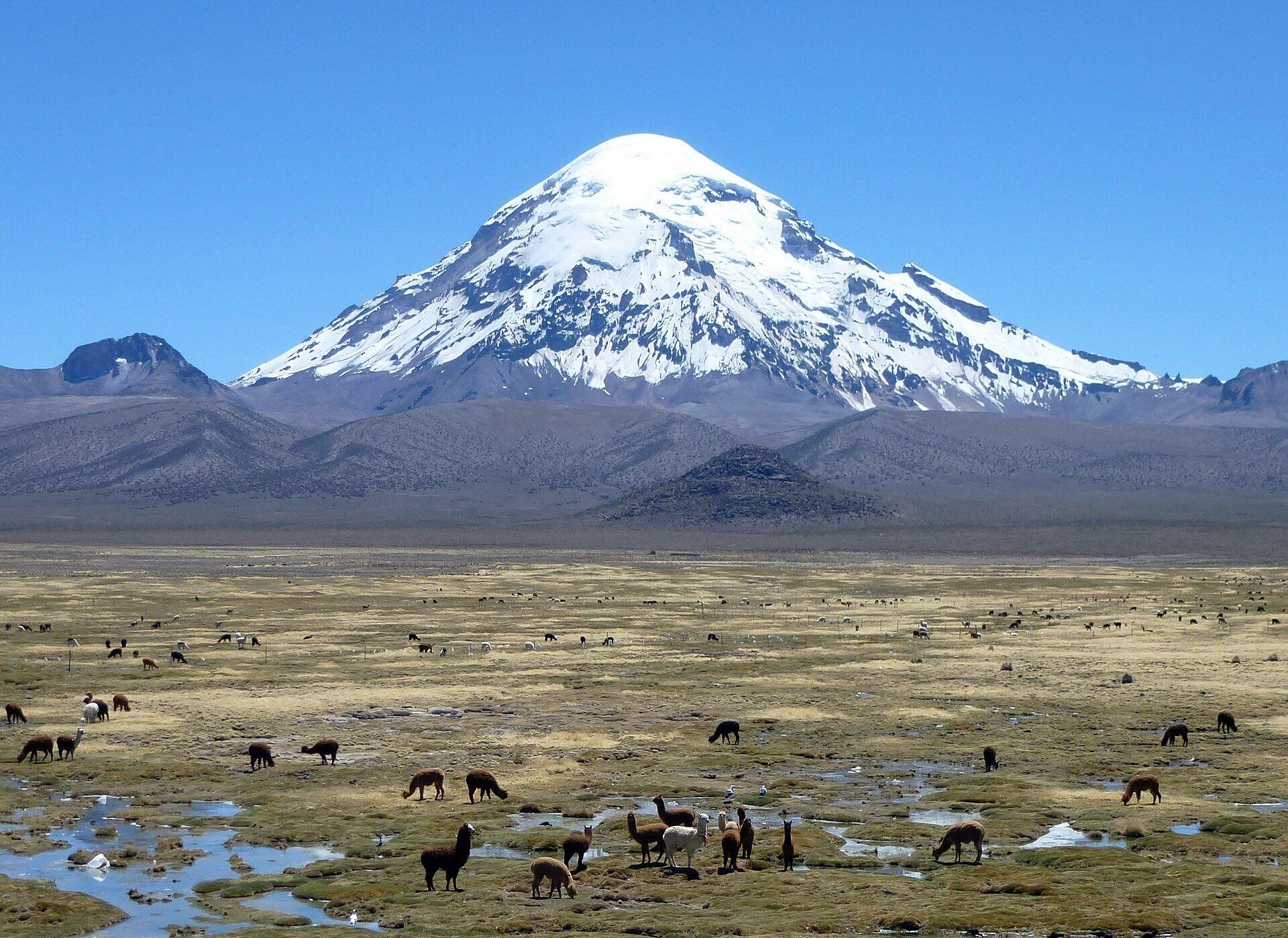
Sajama National Park Bolivia's highest peak
Western Altiplano, Oruro Department, Bolivia, on the border with Chile
Nevado Sajama, an extinct volcano of 6,542 m and Bolivia's highest mountain, rises over Bolivia's first protected area, with the twin snow cones of Parinacota and Pomerape on the Chilean border, geysers, hot springs and vicuñas. On the La Paz–Arica road; buses to Patacamaya, then minibuses to Sajama village, or a tour from La Paz. May–October, with bitterly cold nights.
Volcano access changes with activity — trails, crater rims and summits can close at short notice, so treat any plan as provisional and check the national monitoring agency and park authority before you travel. For more, see Pacaya vs Acatenango, Cotopaxi vs Chimborazo, the most spectacular volcanoes to visit, volcanoes you can climb and the most beautiful volcanoes in Southeast Asia.
Added