Geographic · Eastern Europe
What Are the Most Beautiful Places in Eastern Europe? 11 Natural Wonders, From the Tatras to the Danube Delta
11 places · every one real, mapped, and worth the trip
Short answer: the Tatra Mountains on the Polish–Slovak border, a compact alpine range of granite spires and glacial lakes; Białowieża Forest, the last great primeval lowland forest in Europe and home of the wild European bison; Romania's Danube Delta, the continent's largest river delta; and Lithuania's Curonian Spit, a 98-km ribbon of dunes between a lagoon and the Baltic.
This list covers Poland, Slovakia, Lithuania, Romania and Bulgaria — the Carpathians, the Baltic coast and the Black Sea delta. Most of it is a summer and early-autumn destination: the high trails, gorge ladders and the Transfăgărășan road only open once the snow has gone. It is unranked.
-
Tatra Mountains Alpine range in miniature
Poland–Slovakia border
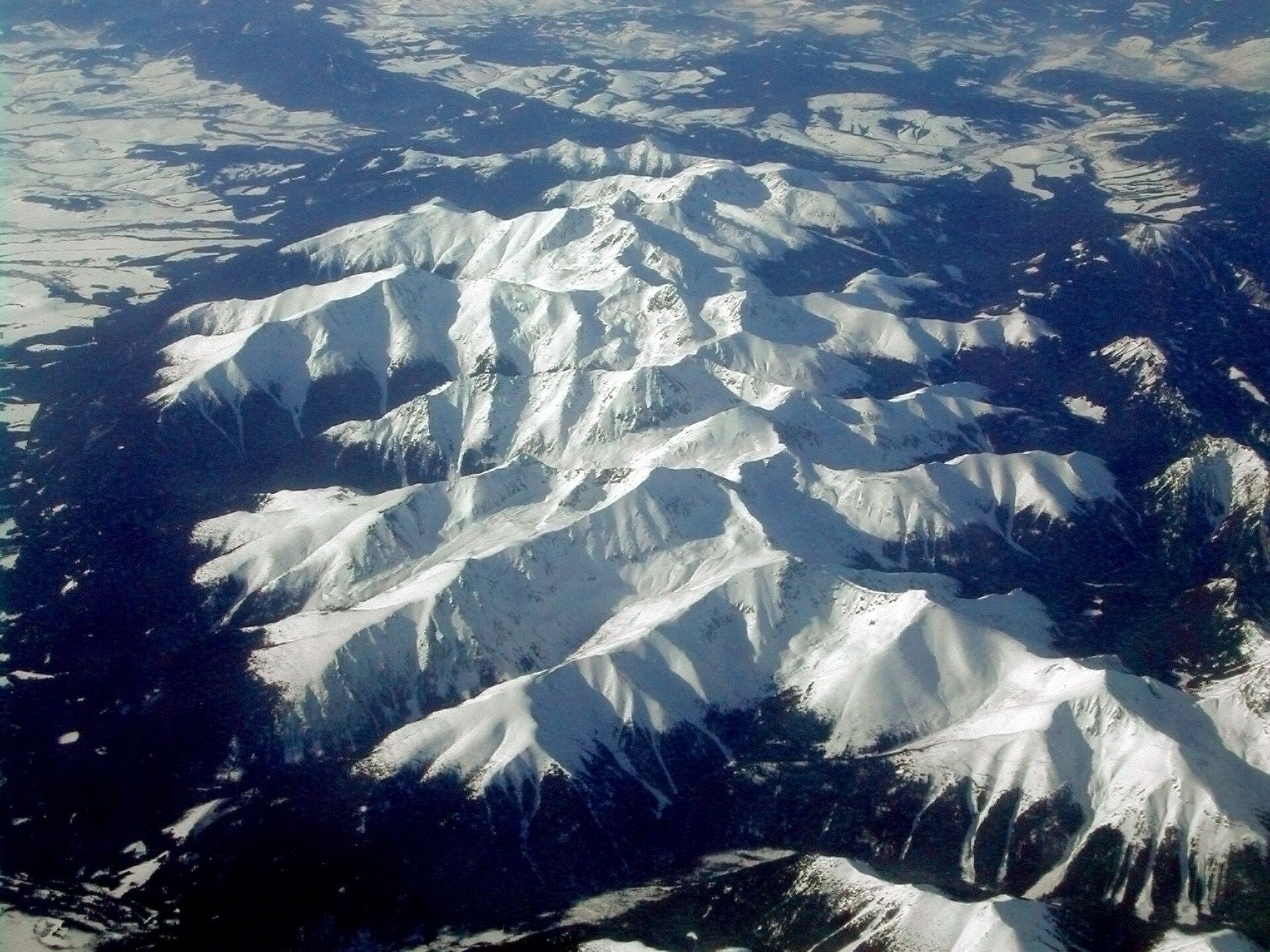
The highest range of the Carpathians — granite peaks, cirques and dozens of glacial tarns packed into barely 50 km, home to bears, wolves, lynx and the Tatra chamois. From Zakopane (Poland) or Štrbské Pleso (Slovakia) on marked trails with mountain huts. Roughly June to September.
-
Białowieża Forest Europe's primeval forest
Poland–Belarus border
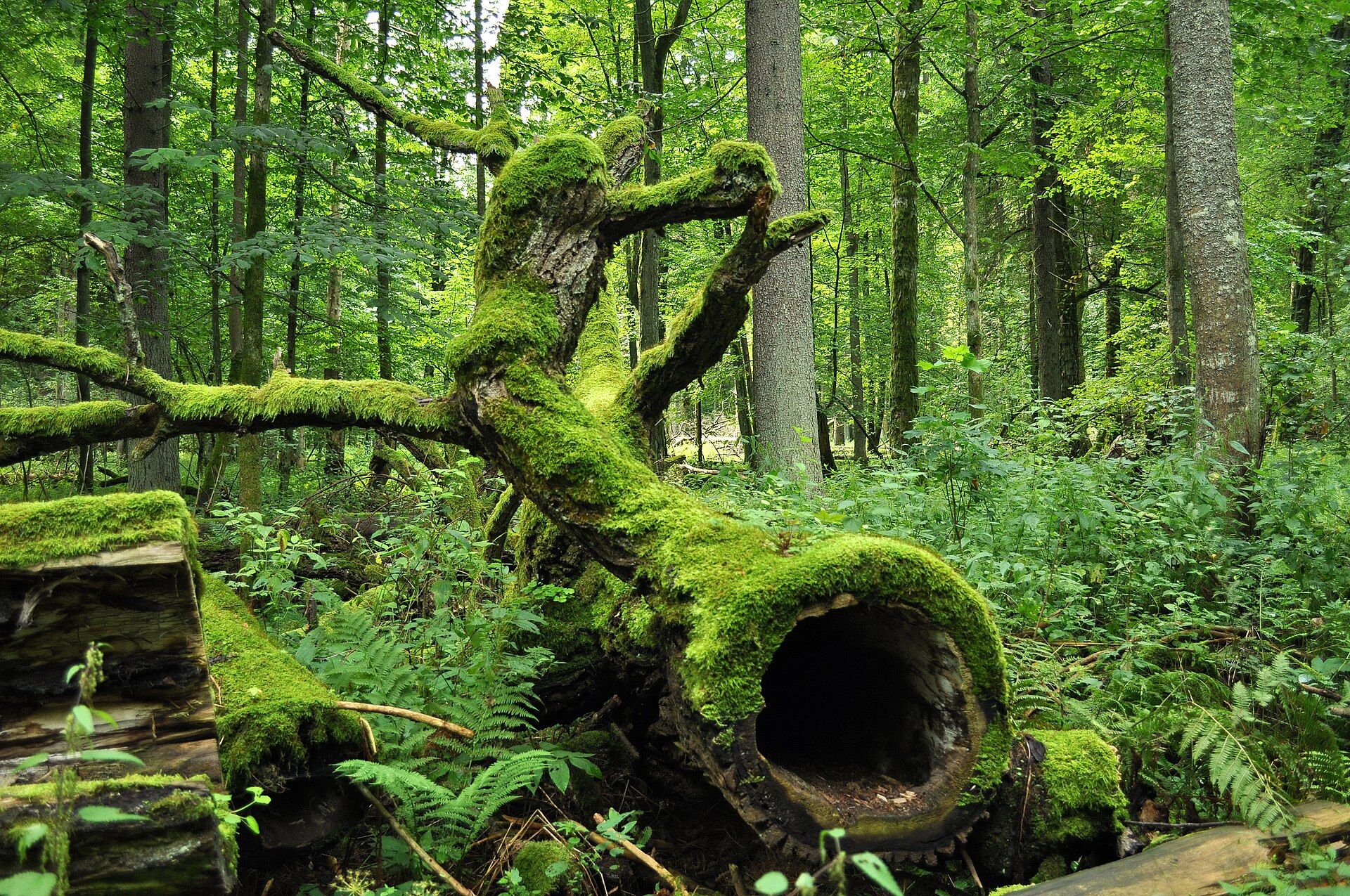
A surviving fragment of the lowland forest that once covered the continent, on the Polish–Belarusian border, and the home of the wild European bison. About four hours from Warsaw; the strictly protected core only with a licensed guide. Spring for birdsong and wildlife; winter for bison against snow.
-
Bieszczady Mountains Poland's wild corner
Subcarpathia, south-east Poland
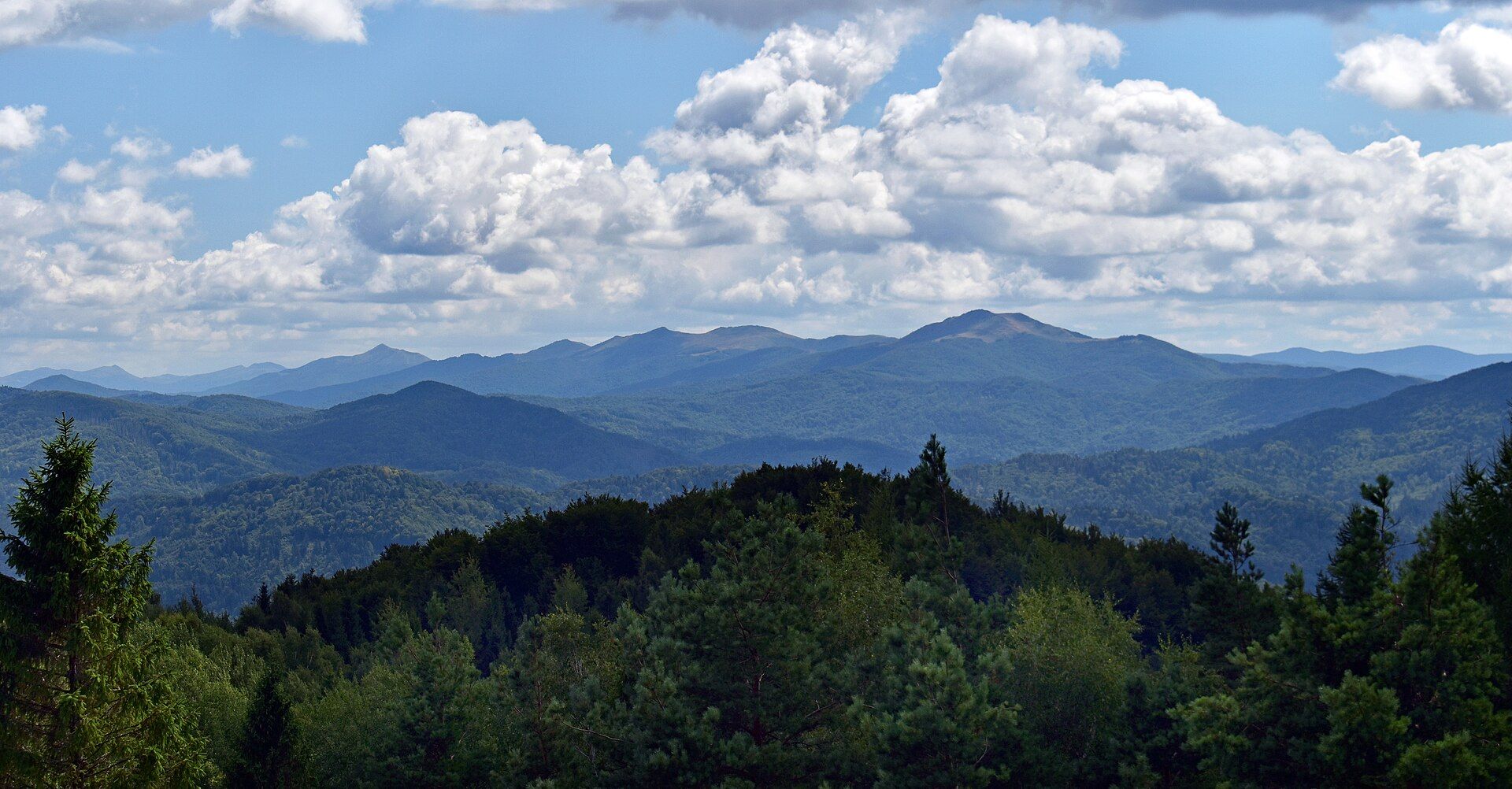
Forested ridges of the Eastern Carpathians topped by open, treeless meadows called połoniny, where wolves, lynx, bison and brown bears still roam. Walking bases around Ustrzyki Górne and Wetlina, by road from Rzeszów. June for wildflowers; September–October for golden beech forest.
-
Słowiński Sand Dunes A wandering desert on the Baltic
Słowiński National Park, Pomerania, Poland
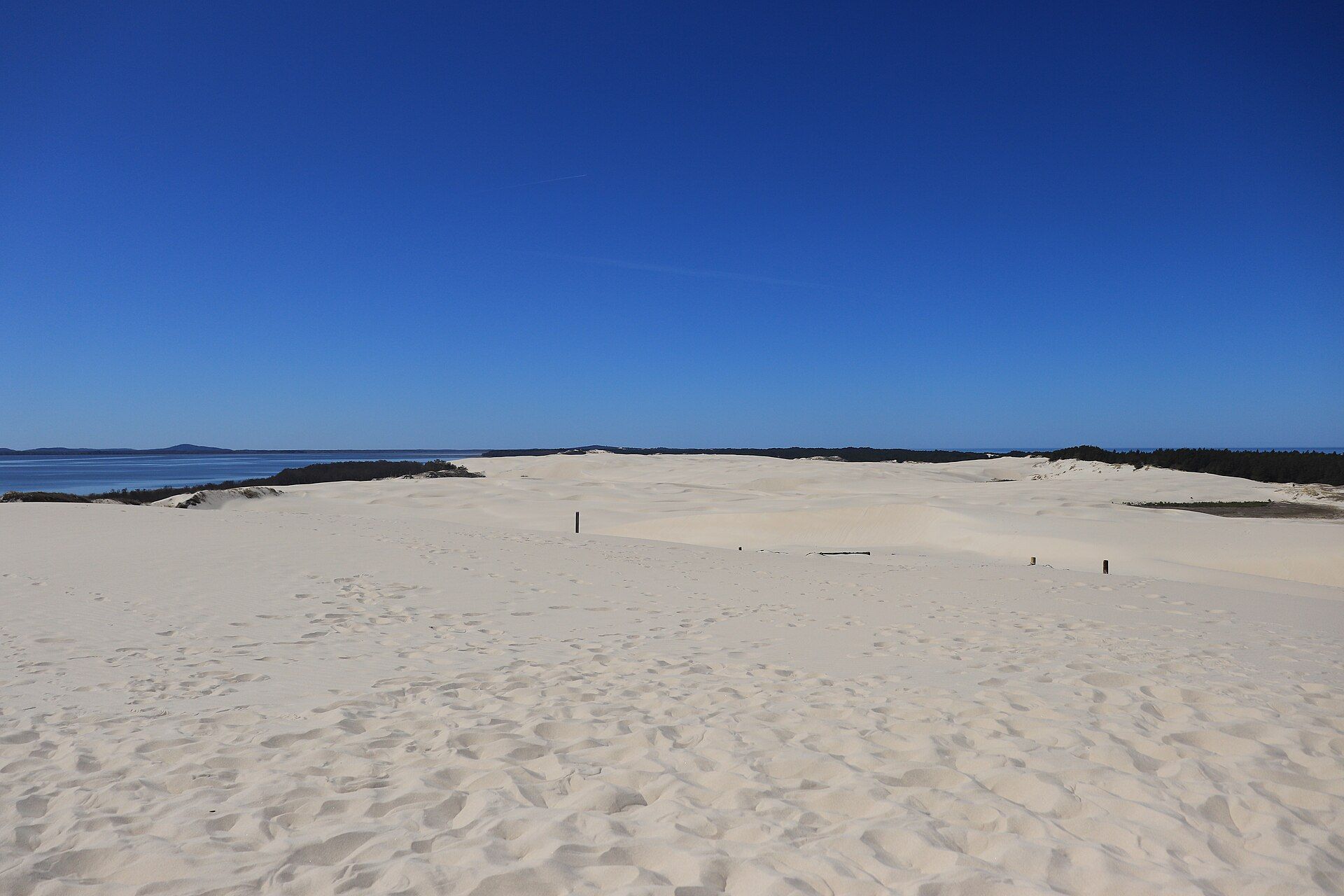
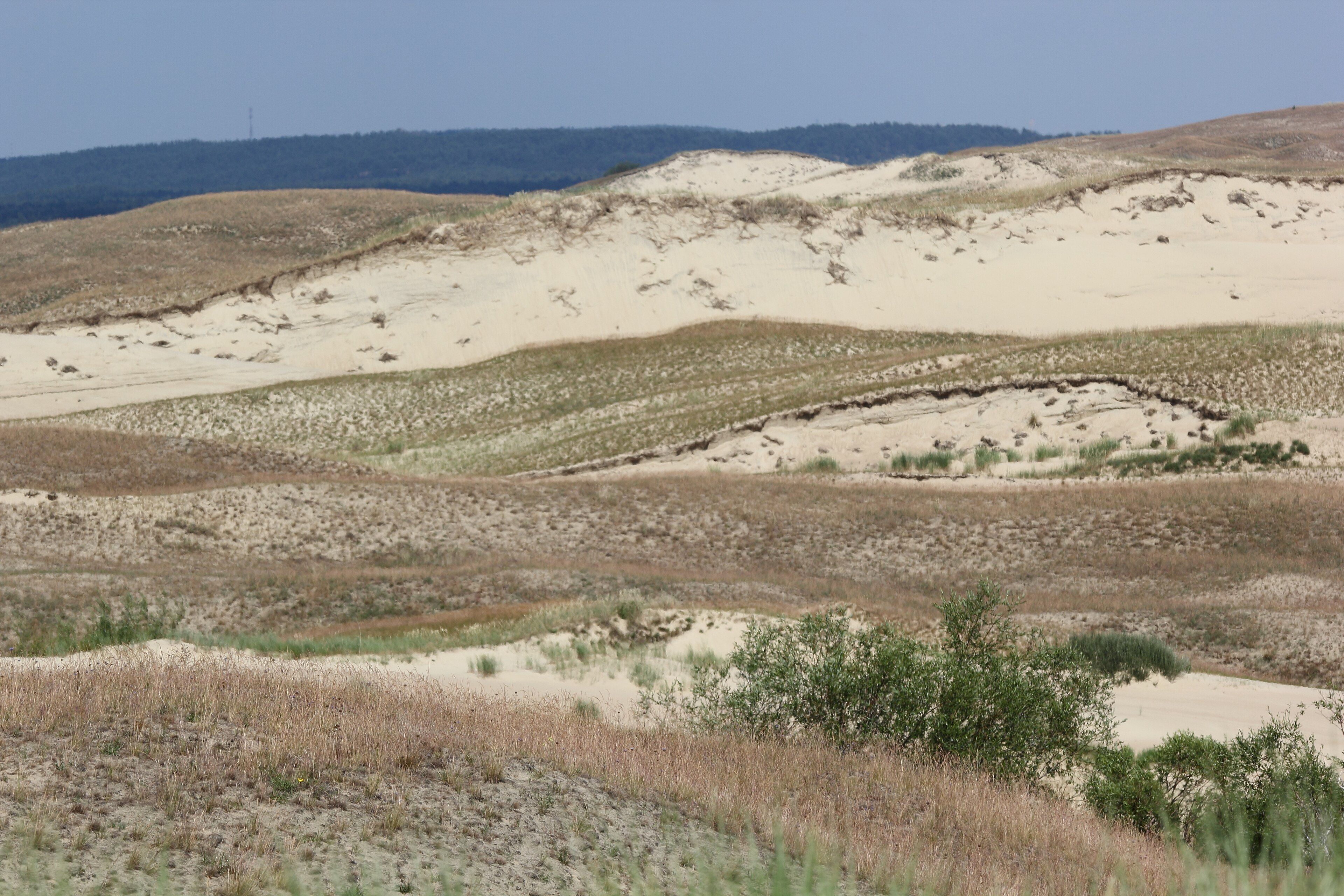
Europe's largest field of shifting dunes, rising dozens of metres and creeping inland over the forest between the sea and Lake Łebsko. From Łeba, then a path, electric cart or bike from the Rąbka entrance. Late spring to early autumn; open year-round.
-
Slovenský raj Gorges climbed on ladders
Spiš-Gemer Karst, eastern Slovakia
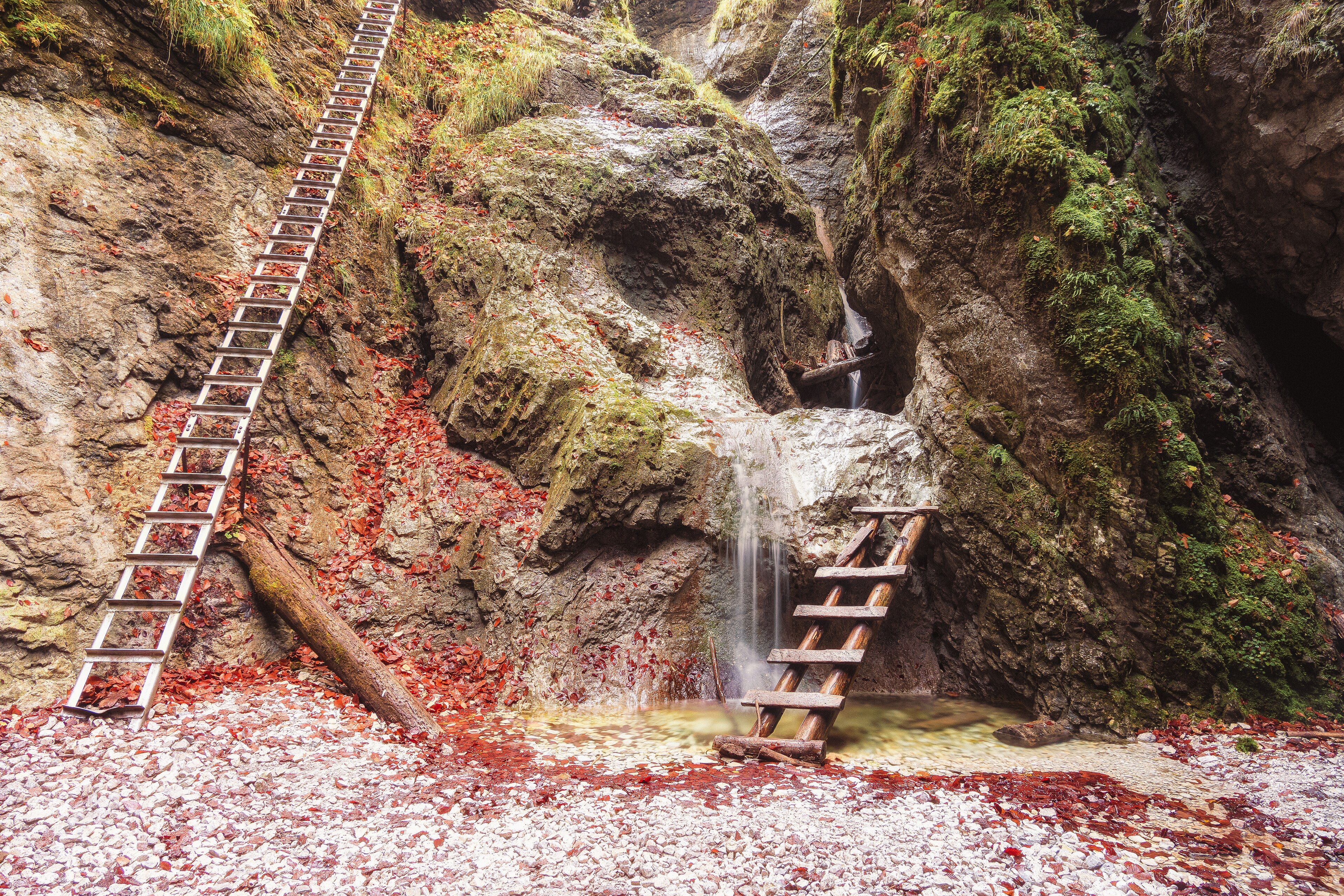
A Slovak karst plateau split by gorges so narrow the trails climb ladders bolted beside the waterfalls — and most are one-way. From Podlesok or Čingov, about an hour from Poprad or Košice. May to October; the gorge routes close in winter and in high water.
-
The Curonian Spit 98 km of dune
Klaipėda County, western Lithuania, extending into Kaliningrad Oblast
A ribbon of sand never more than a few kilometres wide between a lagoon and the Baltic, standing only because two centuries of replanting stopped it burying itself. Short ferry from Klaipėda, then about 50 km by road or cycle path to Nida. May to September.
-
The Danube Delta Europe's largest delta
Where the Danube meets the Black Sea, eastern Romania
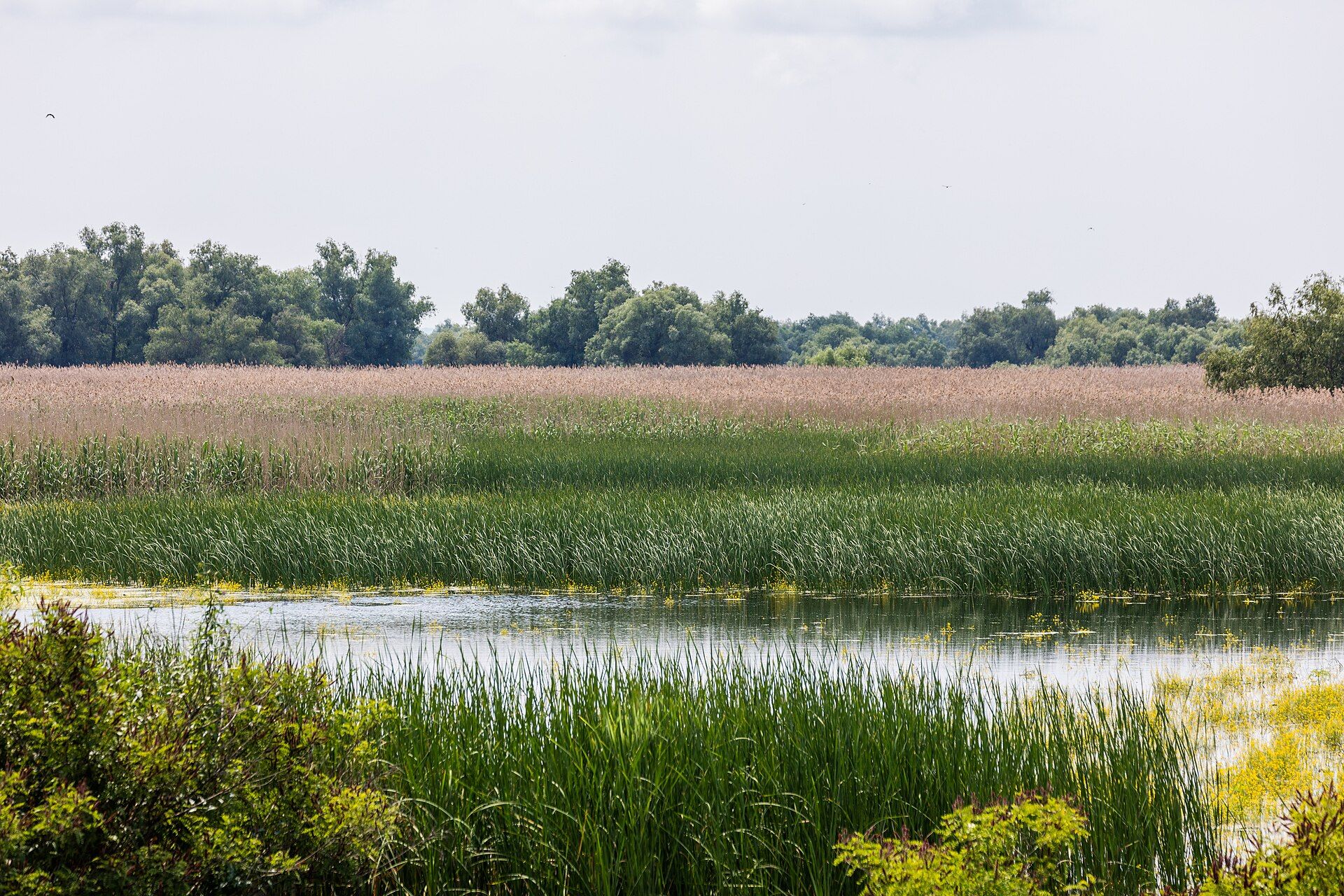
A maze of reeds, channels and lakes where the Danube fans into the Black Sea — one of the continent's greatest bird havens, with villages reachable only by water. From Tulcea by passenger boat or guided tour. April–June for peak birdlife and nesting.
-
Retezat National Park Romania's first national park
Retezat Mountains, Hunedoara County, Southern Carpathians, Romania
More than sixty peaks over 2,300 m, around eighty glacial lakes and some of the last untouched old-growth forest in Europe, declared a national park in 1935. From Hațeg or Petroșani; no road into the interior. July to September.
-
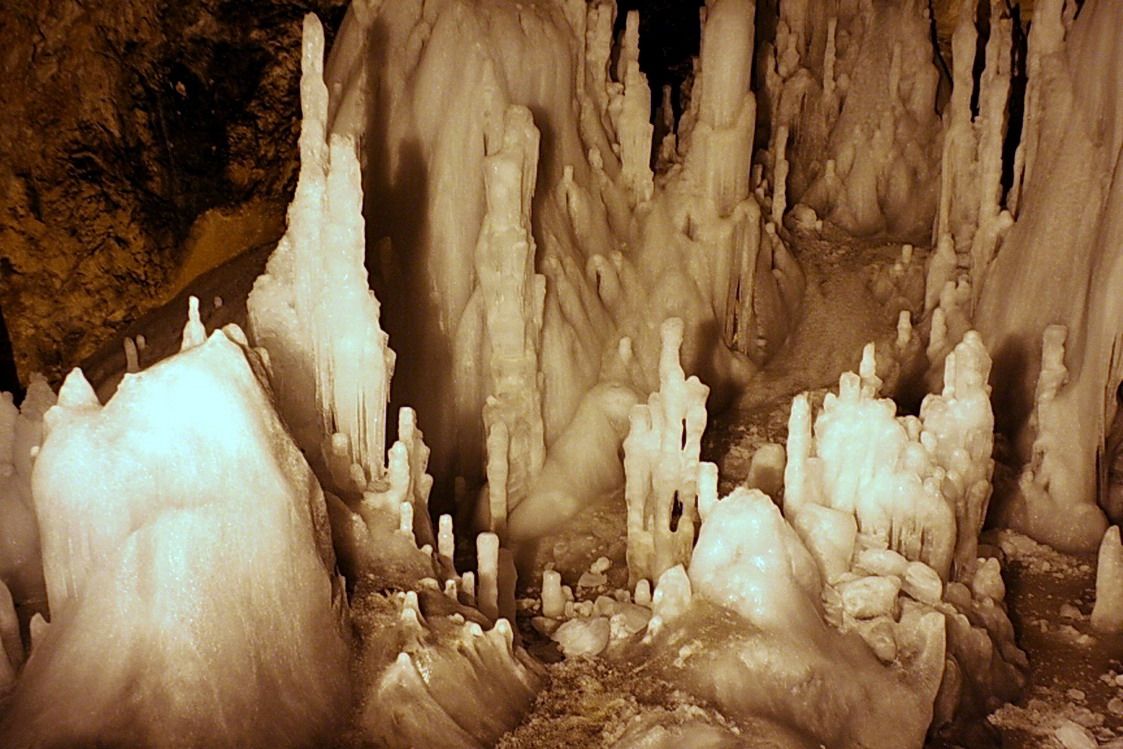
Scărișoara Ice Cave An underground glacier
Apuseni Mountains, western Romania
A cave in the Apuseni Mountains holding one of the largest underground glaciers in the world — ice thousands of years old. By mountain road from Alba Iulia or Cluj-Napoca, then a short forest walk; guided. Any season; the ice is often finest in late winter and spring.
-
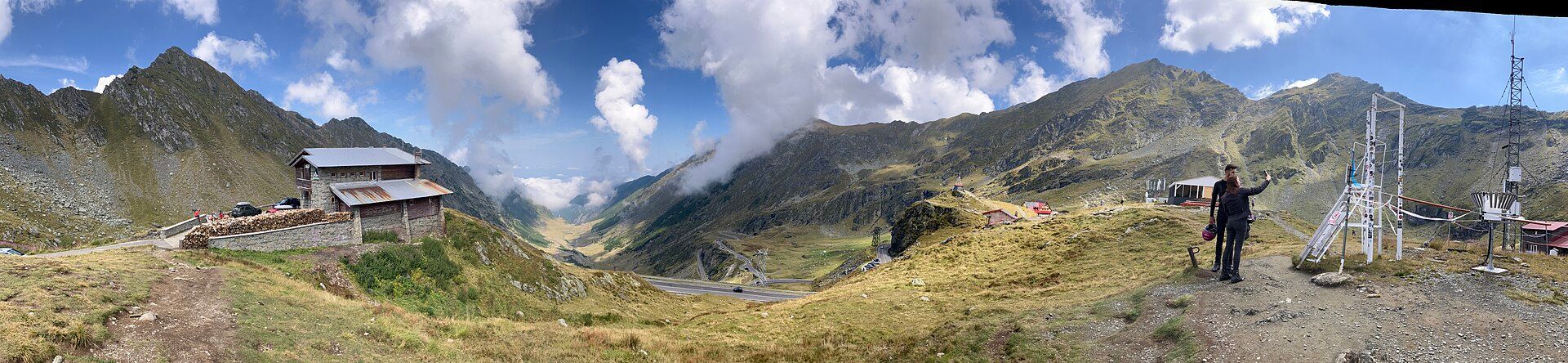
Făgăraș Mountains & the Transfăgărășan The great mountain road
Southern Carpathians, central Romania
Romania's highest mountains — glacier-carved peaks and cirque lakes — crossed by the Transfăgărășan (DN7C) between Curtea de Argeș and the Sibiu area. The high road is only open roughly late June or July to October; a cable car also climbs to Bâlea Lake.
-
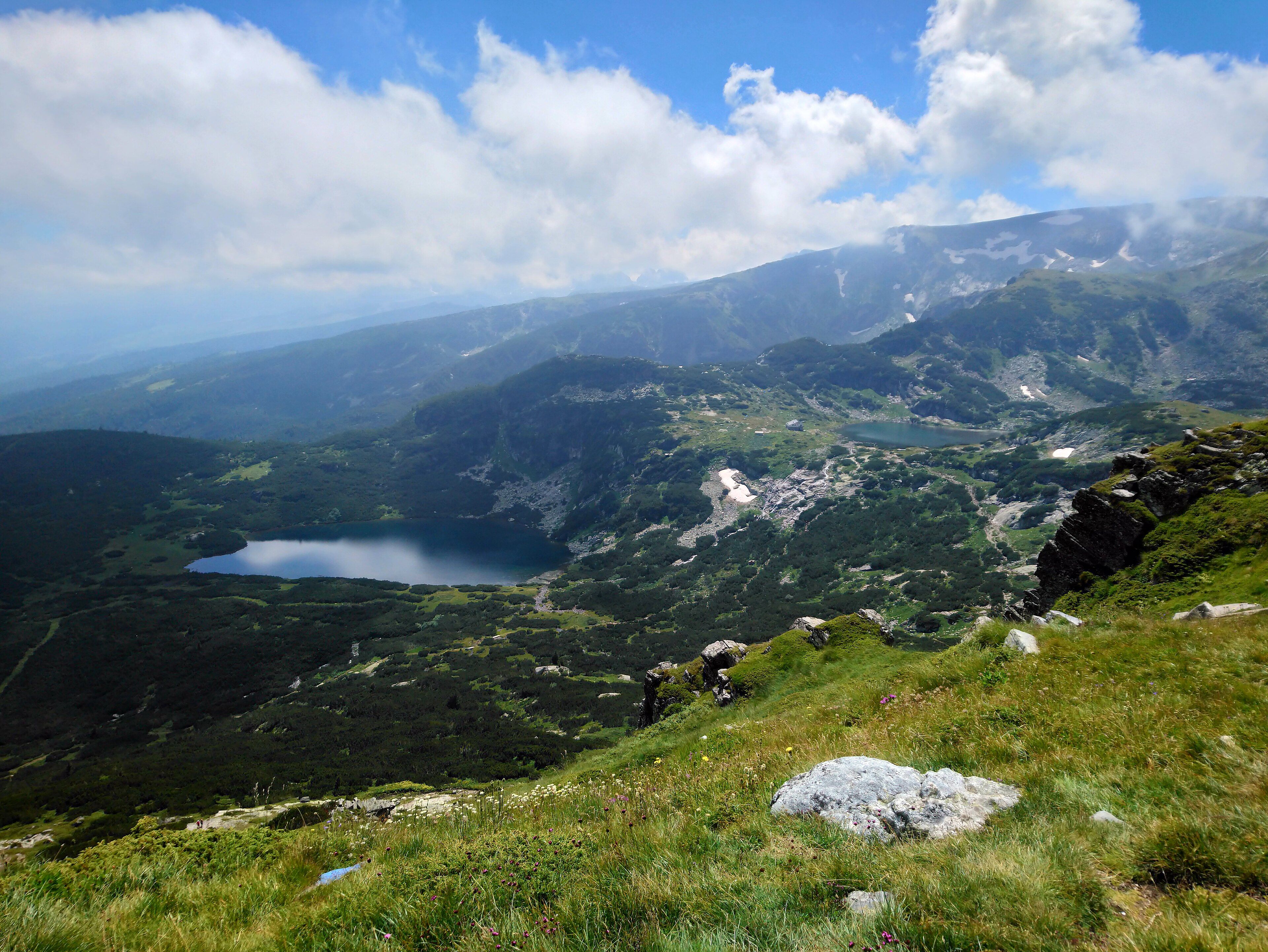
The Seven Rila Lakes Seven tarns in a staircase
Rila National Park, Rila Mountains, southwestern Bulgaria
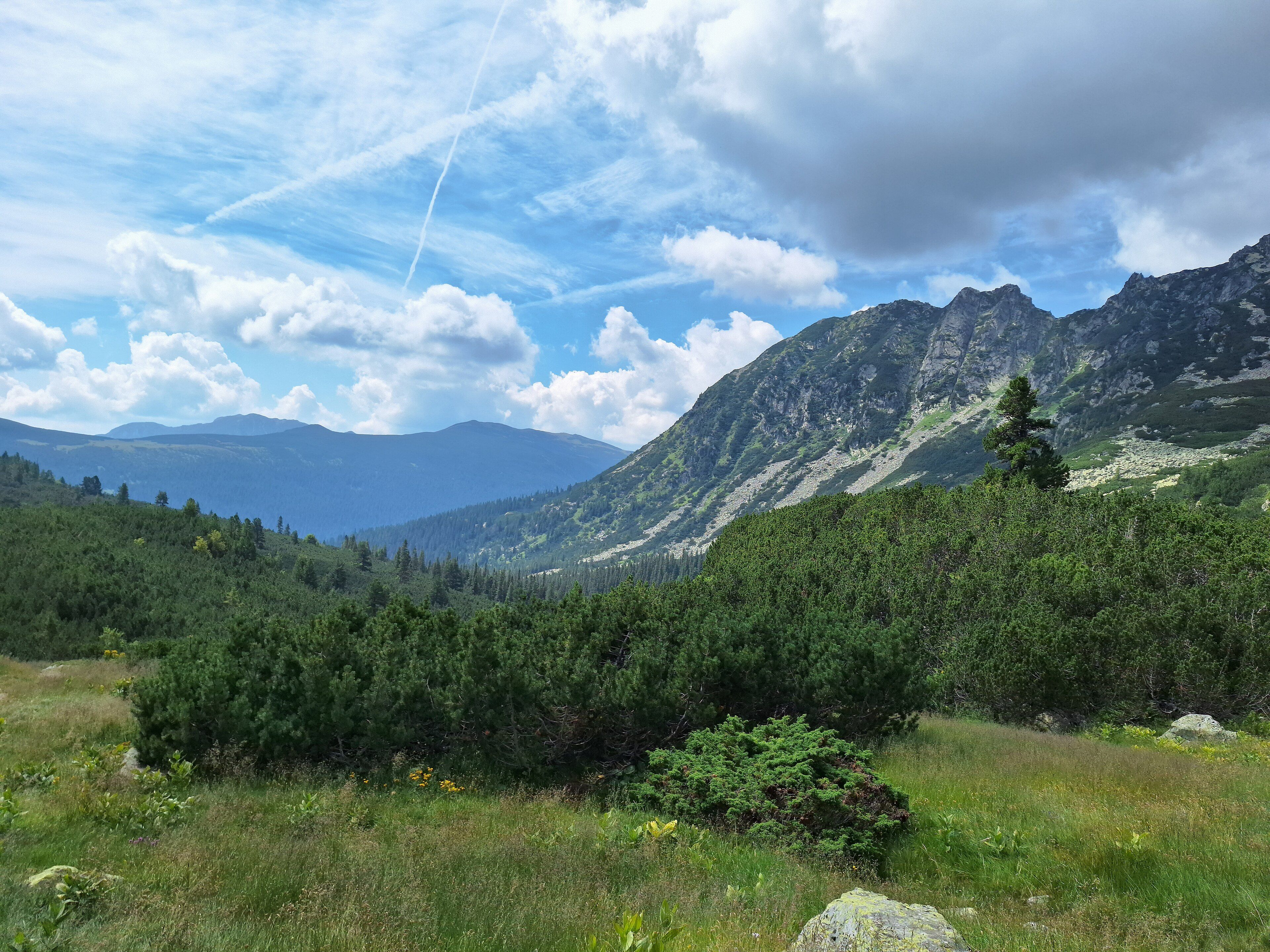
Seven glacial lakes stepped one above the other between about 2,100 and 2,500 m in Bulgaria's Rila massif, each named for its shape. Around two hours from Sofia to Panichishte, then a chairlift and a few hours' walk. July to September.
Eastern Europe's mountains keep a short season — the Tatras, Retezat, the Rila lakes and the Transfăgărășan are best from July to September, and Slovenský raj's ladders close in winter. The lowland wonders — Białowieża, the Danube Delta, the Baltic dunes — reward spring and early summer. For the peninsula to the south, see the most beautiful places in the Balkans; for the whole continent, see the most beautiful places in Europe.
Added