Region · Central America
The Most Beautiful Places in Central America
14 places · every one real, mapped, and worth the trip
Central America is a narrow land bridge built largely by volcanoes, with the Caribbean on one side and the Pacific on the other. Within it you can camp level with an erupting volcano in Guatemala, dive the largest barrier reef in the northern hemisphere off Belize, walk through cloud forest in Costa Rica and stand on an island made of two merged volcanoes in a Nicaraguan lake.
This is our editors' pick of the 14 Central American places in the atlas, across Guatemala, Belize, Costa Rica, Nicaragua and Panama. It is unranked — a jaguar sanctuary and a coral atoll are not competing for the same thing — and it does not include Mexico, whose wonders are in our North America list.
-
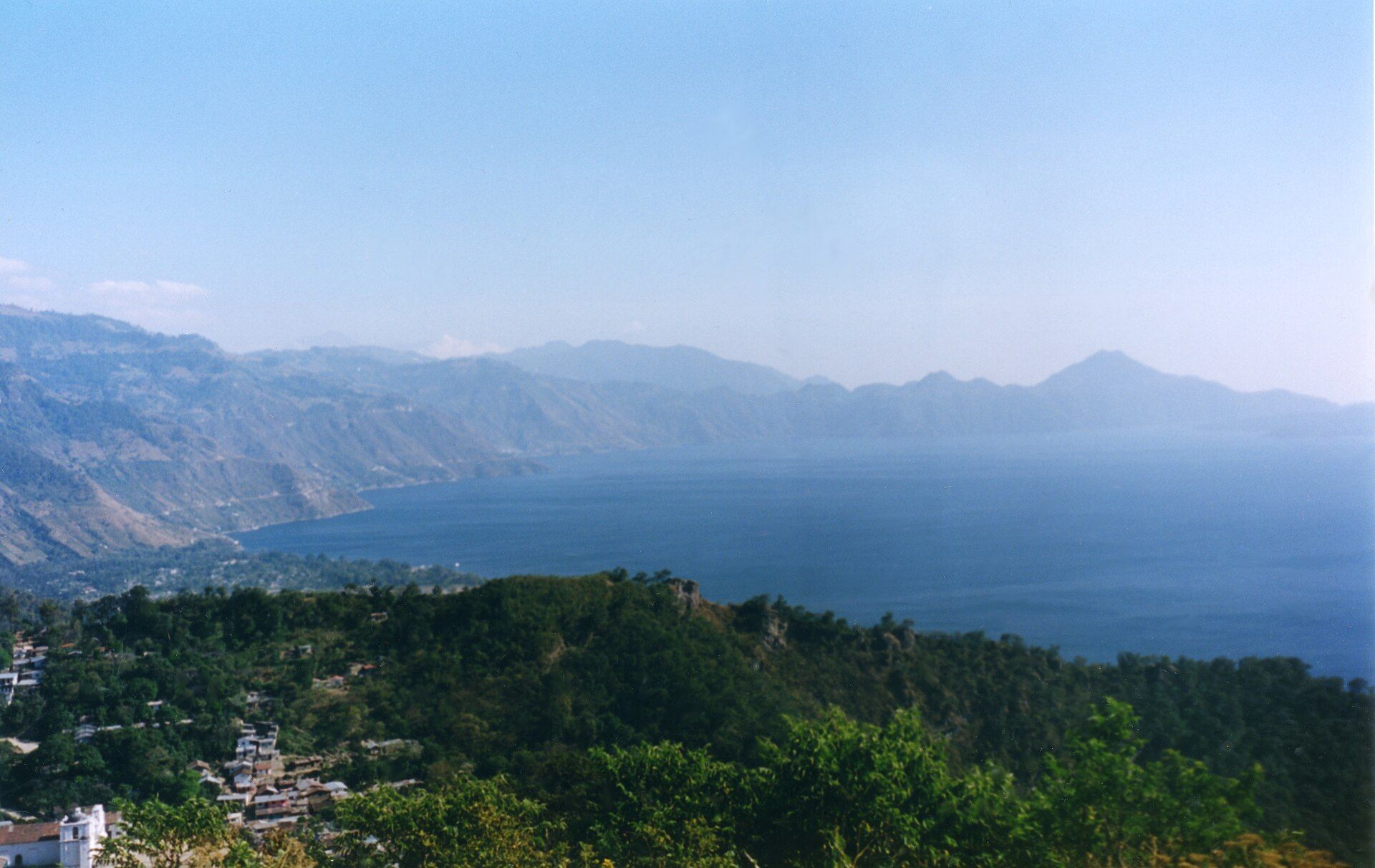
Lake Atitlán Three volcanoes over a lake
Sololá, southwestern Guatemala highlands
A deep blue lake in a highland caldera, ringed by three volcanic cones and Maya villages. Mornings are calmest; afternoons often bring a strong wind across the water.
-
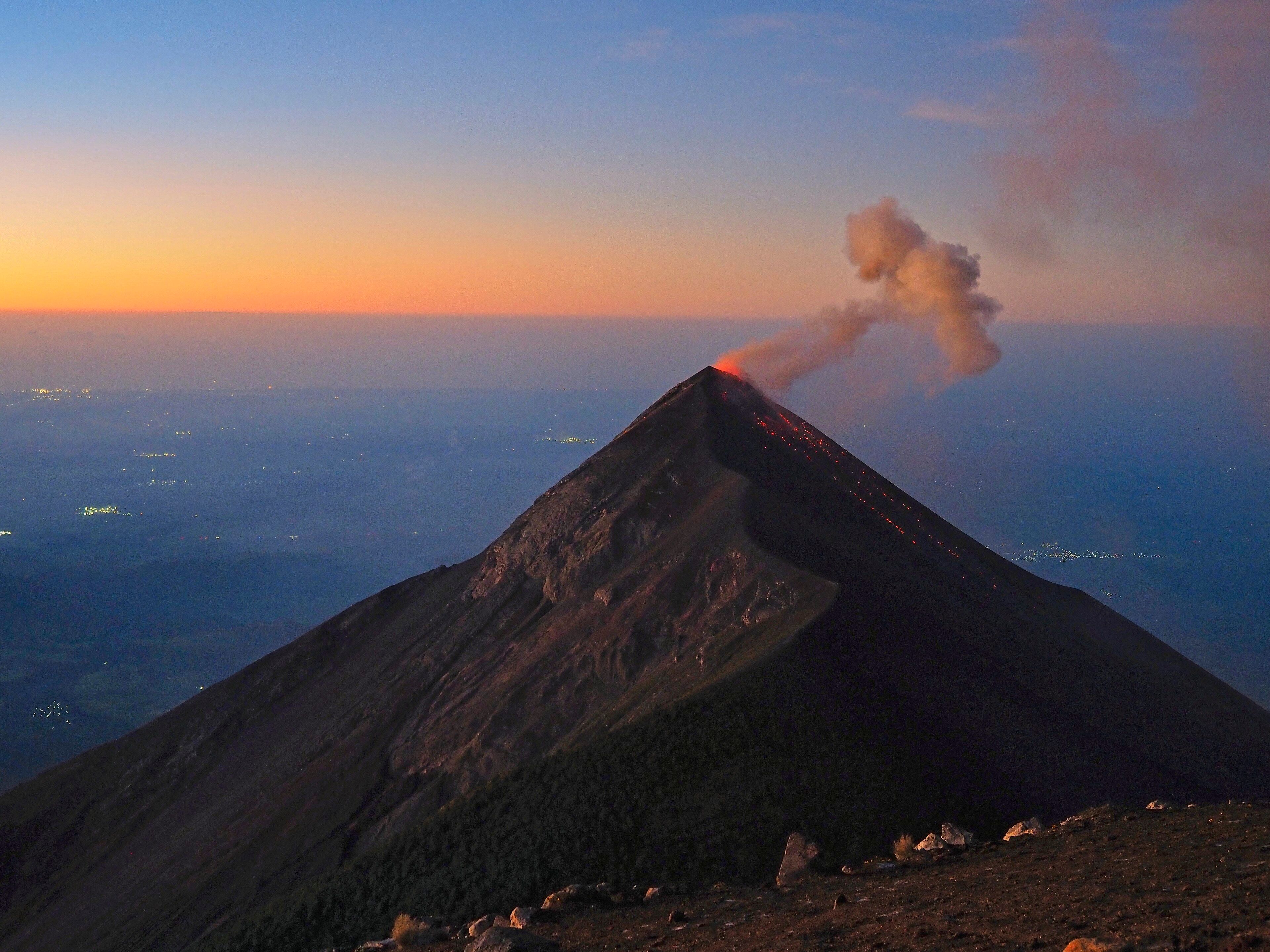
Acatenango Watch a volcano erupt
Sacatepéquez and Chimaltenango Departments, near Antigua, Guatemala
A 3,976-metre volcano climbed for the view of its neighbour: you camp level with Fuego, one of the most active vents in Central America, and watch it erupt through the night. November to April gives the clearest nights.
-
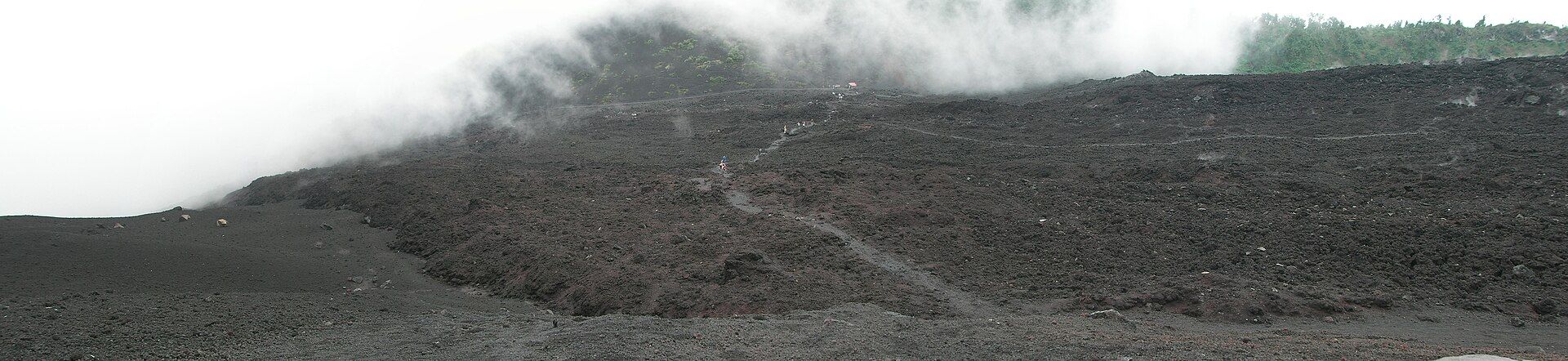
Pacaya
Escuintla, near Antigua, southern Guatemala
One of Central America's most active volcanoes, an accessible cone near Antigua where hikers walk over old lava fields toward the summit — the half-day alternative to Acatenango.
-
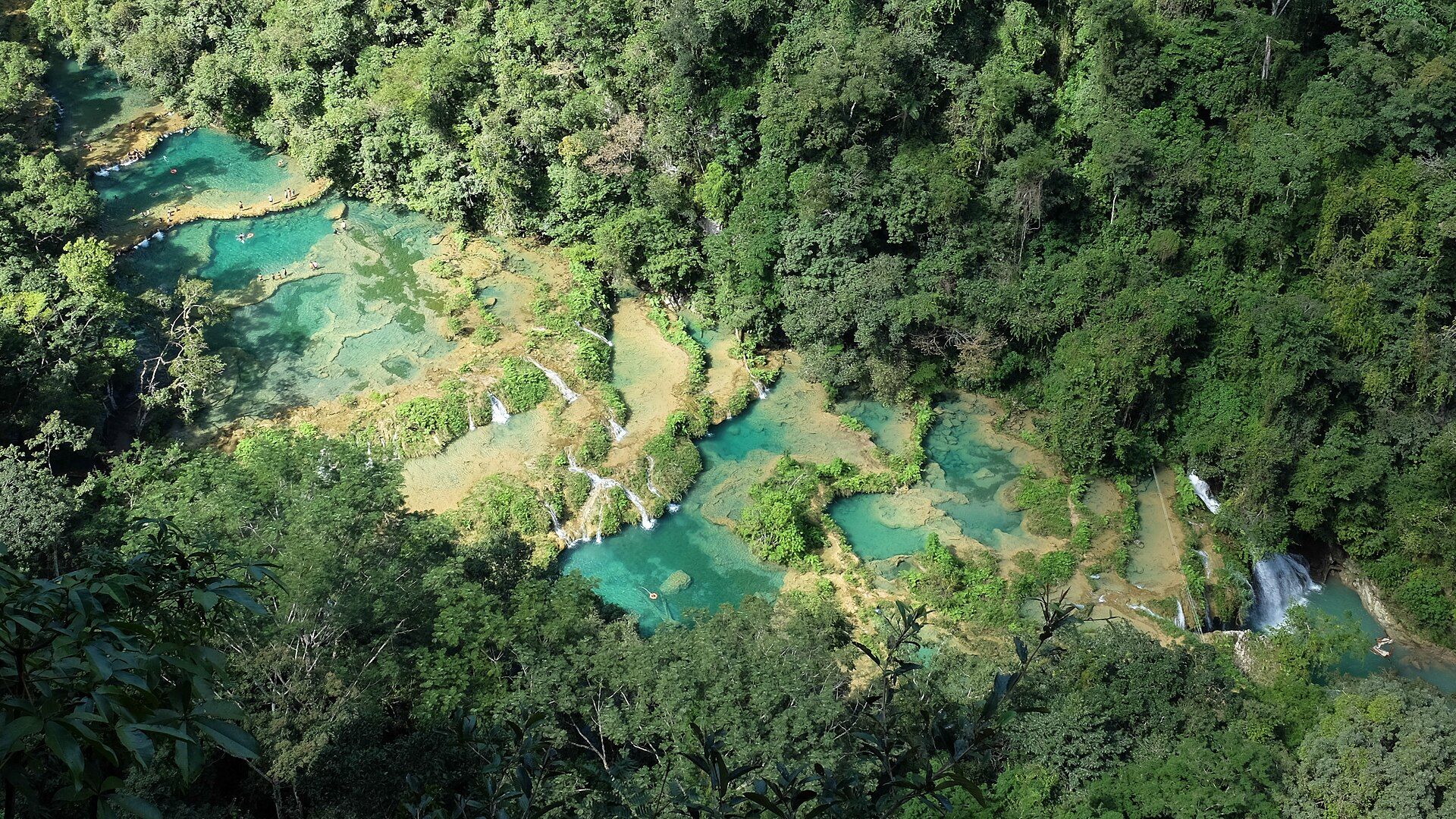
Semuc Champey A river under the pools
Alta Verapaz, central Guatemala
A 300-metre limestone bridge in the Guatemalan jungle: the Cahabón River roars through the rock below while a staircase of turquoise pools sits calmly on top.
-
Belize Barrier Reef The northern hemisphere's largest reef
Caribbean coast of Belize
Some 300 kilometres of coral along Belize's whole Caribbean coast, with three of the Atlantic's four true atolls lying outside it. The dry season, roughly late November to May, gives the calmest seas.
-
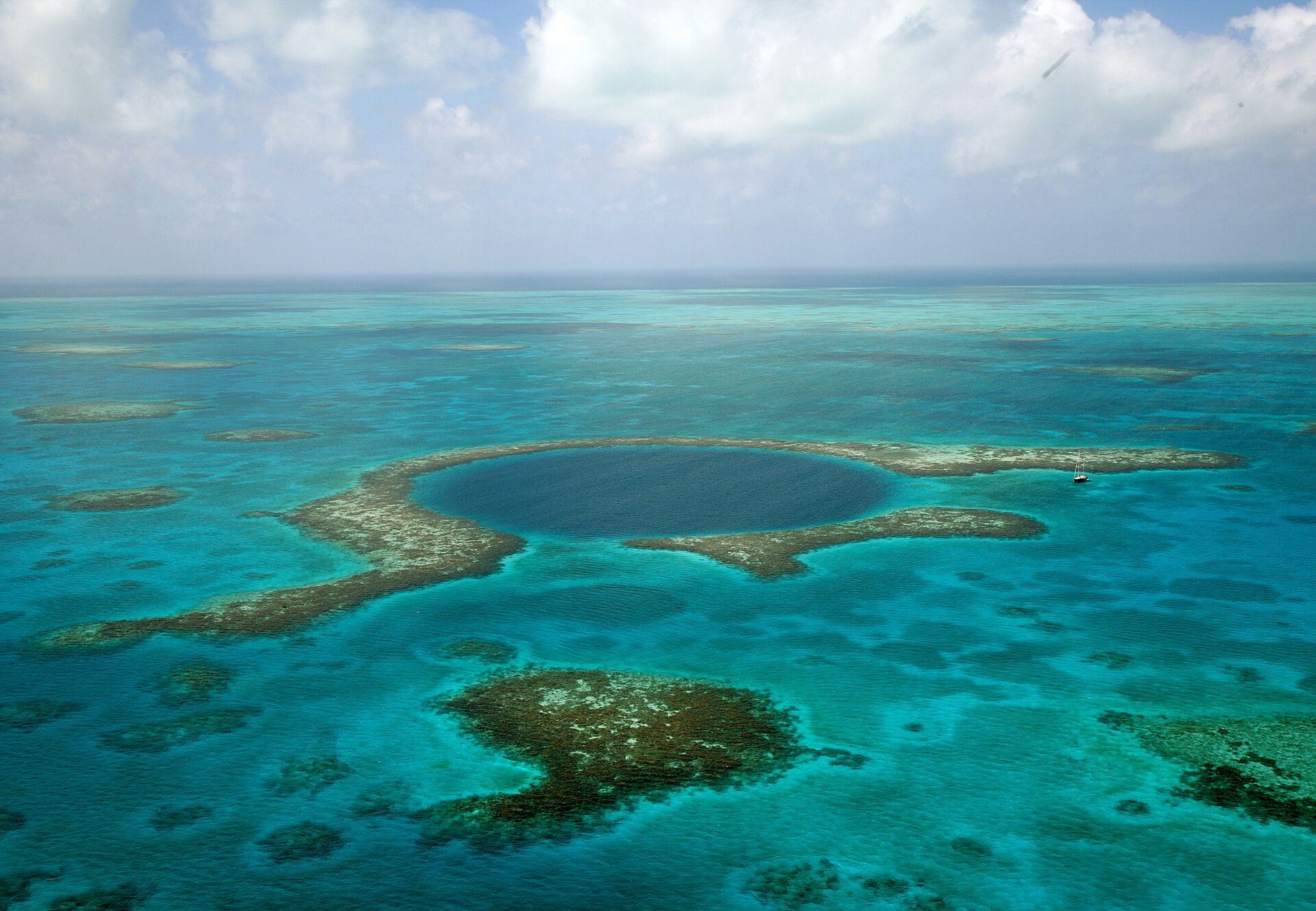
The Great Blue Hole A blue circle in the reef
Lighthouse Reef, off Belize
A giant marine sinkhole over 300 metres across and about 120 metres deep, ringed by coral — one of the world's best-known dive sites, best in the calmer months of roughly March to June.
-
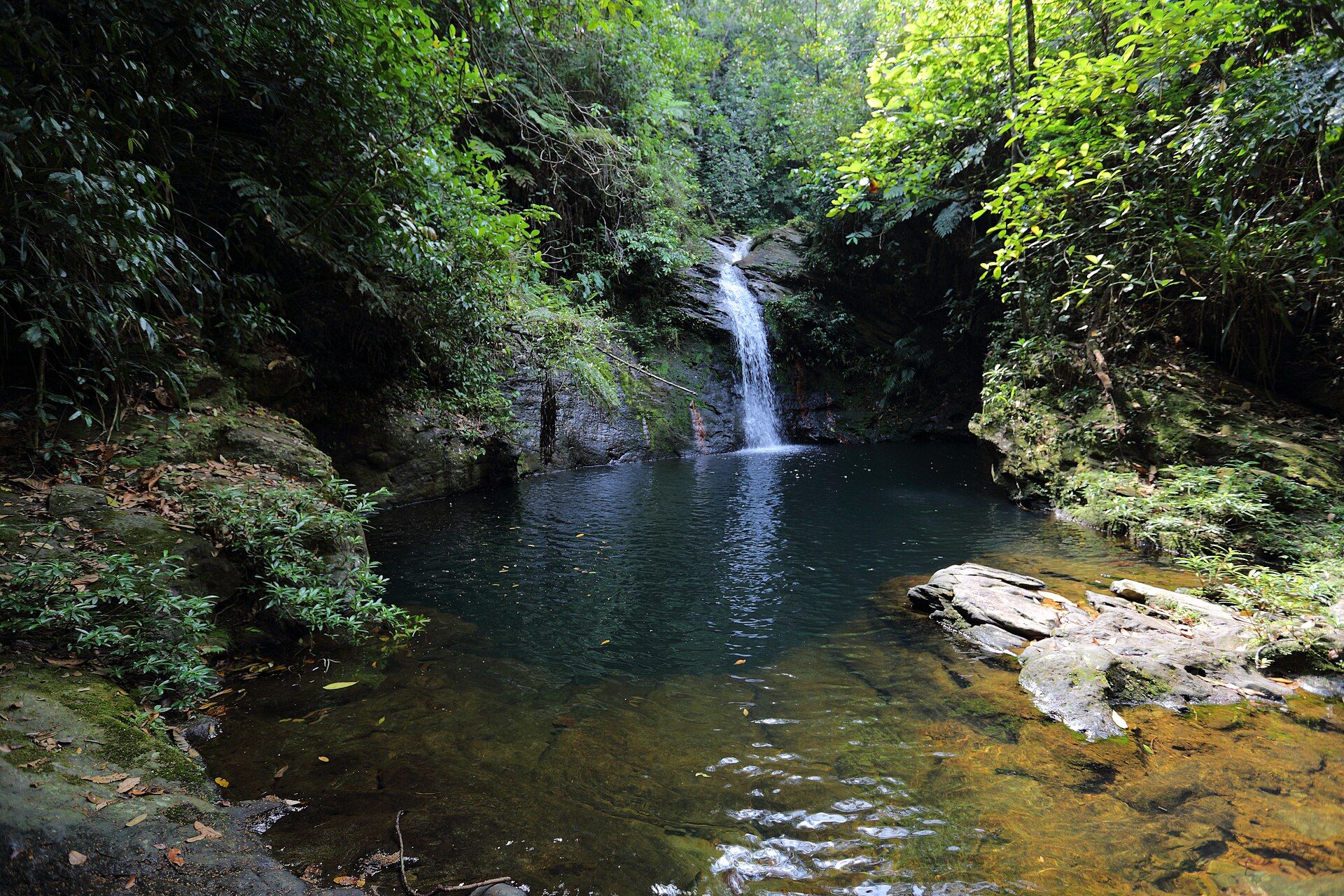
Cockscomb Basin Wildlife Sanctuary The first jaguar reserve
Stann Creek District, south-central Belize, eastern Maya Mountains
Tropical forest on the eastern slopes of Belize's Maya Mountains, set up in the mid-1980s as the first protected area anywhere for the jaguar, with waterfall pools and Victoria Peak above.
-
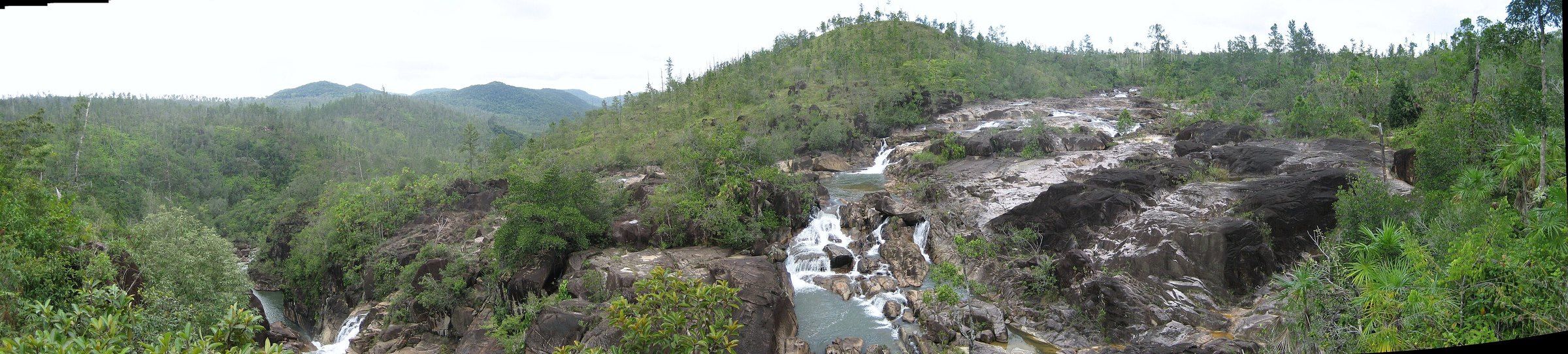
Mountain Pine Ridge
Cayo District, western Belize
Caribbean pine on a granite massif in western Belize — unusual in a country of limestone and reef — with rivers dropping over waterfalls and running through the huge mouth of Rio Frio Cave.
-
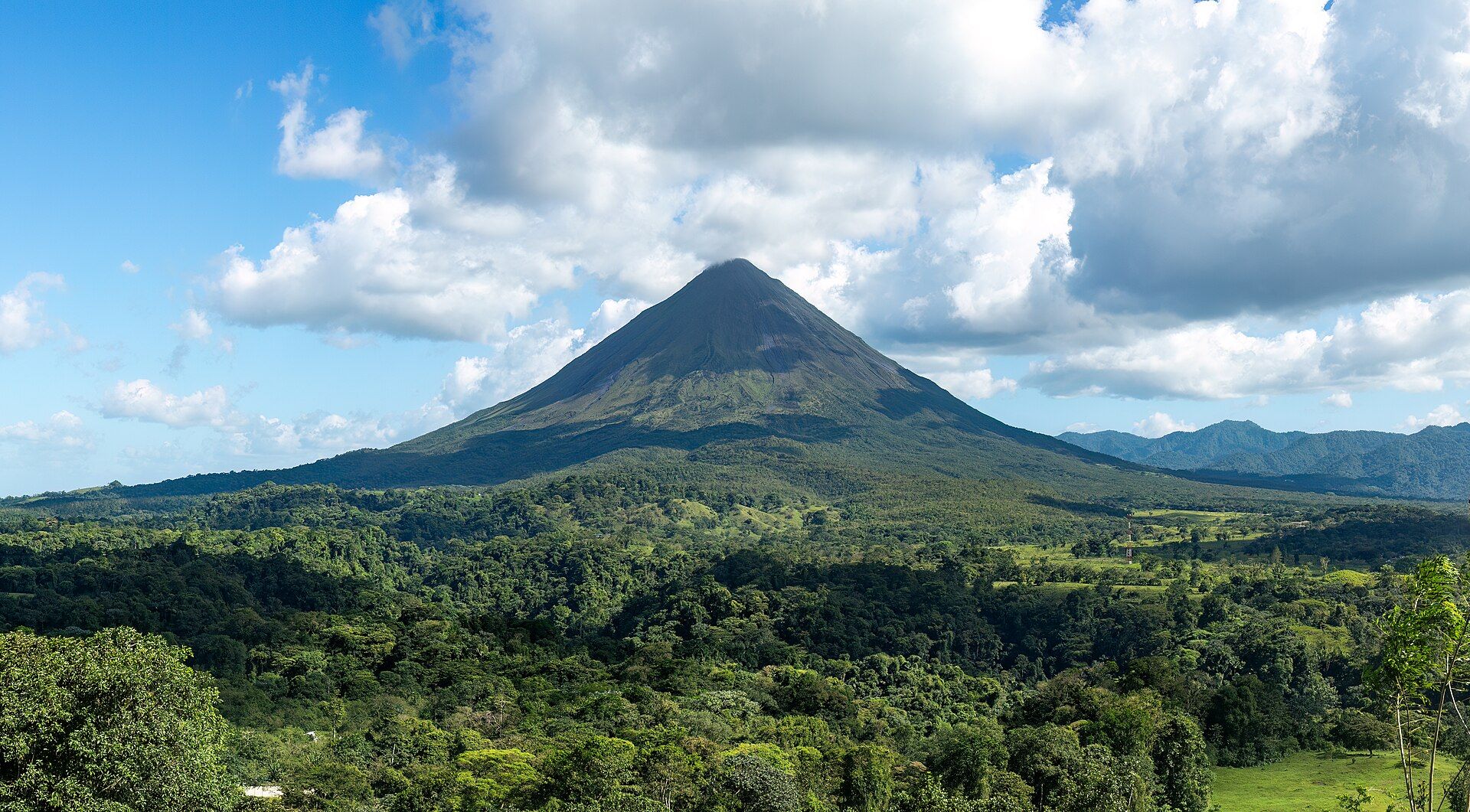
Arenal Volcano The classic cone
Alajuela, northern Costa Rica
A cone-shaped volcano that erupted almost constantly from 1968 until a quieter phase began around 2010; its heat still feeds hot springs at its base, and the summit is clearest in the drier months.
-
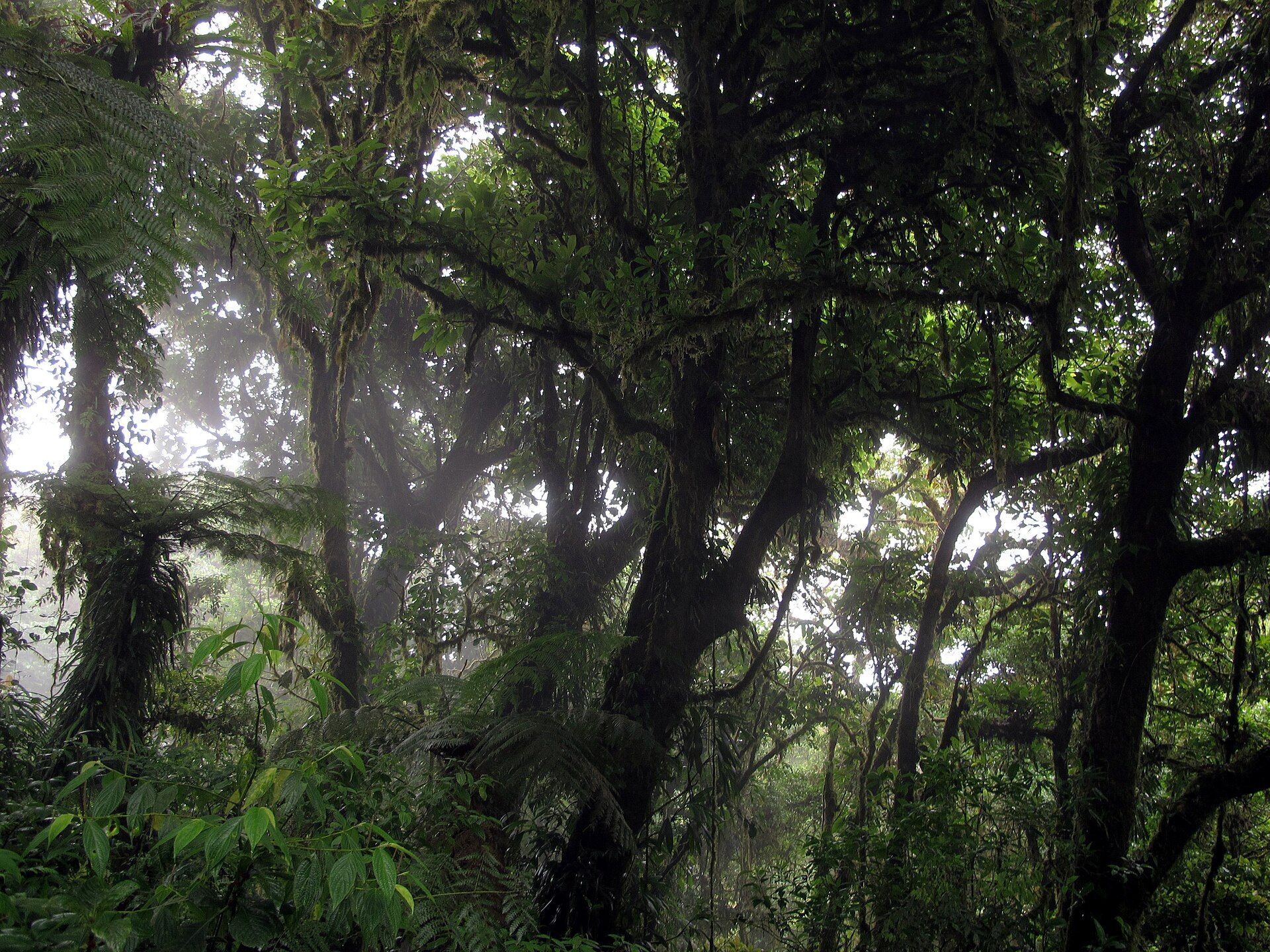
Monteverde Cloud Forest Cloud forest
Puntarenas / Alajuela, Cordillera de Tilarán, Costa Rica
A misty ridge-top cloud forest of orchids and epiphytes, home to the resplendent quetzal and hundreds of bird species — green and wet by nature in every season.
-
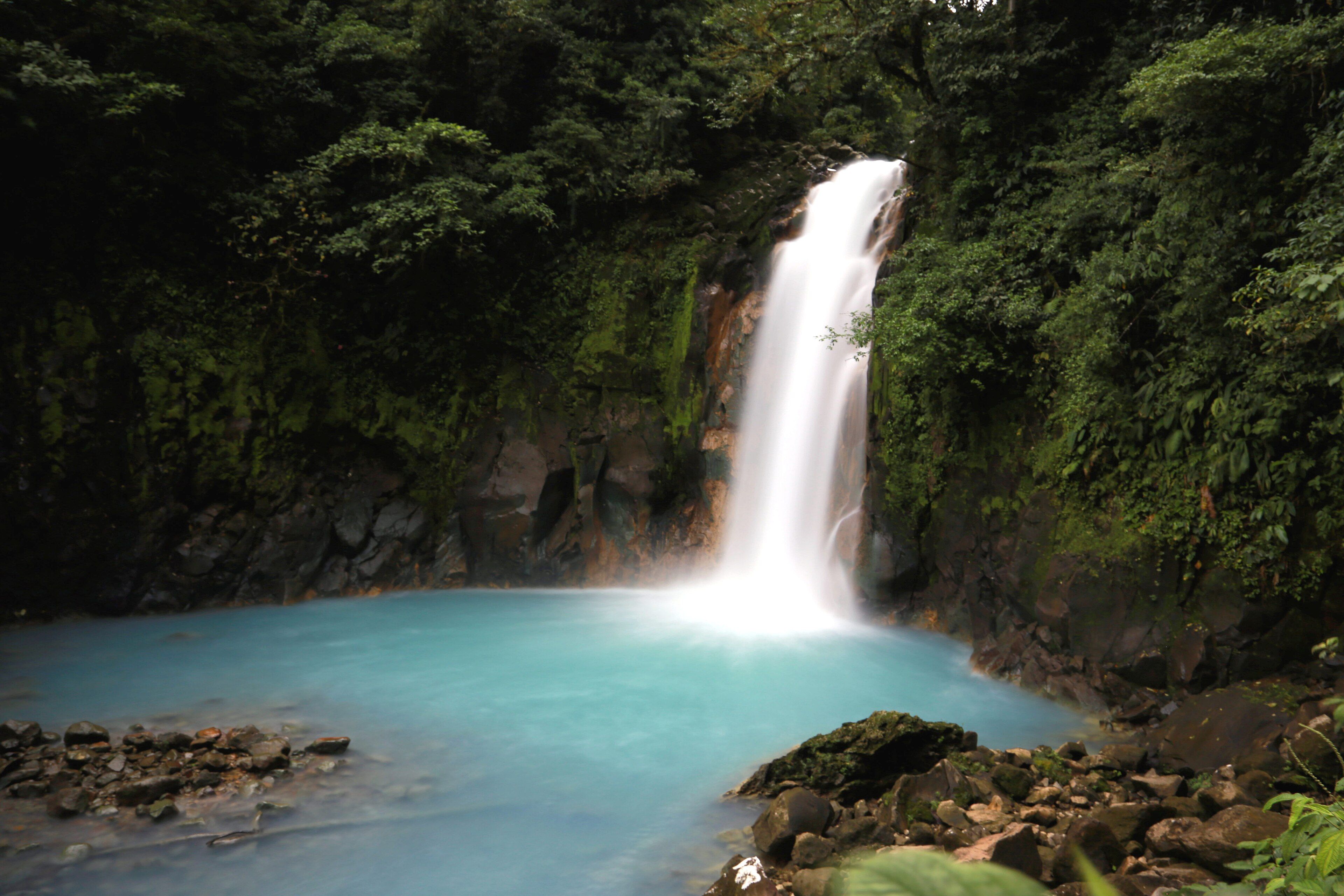
Río Celeste The sky-blue river
Tenorio Volcano National Park, Guanacaste, Costa Rica
A rainforest river that turns sky blue exactly where two clear streams meet — the colour comes from light scattering off suspended particles, and heavy rain can cloud it.
-
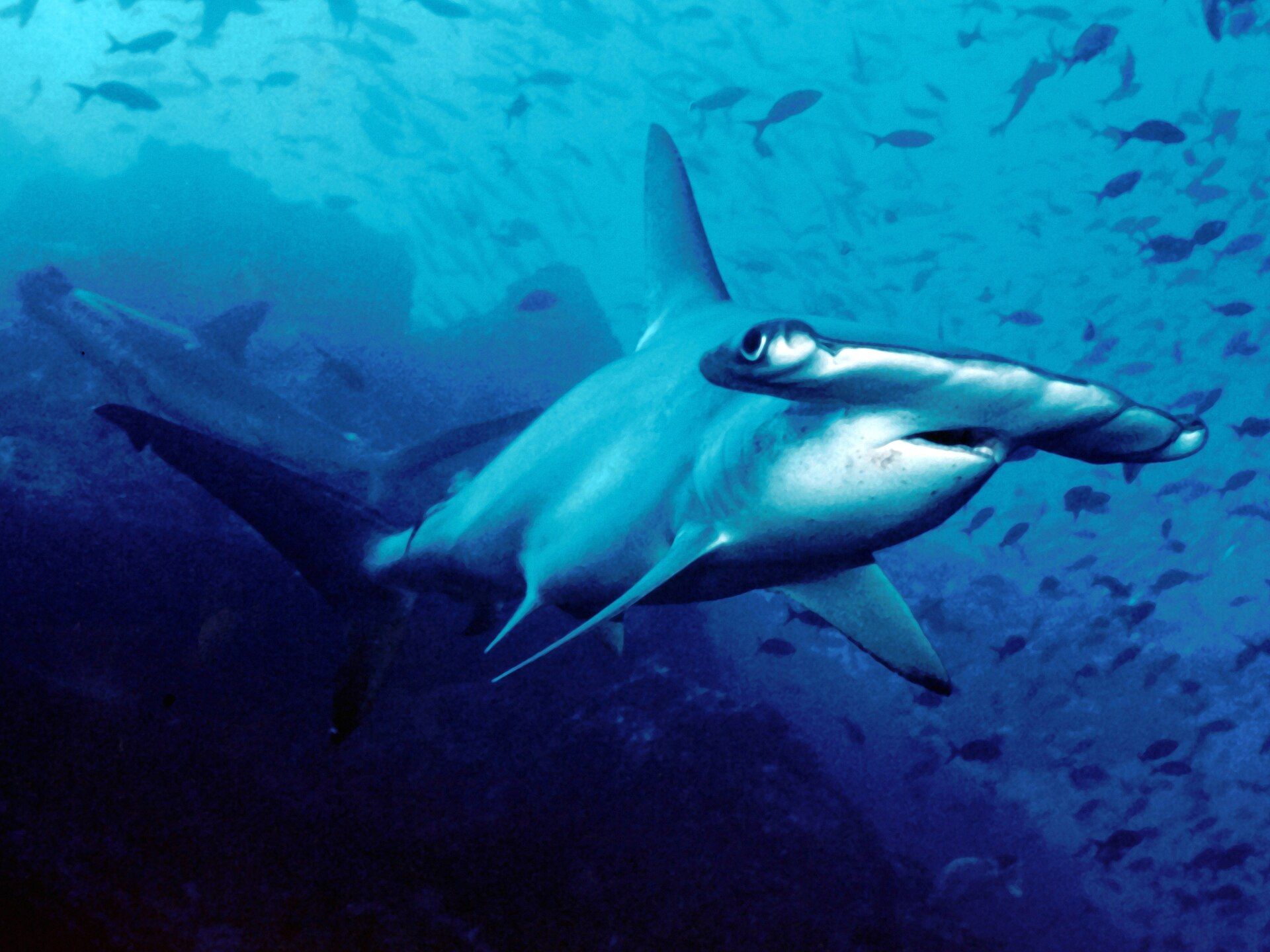
Cocos Island Hammerheads in hundreds
Pacific Ocean, 550 km off Costa Rica
An uninhabited rainforest island 550 kilometres off Costa Rica's coast, where schooling hammerhead sharks draw liveaboard divers; the rainier months bring the strongest currents and the biggest aggregations.
-
Ometepe Two volcanoes, one island
Lake Nicaragua, Rivas Department, southwestern Nicaragua
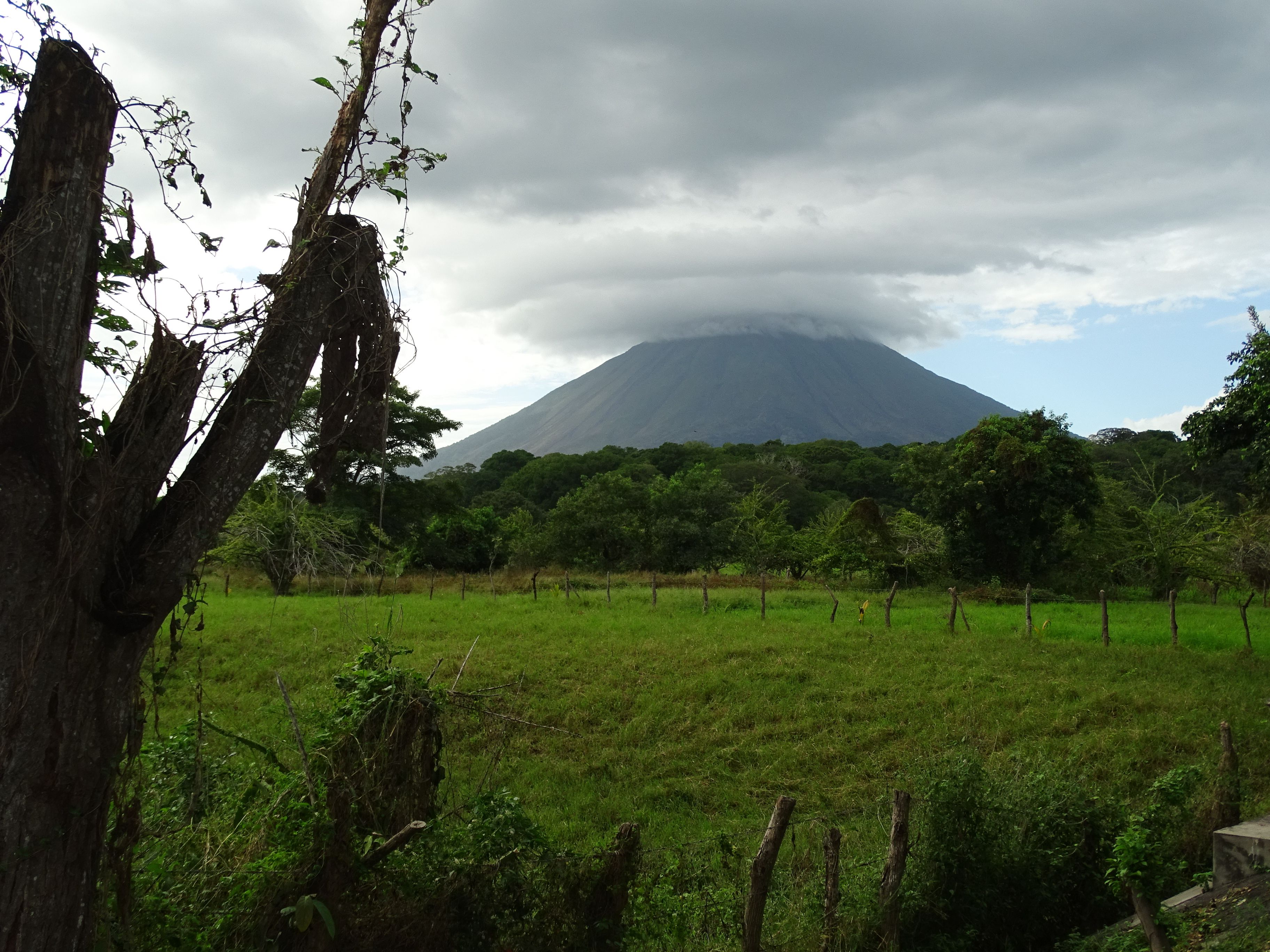
Two volcanoes in a freshwater lake, joined at the base into an hourglass island — Concepción active and symmetrical, Maderas carrying a crater lake and cloud forest. December to April is the climbing window.
-
Coiba Central America's largest island
Gulf of Chiriquí, Veraguas Province, Pacific Panama
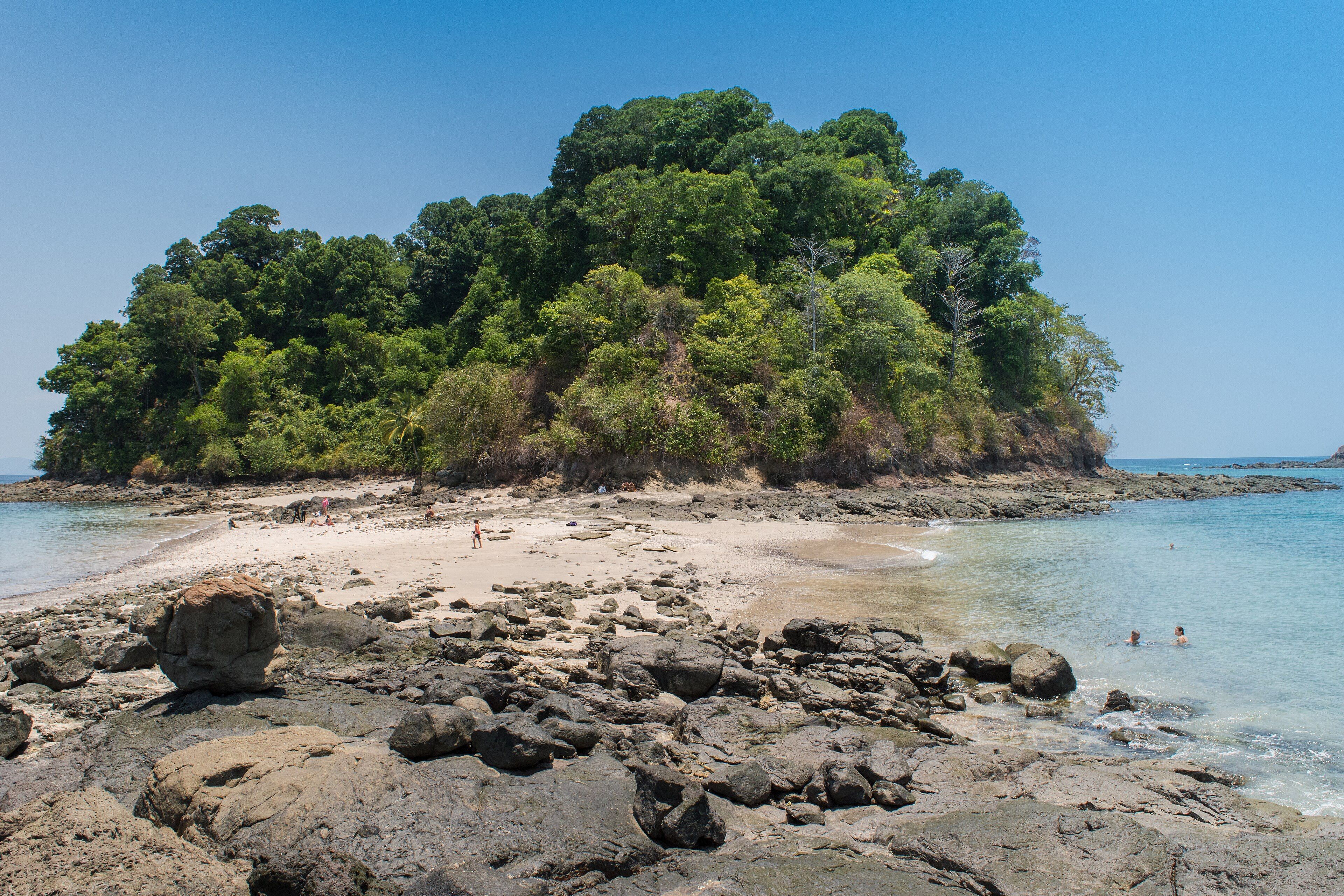
A Pacific island separated from Panama as sea levels rose after the last ice age, with species found nowhere else and almost untouched for decades as a penal colony; December to April brings the calmest crossings.
Most of Central America has one dry season, roughly November or December to April, and it is the default window for volcano climbs, jungle roads and calm seas. Two exceptions are worth knowing: Cocos Island's biggest hammerhead gatherings come in the rainier months, and Belize's Great Blue Hole is at its calmest from about March to June. Volcanic activity changes — check the national volcano monitoring service before climbing Acatenango, Pacaya or Concepción.
Added