Belize Barrier Reef
📍 Caribbean coast of Belize
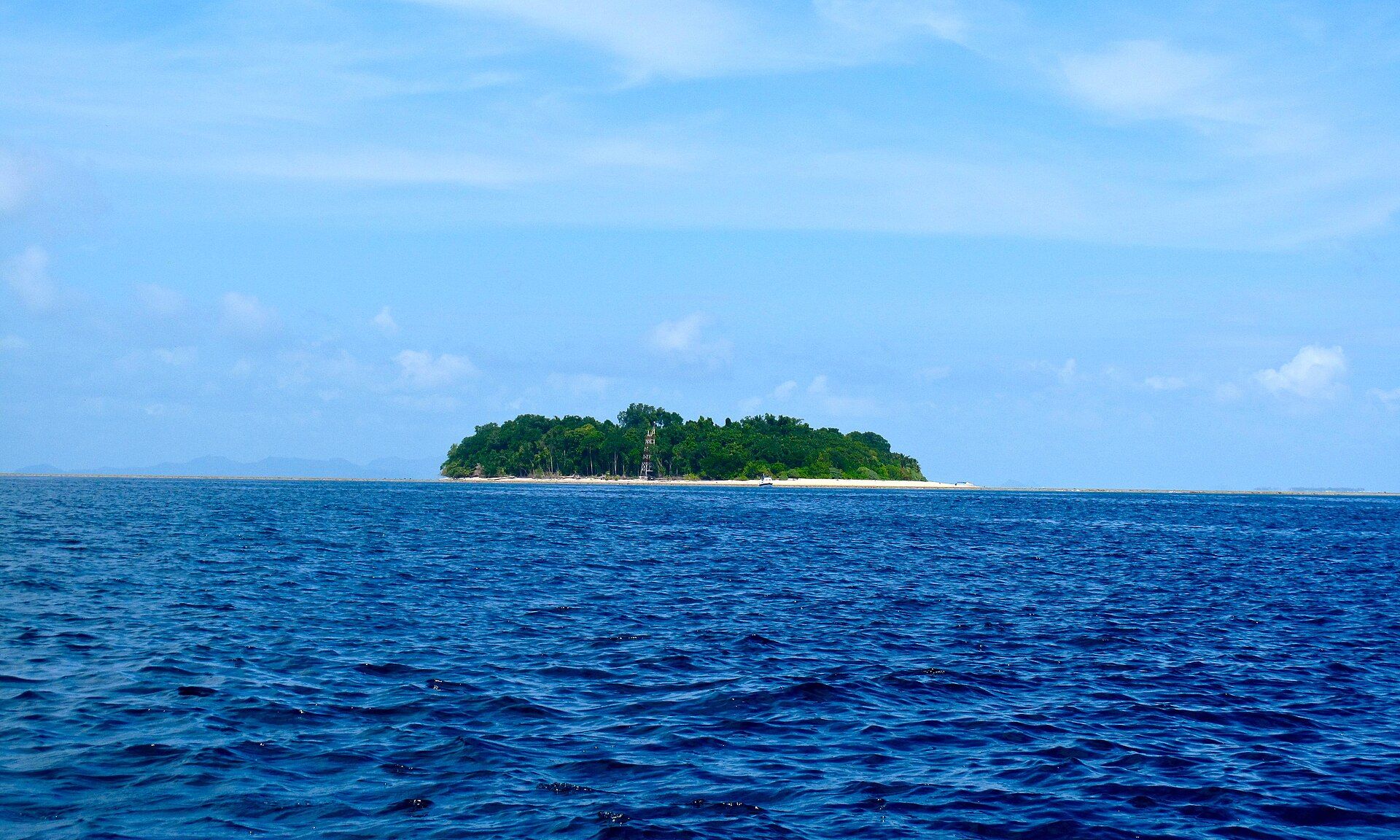
The largest barrier reef in the northern hemisphere — some 300 kilometres of coral running the length of Belize, with three of the Atlantic's four true atolls behind it and the Great Blue Hole at its centre.
What makes it marvelous
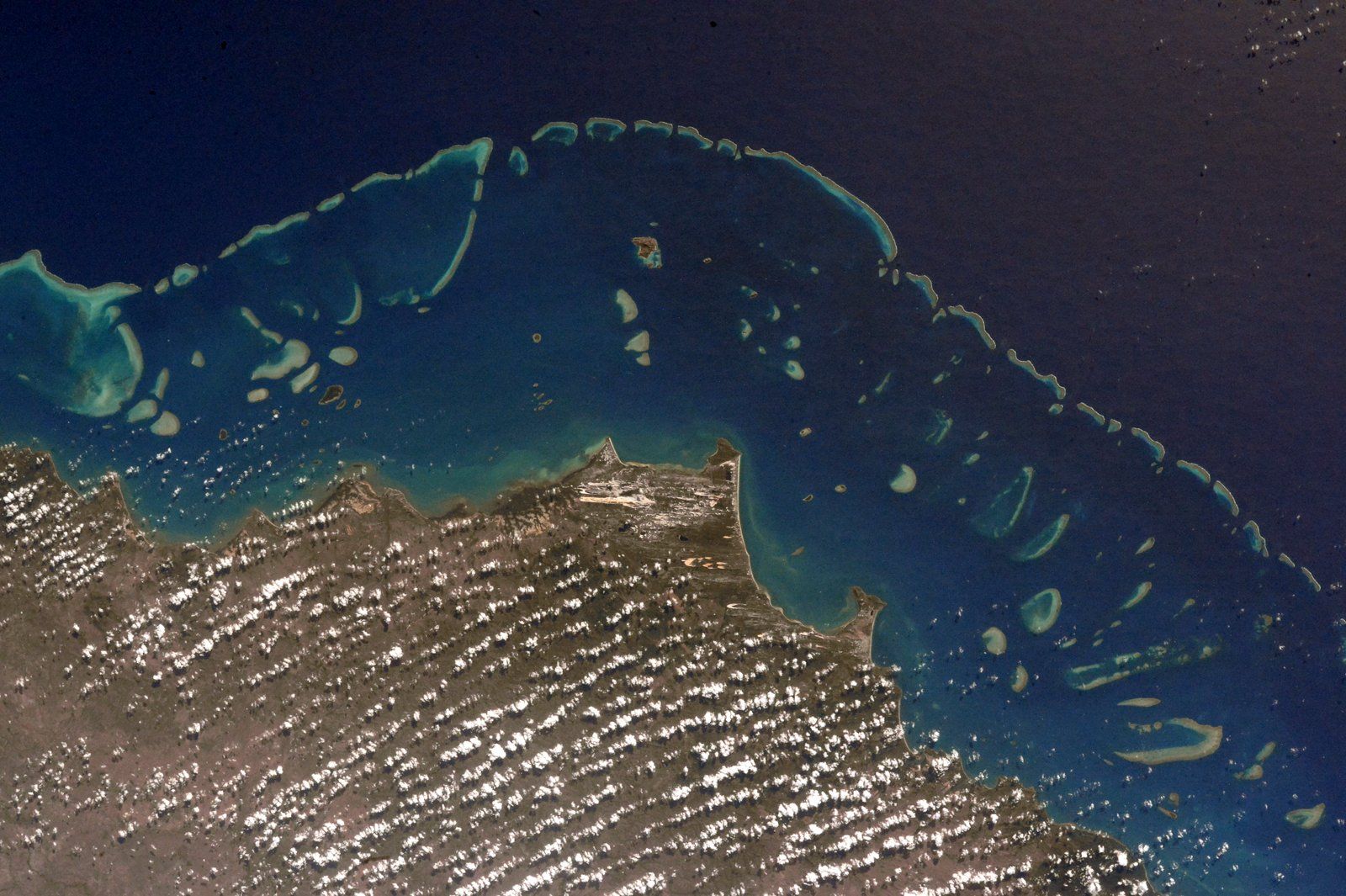
Belize's reef is the northern hemisphere's largest, second in the world only to Australia's, running roughly 300 kilometres along the country's entire Caribbean coast. What makes it exceptional is not just length but structure: outside the main barrier lie Turneffe Atoll, Lighthouse Reef and Glover's Reef — three of only four true atolls in the whole Atlantic, a formation far more typical of the Pacific. Between and behind them sit hundreds of patch reefs, mangrove cayes and seagrass beds, which together make the system unusually complete: the mangroves nurse juvenile fish, the seagrass feeds manatees and turtles, and the reef takes the ocean swell. UNESCO inscribed the Belize Barrier Reef Reserve System in 1996. At the heart of Lighthouse Reef is the Great Blue Hole, a near-perfect circular shaft roughly 305 metres across and 122 metres deep — a limestone cave system that flooded when sea levels rose after the last ice age.
Why visit
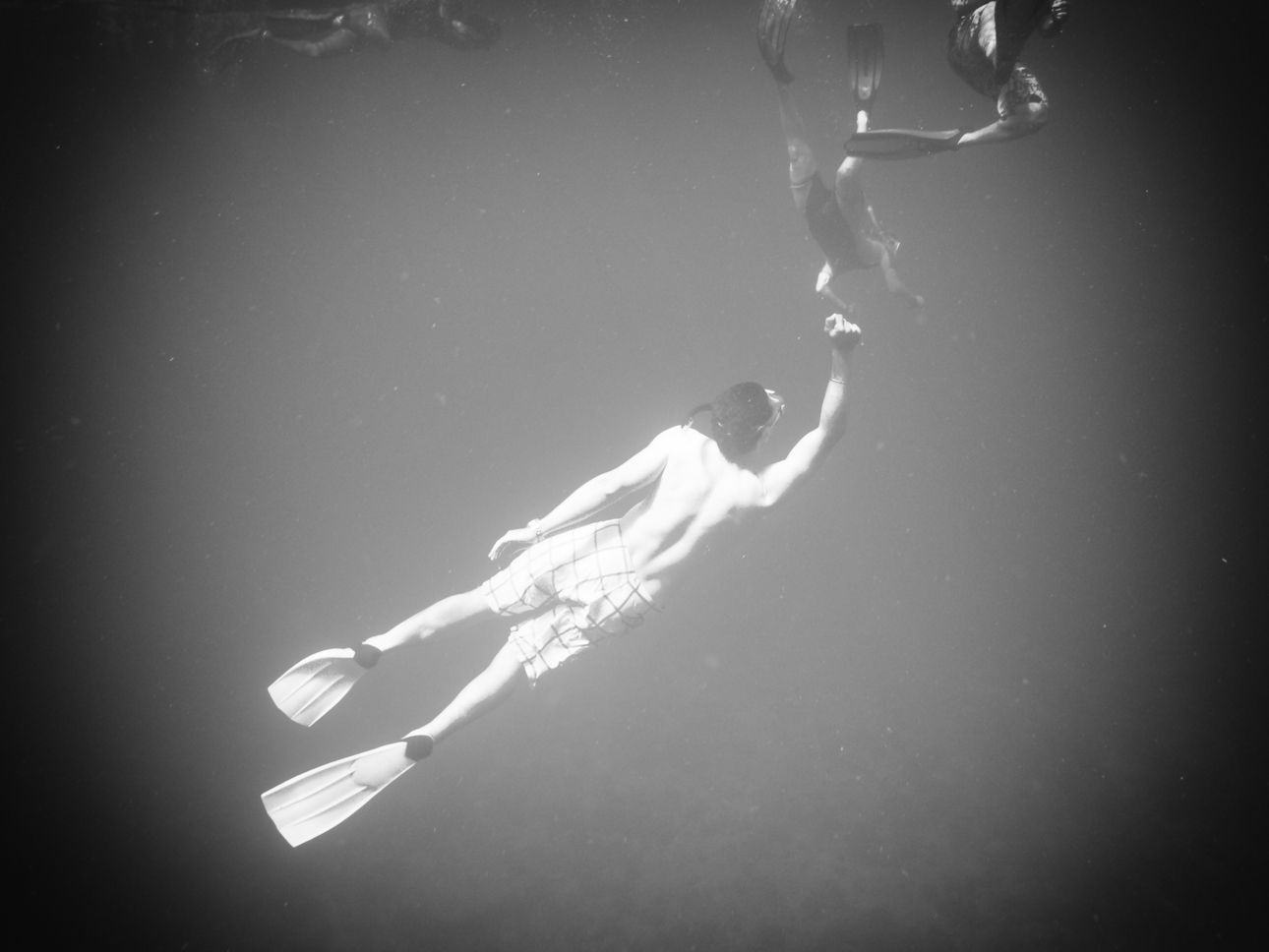
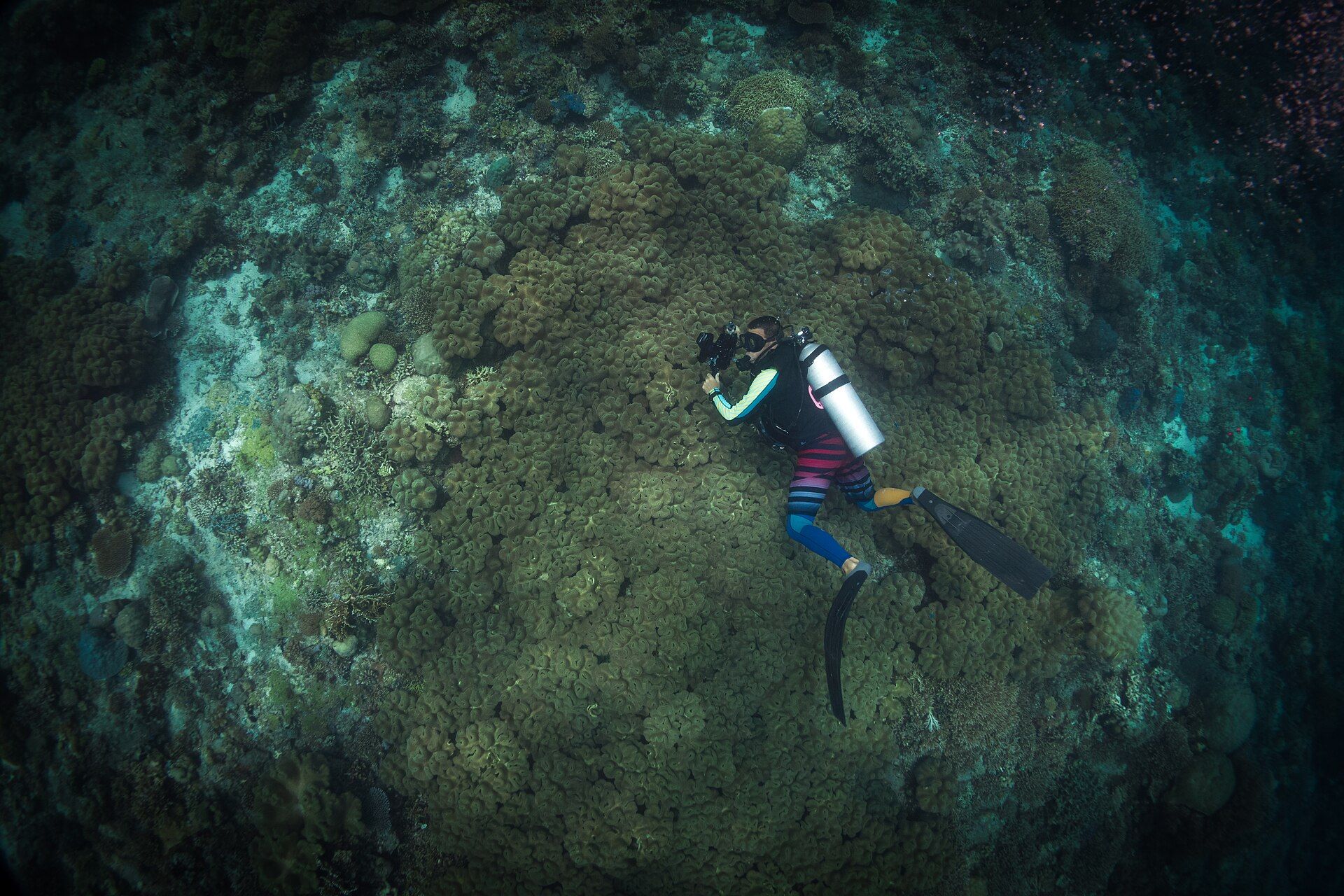
This is one of the most rewarding places on Earth to get in the water, and unusually forgiving: the barrier sits close to shore, the cayes are easy to reach, and much of the best snorkelling is in a few metres of clear water rather than requiring a dive qualification. Nurse sharks and rays gather at Hol Chan and Shark Ray Alley, and the atolls offer some of the Caribbean's finest wall diving.
What to know before you go
🗓️ Best time
The dry season, roughly late November to May, gives the calmest seas and best visibility. Whale sharks are most likely around Gladden Spit in the months around the spring full moons. June to November is the Atlantic hurricane season, when weather can close boats for days.
🧭 Getting there & access
Fly into Belize City, then take a short domestic flight or the passenger ferry to Ambergris Caye or Caye Caulker, which are the usual bases. Boats to Hol Chan, the atolls and the Great Blue Hole run from both. Reserve entry fees apply at the marine protected areas.
Good to know
- Caye Caulker is cheaper and slower; Ambergris Caye has more operators and more choice of boats.
- The Great Blue Hole is a deep technical dive with limited bottom time — most visitors get more from the atoll walls or a scenic flight over it.
- Use reef-safe sunscreen; chemical sunscreens are actively harmful to coral.
- Choose operators that brief on not touching or standing on coral, and keep their distance from wildlife.
Plan your visit
Easy🧭 Getting there
From Belize City (BZE), Belize
- Fly into Belize City
- Take the ferry or a short domestic flight to Caye Caulker or Ambergris Caye
- Join boats to Hol Chan, Shark Ray Alley or the outer atolls
- Allow a full day each way for the Blue Hole and Lighthouse Reef
- Total travel
- A travel day from most of North America; longer from Europe
- Time at site
- 4–7 days, since weather cancels boats and the atolls need full days
- Access
- Marine reserve fees are collected per site, usually included by operators. The Great Blue Hole requires an advanced diving qualification. Snorkelling at Hol Chan needs only a guided boat. Hurricane-season weather can close the water entirely for days at a time.
🎒 What to bring & consider
- Reef-safe sunscreen, plus a rash guard — the equatorial sun on the water is punishing
- Motion-sickness tablets for the long crossings to the atolls
- Cash in Belize or US dollars for reserve fees and island transport
- Schedule slack, because boats do not run in bad weather
- Your own mask if you are particular, since rental fit is variable
👁️ What to expect
- Crowds
- Hol Chan and Shark Ray Alley get busy with midday boats. The outer atolls are far quieter, being several hours out.
- Conditions
- Hot and humid year-round. Calm clear water in the dry season; choppy and unpredictable in hurricane season.
- Facilities
- Full tourist infrastructure on Ambergris Caye and Caye Caulker — hotels, dive shops, restaurants. Almost nothing on the outer atolls beyond a few lodges.
- The view
- Aerial photographs of the Great Blue Hole from a scenic flight; underwater, the wall drop-offs at Lighthouse and Glover's in the morning light.
Times and requirements are approximate and change with season, weather, and local rules — confirm permits, fares, and schedules with operators before you travel.
Natural riches of the area
- Roughly 300 km of barrier reef, the largest in the northern hemisphere
- Three of the Atlantic's four true atolls — Turneffe, Lighthouse and Glover's
- The Great Blue Hole, a flooded limestone cave roughly 305 m across and 122 m deep
- Extensive mangrove forest and seagrass beds supporting manatees and turtles
- Hundreds of patch reefs, cayes and lagoons behind the barrier
Local food
- Rice and beans with stewed chicken
- Belize's everyday plate, cooked with coconut milk and recado.
- Conch fritters
- Seasonally harvested queen conch, chopped and fried — check the season is open.
- Fry jacks
- Puffed fried dough eaten at breakfast with beans, eggs or jam.
- Grilled snapper
- Reef-caught fish cooked simply over charcoal on the cayes.
Belize’s reef is the second-largest barrier reef on the planet and the largest anywhere in the northern hemisphere, running roughly 300 kilometres down the whole Caribbean flank of the country. But the length is not really the interesting part. What sets this system apart is that it comes with three atolls — Turneffe, Lighthouse and Glover’s — and there are only four true atolls in the entire Atlantic Ocean. Atolls are a Pacific formation almost everywhere else in the world.
The result is a complete marine machine rather than a single feature. Mangrove forest along the coast nurses juvenile fish; seagrass beds behind the barrier feed manatees and green turtles; the reef crest itself absorbs the ocean swell; and beyond it the atoll walls fall away into deep blue water. UNESCO inscribed the whole system in 1996. Set into Lighthouse Reef is the feature everybody recognises from the air — the Great Blue Hole, a startlingly circular shaft about 305 metres wide and 122 deep, which was a dry limestone cave until rising seas after the last ice age drowned it and its roof fell in.
Belize Barrier Reef: common questions
How do you get to Belize Barrier Reef?
From Belize City (BZE), Belize: Fly into Belize City; Take the ferry or a short domestic flight to Caye Caulker or Ambergris Caye; Join boats to Hol Chan, Shark Ray Alley or the outer atolls; Allow a full day each way for the Blue Hole and Lighthouse Reef. Total travel time: A travel day from most of North America; longer from Europe.
When is the best time to visit Belize Barrier Reef?
The dry season, roughly late November to May, gives the calmest seas and best visibility. Whale sharks are most likely around Gladden Spit in the months around the spring full moons. June to November is the Atlantic hurricane season, when weather can close boats for days.
How long should you spend at Belize Barrier Reef?
4–7 days, since weather cancels boats and the atolls need full days. Total travel time: A travel day from most of North America; longer from Europe.
What should you bring to Belize Barrier Reef?
Reef-safe sunscreen, plus a rash guard — the equatorial sun on the water is punishing Motion-sickness tablets for the long crossings to the atolls Cash in Belize or US dollars for reserve fees and island transport Schedule slack, because boats do not run in bad weather Your own mask if you are particular, since rental fit is variable
Do you need a permit or guide for Belize Barrier Reef?
Marine reserve fees are collected per site, usually included by operators. The Great Blue Hole requires an advanced diving qualification. Snorkelling at Hol Chan needs only a guided boat. Hurricane-season weather can close the water entirely for days at a time.
Is Belize Barrier Reef crowded, and what are conditions like?
Hol Chan and Shark Ray Alley get busy with midday boats. The outer atolls are far quieter, being several hours out. Hot and humid year-round. Calm clear water in the dry season; choppy and unpredictable in hurricane season. Facilities: Full tourist infrastructure on Ambergris Caye and Caye Caulker — hotels, dive shops, restaurants. Almost nothing on the outer atolls beyond a few lodges.
Added