Cocos Island
📍 Pacific Ocean, 550 km off Costa Rica
A rainforest island alone in the Pacific, ringed by waters where hammerhead sharks school in their hundreds — often called the finest big-animal dive site on Earth.
What makes it marvelous
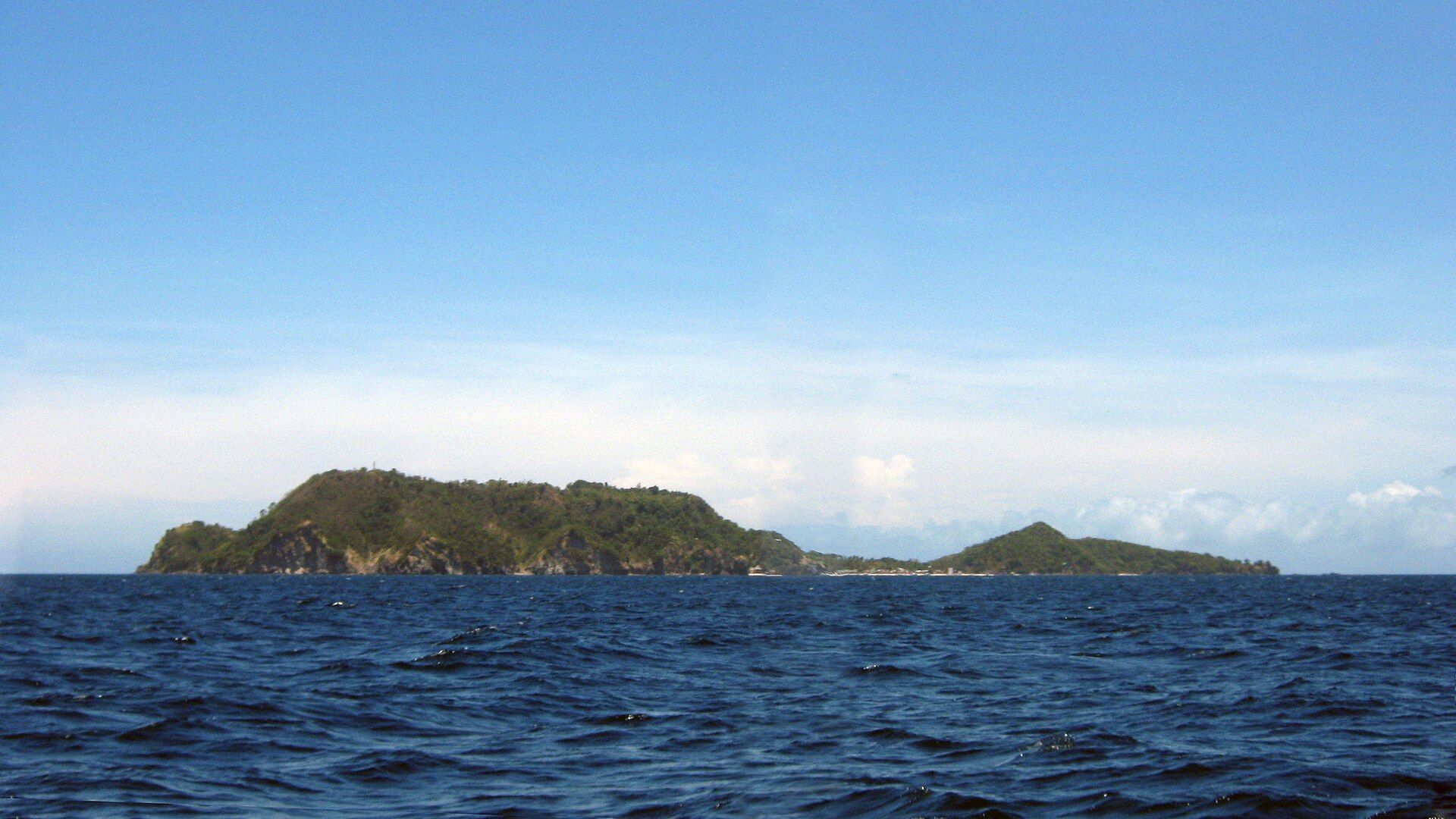
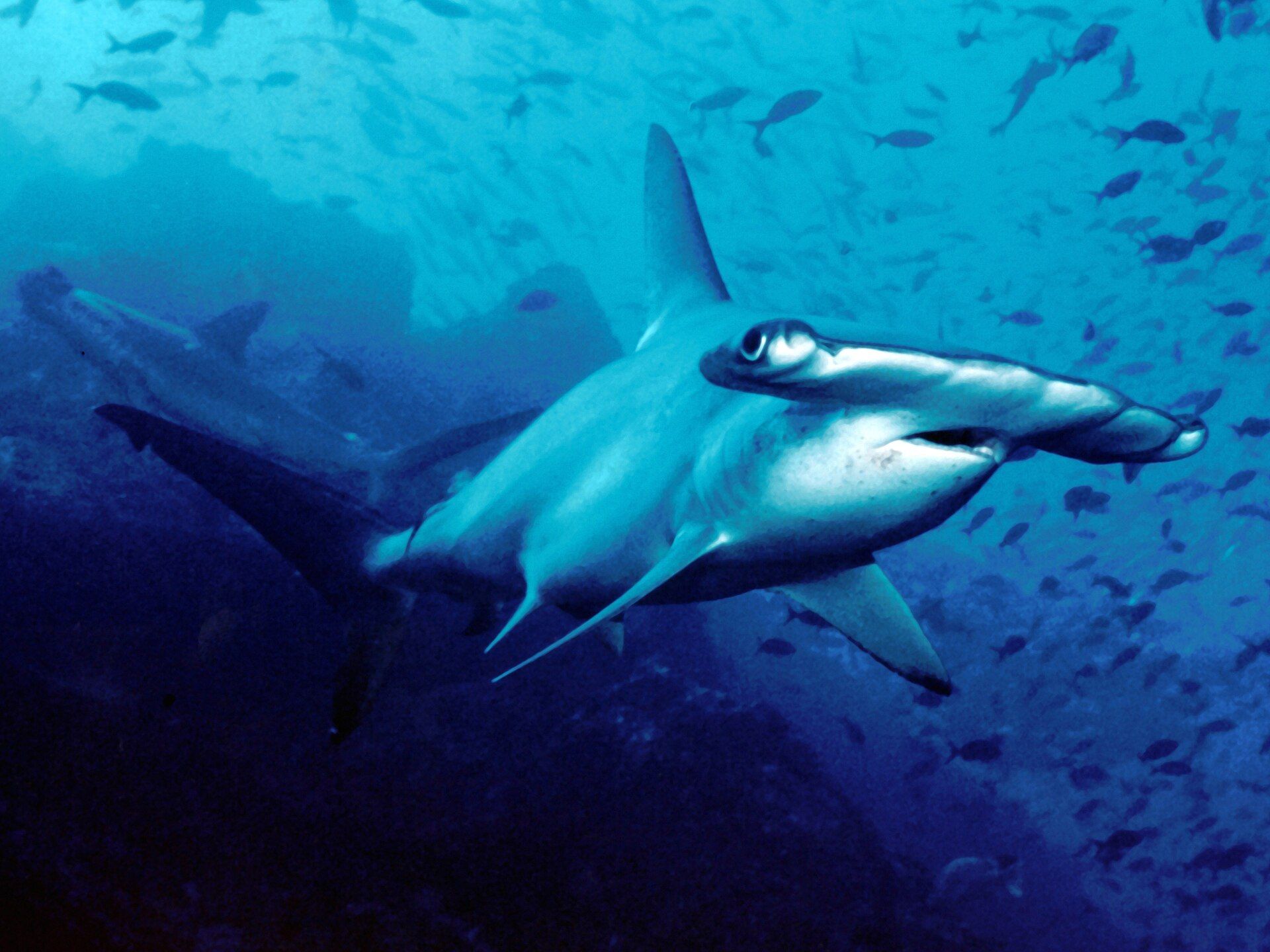
Cocos Island rises 550 kilometres off the Costa Rican coast, an uninhabited peak of rainforest streaming with waterfalls, entirely alone in the open Pacific. Its isolation is exactly what makes its waters so extraordinary. Sitting where powerful currents converge and upwellings bring cold, nutrient-rich water to the surface, the island acts as a magnet and cleaning station for large pelagic life. Divers come for schooling scalloped hammerhead sharks that can gather in the hundreds, wheeling overhead in slow, silent walls, alongside whitetip reef sharks, whale sharks, manta rays, dolphins, and marlin. Jacques Cousteau called it the most beautiful island in the world. Strictly protected and reachable only by a long liveaboard voyage, it is a UNESCO World Heritage Site and one of the great strongholds of Pacific marine life.
Why visit
For experienced divers, hanging on a current-swept pinnacle while hundreds of hammerheads pass overhead is widely considered the single greatest big-animal dive on the planet.
What to know before you go
🗓️ Best time
The rainier months (roughly June–November) bring the strongest currents and the biggest hammerhead aggregations; December–May offers calmer seas and better visibility.
🧭 Getting there & access
Reached only by liveaboard dive boat on a 30–36 hour crossing from Puntarenas, Costa Rica; landing is restricted to ranger-accompanied visits, and diving requires advanced certification and experience.
Good to know
- Only for experienced divers — currents here are strong and demanding.
- Trips are liveaboard-only; book well in advance for the hammerhead season.
- The island itself is strictly protected; landings are limited and supervised.
Plan your visit
Expedition🧭 Getting there
From Puntarenas, Costa Rica — live-aboard only
- Fly → San José (SJO)
- Road San José → Puntarenas — roughly 2h
- Sail Puntarenas → Isla del Coco — about 30–36h of open ocean each way
- Total travel
- A day and a half at sea after you reach the coast
- Time at site
- Trips are 8–10 days total, which buys you around 4–7 days of diving
- Access
- A Costa Rican national park with no accommodation, no airstrip and no independent access — the only lawful way to visit is aboard a licensed live-aboard. Landings are restricted to ranger-accompanied visits at Wafer and Chatham bays. Park fees and diving rules are set by SINAC and change; your operator handles them, but confirm what is included. Fishing is prohibited throughout the marine protected area.
🎒 What to bring & consider
- Advanced certification and genuine current experience — the dives are deep, blue-water and swept, and the sites that make Cocos famous are exposed pinnacles
- A reef hook and gloves for hooking into rock while hammerhead schools pass overhead, which is how these dives are actually done
- A surface marker buoy and, ideally, a personal locator beacon: drifting off a pinnacle into open Pacific is the real risk here
- Seasickness medication started before you sail, because the crossing is long and frequently rough
- A 5mm wetsuit or better — thermoclines here are sharp and colder than tropical water suggests
👁️ What to expect
- Crowds
- A handful of boats at most. Underwater you will often be the only group on the site.
- Conditions
- Strong, unpredictable currents, limited visibility on plankton-rich days, and a long swell. Rain is constant — the island is one of the wettest places in the Pacific.
- Facilities
- The boat. Ranger stations ashore are working posts, not visitor facilities.
- The view
- Schooling scalloped hammerheads at Bajo Alcyone or Dirty Rock, seen from below against the surface. It requires the current to be running, which is exactly when the diving is hardest, and it does not happen every day.
Times and requirements are approximate and change with season, weather, and local rules — confirm permits, fares, and schedules with operators before you travel.
Natural riches of the area
- Converging Pacific currents and nutrient-rich upwellings
- Schooling scalloped hammerhead sharks in the hundreds
- Whale sharks, mantas, dolphins, and large pelagic fish
- An uninhabited rainforest island with endemic species
Local food
- Costa Rican casado
- Rice, beans, plantain, and protein — the everyday Costa Rican plate.
- Ceviche
- Fresh Pacific fish cured in lime, a coastal staple.
- Tropical fruit & coffee
- Costa Rica's celebrated highland coffee and abundant fruit.
Cocos Island stands utterly alone — an uninhabited peak of rainforest streaming with waterfalls, 550 kilometres out in the open Pacific from Costa Rica. That isolation is precisely what makes the water around it so remarkable. The island sits where powerful currents converge and upwellings drag cold, nutrient-rich water to the surface, and it acts as both a magnet and a cleaning station for the ocean’s big animals.
Divers come for the hammerheads. Scalloped hammerhead sharks gather here in schools that can number in the hundreds, wheeling overhead in slow, silent walls — a sight widely called the greatest big-animal dive on Earth. Whitetip reef sharks, whale sharks, mantas, dolphins, and marlin work the same waters. Jacques Cousteau called Cocos the most beautiful island in the world. Reachable only by a day-and-a-half liveaboard crossing and strictly protected, this UNESCO World Heritage Site remains one of the great strongholds of Pacific marine life.
Cocos Island: common questions
How do you get to Cocos Island?
From Puntarenas, Costa Rica — live-aboard only: Fly → San José (SJO); Road San José → Puntarenas — roughly 2h; Sail Puntarenas → Isla del Coco — about 30–36h of open ocean each way. Total travel time: A day and a half at sea after you reach the coast.
When is the best time to visit Cocos Island?
The rainier months (roughly June–November) bring the strongest currents and the biggest hammerhead aggregations; December–May offers calmer seas and better visibility.
How long should you spend at Cocos Island?
Trips are 8–10 days total, which buys you around 4–7 days of diving. Total travel time: A day and a half at sea after you reach the coast.
What should you bring to Cocos Island?
Advanced certification and genuine current experience — the dives are deep, blue-water and swept, and the sites that make Cocos famous are exposed pinnacles A reef hook and gloves for hooking into rock while hammerhead schools pass overhead, which is how these dives are actually done A surface marker buoy and, ideally, a personal locator beacon: drifting off a pinnacle into open Pacific is the real risk here Seasickness medication started before you sail, because the crossing is long and frequently rough A 5mm wetsuit or better — thermoclines here are sharp and colder than tropical water suggests
Do you need a permit or guide for Cocos Island?
A Costa Rican national park with no accommodation, no airstrip and no independent access — the only lawful way to visit is aboard a licensed live-aboard. Landings are restricted to ranger-accompanied visits at Wafer and Chatham bays. Park fees and diving rules are set by SINAC and change; your operator handles them, but confirm what is included. Fishing is prohibited throughout the marine protected area.
Is Cocos Island crowded, and what are conditions like?
A handful of boats at most. Underwater you will often be the only group on the site. Strong, unpredictable currents, limited visibility on plankton-rich days, and a long swell. Rain is constant — the island is one of the wettest places in the Pacific. Facilities: The boat. Ranger stations ashore are working posts, not visitor facilities.
Added