Mountains · Asia
What Are the Most Beautiful Mountains in Asia? 13 Peaks and Ranges, From Everest to Mount Fuji
13 places · every one real, mapped, and worth the trip
Short answer: Mount Everest (8,849 m) is the highest point on Earth, and the Annapurna Sanctuary puts you in a glacial basin at about 4,000 metres ringed by 8,000-metre peaks — the two great Himalayan treks. Mount Fuji (3,776 m) is Asia's most famous single cone, Huangshan's granite spires above seas of cloud are China's classic mountain scene, and Mount Kinabalu (~4,095 m) is the highest peak in the Malay Archipelago. Beyond them: Taiwan's Yushan, Korea's Seoraksan, the Fann Mountains and Ala Archa in Central Asia, Siberia's Altai, Iran's volcanic Damavand, Oman's Jebel Shams and Luzon's Mount Pulag.
Asia's mountain seasons split by climate: the Himalaya are clearest before and after the monsoon (roughly March–May and October–November), Central Asia and Siberia have a short summer window (roughly June–September), East Asia peaks in autumn colour, and Oman and Luzon are best in their cool dry months (October–April and December–February). The list is unranked.
-
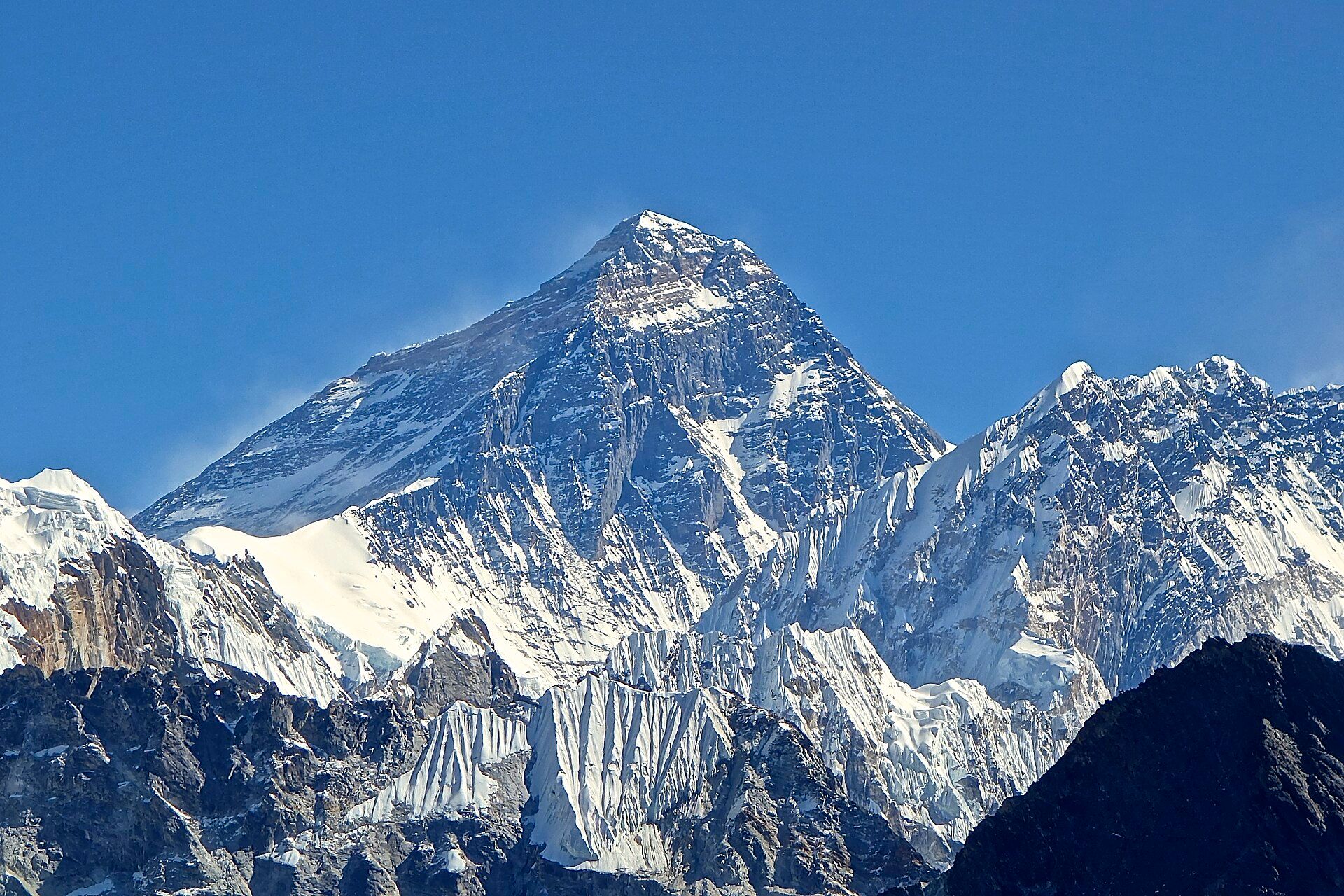
Mount Everest The highest point on Earth
Mahalangur Himal, Nepal / Tibet (China) border
8,849 metres of Himalayan rock topped by marine limestone that was once a seabed. Most visitors fly from Kathmandu to Lukla and walk up the Khumbu valley to Base Camp over about two weeks; the summit is an expedition with permits and months of acclimatisation. Roughly March–May and late September–November.
-
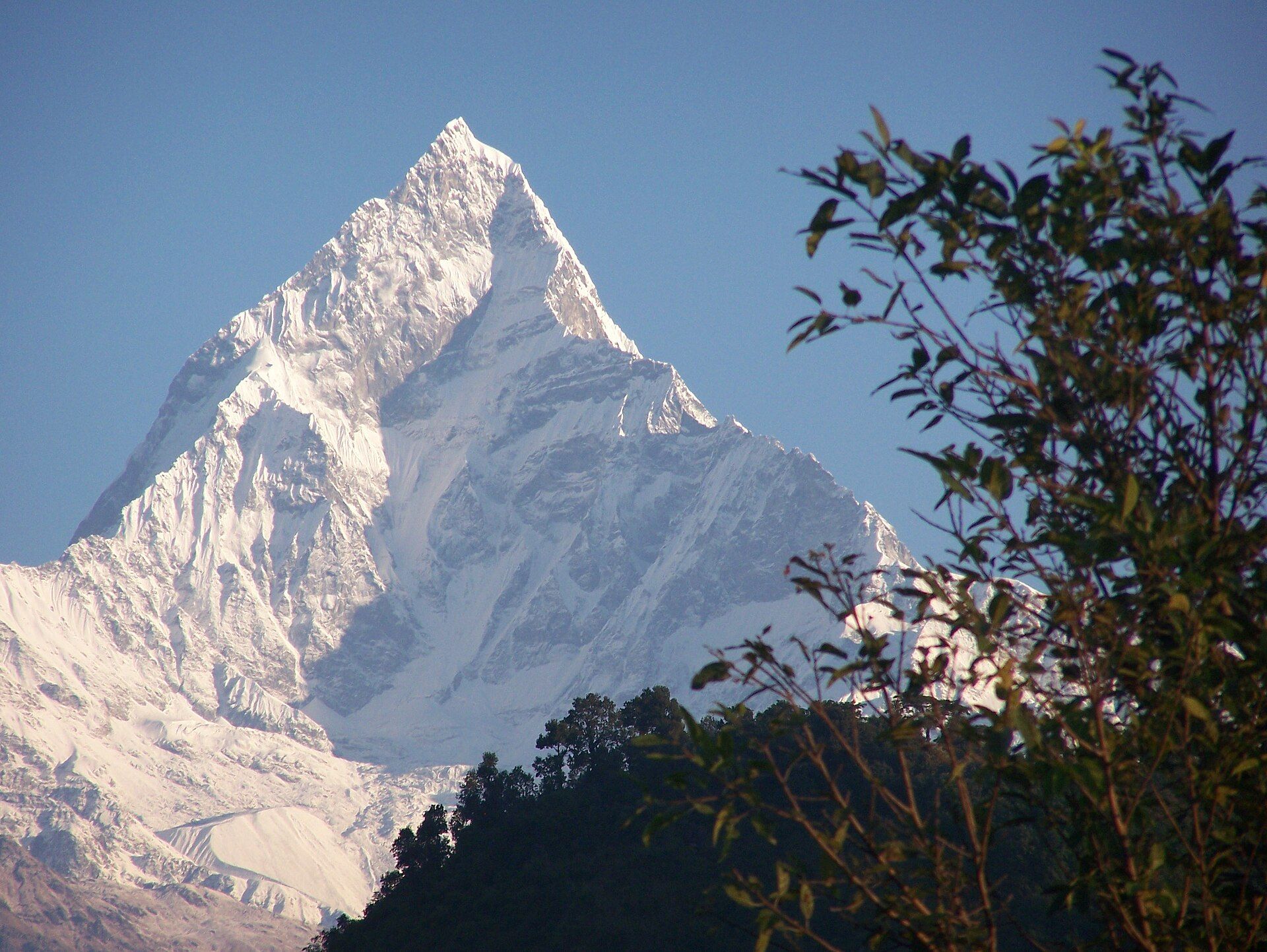
Annapurna Sanctuary A ring of 8,000-metre peaks
Gandaki, north-central Nepal
A glacial amphitheatre at about 4,000 metres encircled by Annapurna I (8,091 m) and the fluted pyramid of Machapuchare, the 'Fishtail', closed to climbers. A multi-day teahouse trek from a trailhead near Pokhara, with guides and permits required. March–May for rhododendrons, October–November for the clearest weather.
-
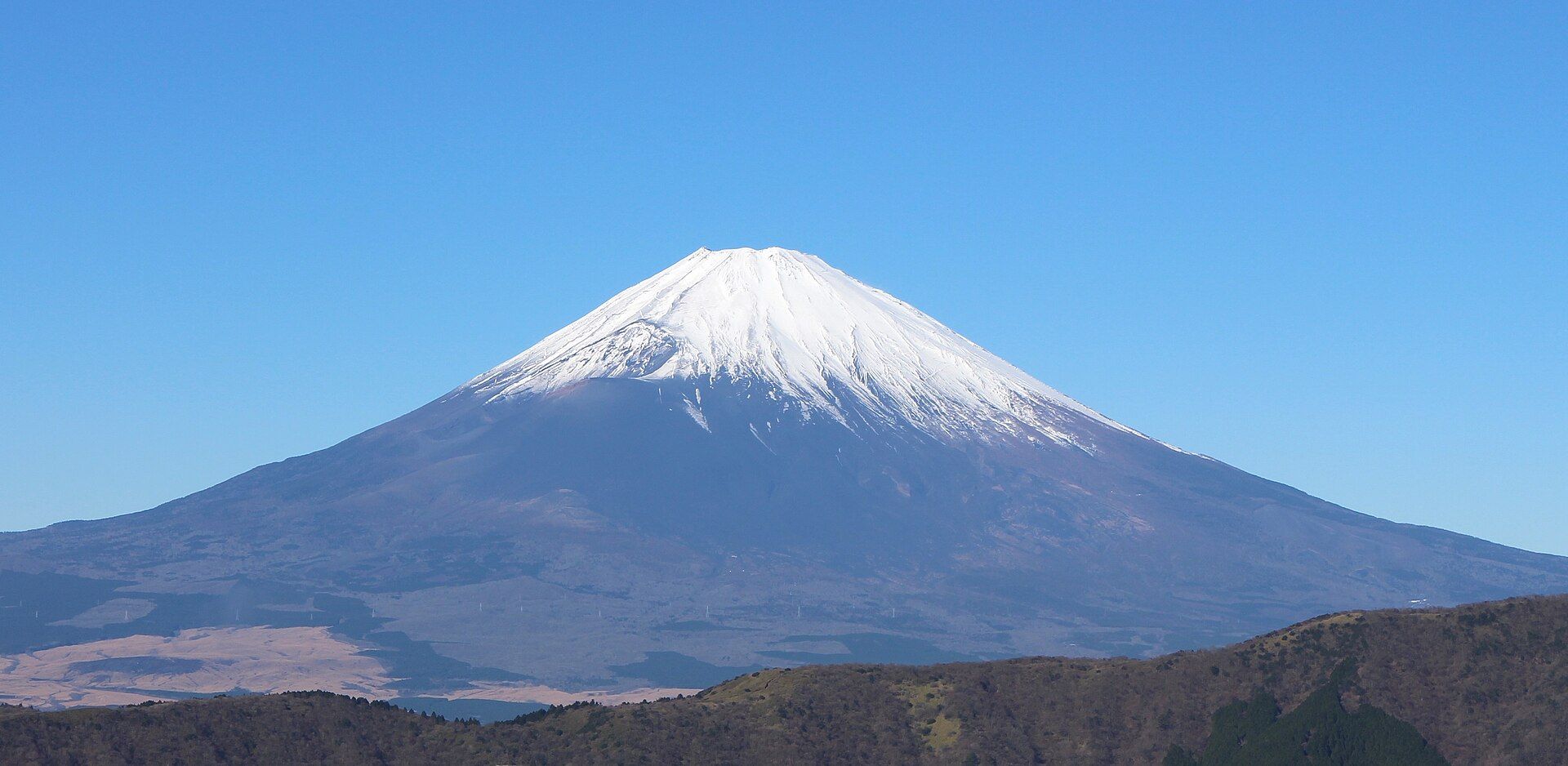
Mount Fuji Asia's most famous cone
Honshū, Japan
Japan's highest peak at 3,776 metres, a near-symmetrical volcano that last erupted in 1707, about two hours from Tokyo. Climbers start from 5th Stations such as Yoshida or Fujinomiya in the official season (roughly early July to early September); the Fuji Five Lakes and Hakone give the classic reflected views, clearest in autumn and winter.
-
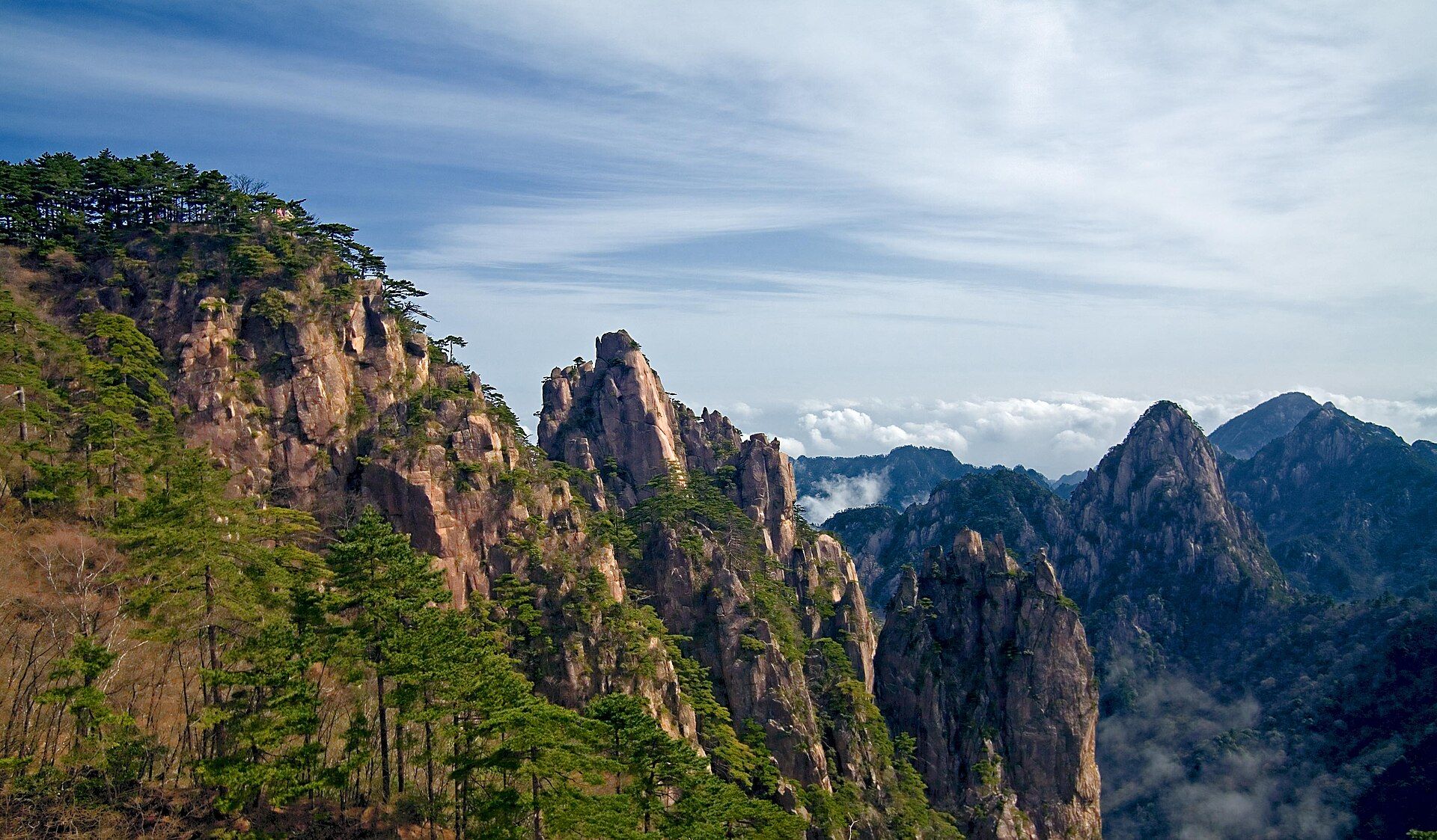
Huangshan Granite spires above the clouds
Anhui Province, China
Sharp granite peaks to about 1,860 metres, wind-bent pines and seas of cloud at dawn in southern Anhui. Cable cars lift you from Tangkou to stone paths linking the viewpoints, and summit hotels let you stay for sunrise. April–May and September–November; summer is hazy and crowded.
-
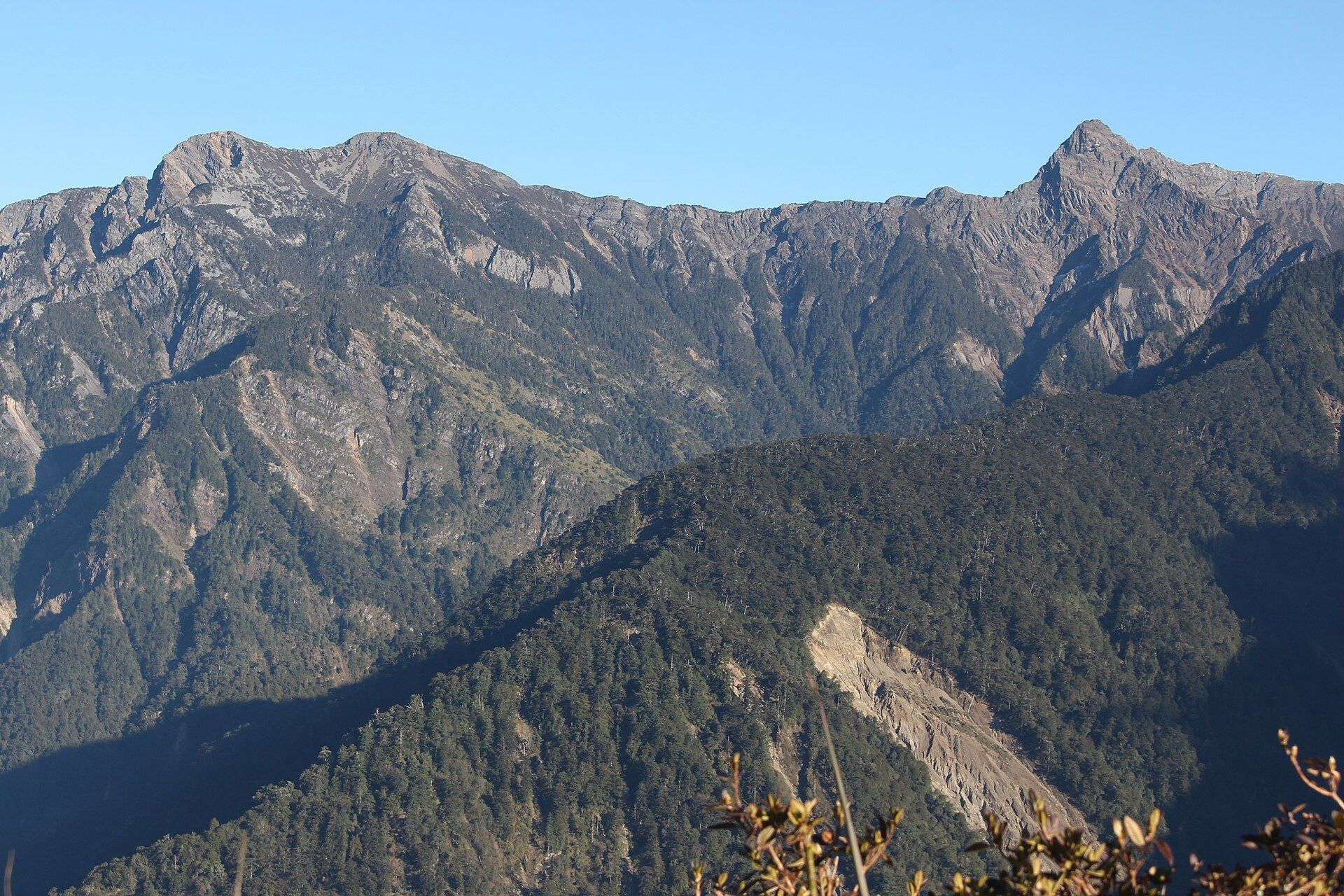
Yushan (Jade Mountain) Taiwan's highest
Yushan National Park, on the borders of Nantou, Chiayi and Kaohsiung, central Taiwan
Jade Mountain, 3,952 metres, with 30 summits above 3,000 metres in its national park. The main route starts at the Tataka Trailhead; both a park entry permit and a restricted mountain area permit must be applied for in advance. October–December is the most reliable window, after the typhoons.
-
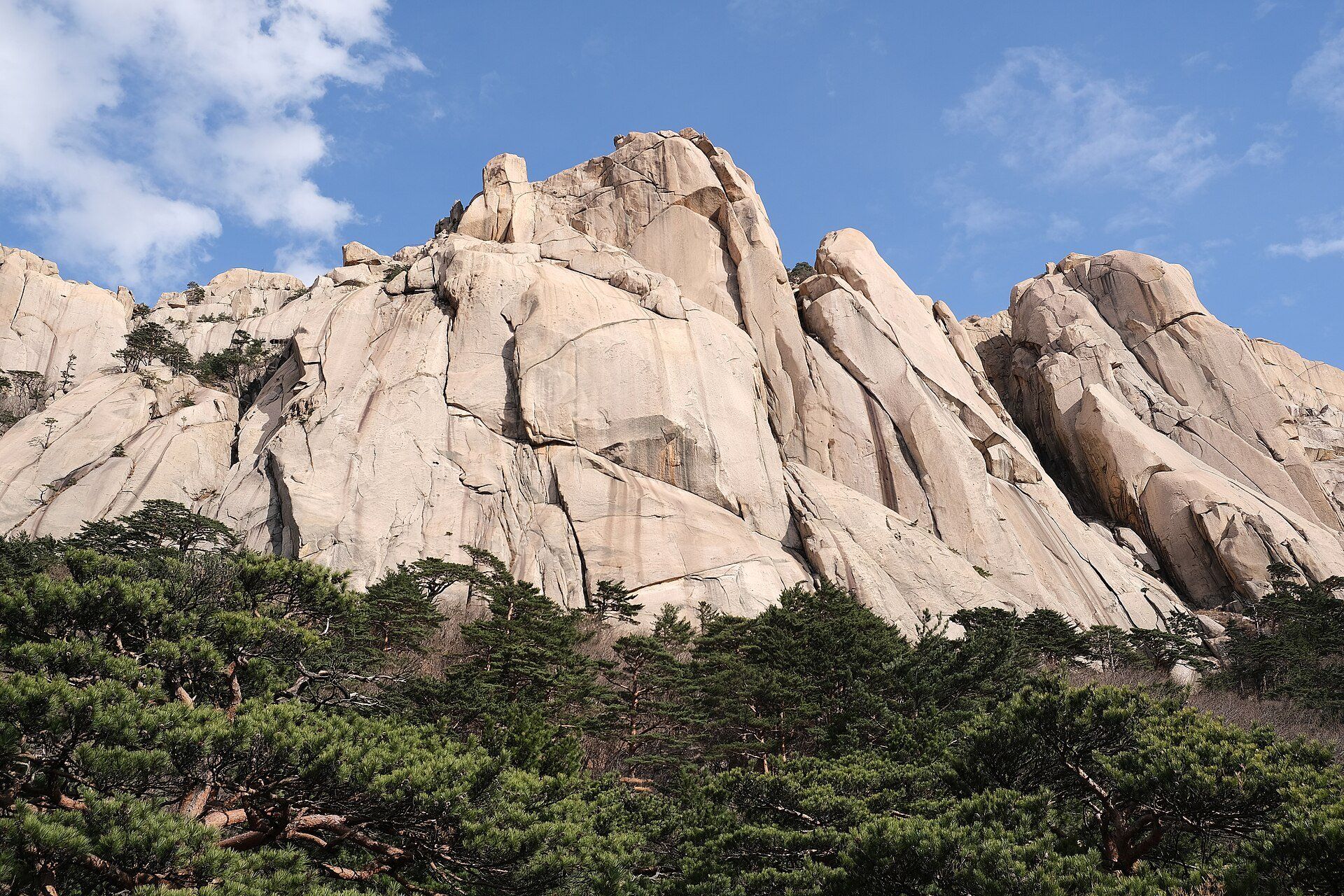
Seoraksan Korea's autumn mountain
Taebaek Mountains, Gangwon Province, South Korea, inland from Sokcho
Granite ridges to 1,708 metres above the east coast, reached by express bus from Seoul to Sokcho and city bus 7 to the park entrance. Leaves start turning in late September and usually peak around mid-October; late spring and early summer are greener and quieter.
-
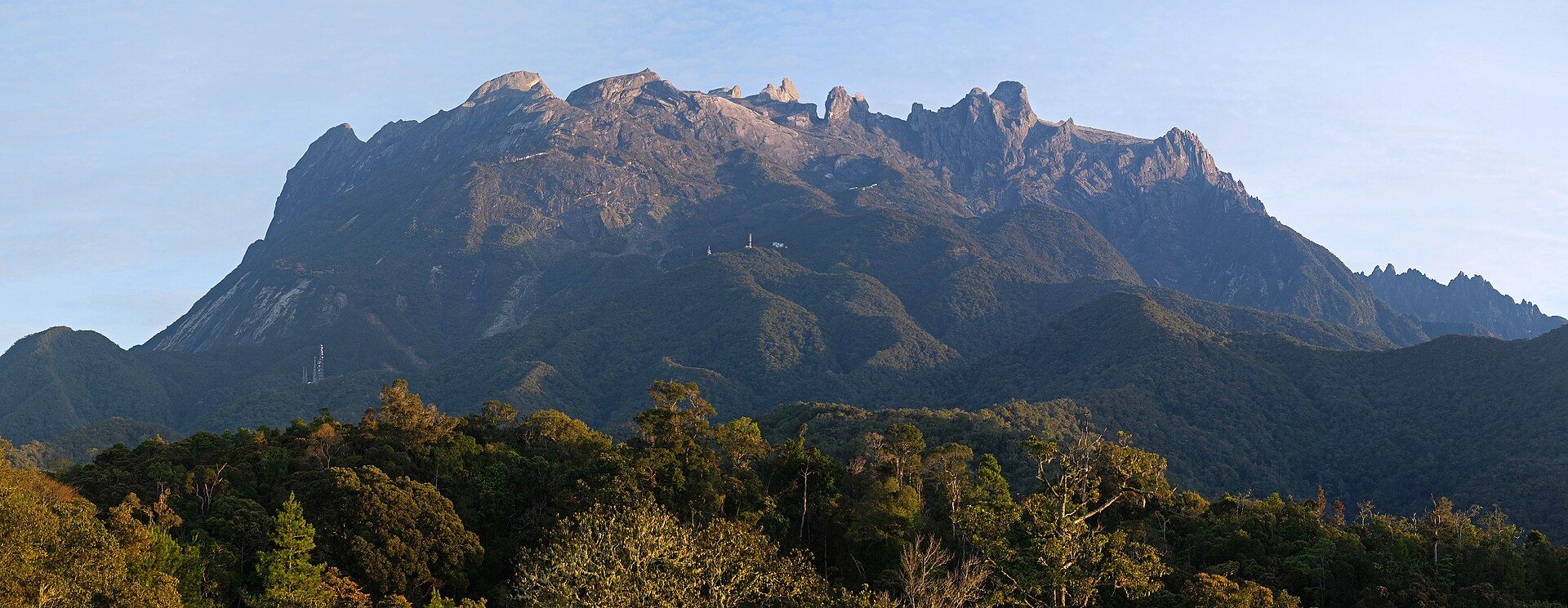
Mount Kinabalu The Malay Archipelago's highest
Sabah, Borneo, Malaysia
A granite massif of about 4,095 metres in Sabah, Borneo, about two hours from Kota Kinabalu. The summit climb is permit- and guide-controlled with an overnight in a mountain hut, and places are limited — book well ahead. Roughly March–September for the best chance of a clear summit.
-
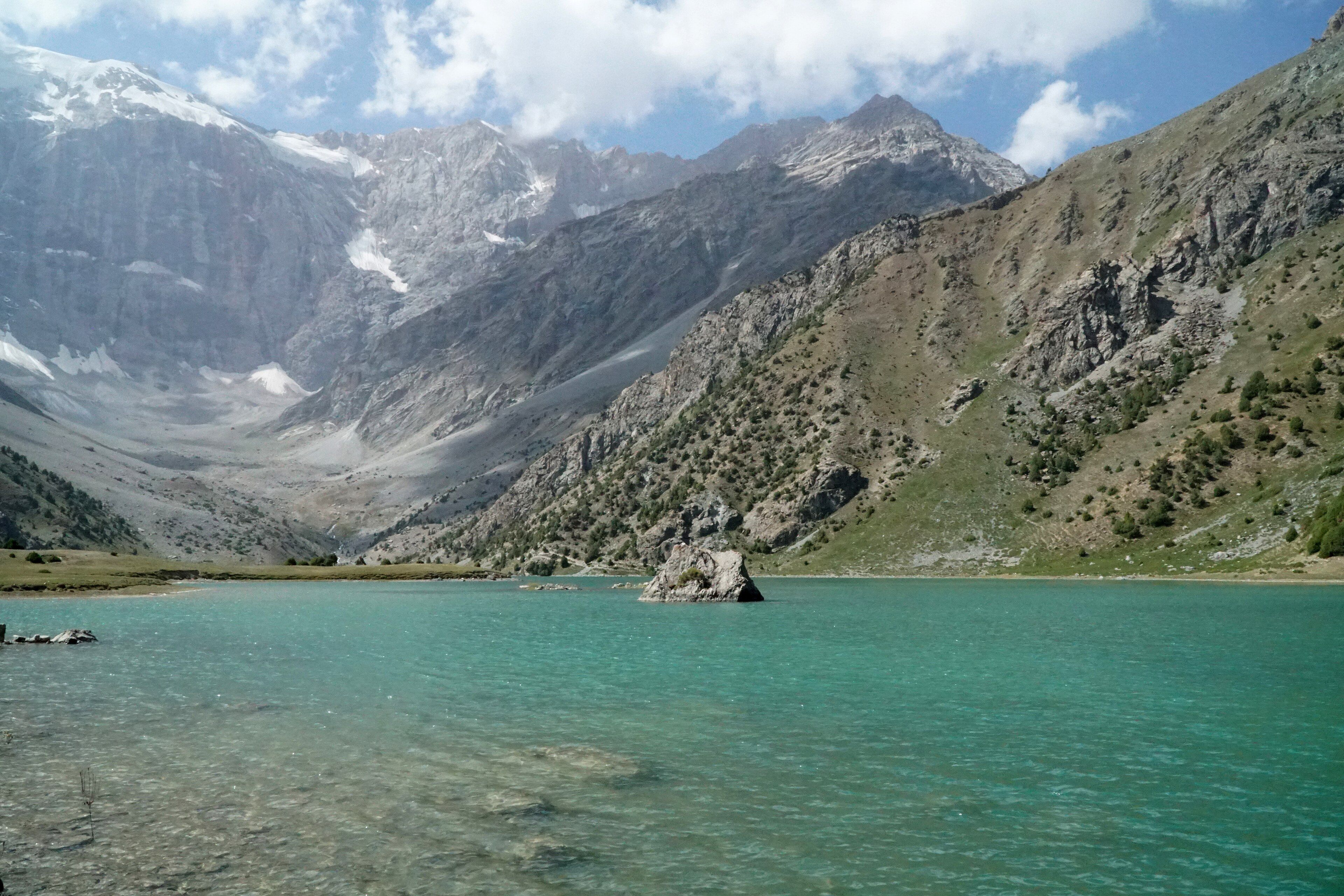
The Fann Mountains Turquoise lakes under 5,000-metre peaks
Sughd Province, western Tajikistan
Tajikistan's range of Chimtarga (5,489 m), the Seven Lakes and Iskanderkul, reached via Panjakent — often most easily from Samarkand over the Uzbek border. Late June to mid-September is the trekking season; outside it the passes are snowbound.
-
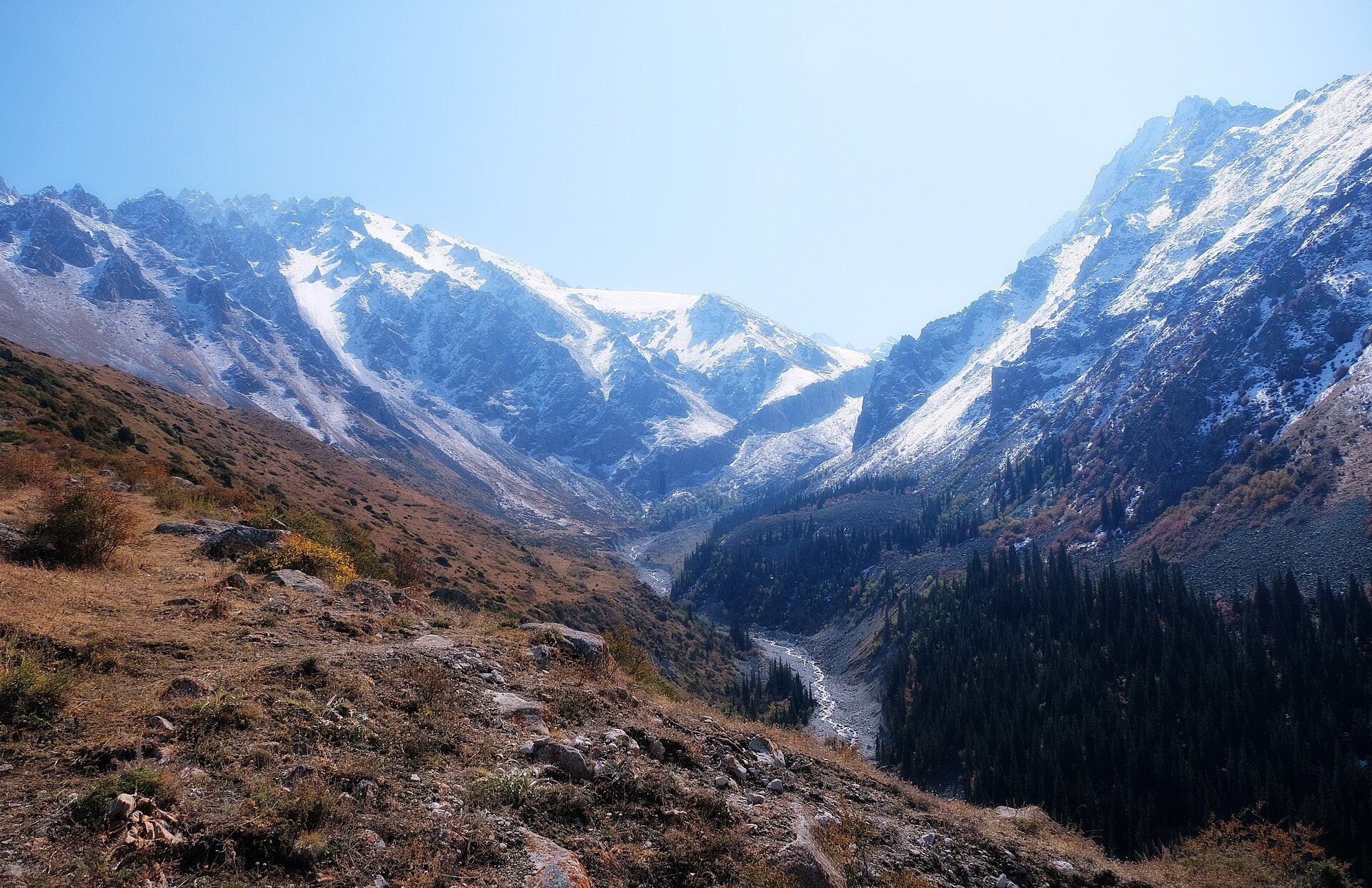
Ala Archa National Park Glaciers 35 km from a capital
Kyrgyz Ala-Too range, about 35 km south of Bishkek, Kyrgyzstan
A Kyrgyz national park climbing from 1,500 to 4,895 metres, about 35 km south of Bishkek by road; trails start where the road ends. Open all year, but late summer and early autumn are best, when the trails are clear of snow.
-
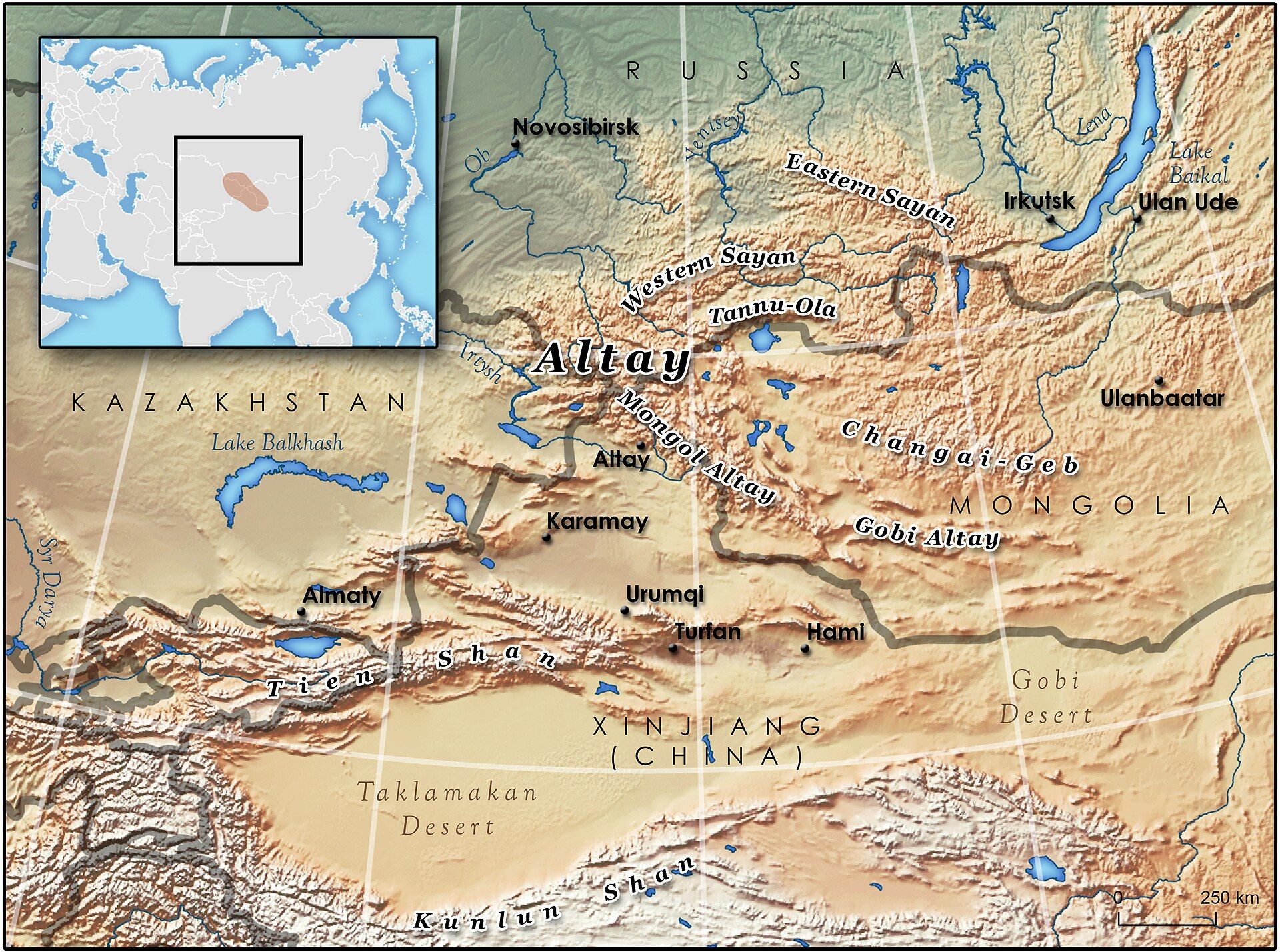
Golden Mountains of Altai Siberia's highest range
Altai Republic, southern Siberia
The Golden Mountains of Altai, crowned by Belukha (4,506 m), in Russia's Altai Republic via Gorno-Altaysk and the Chuysky Tract highway. Trekking to Belukha needs guides, permits and border-zone paperwork in places. Roughly June–September; winters are severe.
-
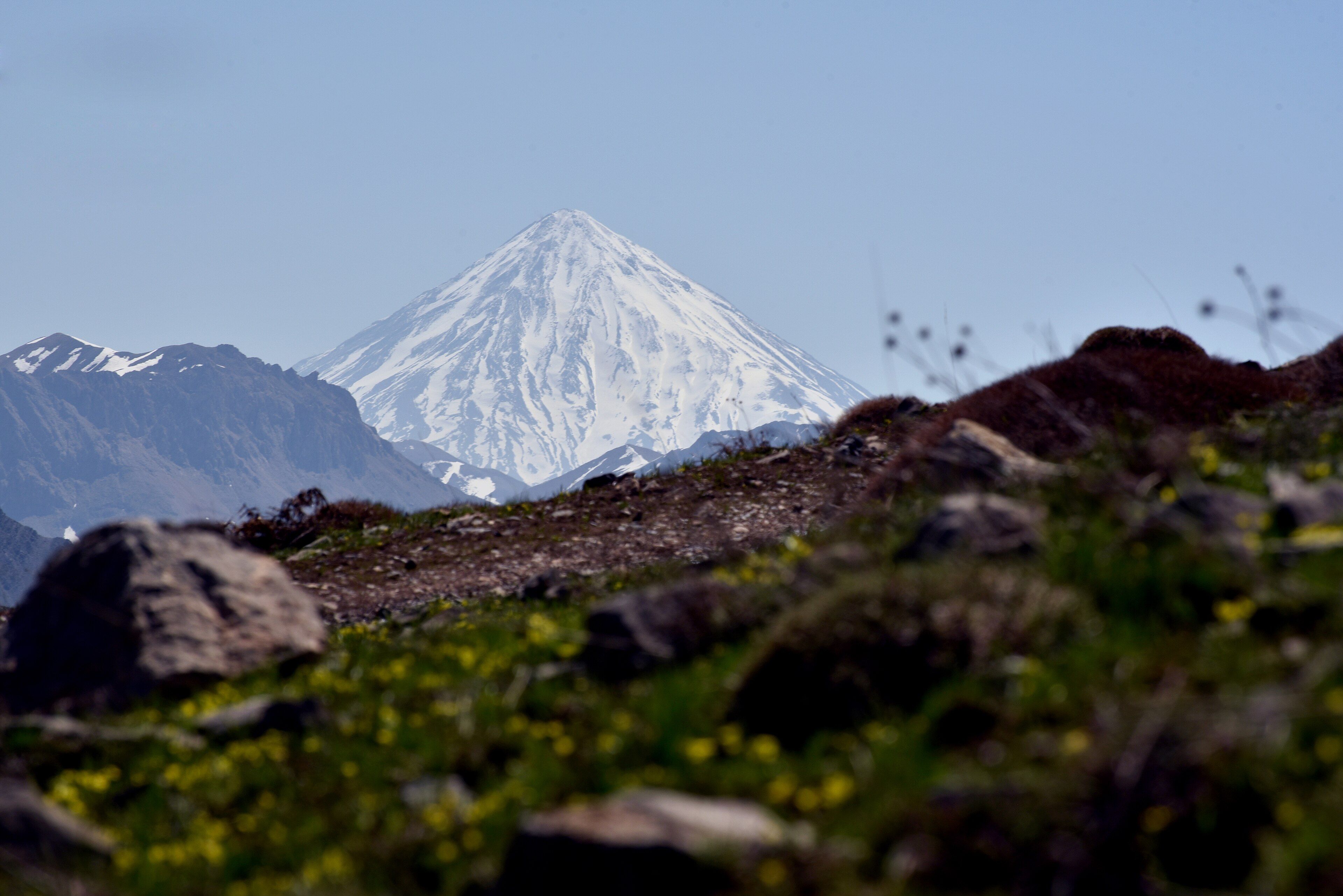
Mount Damavand The Middle East's highest
Alborz range, Mazandaran Province, northern Iran
Iran's snow-capped volcanic cone, about 5,600–5,670 metres (depending on the survey), two to three hours by road from Tehran. The standard south route starts at Polour, with a hut at around 4,200 metres. Mid-June to early September; outside it, a winter mountaineering objective.
-
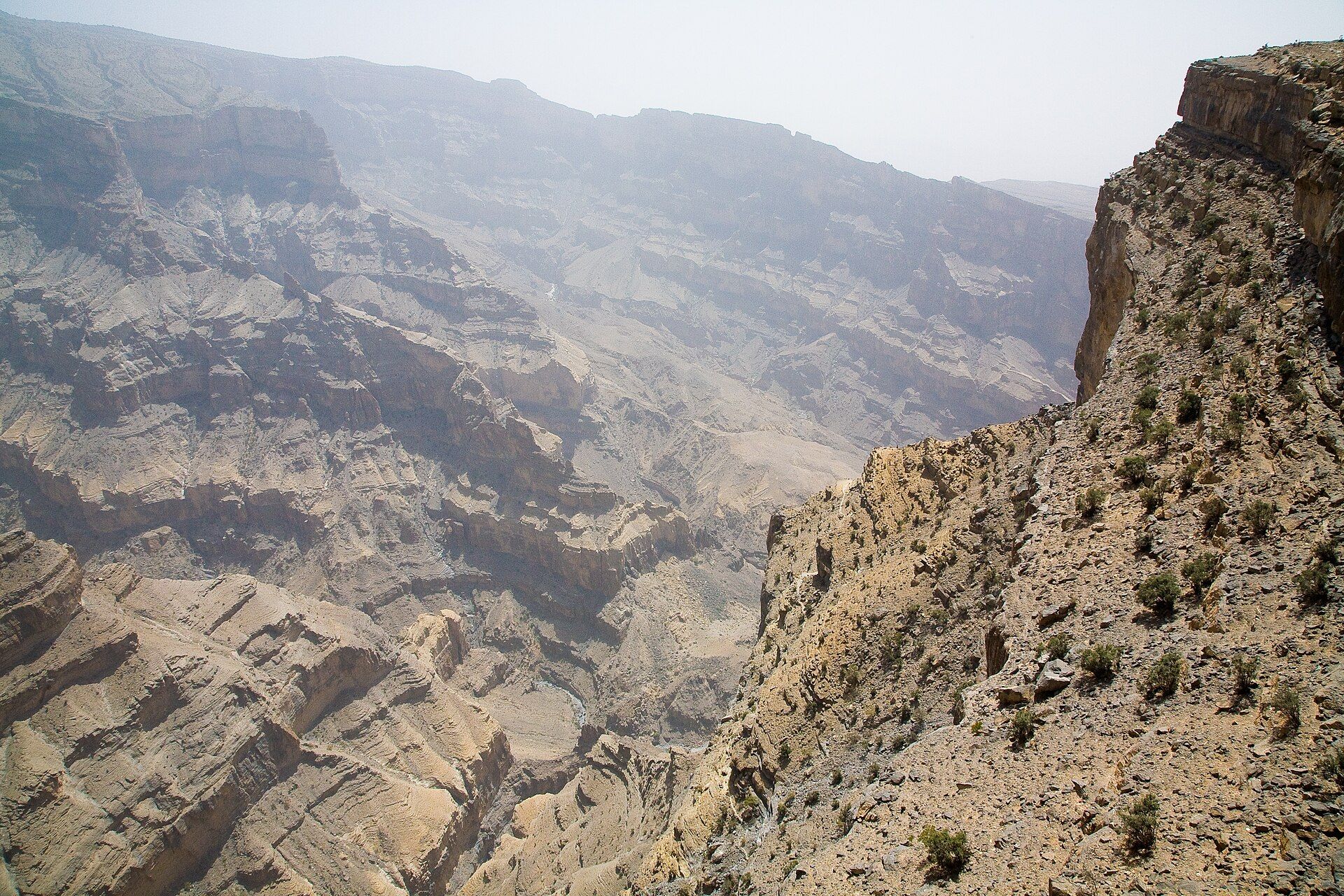
Jebel Shams Arabia's Grand Canyon rim
Al Hajar Mountains, northern Oman
A peak of about 3,000 metres in Oman's Al Hajar range above Wadi Ghul, a gorge more than a kilometre deep, a few hours from Muscat via Nizwa and Al Hamra. The upper road is best in a 4x4, and the Balcony Walk follows the canyon rim. October–April.
-
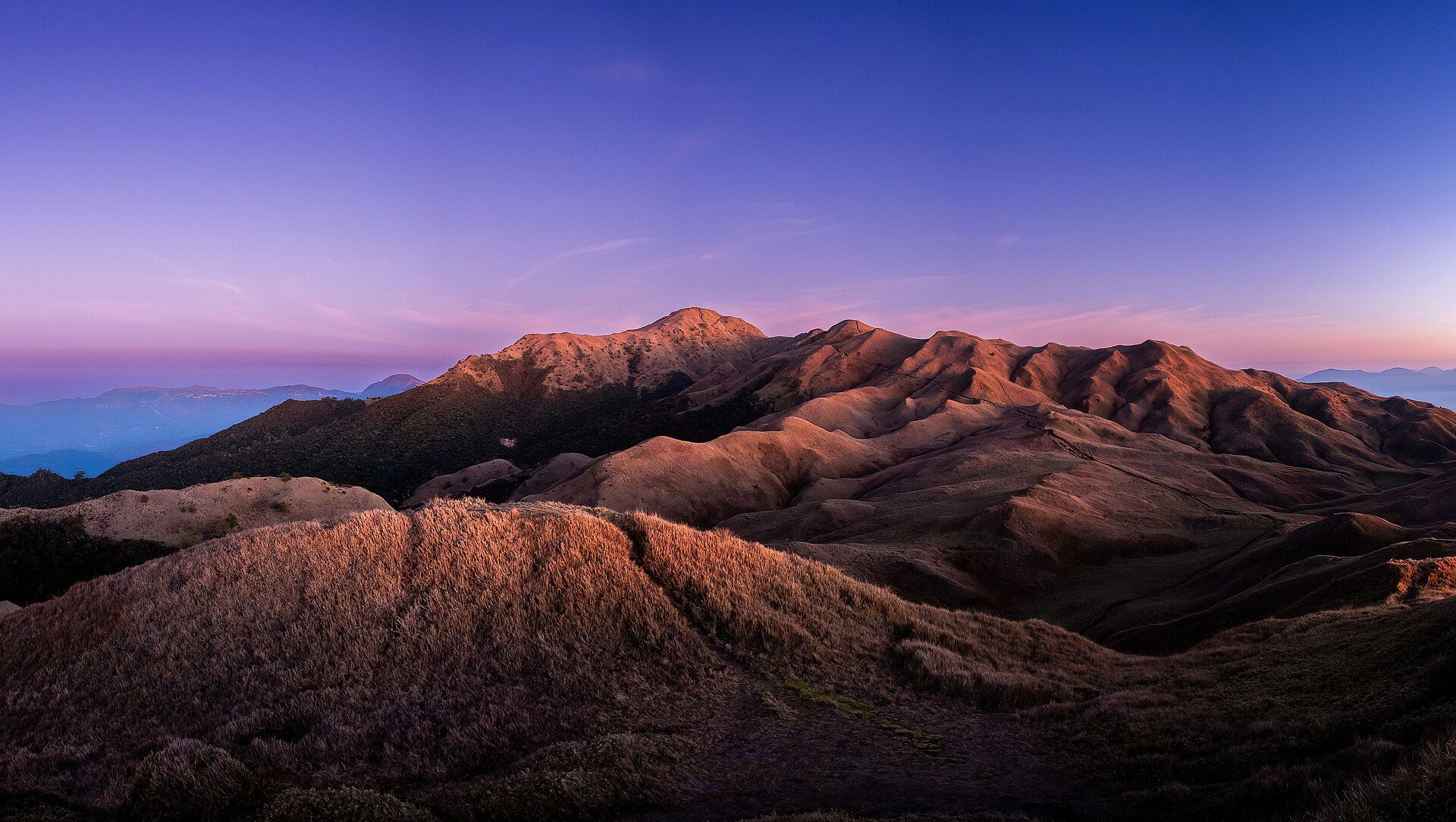
Mount Pulag A sea of clouds on Luzon
Benguet, Cordillera, Philippines
Luzon's highest peak at 2,922 metres, 4–5 hours from Baguio to the Ambangeg trailhead. Registration at the DENR visitor centre, a mandatory orientation, a medical certificate and a local guide are required. December–February for the best chance of the sea of clouds, with dawn temperatures near freezing.
Altitude and permits shape every trip here: the Himalaya, Kinabalu, Yushan and Pulag all cap or permit climbers, so book ahead and allow time to acclimatize on the high ones. For more, see the most beautiful mountains in the world, the most beautiful places in the Himalayas and in Asia, or compare K2 vs Everest and Chimborazo vs Everest.
Added