Annapurna Sanctuary
📍 Gandaki, north-central Nepal
A high glacial amphitheatre ringed by a wall of 7,000- and 8,000-metre Himalayan giants — the beating heart of one of the world's great treks, reached through rhododendron forest and terraced hills.
What makes it marvelous
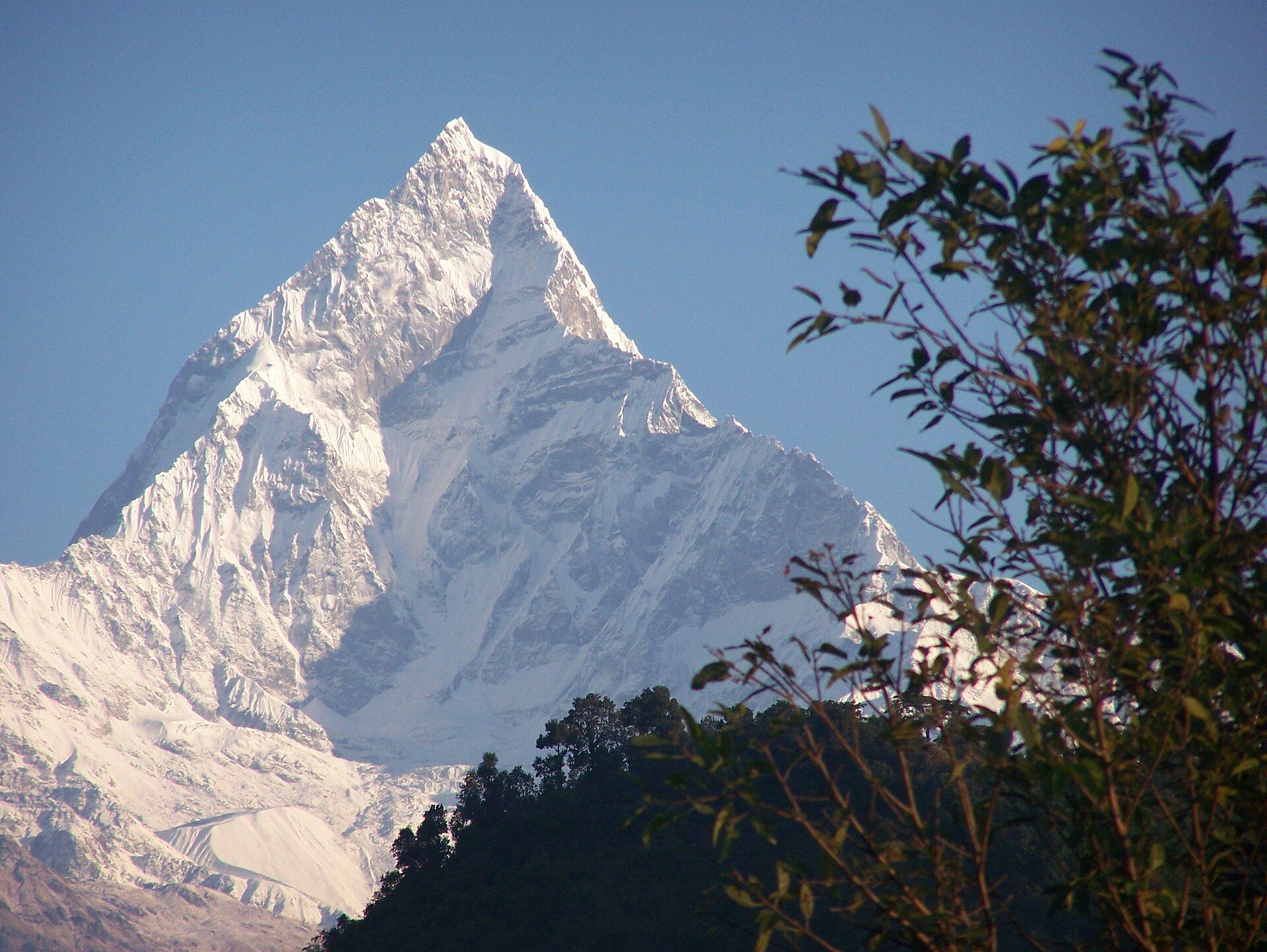
The Annapurna Sanctuary is a natural amphitheatre high in the Nepal Himalaya, a glacial basin encircled by a near-complete ring of colossal peaks — among them Annapurna I, the tenth-highest mountain on Earth at 8,091 metres, and the perfect fluted pyramid of Machapuchare, the 'Fishtail', which is closed to climbers and has never been summited. Standing on the basin floor at around 4,000 metres, you are surrounded on almost every side by ice walls and summits soaring three to four kilometres overhead. The journey there is itself a wonder, climbing through subtropical valleys, terraced farmland, and forests of towering rhododendron that blaze red and pink in spring, past villages of the Gurung people. The whole region is protected within Nepal's largest conservation area, home to snow leopards and rare Himalayan wildlife.
Why visit
Trekking into the Sanctuary to stand encircled by a wall of the highest mountains on Earth — watching dawn light ignite the peaks from the basin floor — is one of the most jaw-dropping and accessible great treks in the Himalaya.
Still deciding?
Annapurna Sanctuary comes up most often against one other place — each one weighs cost, effort, season and crowds side by side.
What to know before you go
🗓️ Best time
Spring (roughly March–May) for rhododendron blooms and clear peaks, and autumn (October–November) for the most stable, clear weather; the monsoon and deep winter are best avoided.
🧭 Getting there & access
In north-central Nepal, reached from Pokhara by road to a trailhead, then a multi-day trek up to the Sanctuary; teahouses along the route provide food and lodging, with guides and permits required.
Good to know
- Trek in spring or autumn for clear peaks and safe conditions.
- Acclimatize gradually — the Sanctuary lies around 4,000 m.
- Carry the required conservation-area and trekking permits.
Plan your visit
Strenuous🧭 Getting there
From Pokhara, via Kathmandu
- Fly Kathmandu → Pokhara — roughly 25–30 minutes, or 6–8h by road
- Road Pokhara → Nayapul or Jhinu — about 1h30–2h
- Trek to Annapurna Base Camp and back — typically 7–11 days
- Total travel
- A day from Kathmandu to the trailhead
- Time at site
- 7–11 days for the sanctuary trek
- Access
- ACAP permit and trekker registration, arranged in Kathmandu or Pokhara. Nepal has changed its rules on solo trekking and guide requirements more than once in recent years, so confirm the current position with the Nepal Tourism Board rather than an older guidebook. The sanctuary is a closed, avalanche-prone amphitheatre and the route has been shut after slides — check conditions locally in winter and early spring.
🎒 What to bring & consider
- Proper cold gear and a sleeping bag rated below freezing; base camp is above 4,100m and lodges are unheated except the dining room
- Acclimatisation days built in, because the sanctuary gains height faster than most Nepal treks
- Insurance that explicitly names helicopter evacuation at altitude
- Cash in rupees — there is no reliable ATM past Pokhara
- Water purification and a headtorch
👁️ What to expect
- Crowds
- Busy in the two main seasons, roughly March to May and October to November, with lodges filling inside the sanctuary itself.
- Conditions
- Relentless stone steps low down, then a steady climb into a closed amphitheatre. Cold, and snowbound in winter.
- Facilities
- Teahouses the whole way with beds and hot food. Charging and hot water cost extra and rise with altitude.
- The view
- The sanctuary is a full ring of peaks, and dawn light on Annapurna South and Machhapuchhre is the reason to sleep up there. Cloud closes in most afternoons.
Times and requirements are approximate and change with season, weather, and local rules — confirm permits, fares, and schedules with operators before you travel.
Natural riches of the area
- A ring of 7,000–8,000 m peaks including Annapurna I (8,091 m)
- Machapuchare, the unclimbed 'Fishtail' peak
- Rhododendron forests, terraced hills, and glaciers
- Snow leopards and rare wildlife in Nepal's largest conservation area
Local food
- Dal bhat
- Lentil soup with rice and vegetables — the staple that fuels every trek.
- Gurung & Thakali cuisine
- Hearty mountain cooking of the region's peoples, often with buckwheat and potato.
- Momos & tea
- Steamed dumplings and endless milk tea at the trail teahouses.
The Annapurna Sanctuary is one of the Himalaya’s most breathtaking places — a high glacial amphitheatre encircled almost completely by a wall of giant peaks. Stand on its floor at around 4,000 metres and you are ringed by ice and rock soaring three to four kilometres overhead: Annapurna I, the tenth-highest mountain on Earth, and the perfect fluted spire of Machapuchare, the ‘Fishtail’, closed to climbers and never summited.
The way in is a wonder in itself. The trek climbs from subtropical valleys through terraced farmland and forests of towering rhododendron — ablaze with red and pink blooms in spring — past the villages of the Gurung people, gaining the mountains step by step. It all lies within Nepal’s largest conservation area, home to snow leopards and rare Himalayan wildlife. To reach the Sanctuary and watch dawn set the encircling peaks alight is among the most accessible and unforgettable of the world’s great mountain journeys.
Annapurna Sanctuary: common questions
How do you get to Annapurna Sanctuary?
From Pokhara, via Kathmandu: Fly Kathmandu → Pokhara — roughly 25–30 minutes, or 6–8h by road; Road Pokhara → Nayapul or Jhinu — about 1h30–2h; Trek to Annapurna Base Camp and back — typically 7–11 days. Total travel time: A day from Kathmandu to the trailhead.
When is the best time to visit Annapurna Sanctuary?
Spring (roughly March–May) for rhododendron blooms and clear peaks, and autumn (October–November) for the most stable, clear weather; the monsoon and deep winter are best avoided.
How long should you spend at Annapurna Sanctuary?
7–11 days for the sanctuary trek. Total travel time: A day from Kathmandu to the trailhead.
What should you bring to Annapurna Sanctuary?
Proper cold gear and a sleeping bag rated below freezing; base camp is above 4,100m and lodges are unheated except the dining room Acclimatisation days built in, because the sanctuary gains height faster than most Nepal treks Insurance that explicitly names helicopter evacuation at altitude Cash in rupees — there is no reliable ATM past Pokhara Water purification and a headtorch
Do you need a permit or guide for Annapurna Sanctuary?
ACAP permit and trekker registration, arranged in Kathmandu or Pokhara. Nepal has changed its rules on solo trekking and guide requirements more than once in recent years, so confirm the current position with the Nepal Tourism Board rather than an older guidebook. The sanctuary is a closed, avalanche-prone amphitheatre and the route has been shut after slides — check conditions locally in winter and early spring.
Is Annapurna Sanctuary crowded, and what are conditions like?
Busy in the two main seasons, roughly March to May and October to November, with lodges filling inside the sanctuary itself. Relentless stone steps low down, then a steady climb into a closed amphitheatre. Cold, and snowbound in winter. Facilities: Teahouses the whole way with beds and hot food. Charging and hot water cost extra and rise with altitude.
Added Updated