Wildlife · migrations
Where and When Can You See the Great Wildlife Migrations? 12 Spectacles by Month
12 places · every one real, mapped, and worth the trip
Short answer: for the wildebeest, go to the Serengeti's southern plains for calving around January–March, or to the Masai Mara and northern Serengeti for the river crossings around July–October. For monarch butterflies, central Mexico from roughly mid-November to March. For birds, the Wadden Sea in April–May or August–October. Every migration on this list is a matter of timing — arrive in the wrong month and the place is still beautiful, but the spectacle has moved on.
The list is unranked and grouped by what is moving: the herds of East Africa and the Kalahari, the butterflies and birds of the northern flyways, and the humpback whales that turn up off three coasts in their own seasons. Each entry gives the window stated on that wonder's own page.
-
Serengeti Calving Jan–Mar · crossings Jul–Oct
Northern Tanzania
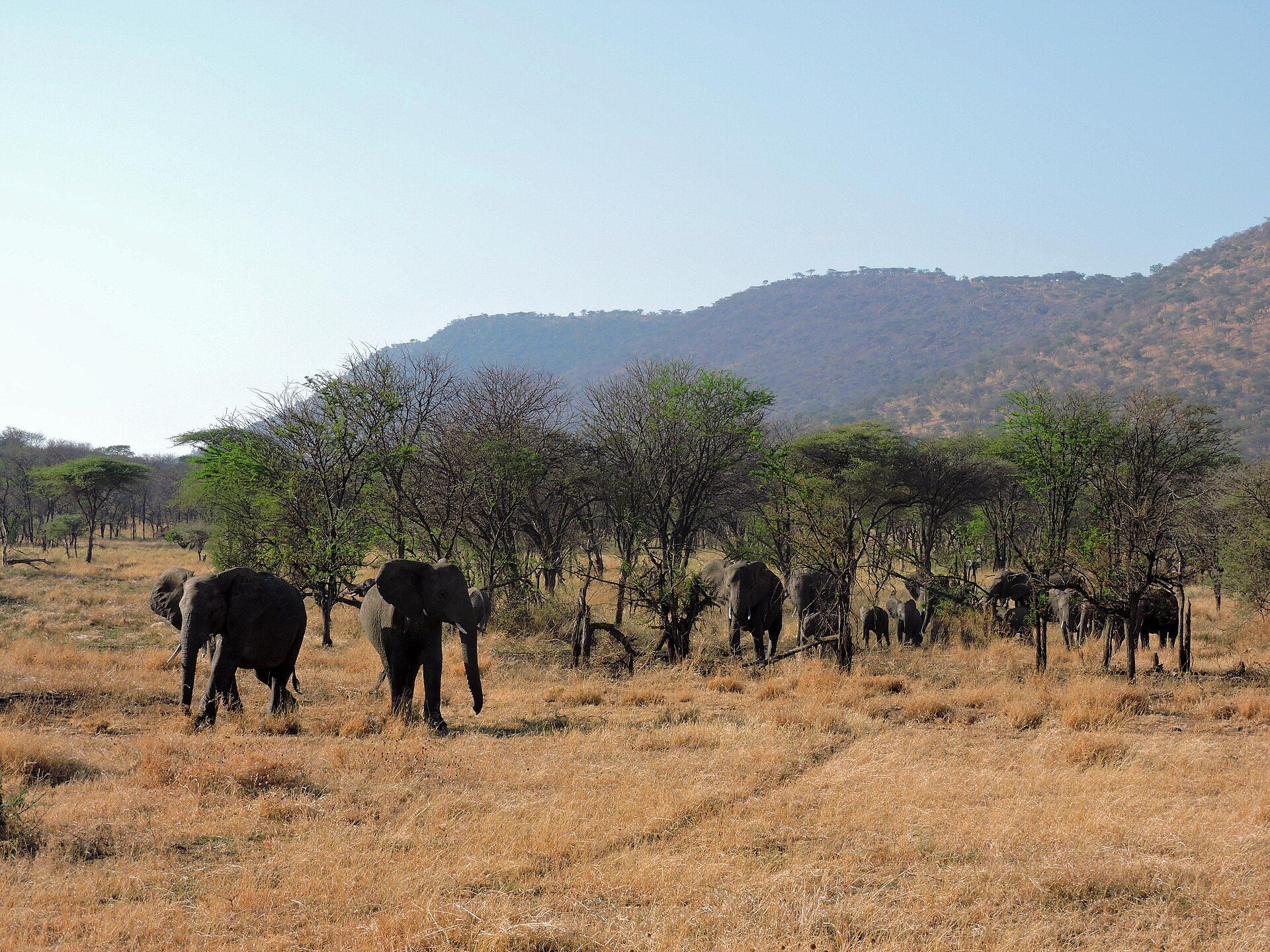
Some 1.3 million wildebeest, joined by zebra and gazelle, follow the rains in a continuous loop of over 800 kilometres — the greatest land-mammal migration on Earth — pursued by lions, cheetahs, hyenas and crocodiles. Calving on the southern plains is typically around January–March; the river crossings in the north around July–October.
-
Masai Mara River crossings, Jul–Oct
Narok County, southwestern Kenya
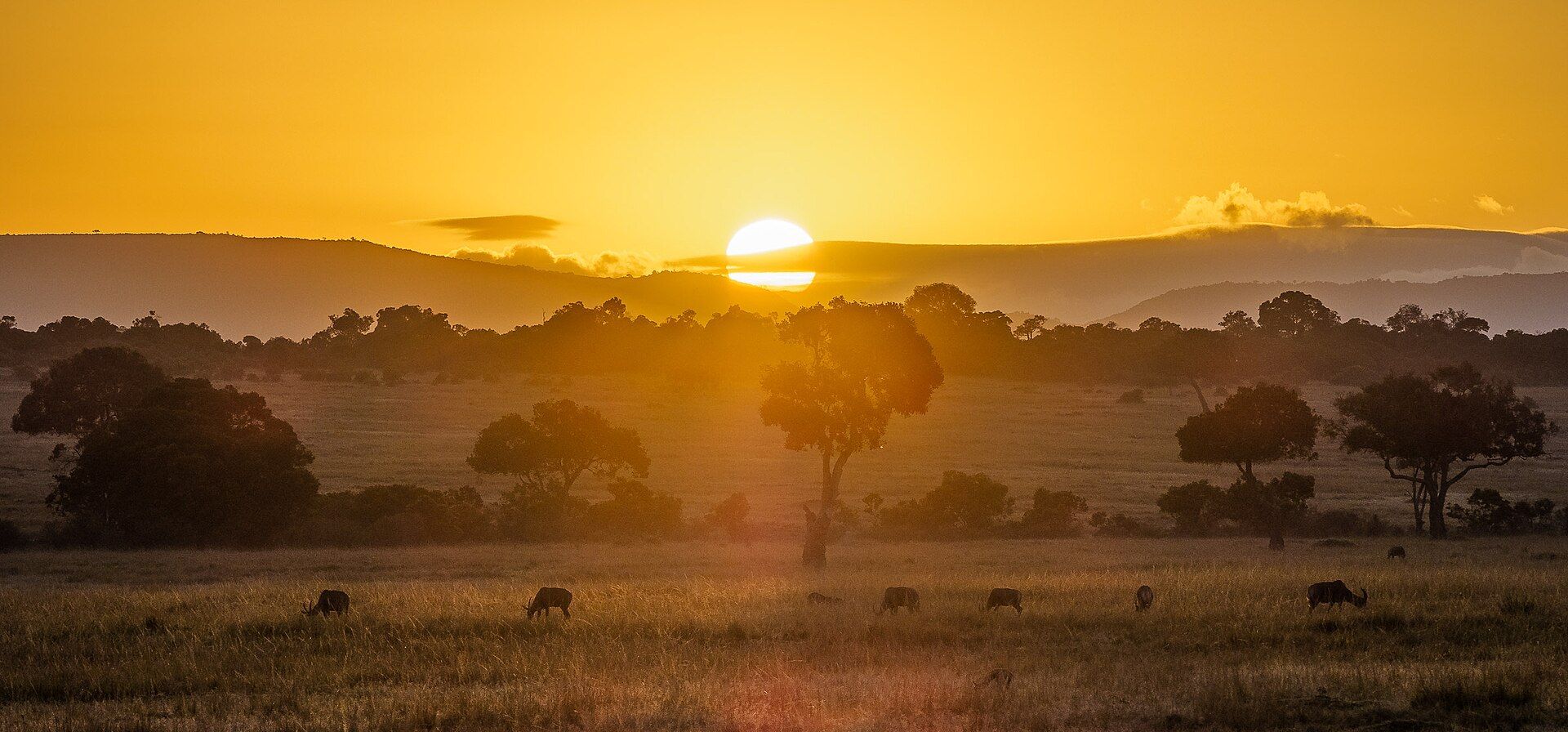
The northern reach of the Serengeti-Mara ecosystem stages the most dramatic act: more than a million wildebeest, with hundreds of thousands of zebra and gazelle, plunge into the Mara River past enormous Nile crocodiles, typically July to October.
-
Makgadikgadi Pans Zebra and wildebeest, Nov–Apr
Northeastern Botswana, between Nata and Maun
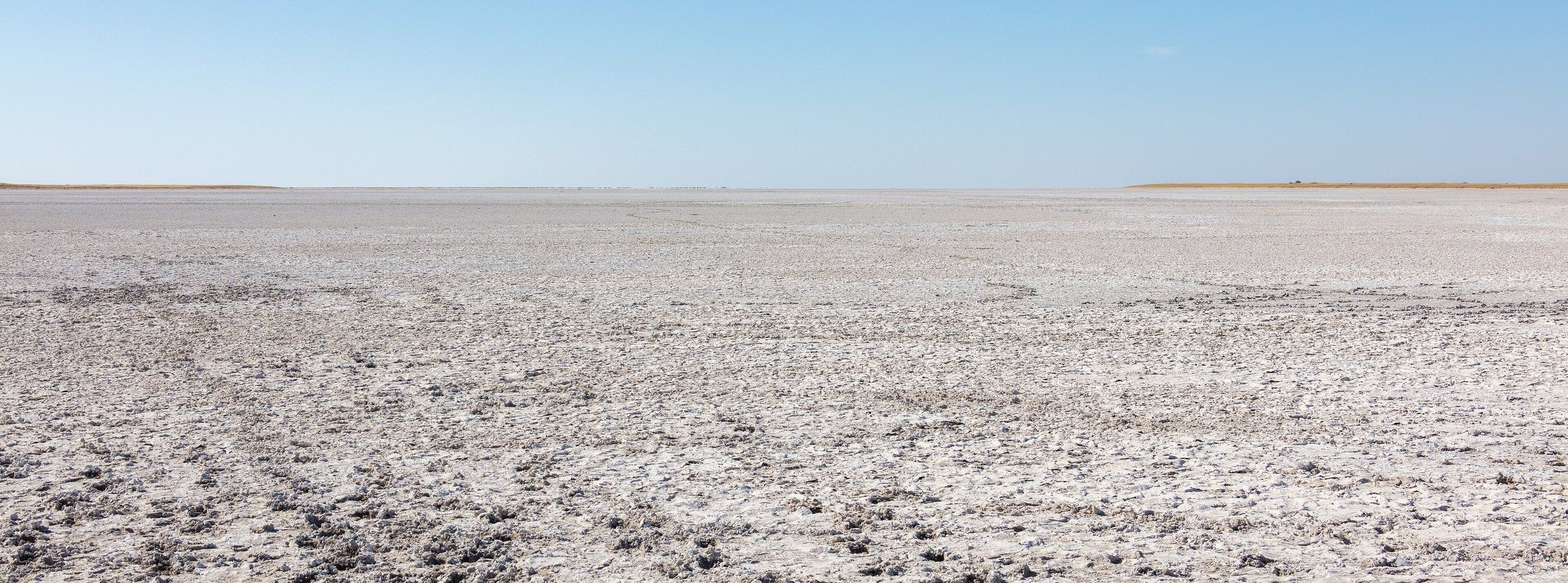
When the rains flood the Kalahari's great salt pans, wildebeest and zebra move in with the predators that follow them, and Sua Pan becomes one of only two greater flamingo breeding grounds in southern Africa. Wet season roughly November to April.
-
Nxai Pan & Baines' Baobabs Green-season herds, Dec–Apr
Nxai Pan National Park, northeastern Botswana, north of the Maun–Nata road
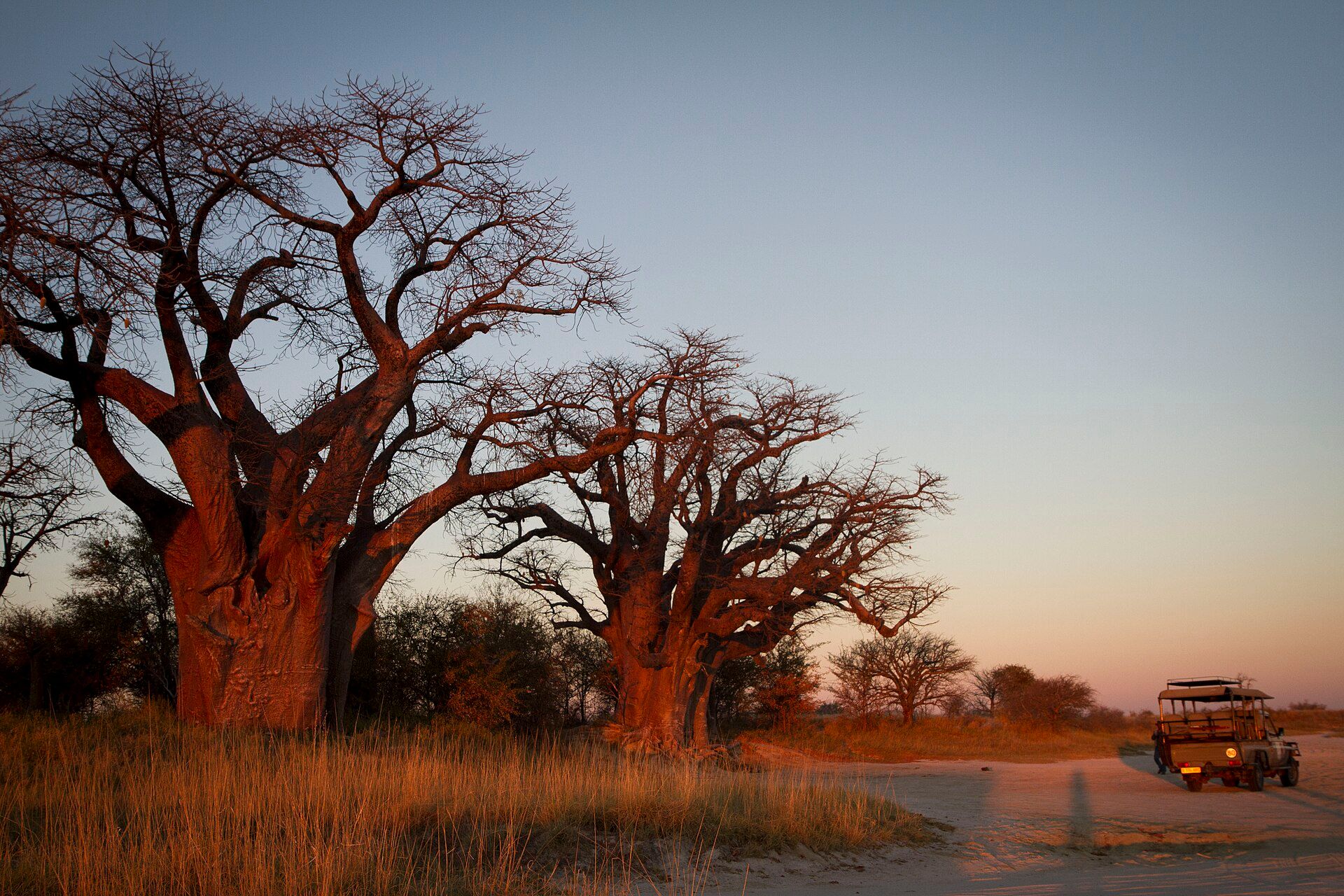
From about December to April the grasslands turn green and fill with zebra, wildebeest, springbok and giraffe, with lion, leopard and cheetah close behind; in the dry season the landscape empties. Heavy rain can make the roads difficult.
-
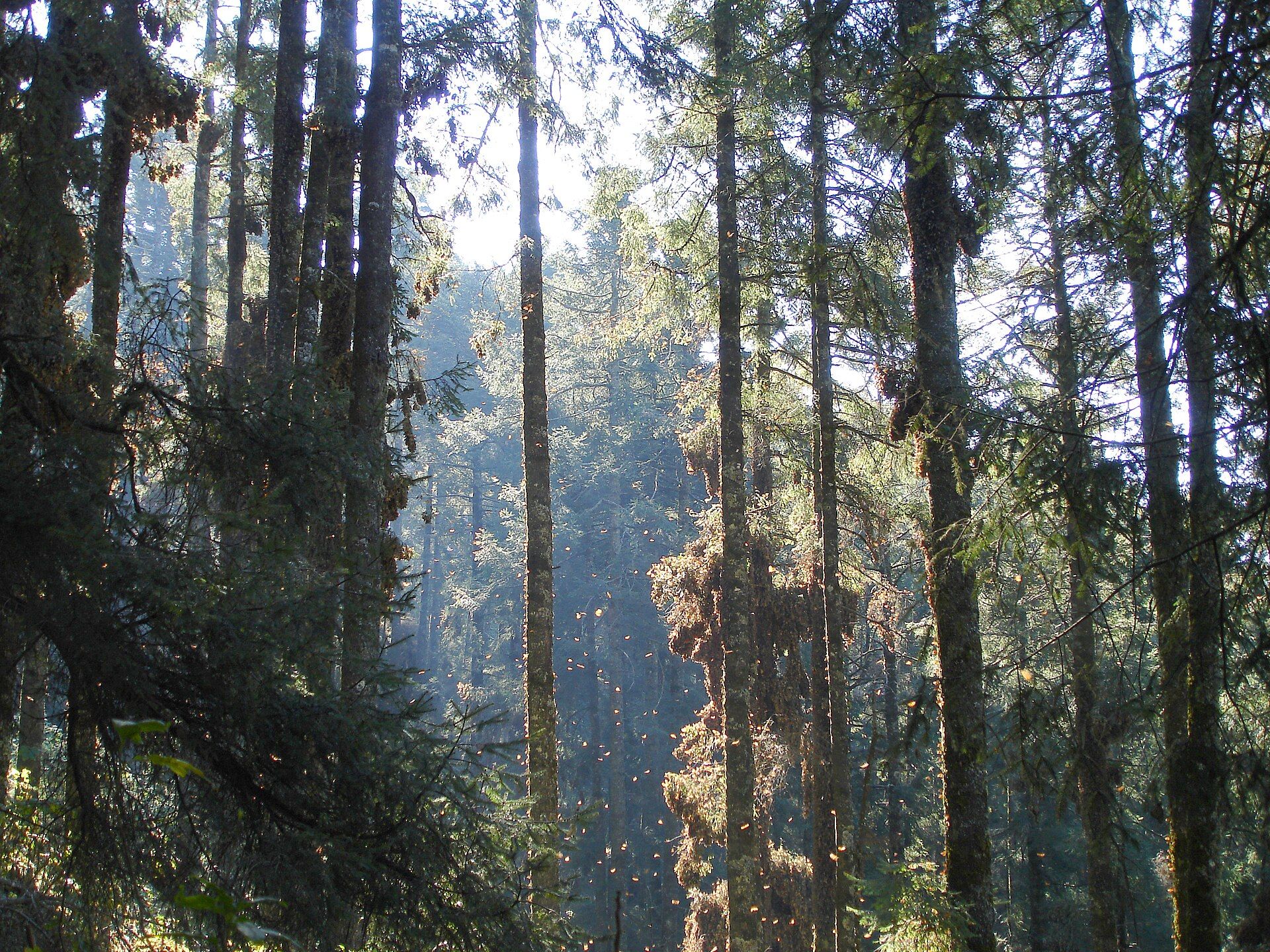
Monarch Butterfly Reserve Monarchs, mid-Nov–Mar
Michoacán / State of Mexico, central Mexico
Monarchs from across eastern North America migrate up to 4,000 kilometres — across generations, so no single butterfly makes the round trip — to overwinter in a few groves of oyamel fir in central Mexico, hundreds of millions of them. Warm, sunny midday hours are best for seeing them take flight.
-
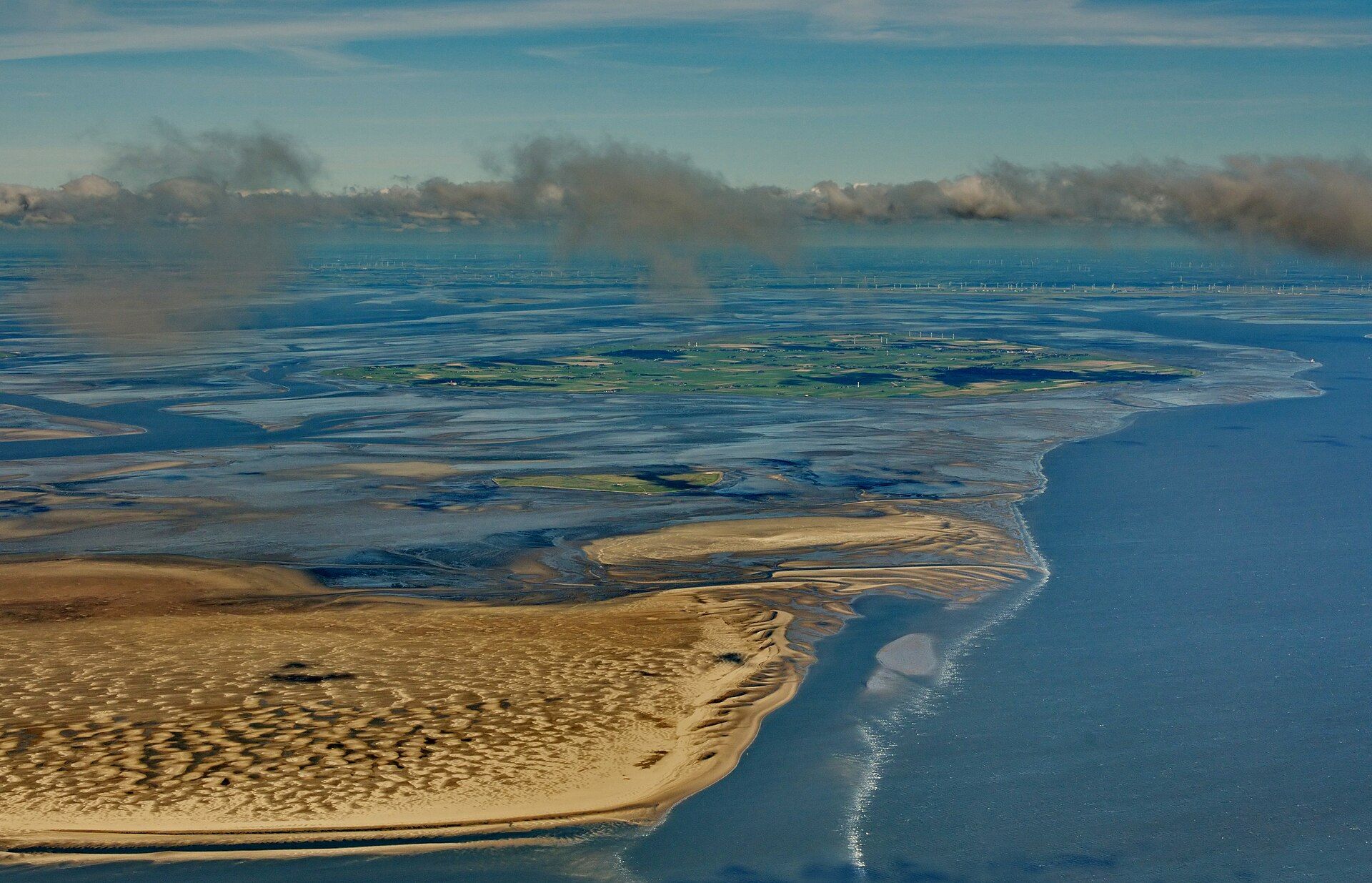
Wadden Sea 10–12 million birds, spring and autumn
Netherlands, Germany & Denmark
Between 10 and 12 million birds pass through each year, refuelling on the largest unbroken tidal flats on Earth on their way between the Arctic and Africa. Peak migration is roughly April–May and August–October; walk out across the seabed at low tide on a guided mudflat hike.
-
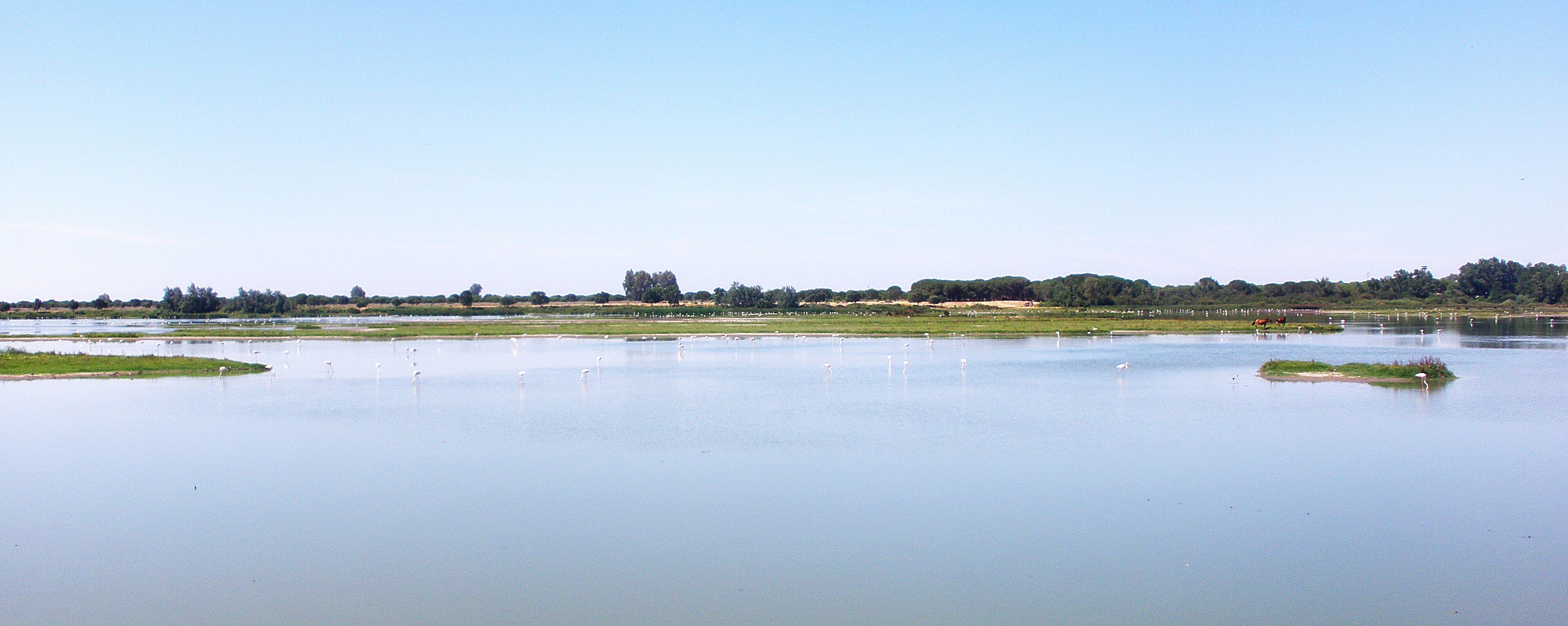
Doñana Waterbirds, Nov–Apr
Andalusia, southwestern Spain
On the flyway between Europe and Africa, the flooded marshes of the Guadalquivir feed enormous numbers of migrating and wintering waterbirds. Go roughly November to April, when the marshes hold water; by late summer much of the marsh is dry and the spectacle largely gone.
-
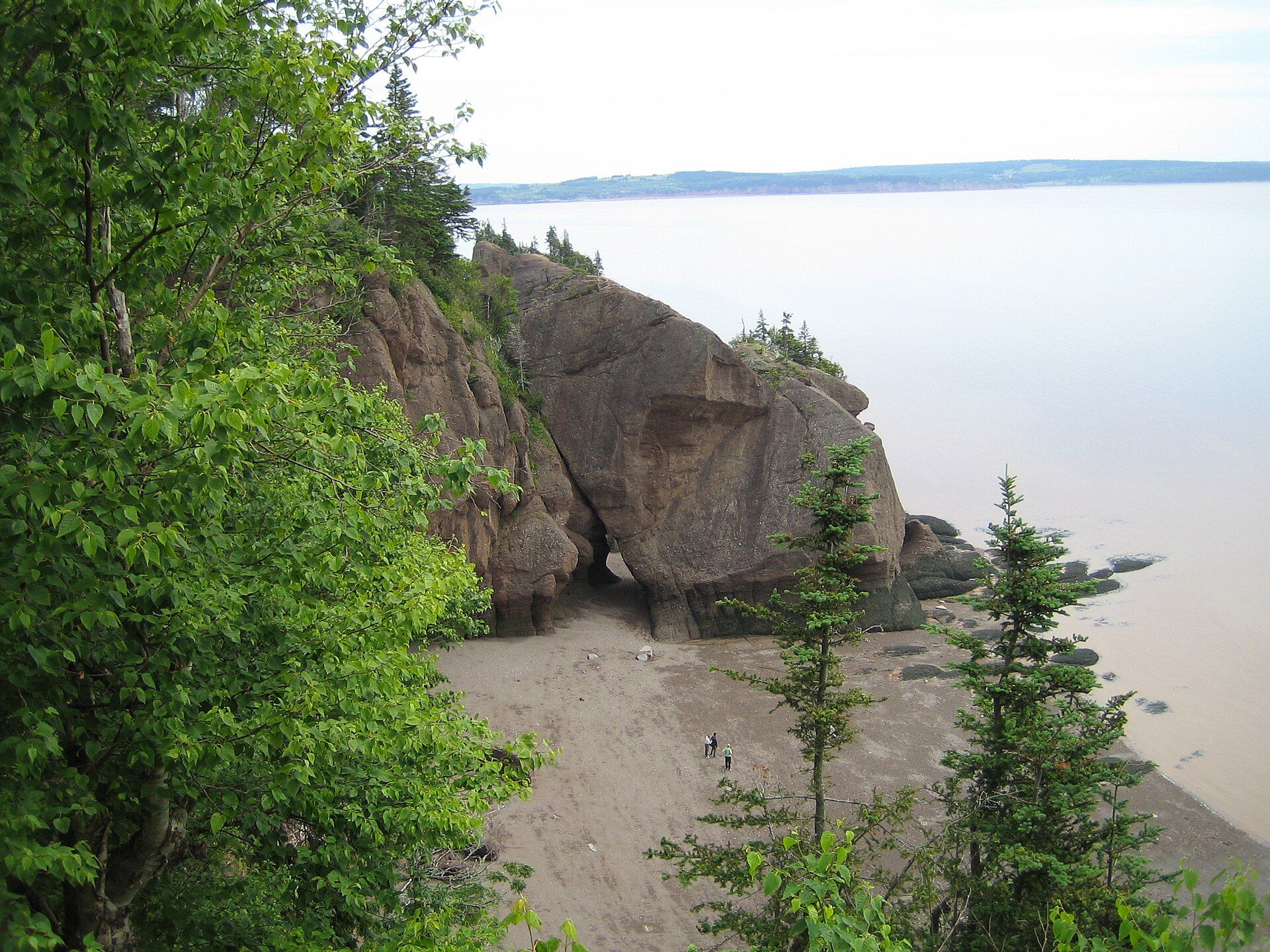
Bay of Fundy Shorebirds and whales, Jun–Sep
New Brunswick & Nova Scotia, Canada
The world's highest tides expose vast mudflats that feed millions of migrating shorebirds and stir up nutrients that draw whales, including the endangered North Atlantic right whale. Roughly June to September — and plan around the tide tables.
-
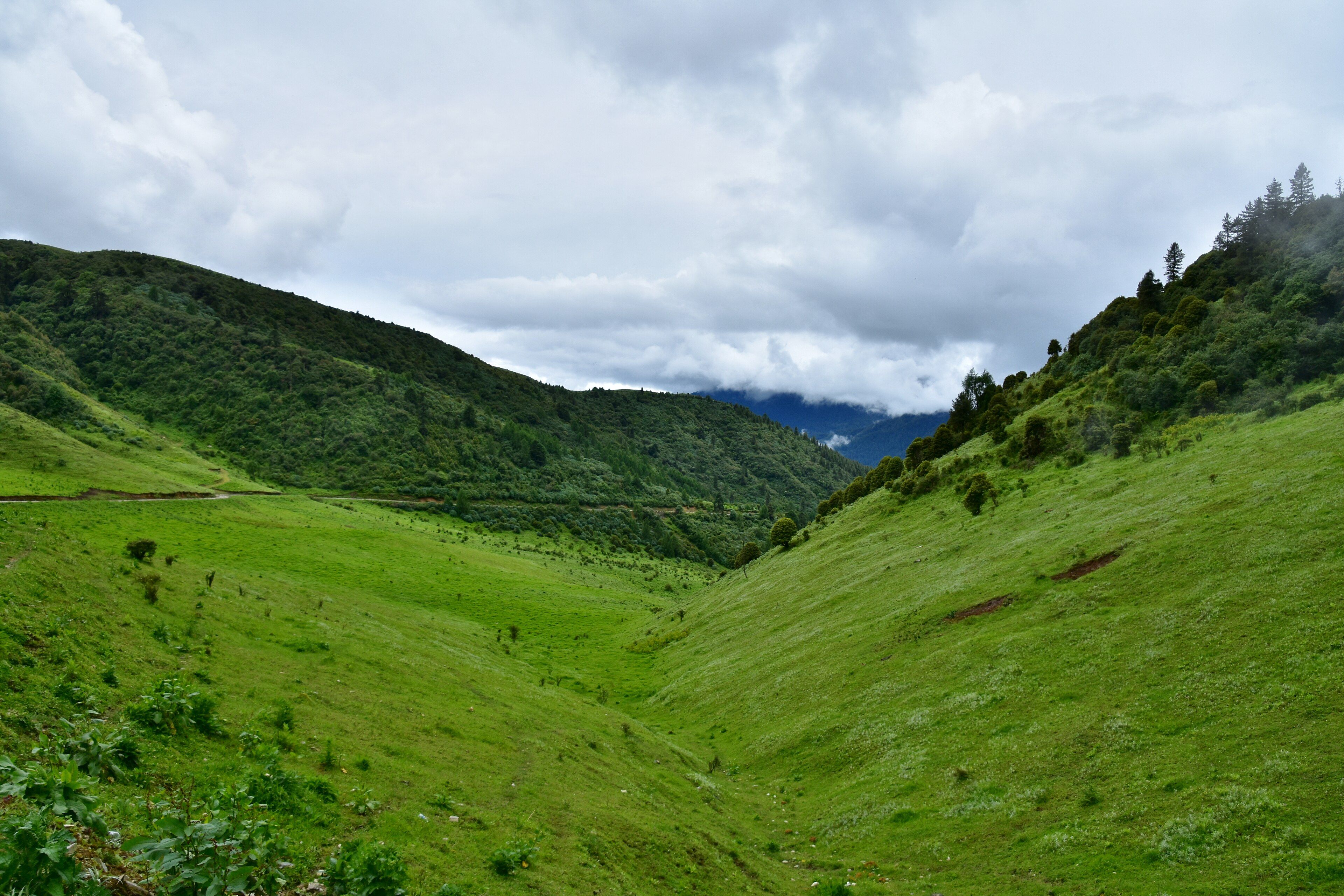
Phobjikha Valley Black-necked cranes, late Oct–mid-Feb
Wangdue Phodrang District, central Bhutan
From the last week of October, black-necked cranes fly over the Himalaya from the Tibetan Plateau to winter in this 3,000-metre valley — three to five hundred birds, Bhutan's largest wintering flock. November and December are the most reliable months; December nights fall below −4 °C.
-
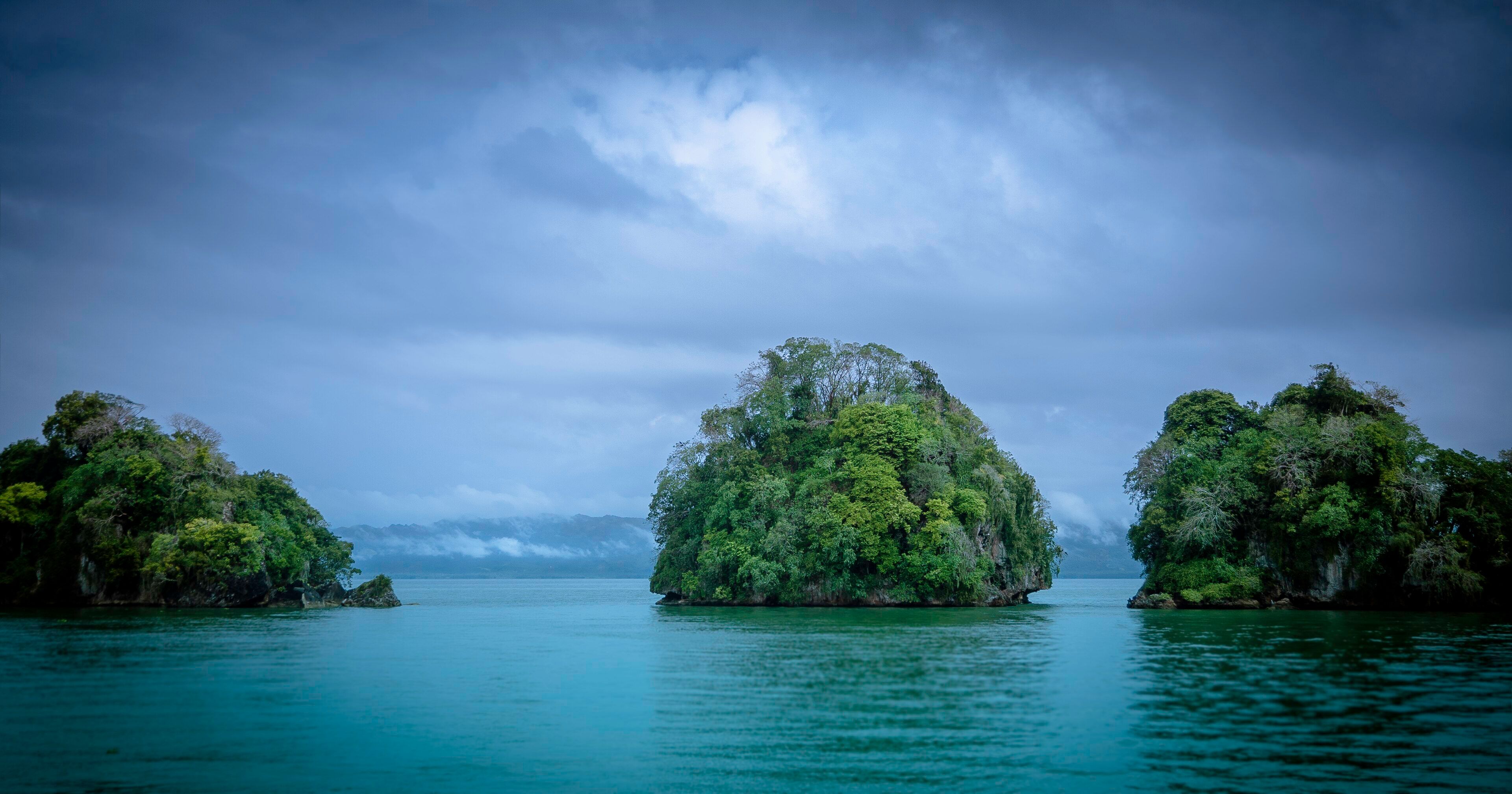
Los Haitises Humpbacks in Samaná Bay, Jan–Mar
Samaná Bay, Hato Mayor, Monte Plata and Samaná provinces, Dominican Republic
Humpback whales are in Samaná Bay from roughly January to March, which pairs with a boat trip into the mangroves and karst islets of Los Haitises in the drier December–April season.
-
Ningaloo Reef Humpbacks Jun–Nov
Coral Coast, Western Australia
Humpback whales pass along this fringing reef on migration, roughly June to November, after the whale-shark season of March to July. Swims with both are tightly licensed and never guaranteed — book a licensed operator.
-
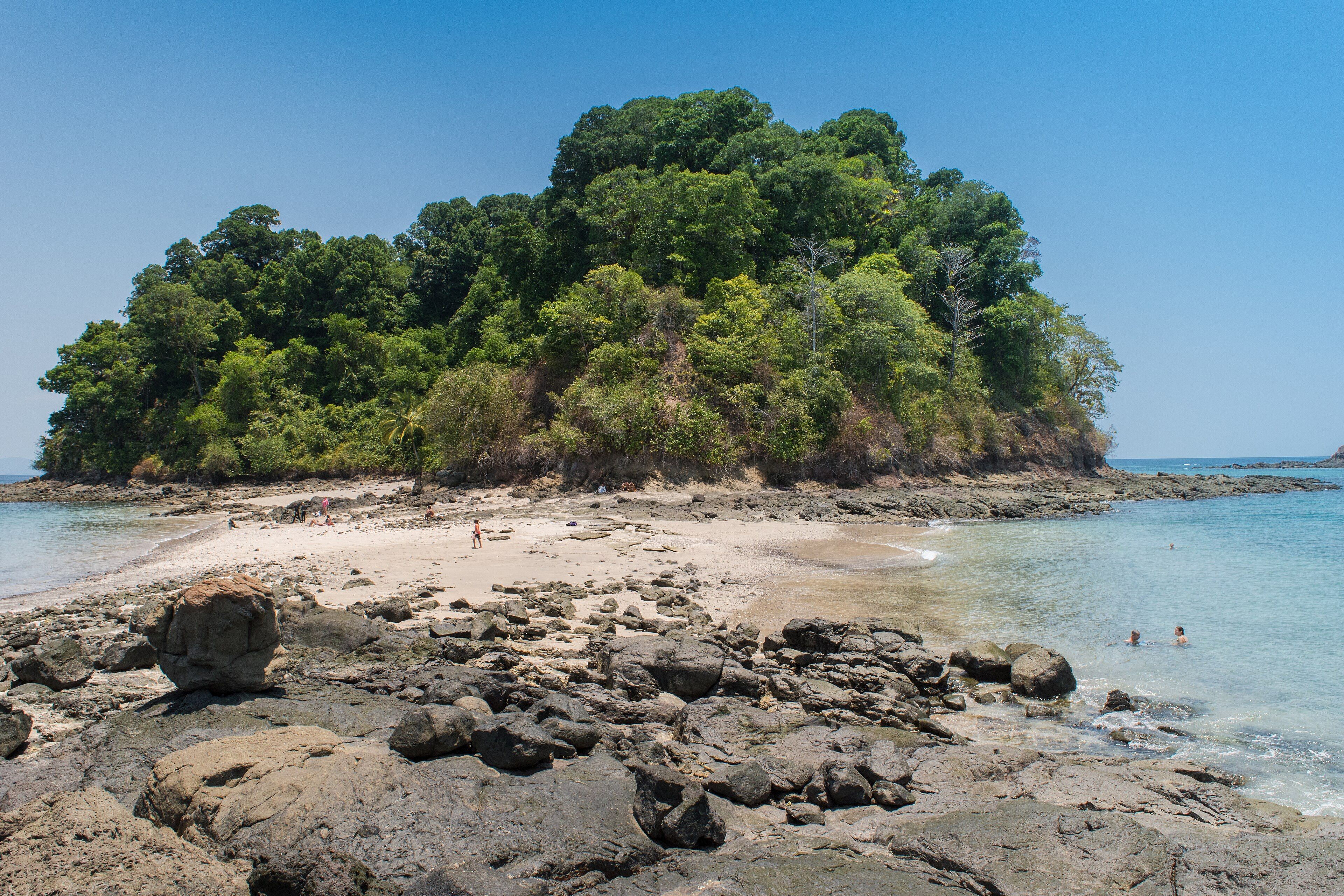
Coiba Humpbacks Jul–Oct
Gulf of Chiriquí, Veraguas Province, Pacific Panama
Humpback whales pass Coiba, the largest island in Central America, between roughly July and October, in the wetter half of the year, when the sea is rougher and the forest greener; the diving also brings pilot whales, orcas, dolphins and manta rays.

Every window here is approximate, because every one of these migrations follows rain, temperature or food rather than a calendar — and several of them, the monarchs above all, are under threat. Book with operators who stay a respectful distance, and treat a missed crossing or an empty bay as the price of watching something wild.
Added