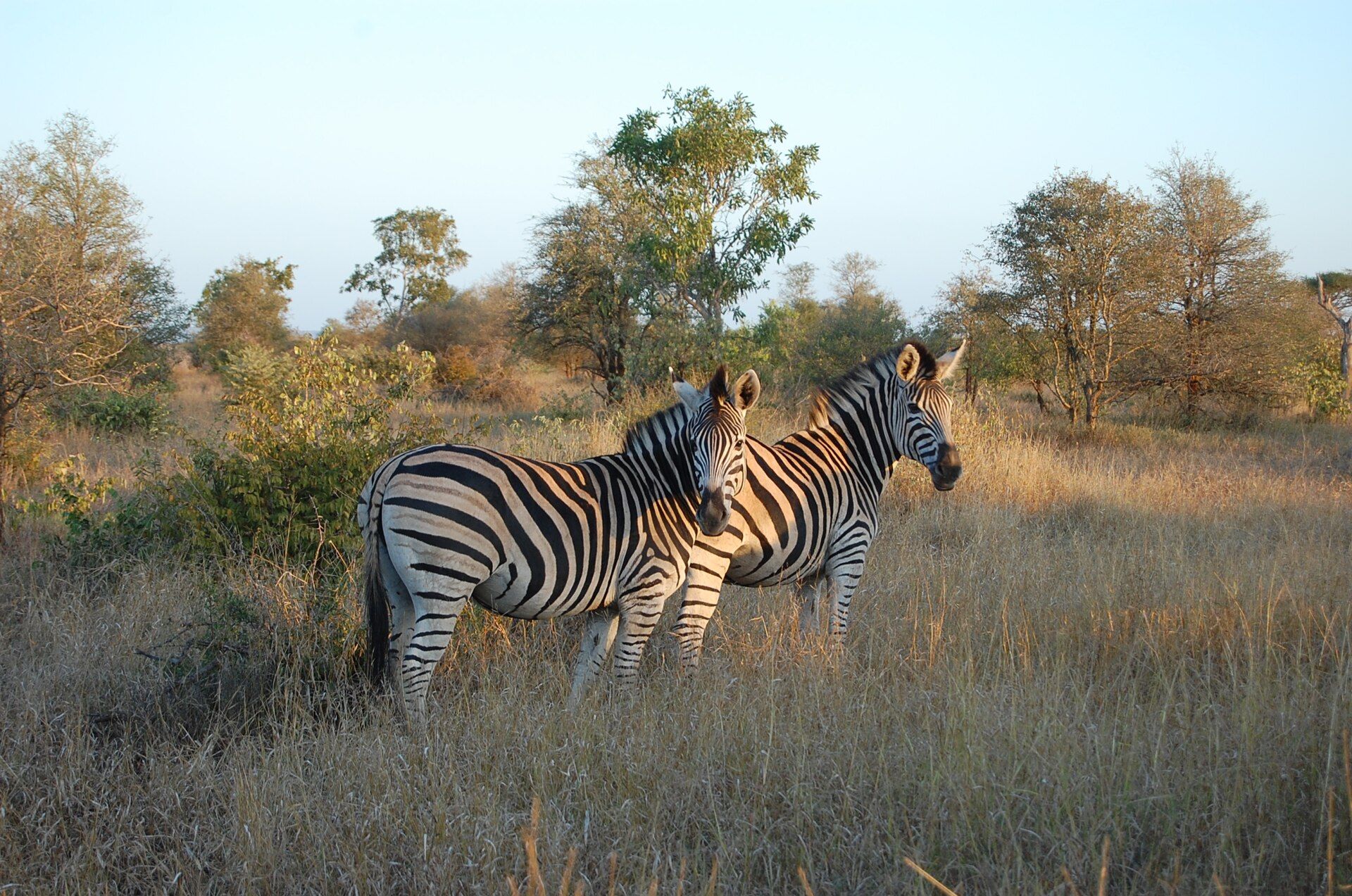
Masai Mara
📍 Narok County, southwestern Kenya
Rolling grassland where the Great Migration crosses the Mara River — over a million wildebeest running the gauntlet of crocodiles and Africa's densest big-cat population.
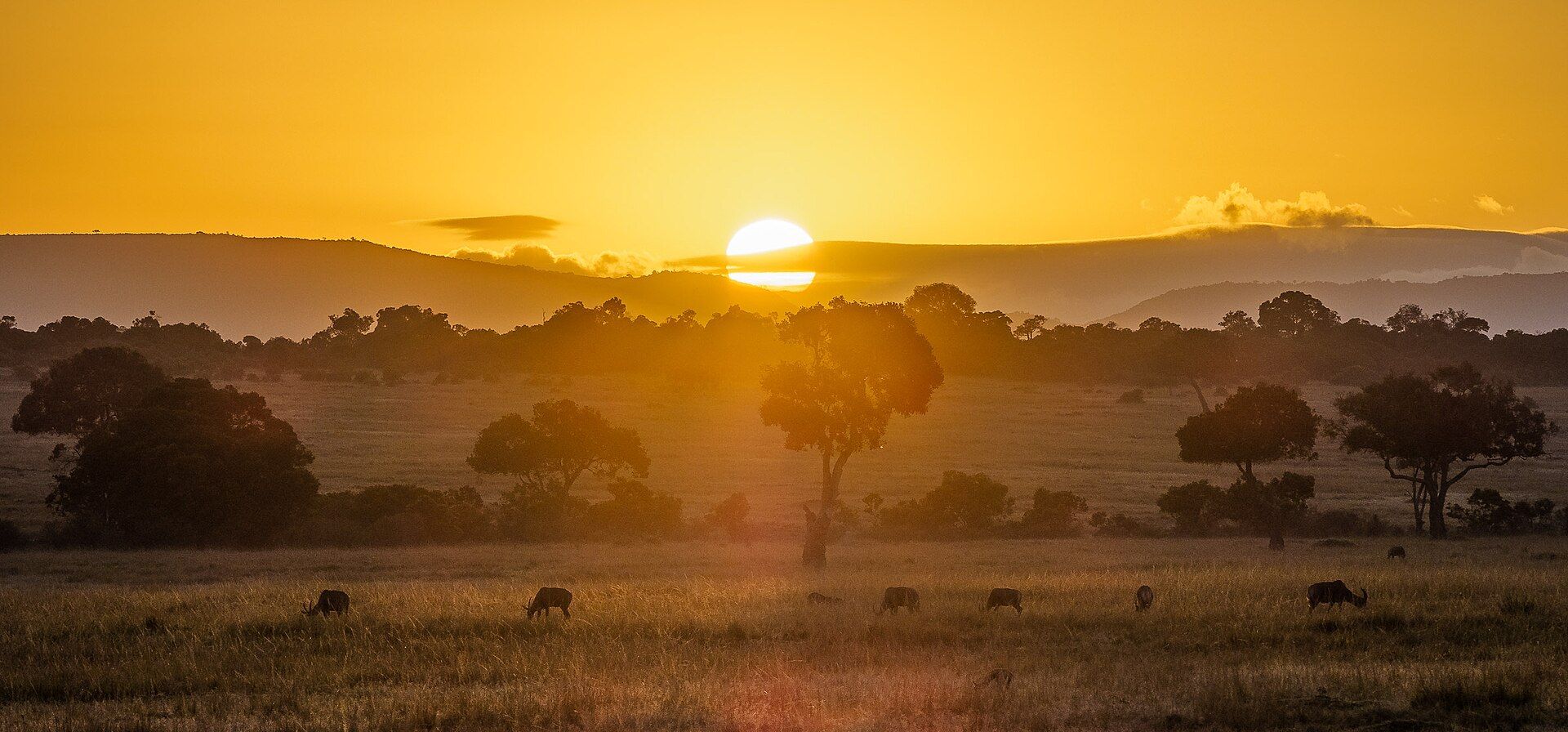
What makes it marvelous
The Masai Mara forms the northern reach of the vast Serengeti-Mara ecosystem, and it stages the most dramatic act of the Great Migration. Each year, more than a million wildebeest with hundreds of thousands of zebra and gazelle move north following the rains, and around July to October they must cross the Mara River — plunging down steep banks into water patrolled by enormous Nile crocodiles, in scenes of chaos and mass movement unmatched anywhere in the wild. Beyond the migration, the Mara's open grassland and gentle rises make it perhaps the finest place on Earth to see big cats: it holds an exceptional density of lion, cheetah, and leopard, and its terrain leaves them visible in a way dense bush never does. Elephant, hippo, and huge herds of resident plains game complete a landscape managed alongside the Maasai communities whose lands surround it.
Why visit
Witnessing a river crossing during the migration, or simply watching lions and cheetahs hunt across open grassland at dawn, makes the Mara the definitive African safari — abundance and drama on a scale few places can match.
Still deciding?
Masai Mara comes up most often against these — each one weighs cost, effort, season and crowds side by side.
What to know before you go
🗓️ Best time
July to October for the Great Migration and river crossings; the drier months generally offer excellent game viewing, while the green season brings newborns and fewer vehicles.
🧭 Getting there & access
In southwestern Kenya, reached by light aircraft from Nairobi (about 45 minutes) or a long drive; game drives run from lodges and camps inside the reserve and in surrounding community conservancies.
Good to know
- Book migration-season (Jul–Oct) camps and flights many months ahead.
- Stay in a community conservancy for fewer vehicles and night drives.
- Be patient at river crossings — herds can mass for hours before going.
Plan your visit
Easy🧭 Getting there
From Nairobi (NBO), then road or light aircraft
- Fly into Nairobi
- Road Nairobi → Mara — roughly 5–6h, with the final stretch rough
- Or a light aircraft to a Mara airstrip — about 45min–1h
- Total travel
- Most of a day by road; a morning by air
- Time at site
- 3–4 days minimum
- Access
- Reserve entry is charged per person per day and is normally handled by your camp. The surrounding private conservancies charge separately and run their own rules — they cap vehicles per sighting and permit off-road and night drives that the national reserve does not, which is worth weighing when choosing where to stay.
🎒 What to bring & consider
- Warm layers for dawn drives — an open vehicle on the highland plateau is cold before sunrise, equator notwithstanding
- Neutral clothing and dust protection for eyes and camera gear
- Binoculars, which will improve your days more than any lens
- Malaria prophylaxis and repellent on travel-clinic advice
- Cash in small notes for tips and community fees
👁️ What to expect
- Crowds
- Vehicles crowd heavily around big cats and at the Mara River crossings in season. The conservancies are far quieter by design.
- Conditions
- Rough tracks that turn to deep mud in the rains, hot middays, cold dawns, and long hours seated.
- Facilities
- Camps and lodges only.
- The view
- The wildebeest crossings follow rain, not a calendar — they fall roughly around the middle of the year, but no honest operator will promise them. The resident predators, on the other hand, are there all year.
Times and requirements are approximate and change with season, weather, and local rules — confirm permits, fares, and schedules with operators before you travel.
Natural riches of the area
- The northern reach of the Serengeti-Mara ecosystem
- Great Migration river crossings of over a million wildebeest
- Exceptional density of lion, cheetah, and leopard
- Open grassland grazing that supports vast resident herds
Local food
- Nyama choma
- Kenyan grilled meat, usually goat or beef, eaten communally.
- Ugali & sukuma wiki
- Maize meal with collard greens, the everyday Kenyan staple.
- Maasai milk & meat traditions
- Cattle-based foods central to the Maasai communities of the Mara.
The Masai Mara is the northern reach of the great Serengeti-Mara ecosystem, and it hosts the most dramatic act of the entire Great Migration. Each year more than a million wildebeest, with hundreds of thousands of zebra and gazelle, push north behind the rains — and somewhere around July to October they must cross the Mara River. They pile down steep banks into water patrolled by enormous Nile crocodiles, in scenes of noise, dust, and mass movement that have no equal in the wild.
Even without the migration, the Mara would be exceptional. Its open, gently rolling grassland holds one of the densest populations of lion, cheetah, and leopard anywhere, and crucially, the terrain leaves them visible in a way thick bush never does. Elephants, hippos, and vast resident herds fill out the plains, on land managed hand in hand with the Maasai communities who surround it — making this, for many, the definitive African safari.
Masai Mara: common questions
How do you get to Masai Mara?
From Nairobi (NBO), then road or light aircraft: Fly into Nairobi; Road Nairobi → Mara — roughly 5–6h, with the final stretch rough; Or a light aircraft to a Mara airstrip — about 45min–1h. Total travel time: Most of a day by road; a morning by air.
When is the best time to visit Masai Mara?
July to October for the Great Migration and river crossings; the drier months generally offer excellent game viewing, while the green season brings newborns and fewer vehicles.
How long should you spend at Masai Mara?
3–4 days minimum. Total travel time: Most of a day by road; a morning by air.
What should you bring to Masai Mara?
Warm layers for dawn drives — an open vehicle on the highland plateau is cold before sunrise, equator notwithstanding Neutral clothing and dust protection for eyes and camera gear Binoculars, which will improve your days more than any lens Malaria prophylaxis and repellent on travel-clinic advice Cash in small notes for tips and community fees
Do you need a permit or guide for Masai Mara?
Reserve entry is charged per person per day and is normally handled by your camp. The surrounding private conservancies charge separately and run their own rules — they cap vehicles per sighting and permit off-road and night drives that the national reserve does not, which is worth weighing when choosing where to stay.
Is Masai Mara crowded, and what are conditions like?
Vehicles crowd heavily around big cats and at the Mara River crossings in season. The conservancies are far quieter by design. Rough tracks that turn to deep mud in the rains, hot middays, cold dawns, and long hours seated. Facilities: Camps and lodges only.
Added
More wonders to explore
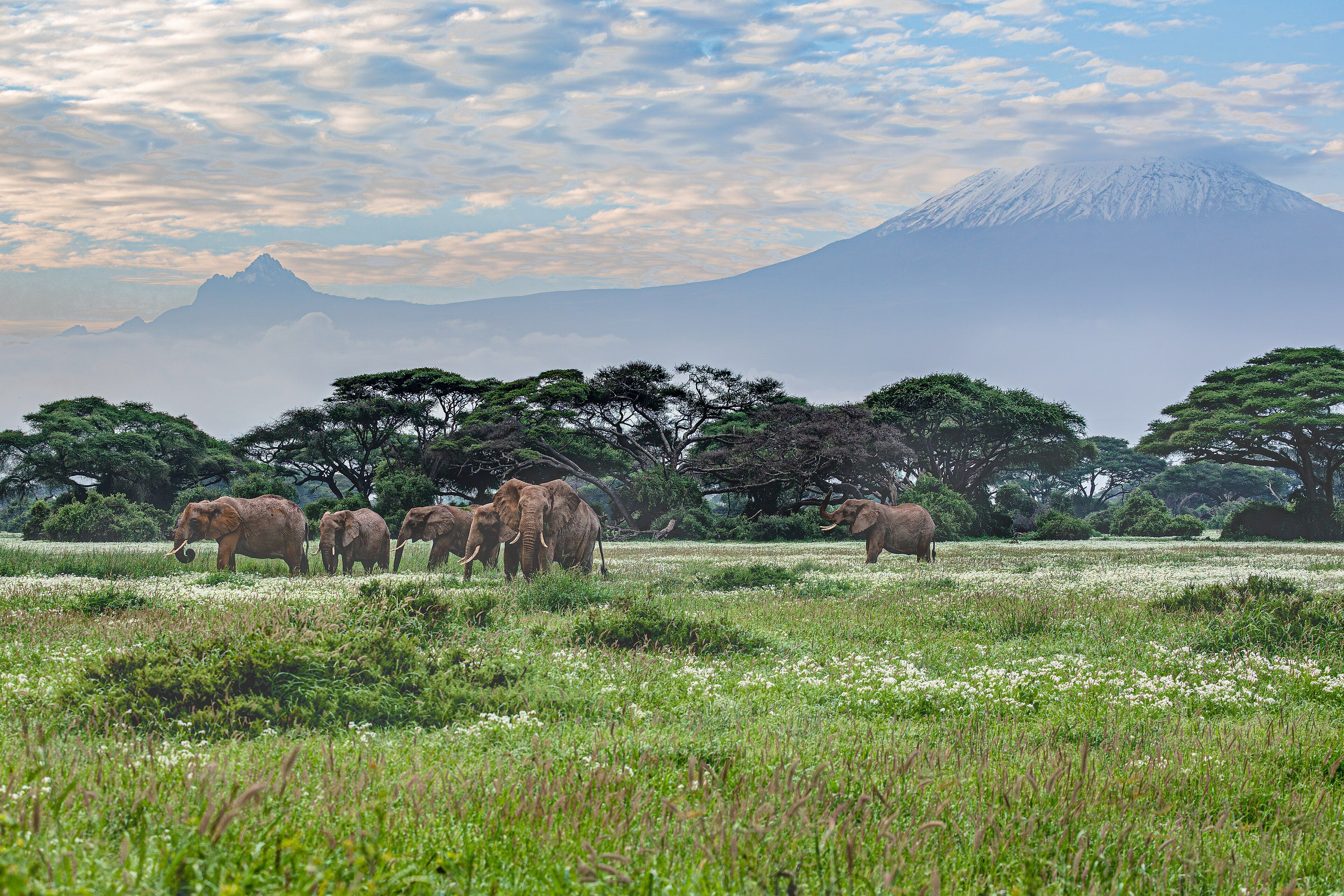
Amboseli National Park
Kajiado County, southern Kenya, on the Tanzanian border
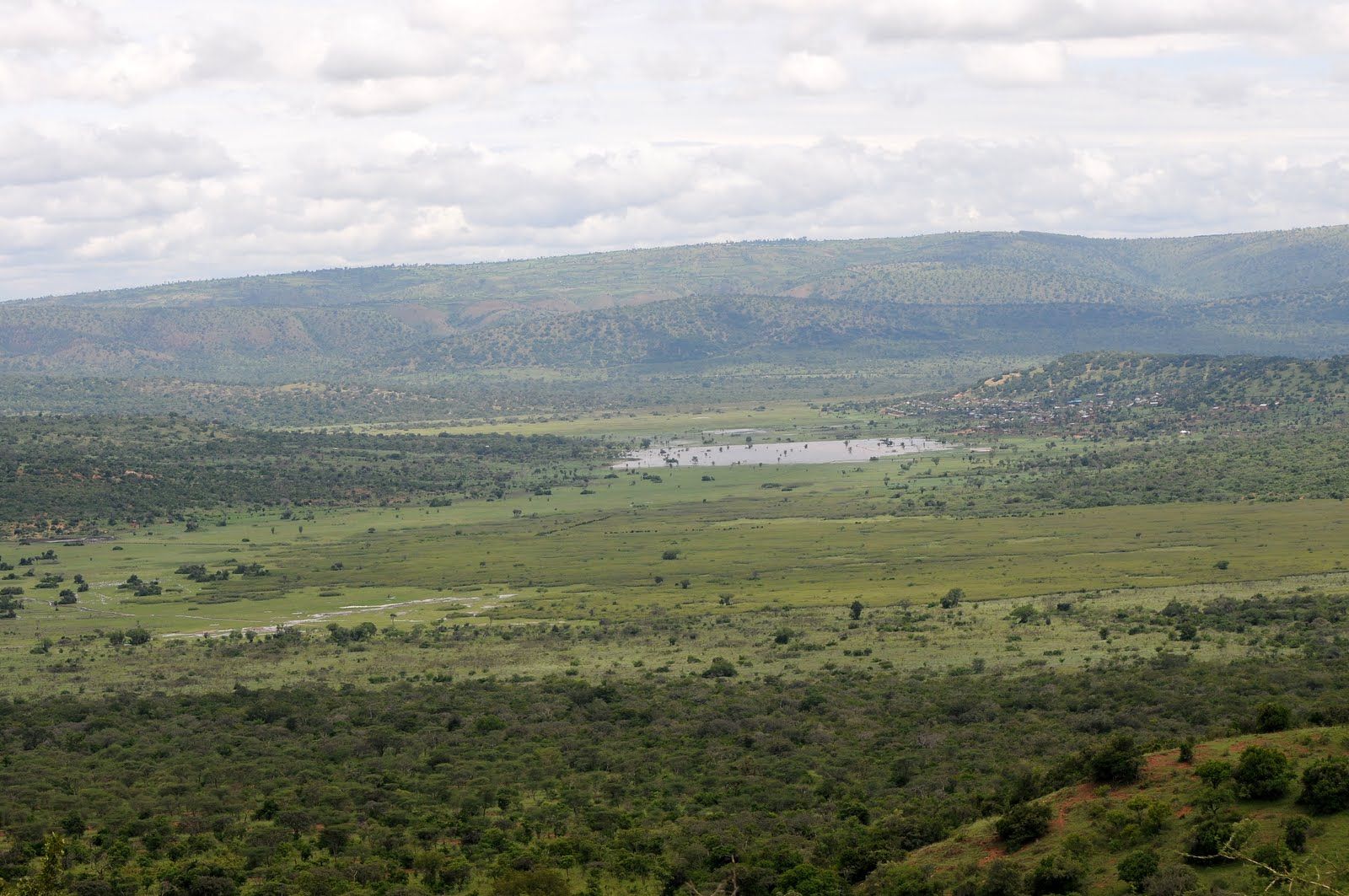
Hwange National Park
Matabeleland North, north-western Zimbabwe, off the Bulawayo–Victoria Falls highway